

Imagine opening the door after a long day and seeing your fluffy rabbit hopping toward you like a delighted puppy. It sounds idyllic, doesn’t it? More rabbit owners than ever are considering giving their bunnies free rein of the house, just like they would with a cat or dog. Still, the decision to let your rabbit roam freely comes with serious considerations that can’t be ignored. Your home might seem perfectly safe to you, but to a curious, low-to-the-ground creature with a passion for chewing, it’s practically a minefield of hazards.
Let’s be real, though. Keeping a rabbit in a cage all the time can interfere with your ability to properly bond with your pet and inhibit their ability to get the exercise and mental stimulation that they need for a happy and healthy life. The benefits can be phenomenal, from improved health to deeper emotional connections. Yet the risks are equally real. From electrical cords that resemble tasty snacks to furniture crevices they might never escape from, there’s a lot to think about before ditching the enclosure. So let’s dive into what it really takes to make this work safely.
The Health Benefits That Make Free Roaming Worth Considering

One of the most compelling reasons to consider free roaming is the physical health boost it provides. Because life as a free roaming bunny naturally encourages frequent, daily exercise, the risk of obesity is mitigated. In addition to maintaining their svelte figure, an active lifestyle helps encourage healthy joints and strong bones and will help your kiddo maintain muscle mass as they age. Rabbits are naturally active creatures, especially during dawn and dusk hours. Confining them during these peak activity times goes against their instincts.
There’s something else people rarely talk about. Additionally, as animals who excrete excess calcium through their kidneys, rabbits naturally have an increased risk of developing bladder sludge/stones. The movement and activity encouraged by a free roaming lifestyle shakes up the contents of their bladder and moves the calcium sediment around, thereby helping prevent sludge and stone formation. That’s a pretty big deal when you’re looking at the long-term wellness of your pet.
Honestly, it’s hard to overstate how much mental stimulation matters too. A rabbit stuck in one spot gets bored quickly, which can lead to depression or destructive behaviors. Free-roaming can stimulate a bunny’s mind through varied experiences. With space to explore new surroundings, boredom is reduced (which may also prevent some destructive behaviors like excessive chewing or digging).
The emotional benefits extend to you as well. When your rabbit has access to your living spaces, they become part of the family in a way they simply can’t when confined. You’ll notice their personality quirks, their favorite napping spots, and how they react to different situations. This familiarity strengthens bonds considerably.
The Serious Risks You Can’t Afford to Ignore

Here’s the thing most articles gloss over. Hundreds of rabbits die each year from inadequate bunny-proofing. Biting into electrical wires or cords, burrowing into furniture and getting smooshed are all real threats to your bunny’s life. These aren’t scare tactics. These are actual documented dangers that happen when people underestimate how much mischief a small animal can get into.
Exposed electrical cords can kill a rabbit. A quick nibble is all it takes for a shock, burn, or worse. And it’s not just about the obvious hazards. Rabbits can squeeze into impossibly tight spaces behind appliances, under recliners, or into box springs where they might overheat or become trapped. I know it sounds crazy, but these scenarios happen more often than you’d think.
Rabbits should typically not be left to roam the home unsupervised with cats or dogs. Even if your kitty or pooch is typically a sweet-natured goofball, the instinctual desire to chase small, furry, fast-moving creatures is strong in many cats and dogs and could lead to an unsafe or life-threatening scenario for your bunny. Many people assume their gentle pets would never harm their rabbit, yet predatory instincts can kick in without warning.
Our homes can be full of potential hazards that we might not even realize, like electrical cords, poisonous plants, small objects that can be swallowed, and so on. These can pose serious threats to our rabbits if we’re not careful. Houseplants you’ve had for years might be toxic. That cleaning spray under the sink could be fatal if ingested. The world looks very different from ground level.
Having a free roam rabbit can be a lot of fun, but your household also needs to be very aware at all times where your rabbit is, as an accidental misstep can be deadly. Because companion rabbits behave boldly at times, caretakers may need to be reminded that rabbits are physically fragile.
Essential Rabbit Proofing Steps Before You Even Consider Free Roaming

If you’re serious about this, rabbit proofing isn’t optional. It’s absolutely non-negotiable. When free roaming your rabbit, the most important step you need to take is thoroughly rabbit proofing your entire home. This means taking precautions to keep your rabbit safe. Get dangerous objects out of your rabbit’s reach and cover up areas where your rabbit is likely to be destructive. Think of it like baby proofing, except your baby has incredibly sharp teeth and an unrelenting desire to chew everything.
Start by getting down on the floor at rabbit level. Seriously, crawl around and see what they see. This can be achieved by blocking off access to certain rooms with metal play pens or baby gates, keeping loose wires and cords picked up and safely tucked away, or placing a sturdy rug or woven grass mat in the corners of the room to discourage digging. Any wires that must remain plugged in should be protected by a durable cover to prevent chewing and the risk of electrocution.
While chewing these is dangerous for your rabbit, they can also cause serious damage to the baseboards too. If you have wallpaper, rabbits thoroughly enjoy finding any small edge of wallpaper and ripping it off. Many owners use untreated wood boards as protective baseboards, which serve the dual purpose of protecting walls while giving rabbits something safe to chew. Others swear by hard plastic corner guards or applying bitter apple spray to furniture.
Don’t forget about spaces underneath furniture. If your rabbit is free to roam, you need to block off the underside of the bed. Rabbits are known to get underneath and dig up into the box spring. If they ingest the fabric on the box spring it can cause intestinal blockages. The same goes for couches and recliners, which can be death traps for curious bunnies.
Remove or relocate all houseplants to high surfaces. Many common plants are toxic to rabbits. Keep trash cans secured with lids, and store all cleaning products and chemicals in locked cabinets. Block access to any room that’s simply too difficult to rabbit proof completely, like home offices with countless cords.
Litter Training Is Absolutely Critical for Indoor Freedom
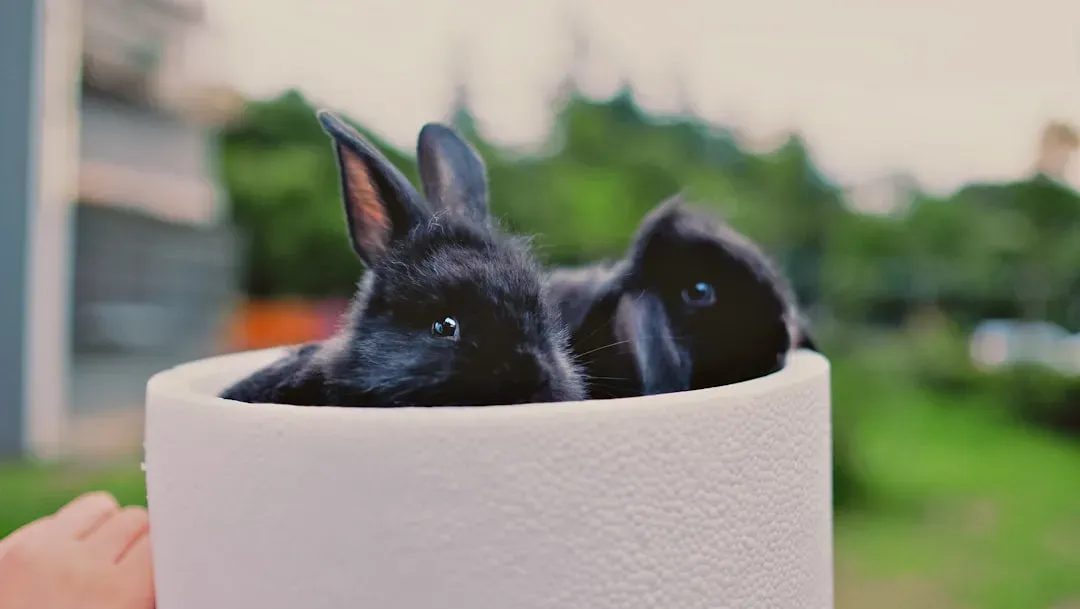
Let me be blunt about this. If you want to free roam your rabbit, you are going to need to litter train them. Rabbit pee has a high concentration of ammonia. It can strip wood of its varnish and seriously damage rugs and carpets if it’s not cleaned right away. Without proper litter training, free roaming simply isn’t practical. Period.
The good news? Rabbits are naturally fastidious creatures and tend to have very particular bathroom habits. This combination, coupled with their intelligence, make rabbits the perfect candidates for litter training. Most rabbits naturally choose one or two spots to use as a bathroom, which makes training easier than you might expect. Spaying or neutering your rabbit significantly improves litter box success rates, since it reduces territorial marking behaviors.
Start the process while your rabbit is still in their enclosure. Place a litter box where they naturally tend to go, and reward them when they use it correctly. Moving hay near the box can encourage use, since rabbits often eat while doing their business. Gradually expand their roaming area as their litter habits become more consistent.
Accidents will happen, especially during the transition period. Don’t punish your rabbit. Instead, clean thoroughly with an enzyme cleaner to remove the scent, and gently guide them back to their designated bathroom area. Patience is key here.
Creating a Safe Home Base Even for Free Roaming Rabbits
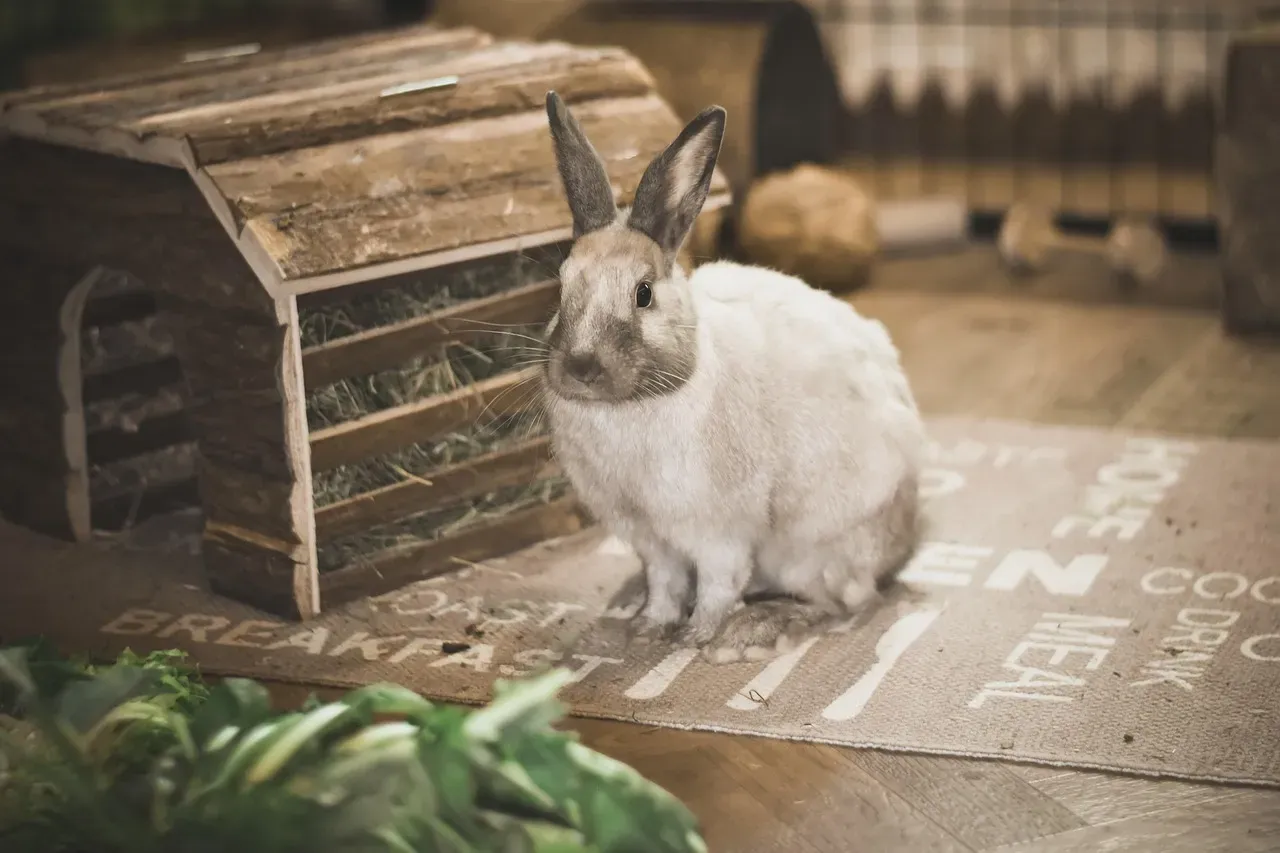
Rabbits who free roam a home still need a home base that can be considered a “safe-place” if they need to get away from everyone for a little while. Normally having a cage with the door open tucked away somewhere is ideal. Rabbits hide in burrows in the wild when they feel scared, so providing your rabbits with a type of “burrow” can help them feel secure. This is something people often overlook when planning a free roam setup.
Think of the home base as your rabbit’s sanctuary. It should include their litter box, water, hay, food, and comfortable hiding places. Set it up in a quiet corner where they can retreat when feeling overwhelmed or simply want alone time. Even the most social rabbit needs a space that’s entirely theirs.
We also say use a cage instead of having their safe spot be under the bed or couch (and you should block those so they can’t get under there) for their safety, as well as if there is an emergency you have the ability to get them into a safe place that they are use to and get them out of the house in that cage if needed. This practical consideration matters more than most people realize. In case of fire, medical emergency, or any situation requiring quick evacuation, having a familiar carrier or enclosure can be lifesaving.
Location matters too. Choose a spot that’s part of the household action but not in the middle of high-traffic chaos. A corner of the living room often works better than isolated bedrooms. You want your rabbit to feel included in family life while still having the option to escape when needed.
Gradual Transition and Ongoing Supervision Are Essential

When your first bring your rabbit (s) home, do not immediately start with a free roam set up. For most rabbits this is far too overwhelming and can lead to health problems like gut stasis due to the stress of being in a new home and not feeling safe and secure. Rushing this process is one of the biggest mistakes new rabbit owners make. Your bunny needs time to acclimate.
Start small. Allow your rabbit to explore one thoroughly rabbit-proofed room under close supervision. Watch how they interact with their environment. Do they immediately target certain areas for chewing or digging? Are they confident explorers or nervous and hesitant? This observation period teaches you what additional precautions you’ll need.
Gradually expand their territory as they demonstrate trustworthy behavior. Some rabbits adapt quickly while others need weeks or months. The best types of bunnies for free roam homes are those who are very sociable and confident. These rabbits also learn quickly where and what they can dig and chew, versus the carpet or base boards. Not every rabbit has the temperament for full-time free roaming, and that’s perfectly okay.
Many people don’t feel completely secure enough to have their rabbit free roaming while they’re not home, and we say go with that gut instinct! There is nothing wrong with having your rabbit in a smaller, cage & xpen set up while your gone, and then letting them out to free roam while your home. Trust yourself. Partial free roaming provides many of the same benefits with added peace of mind.
Keep providing appropriate chew toys, dig boxes, and enrichment activities throughout your home. Rotate toys regularly to maintain interest. A bored rabbit will create their own entertainment, and you probably won’t like their choices.
Conclusion

Living with a free roam bunny can be unbelievably rewarding for both you and your rabbit, but before you ditch your rabbit’s old habitat, make sure you’ve taken the necessary safety precautions and have allowed your bunny time to adapt to life outside an enclosure. Ultimately, the joy of being greeted at the door by your bunny after a long day or snuggling on the couch with your furry friend to watch your favorite show, is worth the learning curve. The bond you’ll develop with a free roaming rabbit is genuinely special.
The decision ultimately depends on your individual circumstances, your rabbit’s personality, and your willingness to commit to thorough rabbit proofing and ongoing vigilance. There’s no shame in choosing partial free roaming or maintaining a spacious enclosure with supervised play time. What matters most is that your rabbit has adequate space for exercise, mental stimulation, and social interaction.
Remember that rabbit proofing is never truly finished. As your rabbit ages and their behavior changes, you’ll need to adapt your safety measures. Stay observant, remain flexible, and prioritize your rabbit’s wellbeing above all else. Have you considered letting your rabbit roam free? What concerns hold you back?

- 6 Exotic Bird Species You Can Spot in U.S. National Parks - July 19, 2026
- 11 Iconic American Birds Facing New Challenges and How You Can Help - July 19, 2026
- 10 Friendliest Animals in the World - July 19, 2026