
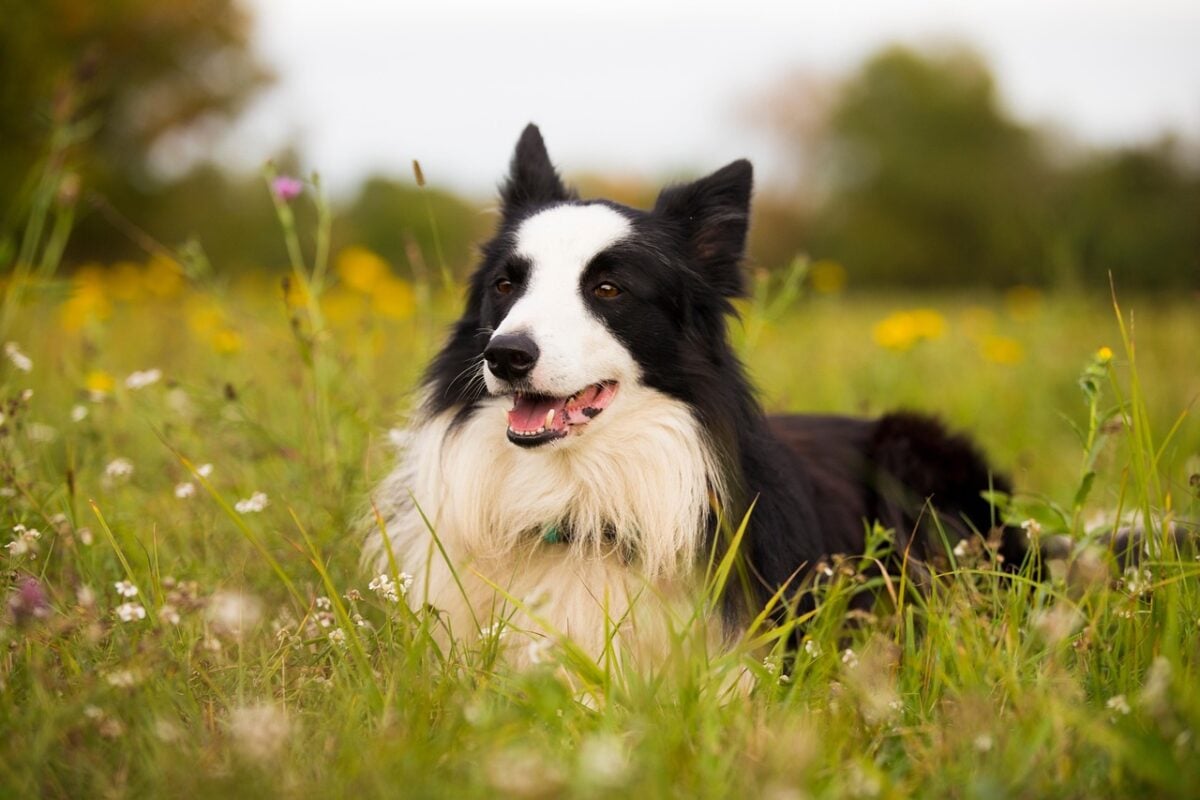
Ask most people what a smart dog looks like and they’ll describe a neat little routine: sit, stay, maybe shake. Then there’s Chaser, a Border Collie who learned the names of 1,022 different objects and could fetch any of them on request. That number is real, and it was published in a scientific journal. This ranking shows how the breeds, and a few famous individual dogs, stack up when the test is words.
The average dog is credited with about 165 words, and even that figure counts hand signals and whistles. So where do Labs, Goldens and Poodles land? And why do the scientists who tested the champion refuse to crown her entire breed? The answer may change how you talk to the dog on your couch.
#9 – Labrador Retriever: The Crowd-Favorite With a Hidden Asterisk
🔥 Would you like to save this?
We'll email this post to you, so you can come back to it later!
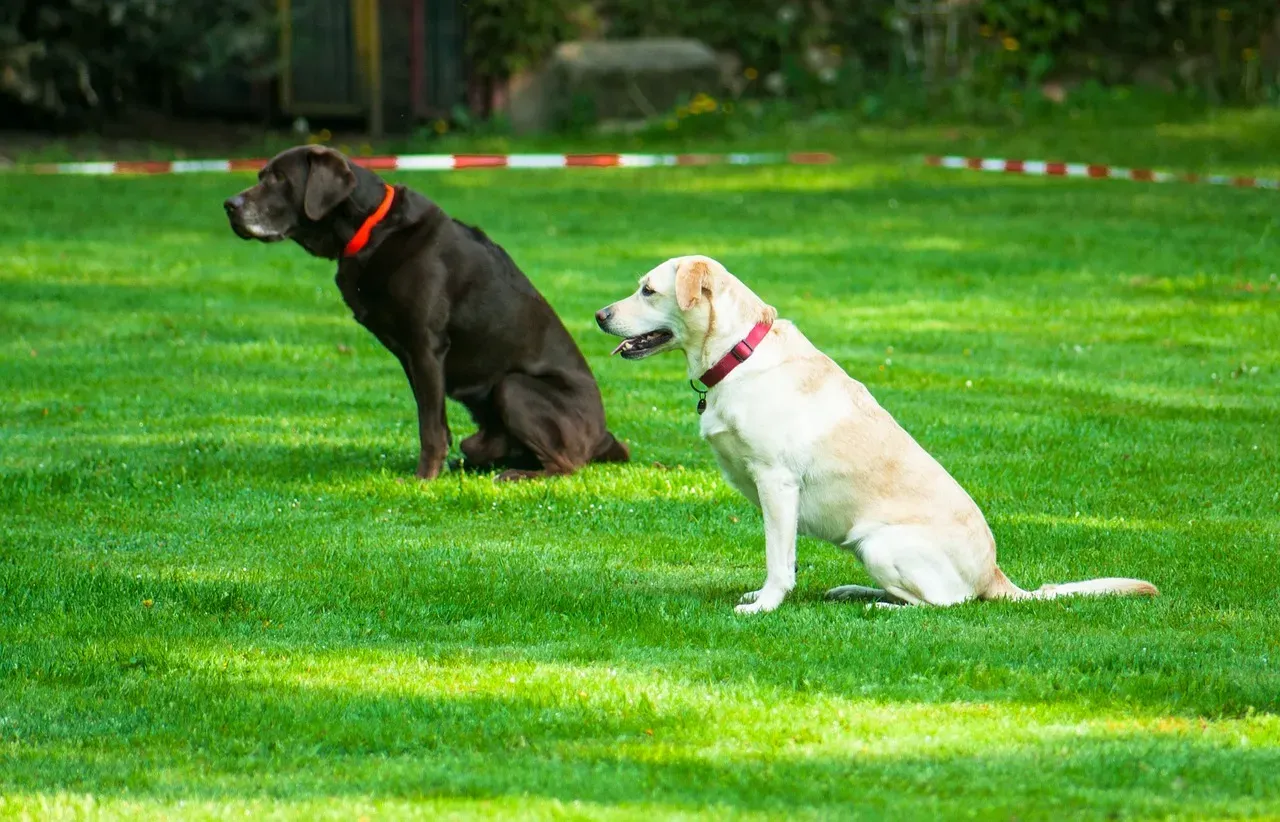
America’s most familiar family dog opens this list, and the reason is more complicated than it looks.
First, the honest truth about this ranking. Nobody has run a vocabulary test on every breed, and only a handful of individual dogs have been formally tested on object names. So this list blends verified word-memory tests with Stanley Coren’s breed rankings, which came from the opinions of roughly 200 obedience judges in the United States and Canada.
On Coren’s list, the Labrador Retriever lands seventh. Labs are eager, famously food-motivated and easy to reward, which is why they show up so often as guide dogs and detection dogs. Coren estimates the average dog can learn 165 words, while “super dogs” in the top 20 percent can learn about 250.
Here’s the catch most people miss. Those “words” are not all spoken. The count includes hand gestures like pointing and nonverbal sounds like the whistles used to direct sheepdogs and retrievers. A Lab’s impressive-sounding total is partly body language.
- Coren rank: seventh for working and obedience intelligence
- Estimated range: up to about 250 words, signals included
- Verified object-name record: none we could confirm
But the next breed shows why a high rank doesn’t always mean a big vocabulary…
#8 – Shetland Sheepdog: Small Dog, Sharp Ears
🔥 Would you like to save this?
We'll email this post to you, so you can come back to it later!
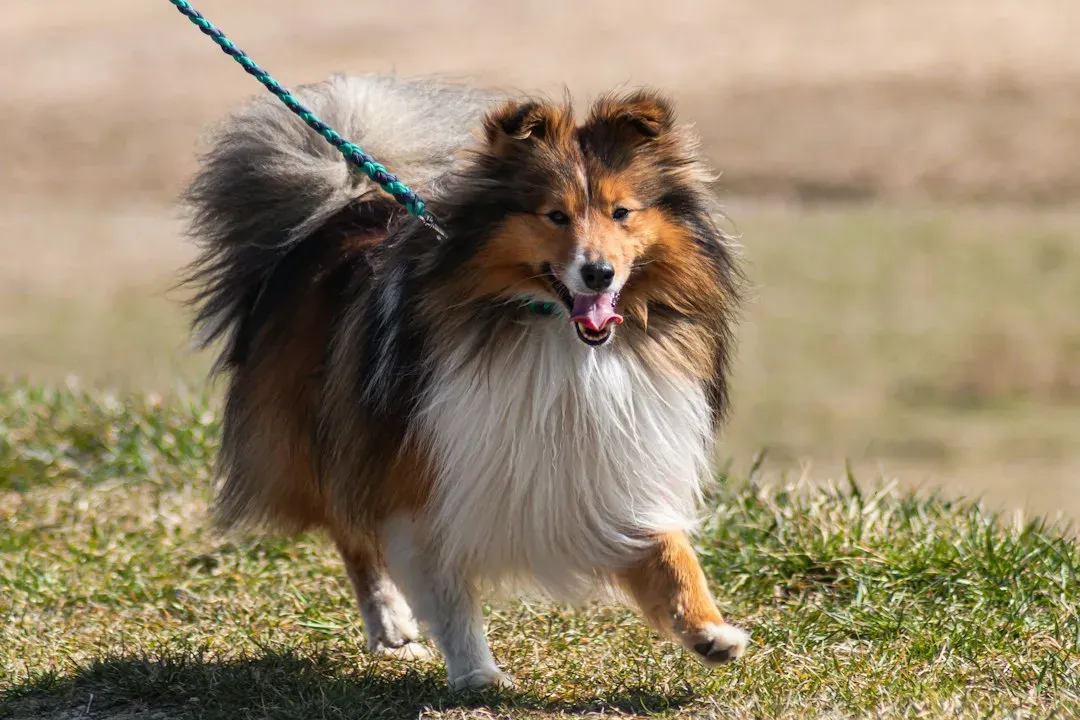
This pint-sized herder outranks dogs twice its size, and herding is the reason.
Coren puts the Shetland sheepdog sixth on his list. These dogs were developed on the Shetland Islands to work livestock, and herding dogs spend their lives responding to fast verbal and whistle cues from one handler. That history makes them quick to link a sound with an action.
Now for a controversial opinion. Plenty of Sheltie owners swear their dog “understands every word.” Many experts argue most of that is tone of voice, routine and body language. Your dog may be reading your jacket and your keys, not your sentence.
There’s brain-imaging evidence that tone really does matter. A 2016 Hungarian study found that dogs process the meaning of words and the tone of voice in different parts of the brain. The brain’s reward response lit up most when praise words arrived in a praising tone. Saying “good dog” in a flat voice just doesn’t land the same way.
It also matters what Coren actually measured. His ranking focuses on working and obedience intelligence, meaning how fast a dog picks up commands, not how many nouns it stores. The gap between breeds is real, though. An average-tier breed like the Soft-coated Wheaten Terrier needs 25 to 40 repetitions to understand a new command, while Coren says top-tier breeds need fewer than five.
- Strength: rapid command learning
- Weak spot: no verified object-name record
But that’s nothing compared to the breed ranked next, which was shaped by a very different job…
#7 – Doberman Pinscher: The Guard Dog Who Actually Reads You
🔥 Would you like to save this?
We'll email this post to you, so you can come back to it later!
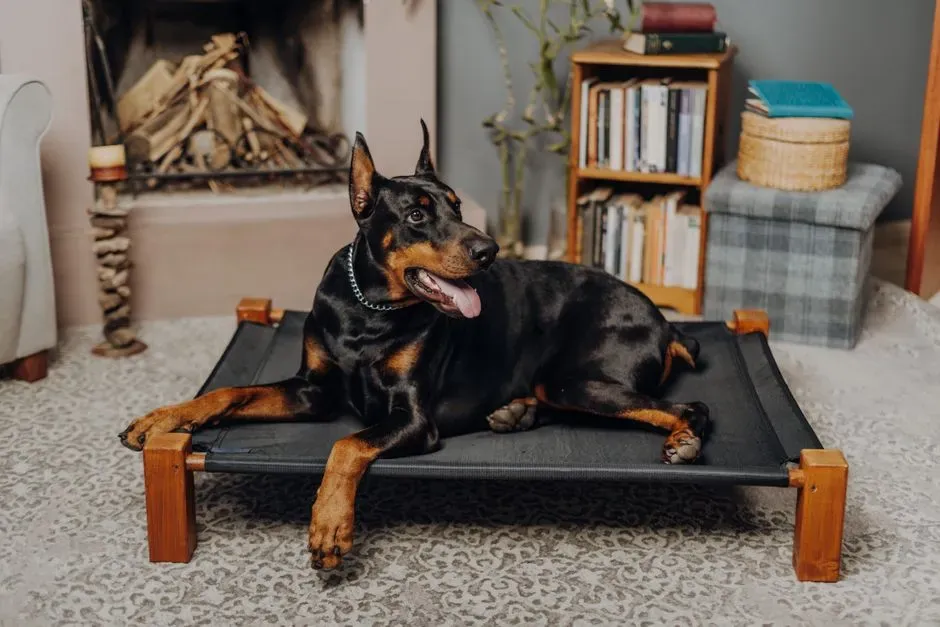
Most people picture muscle and teeth, but the Doberman’s real talent is watching people.
Coren ranks the Doberman fifth overall. The breed was created in Germany in the late 1800s by a tax collector named Louis Dobermann, who wanted a loyal protector. A protector has to read human behavior constantly, and that same skill carries over to learning words.
According to Coren, what underpins all three types of canine intelligence is the dog’s desire and ability to communicate effectively with humans. Dogs in general are unusually good at following a human point or glance, a knack linked to thousands of years of living beside us. A Doberman that tracks your face and posture all day collects a lot of verbal cues along the way.
The common mistake is assuming “protective” means “unteachable.” The reverse is closer to the truth. A dog bred to stay locked onto one handler has a built-in advantage in training.
Fast Facts
- Origin: Germany, late 1800s
- Creator: Louis Dobermann, a tax collector
- Coren rank: fifth overall
- Standout skill: reading human faces and posture
Still, no one has published a formal object-name test on Dobermans. Their high rank reflects trainability, not a measured vocabulary.
But the breed ranked next has a reputation that hides an even bigger twist…
#6 – Golden Retriever: Friendliest or Smartest?
🔥 Would you like to save this?
We'll email this post to you, so you can come back to it later!
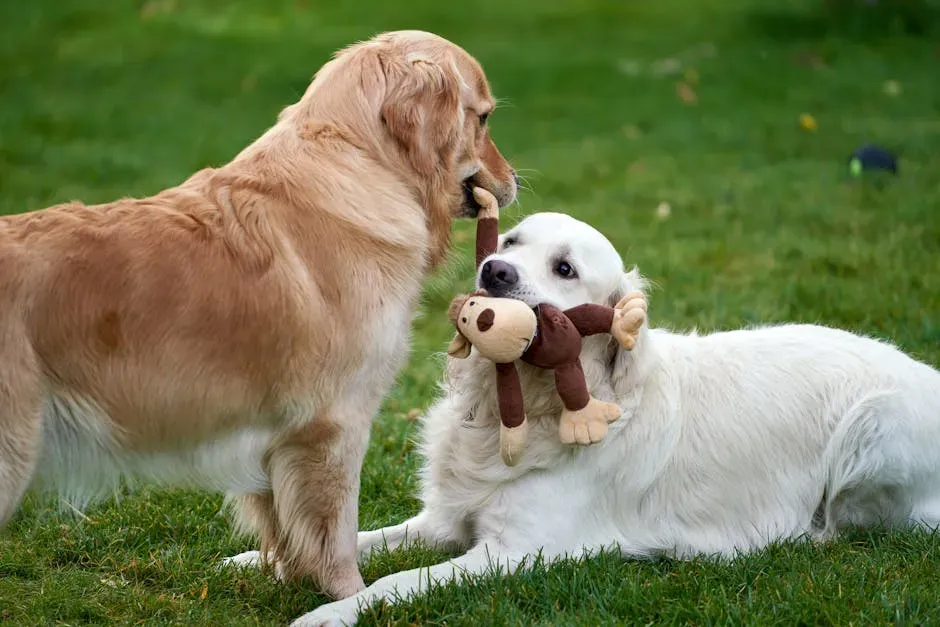
Everyone calls this dog the friendliest. Almost nobody talks about how fast it learns.
Coren ranks Golden Retrievers fourth, ahead of Dobermans. Bred in 19th-century Scotland to retrieve game, they were built to listen for direction at a distance. That is also why they became a go-to breed for guide and assistance work.
Here’s the unpopular take. Many trainers argue Goldens get credit for temperament that is really a trainability advantage. A dog that wants to please you will repeat whatever earns your praise. That looks like intelligence, and in practice it often works like it.
But eagerness has limits. A willing dog still needs clear teaching to hold onto words, and a bright dog with muddled training will still struggle. Word learning depends heavily on how clearly the owner teaches.
- Coren rank: fourth
- Best trait for word learning: motivation to cooperate
- Biggest risk: inconsistent owners
But the next breed proves intelligence can be built for the battlefield…
#5 – German Shepherd: The Breed Built to Take Orders
🔥 Would you like to save this?
We'll email this post to you, so you can come back to it later!
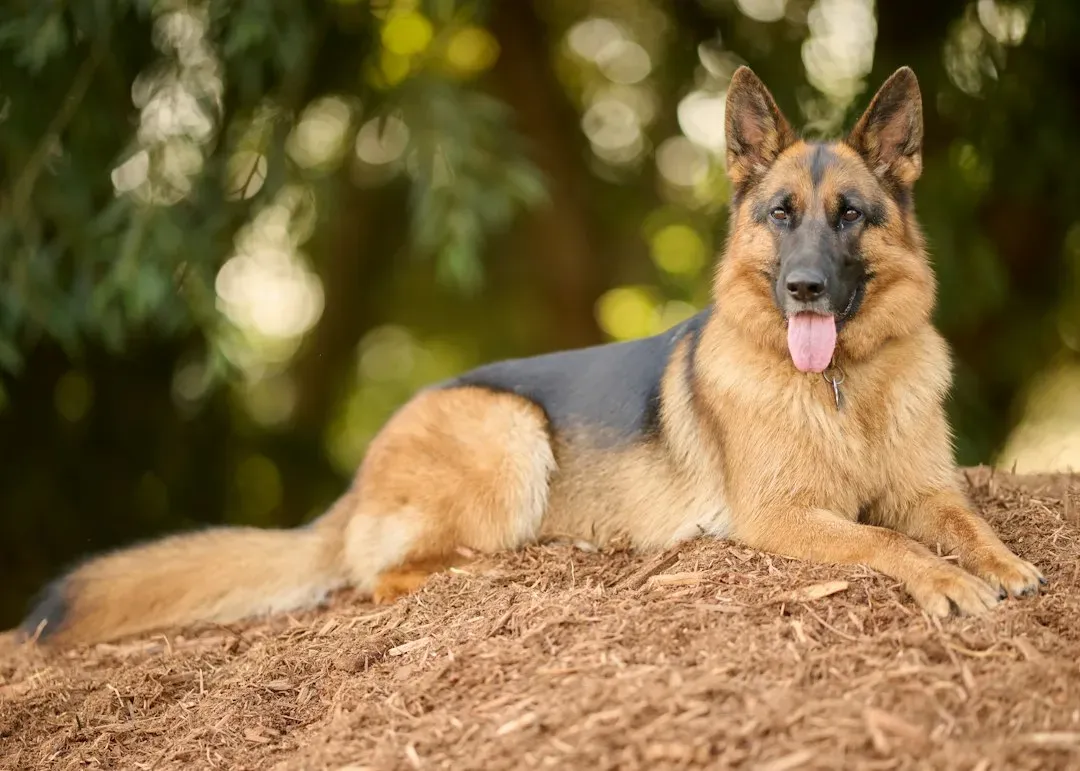
Few breeds have been tested in more real-world situations than this one.
Coren ranks German Shepherds third, right behind Poodles. The breed was developed in Germany in the late 1800s, with police, military and search work as its main roles. Those jobs rely on dogs that remember long sequences of commands under pressure, with noise, crowds and stress all around them.
Coren places the German Shepherd in his top tier, alongside Border Collies and Poodles, among dogs that can learn closer to 250 words with excellent training. That is roughly 50 percent more than the average figure he cites.
Why are some dogs so much better at this? Coren has a theory. He says humans have spent 15,000 years or more systematically shaping dogs so they understand us better. Working lines simply got an extra layer of selection.

Dog Stairs for Bed 18" H, 4-Step Dog Steps for High Bed
Check Price on AmazonAs an Amazon Associate, we earn from qualifying purchases.
10/9/2026 2:42 pm GMTi

Hand Blown Glass Hummingbird Feeders for Outdoors Hanging, 24oz Wild Bird Nectar Feeder
Check Price on AmazonAs an Amazon Associate, we earn from qualifying purchases.
10/7/2026 1:23 pm GMTi

Earth Rated XL Dog & Puppy Pee Pads, Discreet Top, Max Absorbency
Check Price on AmazonAs an Amazon Associate, we earn from qualifying purchases.
10/7/2026 1:28 pm GMTi

2 Pcs Halloween Pet Hat Bandana Set, Witch Pumpkin Costumes for Dogs
Check Price on AmazonAs an Amazon Associate, we earn from qualifying purchases.
10/9/2026 2:45 pm GMTi

PetSafe Oasys Pet Fountain, 1/2 Gallon (64 oz), Small Dogs & Cats
Check Price on AmazonAs an Amazon Associate, we earn from qualifying purchases.
10/8/2026 8:14 am GMTi
Quick Compare
- Average dog: about 165 words, roughly a 2-year-old child’s level
- Top-tier dog: about 250 words with excellent training, closer to 2½ years
- New command, average-tier breed: 25 to 40 repetitions
- New command, top-tier breed: fewer than five
Here’s the nuance. A German Shepherd in a police unit learns words tied to a job. That is a different skill from memorizing a bucket of toy names. Both count as language comprehension, but they aren’t the same test.
But the breed in the next slot breaks every stereotype about “fancy” dogs…
#4 – Poodle: The Brain Hiding Under the Haircut
🔥 Would you like to save this?
We'll email this post to you, so you can come back to it later!
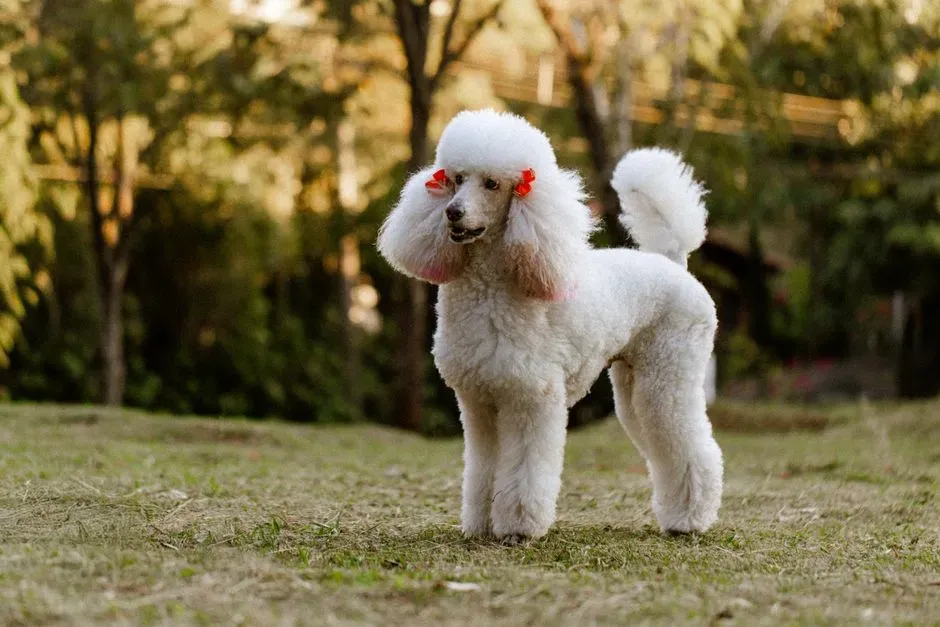
The dog people joke about is secretly one of the smartest on Earth.
Coren ranks the Poodle second among all breeds, right after the Border Collie. The version that earned that spot is the Standard Poodle. The name itself comes from the German word Pudel, tied to splashing in water, because the original job was retrieving game from lakes and marshes. That work demands focus and quick decisions. The show-ring clip is a style choice.
Coren’s wider findings put the top breeds in perspective. The average dog performs about like a 2-year-old child, while “super breeds” are closer to 2½ years. That sounds like a small gap in months, but it’s a big gap in what the dog understands.
Here’s the mistake most owners make. They assume a Poodle’s reputation does the work. In reality, a dog this quick gets bored fast and invents its own games, which can look like stubbornness.
Give a Poodle a puzzle, a new word or a job, and it often thrives. Leave it with nothing to do, and it may start training you instead.
But the next entry isn’t a breed ranking at all. It’s something far stranger…
#3 – The “Gifted” Border Collie Next Door: Ordinary Dogs, Extraordinary Memory
🔥 Would you like to save this?
We'll email this post to you, so you can come back to it later!
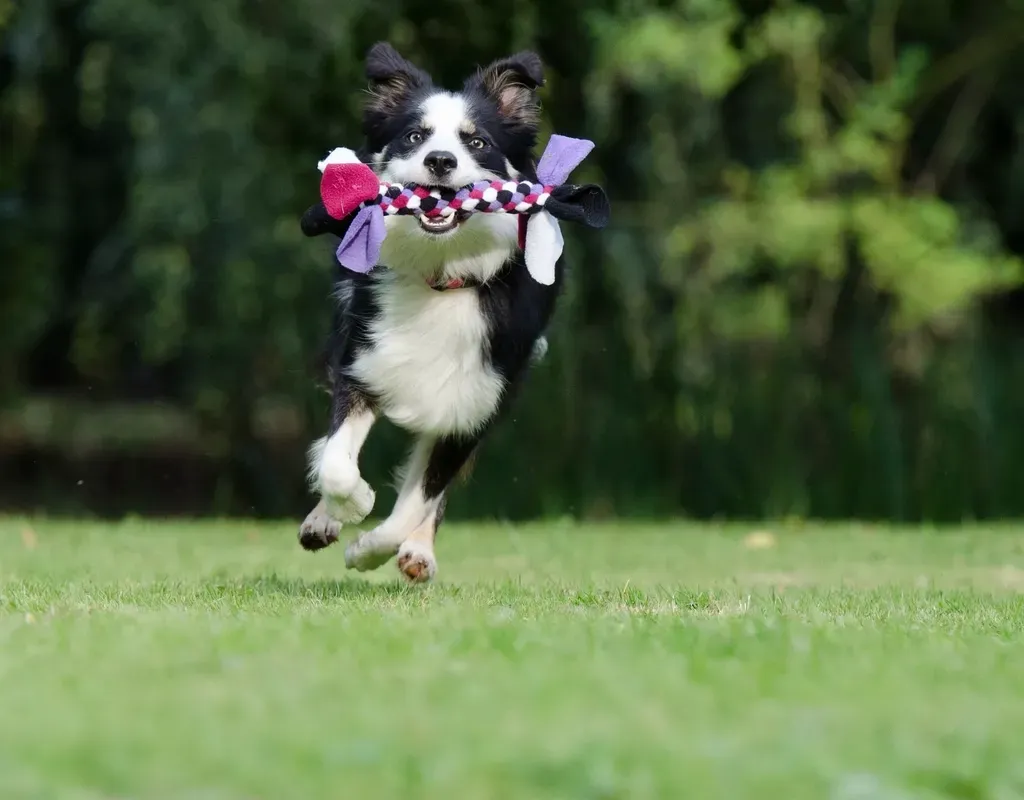
Researchers now say a rare few dogs learn words almost the way toddlers do.
A team led by Shany Dror at Eötvös Loránd University in Hungary studied “Gifted Word Learner” dogs, which could pick up object names just by eavesdropping on their owners’ conversations. Owners simply talked about a new toy near the dog, with no direct training. Human toddlers learn many words the same way, by overhearing.
One of the dogs studied is Bryn, an 11-year-old male Border Collie from the UK who knows the names of about 100 toys. That is far fewer than Chaser, but it is still dozens of times more than most dogs ever show.
Here’s the twist. Typical dogs, including ordinary Border Collies, did not have the same success, so breed is no guarantee your dog will be gifted. Gifted word learners are individuals, not a breed category.
- What they do: learn object names with minimal teaching
- What they aren’t: common, even within smart breeds
Not every gifted dog is a classic herder, either. Dror’s write-up notes a dog named Bailey who was not from a working breed. That dog could pick out a new toy when hearing a new word, by excluding all the familiar ones. Researchers caution, though, that dogs may use exclusion without learning the new word as the object’s name.
But the dog ranked next is the one who started the whole conversation…

Smart Bird Feeder with Camera Solar Powered, 2K HD Live Video, 10,000+ Bird Species AI Identification
Check Price on AmazonAs an Amazon Associate, we earn from qualifying purchases.
10/7/2026 1:22 pm GMTi

Air Purifiers for Home Pets Large Room Up to 3000 Ft²,HEPA Air Cleaner with Washable Double-Side Filter, PM2.5 Air Quality Monitor,15dB Sleep Mode for Bedroom Odor Dust Pollen,White
Check Price on AmazonAs an Amazon Associate, we earn from qualifying purchases.
10/8/2026 8:23 am GMTi

Halloween Cat Costume Cloak Witch Hat Pet Accessories
Check Price on AmazonAs an Amazon Associate, we earn from qualifying purchases.
10/9/2026 2:44 pm GMTi

Professional 7 in 1 Dog Paw Cleaner for Dogs & Cats - Includes 1 Portable Paw Washer, 1 Bath Brush
Check Price on AmazonAs an Amazon Associate, we earn from qualifying purchases.
10/7/2026 1:26 pm GMTi

Halloween Dog Collar with Bow, Orange Cute Ghost Collar,
Check Price on AmazonAs an Amazon Associate, we earn from qualifying purchases.
10/9/2026 2:43 pm GMTi
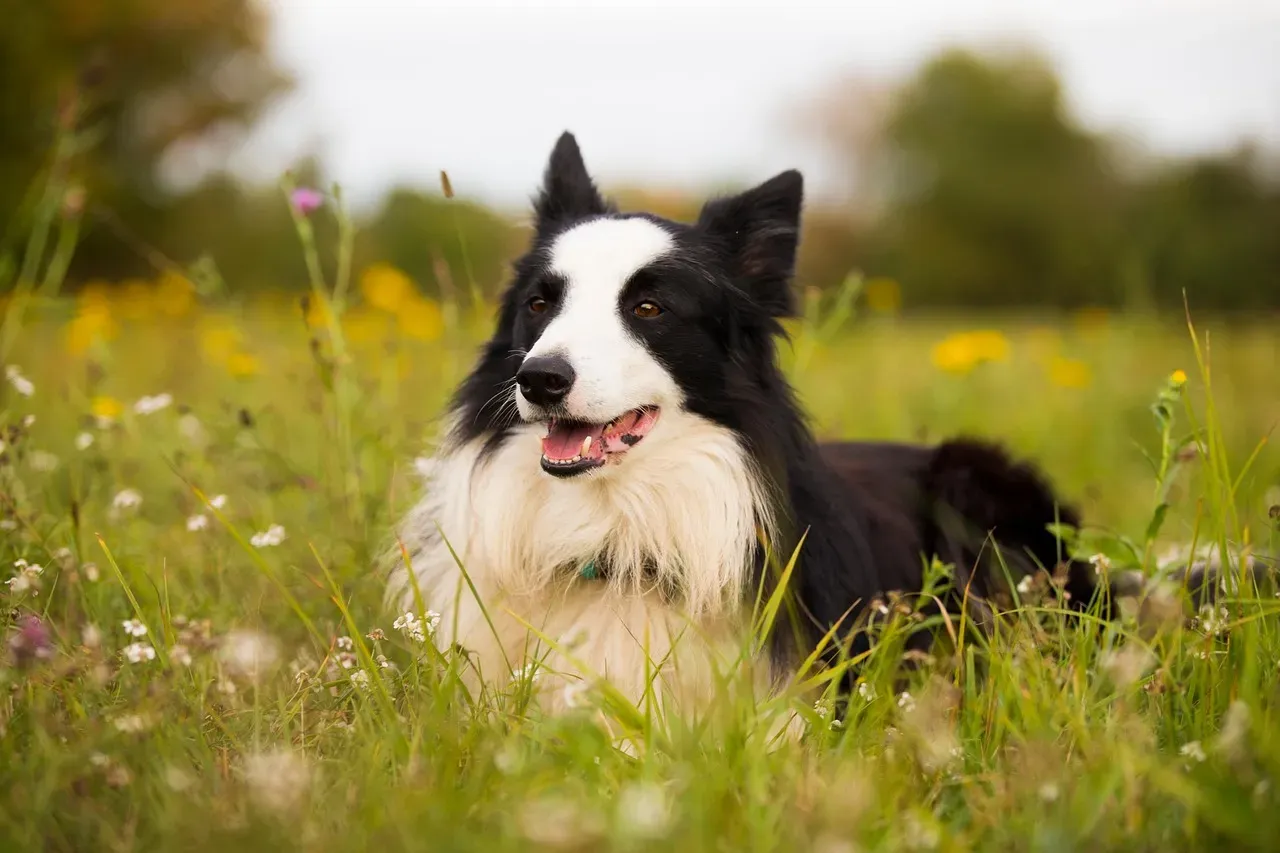
#2 – Rico the Border Collie: The Dog Who Cracked Open the Science
🔥 Would you like to save this?
We'll email this post to you, so you can come back to it later!
In 2004, a German Border Collie made scientists rethink what dogs can do.
Rico, tested at the Max Planck Institute in Leipzig, Germany, had a vocabulary of about 200 words. He fetched objects by name from another room, including ones he had never heard of before. When researchers asked for something with an unfamiliar name, he went looking for the one item he didn’t already know.
That last part is what shocked researchers. Coren says Rico demonstrated “fast-track learning,” which scientists believed was found only in humans and language-learning apes. It means inferring that a new word belongs to a new object.
Rico also left a puzzle behind. When he heard “sock,” did he understand the word as the object, or as the command “fetch the sock”? His study couldn’t settle it, and the question stayed open for years.
Most people don’t realize who picked up that challenge. John Pilley, a retired psychology professor, read about Rico and decided to find out how far a dog’s vocabulary could really go. That decision led him to train Chaser.
But the dog ranked #1 didn’t just beat Rico’s number. She answered his question…
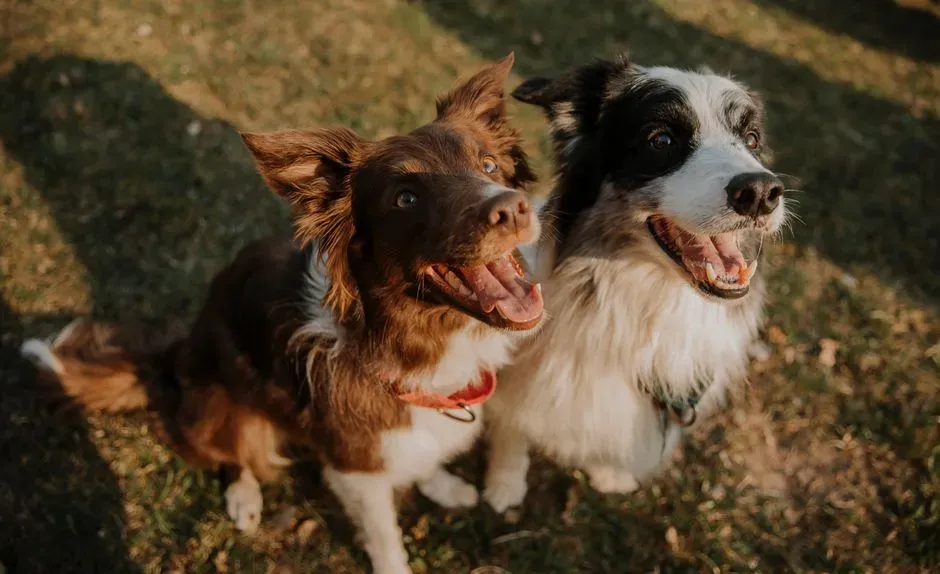
#1 – Chaser the Border Collie: The Dog Who Knew 1,022 Words
🔥 Would you like to save this?
We'll email this post to you, so you can come back to it later!
The most scientifically tested vocabulary in dog history belongs to one Border Collie.
Researchers at Wofford College found Chaser understood the names of over 1,000 objects, and could tell the names of objects apart from orders to fetch them. That answered Rico’s old question. Psychologists Alliston Reid and John Pilley taught her the names of hundreds of toys, including stuffed animals, balls and Frisbees, one by one, over three years.
She went well beyond fetch. Chaser also mapped the common noun “toy” onto these same objects. She could learn by elimination, which tests inference, not memory alone. She even grasped the basic idea behind nouns and verbs, and could match the two.
The most surprising part is the ceiling, or lack of one. Her trainers stopped after three years because of time constraints, not because she couldn’t learn more. The results were published in the journal Behavioural Processes.

Glass Hummingbird Feeder for Outdoors Hanging
Check Price on AmazonAs an Amazon Associate, we earn from qualifying purchases.
10/7/2026 1:21 pm GMTi

Glass Hummingbird Feeder for Outdoors Hanging, 16 oz Leak-Proof Nectar Feeder with Bee Guards & Ant Moat
Check Price on AmazonAs an Amazon Associate, we earn from qualifying purchases.
10/7/2026 1:22 pm GMTi

Portable Dog Water Bottle Foldable Dog Travel Water Bottle
Check Price on AmazonAs an Amazon Associate, we earn from qualifying purchases.
10/7/2026 1:29 pm GMTi

Orthopedic Extra Large Dog Bed, Waterproof Washable XL Pet Bed 44"
Check Price on AmazonAs an Amazon Associate, we earn from qualifying purchases.
10/7/2026 1:32 pm GMTi
Why It Stands Out
- Scale: 1,022 object names, far above the 165-word average
- Proof: she separated a noun from the command to fetch it
- Inference: she picked out unfamiliar items by elimination
- Categories: she understood “toy” as a group, not just a label
Now for the opinion that may upset some Border Collie fans. Even Chaser’s own research team has been careful. The research doesn’t let them say conclusively that Border Collies are smarter than breeds like pit bulls or dachshunds. Her record shows what’s possible with the right dog and the right teacher. It doesn’t prove a breed ceiling for the rest of the dogs on this list.
So what does all this mean for the dog on your couch?
The Bottom Line
🔥 Would you like to save this?
We'll email this post to you, so you can come back to it later!
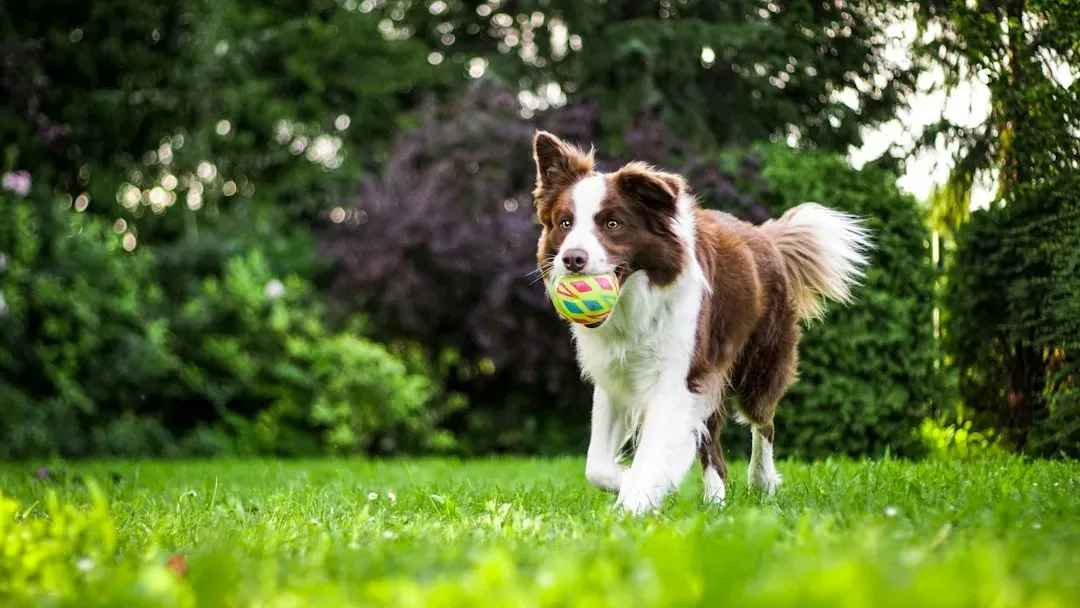
The word-memory crown belongs to Border Collies, but the real story is that vocabulary depends more on the individual dog and its teacher than on breed. Chaser’s 1,022 names sit far above Coren’s 165-word average, yet ordinary family Border Collies didn’t match the gifted dogs.
Our take: breed rankings are a rough guide, and Coren’s list measures obedience, not nouns. The Poodle and German Shepherd deserve proper word tests, and the Lab’s “top seven” status deserves a bigger asterisk than it gets.
If you own a “regular” dog, stop assuming you know its limit. Teach one word at a time, stay patient, and see how far it goes. Chaser’s ceiling was never found, and yours might not have been either.

- Smartest Dog Breeds, Ranked by Word Memory – Some Learn Over 1,000 Words - November 6, 2026
- 7 Everyday Habits That Can Make Your Senior Dog Happier - November 5, 2026
- 10 Enigmatic Structures That Continue to Puzzle Scientists Today - November 5, 2026