

Worried about unexpected vet bills?
Pet insurance can cover thousands in unexpected vet costs. Get a free quote from Lemonade in under 2 minutes.
Get My Free Quote →Sponsored · Opens Lemonade.com
Picture a small, furry creature standing face-to-face with one of nature’s most venomous predators. The mongoose appears impossibly outmatched, yet something remarkable happens. The snake recoils, its ancient instincts screaming danger. This isn’t a scene from a nature documentary, it’s a window into millions of years of evolutionary warfare that shaped not only these animals but also our own deepest fears.
The snake-mongoose rivalry offers profound insights into how evolution sculpts behavior, fear, and survival. Their relationship teaches us about adaptation, resistance, and the intricate ways species respond to existential threats. So let’s dive in and discover how this ancient battle reveals surprising truths about the nature of fear itself.
The Ancient Arms Race That Shaped Two Species
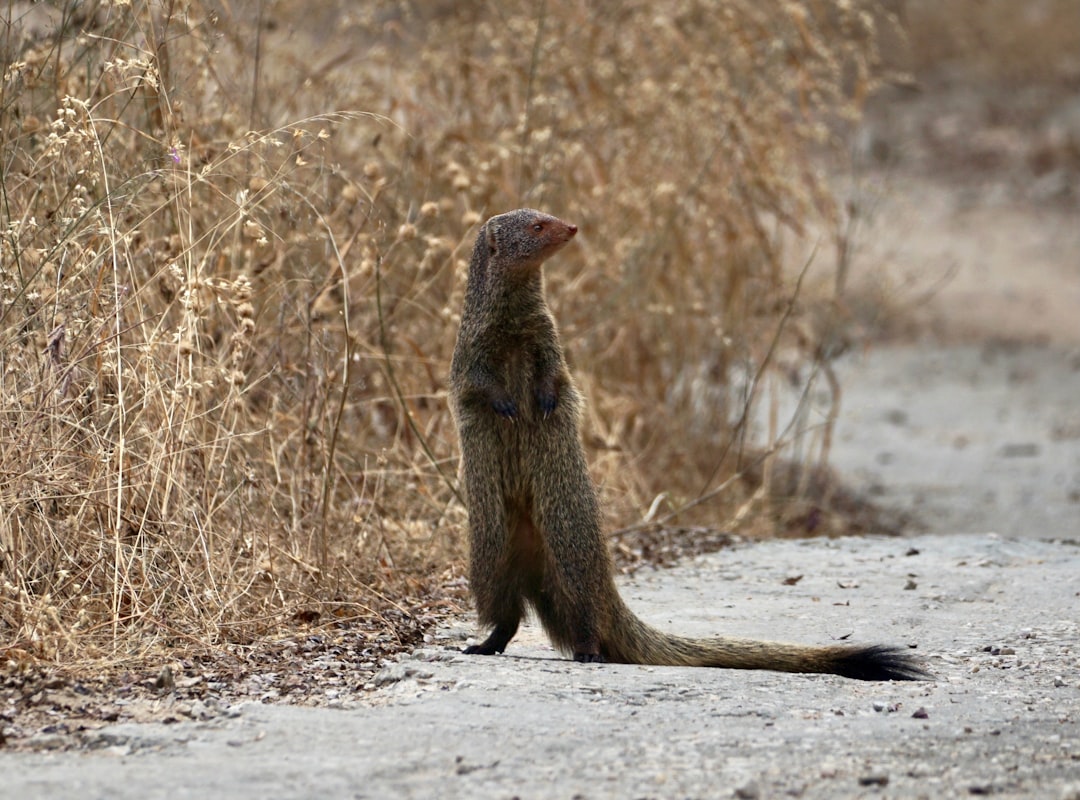
The relationship between snakes and mongooses represents a classic example of an evolutionary arms race. It’s the result of an ongoing evolutionary arms race between mongooses and their slithery prey. Over millennia, as venomous snakes developed more potent toxins to deter predators, mongooses concurrently evolved more sophisticated mechanisms of resistance.
This biological warfare began roughly sixty million years ago when snakes first evolved venom as their secret weapon. Faced with these snakes, species all over the vertebrate family tree found themselves locked in a desperate evolutionary arms race to cope. The mongoose family emerged as one of the most successful participants in this ancient conflict.
The ongoing interaction between mongooses and snakes is a classic example of an evolutionary arms race. Each species has evolved adaptations to counter the other, resulting in a dynamic and fascinating relationship. Think of it as nature’s ultimate chess match, where each move triggers a countermove across countless generations.
Why Snakes “Fear” Their Smaller Opponents
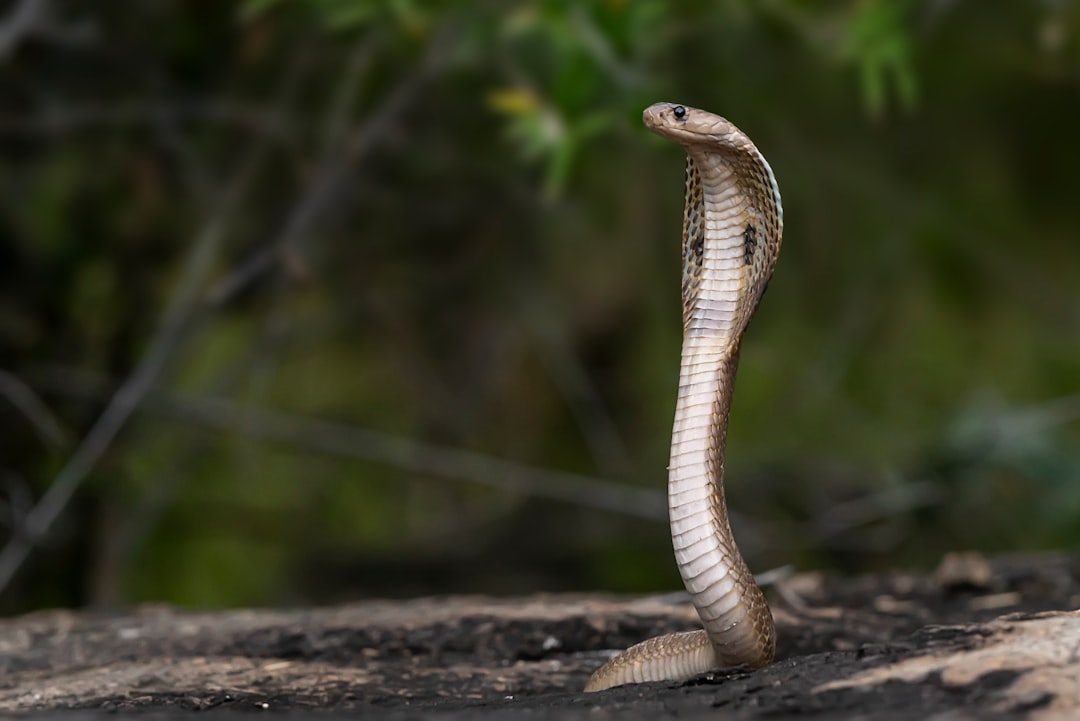
While snakes don’t experience fear in the same way humans do, they exhibit avoidance behavior towards mongooses due to the mongoose’s formidable hunting prowess and specific adaptations that make them a dangerous adversary. From a snake’s point of view, encountering a mongoose represents a significant threat.
Even the mighty king cobra, capable of killing an adult human in less than thirty minutes, recognizes the mongoose as a formidable opponent. In the wild, there are only 2 things a King cobra must fear, people and mongooses. This wariness isn’t based on size but on a learned understanding of the mongoose’s capabilities.
Instinctive Avoidance: Snakes possess innate behaviors that help them avoid danger. The sight, sound, or scent of a mongoose can trigger an instinctive flight response. The snake’s behavior represents millions of years of genetic programming, warning it to avoid this particular predator at all costs.
The Molecular Shield: How Mongooses Resist Venom
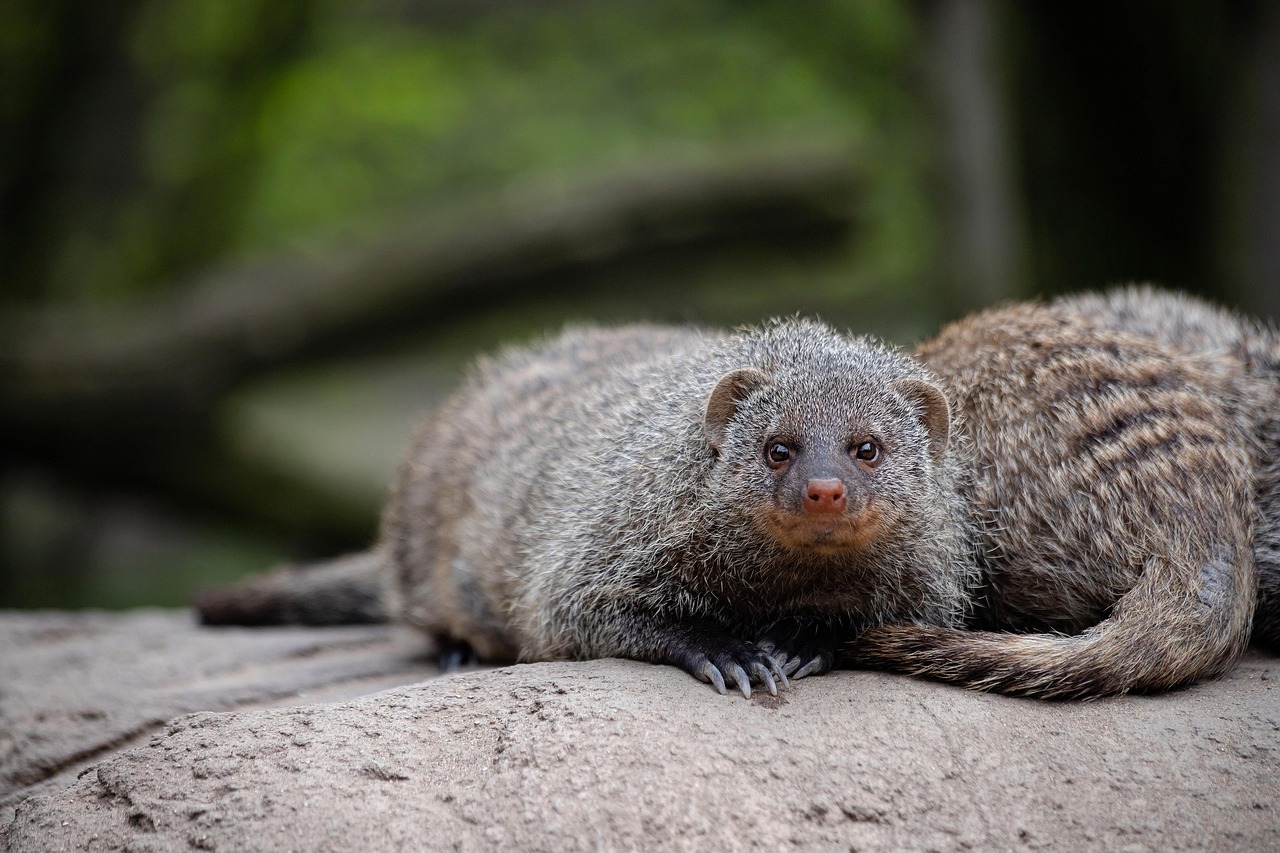
Mongooses are one of at least four known mammalian taxa with mutations in the nicotinic acetylcholine receptor that protect against snake venom. Their modified receptors prevent the snake venom α-neurotoxin from binding. This adaptation is like having a molecular lock that the snake’s venom key simply cannot turn.
At the heart of the mongoose’s resistance to venom is a specialized protein called “mongoose acetylcholine receptor.” This protein has an altered shape that prevents neurotoxins found in snake venom from binding effectively. In mongooses, however, the venom’s impact is drastically reduced, allowing these fearless creatures to take on snakes much more deadly to others without succumbing to the toxins.
However, this resistance isn’t absolute. The short answer is: No, mongooses are not completely immune to snake venom. This resistance isn’t absolute immunity, meaning a large enough dose of potent venom can still be fatal. Evolution rarely provides perfect solutions, only better odds of survival.
Speed, Agility, and Lightning-Fast Reflexes
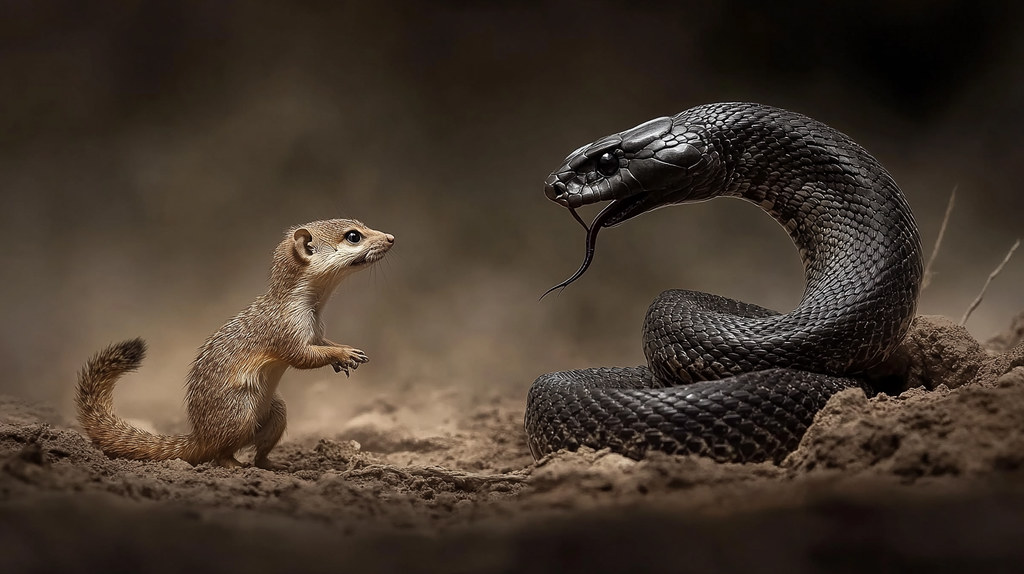
The mongoose is incredibly, blurringly swift and is capable of dodging the strikes of the also very swift cobra, but the mongoose also possesses something called acetylcholine receptors which make it , not fully immune, but relatively tolerant of cobra venom. Their speed isn’t just impressive; it’s survival-critical.
Watch a mongoose in action and you’ll witness nature’s version of bullet-time. These small, agile mammals possess an innate ability to dodge and counter snake attacks. Through quick reflexes and strategic movements, they are able to avoid a snake’s strike and deliver a fatal bite of their own. This isn’t luck or bravado but millions of years of evolutionary fine-tuning.
When it makes its move, the mongoose leaps, teeth bared, directly for the head of the snake. If the mongoose grabs the snake correctly it will kill it by biting right into its skull. The entire encounter often lasts only moments, a deadly dance choreographed by evolution itself.
The Success Rate: Numbers Don’t Lie
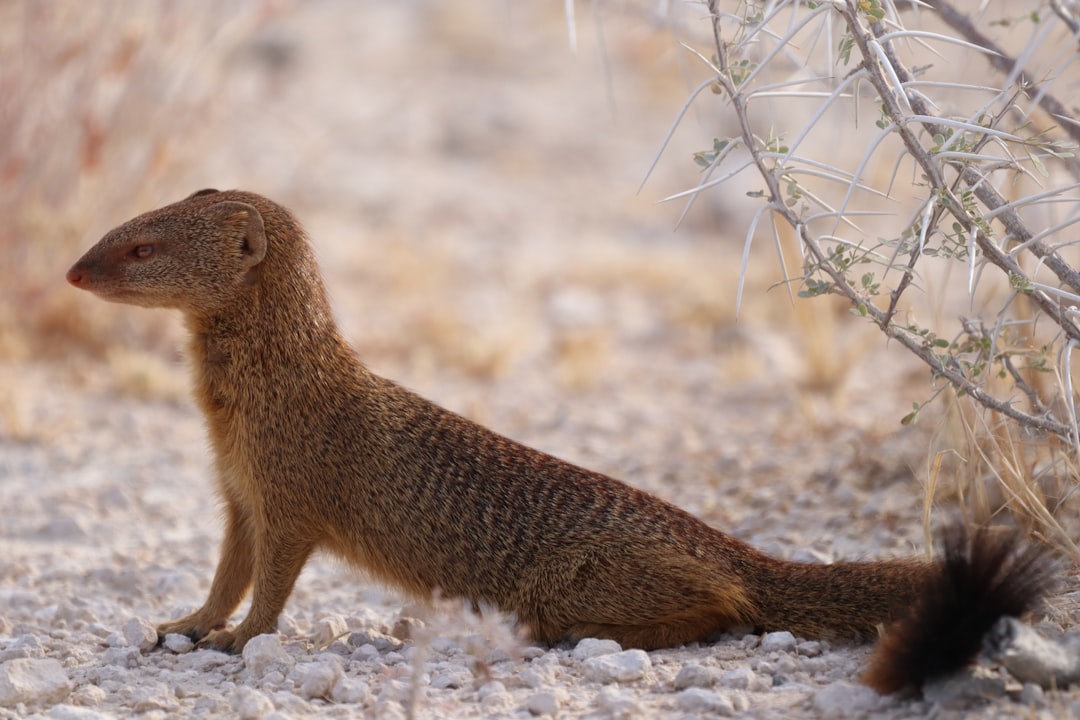
Their speed and specialized acetylcholine receptors help them dodge strikes and withstand venom, giving them an 80% success rate against snakes. These statistics aren’t from laboratory studies but from millions of real-world encounters observed across Africa and Asia.
A mongoose can withstand a king cobra bite; it typically wins 75 to 80 percent of fights. The mongoose also win a good amount of fights, between 75 to 80 percent of the time. However, it’s important to note that a cobra can still kill a mongoose with multiple bites, especially if the venom dosage is high enough to overwhelm the mongoose’s defenses.
These numbers reveal something crucial about evolutionary strategies. Perfect immunity would be metabolically expensive and unnecessary. An eighty percent survival rate provides enough evolutionary advantage while conserving biological resources for other essential functions like reproduction and territorial defense.
Beyond Physical Adaptations: Behavioral Strategies
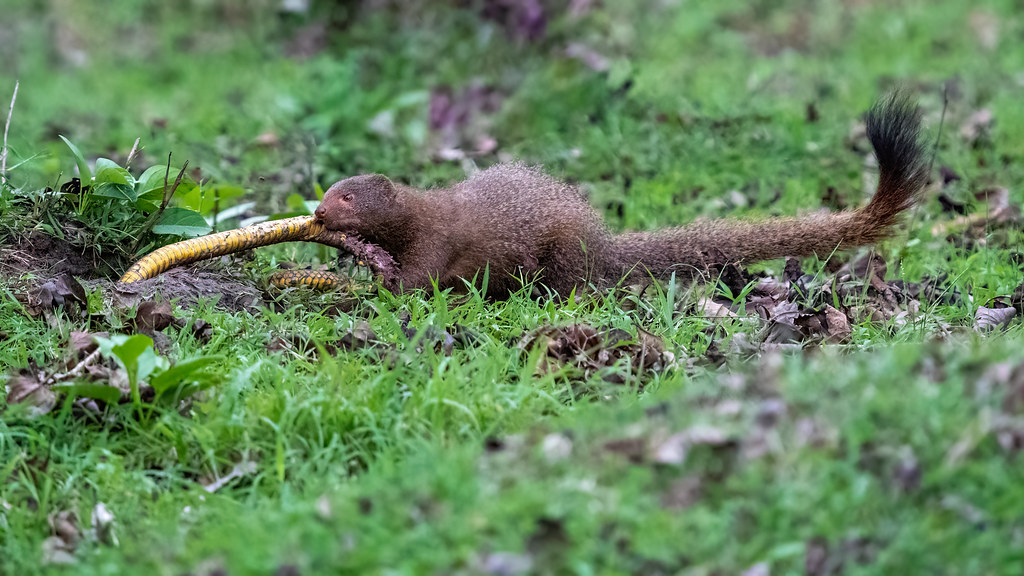
Attack from Behind: The mongoose tends to attack the snake from behind the head to avoid being bitten. Killing Bite: Once it finds an opening, the mongoose delivers a killing bite, usually to the head. This isn’t random aggression but sophisticated hunting strategy.
Mongooses have evolved complex social behaviors that enhance their snake-fighting capabilities. They are social animals that live in groups called colonies, which can consist of anywhere from a few individuals to over 50. Within these colonies, mongooses work together to defend their territory and protect each other from predators. They communicate through a variety of vocalizations and scent marking, allowing them to coordinate their efforts effectively.
Their thick fur serves as natural armor, providing additional protection against venomous bites. Combined with their keen senses and protective instincts, these behavioral adaptations create a formidable opponent that even the deadliest snakes prefer to avoid.
What This Teaches Us About Human Fear
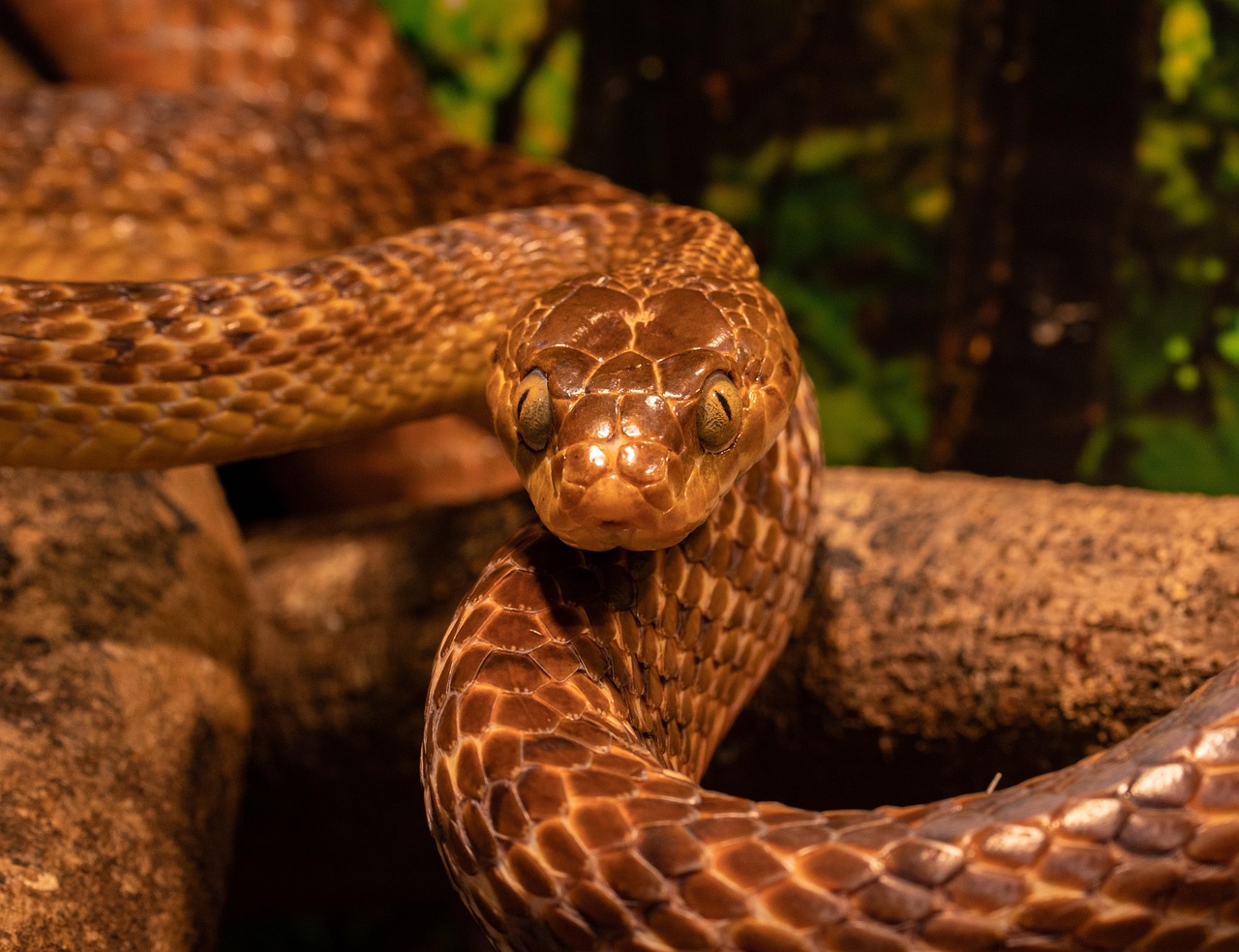
It turns out that most primates fear snakes just as much as most humans do – and for good reason. Throughout the long evolutionary history of primates, snakes have consistently been among their most deadly predators. Our own snake phobia isn’t a modern neurosis but an ancient survival mechanism.
We can now say with some confidence that the human tendency to fear snakes was almost certainly inherited from our primate ancestors. Anthropologist Lynne Isbell has even made the controversial claim that detection and avoidance of snakes has had a substantial impact on the evolution of primate vision, fear, and intelligence.
The improved vision of primates, combined with other snake-coping strategies developed by other animals, forced snakes to evolve a new weapon: venom. This important milestone in snake evolution occurred about 60 million years ago. “The snakes upped the ante and then the primates had to respond by developing even better vision.” Our fear isn’t weakness; it’s evolutionary wisdom encoded in our genes.
The Broader Lesson: Evolution’s Response to Existential Threats
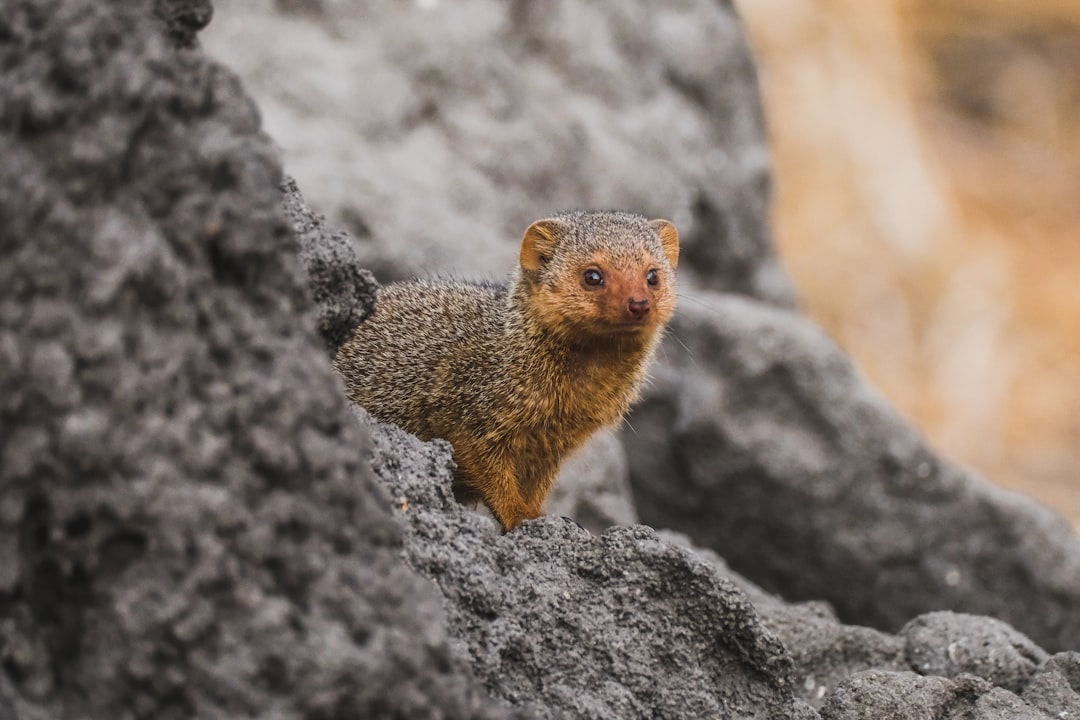
The snake-mongoose dynamic illustrates how life responds to existential threats. While there’s still a lot to learn about the ancient, global arms race that the rise of elapids triggered, what we’ve figured out so far shows us just how interconnected all living things are. A single group can cause an evolutionary shock to reverberate across the tree of life, impacting species from legless amphibians to great apes, changing them down to the molecular level, forever.
This relationship teaches us that evolution doesn’t create invincible creatures but rather species that are “good enough” to survive. The mongoose’s partial immunity, combined with speed and intelligence, creates a survival package that works. Perfect solutions are rare in nature because they’re often unnecessary and energetically expensive.
This rivalry, while rooted in biological survival, also reflects the broader patterns of life in the animal kingdom, where every species must adapt and evolve to survive in a constantly changing world. In the case of the snake and mongoose, this adaptation has led to a dramatic, instinct-driven battle that continues to capture human imagination and serves as a testament to nature’s intricate and often brutal balance. Ultimately, the perpetual enmity between these two species is not just about conflict – it’s about survival, adaptation, and the incredible ways in which creatures have evolved to face the challenges of their environments.
Conclusion: Fear as Evolutionary Wisdom
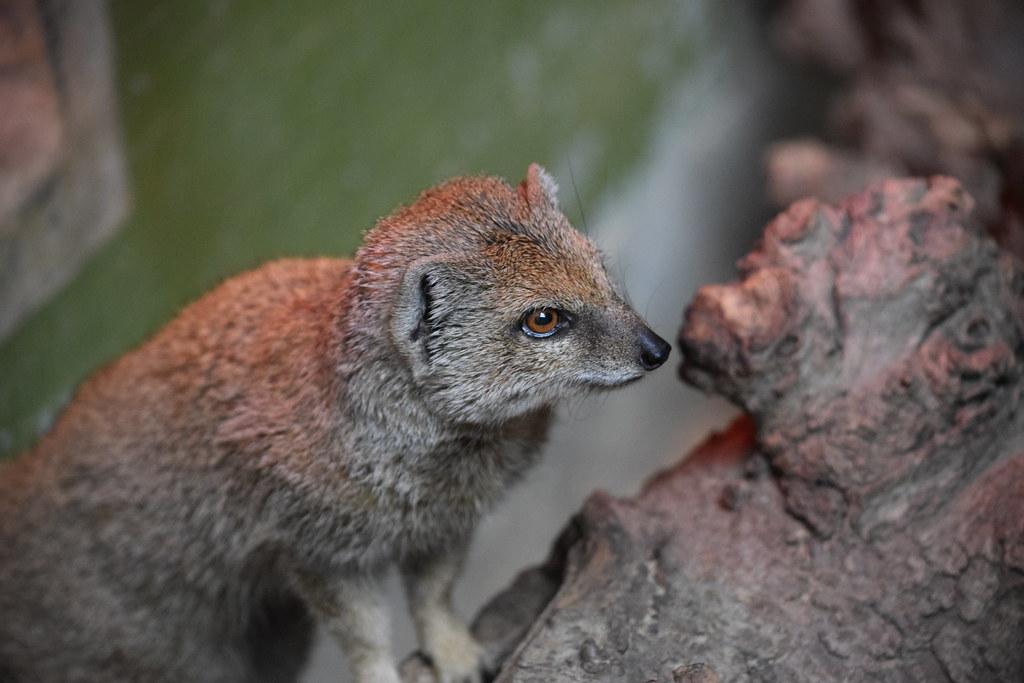
The ancient battle between snake and mongoose reveals profound truths about fear, adaptation, and survival. Their relationship shows us that fear isn’t always weakness but often evolutionary wisdom distilled across millions of years. The mongoose’s courage in facing venomous snakes isn’t reckless bravery but calculated risk-taking backed by sophisticated biological defenses.
For humans, this story offers perspective on our own deeply rooted fears. Our fear of snakes, while sometimes irrational, is a testament to our evolutionary history and the adaptive mechanisms that have allowed us to survive. It’s a reminder of the interconnectedness of all living things and the delicate balance of ecosystems. Understanding the roots of this fear can help us to approach these fascinating creatures with respect and caution, rather than succumbing to unfounded anxieties.
The next time you witness that instinctive recoil at the sight of a snake, remember: you’re experiencing millions of years of evolutionary programming. That fear connects you not only to your primate ancestors but to the broader story of life on Earth, where survival often depends on knowing when to fight, when to flee, and when to stand your ground.
What do you think about this ancient evolutionary dance? Tell us in the comments.
Worried about unexpected vet bills?
Pet insurance can cover thousands in unexpected vet costs. Get a free quote from Lemonade in under 2 minutes.
Get My Free Quote →Sponsored · Opens Lemonade.com
