
Worried about unexpected vet bills?
Pet insurance can cover thousands in unexpected vet costs. Get a free quote from Lemonade in under 2 minutes.
Get My Free Quote →Sponsored · Opens Lemonade.com
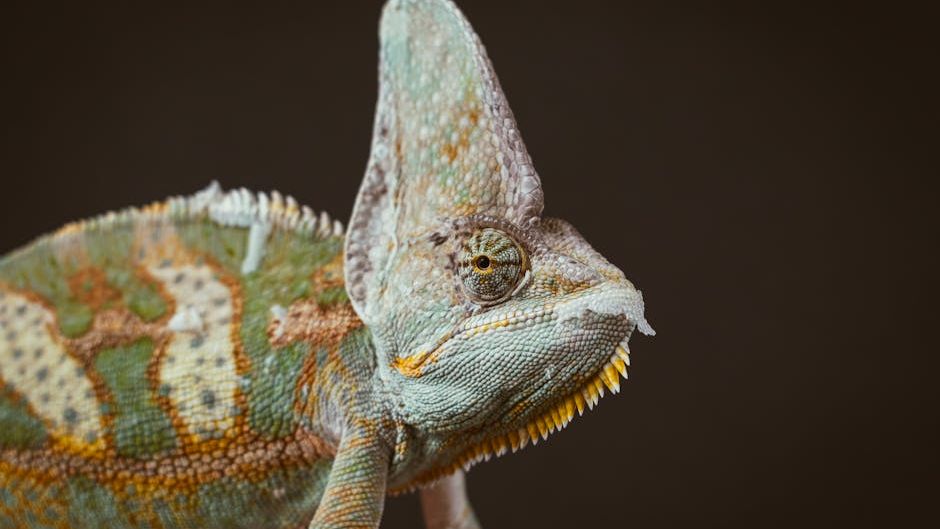
Imagine wearing a coat that rewrites its own color every few seconds, perfectly matching whatever surface you press against. No dye, no paint, no wi-fi connection required. Sounds like science fiction, right? Well, for certain reptiles roaming forests, deserts, and rocky hillsides, it’s just Tuesday.
The color-shifting abilities of some reptiles are genuinely one of the most jaw-dropping tricks in all of nature. What’s even more surprising is how science has only recently started to uncover how the whole thing actually works at the molecular level. There’s more going on beneath those scales than most people ever imagined. Let’s dive in.
The Star of the Show: Chameleons and Their Nanocrystal Skin
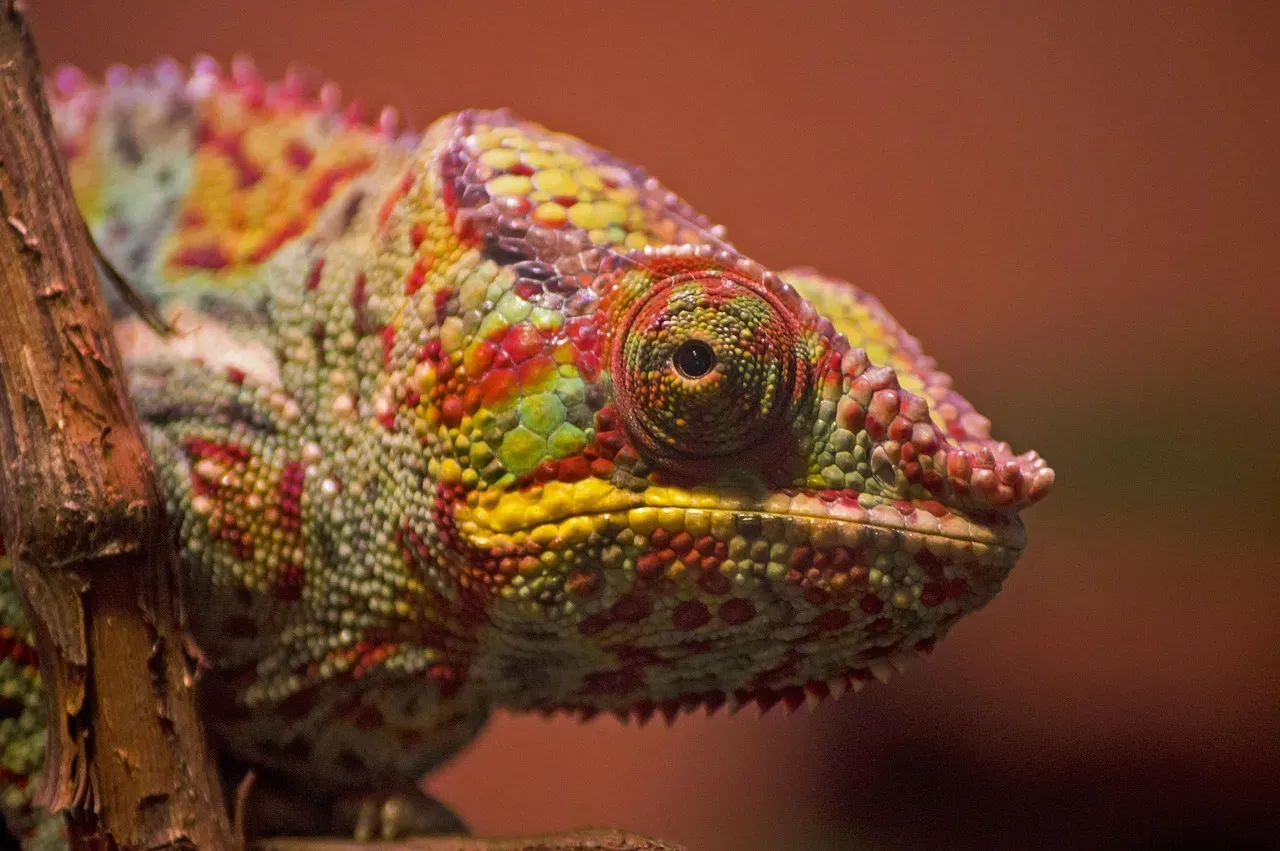
Here’s the thing – most of us grew up thinking chameleons were basically living paint rollers, swapping one pigment for another to match their surroundings. That story turns out to be wildly incomplete. Unlike other animals that change color, such as the squid and octopus, chameleons do not modify their hues by accumulating or dispersing pigments within their skin cells.
The real mechanism is far cooler. Chameleons have two superimposed layers within their skin that control their colour and thermoregulation, with the top layer containing a lattice of guanine nanocrystals. By exciting this lattice, the spacing between the nanocrystals can be manipulated, which in turn affects which wavelengths of light are reflected and which are absorbed.
Think of it like a microscopic Venetian blind. When the slats are close together, one color bounces back. Spread them apart, and an entirely different hue emerges. In a relaxed state, the crystals reflect blue and green, but in an excited state, the longer wavelengths such as yellow, orange, green, and red are reflected.
That famous resting green color? It’s not a single pigment at all. The lizards’ skin also contains yellow pigments, and blue mixed with yellow makes green, a “cryptic” color that camouflages them among trees and plants. Nature figured out color mixing long before art school existed.
Different chameleon species are able to vary their colouration and pattern through combinations of pink, blue, red, orange, green, black, brown, light blue, yellow, turquoise, and purple. That’s essentially a full artist’s palette, packed into a creature that fits in the palm of your hand.
It’s Not Only About Hiding: The Surprising Reasons Reptiles Change Color
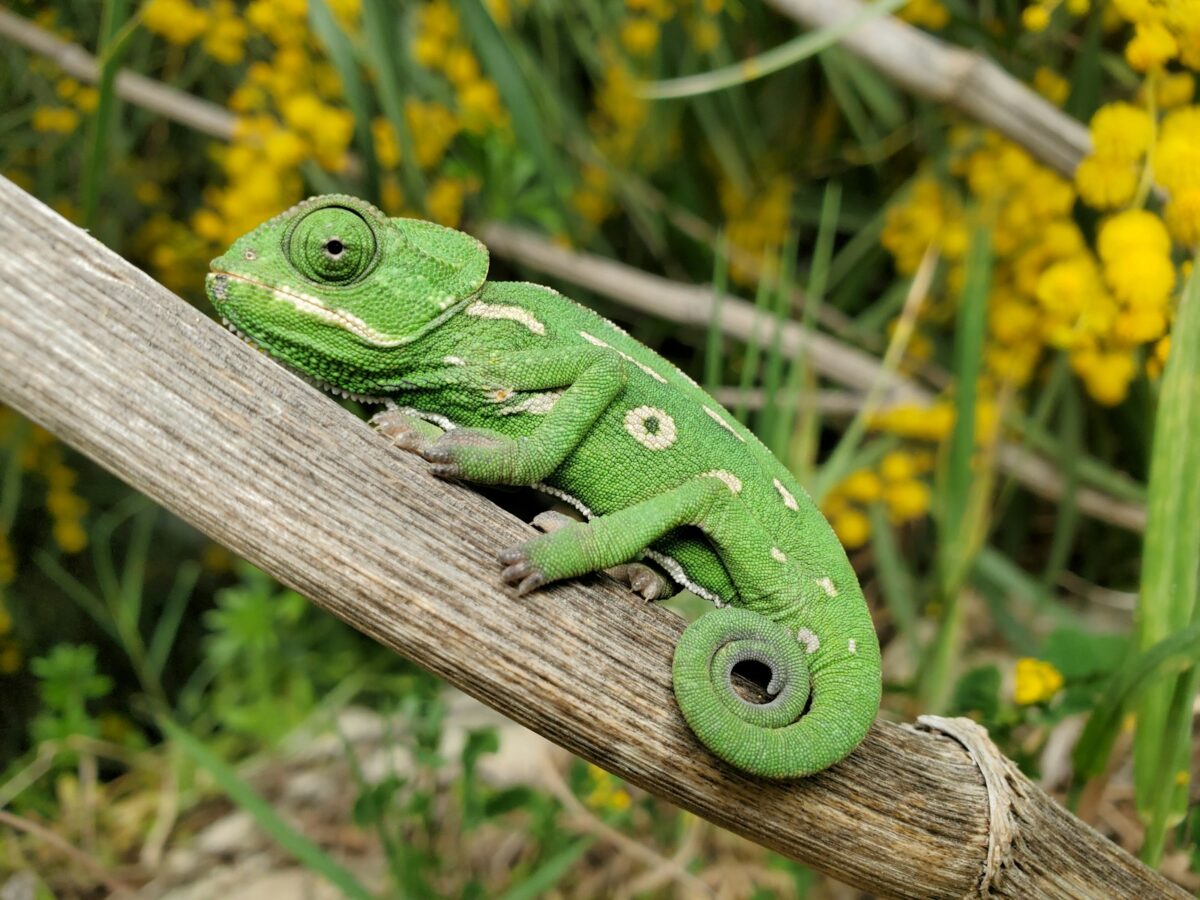
Let’s be real – the word “camouflage” gets all the credit here, but the truth is considerably more layered. Colour change in chameleons has functions in camouflage, but most commonly in social signalling and reactions to temperature and other conditions.
That’s a big deal. These animals are essentially walking mood rings, but with actual biological depth behind it. Chameleons tend to show brighter colours when displaying aggression to other chameleons, and darker colours when they submit or “give up”.
Temperature management plays a fascinating role too. Because chameleons are ectothermic, another reason why they change colour is to regulate their body temperatures, either to a darker colour to absorb light and heat to raise their temperature, or to a lighter colour to reflect light and heat, thereby either stabilizing or lowering their body temperature.
It’s a beautifully multitasking system. One moment the color shift is a warning to a rival, the next it’s essentially a built-in thermostat. Males display brilliant, vibrant patterns to assert dominance during territorial disputes. Conversely, a male may adopt a duller, muted coloration to signal submission and avoid conflict.
Honestly, it makes human body language look pretty primitive by comparison.
Beyond Chameleons: Other Reptiles With Surprising Color-Shifting Abilities
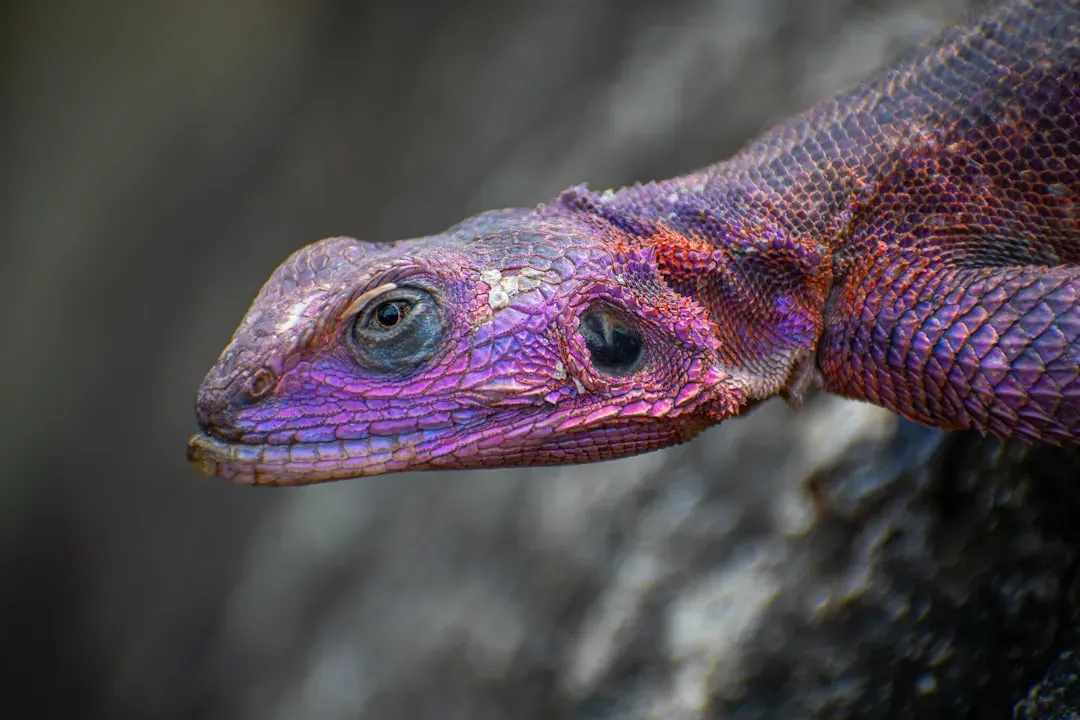
Chameleons tend to steal all the headlines. Understandable. But they’re far from the only reptiles in the game, and some of the other players are equally impressive in their own understated way.
The majority of anoles can change their color depending on things like emotions (for example, aggression or stress), activity level, levels of light and as a social signal (for example, displaying dominance). The green anole from the southeastern United States is a particular standout. This small lizard from the southeastern United States can shift between bright green and earthy brown, blending into foliage or bark as needed.
Then there’s the bearded dragon, that famously spiky Australian lizard beloved by reptile keepers worldwide. Twelve wild-caught bearded dragons were observed at different temperatures and during social interactions, confirming that many lizards use colour change for camouflage, communication and regulating body temperature simultaneously. Research has found that wild bearded dragons change color to improve both thermoregulation and camouflage but predominantly adjust for camouflage, suggesting that compromising camouflage may entail a greater potential immediate survival cost.
Perhaps the most bizarre example is the Kapuas mud snake of Borneo. The Kapuas mud snake is dark brown or black, with a red and black striped underbelly; however, when put in lighter environments it can change the color of its top scales to white. That’s a snake casually transforming its entire appearance in roughly twenty minutes. I know it sounds crazy, but it really happened under observation, and researchers are still figuring out exactly how.
Reptiles change skin colour by altering the distribution of natural pigments like melanin inside their skin cells. In some cases reptiles can also change the distribution of crystal formations inside their cells, to change the way light reflects off their skin. Two mechanisms, one incredible result.
The Skin Layer Architecture: How the Biology Actually Works
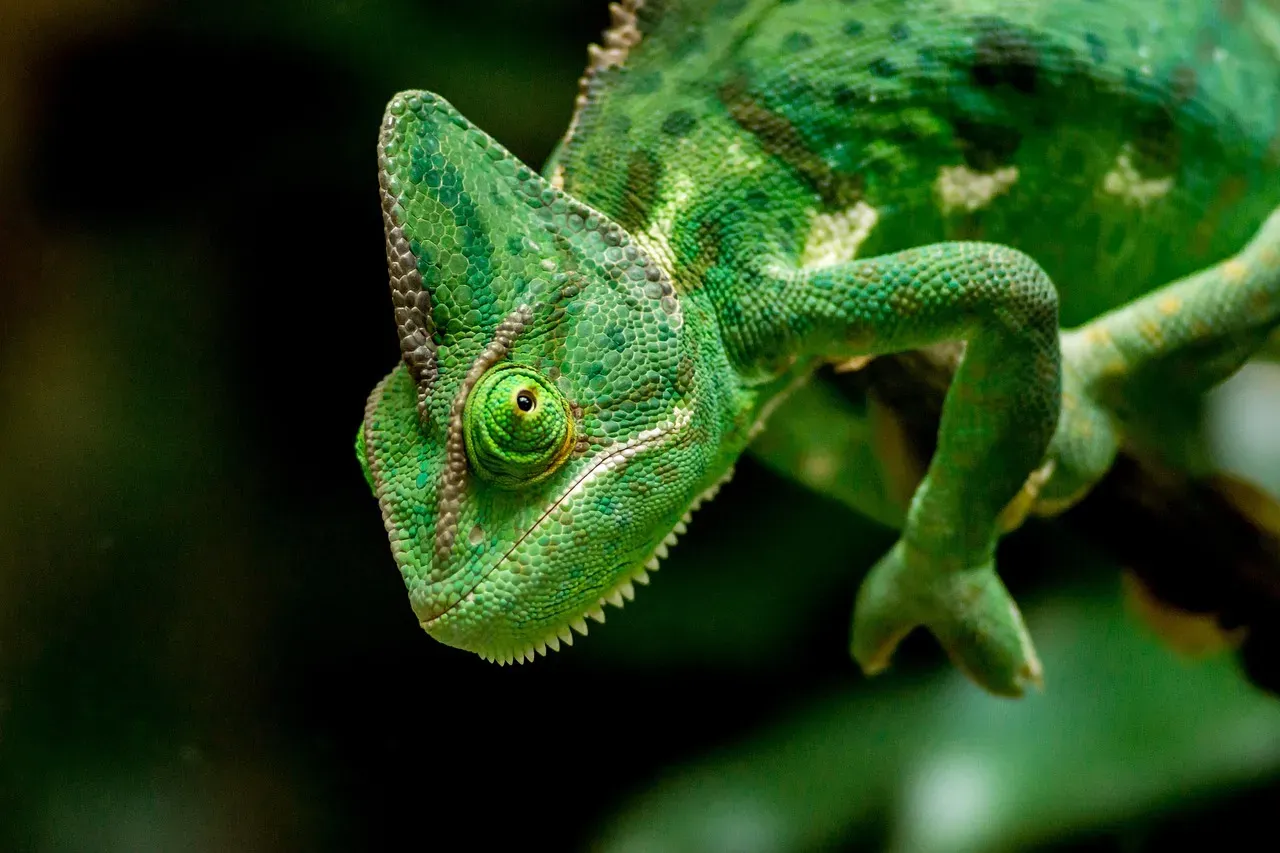
Peel back the scales, metaphorically speaking, and the internal architecture of a color-changing reptile’s skin is genuinely mind-bending. It’s less like a simple light switch and more like a layered operating system running multiple programs at once.
Chameleon skin contains different types of chromatophore cells organized in layers within the skin. The upper layer of skin contains cells with yellow and red pigments, while lower layers contain cells with dark melanin pigment, which appears black or brown. Just below the layer of yellow and red chromatophores is a layer of cells called iridophores that produce structural color.
Rather than containing pigment, iridophores contain an organized array of transparent, nano-sized crystals that reflect specific wavelengths of light. The reflected light is perceived as color. The latest research on color-changing in chameleons reveals that they primarily change color by actively adjusting the spacing between these nanocrystals, which causes different wavelengths of light to be reflected.
It’s a bit like how a soap bubble creates those shimmering rainbow colors. No actual color is stored in the bubble itself. It’s purely a trick of light bending. Chameleons figured this trick out roughly millions of years before humans invented the soap bubble.
The process is controlled by specialized muscle-like structures surrounding the iridophores. By contracting or relaxing these structures, the chameleon can fine-tune the spacing between nanocrystals. Factors such as temperature, mood, and communication needs influence this process.
Melanophores are pigment cells that permit colour change, which is controlled by hormones, temperature, and the nervous system. The whole setup is an exquisite collaboration between chemistry, physics, and biology. Few things in nature run with quite this much elegant precision.
What Reptile Skin Is Teaching Scientists and Engineers Right Now
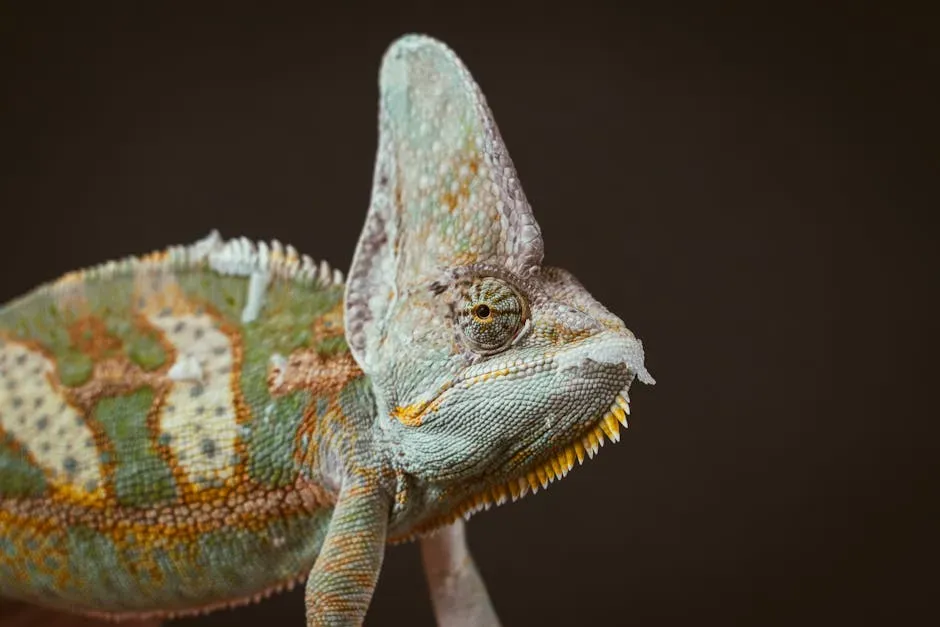
Here’s where things get really exciting for those of us living in 2026. The secrets locked inside reptile skin are actively being reverse-engineered by researchers, and the implications are staggering.
Chameleons’ mastery of light isn’t just an evolutionary marvel – it’s a blueprint for the future of nanotechnology. By understanding and replicating their ability to control structural coloration, scientists are unlocking new possibilities in camouflage, wearable tech, medical diagnostics, and even energy efficiency.
On the military front, the push to create adaptive camouflage is moving fast. One of the most promising applications is in military camouflage. Traditional camouflage relies on printed patterns and colors suited for specific environments, but this is static. By mimicking chameleons’ nanostructural coloration, scientists are developing smart camouflage materials that dynamically adjust to their surroundings, offering potential applications for military uniforms, vehicles, and stealth technology.
Chinese researchers have been particularly active. A team of Chinese researchers developed an advanced color-switchable material called Self-Adaptive Photochromism (SAP). This new material can change its color in response to its surroundings, similar to a chameleon.
Meanwhile, in the United States, DARPA and the U.S. Air Force are funding a next-gen stealth materials project that could help soldiers evade visual and thermal detection on the battlefield, spearheaded by the University of California, Irvine, in collaboration with the Marine Biological Laboratory. The inspiration comes from multiple color-shifting creatures at once. This ability evolved several times independently in reptiles, neon tetra fish, butterflies, and in cephalopods like octopus and squid. All of them are now informing the next generation of smart materials.
Animals have far better control over their color shifts and can create more dramatic changes than human-made materials – which is both humbling and motivating for the scientists racing to catch up.
Conclusion
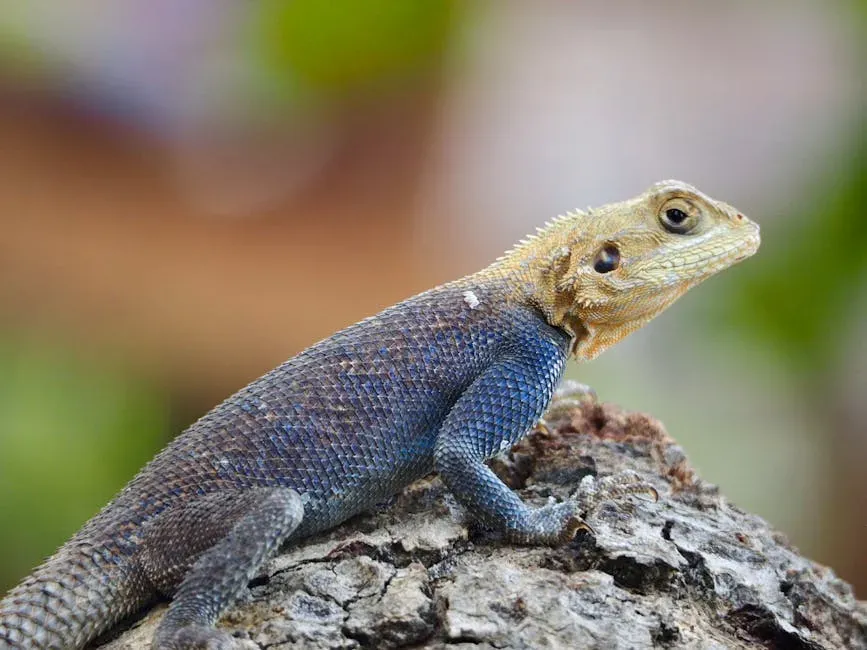
The more you look at color-changing reptiles, the harder it is to see them as simple, cold-blooded creatures. Though reptiles are often perceived as cold and instinct-driven, color-changing species reveal emotional depth and behavioral complexity. Stress, excitement, fear, and affection can all trigger visible changes.
What sits beneath those shimmering scales is a nanoscale engineering system that has been refined over hundreds of millions of years. It communicates, regulates, hides, and signals all at once. Rather than being biological magicians, these animals are strategic color tacticians. Their brilliance lies not in perfection but in flexibility – a survival strategy that balances concealment with communication, temperature control, and the constraints of their physiology.
And now, those same strategies are actively reshaping how humans think about materials, warfare, fashion, and technology. The lizard on your garden wall, shifting from green to brown in the afternoon sun, is doing something that the most advanced engineering labs in the world are still struggling to replicate.
Did you ever imagine that something as ancient as a lizard’s skin could hold the key to the future? Nature, as usual, got there first.
Worried about unexpected vet bills?
Pet insurance can cover thousands in unexpected vet costs. Get a free quote from Lemonade in under 2 minutes.
Get My Free Quote →Sponsored · Opens Lemonade.com
