

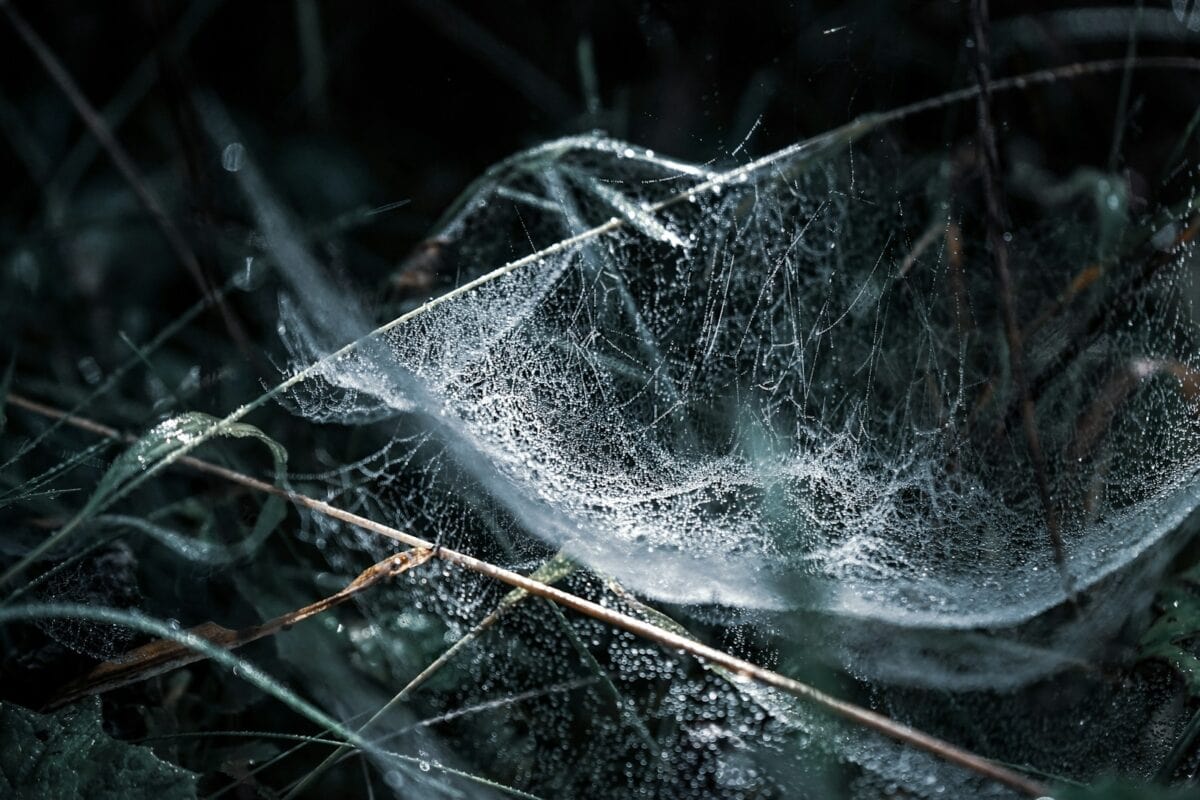
When you stumble across a spider web glistening with morning dew, you’re witnessing one of nature’s most remarkable engineering feats. But here’s something that might surprise you: not all spider webs are created equal. In fact, there are dozens of different web designs, each crafted with precision for specific hunting strategies, environments, and prey types. From the classic spiral orb webs that most people recognize to bizarre funnel-shaped traps and invisible tripwires, spiders have evolved an incredible array of architectural masterpieces over millions of years.
What’s truly mind-blowing is that each web type represents a different hunting philosophy. Some spiders are patient architects who build elaborate snares and wait, while others create quick-strike ambush points or even portable hunting nets. The silk itself varies dramatically between species—some produce sticky capture threads, others create dry scaffolding, and a few even make underwater air bubbles. Understanding these different web types opens up a fascinating window into spider behavior, evolution, and the incredible diversity of life strategies in the natural world.
The Classic Orb Web: Nature’s Perfect Circle
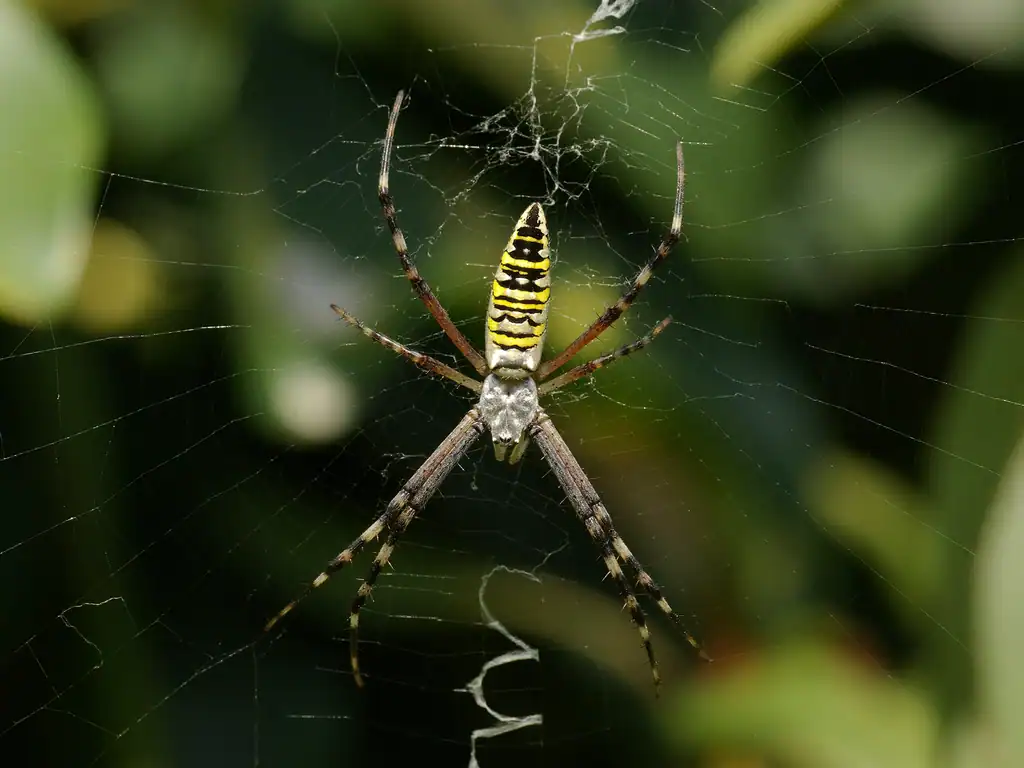
The orb web is probably what comes to mind when most people think of spider webs, and for good reason—it’s one of nature’s most geometrically perfect creations. These circular masterpieces are built by orb weaver spiders, which include over 3,000 species worldwide. The construction process is absolutely fascinating: spiders start by creating a frame, then add radial threads like spokes on a wheel, and finally spiral inward while laying down the sticky capture threads.
What makes orb webs so effective is their engineering brilliance. The radial threads act as structural support and vibration conductors, allowing the spider to feel exactly where prey has been caught from anywhere on the web. The spiral threads are coated with tiny glue droplets that can stretch up to four times their length without breaking, ensuring that flying insects get thoroughly tangled. Garden spiders and golden orb weavers are master builders of these webs, often reconstructing them entirely each night.
The size and pattern of orb webs can vary dramatically based on the spider species and available space. Some tropical golden orb weavers create webs spanning over three feet in diameter, while tiny orb weavers might build webs smaller than a dinner plate.
Funnel Webs: The Spider’s Hidden Fortress

Funnel webs represent a completely different hunting strategy than their orb-weaving cousins. These webs look like sheets of silk with a distinctive funnel-shaped retreat at one end, where the spider waits in ambush. Grass spiders and house spiders are the most common builders of funnel webs, creating these structures in corners, under rocks, or among vegetation.
The hunting mechanism is pure predatory genius. When an insect lands on the sheet web, it creates vibrations that travel directly to the spider’s hiding spot in the funnel. The spider then races out at lightning speed—some can cover the distance in less than a second—to capture the prey before it can escape. The sheet portion isn’t sticky like orb webs; instead, it’s designed to trip up insects and make them stumble.
What’s particularly impressive about funnel webs is their durability. Unlike orb webs that are often rebuilt nightly, funnel webs can last for weeks or even months with just minor repairs. The funnel itself serves as both a retreat and an egg-laying chamber, making it a true multi-purpose structure.
Triangle Webs: Geometry Meets Predation

Triangle spiders create some of the most unusual webs in the spider world—literally triangular structures that look like someone started building an orb web and gave up after creating just one section. These webs consist of only four radial threads forming a triangle, with a few connecting threads to create the capture area. The spider positions itself at one corner, holding the web taut like a slingshot.
The hunting strategy is unlike anything else in the spider kingdom. When prey gets caught in the triangle web, the spider releases tension, causing the entire structure to collapse and further entangle the victim. It’s essentially a spring-loaded trap that the spider can trigger at will. This method is so effective that triangle spiders can catch prey much larger than themselves.
These webs are typically built at night and positioned between twigs or in corners where flying insects are likely to pass. The triangle web represents an evolutionary compromise—it uses less silk than a full orb web but maintains excellent capture efficiency for the spider’s specific hunting niche.
Sheet Webs: The Horizontal Hunting Ground
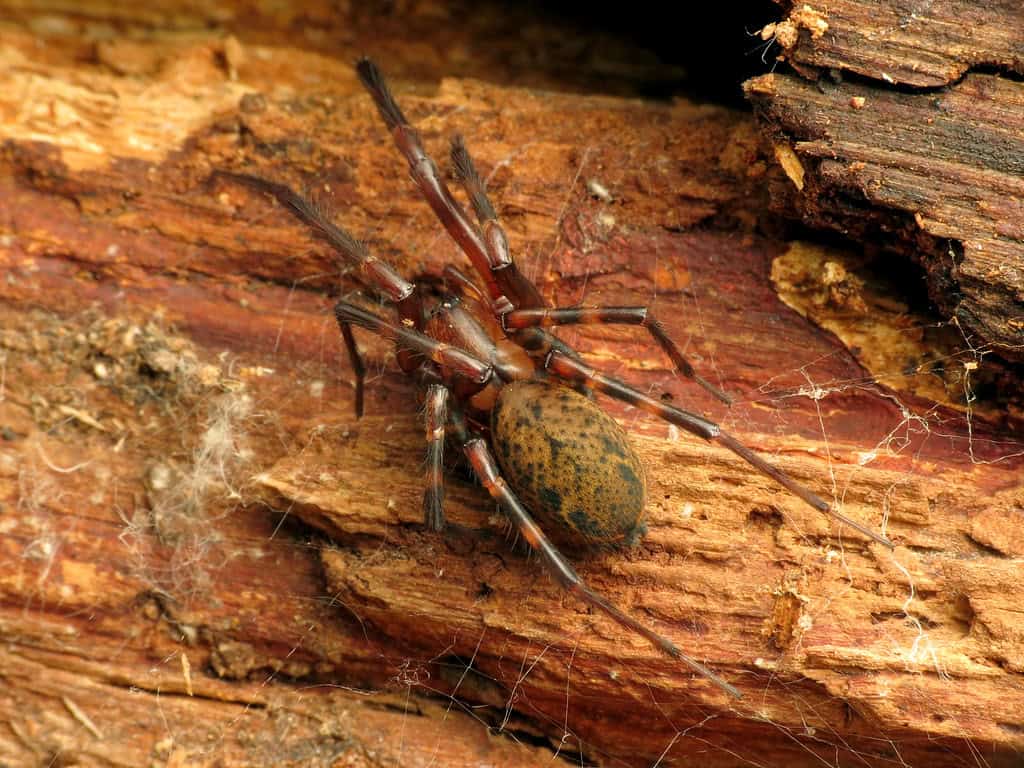
Sheet webs are exactly what they sound like—flat, horizontal sheets of silk that create an invisible platform trap for unsuspecting insects. Linyphiid spiders, also known as sheet weaver spiders, are the primary architects of these structures. The web appears as a dense, flat sheet suspended between vegetation or other anchor points.
The killing mechanism is particularly clever. Above the main sheet, spiders often construct a tangle of “knock-down” threads that cause flying insects to fall onto the sheet below. Once an insect hits the sheet, it becomes trapped in the silk fibers, and the spider approaches from underneath to deliver the killing bite through the web. This hunting strategy is especially effective for catching small flying insects like gnats and mosquitoes.
Sheet webs can be incredibly numerous in suitable habitats. During certain times of year, especially in grasslands and meadows, you might find dozens of these webs within a few square yards, creating an almost invisible minefield for small flying insects.
Cobwebs: The Messy Masters of Efficiency
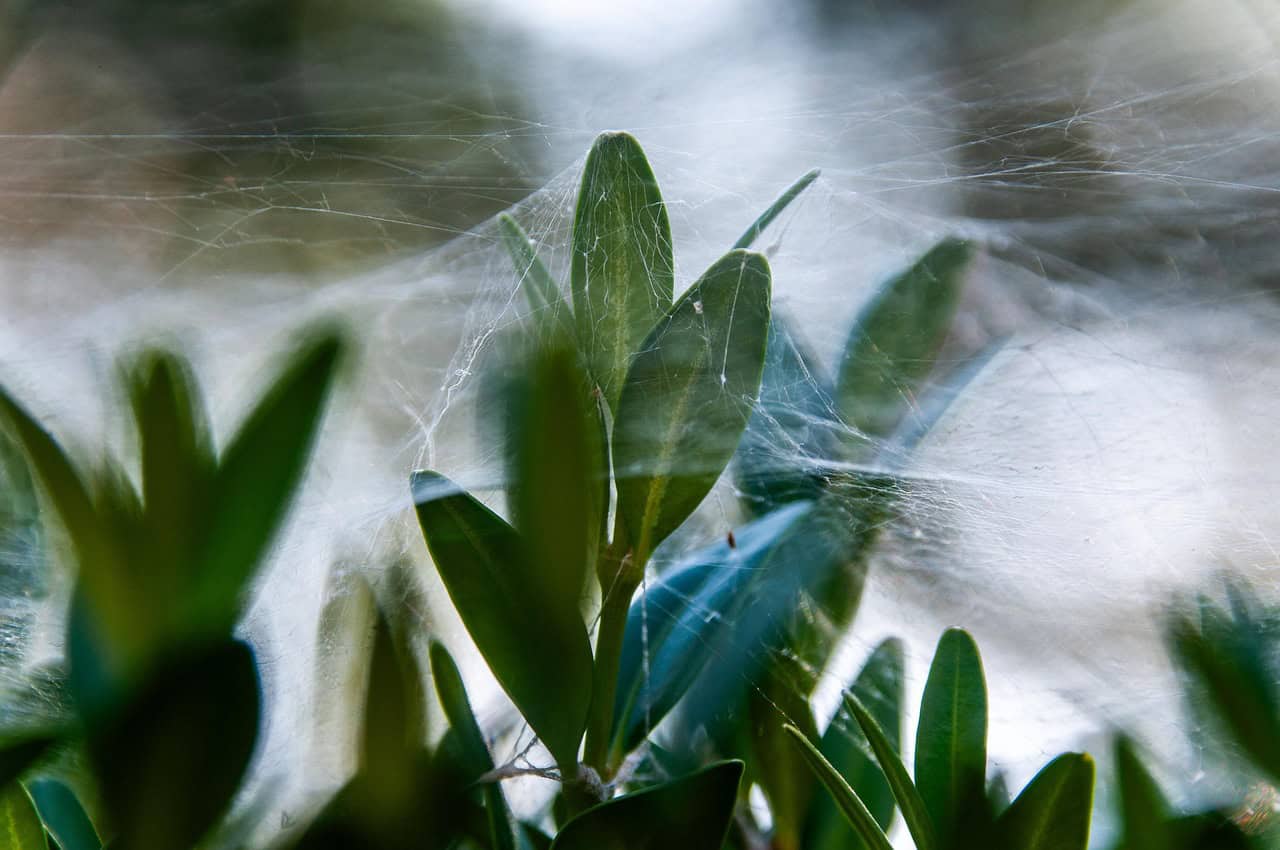
Despite their reputation as signs of poor housekeeping, cobwebs are actually sophisticated three-dimensional traps built by theridiid spiders, including black widows and house spiders. These irregular, seemingly chaotic structures are far more effective than they appear. The web consists of anchor lines, scaffolding threads, and sticky capture spirals arranged in a complex 3D matrix.
The beauty of cobwebs lies in their adaptability. Unlike geometric webs that require specific anchor points, cobwebs can be built virtually anywhere—in corners, under furniture, between rocks, or in vegetation. The irregular structure actually increases the web’s effectiveness by creating multiple capture zones and making it nearly impossible for prey to escape once entangled.
What makes cobwebs particularly interesting is their longevity and maintenance system. These webs are typically permanent structures that spiders continuously repair and modify. When sections get damaged or filled with debris, the spider simply adds new threads around the problem area, creating the characteristic messy appearance that gives cobwebs their name.
Bolas Webs: The Spider’s Fishing Line
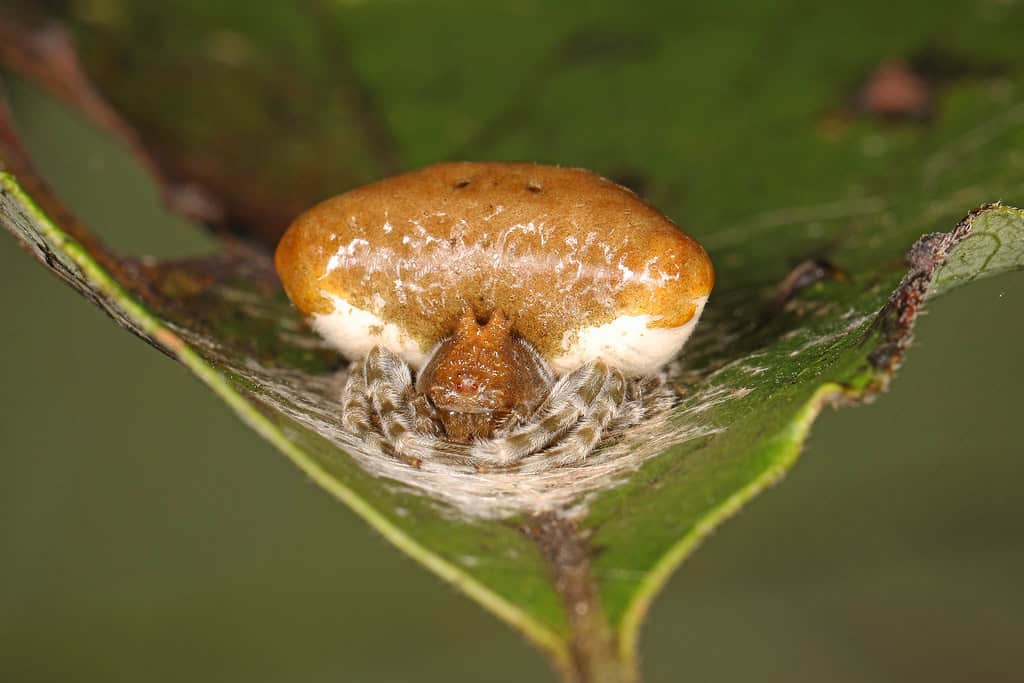
Bolas spiders have developed perhaps the most unusual hunting strategy in the spider world—they create a single thread with a sticky ball at the end, which they swing like a fishing line to catch flying prey. This incredible technique is used primarily to catch male moths, which are attracted by pheromones that the spider releases to mimic female moths.
The hunting process is absolutely remarkable to witness. The spider hangs from a single thread and holds the bolas (sticky ball) with one leg while releasing moth pheromones into the air. When a male moth approaches, attracted by what it thinks is a potential mate, the spider swings the bolas in the moth’s direction. The sticky ball adheres to the moth, and the spider reels in its catch like an angler landing a fish.
Different bolas spider species have evolved to mimic the pheromones of different moth species, creating a highly specialized predator-prey relationship. Some species even change their pheromone cocktail throughout the night to target different moth species that are active at different times.
Trapdoor Webs: The Ultimate Ambush Platform
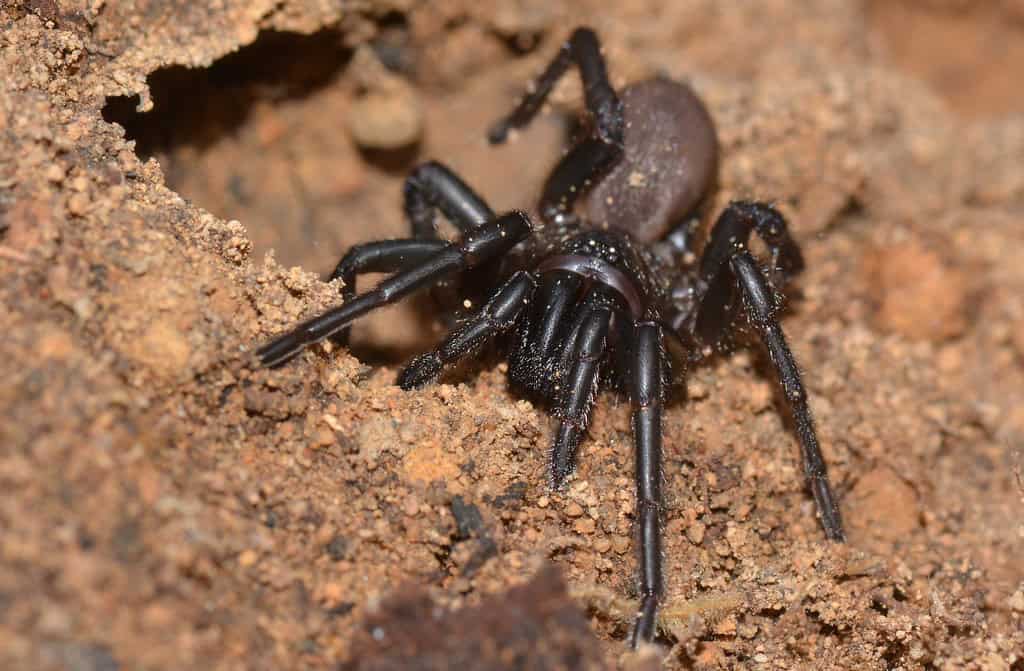
Trapdoor spiders create some of the most sophisticated hunting structures in the arachnid world, though technically these aren’t traditional webs. Instead, they construct silk-lined burrows with perfectly camouflaged hinged doors that blend seamlessly with the surrounding ground. These structures can take weeks to complete and represent incredible engineering precision.
The hunting strategy relies on patience and lightning-fast reflexes. The spider waits just inside the burrow with its legs touching trigger lines that extend outward from the door. When prey walks across these tripwires, the spider detects the vibrations instantly and explodes from the burrow to grab the victim before it can react. The entire attack can happen in less than a tenth of a second.
What’s particularly impressive about trapdoor constructions is their longevity. Some burrows are used for years, with spiders continuously maintaining and improving the structure. The doors are often decorated with moss, leaves, or soil to create perfect camouflage that’s virtually impossible to detect even when you’re looking directly at it.
Purse Webs: The Underground Silk Tubes
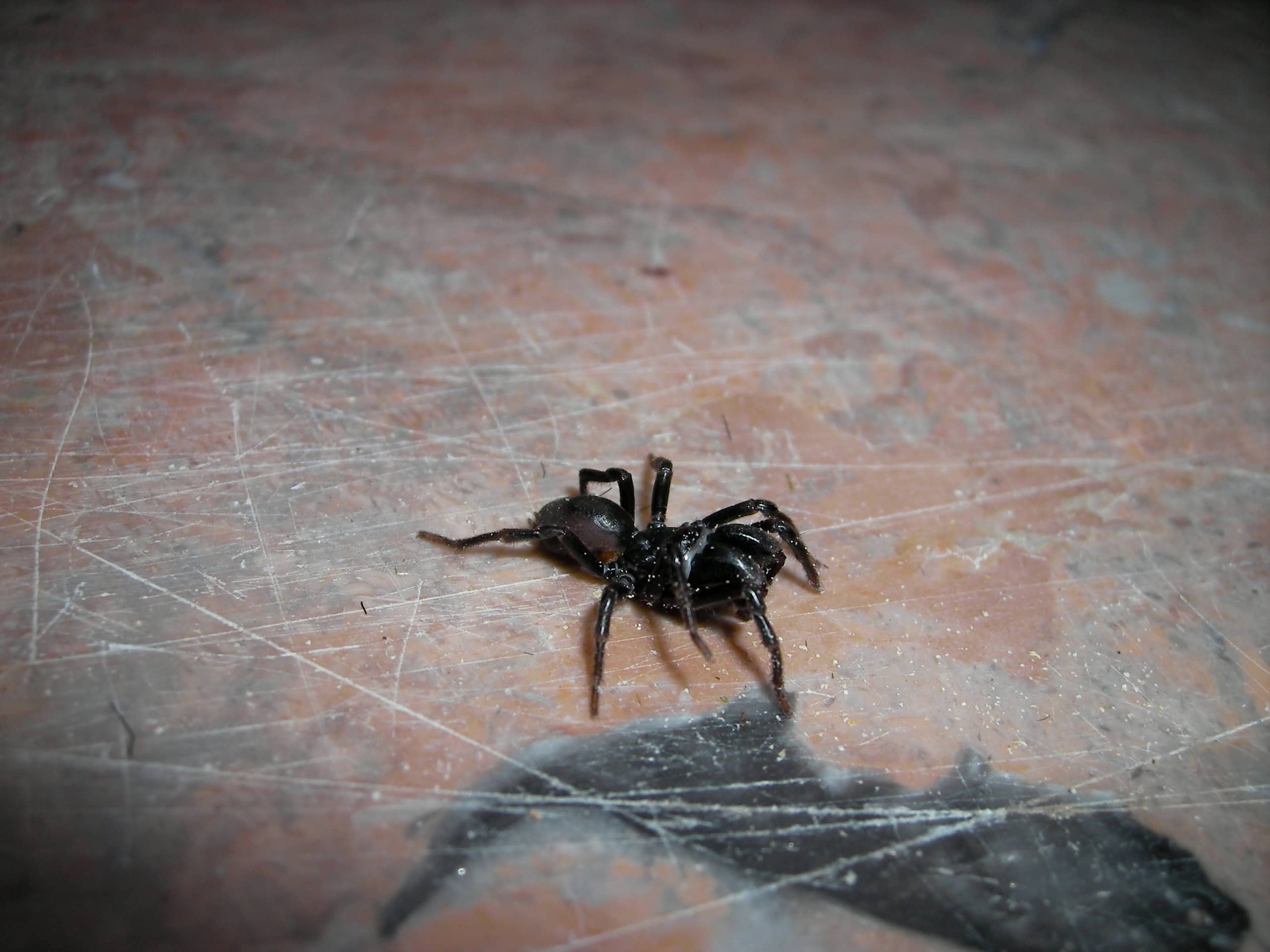
Purse web spiders create one of the most unusual hunting structures—a silk tube that extends both above and below ground level. The above-ground portion looks like a small silk finger or tube attached to tree bark or rocks, while the below-ground section extends into a burrow. This design creates a highly effective ambush system for ground-dwelling prey.
The hunting mechanism is particularly ingenious. When insects walk across the above-ground portion of the tube, the spider inside can feel their footsteps through the silk. The spider then bites through the tube wall to inject venom into the prey, pulls the victim inside through the bite hole, and later repairs the damaged section. It’s like having a completely concealed hunting blind.
Purse webs can last for many months with minimal maintenance, making them incredibly efficient hunting structures. The spiders rarely leave their tubes except to mate, spending virtually their entire adult lives inside these silk fortresses.
Water Spider Webs: Underwater Architecture

Water spiders have solved one of nature’s most challenging engineering problems—how to live underwater while still breathing air. They create bell-shaped web structures underwater that function as diving bells, trapping air bubbles that the spider carries down from the surface. This creates a permanently submerged air-filled chamber where the spider can live and hunt.
The construction process is remarkable to observe. The spider first builds a dome-shaped web structure attached to underwater vegetation, then makes multiple trips to the surface to collect air bubbles on its body hairs. These bubbles are released inside the web dome, gradually filling it with air. The spider can then live inside this underwater air pocket for extended periods.
These underwater webs serve multiple purposes beyond just providing breathing space. They function as nurseries for eggs, storage areas for captured prey, and protection from aquatic predators. The spider hunts by detecting vibrations in the water and rushing out to capture small fish, water insects, and other aquatic prey.
Social Spider Webs: Community Architecture

While most spiders are solitary creatures, some species have evolved to live in large colonies and build massive communal webs that can span entire trees. Social spiders like Anelosimus and Stegodyphus species create these incredible structures through cooperative effort, with hundreds or even thousands of individuals working together.
The communal webs are engineering marvels that dwarf anything individual spiders can create. These structures can cover entire bushes or trees, creating vast three-dimensional hunting networks that are incredibly effective at catching flying insects. The spiders share prey catches and work together to maintain and expand the web structure continuously.
What makes social spider webs particularly fascinating is their division of labor. Some individuals specialize in web construction, others focus on hunting, and still others are primarily responsible for caring for young spiders. This social organization allows them to build and maintain web structures that would be impossible for solitary spiders to create.
Spitting Spider Webs: Biological Glue Guns

Spitting spiders have evolved one of the most unusual hunting methods in the animal kingdom—they literally spit silk and venom at their prey from a distance. Instead of building traditional webs, these spiders create silk internally and spray it at prey in a zigzag pattern that both immobilizes the victim and begins the digestion process.
The spitting mechanism is incredibly precise. The spider can accurately hit prey from distances up to 20 times its own body length, using specialized glands that mix silk with venom to create a sticky, toxic projectile. The zigzag pattern ensures that prey becomes thoroughly entangled while simultaneously being envenomated.
This hunting strategy allows spitting spiders to capture prey without the time and energy investment required to build traditional webs. They’re essentially mobile hunters that carry their web-building capability with them, making them incredibly versatile predators in various environments.
Net-Casting Spider Webs: The Gladiator’s Net
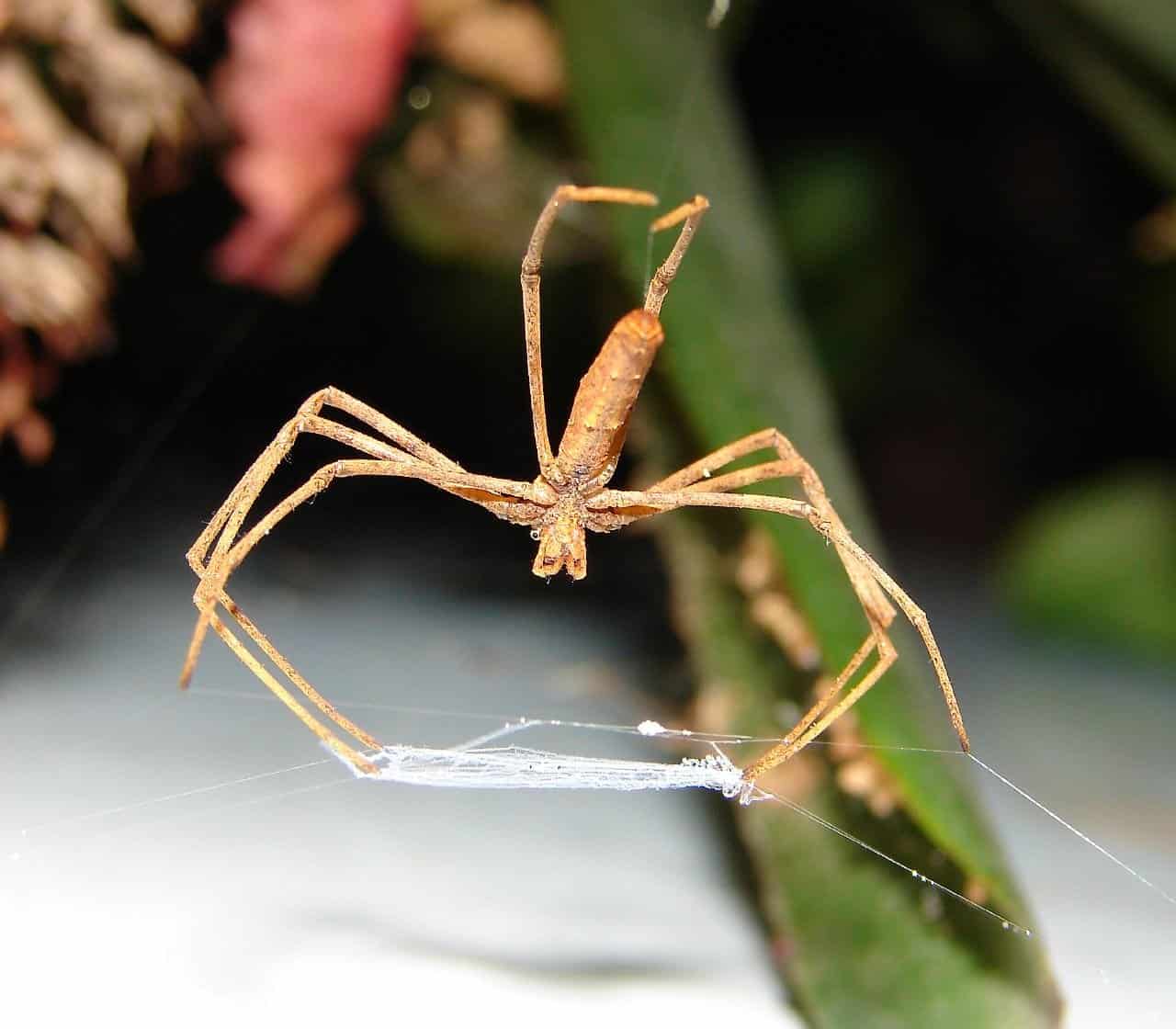
Net-casting spiders, also known as gladiator spiders, create small rectangular webs that they hold between their front legs like a net. This portable web is then cast over prey in a technique that resembles a gladiator throwing a net over an opponent. The hunting strategy is active rather than passive, requiring the spider to actively stalk and ambush prey.
The construction of these nets is remarkably precise. The spider builds a small rectangular web with an extremely stretchy silk that can expand to several times its original size when thrown. The spider hangs upside down holding this net, using its exceptional eyesight to spot prey moving below on the ground or on nearby vegetation.
When prey is detected, the spider drops down and casts the net over the victim in one swift motion. The elastic properties of the silk ensure that the net expands to cover the prey completely, and the sticky nature of the threads prevents escape. It’s one of the most active hunting strategies employed by any web-building spider.
Nursery Webs: Protective Parenting Structures
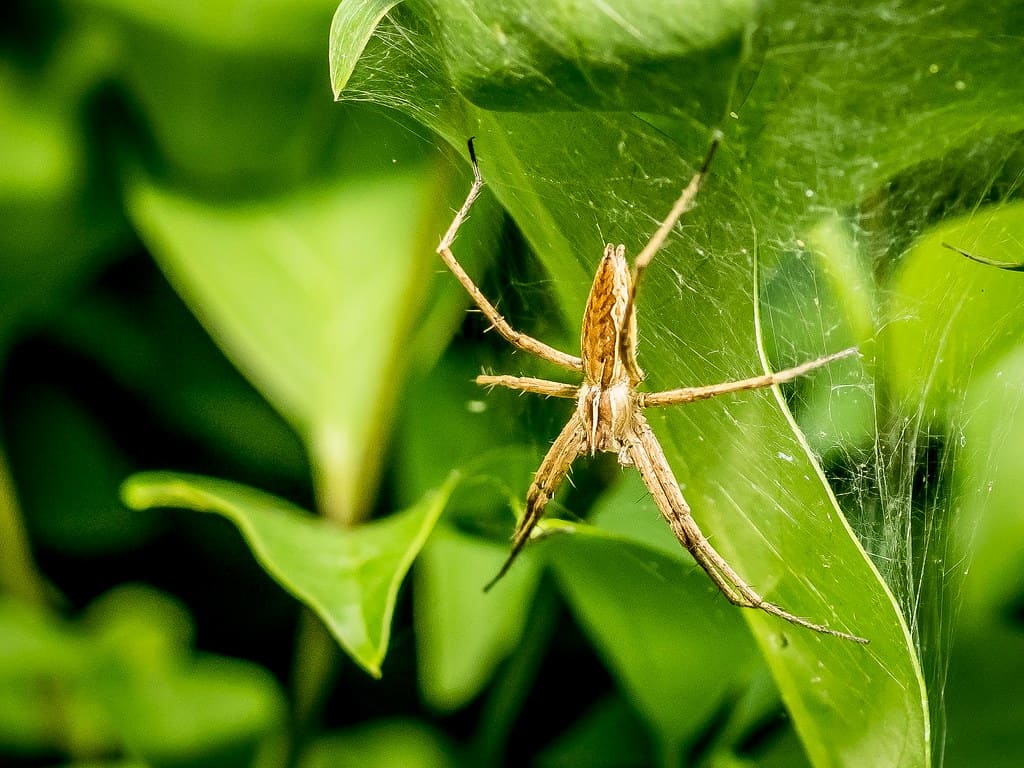
Nursery web spiders create temporary web structures specifically for protecting their egg sacs and newly hatched spiderlings. These webs are quite different from hunting webs, serving purely as protective nurseries rather than prey capture devices. The mother spider constructs a silk tent or dome over her egg sac, often in vegetation near water sources.
The construction process demonstrates remarkable maternal care in the spider world. The female creates a complex three-dimensional structure that provides protection from predators, weather, and parasites while allowing proper air circulation for the developing eggs. She guards this nursery web vigilantly, often going without food for extended periods to protect her offspring.
Once the spiderlings hatch, they remain in the nursery web for several days while they develop and prepare for independent life. The mother continues to guard them during this vulnerable period, and the young spiders disperse only when they’re capable of hunting on their own.
Retreat Webs: The Spider’s Safe House
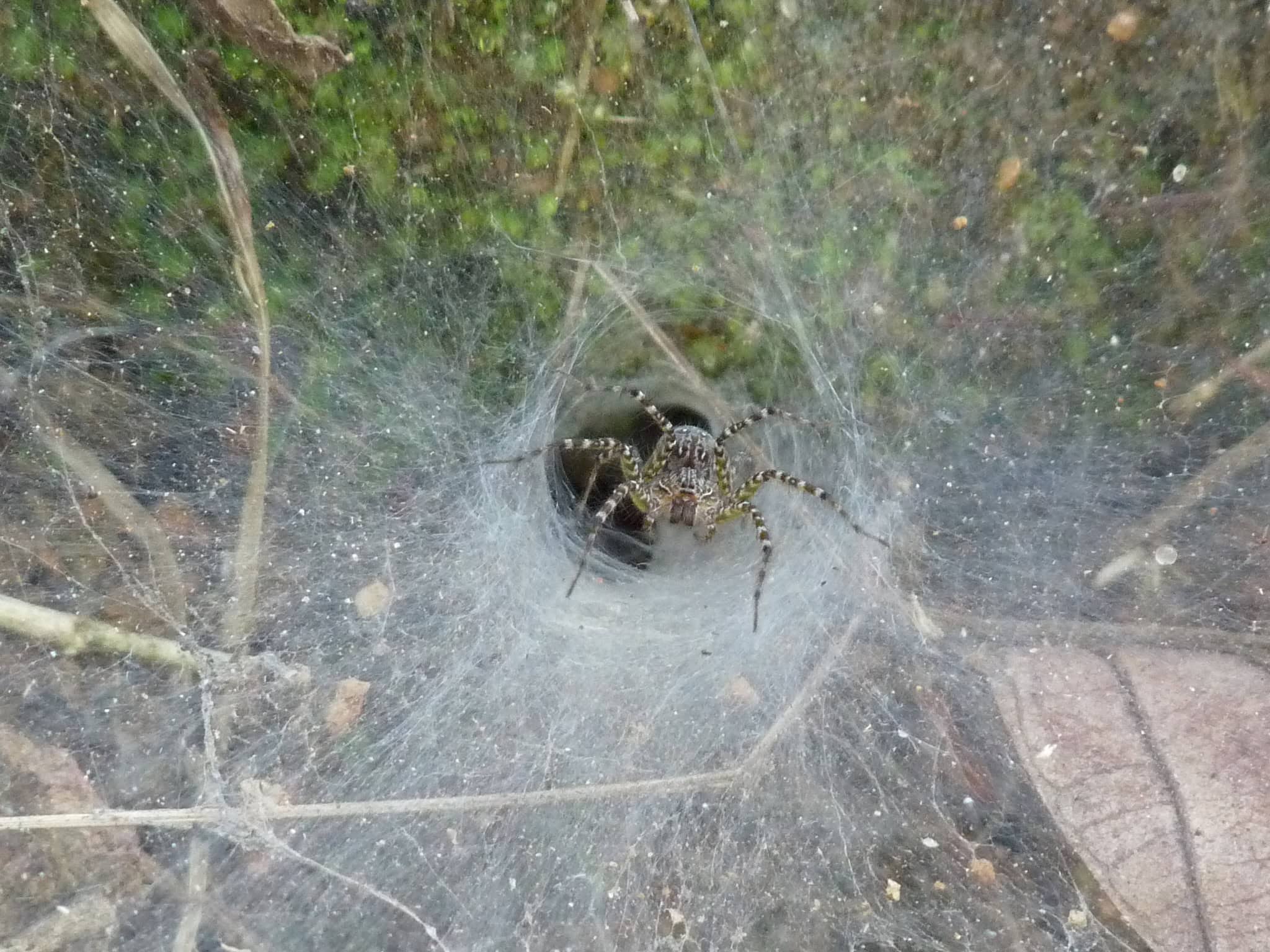
Many spiders create specialized retreat webs that serve as safe houses rather than hunting structures. These webs are typically built in protected locations like under bark, in rock crevices, or inside rolled leaves. The retreat web provides shelter from predators, weather, and serves as a secure location for molting and egg-laying.
The architecture of retreat webs varies dramatically between species, but they typically feature multiple chambers connected by silk-lined tunnels. Some species create elaborate multi-room structures with separate areas for different activities—feeding chambers, molting rooms, and nursery areas. The silk lining helps regulate humidity and provides early warning of approaching threats through vibration detection.
Retreat webs are often used in conjunction with hunting webs, serving as the spider’s base of operations. The spider can quickly retreat to this safe house when threatened and emerge to hunt when conditions are favorable. Some species even create multiple retreat webs within their territory as backup shelters.
Ladder Webs: Vertical Hunting Highways

Ladder webs are specialized vertical structures that look remarkably like rope ladders suspended between vegetation or other anchor points. These webs are built by certain orb weaver species that have adapted to hunt in vertical spaces where traditional horizontal orb webs wouldn’t be effective.
The construction follows a unique pattern where the spider creates parallel vertical threads connected by horizontal crossbars, creating the characteristic ladder appearance. The spacing between rungs is precisely calculated to match the wing span and flight patterns of the spider’s preferred prey species. Flying insects become entangled in these vertical barriers and fall into the spider’s capture zone.
What makes ladder webs particularly effective is their three-dimensional nature. Unlike flat orb webs, ladder webs create multiple capture planes that intercept insects flying at different heights. This design is especially effective in forest environments where insects move through various vertical layers of vegetation.
Tent Webs: Portable Hunting Shelters

Some spider species create tent-like web structures that serve dual purposes as both hunting platforms and protective shelters. These webs typically feature a central dome or tent structure surrounded by guy-lines and capture threads. The spider positions itself inside the tent and rushes out when prey becomes entangled in the surrounding web.
The tent design provides excellent protection from weather and aerial predators while maintaining hunting effectiveness. The central shelter allows the spider to remain hidden from prey while still being able to detect vibrations from anywhere in the surrounding web structure. This combination of concealment and hunting efficiency makes tent webs particularly effective in exposed locations.
Construction of tent webs requires significant silk investment and engineering skill. The spider must balance the structural requirements of the shelter with the hunting effectiveness of the surrounding capture area. Many species modify their tent webs seasonally, creating more robust shelters during harsh weather periods.
Stabilimentum Webs: Decorated Death Traps

Some orb weaver spiders add distinctive decorative elements called stabilimenta to their webs—dense zigzag patterns of silk that create visible designs in the web structure. These decorations have puzzled scientists for decades, as they seem to make the webs more visible to both prey and predators, which would appear counterproductive.
Recent research suggests that stabilimenta serve multiple functions depending on the species and situation. Some may act as bird deterrents, preventing large birds from accidentally flying through and destroying the web. Others might actually attract certain types of prey by reflecting ultraviolet light in patterns that mimic flowers or other attractive targets for flying insects.
The patterns and placement of stabilimenta vary dramatically between species and even between individual webs built by the same spider. Young spiders tend to create more elaborate decorations, while older individuals often build simpler patterns. This suggests that stabilimenta construction might be related to the spider’s experience and hunting success rates.
Pirate Spider Webs: Hijacking Other Species’ Traps
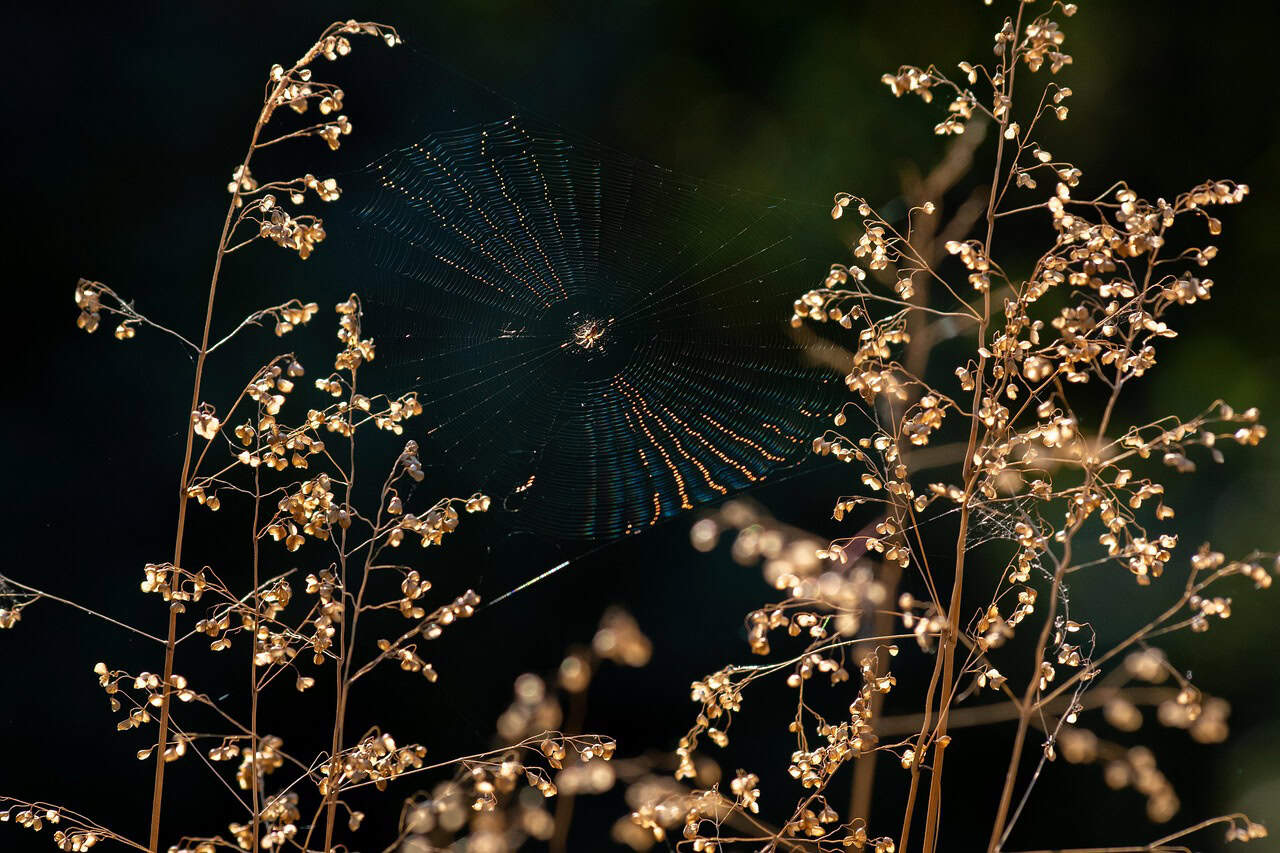
Pirate spiders have evolved one of the most cunning hunting strategies in the arachnid world—they invade other spiders’ webs and use them as their own hunting platforms. These specialized predators don’t build their own webs but instead locate existing webs built by other spider species and take them over through various aggressive tactics.
The takeover process can involve direct confrontation where the pirate spider kills or drives away the original web owner, or more subtle infiltration where the pirate spider gradually takes control of sections of a larger web. Some pirate spiders are so specialized that they target specific web types and spider species, having evolved hunting techniques perfectly matched to their chosen prey.
What makes pirate spiders particularly successful is their ability to read and manipulate the vibrations in stolen webs. They can mimic the movements of trapped prey to lure the original web owner into attack range, or they can detect when genuine prey has been caught and steal it before the web owner can respond. This strategy allows them to benefit from web hunting without the energy investment of web construction.
Seasonal Web Variations: Adapting to Environmental Changes
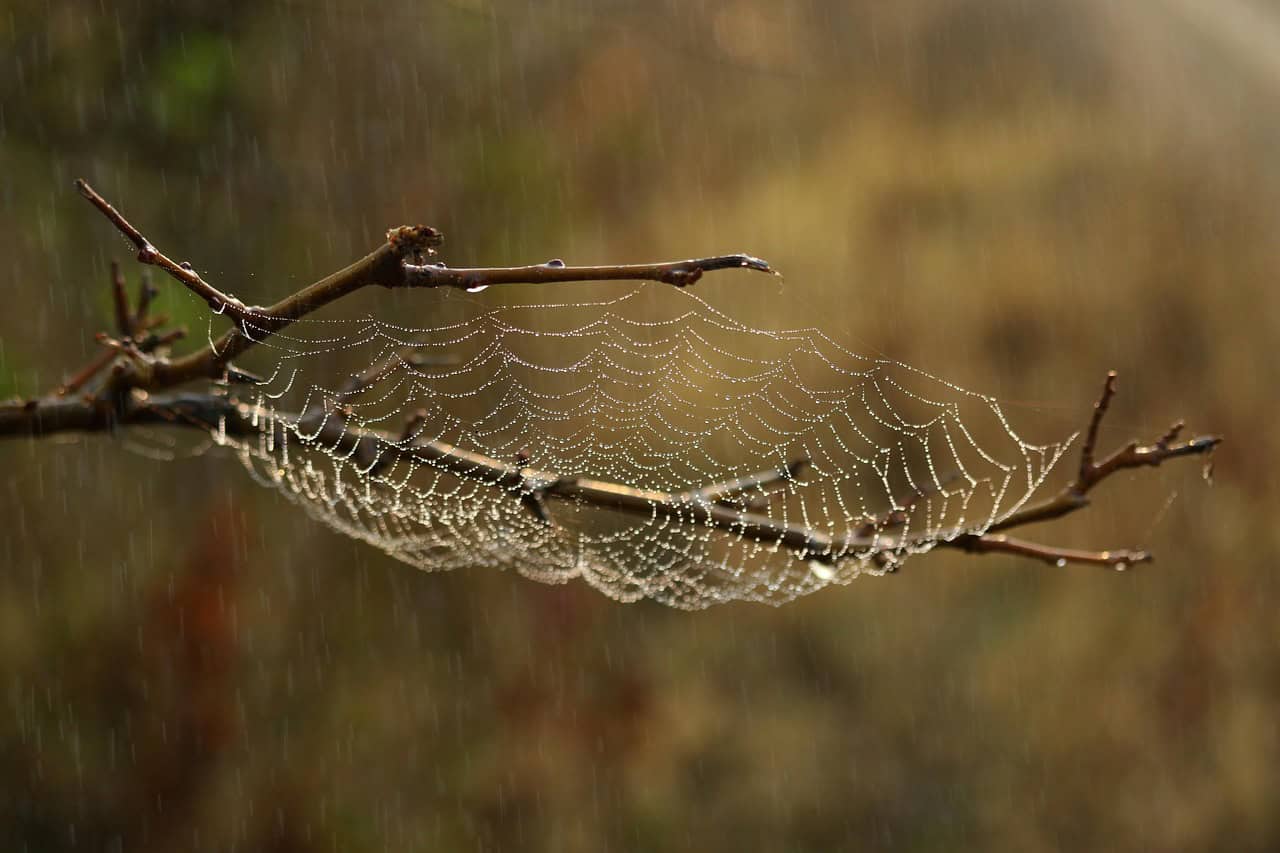
Many spider species dramatically modify their web construction throughout the year in response to changing environmental conditions, prey availability, and reproductive cycles. These seasonal variations represent sophisticated adaptations that maximize hunting success while minimizing energy expenditure during different times of year.
During spring and early summer when flying insect populations peak, many spiders build larger, more elaborate webs to take advantage of abundant prey. As temperatures drop and insect activity decreases, these same spiders often switch to smaller, more energy-efficient web designs or may abandon web building entirely in favor of active hunting strategies.
Reproductive cycles also drive major changes in web architecture. Females often build specialized egg-laying webs that differ significantly from their hunting webs, while males may abandon web building entirely during mating season to focus on finding mates. These seasonal strategies demonstrate the remarkable behavioral flexibility that has made spiders successful in virtually every terrestrial environment on Earth.
Conclusion: The Marvel of Spider Engineering
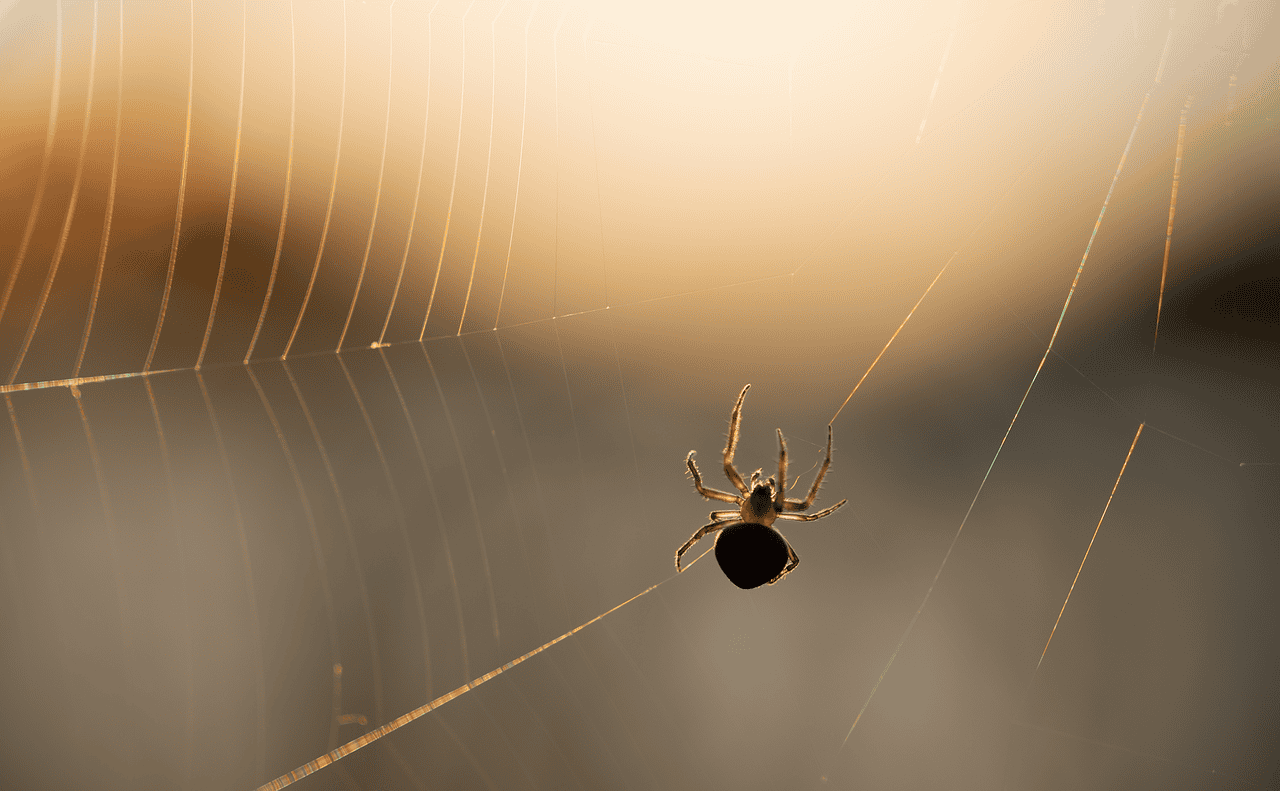
The incredible diversity of spider web types reveals just how adaptable and innovative these eight-legged engineers truly are. From the geometric perfection of orb webs to the cunning simplicity of funnel, retreat, and pirate webs, each structure is a finely tuned survival tool. Whether designed for trapping prey, protecting offspring, or launching ambushes, these silk masterpieces showcase the remarkable problem-solving abilities spiders have developed over millions of years.
The more we learn about spider webs, the more we uncover the complexity hidden in these delicate strands. Every twist, angle, and thread serves a purpose, revealing a silent language of structure and strategy. Whether you’re an arachnid enthusiast or just starting to notice the webs in your backyard, there’s always something new to marvel at in the world of spider silk. Did you know so much intelligence could be spun from something so small?

- Australia’s Spiders: Why Locals Aren’t Even Scared Anymore - June 17, 2026
- This Animal Sleeps with One Eye Open — Literally - June 17, 2026
- The Rise and Fall of Ichthyosaurs—The Dolphins of the Past - June 17, 2026