


In Clarkton, Missouri, locals are experiencing something straight out of a horror movie. After recent heavy rains caused flash flooding, residents woke to find their porches, trees, and even cars blanketed in thick spider webs—and the spiders that made them.
Thousands of long-legged arachnids, mostly Tetragnatha species (commonly known as long-jawed orb weavers), have descended on the area, forming massive communal webs that shimmer in the morning light—and send shivers down everyone’s spine.
One resident said, “It looked like Halloween decorations, except they were moving.”
Why the Spiders Are Swarming
Experts say this phenomenon isn’t an invasion—it’s survival. When floodwaters rise, ground-dwelling insects and spiders are forced to climb to higher ground, often grouping together on fences, power lines, and homes.
In humid places like Missouri, Tetragnatha spiders thrive after floods. They’re harmless to humans but work fast, spinning massive sheets of silk that stretch over yards and road signs within hours.
The sudden rise in humidity and availability of insects (also displaced by floods) creates the perfect breeding ground, turning a quiet neighborhood into something that looks like it’s been taken over by arachnids.
Freaky, Yes—But Not Dangerous
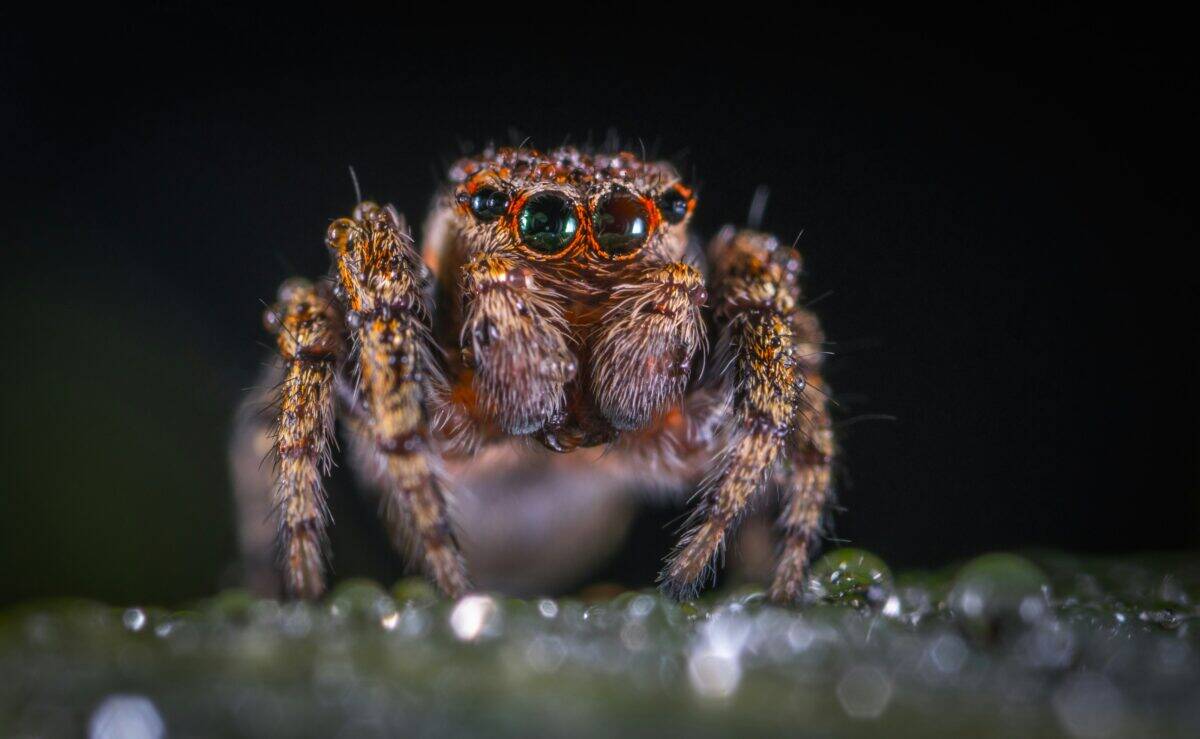
Despite the unsettling visuals, the spiders aren’t venomous to humans and rarely bite. In fact, they’re helpful pest controllers, feeding on mosquitoes and other flood-driven bugs.
But the sheer volume and speed of their web-building can make it feel like a biblical plague. Locals report seeing entire trees cocooned in silk overnight and dozens of spiders dangling from gutters.
City officials say there’s no need for chemical spraying, as the population will decline naturally as the waters recede and the ground dries out.
What Residents Can Do

If you’re one of the unlucky folks dealing with a spider swarm, here’s what helps:
- Use a broom or garden hose to clear webs gently (they’ll likely rebuild, but it helps).
- Keep exterior lights off at night to reduce insect activity—and the spiders that follow.
- Seal windows and doors to keep them from getting inside.
- Don’t panic—the surge usually lasts just a few days.
For now, Clarkton is living through an eight-legged nightmare. But according to local officials, it’s temporary, and nature will balance itself out soon—hopefully before anyone grabs a flamethrower..

- Texas Ranchers Injured and Horses Killed in Aggressive Bee Attack - July 19, 2026
- Cougar Attack on Cyclists Shakes Washington Wilderness - July 19, 2026
- Snake Found in Arizona Toilet Shocks Homeowner - July 19, 2026