


If you’ve noticed clusters of strange, black, hopping bugs speckled with white dots on trees, fences, or garden tools—bad news: Connecticut is officially in spotted lanternfly territory.
This invasive insect, originally from Asia, is now crawling all over parts of Fairfield, New Haven, and even Litchfield counties. And while they may look harmless, these bugs are part of a larger problem that could cost farmers, orchard owners, and winemakers dearly.
From Dot to Destruction
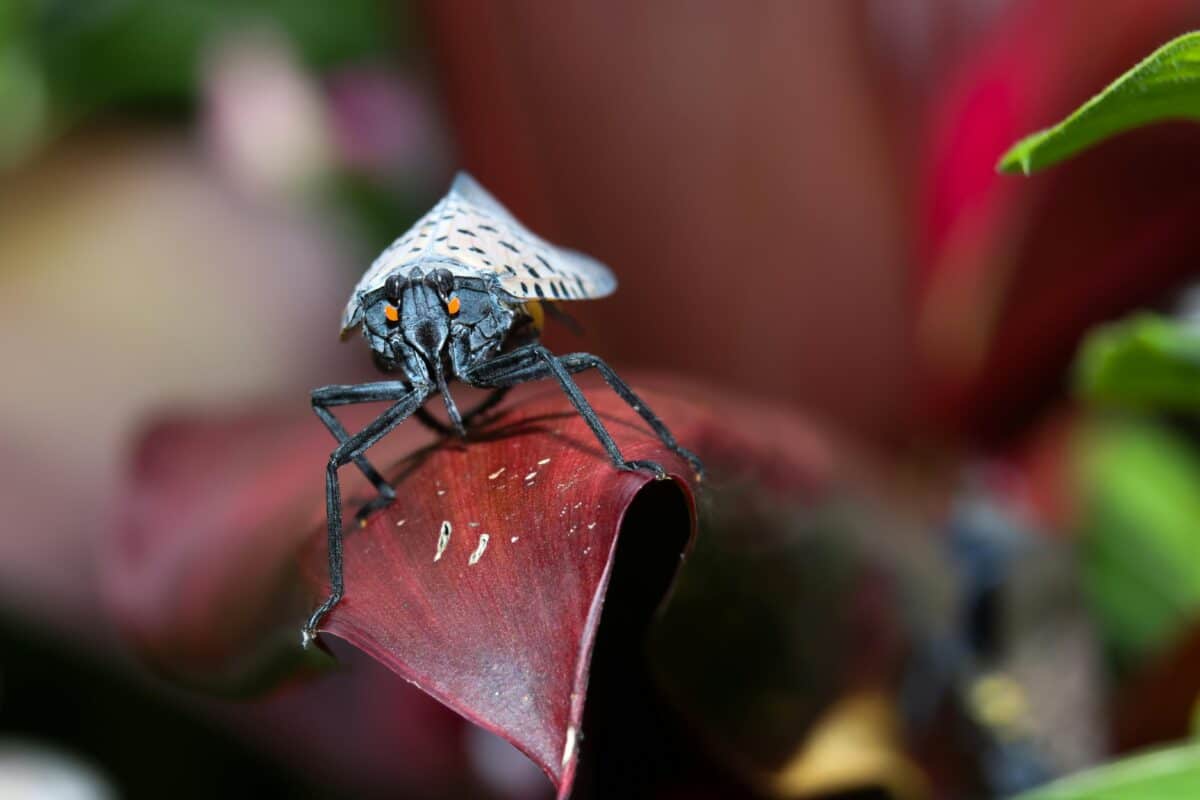
Right now, the nymphs—the insect’s immature stage—are out in full force. They’re small, wingless, and black with bright white spots. Later in the summer, they’ll develop into red-tinged, hopping juveniles before transforming into fully winged adults that resemble tiny red and tan moths.
But don’t be fooled by their size. These insects feed by stabbing into plants and draining the sap. What they don’t drink, they leave behind as a sticky substance called honeydew, which coats surfaces, attracts other pests, and leads to mold growth on leaves and fruit. Grapes, apples, maples, black walnuts—you name it, they feed on it. Over time, that means stunted growth, poor fruit production, and even tree death.
Trouble for Growers

For Connecticut’s wine industry and fruit orchards, this isn’t just a nuisance—it’s a financial threat. Vineyards can suffer major losses, and fruit trees may struggle to survive repeated infestations. Since lanternflies prefer to gather in large numbers, even a small infestation can spiral into thousands of bugs seemingly overnight.
The presence of “tree-of-heaven,” a fast-growing invasive plant common along highways and city lots, only makes things worse. It’s the lanternfly’s favorite hangout—and a launch pad for infestation. These trees act like breeding stations for the bugs.
Fighting Back Starts Now
The good news? Right now is the best chance to hit them hard—before they grow wings, lay eggs, and explode in number. Here’s what residents, gardeners, and farmers should do:
- Crush nymphs wherever you find them. They may be small, but every stomp counts.
- Scrape egg masses—those grey, clay-like smears on tree trunks, patio furniture, or fence posts—and place them in alcohol or soapy water.
- Eliminate tree-of-heaven (if you’re certain it’s the right plant) to cut off their breeding grounds.
- Check vehicles and gear before moving between areas. Lanternflies love to hitch rides.
- Report sightings to the Connecticut Agricultural Experiment Station or local extension offices.
Most importantly, don’t wait. These insects won’t go away on their own.
Connecticut’s Bug Battle Is Just Beginning
The spotted lanternfly has already battered Pennsylvania’s agriculture industry and is creeping deeper into New York and New England. Connecticut is now firmly on the invasion map. Left unchecked, this pest could alter the state’s landscapes and cripple key crops.
The nymphs may look cute in a weird, alien kind of way—but they’re a red flag. This is our window to act—before the real damage begins.

- Cougar Attack on Cyclists Shakes Washington Wilderness - July 19, 2026
- Snake Found in Arizona Toilet Shocks Homeowner - July 19, 2026
- Texas Student Survives Brutal Fox Attack on Hiking Trail - July 19, 2026