

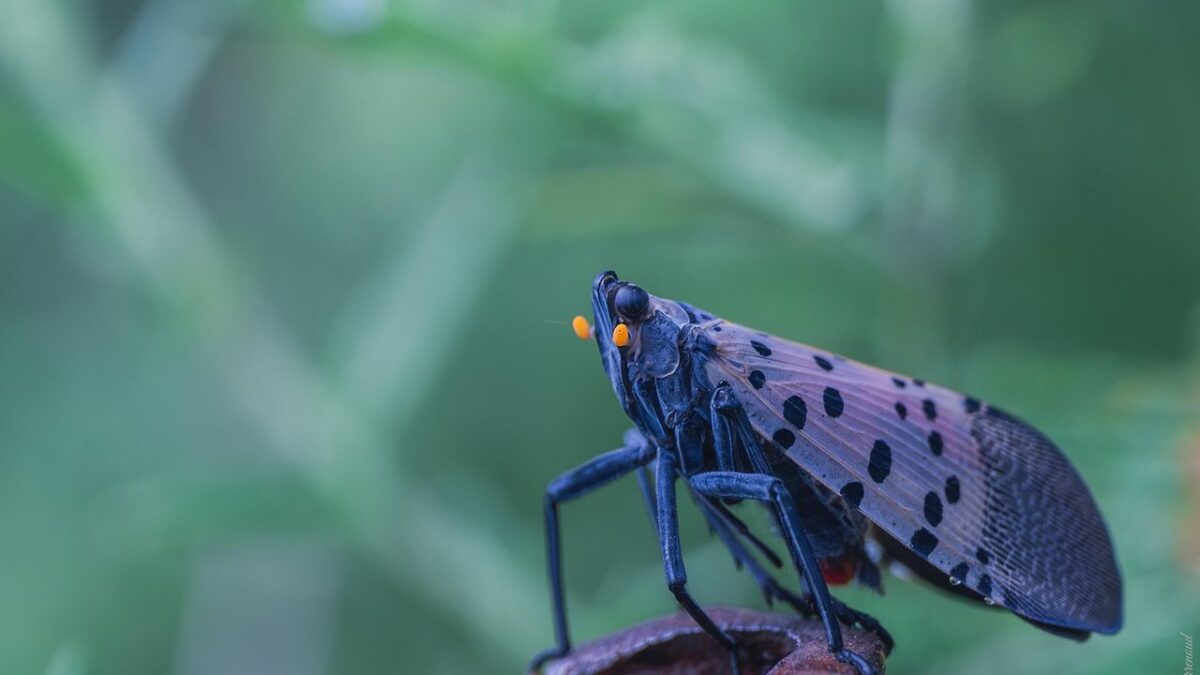
There’s a bug making headlines across the eastern United States, and it’s not your average garden pest. Spotted lanternflies are vivid, invasive, and disturbingly good at surviving in places they were never supposed to be. What started as an isolated detection in Pennsylvania back in 2014 has since exploded into a full-blown ecological crisis stretching across more than two dozen states.
What makes this story genuinely fascinating, though, isn’t just how far they’ve spread. It’s where scientists now believe these insects got their incredible adaptability. The answer might surprise you. Let’s dive in.
An Invader Unlike Anything Seen Before
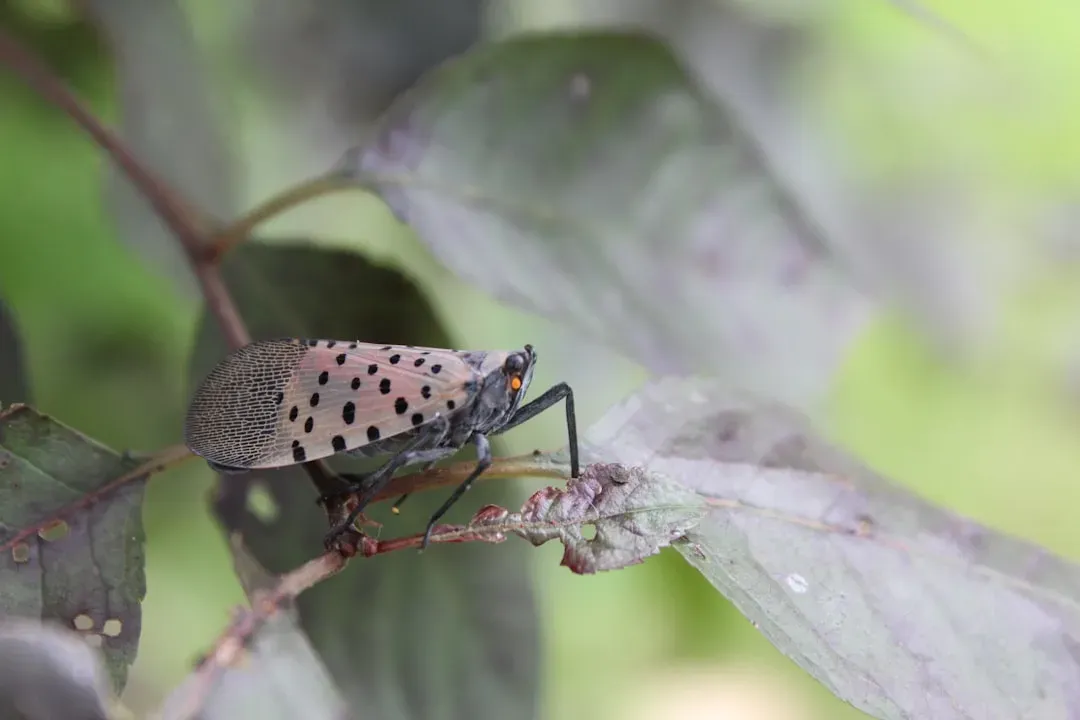
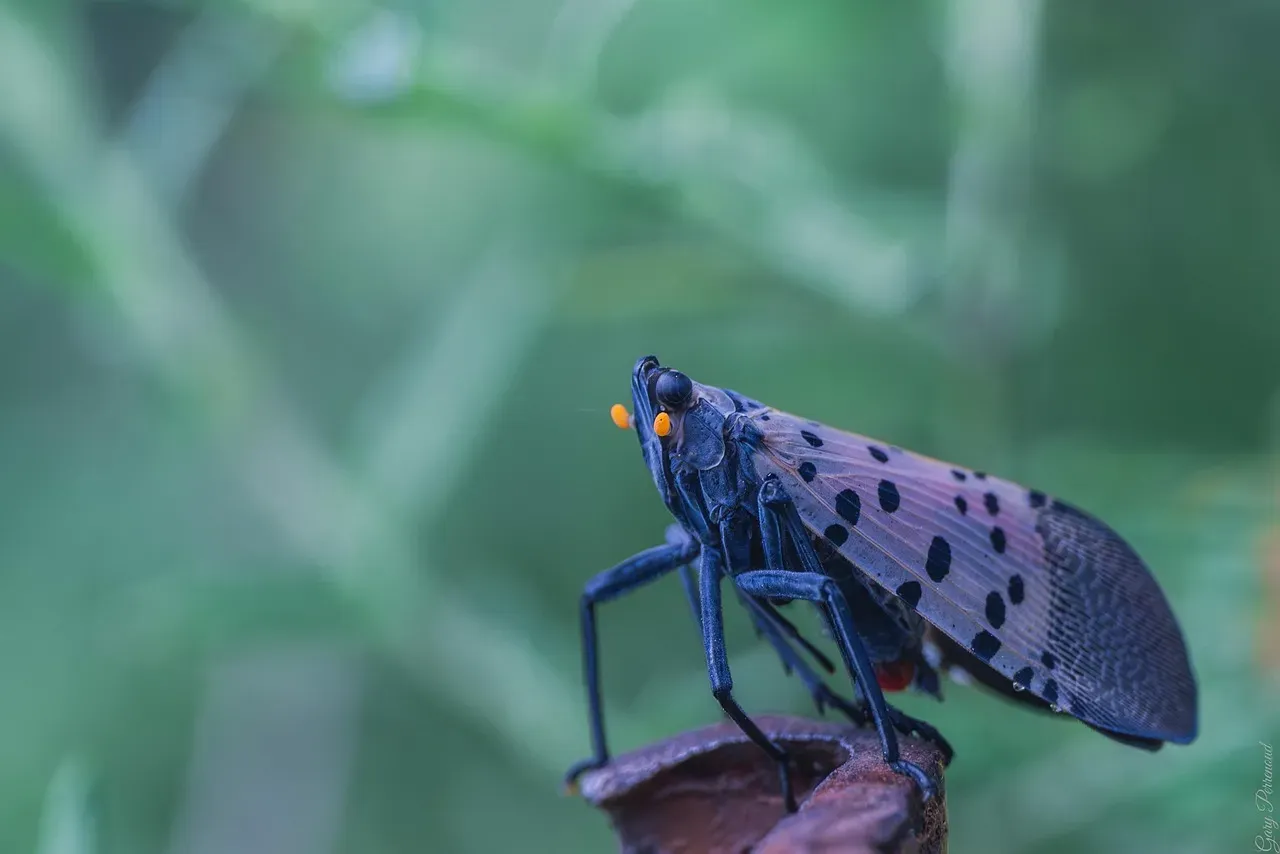
Spotted lanternflies, known scientifically as Lycorma delicatula, aren’t subtle. Their hind wings flash a dramatic red when opened, making them look almost decorative, like something you’d find in a nature painting rather than crawling across your grape vines. Don’t let the beauty fool you, though. They are voracious feeders that target more than seventy plant species, including grapes, apples, hops, and hardwood trees.
What separates them from many other invasive insects is their sheer resilience. They don’t just survive in new environments, they seem to thrive in ways that leave ecologists genuinely puzzled. Researchers have increasingly been asking a pointed question: what exactly made them so good at adapting, and where did that ability come from?
The Urban Origins Theory That Changes Everything
Here’s the thing that scientists are now seriously entertaining. A growing body of research suggests that spotted lanternflies may have developed key evolutionary advantages not out in rural forests or farmland, but specifically in the dense, chaotic urban environments of Chinese cities. It sounds almost counterintuitive, like saying marathon runners got their endurance by training in a parking garage.
Urban environments are biologically brutal in ways that forests are not. High temperatures, pollution, fragmented habitats, unpredictable food sources, and intense human disturbance all create pressures that can, over many generations, push a species toward extreme adaptability. Scientists believe the lanternfly populations that thrived in Chinese cities were essentially pre-trained for disruption, making them unusually well-equipped to handle the wildly different conditions they’d encounter in the United States.
How Cities Forge Evolutionary Superpowers
Urban evolution is a relatively young but rapidly growing field of study, and spotted lanternflies are quickly becoming one of its most striking case studies. The core idea is that cities act as accelerated evolutionary pressure cookers. Species that survive urban life tend to develop traits like broader dietary flexibility, stronger stress tolerance, and faster reproductive cycles. Over many generations, those traits get locked in.
For spotted lanternflies, Chinese cities provided exactly that kind of pressure. Researchers believe populations that spent generations navigating urban China essentially became hardier versions of their rural counterparts. Think of it like the difference between a dog raised in a controlled shelter versus one that learned to survive on city streets. Both are the same species, but their behavioral and physiological profiles can diverge in meaningful ways. That divergence, scientists suspect, is part of what we’re dealing with now.
What the Science Actually Says
Researchers examining lanternfly populations have noted genetic and behavioral differences that point toward urban adaptation. The insects show a remarkable ability to feed on a wide range of host plants, which isn’t something you’d expect from a species with more specialized evolutionary history. Their tolerance for environmental stress, including heat, pollution, and habitat disruption, appears unusually high compared to many other invasive species.
It’s hard to say for sure exactly how many generations of urban exposure it took to produce these traits, but the correlation between Chinese urban populations and the aggressive adaptability seen in US invasions is difficult to ignore. Honestly, it reframes the entire conversation about invasive species. We often ask where an invasive comes from geographically. Maybe we should also be asking what kind of environment shaped it before it arrived.
The Damage Being Done Across the US
The agricultural and ecological damage caused by spotted lanternflies is staggering by any measure. They excrete a sticky substance called honeydew as they feed, which promotes the growth of sooty mold on plants. That mold can smother and kill vegetation, and the combination of direct feeding stress and mold damage has already caused significant losses in vineyards and orchards across Pennsylvania, New Jersey, New York, and beyond.
The economic toll is real and growing. Studies have estimated that without intervention, the spotted lanternfly could cost the US economy hundreds of millions of dollars annually in agricultural losses and management costs. State governments have launched aggressive public awareness campaigns urging residents to kill the insects on sight and report sightings. Some states have even implemented quarantine zones to try to slow the spread, though the insects have proven remarkably good at hitching rides on vehicles, trains, and shipping containers.
Why This Makes Controlling Them So Difficult
Let’s be real: if these insects had ordinary adaptability, controlling them would still be a major challenge. The fact that they may have been evolutionarily primed for disruption makes the problem significantly harder. Traditional pest management strategies rely partly on exploiting a species’ weaknesses, its narrow dietary preferences, its sensitivity to environmental change, its dependence on specific conditions. Spotted lanternflies seem to have fewer of those exploitable weak points than most.
They’ve also demonstrated an unsettling ability to expand their range faster than many predictions anticipated. Their eggs are laid in inconspicuous masses that look like smeared mud, making detection and removal genuinely difficult for the average person. Even trained inspectors can miss them. The combination of rapid spread, broad diet, stress tolerance, and cryptic egg masses makes the spotted lanternfly one of the more formidable invasive species the US has faced in recent decades.
What Researchers Hope to Learn, and What Comes Next
The urban evolution angle isn’t just an interesting academic footnote. If scientists can confirm and better understand how city life in China shaped these insects, it could fundamentally change how we approach biosecurity and invasive species risk assessment going forward. Right now, most screening processes focus on where a species comes from and what it eats. Future protocols might need to account for the evolutionary history of urban populations specifically.
There’s also broader relevance here for understanding urban evolution as a global phenomenon. As more of the world’s surface becomes urbanized, more species will inevitably be shaped by city environments, and some of those species will eventually end up somewhere they were never intended to be. The spotted lanternfly may be one of the earliest high-profile examples of a new kind of invasive threat: one that was forged in the concrete and noise of a megacity before it ever set foot, or rather wing, on foreign soil.
A Sobering Takeaway for the Future of Biosecurity
Honestly, the spotted lanternfly story is one of those situations where the more you learn, the more unsettling it becomes. These aren’t just pests. They’re potentially the first wave of a new category of invasive species that carries evolutionary advantages built up in human-made environments. That’s a genuinely novel and somewhat alarming idea.
I think the most important lesson here isn’t just about this one insect. It’s about how we think about risk. A species that looks manageable on paper, based on its native habitat and known behavior, might be carrying hidden adaptations we haven’t accounted for. The spotted lanternfly is forcing scientists, policymakers, and everyday people to think more carefully about what it means for a species to be “prepared” for invasion. What would you have guessed was behind their success before reading this? Tell us in the comments.

- Urban Coyotes Show Remarkable Adaptability, Learning to Thrive in City Environments - July 22, 2026
- Beavers Are Nature’s Engineers, Creating Vital Habitats for Other Wildlife Species - July 21, 2026
- The Recovery of the California Condor Offers Hope for Other Critically Endangered Birds - July 21, 2026