

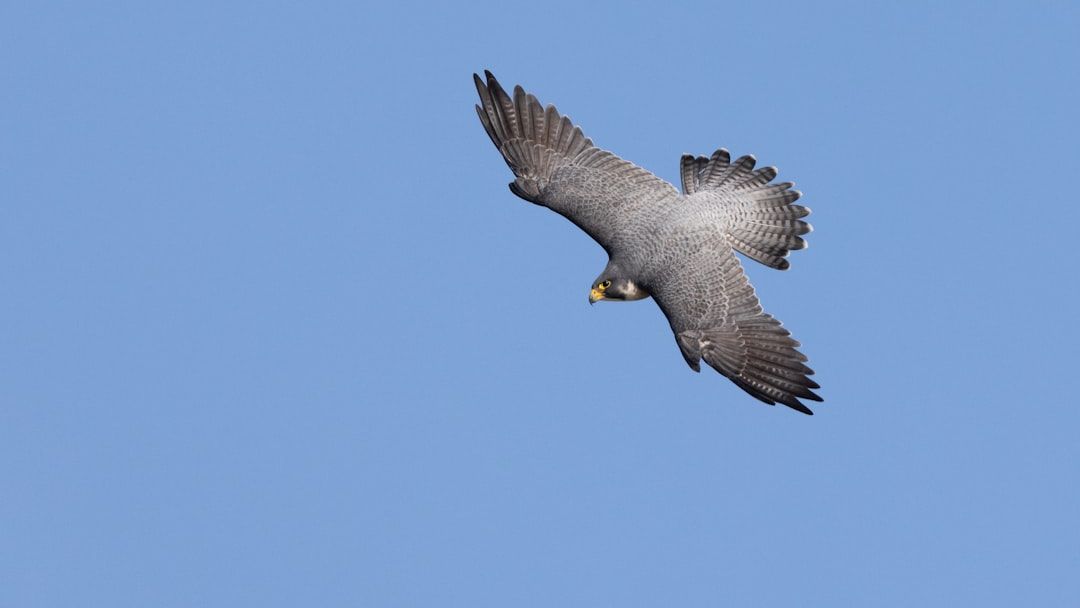
Sometimes nature does something so bizarre, so wonderfully random, that you almost can’t believe it’s real. A bird that belongs in the frozen reaches of Siberia suddenly appearing in the baking red dust of Australia’s arid interior? That’s not just unusual. That’s the kind of story that makes you stop scrolling and actually pay attention.
This sighting isn’t just a cool photo op. It raises real questions about migration, climate, and what we still don’t understand about the extraordinary navigation abilities of birds. The details are genuinely surprising, and the more you learn, the more remarkable the whole thing becomes. Let’s dive in.
A Bird That Had No Business Being There
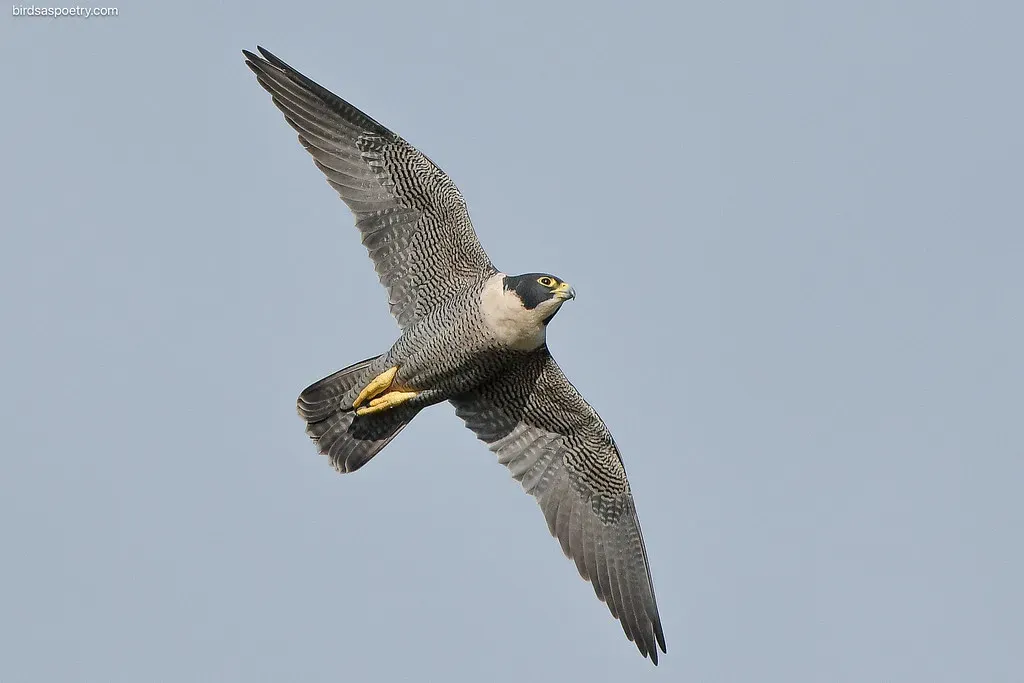
Let’s be real for a second. When birdwatchers and scientists think about the arid center of Australia, they picture dust, heat, and a very specific set of wildlife adapted to that brutal environment. A Siberian peregrine falcon is not on that list. Yet in a moment that left experts genuinely stunned, a photograph captured what is now considered the first recorded appearance of this particular falcon subspecies in Australia’s remote interior.
The bird was identified as a peregrine falcon from the Siberian subspecies, a creature whose natural range spans thousands of kilometers away across northern Asia. The sheer geographic leap involved here is almost hard to wrap your head around. Think of it like finding a polar bear wandering through the Sahara. Not impossible, perhaps, but deeply unexpected and scientifically significant.
What Makes This Sighting So Historically Significant
This wasn’t just any rare bird turning up in an unusual spot. This represents the first documented record of this Siberian falcon subspecies ever appearing in Australia’s arid center, making it a landmark moment in ornithological history for the region. Firsts in the world of bird documentation are genuinely exciting, especially when they involve such a dramatic geographical surprise.
Researchers and birding enthusiasts around the world took notice immediately. Records like this help scientists understand migratory corridors, wind-assisted displacement events, and the broader movement patterns of raptors across continents. It’s hard to say for sure whether this signals any kind of shift in migratory behavior, but the possibility alone is worth discussing seriously.
How Far Did This Falcon Actually Travel
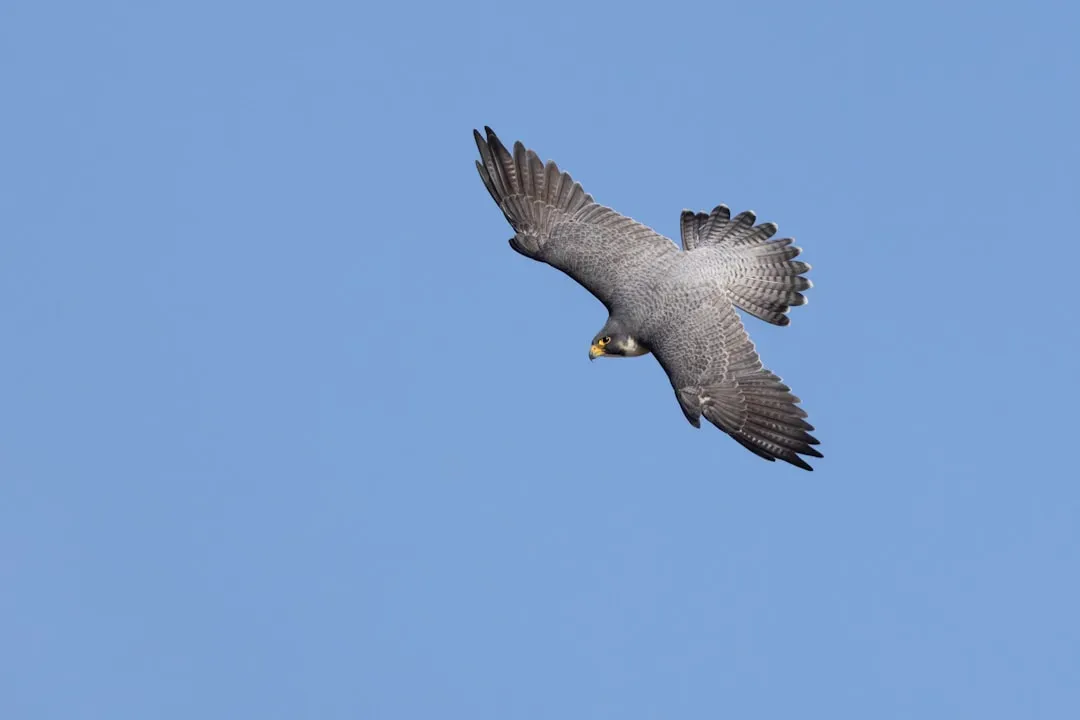
The distances involved in this story are genuinely mind-bending. Siberian peregrine falcons typically inhabit northern Asia, meaning this individual would have crossed enormous swaths of the globe to end up in the Australian outback. Even accounting for long-distance migratory behavior common in many falcon species, the route and distance required are extraordinary.
Peregrine falcons as a species are already legendary for their speed and endurance. They are among the most widespread birds of prey on Earth, known to travel vast distances during seasonal migrations. Still, ending up in the dead center of Australia rather than a coastal region or recognized migratory corridor pushes the boundaries of what we thought we knew about how far off-course these birds can end up.
Could Wind Events Be the Explanation
Scientists often point to rare meteorological events as explanations for dramatic vagrancy cases like this one. Strong wind systems, unusual pressure patterns, and large-scale atmospheric events can displace birds far beyond their intended routes, sometimes carrying them across entire oceans. It’s a phenomenon that happens more than most people realize, though usually not quite this dramatically.
The Australian interior is not an easy place to reach by accident. Whatever combination of factors brought this Siberian falcon there, natural or otherwise, it speaks to the extraordinary resilience and adaptability of the species. Even in a deeply disorienting situation, thousands of kilometers from familiar territory, the bird apparently survived long enough to be photographed and documented.
What the Scientific Community Is Saying
The ornithological community has responded with significant interest, treating this as a valuable data point in understanding raptor movement across the Asia-Pacific region. Subspecies-level identification carries real scientific weight because it can reveal information about specific breeding populations, genetic lines, and the health of those populations in their native ranges.
There’s also a broader conversation happening about whether climate patterns are influencing the frequency of these extreme vagrancy events. Shifts in wind patterns and seasonal conditions, potentially linked to larger environmental changes, could be nudging birds further off their traditional routes. It’s too early to draw firm conclusions, but this sighting adds an important piece to a growing puzzle.
Why Rare Bird Sightings Matter More Than You Think
To someone outside the birding world, a rare sighting might seem like a novelty. A fun fact, a striking photo, and then move on. But these events carry genuine scientific value that extends far beyond bragging rights for the photographer. Vagrancy records build databases that researchers use to track long-term shifts in wildlife distribution, migration success, and ecosystem health.
Each documented first, like this one, becomes part of the permanent scientific record and can influence conservation strategies, habitat protection efforts, and our understanding of how species respond to a changing planet. This Siberian peregrine falcon, lost in the outback, is now permanently part of Australia’s natural history. What a strange and wonderful thing to say about a single bird. What do you think, could sightings like this become more common in the years ahead? Drop your thoughts in the comments.

- Urban Coyotes Show Remarkable Adaptability, Learning to Thrive in City Environments - July 22, 2026
- Beavers Are Nature’s Engineers, Creating Vital Habitats for Other Wildlife Species - July 21, 2026
- The Recovery of the California Condor Offers Hope for Other Critically Endangered Birds - July 21, 2026