

What is Pet Cloning?
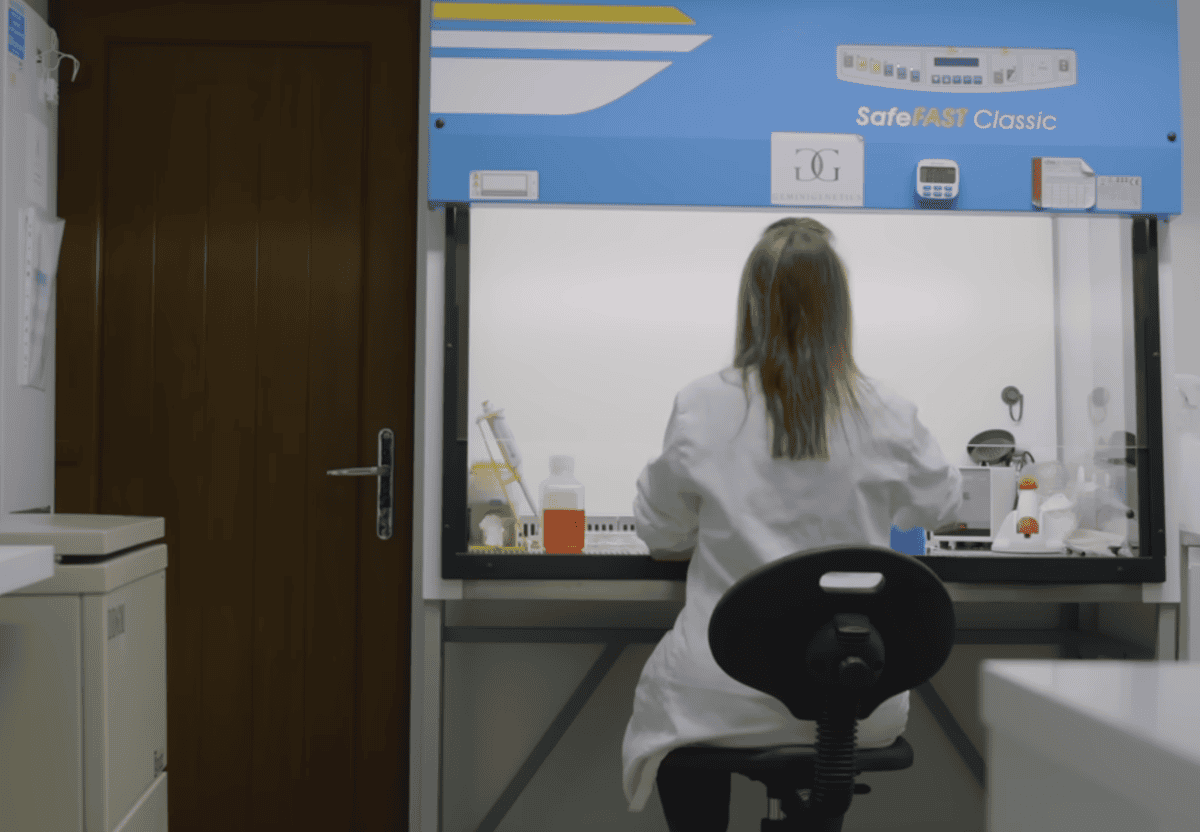
Pet cloning is a scientific process that creates a genetic duplicate of an existing animal. This process has gained popularity among pet owners who want to replicate their beloved pets.
The First Cloned Pet

The first successful pet clone was a cat named “CC” (Carbon Copy) in 2001. This groundbreaking event opened the doors to commercial pet cloning.
How Pet Cloning Works
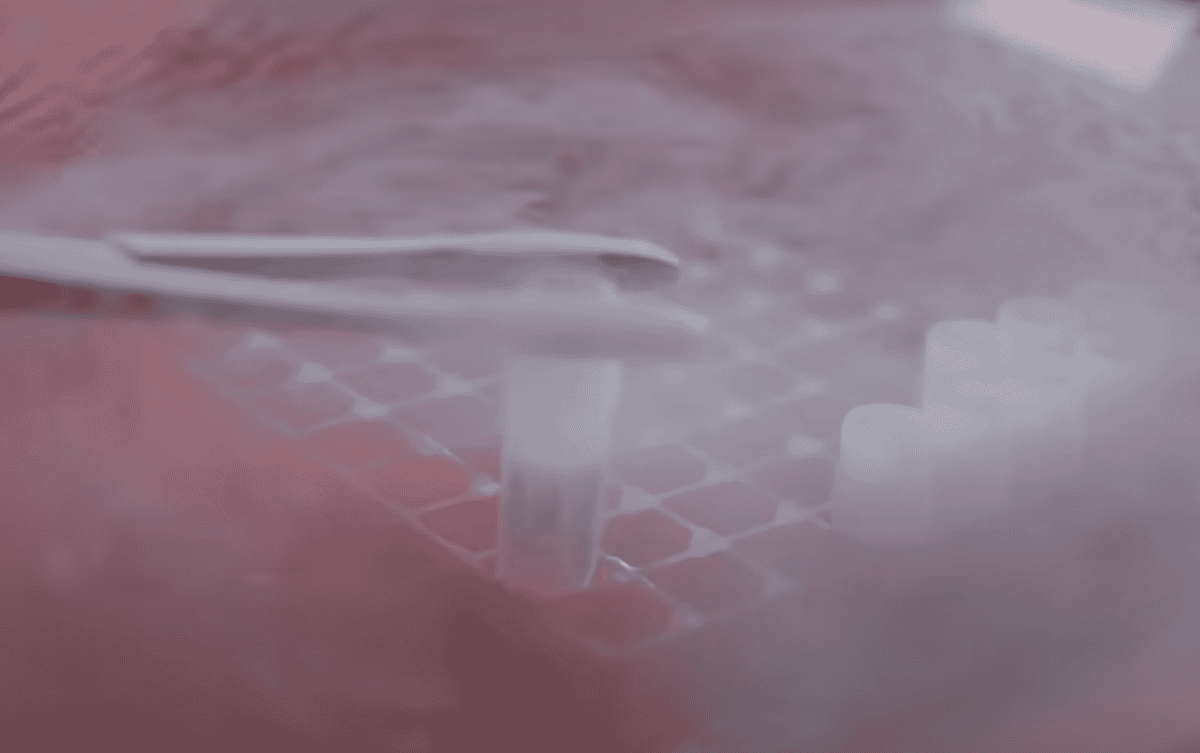
The cloning process involves taking a skin cell from the original pet and inserting its DNA into an egg cell from a donor animal. The egg is then stimulated to develop into an embryo and implanted into a surrogate mother.
Companies Leading the Market
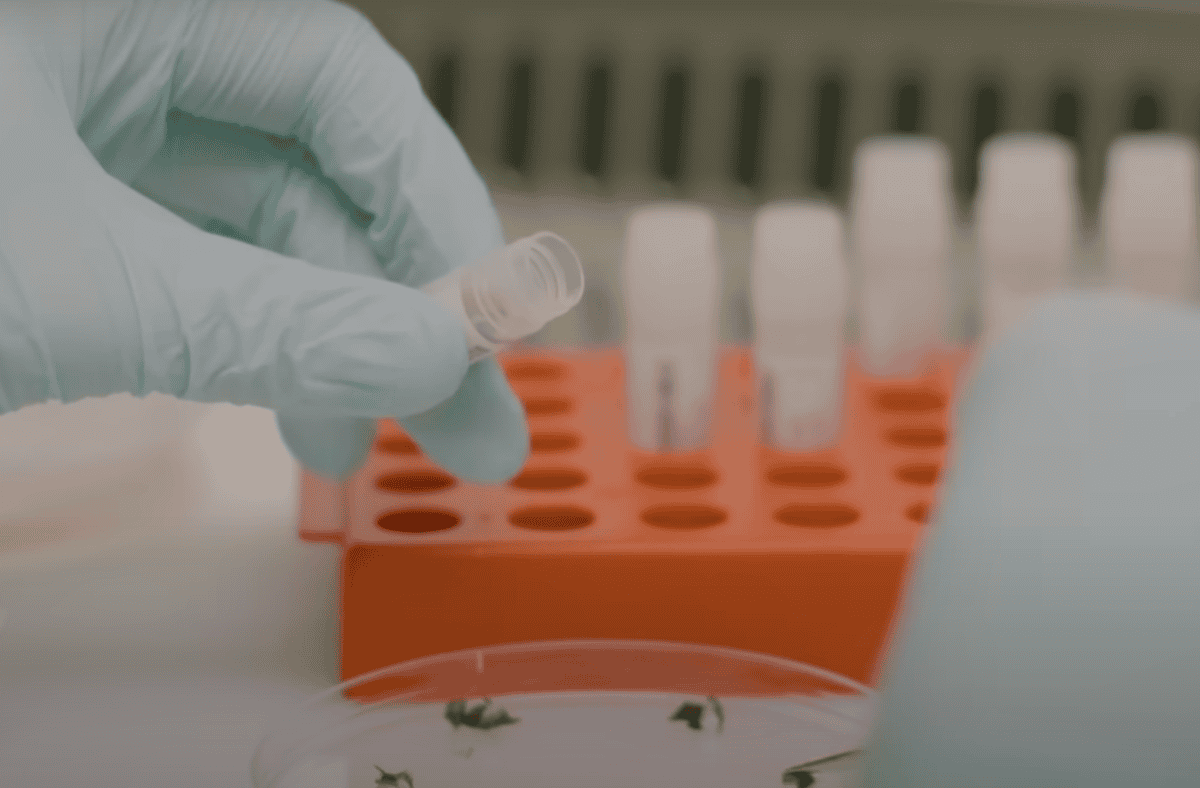
Several companies, like ViaGen Pets in the United States, have become leaders in the pet cloning industry. They offer cloning services for cats, dogs, and even horses.
Cost of Cloning a Pet
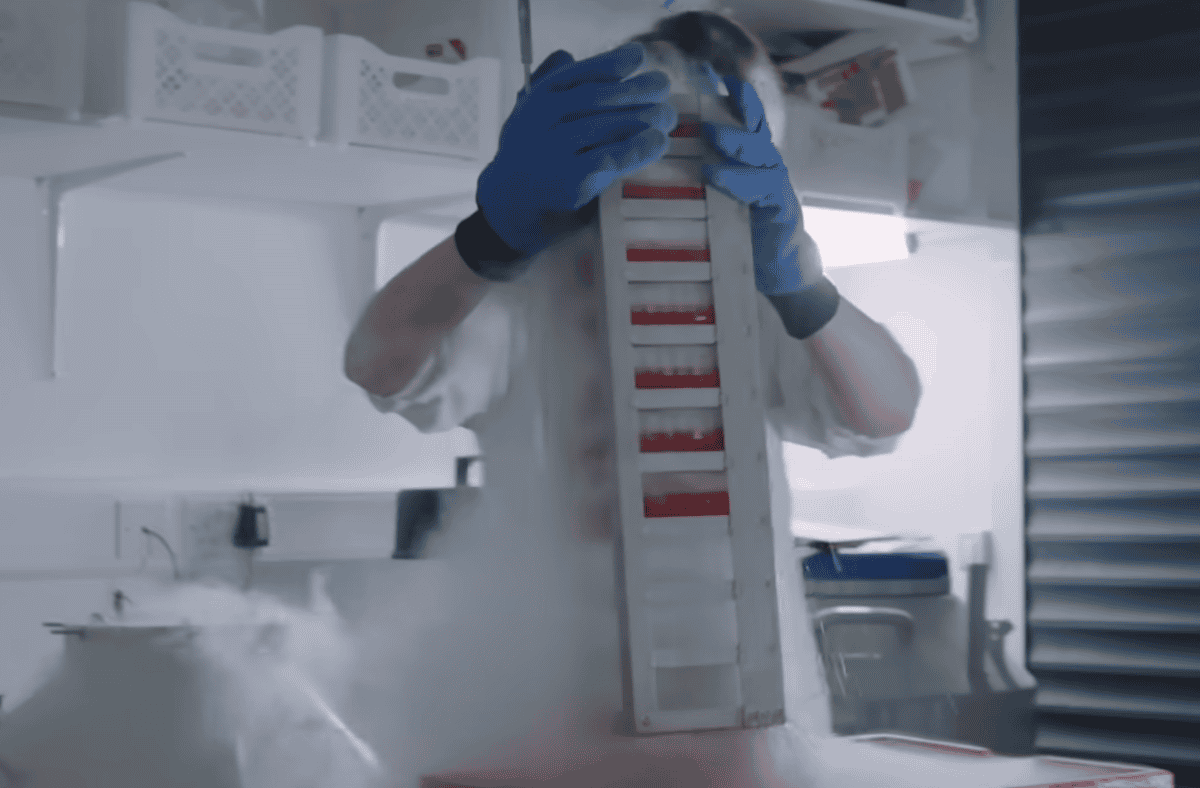
Cloning a pet is an expensive endeavor, with costs ranging from $25,000 to $50,000. Despite the high price, many pet owners are willing to pay for the chance to have their pet cloned.
Watch the video here.
Ethical Considerations
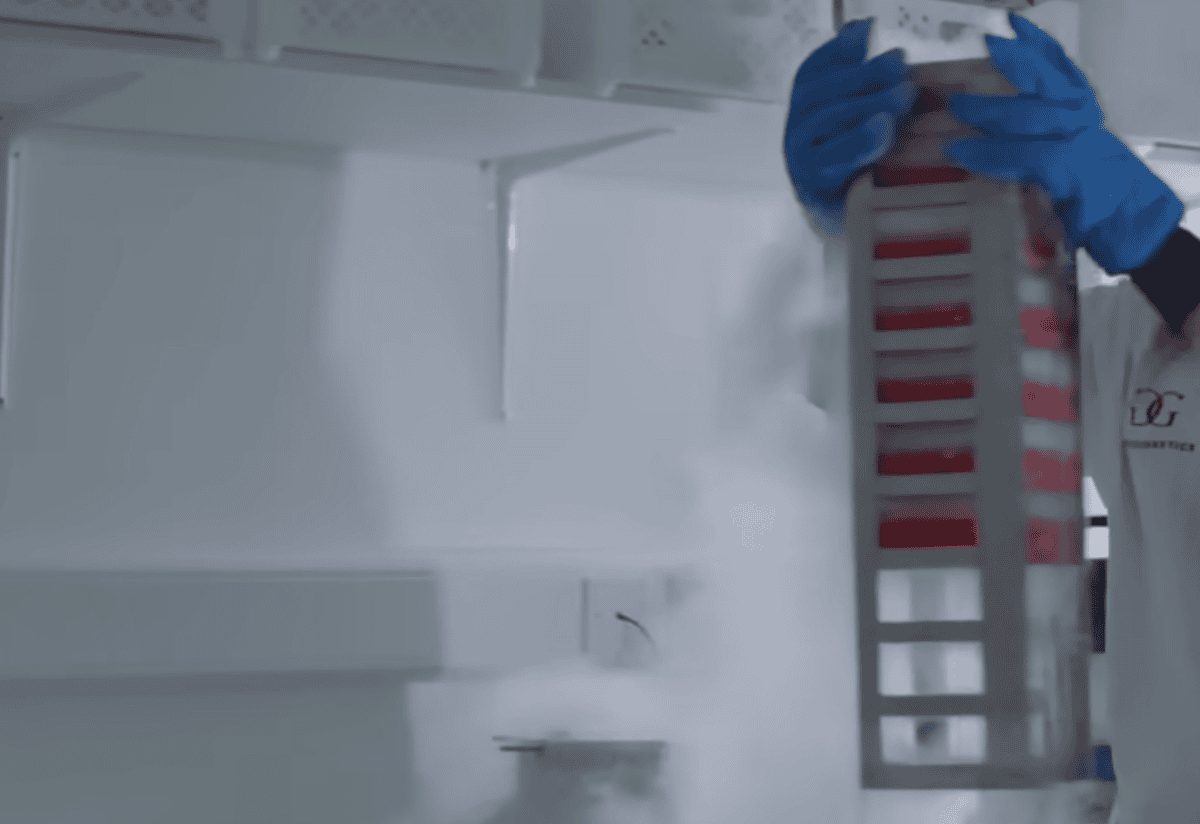
Pet cloning raises various ethical questions, including concerns about animal welfare and the morality of cloning for personal satisfaction.
The Cloning Process Timeline

The entire cloning process can take several months to a year. This includes obtaining the DNA sample, creating the embryo, and the gestation period.
Watch the video here.
Success Rates and Challenges
While pet cloning has a high success rate, it’s not guaranteed. Some cloned embryos may not develop correctly, and there can be complications during pregnancy.
Cloned Pets’ Health
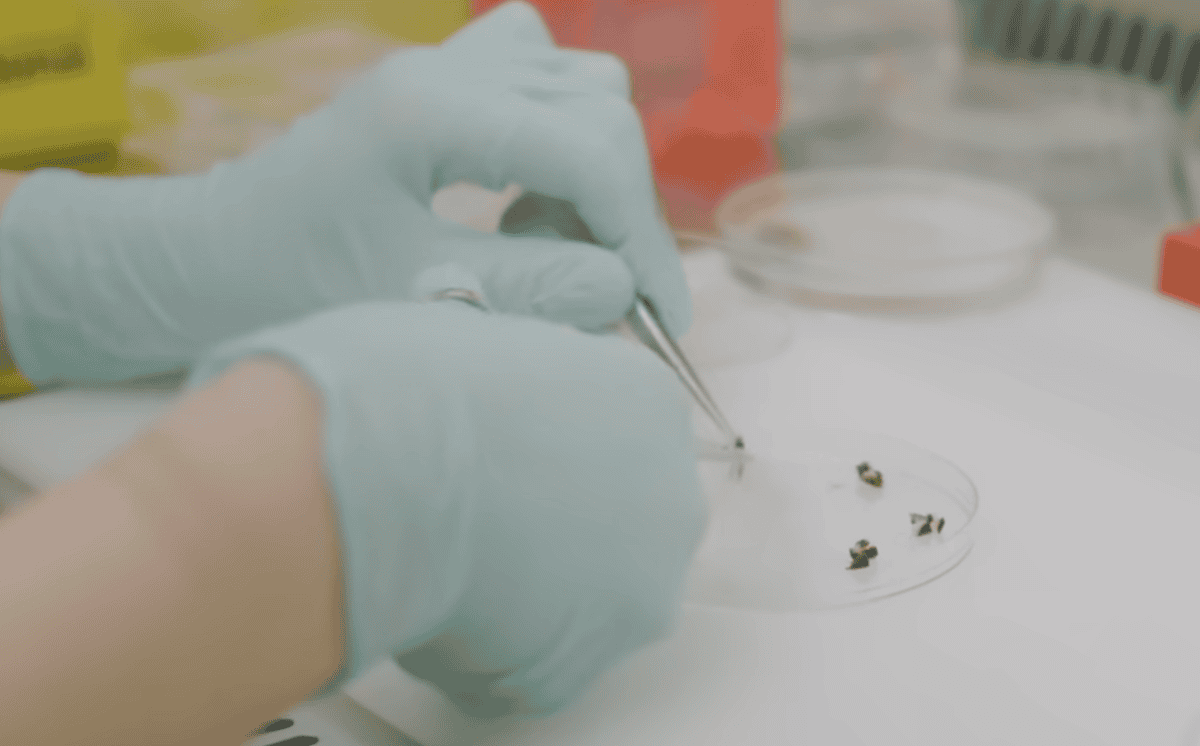
Cloned pets generally have similar health and lifespans as their genetic originals. However, they can still develop diseases or conditions that are common in their breed.
Watch the video here.
Differences Between Clones and Originals
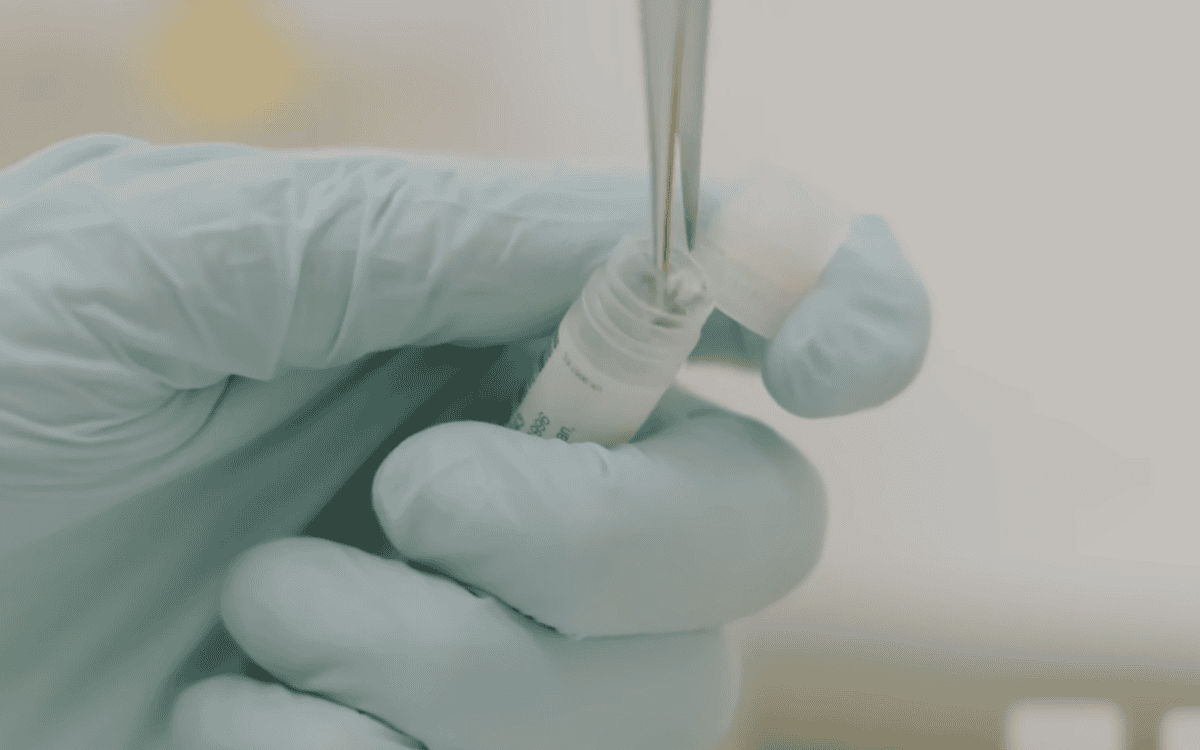
Even though cloned pets share the same DNA as their originals, they may have different personalities and behaviors due to environmental factors and upbringing.
Pet Owners’ Motivations
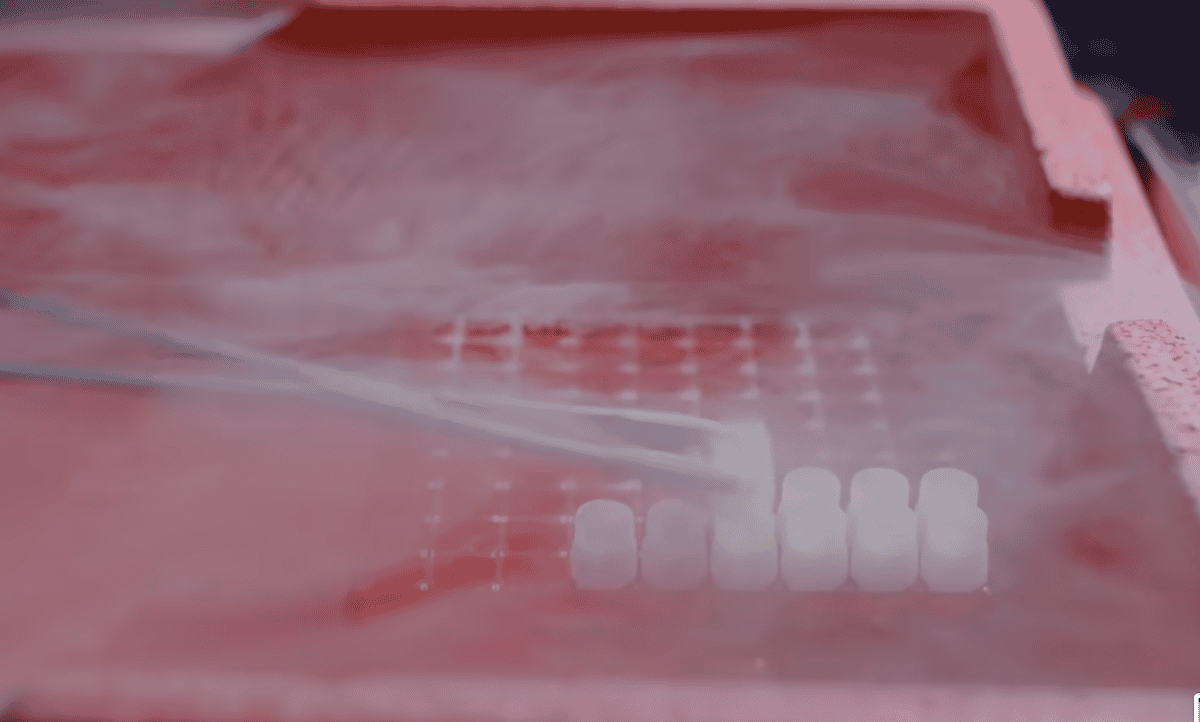
Many pet owners choose cloning out of deep emotional attachment to their pets. They hope to preserve the bond and companionship they had with their original pet.
Celebrity Pet Cloning
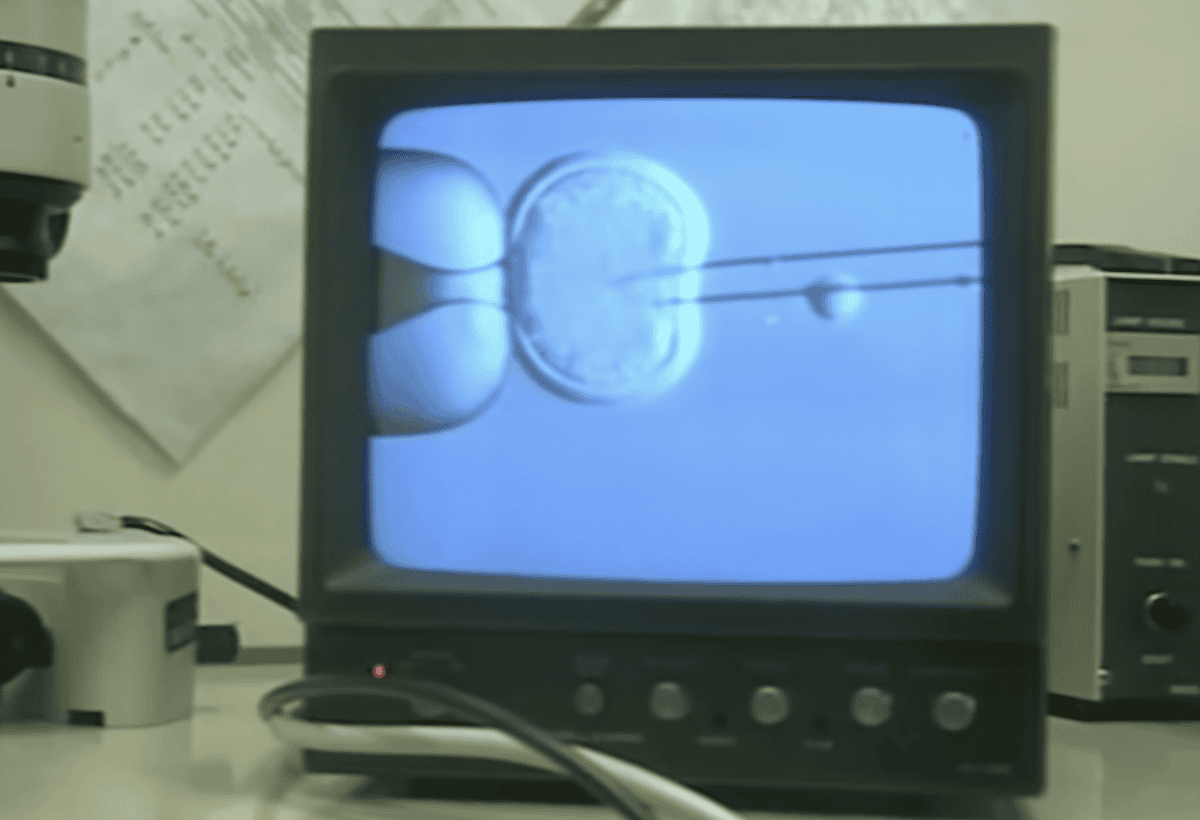
Several celebrities have publicly shared their experiences with pet cloning, bringing more attention to the industry. Barbra Streisand famously cloned her dog, Samantha.
Watch the video here.
Legal Aspects of Pet Cloning
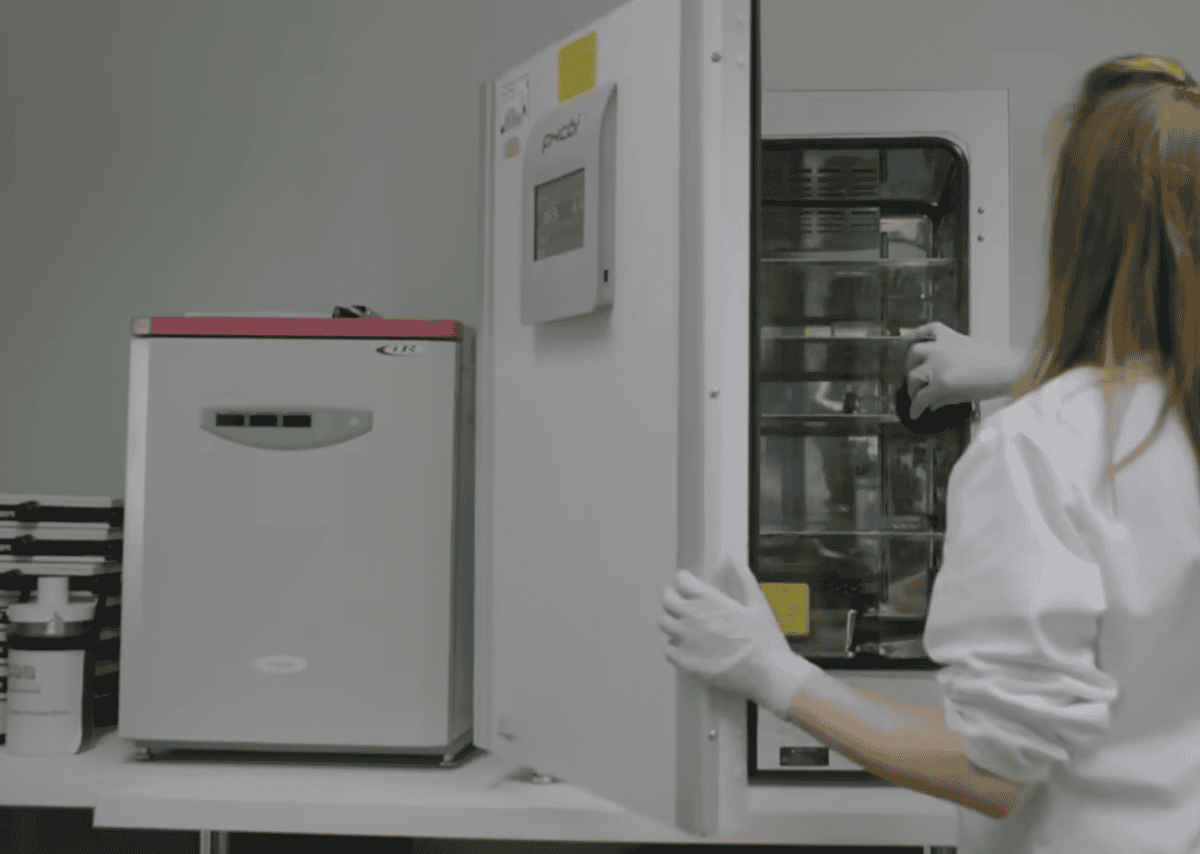
Pet cloning is legal in many countries, but it is subject to regulatory oversight to ensure ethical practices and animal welfare standards are met.
Alternatives to Cloning

Pet owners looking for alternatives to cloning can consider genetic preservation or adopting pets that resemble their original pets in appearance and personality.
The Future of Pet Cloning
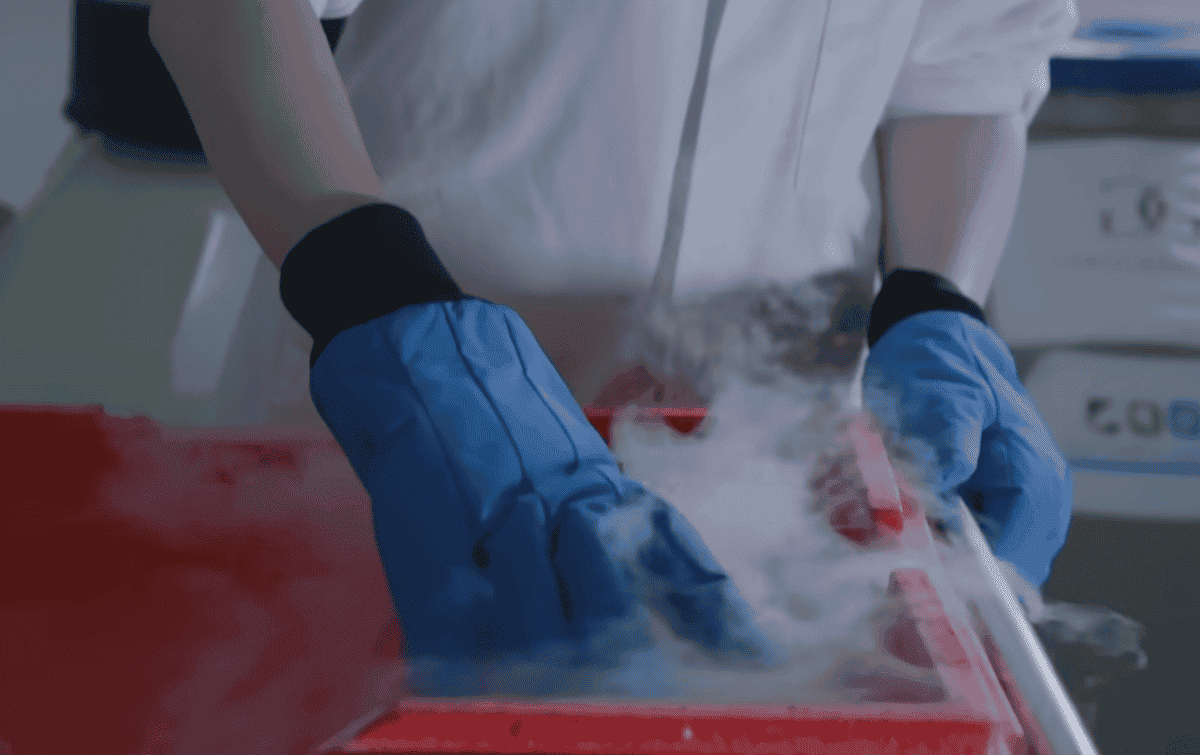
As technology advances, the pet cloning process may become more efficient and affordable, potentially making it accessible to a broader audience.
Watch the video here.
Public Opinion on Cloning
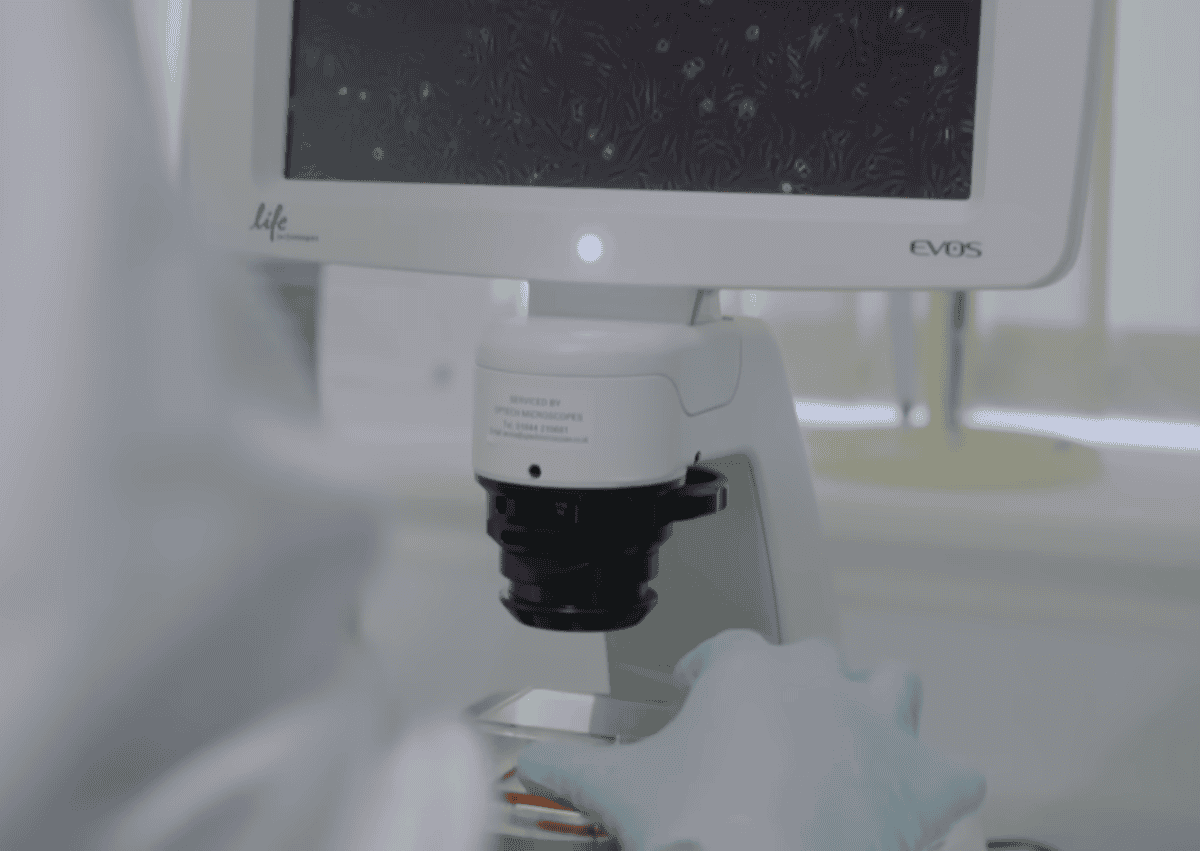
Public opinion on pet cloning is divided. Some see it as a remarkable scientific achievement, while others view it as unnatural and unnecessary.
Genetic Diversity Concerns
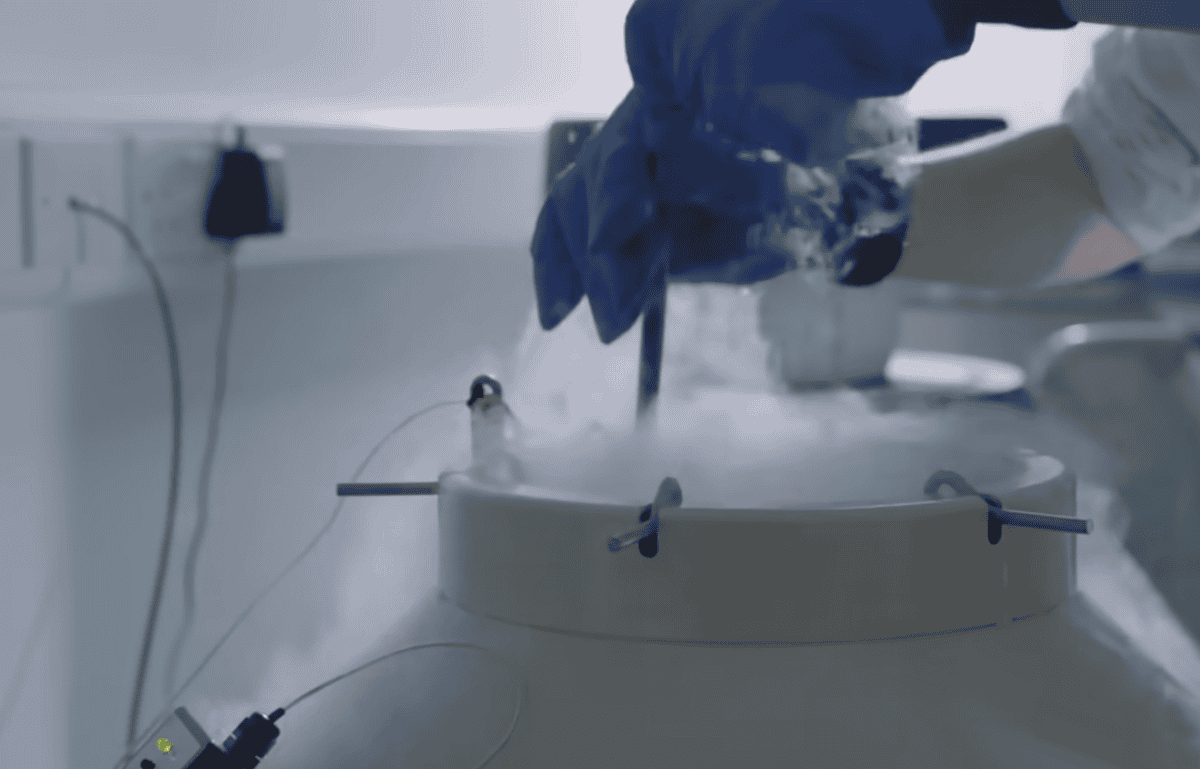
Cloning does not contribute to genetic diversity and can pose risks if cloned animals are bred, leading to potential health issues in future generations.
Watch the video here.
Cloning Beyond Pets

The cloning technology used for pets is also applied in livestock and endangered species conservation, showing the broader implications of cloning science.
Stories of Cloned Pets
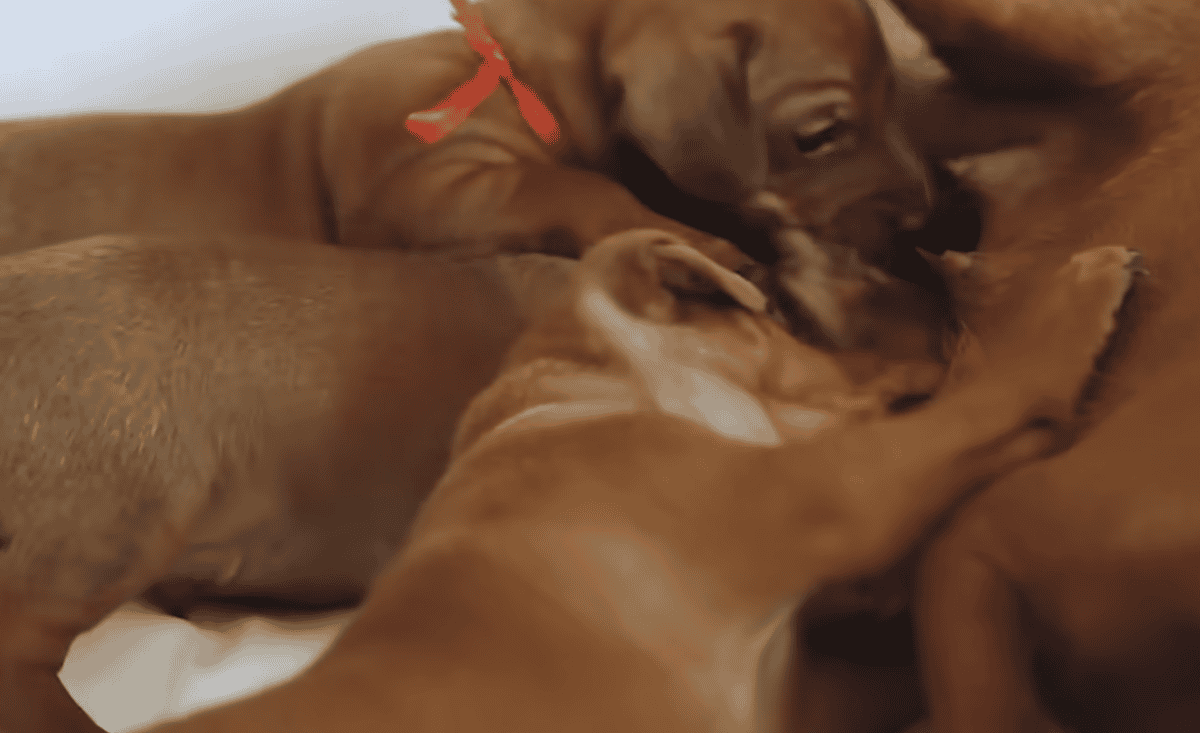
Many pet owners share heartwarming stories of their cloned pets, often highlighting the emotional fulfillment and joy it brings them.
Final Thoughts on Pet Cloning

Pet cloning remains a controversial yet fascinating field. Whether for emotional reasons or scientific curiosity, it continues to evolve and spark debate among pet lovers and ethicists alike. I hope you enjoyed reading about these insights to the growing cloning business. To read more stories, these may pique your interest:
- Meet the Sheep That Showed That Cloning Is Possible
- This Cuddly Alligator Is a Licensed Emotional Support Pet
- Long-Lost Pet Donkey Seen Living With Wild Elk Herd 5 Years Later

adventuring, photography and videography. I am currently working towards a BSc in Biodiversity and Ecology at Stellenbosch University to go on to specialise in Marine Sciences one day.
Please send any feedback to Feedback@animalsaroundtheglobe.com
- Are South Australia’s Toxic Algal Blooms to Blame For Sharks Coming on Shore? - July 18, 2026
- How Wildlife is Helping Track Human Impact - July 18, 2026
- Zoo Keeper Suffers Serious Arm Injury in Shocking Animal Attack - July 18, 2026