

Ever wondered why those tiny jeweled visitors seem to flutter past your garden without stopping? You’ve planted the flowers, set up the feeders, and created what looks like the perfect backyard paradise. Yet somehow, your yard remains disappointingly hummer-free while your neighbor’s garden buzzes with activity. The truth might surprise you – and it’s not what most people expect.
There’s something happening in gardens across America that’s quietly driving these magnificent creatures away. While everyone focuses on the obvious culprits like dirty feeders or lack of flowers, the real problem often lies hidden in plain sight. Before you discover the shocking number one reason veterinarians say is sending hummingbirds elsewhere, let’s explore the other factors that might be turning your garden into a no-fly zone.
17. Wind Chimes and Sound Pollution Create an Unwelcome Atmosphere
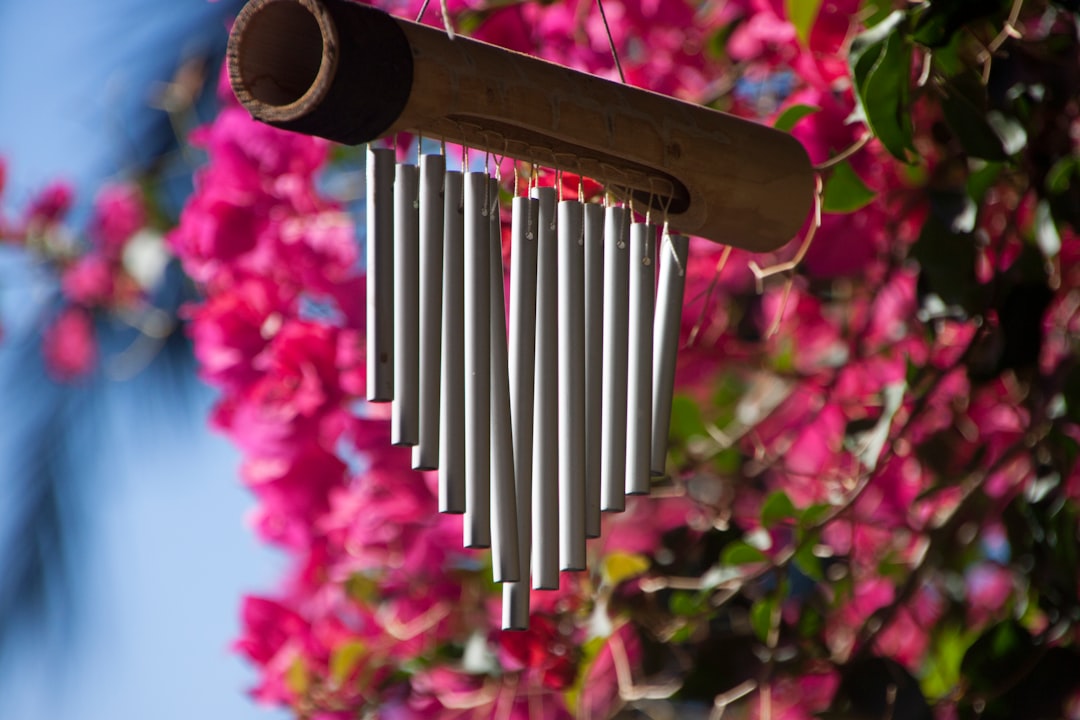
While you might enjoy the melodic tinkling of wind chimes on a breezy afternoon, hummingbirds find this sound absolutely terrifying. Raised voices, barking dogs, loud stereos, and particularly wind chimes will ensure hummingbirds avoid your yard like a plague. The eerie melody of the wind chimes is unsettling to the skittish hummingbird and they don’t tend to hang around once the unmistakable chimes have made their presence known.
Think of it this way – if you were trying to grab a quick snack while constantly looking over your shoulder for predators, would you want to do it in a noisy restaurant? Hummingbirds are no different! Although your yard may not sound noisy to you, to a cautious and timid hummingbird, it can sound like a juke joint at full steam on Saturday night. Even seemingly pleasant sounds like children playing or music from outdoor speakers can send these nervous little birds searching for quieter dining spots.
16. Poor Feeder Placement Puts Hummingbirds at Risk
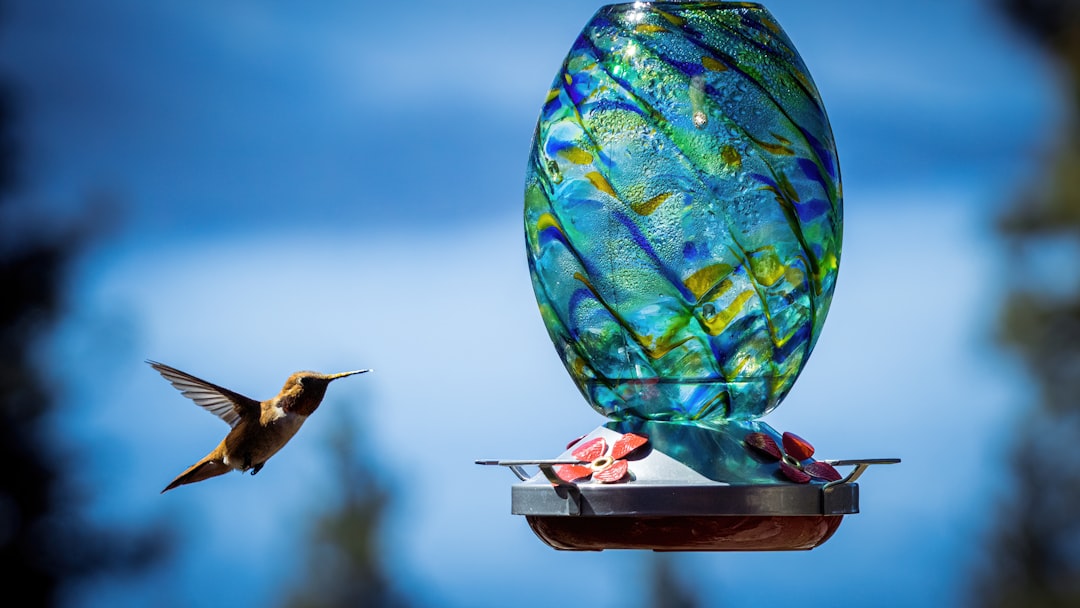
Proper hummingbird feeder placement should be at least four feet off the ground and away from tree trunks, retaining walls or steps where roaming cats and other predators can lurk and capture hummingbirds. Many well-intentioned gardeners make the mistake of placing feeders too low or too close to hiding spots where danger could be waiting.
Additionally, hummingbirds need at least 6 inches above the feeder to hover, so be sure there is a clear entrance. Feeders tucked under dense foliage or too close to overhanging branches create obstacles that make these aerial acrobats uncomfortable. However, be aware that window collisions are one of the major killers of hummingbirds, so place the feeder either within 3 feet of the window or more than 30 feet away, not in-between.
15. Inadequate Cleaning Schedule Breeds Deadly Mold
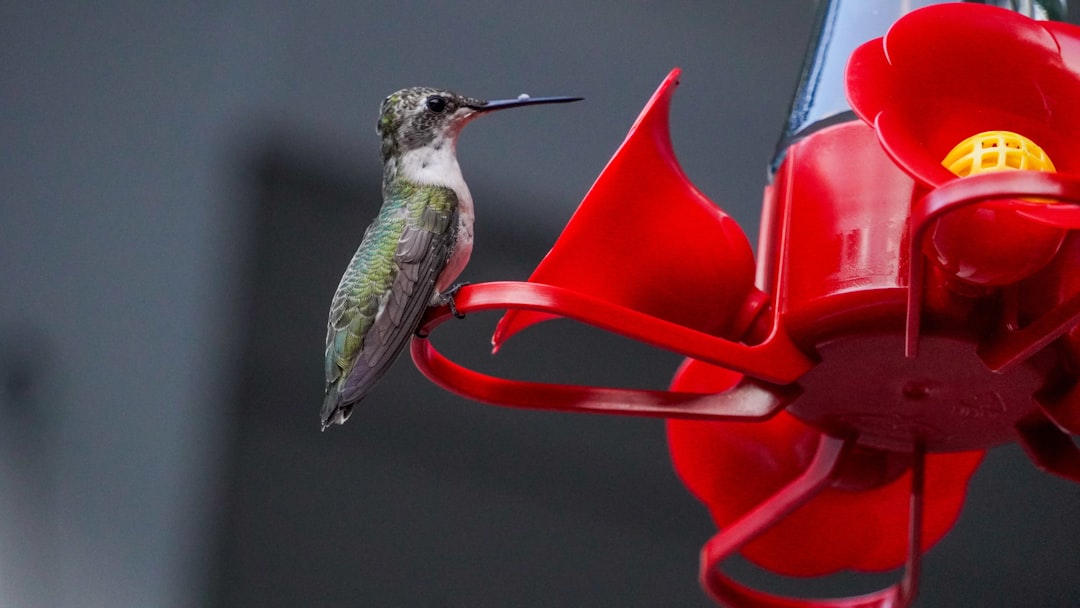
Plan to change out the nectar every three to four days. You may need to refill it daily in the peak heat of summer when birds need more hydration, and near the end of summer when hummingbirds are bulking up for migration. Yet many people treat their hummingbird feeders like outdoor decorations, forgetting they require consistent maintenance.
Hummingbirds can fall very sick and even die if they consume these fungi. When sugar water sits in warm weather, it becomes a perfect breeding ground for harmful bacteria and mold. If the liquid appears cloudy or you see mold, wash the feeder thoroughly right away. However, you should not let your feeders get to this point. You should change and clean them so often that they never get cloudy or moldy.
14. Incorrect Sugar-to-Water Ratio Damages Their Health
The standard recipe isn’t up for personal interpretation – Follow the rule of thumb: 4 parts water to 1 part sugar. For example, 4 cups of water to 1 cup of sugar. Some people think they’re being helpful by making the mixture sweeter, but where liver failure, in hummingbirds, comes in is when some dolt puts more sugar in than is necessary. Like humans, too much sugar is bad for them.
The concentration matters because the standard recipe came from the idea that a ratio of 1-to-4 (about 1/5 or 20%) mimics the natural sugar concentrations in flower nectar. But in fact, some popular hummingbird flowers have higher sugar concentrations in their nectar. Stick to the proven formula that matches what nature provides – anything else could harm these delicate creatures.
13. Using Honey or Brown Sugar Instead of White Sugar
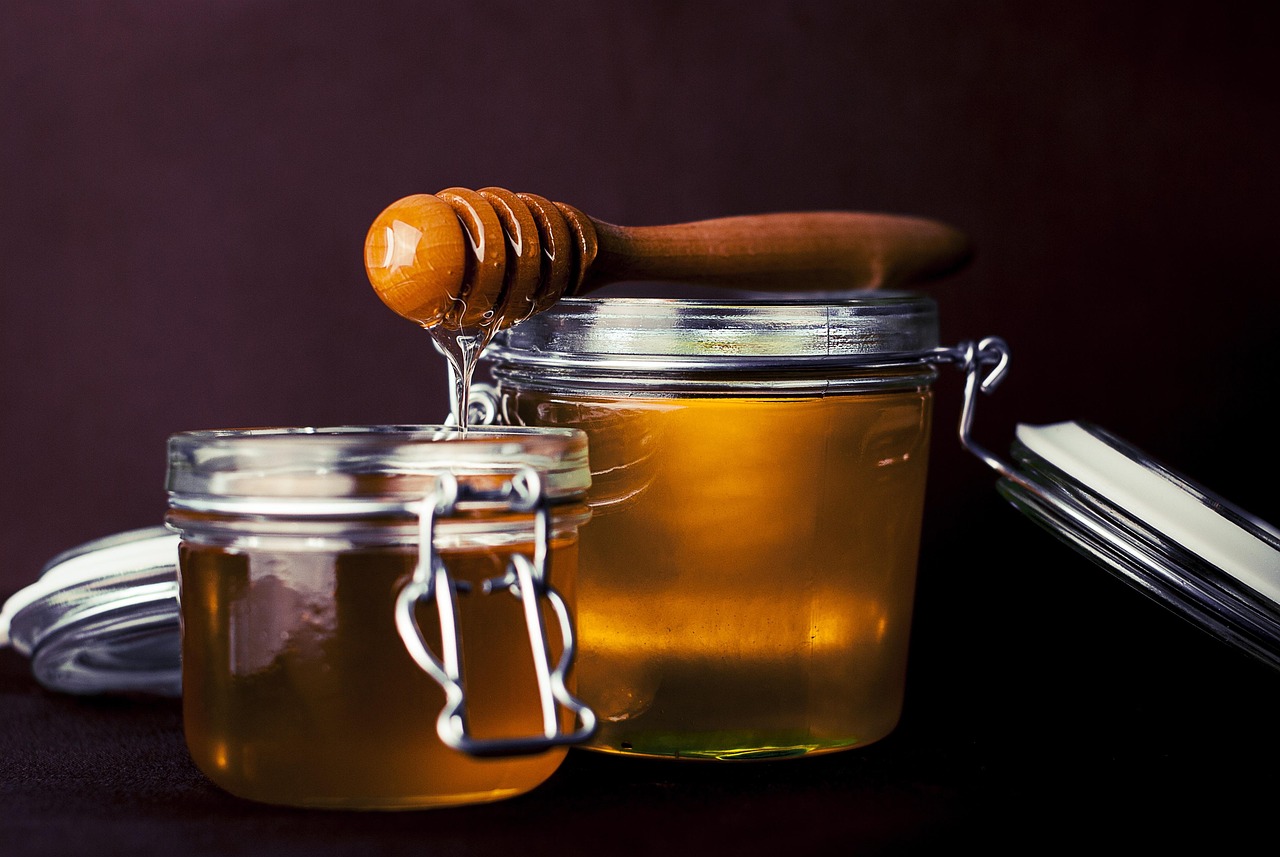
With hummingbirds, though, the National Audubon Society advises sticking with refined sugar. Honey, when diluted with water, can cause fungus growth. Organic, natural and raw sugars might have levels of iron that could harm the birds. This is one case where “natural” doesn’t mean better for wildlife.
DO NOT use honey to make nectar for hummingbirds. Honey ferments and causes a deadly bacterium in hummingbirds. Even well-meaning gardeners who want to provide the “healthiest” option are actually creating a dangerous situation. Honey is also high in natural sugars, which can ferment in your feeder. If hummingbirds consume fermented food, they may become intoxicated or even die.
12. Adding Red Dye to Nectar Harms These Delicate Birds
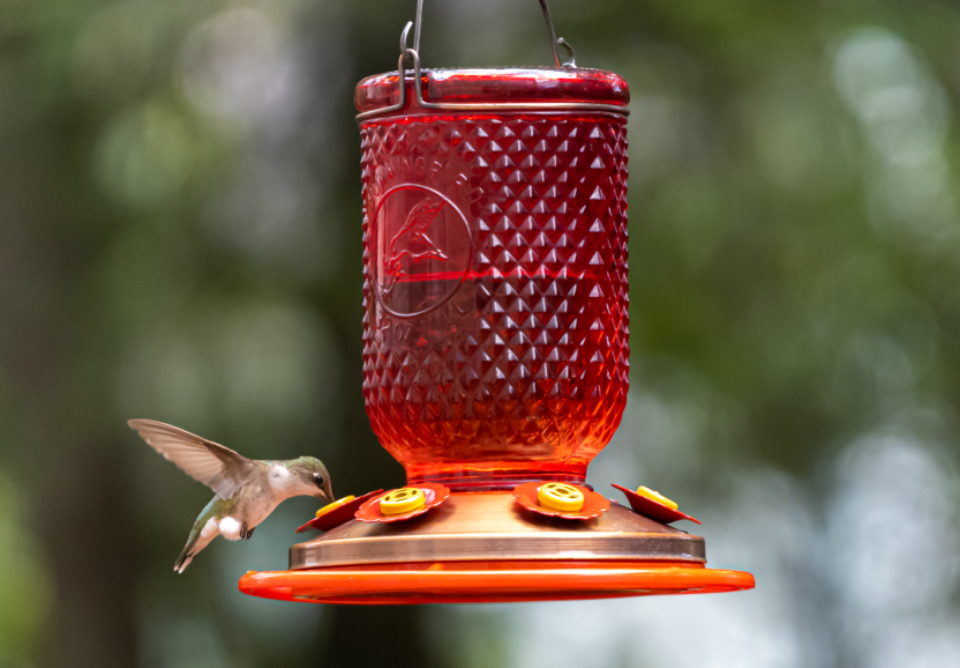
While the color red does draw hummingbirds, most feeders already have red or yellow on them. That’s enough to catch hummingbirds’ attention without potentially harmful dyes. The misconception that red nectar attracts more hummingbirds has led countless people to add unnecessary chemicals to their sugar water.
Though hummingbirds are attracted to red, clear sugar water works just fine – skip the red dye. In fact, the food coloring could be bad for the birds. Experts like Sheri Williamson, who wrote “Attracting and Feeding Hummingbirds,” encourage folks making DIY nectar to leave all types of red dyes and food colorings out of their recipes in fear that they can harm these tiny creatures. Natural nectar from flowers is clear, not red.
11. Lack of Shallow Water Sources for Bathing
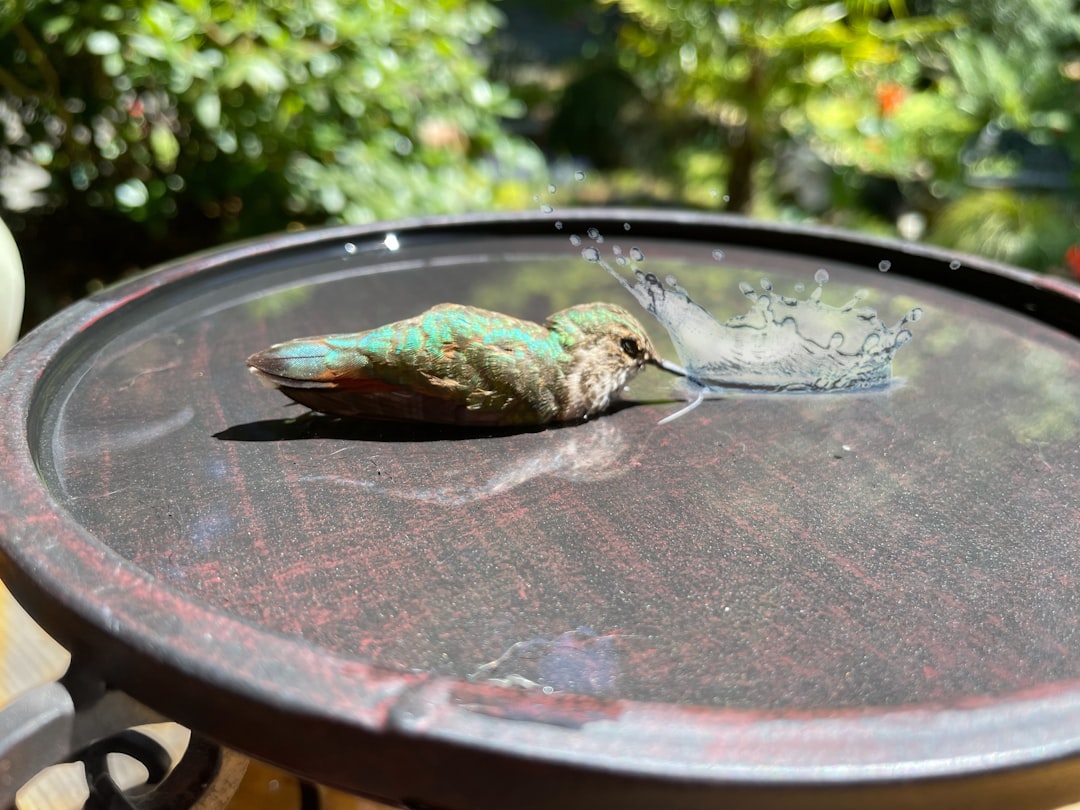
Water features are attractive to hummingbirds, but not for drinking purposes. A hummingbird drinks nectar to keep hydrated, and the reason hummingbirds are so fond of water is all that nectar can leave them feeling sticky and a bath or makeshift shower keeps their feathers clean and flight ready. A quick dip also helps them unwind when the temperatures soar.
Standard bird baths are not shallow enough for a dainty little hummingbird. These tiny birds need water features designed specifically for their size and bathing habits. It’s important to have a shallow, slow-moving water feature in your yard – something like a bubbler or gentle waterfall. Hummingbirds also love water misters. Without proper bathing facilities, hummingbirds may look elsewhere for their hygiene needs.
10. Missing Native Plants That Support Insect Populations
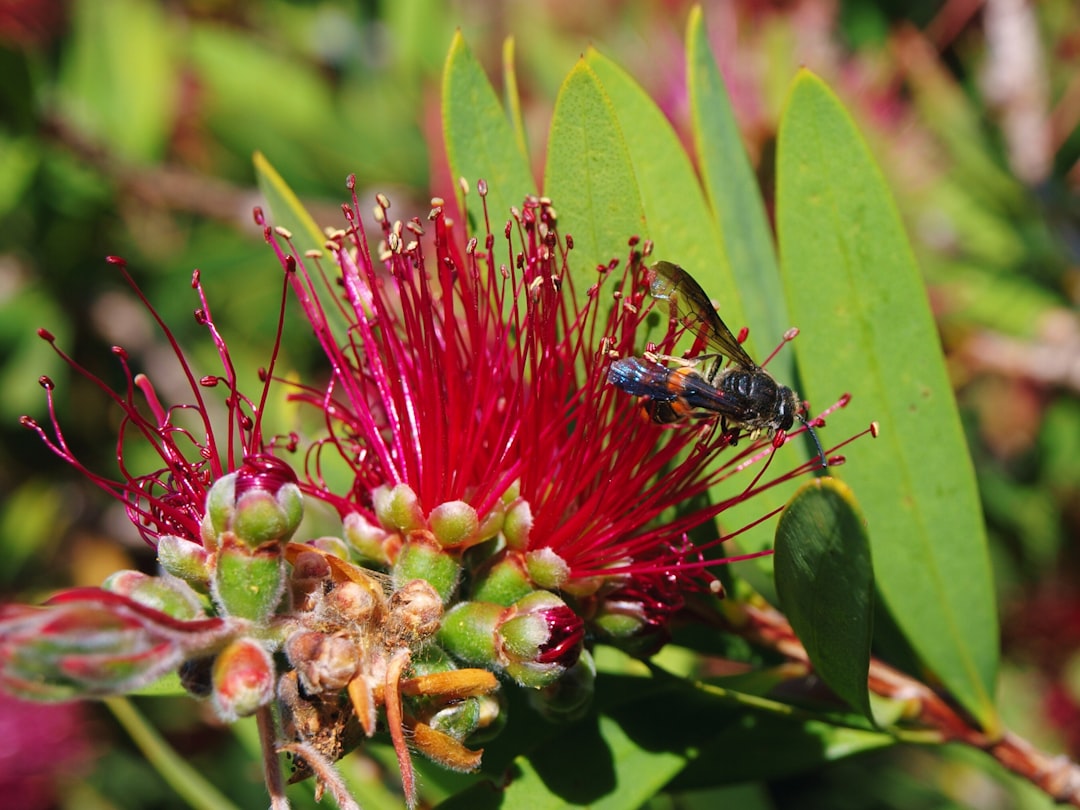
While hummingbirds are best known for drinking nectar from flowers, they need to eat insects to get a good source of fat and protein. Insects are especially important for hummingbird babies, who can’t eat nectar until they can fly! A garden filled with non-native ornamental plants often lacks the diverse insect populations that hummingbirds desperately need.
You can support hummingbirds by planting native species which support insect populations. Don’t forget to avoid the pesticides too, as these will negatively impact the insects and hummingbirds! Think of native plants as the foundation of a healthy ecosystem – without them, you’re essentially offering hummingbirds a one-dimensional menu when they need a full buffet.
9. Insufficient Flower Color Variety Throughout the Season
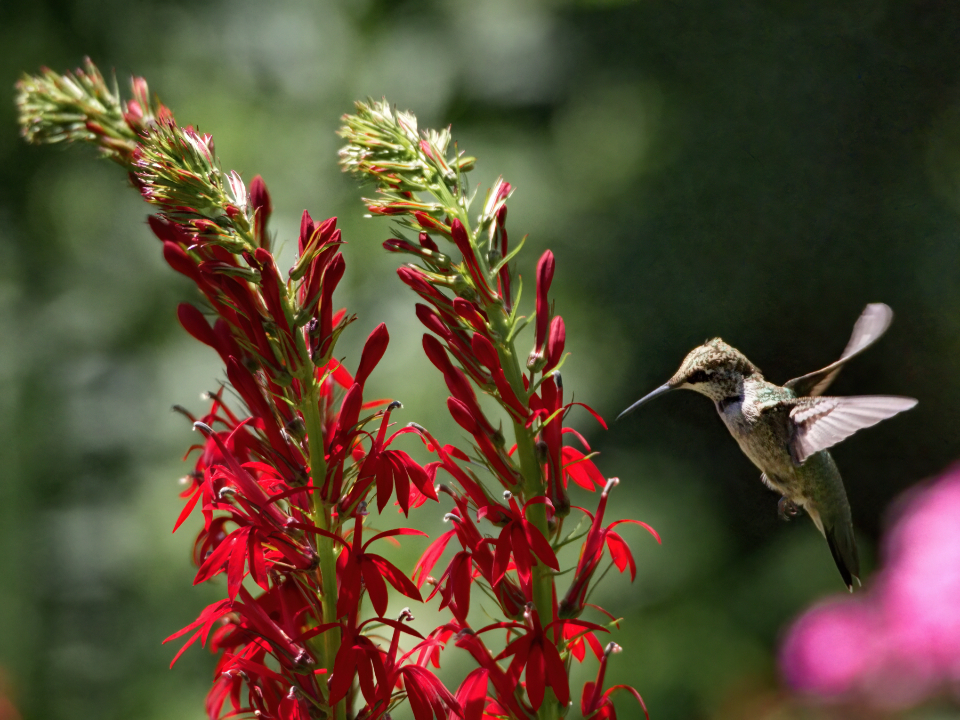
Hummingbirds love red, orange and purple flowers. Increasing the number of flowering plants with these colors, with tubular corollas, will help attract more hummingbirds. However, having just a few red flowers blooming for a couple of weeks won’t sustain these high-energy birds throughout their visit.
Probably the number one reason hummingbirds are not visiting is they don’t see your garden as offering enough food sources. If you are trying to attract hummingbirds without feeders, you need to have a good number of plants, and they should be blooming throughout the spring, summer and early fall. Successful hummingbird gardens require careful planning to ensure continuous blooms from early spring through late fall.
8. Exposure to Garden Chemicals and Pesticides
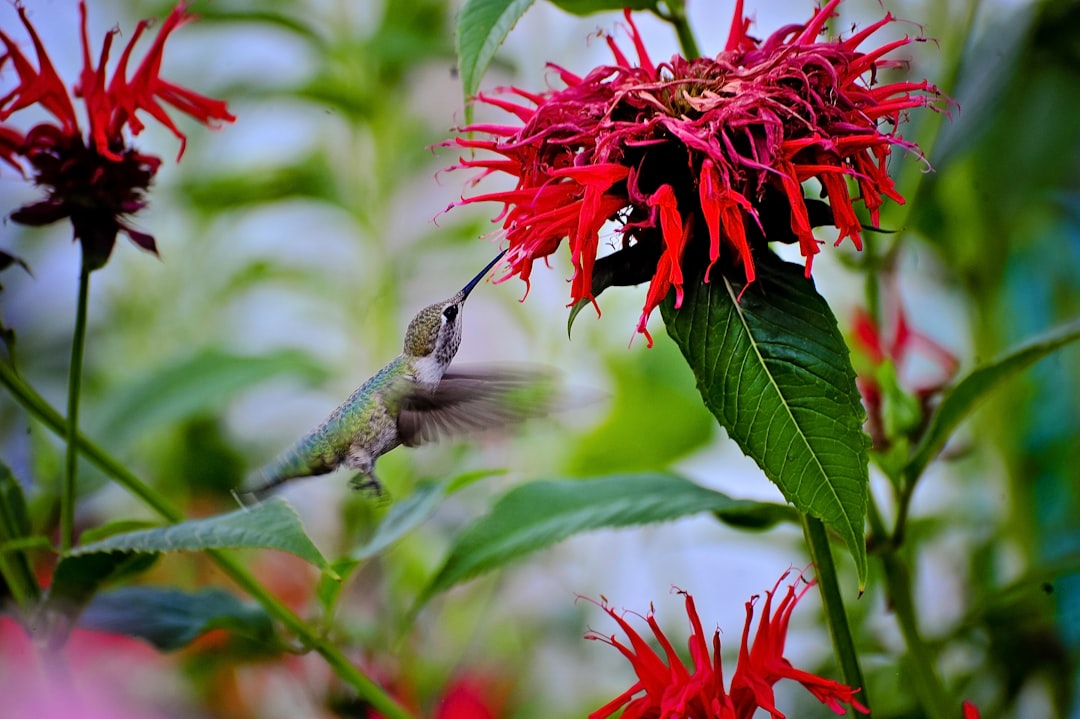
Lastly, do not use chemical pesticides in your yard. Hummingbirds feed on insects for protein, and can accidentally ingest poisoned ones. And do not spray your flowers with pesticides; hummingbirds will be certain to ingest it when they gather nectar from the blossoms. What seems like harmless garden maintenance could be creating a toxic environment.
Hummingbirds feed on insects as a source of protein, so be sure to avoid all sorts of pesticides and herbicides in your garden. Insects and plants that have been treated with chemicals can pose an inherent risk to hummingbirds if ingested. Even systemic herbicides can contaminate flower nectar, making what appears to be a safe food source actually dangerous for these sensitive birds.
7. Inadequate Nesting and Perching Opportunities
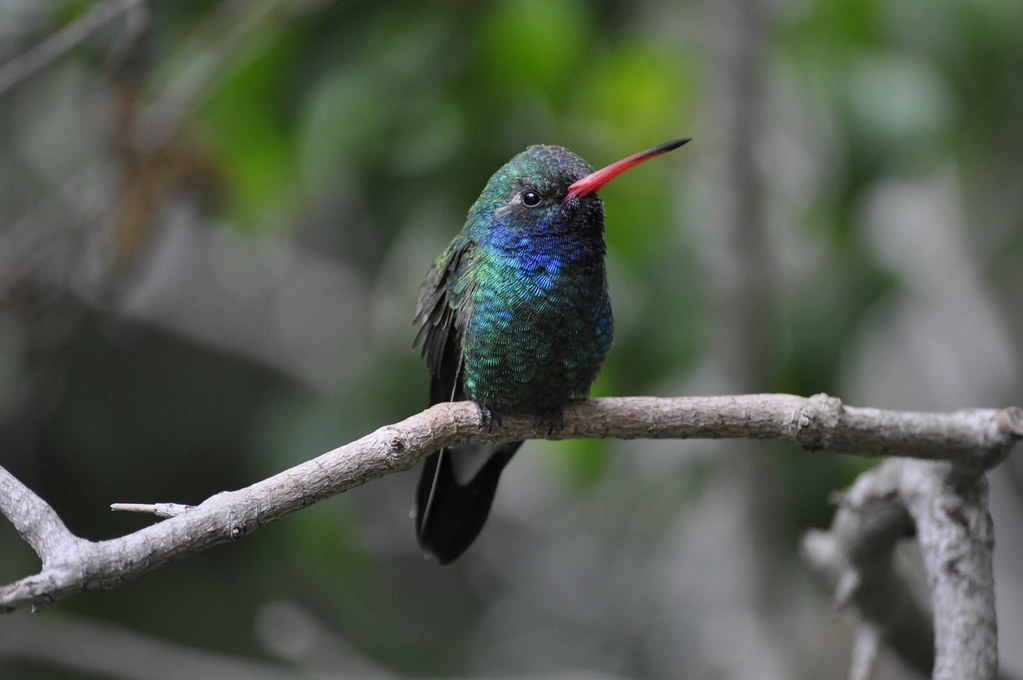
There is nowhere to nest build. Hummingbirds prefer small shrubs and mini trees to build nests in. If you don’t have anywhere for them to create a home, they may not come visit. A simple row of shrubs or small tree can make all the difference and make them feel welcomed. Gardens that lack vertical structure feel unsafe and incomplete to hummingbirds.
No, hummingbirds do not typically use bird houses for their nests. Instead, they look for trees and shrubs that provide a well sheltered branch for their nest building. These birds need more than just food – they’re looking for places to rest, survey their territory, and potentially raise their young. Without adequate perching spots and nesting opportunities, even the most nectar-rich garden won’t seem like home.
6. Too Much Open Space Without Shelter
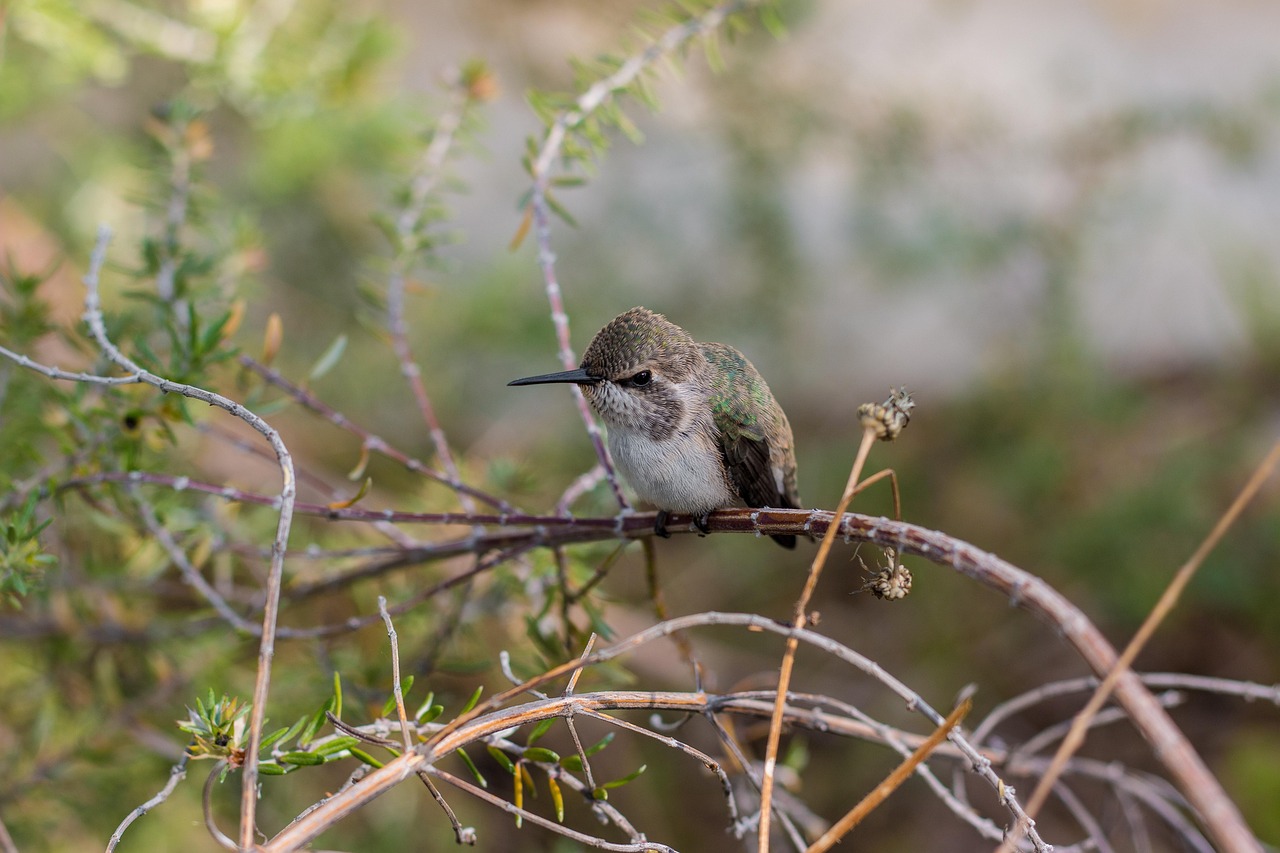
Due to their small size, hummingbirds appreciate a safe atmosphere. Hummingbirds don’t really like coming to an isolated food source in the middle of open ground. A feeder hanging alone in the center of a large, open lawn feels exposed and dangerous to these cautious little birds.
Hummingbirds will use cover to protect themselves from wind and extreme weather. One of the best ways you can provide this cover is to ensure your garden has trees and shrubs. They prefer to approach food sources from the safety of nearby cover, where they can quickly retreat if predators appear. Gardens designed with only open space lack the layered habitat structure that makes hummingbirds feel secure.
5. Wrong Migration Timing for Your Region
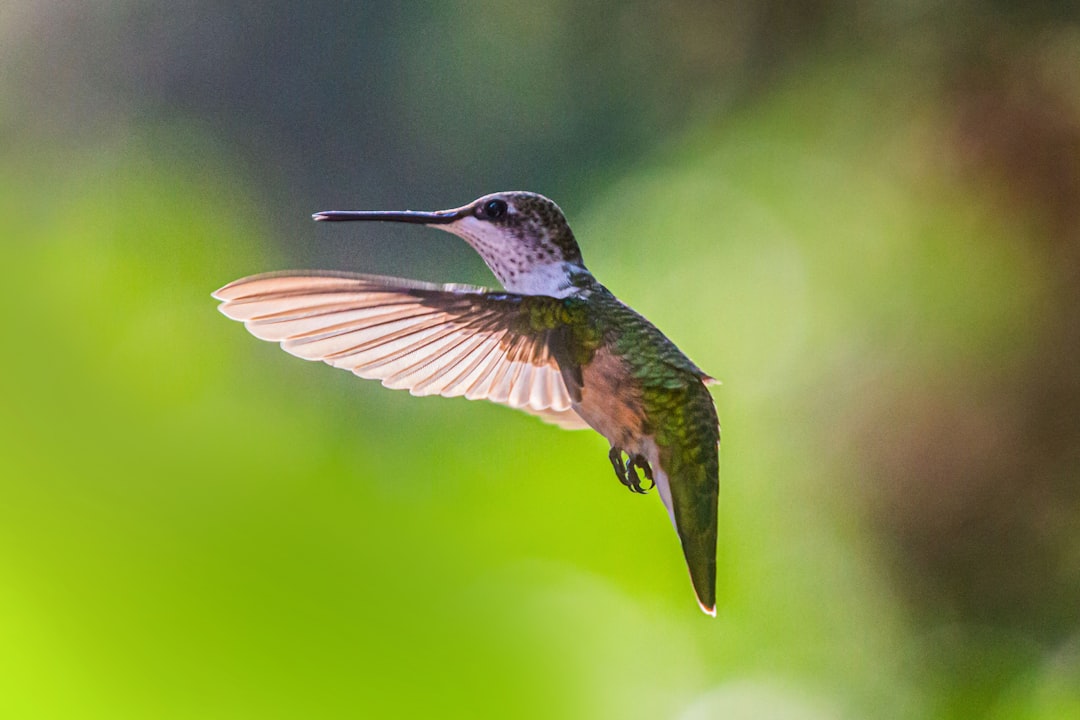
You might be waiting for hummingbirds to visit your garden at the wrong time. Research their migration patterns to make sure you’re prepared when the time is right. It’s always best to check the migratory pattern to know when they are coming. Many disappointed gardeners have perfectly prepared gardens at completely the wrong time of year.
No, hummingbirds are migratory species and are genetically programmed to head south in the fall. It’s not a lack of nectar source or colder weather that makes them leave – they know it’s time based on changes in the length of the day and the angle of the sun. Understanding when your local hummingbird species arrive and depart is crucial for timing your garden preparation and feeder maintenance.
4. Ant and Wasp Invasions at Feeding Stations
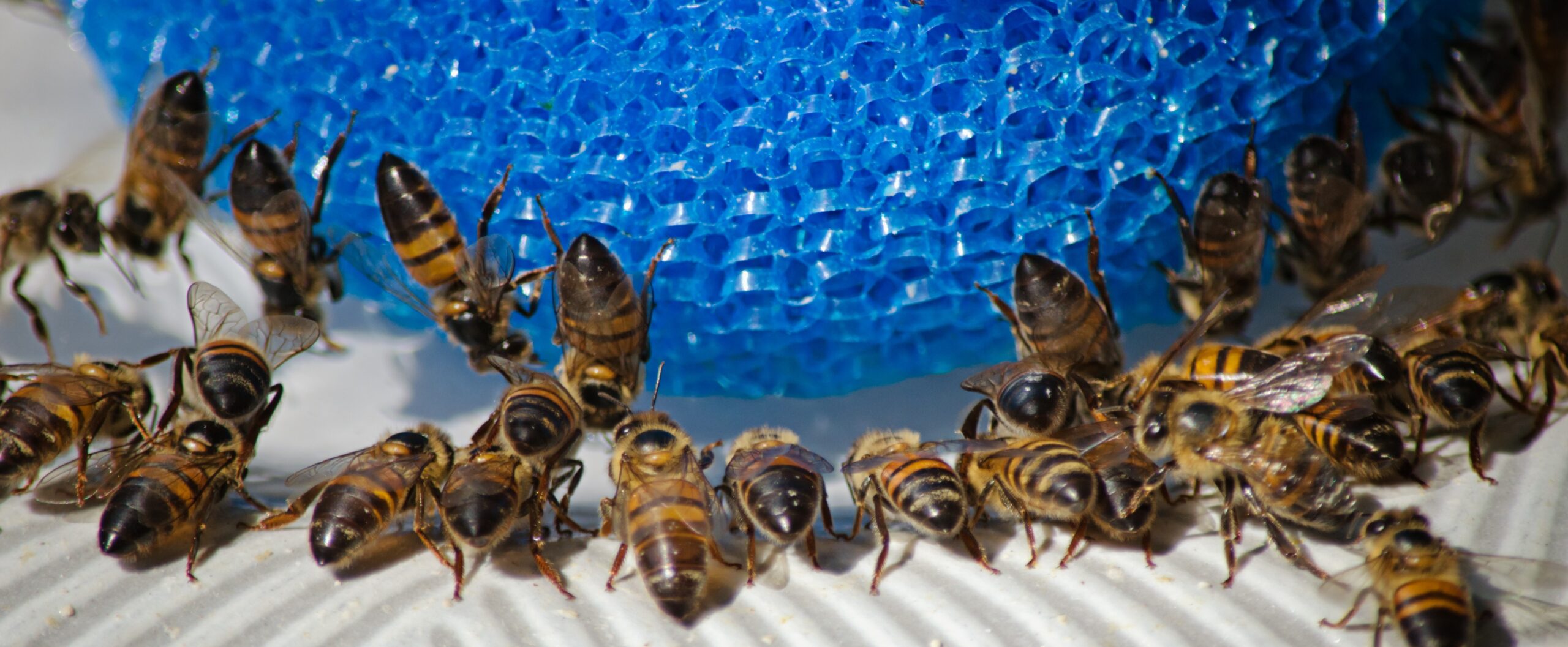
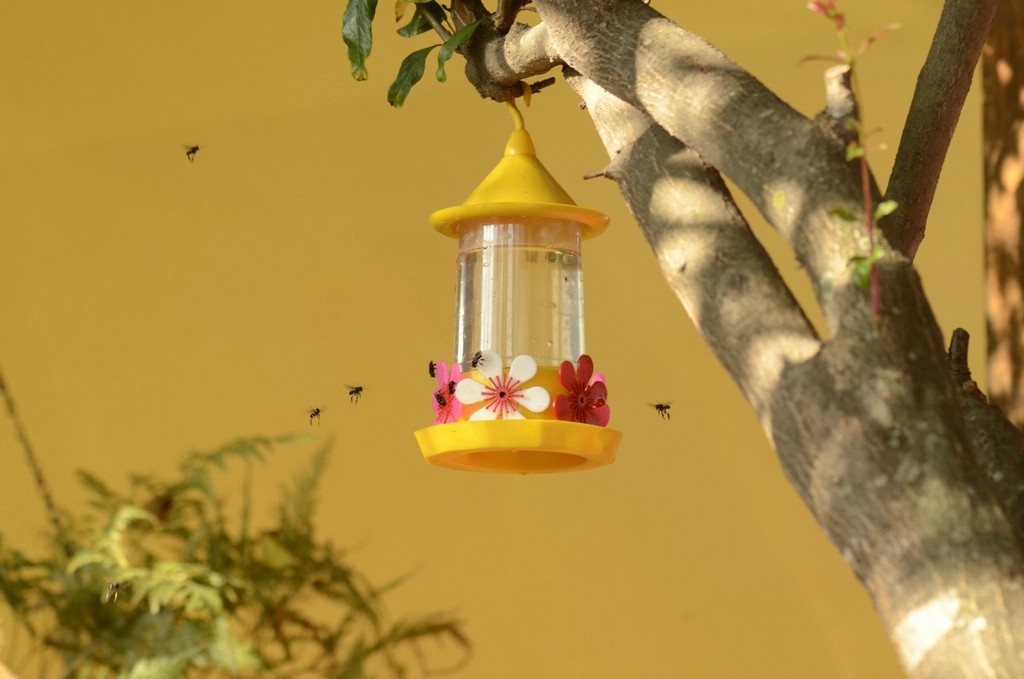
Certain insects, like yellow jackets and ants, are drawn to sugar water. To help keep them at bay, install nectar guard tips or ant moats. Also hang feeders in shadier spots to discourage bees from taking over, as they prefer sunny locations. When aggressive insects dominate feeders, hummingbirds often give up rather than compete.
Hummingbirds will feed next to a few bees, but too many will intimidate them. While a few insects around feeders is normal, swarms create chaos that stress-sensitive hummingbirds won’t tolerate. Your sugar-water nectar will attract hummingbirds, but it may also attracted some unwanted guests such as ants and wasps. Look for a feeder that has the ports above the pool of liquid to avoid drips, because drips will attract ants and bees.
3. Presence of Cats and Other Predators
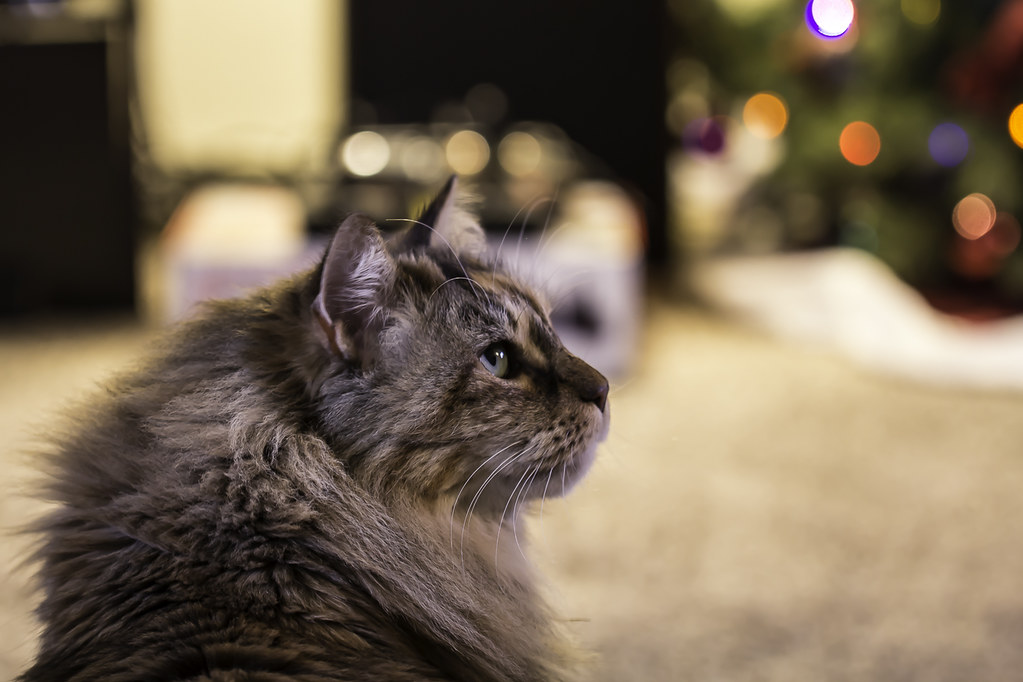
Free-roaming domestic and feral cats are perhaps the most common predators of non-nested hummingbirds, according to The Hummingbird Society, in Sedona, Arizona. Pet cats should be kept indoors. Even the most well-fed house cat retains strong hunting instincts that make them incredibly dangerous to hummingbirds.
If you have cats in your yard, there’s a chance they’re scaring away hummingbirds (and other birds, too). It is important to keep cats out of your garden. Estimates are that domesticated cats kill between 1.3 to 4 billion birds in the U.S. every year. The mere presence of cats – even just their scent – can make hummingbirds feel unsafe enough to avoid an otherwise perfect garden. Domestic cats are a huge problem. Because hummingbirds zip and dart around, cats enjoy the game of stalking, catching and killing them.
2. Competing Gardens Offering Better Resources Nearby
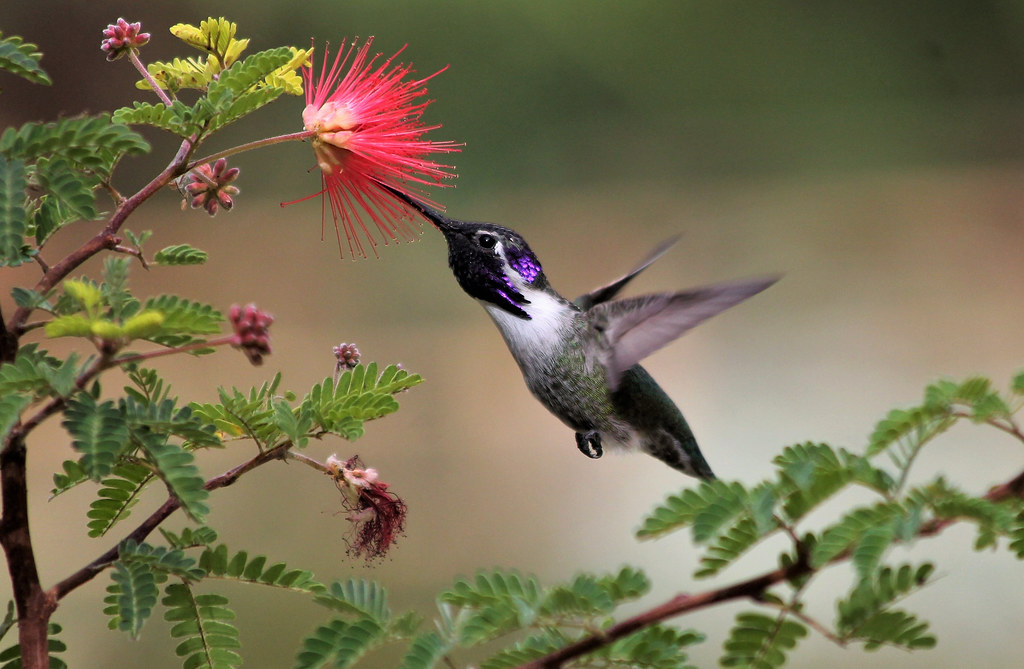
Once hummingbirds do start visiting your garden, they are likely to continue throughout the season and will usually return the following year. If visits drop off for a week or two in midsummer, the reason may be that an especially attractive nearby flower patch may have temporarily diverted your hummingbirds. Sometimes your garden isn’t the problem – it’s just not the best option available in the neighborhood.
Hummingbirds are remarkably efficient in their energy management and will always choose the most productive feeding areas. If your neighbor has a massive butterfly bush in full bloom or a perfectly maintained series of feeders, your modest offerings might seem less appealing by comparison. This temporary abandonment doesn’t mean you’re doing anything wrong – it just means you’re dealing with very practical little birds who know where to get the most bang for their energy buck.
1. Inconsistent Food Sources That Break Their Trust
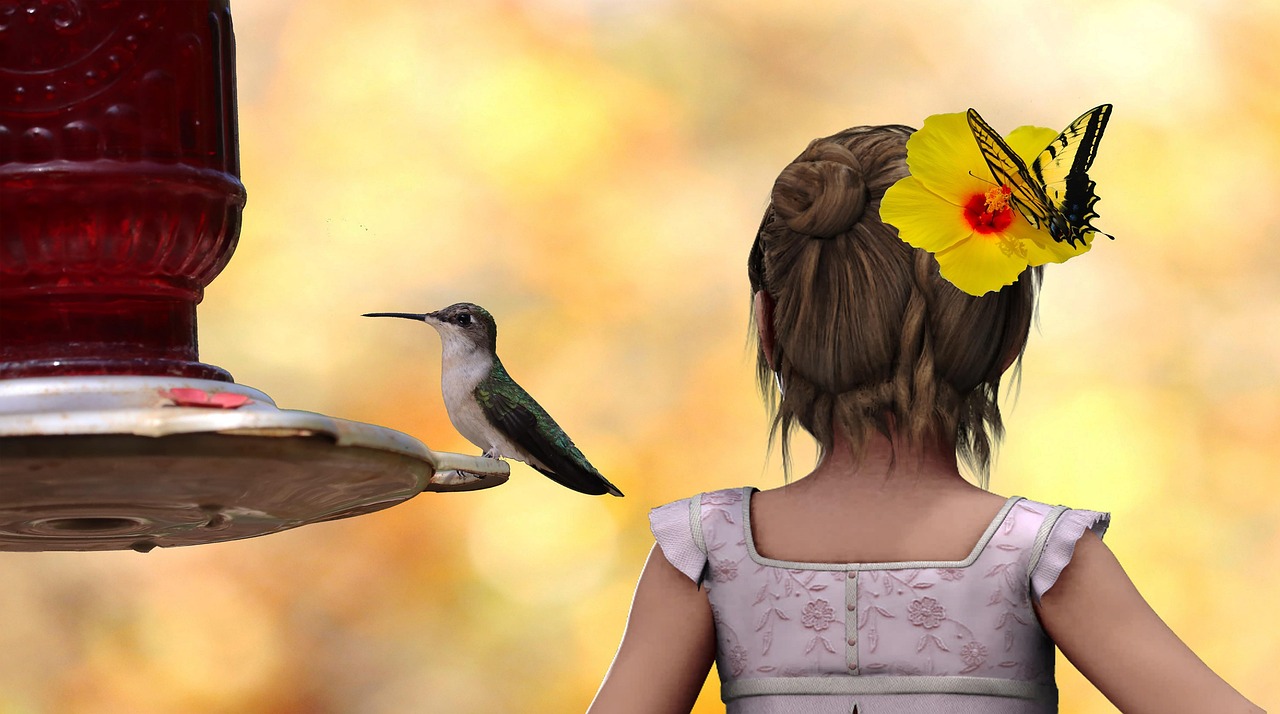
Here it is – the number one reason veterinarians say hummingbirds avoid gardens, and it’s not what most people expect. Unfortunately, now hummingbirds need our help because habitat loss, fragmentation of breeding and wintering grounds, and climate change can have negative impacts on hummingbird health and nutrition. In this challenging environment, consistency becomes absolutely critical for their survival.
The shocking truth is that hummingbirds are facing unprecedented challenges in finding reliable food sources. According to Birds & Blooms, hummingbirds may eat up to half their body weight in one day. As a result, they need to eat pretty consistently. When gardeners put up feeders sporadically, let them run empty for days, or create gardens that only bloom briefly, they’re essentially creating a food desert disguised as an oasis. Hummingbirds learn quickly – if your garden fails them once during their critical feeding times, they may write it off permanently in favor of more dependable sources. The solution isn’t just providing food; it’s providing it consistently, reliably, and throughout the entire season when these remarkable birds need it most.
Creating a Hummingbird Haven That Actually Works
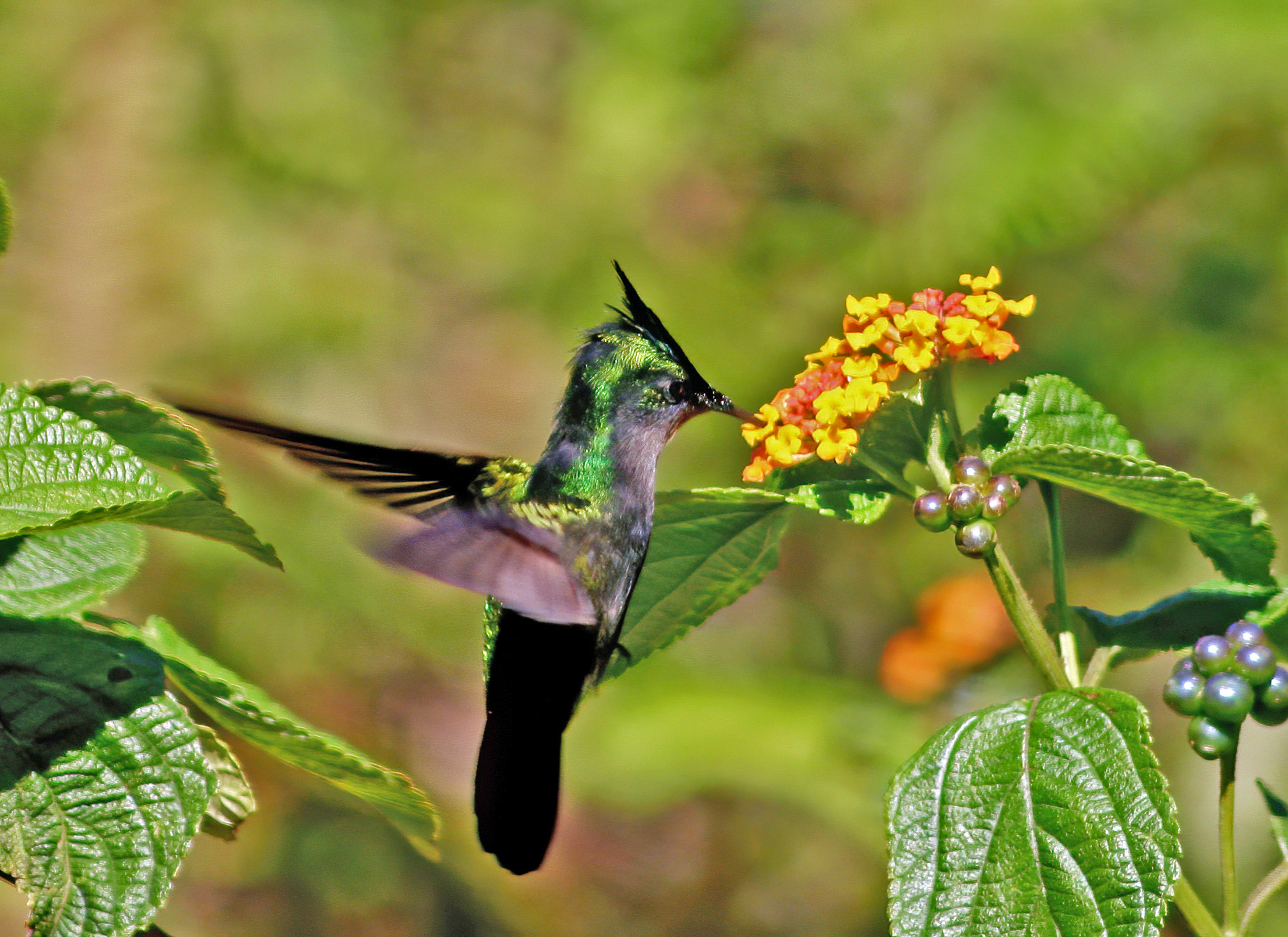
Now that you know what’s been secretly sabotaging your garden, the path forward becomes clear. Success with hummingbirds isn’t about perfection – it’s about reliability, safety, and understanding what these remarkable creatures truly need. Once hummingbirds discover your property, the same individuals are likely to return each year at about the same time; they are remarkable creatures of habit. The number of hummingbirds that frequent your yard is closely linked to the abundance of food, water, nesting sites, and perches.
The most successful hummingbird gardens combine clean, well-maintained feeders with diverse native plantings that bloom throughout the season. They provide shallow water sources, eliminate pesticides completely, and create layered habitats with plenty of perching spots and shelter. Most importantly, they maintain consistent, reliable food sources that hummingbirds can count on day after day. When you address all these factors together – especially that crucial consistency issue – you’ll transform your garden from a hummingbird no-fly zone into their favorite neighborhood restaurant.
Remember, these tiny birds face enough challenges in our rapidly changing world. By creating a truly dependable sanctuary in your own backyard, you’re not just attracting beautiful visitors – you’re providing a lifeline. The question isn’t whether hummingbirds will come; it’s how quickly they’ll spread the word that your garden is the place to be.
Did you expect that consistency would be the dealbreaker? What changes will you make first to transform your garden into a hummingbird haven?
