


The natural world is filled with awe-inspiring creatures, but none capture the imagination quite like the giants of the animal kingdom. These magnificent beings not only amaze us with their size but also play critical roles in their ecosystems. From the depths of the oceans to the vast plains of Africa, these animals challenge our understanding of biology and the limits of life on Earth. Let’s embark on a journey to explore the ten largest animals currently wandering our planet.
10. Blue Whale: The Oceanic Colossus

Weighing up to 200 tons and stretching over 100 feet, the blue whale is not only the largest animal alive but also the largest to have ever existed. Found in oceans worldwide, these gentle giants primarily feed on krill, consuming up to 4 tons a day during feeding season. Despite their immense size, blue whales are supremely adapted to life in the ocean, where they glide with grace.
9. African Elephant: The Land Titan

As the largest land animal, the African elephant can weigh up to 14,000 pounds and reach a height of 10 to 13 feet at the shoulder. These majestic creatures are not only known for their size but also for their intelligence and strong family bonds. Primarily found in various habitats across Africa, they play a crucial role in their ecosystem by facilitating seed dispersal and shaping the landscape.
8. Colossal Squid: The Deep-Sea Enigma

Lurking in the dark depths of the Southern Ocean, the colossal squid can measure over 45 feet in length. Its massive eyes, the size of dinner plates, allow it to spot prey in the pitch-black depths. This elusive creature is an apex predator, using its long tentacles and sharp beak to capture fish and other squid.
7. Giraffe: The Tallest Marvel

Rising above the African savannas, the giraffe is the tallest animal on earth, with some reaching 19 feet. Their long necks, ideally suited for foraging leaves from tall trees, are supported by an intricate network of valves and arteries that regulate blood flow. Giraffes have a keen sense of sight, often acting as sentinels for other animals, warning them of approaching predators.
6. Whale Shark: The Gentle Giant of the Sea

Despite being a shark, the whale shark is a filter feeder, sifting plankton and small fish through its massive mouth. Weighing around 20.6 tons and growing up to 40 feet, these gentle giants are found in tropical waters and have a slow, graceful way of moving through the ocean, contributing to their allure to divers worldwide.
5. Saltwater Crocodile: The Aquatic Predator

Saltwater crocodiles are the largest reptiles, with males often exceeding 23 feet in length and weighing up to 2,200 pounds. Found across parts of Southeast Asia and northern Australia, they are apex predators, capable of taking down animals as large as a buffalo with their powerful jaws and stealthy ambush tactics.
4. Brown Bear: The Mighty Ursidae
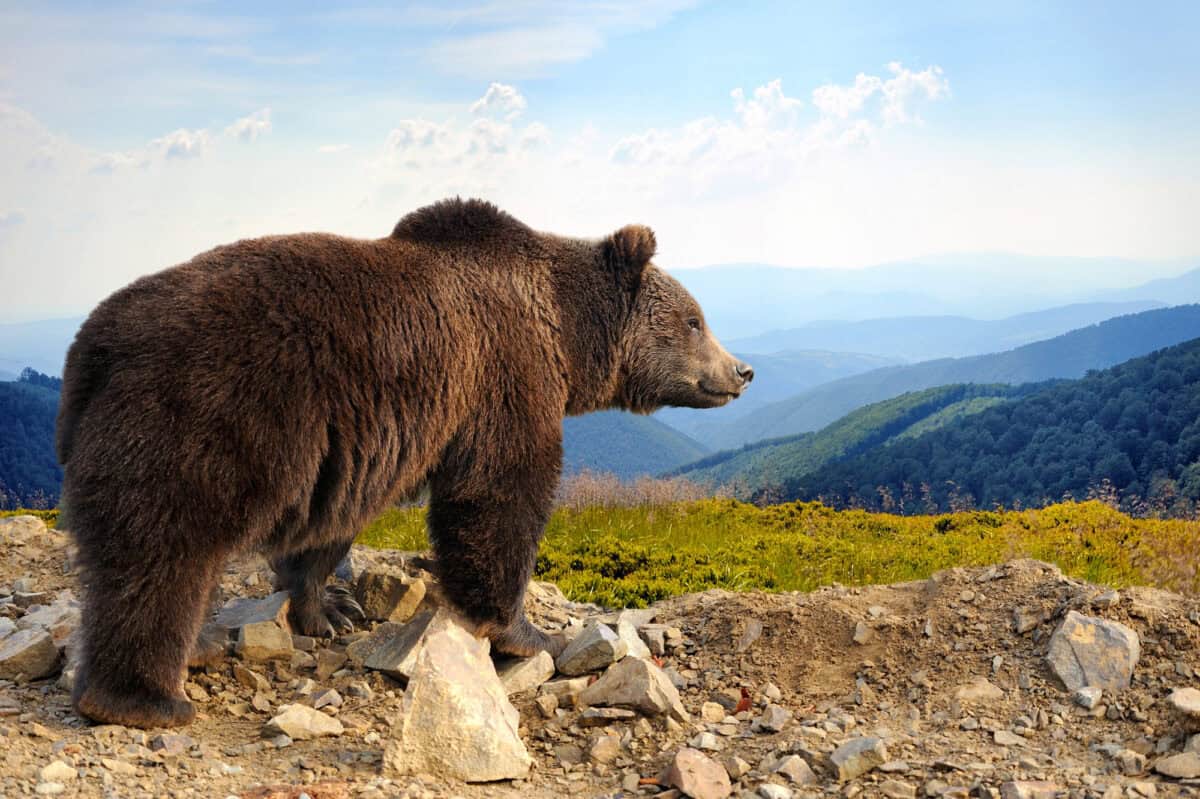
Including subspecies like the Kodiak bear, brown bears are the largest terrestrial omnivores. Males typically weigh between 800 to 1,500 pounds and stand up to 10 feet when on their hind legs. They are adept survivors, with a diet ranging from berries and plants to large mammals and fish.
3. Elephant Seal: The Pinniped Heavyweight

Southern elephant seals are the largest pinnipeds, with males reaching up to 20 feet and weighing as much as 8,800 pounds. These marine mammals dive deeper and stay submerged longer than any other seal, hunting for fish and squid in the Antarctic waters.
2. Indian Bison: The Bovidaean Juggernaut

Also known as the gaur, the Indian bison is the largest of all wild cattle, with mature males weighing up to 3,300 pounds. They inhabit the forests of South and Southeast Asia and are characterized by their massive shoulders and striking horn span. These herbivores have few natural predators, thanks to their formidable size and strength.
1. King Cobra: The Long Reptile
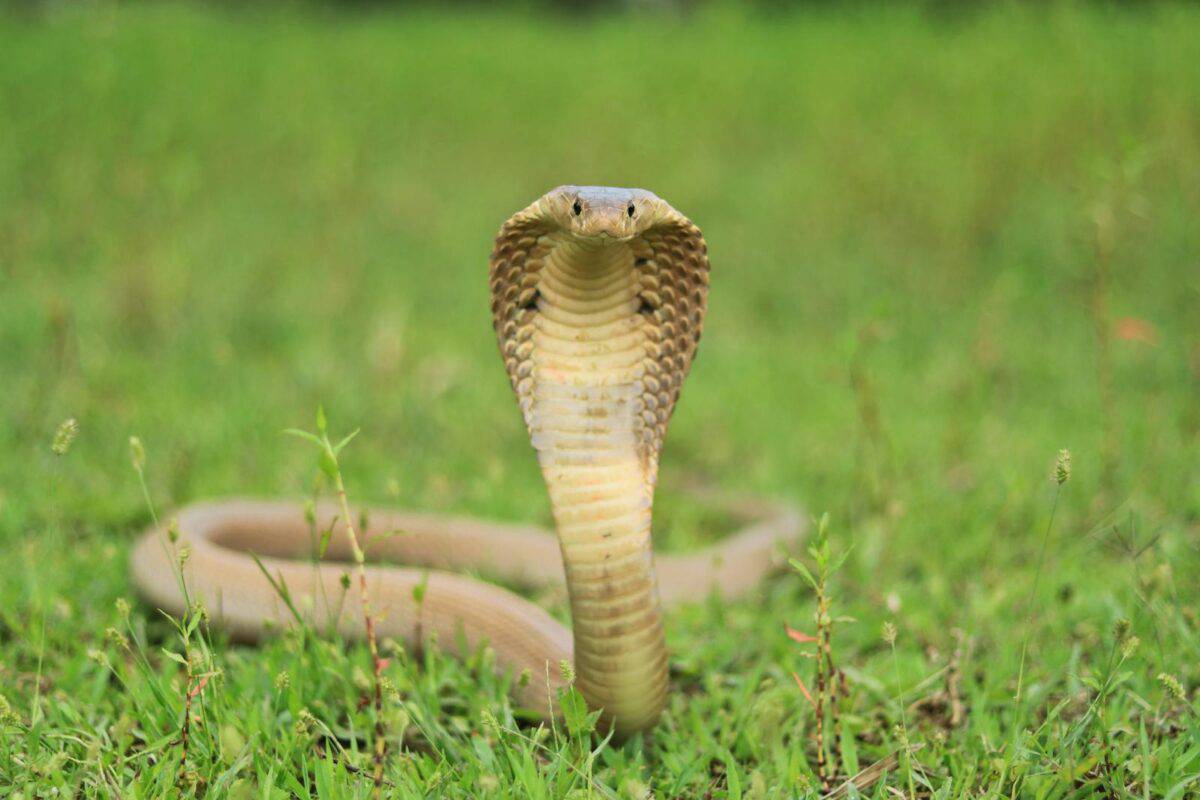
The king cobra is the longest venomous snake, capable of growing up to 18 feet. Found in forests from India to Southeast Asia, its diet consists primarily of other snakes. Despite its fearsome reputation, the king cobra is shy and avoids confrontation, though its venom is potent enough to kill an elephant.
Understanding Their Eco-Impact

These enormous creatures, whether on land or in the sea, play pivotal roles in maintaining the balance of their ecosystems. They often act as keystone species, whose presence and activities help shape the environment and influence biodiversity.
The Importance of Conservation

Many of these magnificent animals face threats from habitat loss, climate change, and human interaction. Conservation efforts are crucial to ensuring their survival and the health of their ecosystems. Organizations worldwide are working tirelessly to protect these species and educate the public about their vital roles.
In closing, the largest animals on Earth captivate us with their sheer size and presence. Their existence reminds us of the vastness and diversity of life, encouraging us to cherish and protect the natural world. By understanding and supporting conservation efforts, we contribute to the future of these remarkable giants and the planet they help sustain.

- How Otters Use Tools — And What It Reveals About Animal Intelligence - August 1, 2026
- Why You Should Stop Declawing Cats for Good - August 1, 2026
- 15 Amazing Facts About Parrots That Will Blow Your Mind - August 1, 2026