

Worried about unexpected vet bills?
Pet insurance can cover thousands in unexpected vet costs. Get a free quote from Lemonade in under 2 minutes.
Get My Free Quote →Sponsored · Opens Lemonade.com
The resilience of nature never ceases to amaze us, and the animal kingdom is brimming with remarkable examples of endurance and adaptability. From the deepest oceans to the highest mountains, certain species have evolved traits that allow them to thrive in extreme conditions that would be unimaginable for most living creatures. This article explores ten of the most resilient animals on our planet, showcasing the incredible adaptations that have enabled them to survive, and even thrive, against all odds.
Water Bears The Tiny Titans

Tardigrades, affectionately known as water bears, are microscopic creatures famous for their near-indestructibility. Found everywhere from the icy poles to scorching deserts, these water-dwelling animals can survive extreme temperatures, immense pressures, and even the vacuum of space. They achieve this by entering a cryptobiotic state, effectively suspending their metabolism. This ability makes them some of the most resilient creatures on Earth.
Antarctic Krill Surviving the Ice

In the harsh, icy waters of Antarctica, krill have adapted to survive in one of the most extreme environments on the planet. These tiny crustaceans can survive under the ice, where they feed on algae. Antarctic krill play a crucial role in the ecosystem, serving as a primary food source for several larger marine animals and thereby demonstrating the perseverance of life even in seemingly inhospitable places.
Pompeii Worms Inhabitants of Extreme Heat

Pompeii worms are remarkable marine creatures that thrive near hydrothermal vents in the depths of the ocean, where temperatures soar above 80 degrees Celsius (176 degrees Fahrenheit). These worms owe their survival to a symbiotic relationship with bacteria that insulate them from the extreme heat and acidity. Their walls of bacterial colonies serve as living protective suits, enabling them to thrive in one of the most hostile environments on Earth.
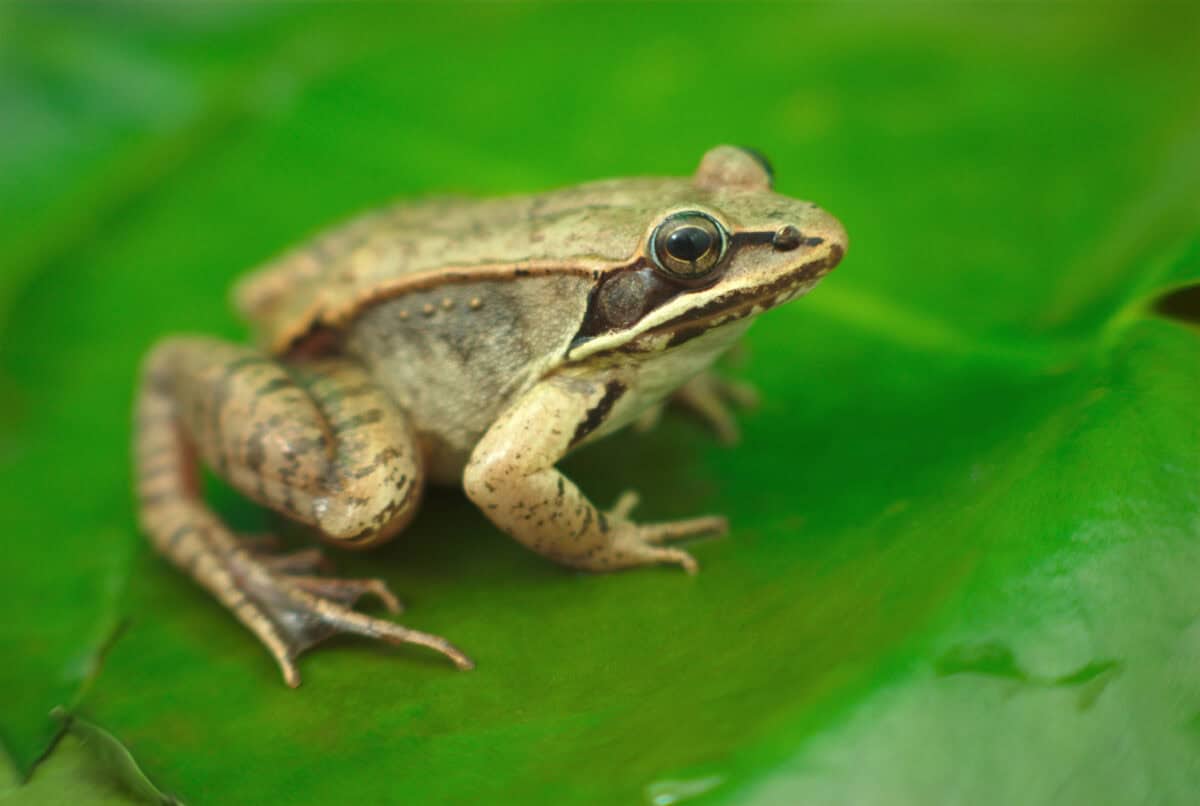
Wood Frogs Masters of Cryonics
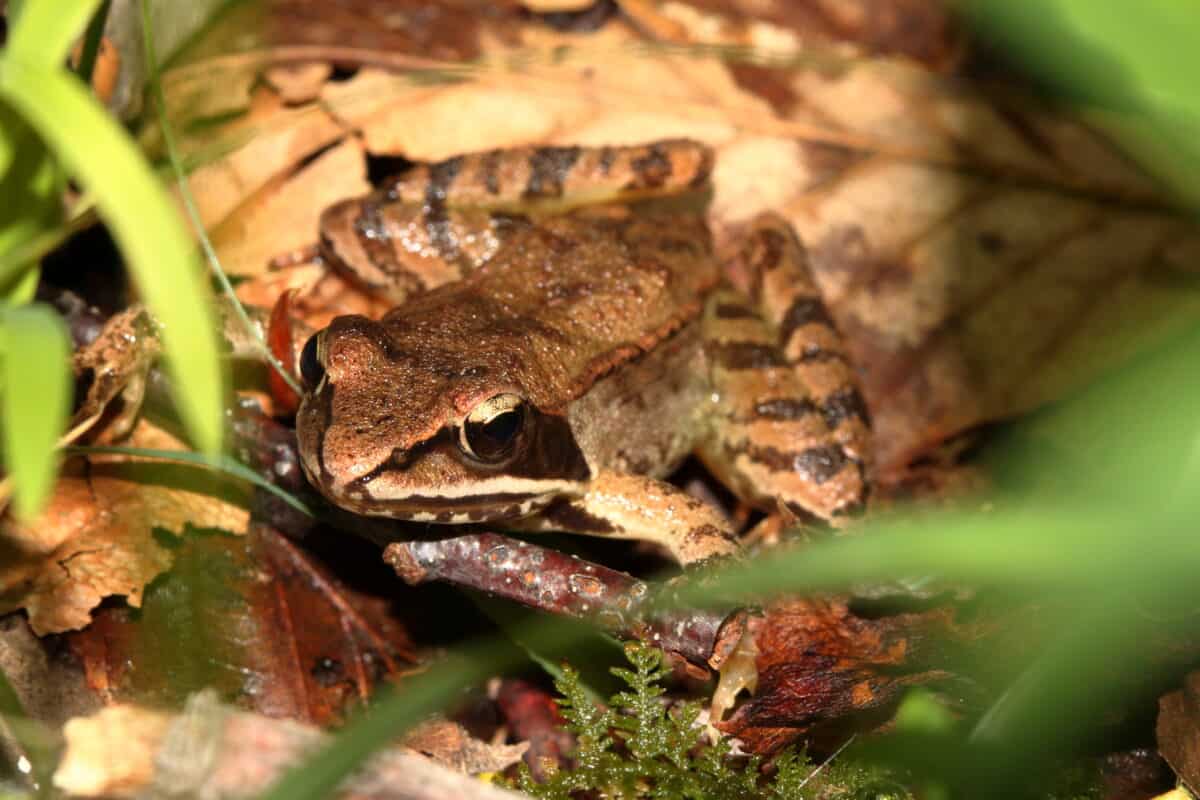
Wood frogs have an incredible ability to survive freezing temperatures. During the winter, they freeze solid, stopping their heartbeats and their breathing. This seemingly deathlike state preserves their bodies until the weather warms up, revealing nature’s most astonishing feat of survival. As the temperatures rise, the wood frog thaws out, awakening to continue life as if nothing happened.
Emperor Penguins Battling the Antarctic Chill

The Antarctic is one of the coldest places on earth, yet Emperor Penguins have adapted to survive its harsh climate. As the only penguin species to breed during the Antarctic winter, they endure temperatures as low as -60 degrees Celsius (-76 degrees Fahrenheit). By huddling together for warmth and relying on their thick layers of blubber and feathers, Emperor Penguins showcase unique adaptations to extreme cold.
Cockroaches Masters of Survival
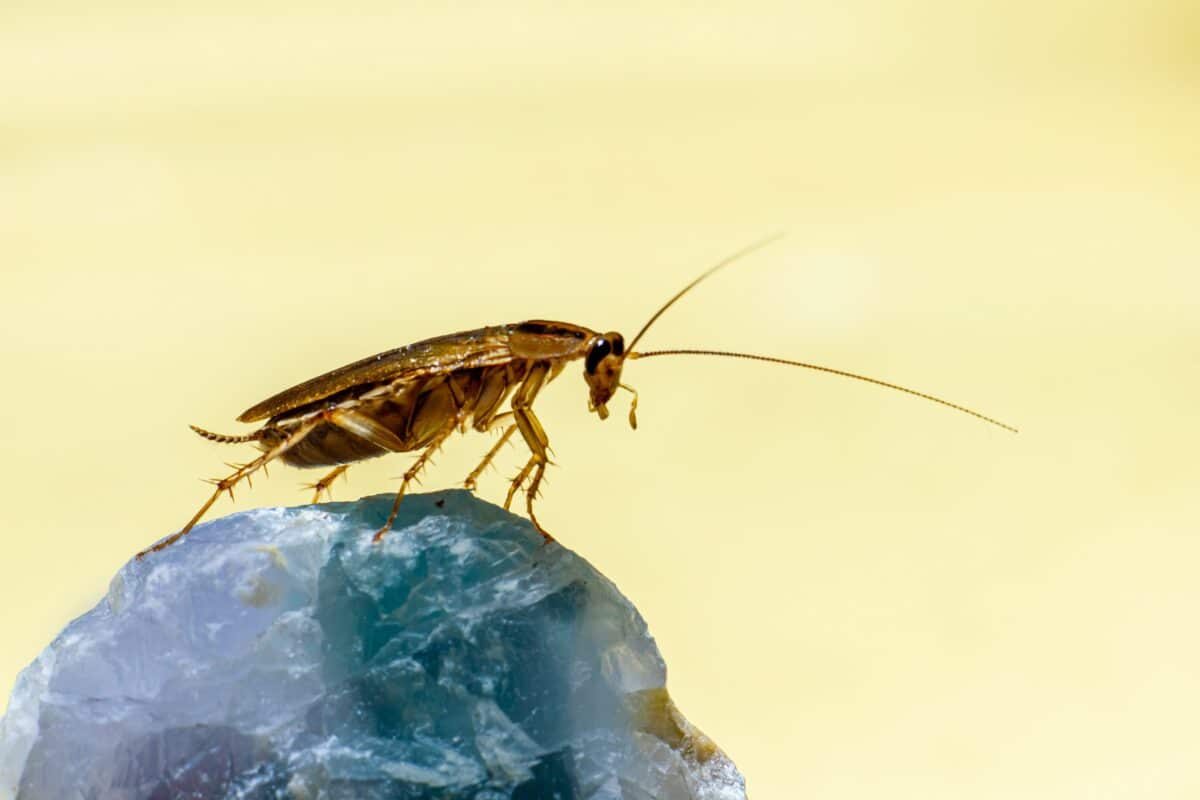
Cockroaches have been inhabitants of Earth for millions of years, surviving a wide range of environmental changes. Known for their resilience, they can withstand high radiation levels and live without food for up to a month. Their adaptability to various habitats and ability to quickly reproduce have solidified their reputation as one of the most resilient species on the planet.
Naked Mole Rats Underground Survivors
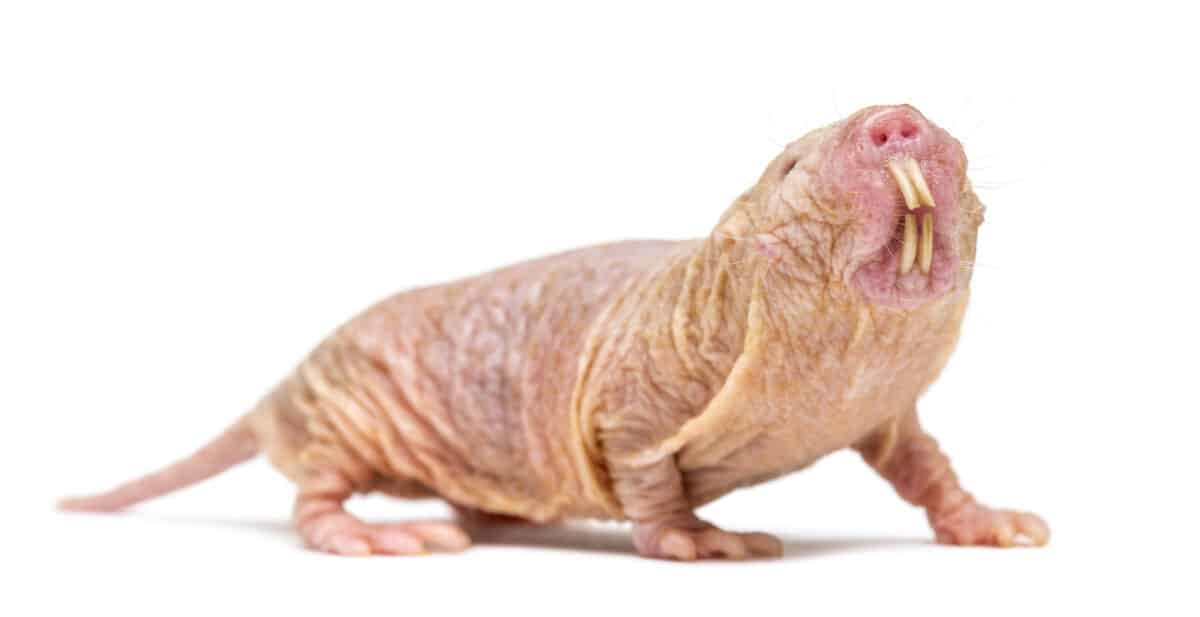
Naked mole rats dwell in the dark tunnels of East Africa and thrive in an unusual social structure akin to that of bees. These resilient rodents boast incredible characteristics, including a resistance to cancer and the ability to live in low-oxygen environments thanks to their unique metabolism. Their survival skills are so advanced that scientists study them extensively for insights into human health challenges.
Honey Bees Pillars of Persistence

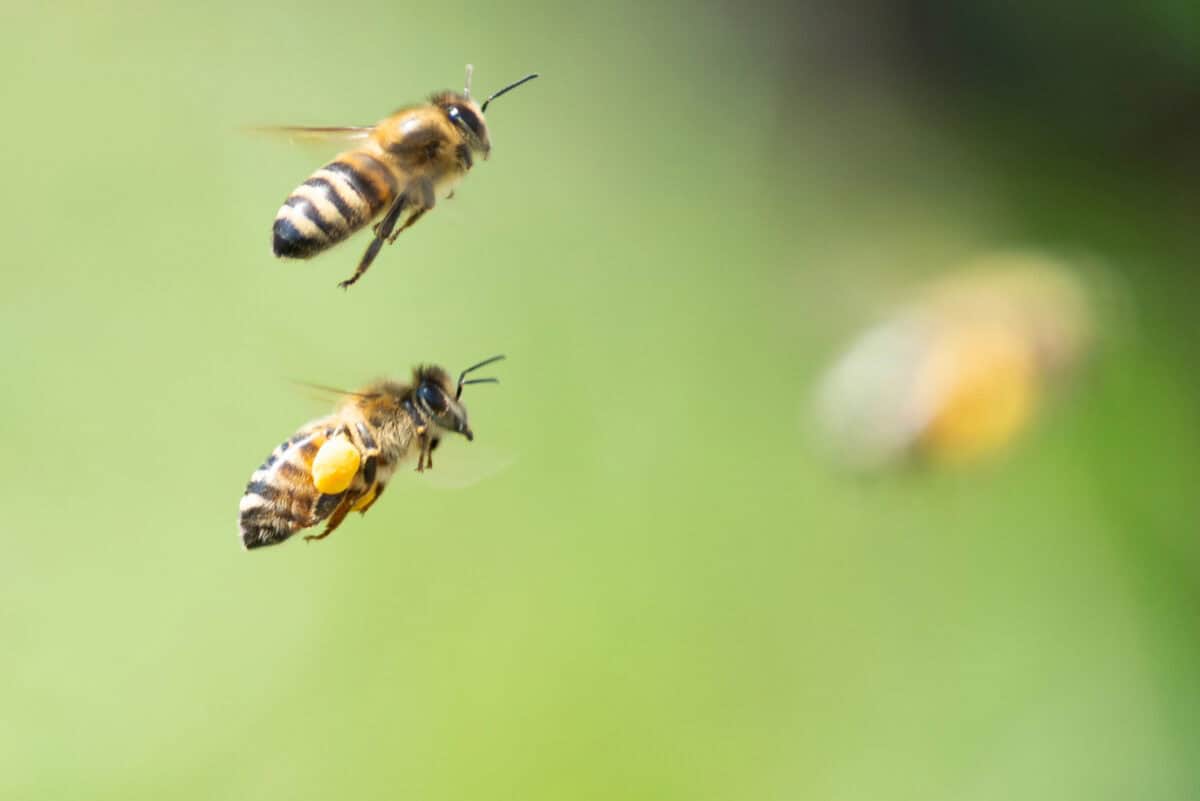
Honey bees are an essential component of ecosystems, playing a crucial role in pollination. Their resilience is evident in their ability to maintain robust hives and survive environmental challenges such as pests and climate changes. Despite modern threats, such as colony collapse disorder, honey bees continue to fight for survival, showcasing their indispensable role in supporting biodiversity.
Planarian Worms Masters of Regeneration

Planarian worms possess extraordinary regenerative capabilities, able to regrow any part of their body after amputation. Their simple body plan and stem cell-rich structure make them an intriguing subject of scientific research. This incredible ability not only ensures their resilience as a species but also holds potential insights for medical advancements in humans.
Crocodiles Ancient Survivors
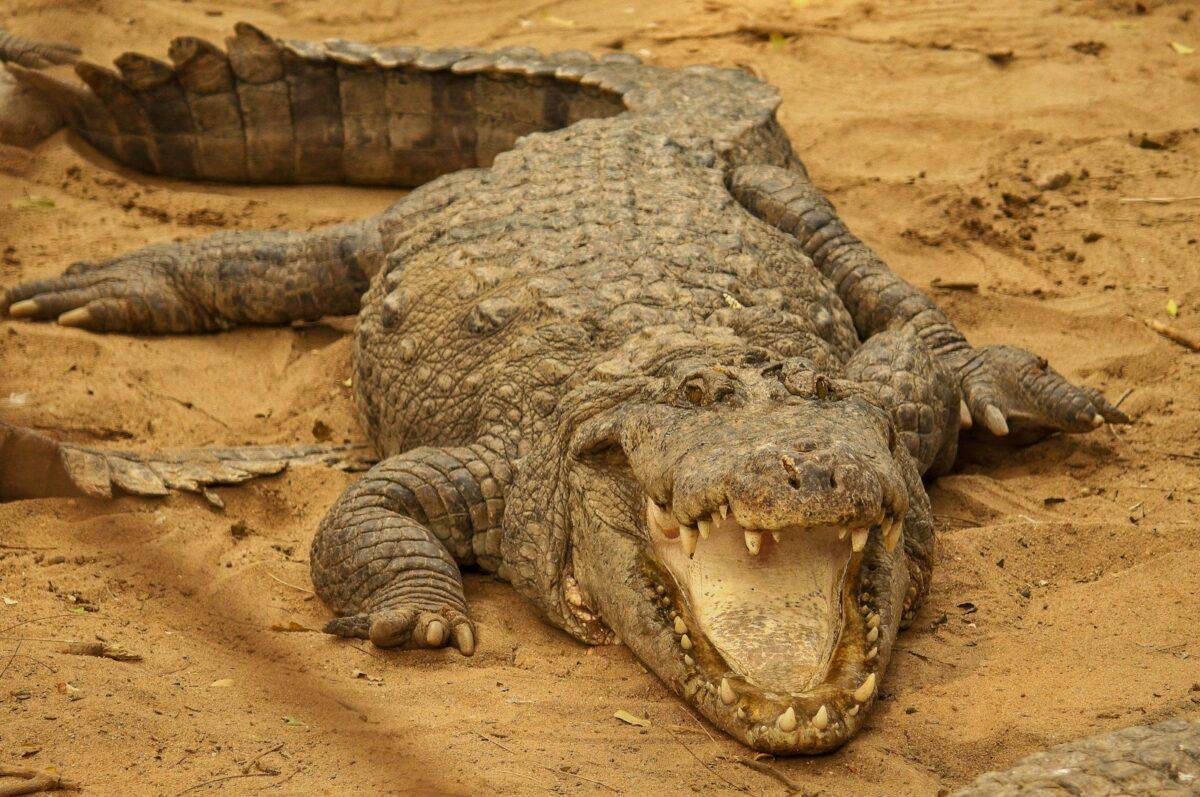
Crocodiles are ancient reptiles that have remained relatively unchanged for millions of years. Their ability to survive in a wide range of environments, from freshwater rivers to saltwater marshlands, underscores their adaptability. Crocodiles can go months without food, patiently waiting for the right moment to hunt, showcasing their incredible survival instincts.
Conclusion
In conclusion, the animal kingdom’s myriad forms of resilience and adaptability highlight the tenacity of life on Earth. These remarkable creatures remind us that nature’s ingenuity knows no bounds and that survival often depends on a blend of unique adaptations and environmental harmony. As we continue to learn from these impressive animals, we gain insights not only into their world but potentially into our own survival and endurance as well.
Worried about unexpected vet bills?
Pet insurance can cover thousands in unexpected vet costs. Get a free quote from Lemonade in under 2 minutes.
Get My Free Quote →Sponsored · Opens Lemonade.com

As a little kid, I fell in love with nature, wildlife, and animals. Living in the USA, South Africa, Italy, China and Germany gave me the opportunity to discover the world's Wildlife. My favorite animals are Mountain Gorillas, Siberian Tigers, and Great White Sharks.
I'm a certified PADI Open Water Diver, went to Everest Base Camp and Trekked Gorillas in Uganda. I hold a Master of Science in Economics and Finance.
Please send any feedback to feedback@animalsaroundtheglobe.com
- Top 10 Animals and Wildlife in the Rocky Mountains - June 4, 2026
- 12 Signs Your Dog Thinks You Are the Pack Leader - June 4, 2026
- African Wild Dogs Nature Master Strategists at Risk - June 4, 2026