

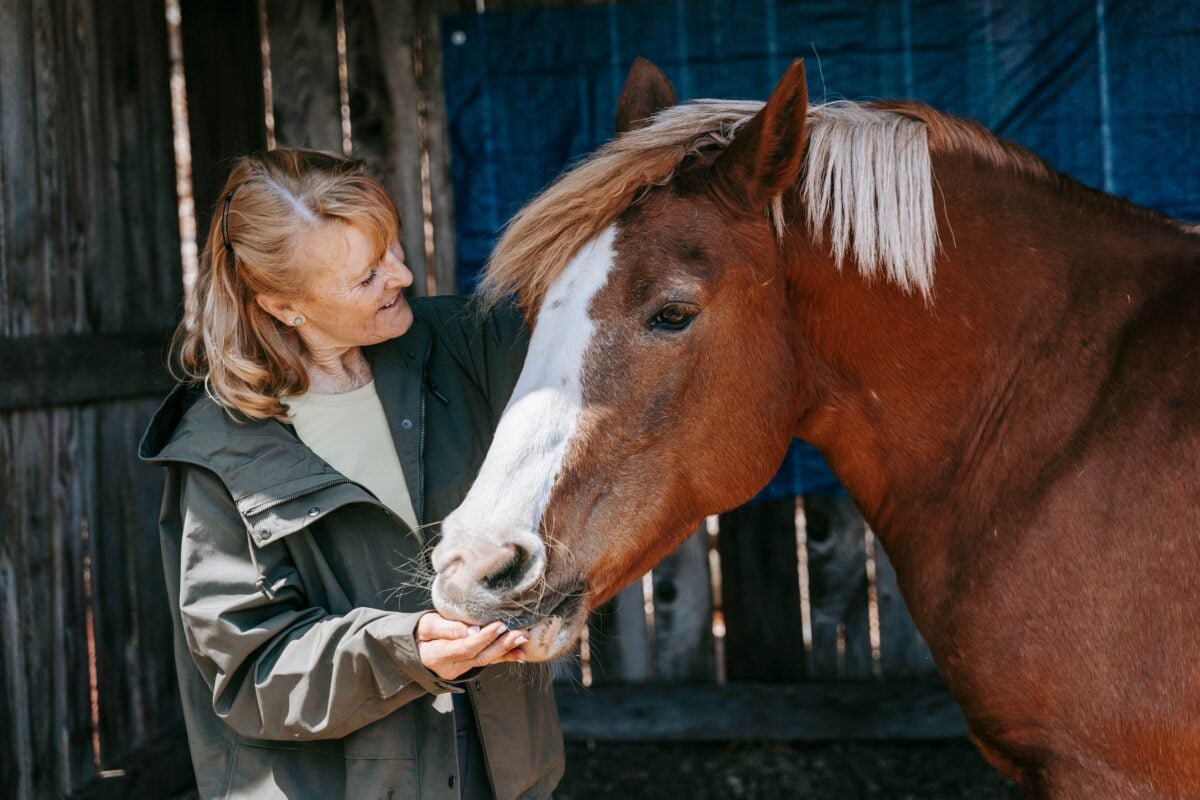
Everyone says old horses just “slow down” in winter. Ears back, a little stiffer, a little quieter – normal aging, right? Except that’s rarely what’s actually happening behind the scenes.
While owners chalk it up to age, senior horses are often silently losing a battle with pain, cold, and slow starvation, weeks before anyone notices the ribs or the shuffle. The unsettling part is that most of this is completely preventable – if you know which small adjustments actually matter. Most barns don’t make them, and then act shocked in March when the old guy looks a decade older than he did in October. Here are the 15 real adjustments that make the difference between a senior who survives winter and one who genuinely thrives through it.
#15 – Upgrade Hay Quality Before the First Frost
🔥 Would you like to save this?
We'll email this post to you, so you can come back to it later!
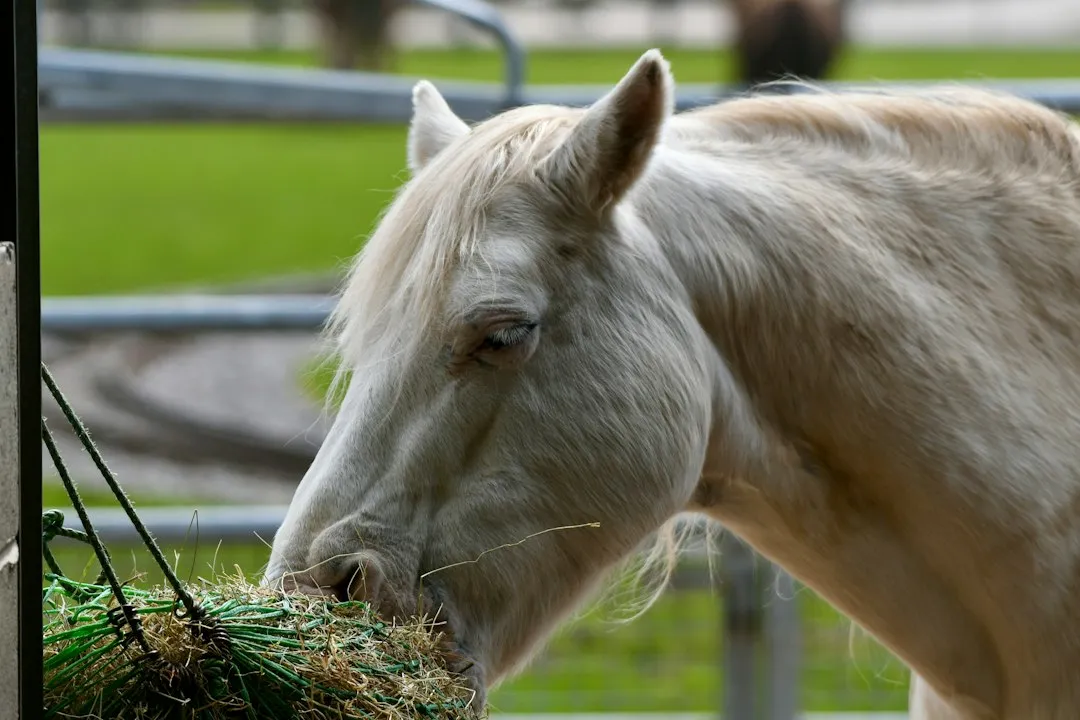
Most people wait until they see weight loss before upgrading hay. By then, the old horse is already behind and playing catch-up in the worst possible season.
Senior horses have worn teeth, weaker digestion, and far less ability to pull nutrition out of stemmy, low-quality hay. That “economy round bale” keeping your easy-keeper gelding chunky can leave the 25-year-old mare quietly starving right next to him.
Aged horses often need leafier, higher-quality hay weeks before the weather actually turns. Think soft grass hay, a little alfalfa if they tolerate it, or simply the best-cut bales you can source.
- Aim for hay that smells clean, not musty.
- Look for fine stems and lots of leaf, not woody stalks.
Here’s the part that stings: many owners underfeed hay all winter and then blame “old age” for the weight loss. For a senior, free-choice hay or very frequent small feedings usually beats strict rations. An extra flake at each feeding can be the difference between holding topline and dropping a full body condition score by February.
#14 – Switch to Senior-Friendly Feeds Before You “Need” Them
🔥 Would you like to save this?
We'll email this post to you, so you can come back to it later!
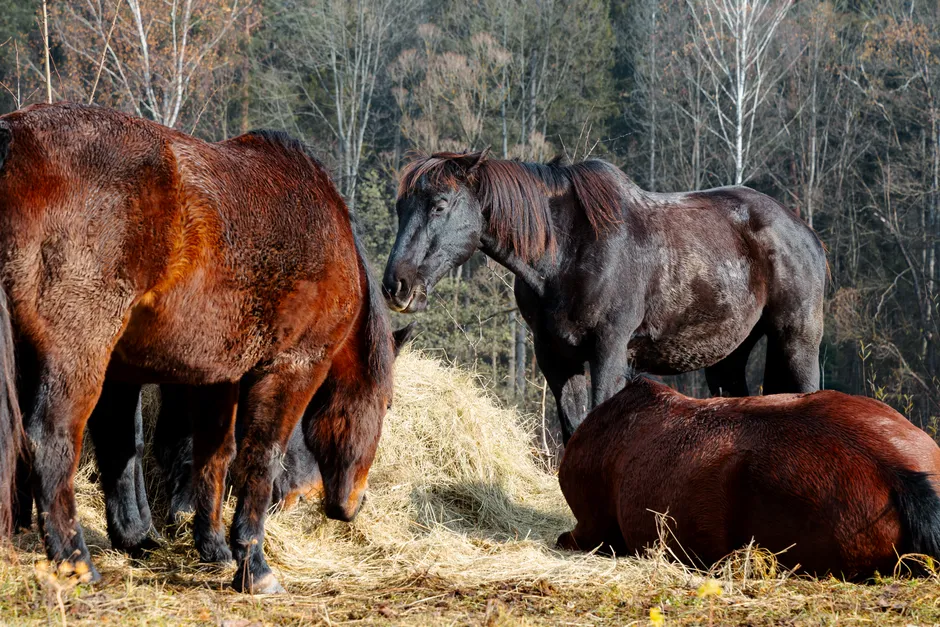
A lot of people treat senior feed like an emergency ration – something you break out only once a horse looks rough. That mindset quietly sabotages older horses all winter long.
Senior feeds aren’t “old-horse emergency food.” They’re built to be easier to chew, easier to digest, and more calorie-dense, with vitamins and minerals older horses can no longer absorb well from forage alone.
If your horse is 18 to 20-plus and already showing mild weight swings, it is not too early to move them onto a complete or senior ration. Waiting until they’re visibly ribby just makes the climb back that much steeper.
Quick Compare
- Standard feed: harder pellets or textured mix, built around a horse that can still chew efficiently.
- Senior feed: softens quickly when wet, easier on worn or missing teeth.
- Standard feed: assumes normal gut absorption of vitamins and minerals.
- Senior feed: fortified to make up for the reduced absorption that comes with age.
- A beet pulp–based or highly digestible pellet.
- Soaked, for horses with missing or painful teeth.
“Fat and shiny” in late summer can quietly turn into “ribby and dull” by January if the feed isn’t winter-appropriate. An extra pound or two of senior feed in October can prevent 50 to 75 pounds of weight loss by February – a small adjustment now with a massive payoff by spring.
#13 – Make Water Unskippable, Not Optional
🔥 Would you like to save this?
We'll email this post to you, so you can come back to it later!
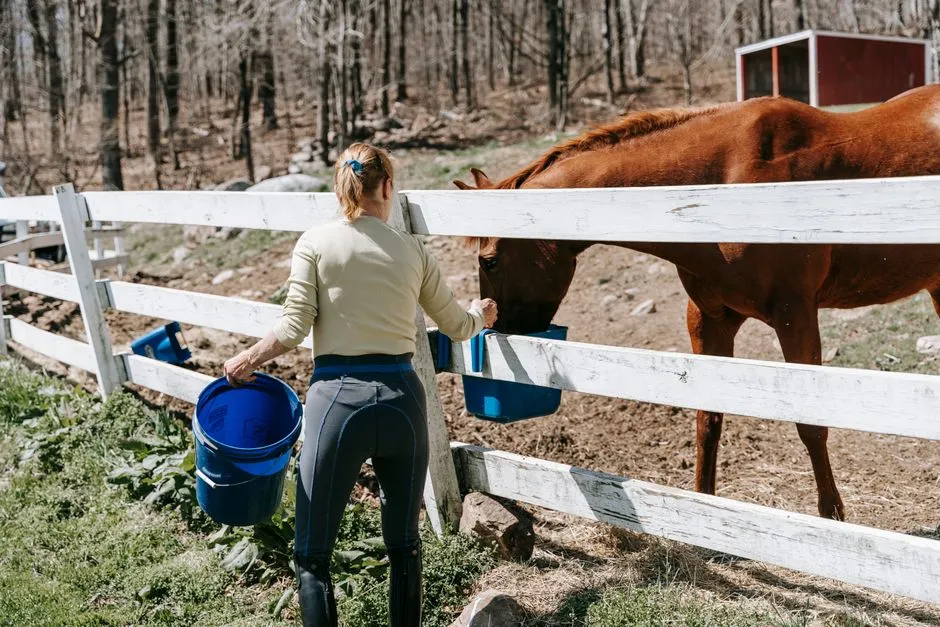
Everyone obsesses over hay and blankets, but dehydration is the sneaky killer nobody talks about. Cold water is unappealing water, and many seniors naturally drink less once it gets icy.
Add dental pain or arthritis into the mix – walking hurts, so fewer trips to the trough – and you’ve built the perfect recipe for impaction colic without ever raising a red flag.
The fix isn’t glamorous, but it works: make water so easy and so appealing that skipping it stops being an option.
- Use tank heaters or heated buckets to keep water above freezing and more palatable.
- Check buckets and troughs at least twice daily, not just for ice but for actual water level.
- Offer soaked mashes – senior feed, beet pulp, or hay pellets – once or twice a day.
Some owners add a vet-approved pinch of salt or electrolytes in winter, not just summer, purely to keep drinking consistent. Even a 5 to 10 percent drop in water intake can dramatically raise colic risk in a senior. Most barns fuss endlessly over hay type while ignoring the one bucket that could actually kill their horse.
#12 – Manage Teeth Like It’s Life or Death (Because It Is)
🔥 Would you like to save this?
We'll email this post to you, so you can come back to it later!
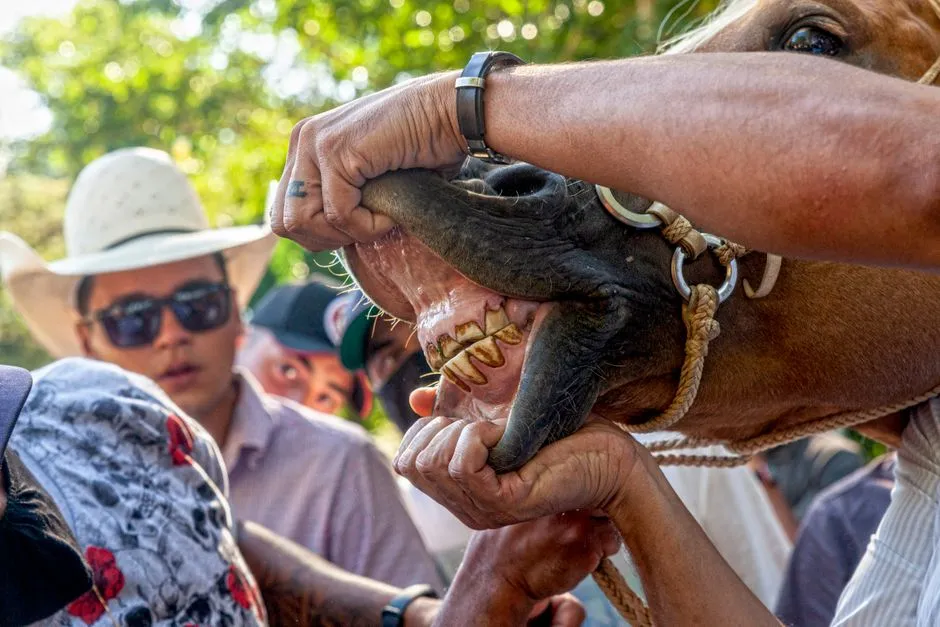
“His teeth were floated last year, he’s fine” might be the single most expensive sentence in senior horse care. Old teeth don’t just grow sharp edges – they wear down, develop wave or step mouths, loosen, fall out, or quietly rot.
That means even good hay and premium feed can literally fall out of their mouths unchewed. If you’re seeing quidding, slow eating, or grain dribbling everywhere, you’re not catching it early – you’re already very late.
- Schedule a fall dental check with someone who specifically understands geriatric mouths.
- Ask directly whether your horse is transitioning to “no-long-stem-forage” status.
- Be ready to feed soaked cubes or pellets if teeth simply can’t handle hay anymore.
It sounds dramatic because it is true: some seniors decline sharply in March from a dental problem that quietly started back in October. Their body never actually got what you thought you were feeding it. Fixing the teeth – or bypassing them entirely with soaked feed – can turn a dull, thin old horse into one that looks visibly younger by spring.
#11 – Rethink Winter Blanketing for Seniors
🔥 Would you like to save this?
We'll email this post to you, so you can come back to it later!
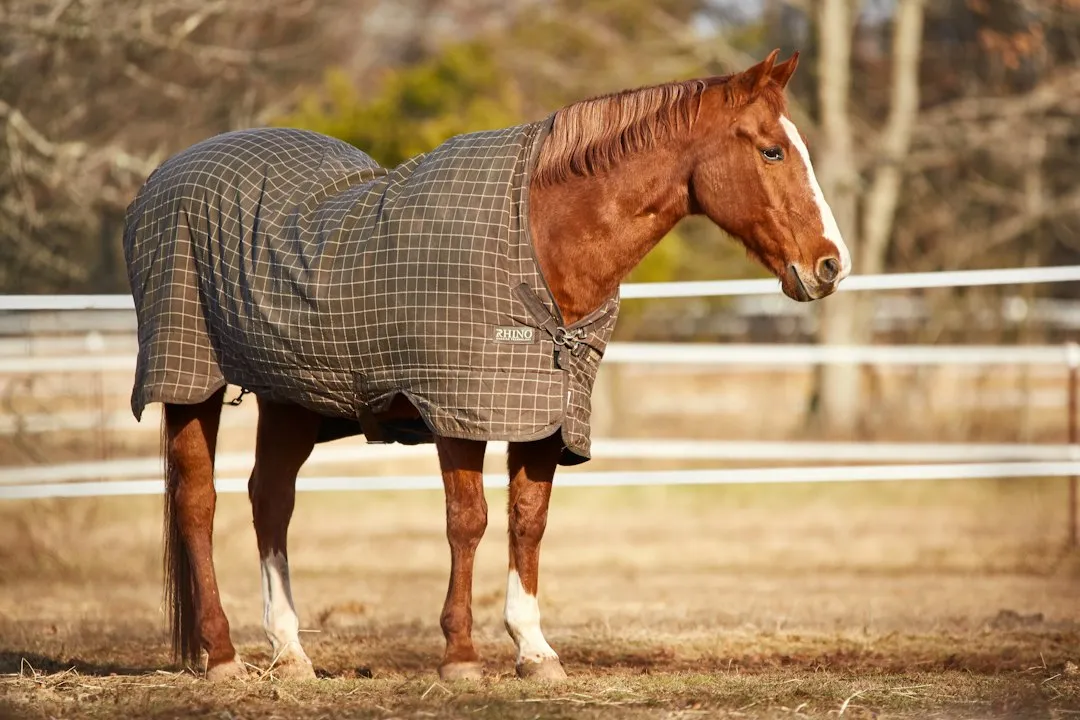
Blankets start arguments in every barn aisle, but a senior horse is the wrong place to “win” a minimal-blanket philosophy. Yes, horses grow natural winter coats. No, that doesn’t mean every old horse is fine standing through a blizzard.
Aging changes how a horse regulates heat – less fat insulation, a slower metabolism, and arthritis that makes it harder to simply move around and warm up. An older horse that shivers or stands tense for hours is burning calories it flat out cannot afford to lose.
- Body-clipped, underweight, or very senior horses (20+) often benefit from a well-fitted, waterproof, breathable turnout.
- Layering a lighter liner under a medium or heavy turnout lets you adjust without shocking their system.
- Check under the blanket regularly – they should feel warm, not sweaty.
You’ll see people brag online that their “tough old horse” goes naked through wet snow just fine. Look closer, and those same horses often come out of winter thin and drained. A dry, warm senior is a horse whose feed goes toward health instead of emergency heating.
#10 – Create a Slip-Free, Senior-Friendly Ground Surface
🔥 Would you like to save this?
We'll email this post to you, so you can come back to it later!
Most people obsess over feed and completely ignore footing, even though one bad fall can permanently rewrite an old horse’s future. Icy gateways, frozen ruts, and slick barn aisles are landmines for arthritic, slow-reacting seniors.
A young horse catches itself and moves on. A 26-year-old with hock arthritis often doesn’t. A single slip can mean a torn suspensory, a fractured pelvis, or a horse suddenly too afraid to move normally again.
Fast Facts
- Arthritic joints react slower, so seniors have far less time to catch a slip before it becomes a fall.
- Confidence, once lost after a bad fall, is often harder to rebuild than the physical injury itself.
- The most dangerous zones are the ones used every single day: gates, waterers, and barn entrances.
- Add gravel, screenings, or rubber mats at known icy spots – gates, waterers, barn entrances.
- Break up frozen manure and ruts in high-traffic areas.
- Keep sand or a non-toxic deicer on hand for dangerous patches – never rock salt a horse can lick.
Steady, confident movement through winter is one of the best arthritis treatments you have, and it starts entirely with safe footing. Too many people shrug and accept “it’s just a slippery season.” For an old horse, it doesn’t have to be that way at all.
#9 – Build a Winter Movement Routine Even If You Don’t Ride
🔥 Would you like to save this?
We'll email this post to you, so you can come back to it later!
The myth: winter is rest time, so it’s fine if the old horse just stands around. The reality: motion is medicine for seniors, especially arthritic ones. Stand in a small paddock all day and joints stiffen, circulation slows, and the horse actually becomes less sound by spring, not more rested.
The goal isn’t intense work. It’s consistent, gentle movement that keeps joints and soft tissue functioning through the coldest months.
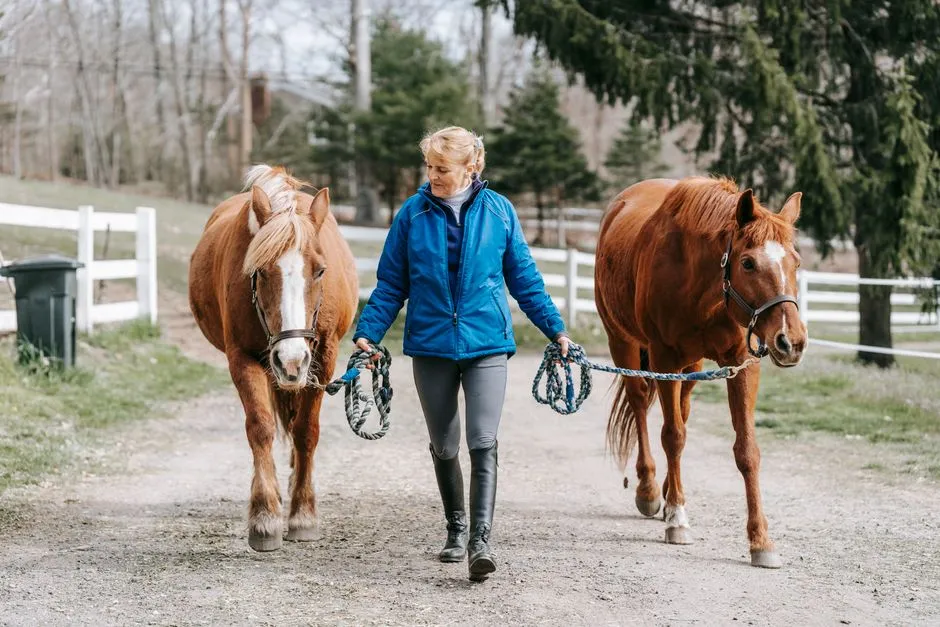
- Hand-walking or light in-hand work 3 to 5 times a week, even just 15 to 20 minutes.
- Turnout in the largest safely fenced area available, with a calm buddy who encourages gentle movement rather than chaos.
- Simple pole work at the walk, or light hill work if your vet clears it.
Even without ever putting a saddle on them, a senior who moves most days comes out of winter looking and feeling years younger than the stoic “leave him alone” retiree who stood in a corner for four months straight. Owners confuse stiffness from inactivity with stiffness from age constantly. They are not the same thing.
#8 – Customize Arthritis Management for Cold Weather
🔥 Would you like to save this?
We'll email this post to you, so you can come back to it later!
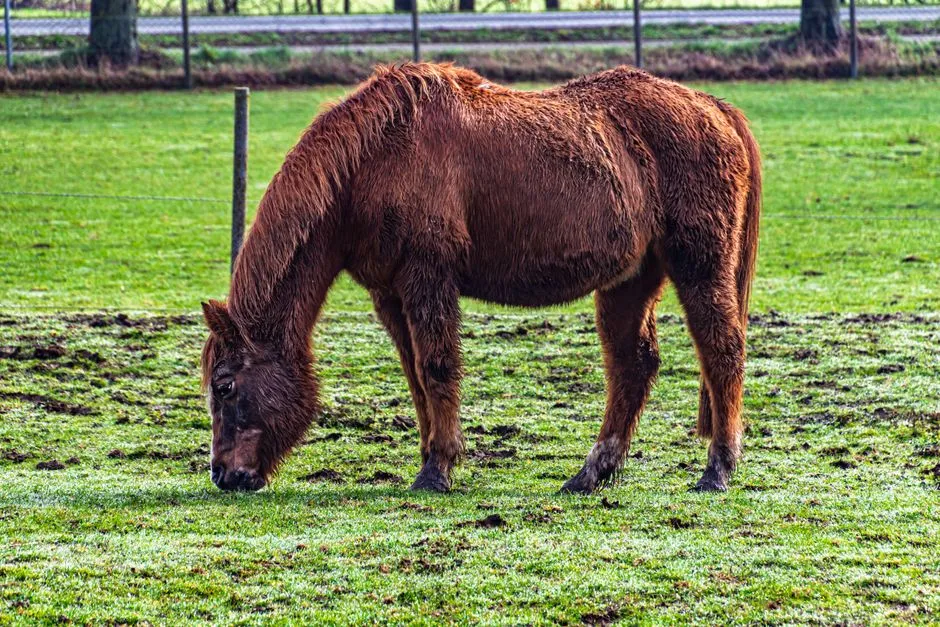
Cold amplifies arthritis. A creaky joint in September can feel like a rusty hinge by January. Most people wait until their horse is visibly hobbling before adjusting anything, but a pre-winter tune-up is far smarter.
Pain management isn’t a luxury in old age – it’s the ticket to safe movement, healthy weight, and mental well-being. A horse that hurts stands still, stands tense, and quietly stops engaging with the world around it.
- A vet review of joint meds or supplements before the real cold hits.
- A conversation about whether daily NSAIDs, like low-dose firocoxib, make sense through winter.
- Warming, low-impact routines like hand-walking after turnout rather than tossing a stiff horse straight into deep, cold snow.
Yes, supplements, injections, and medication cost money. But so do major injuries, emergency farm calls, and the emotional toll of watching a horse you love shuffle miserably through winter. Comfort isn’t spoiling – for seniors, it’s the baseline of humane care.
#7 – Protect the Gut Through Ulcers, Hindgut, and Winter Stress
🔥 Would you like to save this?
We'll email this post to you, so you can come back to it later!
Many people still think ulcers are a “show barn” or “racehorse” problem. That belief quietly wrecks a lot of older horses every winter. Cold weather brings shifted turnout schedules, changing forage, rearranged social groups at the hay pile, and sometimes more grain paired with less movement.
Senior horses are often already on NSAIDs, dealing with dental issues, and eating more concentrates – stacking risk factors for both stomach and hindgut ulcers at exactly the wrong time of year.
- Keep forage as close to continuous as possible – no long fasting periods.
- Ask your vet if a preventive ulcer strategy makes sense during major changes, like a move or new barn.
- Consider slow feeders to cut down the “binge and crash” eating pattern that spikes stomach acid.
Watch for subtle signs: mild girthiness, mood changes, a dull coat, or a horse that “just seems off” on grain. A comfortable gut means better appetite, less colic risk, and more efficient use of every pound of feed you’re paying for. Ignoring gut health in winter is like filling a leaking bucket and calling it feeding more.
#6 – Separate the Senior at Feeding Time, Even If It Upsets the Herd
🔥 Would you like to save this?
We'll email this post to you, so you can come back to it later!
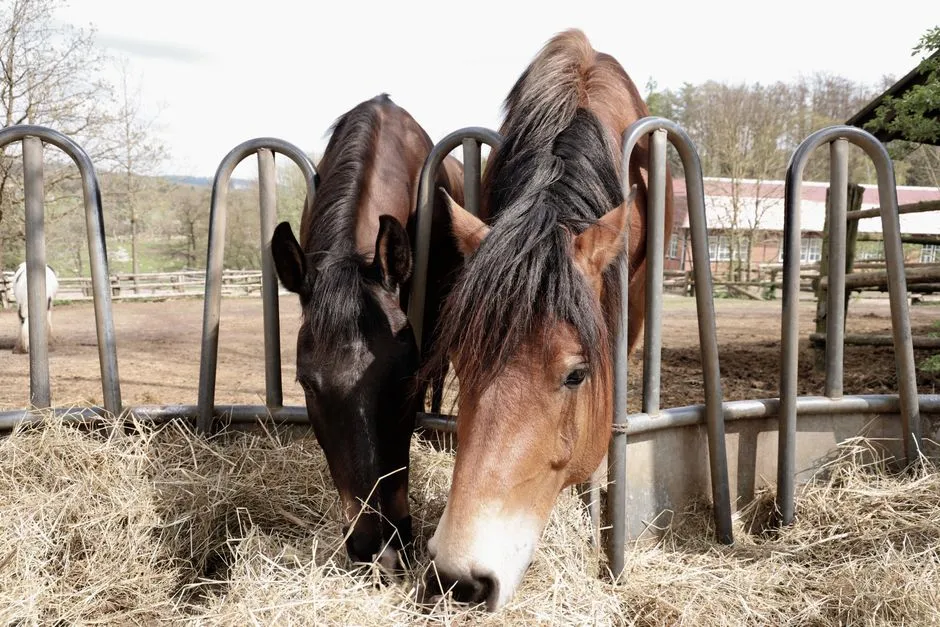
Barn politics ruin more senior horses than most people are willing to admit. We’ve all watched it happen: the old gelding still acting like he’s boss, while the middle-aged bully quietly pushes him off every hay pile and grain pan.
From a distance, that looks like normal herd dynamics. Up close, it’s chronic, low-grade starvation by social pressure – and in winter, when every calorie counts, it becomes a genuine welfare issue.
- Feed them separately – stall, pen, or tied – until they’ve actually finished.
- Use multiple hay stations spread far apart if full separation isn’t possible.
- Watch, don’t assume. Actually see who eats how much, and for how long.
Some owners hate splitting the herd or “breaking up the dynamic.” But protecting a senior’s access to food may genuinely add years to their life. Let the younger horses argue over pecking order all they want – the old-timer has already earned a quiet, guaranteed meal.
#5 – Adjust Farrier Care for Winter, Not Just Summer
🔥 Would you like to save this?
We'll email this post to you, so you can come back to it later!
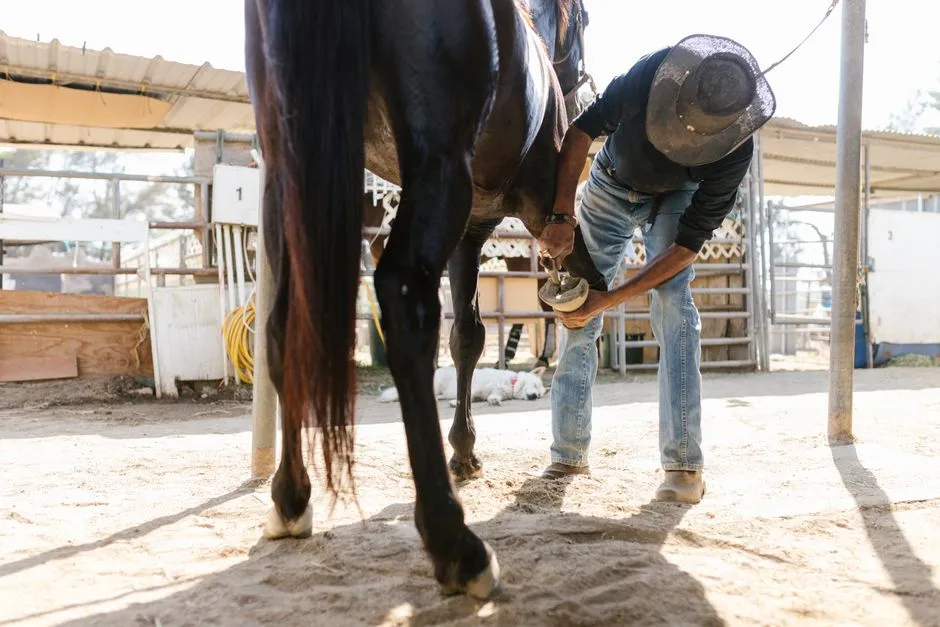
Farrier schedules get sloppy every winter. For young horses, that’s a minor inconvenience. For seniors, it’s a big deal. Overgrown toes and long intervals between trims amplify every arthritis issue and raise slip risk on frozen, uneven ground.
A tidy four-week trim schedule in summer quietly stretches to eight weeks in winter “because it’s cold,” and the old horse pays for it with joints working overtime to compensate for bad angles on unforgiving footing.
- Commit to consistent trim cycles year-round; don’t push appointments until the weather improves.
- Discuss traction options in icy climates – borium, pads, or even pulling shoes for better grip, under farrier guidance.
- Address thrush and sole health proactively; muddy-to-frozen transitions are brutal on compromised feet.
People argue endlessly over bare feet versus shoes, and honestly, the right answer is individual. What’s never in dispute is this: stretching out farrier visits is almost always the worst choice you can make for a senior. Balanced feet are pain management, fall prevention, and joint protection, all rolled into one.
#4 – Set Up True Shelter, Not Just “Something With a Roof”
🔥 Would you like to save this?
We'll email this post to you, so you can come back to it later!
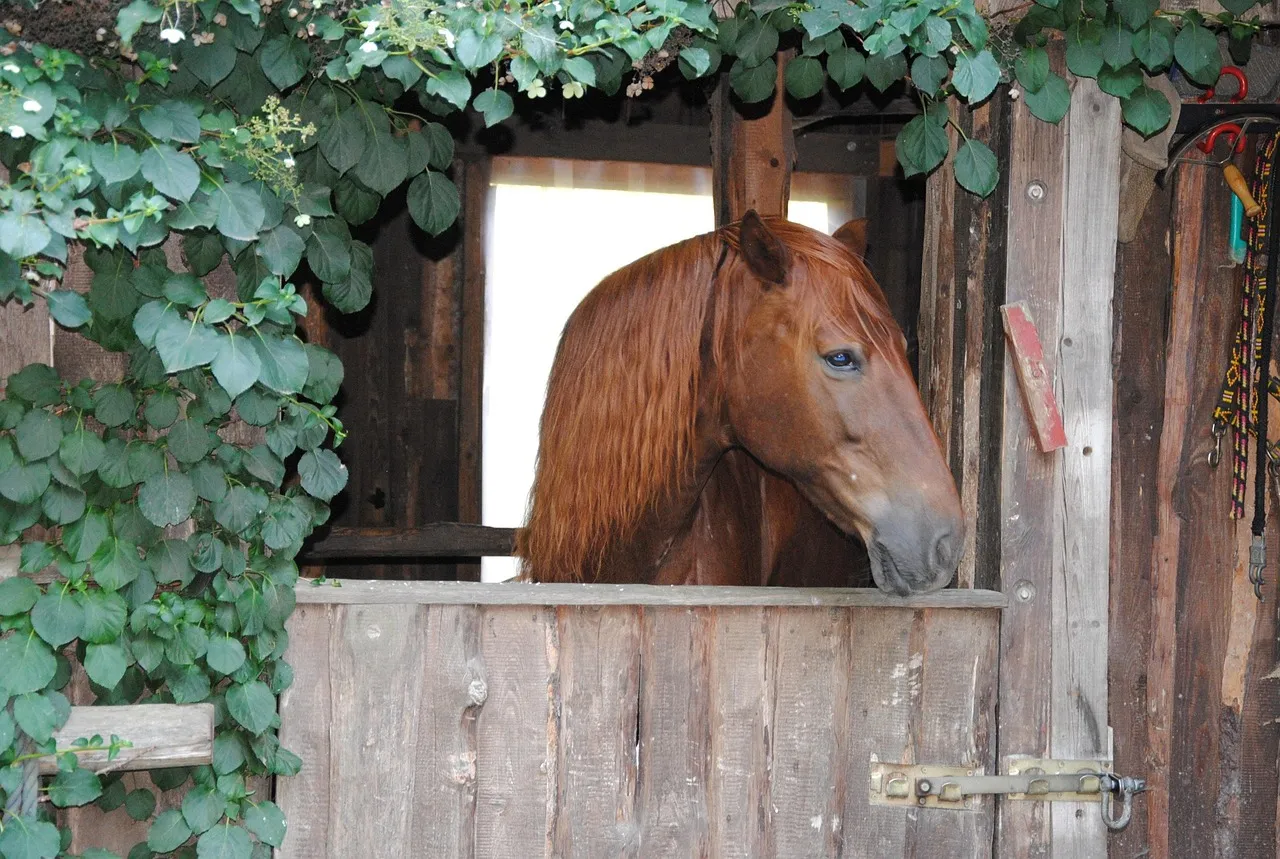
“Three-sided shed” sounds fine on paper, but the details matter enormously. Older horses struggle more to hold body temperature in wind, freezing rain, and wet snow, and a token shelter facing the wrong direction or turned into a muddy swamp is basically useless.
A senior blocked from shelter by higher-ranking herdmates might as well have no shelter at all – the roof exists, but he never gets to use it.
Worth Knowing
- A shelter opening facing straight into prevailing wind can be nearly as useless as no shelter at all.
- A boggy, wet floor pulls heat from a standing horse just as fast as open wind does.
- If a dominant herdmate guards the entrance, the shelter is effectively reserved for everyone but the senior.
- Make sure the opening doesn’t face directly into prevailing winds.
- Bed the inside, or at least keep a dry, non-boggy surface.
- If a dominant horse guards the doorway, consider separating the senior or adding a second shelter.
You’ll see people brag online that their “tough old horses never use shelters.” Look closely and you’ll often find those same horses come out of winter thin and drained. A dry, wind-protected senior burns far fewer calories just trying not to freeze. Let them choose – but make sure the choice is actually real, not decorative.
#3 – Run Bloodwork and Body Condition Checks Before Winter Hits Hard
🔥 Would you like to save this?
We'll email this post to you, so you can come back to it later!
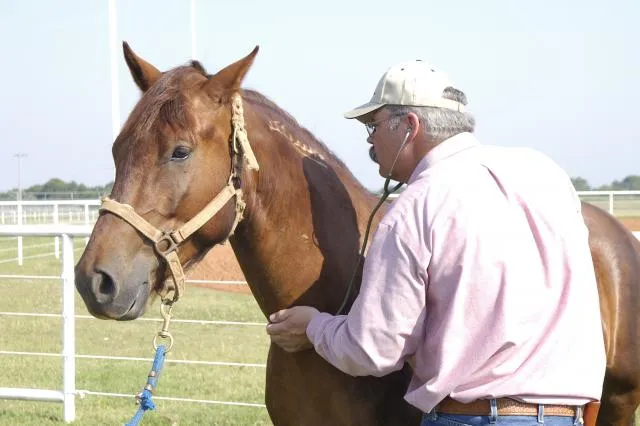
Too many owners wait until spring to ask, “Why did he lose so much weight?” A smarter move is treating the fall vet visit as your winter-prep briefing, not just a shot appointment.
For older horses, that means a basic blood panel checking kidney, liver, and metabolic function, plus a hands-on body condition assessment before winter stress ever hits. Subtle PPID, insulin dysregulation, or underlying illness can all quietly erode weight and resilience once the cold sets in.
- Is this weight and muscle appropriate for his age and workload?
- Should we test for PPID or adjust existing medication?
- Does he need more protein, not just more calories?
“He’s just old” is often a lazy diagnosis. Age matters, sure, but planned adjustments built on real data – bloodwork, weight tape readings, topline checks – can keep a senior thriving instead of merely surviving. Don’t let March regrets be what finally pushes you into emergency mode.
#2 – Protect the Senior’s Mind, Not Just Their Body
🔥 Would you like to save this?
We'll email this post to you, so you can come back to it later!
Most winter care checklists cover hay, blankets, and feet. Almost none mention the senior horse’s brain. Long, dark winter days can be boring, isolating, and genuinely draining for an older horse whose routine has suddenly shrunk to almost nothing.
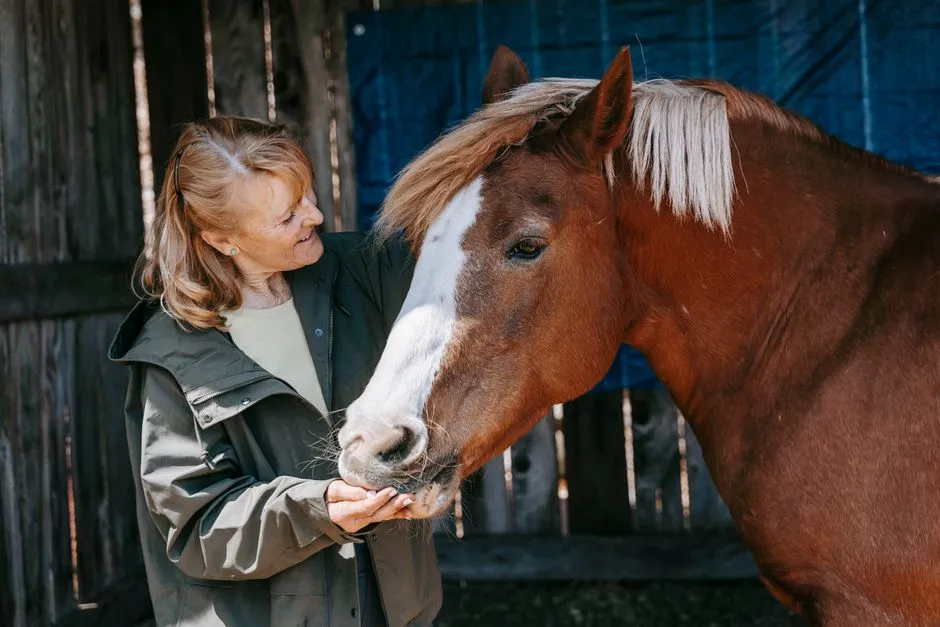
A horse that’s mentally checked out often moves less, eats less enthusiastically, and declines faster than one who still feels engaged. You don’t need fancy enrichment toys to fix this – you need consistency and connection.
- Keep a predictable routine: feeding, turnout, and handling at roughly the same times.
- Spend non-task time with them – grooming, hand-grazing on mild days, or just standing quietly together.
- Offer low-pressure “jobs” to horses who thrived on having a role, like leading beginners or walking over poles.
Some people roll their eyes at the idea of enrichment for horses. Then they watch the difference between an old horse who still feels connected to his person and one who’s been quietly, emotionally retired. A curious, mentally active senior tends to move more, eat better, and handle winter stress with far more grace.
#1 – Plan for the Worst Winter, Not the Mild One You’re Hoping For
🔥 Would you like to save this?
We'll email this post to you, so you can come back to it later!
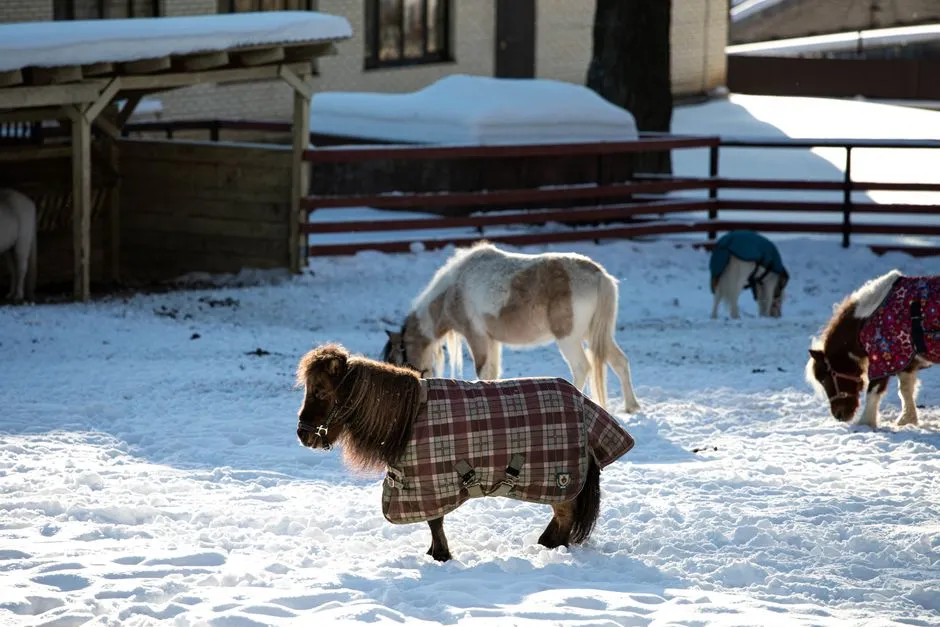
The most important adjustment on this whole list isn’t a product, a supplement, or a blanket. It’s your mindset. Most owners plan senior winter care around the best-case scenario – a normal season, no major storms, no sudden weight crash.
But old horses are fragile precisely because they have so little margin for error. One brutal cold snap, a week of frozen pipes, or an unexpected illness can undo months of “good enough” management in a matter of days.
- Have a backup hay source lined up if your primary supply runs low or drops in quality.
- Stock extra senior feed, electrolytes, and any daily meds or joint support in advance.
- Know your emergency vet protocol when roads are bad – who you call, where you can trailer to, and what signs mean “don’t wait.”
Here’s the hard truth nobody likes hearing: caring for a senior through winter is a commitment, not a casual hobby. It means spending a little more time, money, and mental energy stacking the odds in their favor – so that when spring finally arrives, you’re looking at a bright-eyed old friend instead of wondering where things quietly went wrong back in January.
The Bottom Line
🔥 Would you like to save this?
We'll email this post to you, so you can come back to it later!
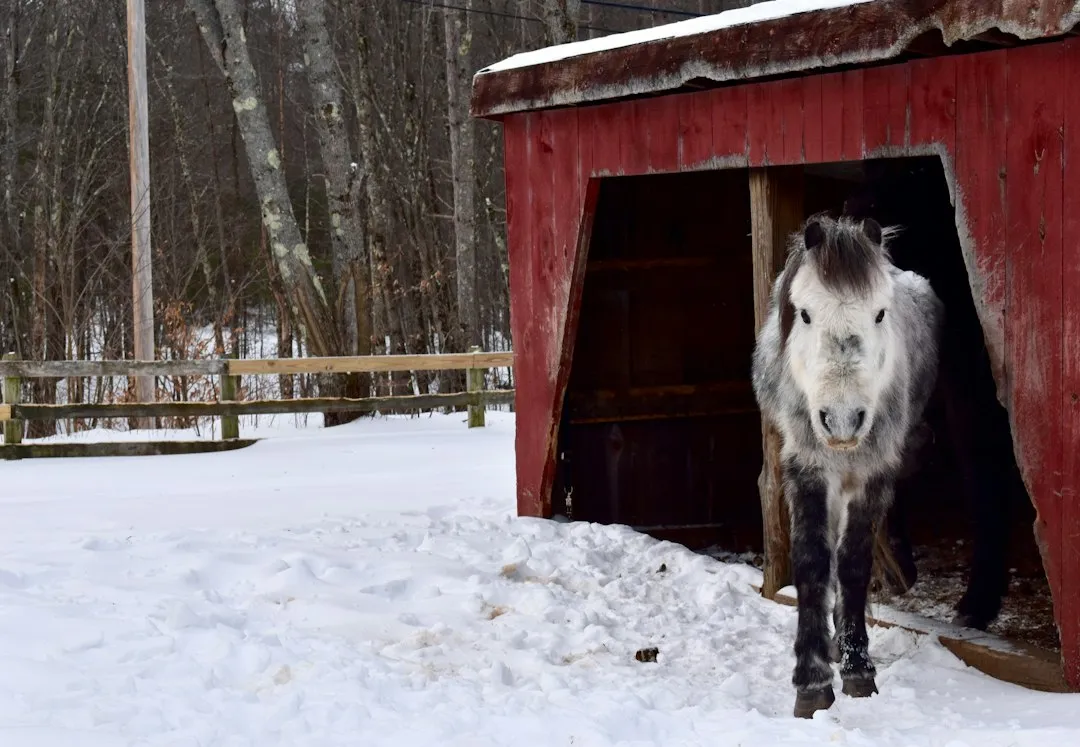
When a horse is 20, 25, or 30-plus, winter stops being just another season. It becomes a test of everything you overlooked. The uncomfortable truth is that most of what people blame on age – the weight loss, the stiffness, the dullness – is actually the result of small, fixable gaps.
Hay that’s a little too coarse. Feet left a little too long. Water that’s a little too cold. A shelter that’s a little too crowded. Those “little” things snowball hard between November and March, and by the time you notice, you’re already playing catch-up.
At a Glance: The 15-Point Recap
- #15 Upgrade hay quality early
- #14 Switch to senior feed before you “need” it
- #13 Keep water appealing and unfrozen
- #12 Treat dental care as urgent
- #11 Blanket based on need, not pride
- #10 Fix icy, slick footing
- #9 Keep gentle movement going daily
- #8 Tune up arthritis care before deep cold
- #7 Protect the gut through winter stress
- #6 Separate the senior at feeding time
- #5 Stay consistent with farrier visits
- #4 Build real, usable shelter
- #3 Get bloodwork and body condition checks early
- #2 Keep the senior mentally engaged
- #1 Plan for the worst winter, not the mild one
Old horses don’t need miracles. They need thoughtful adjustments, made early and made consistently. Upgrade the hay before they’re ribby. Separate them to eat before they’re bullied. Manage the pain before they shuffle. Plan for the worst winter, not the easy one.
If that sounds like a lot, good – because the horses who make it to spring looking bright and sound usually belong to the owners who refused to settle for “good enough.” Did we miss the one adjustment that transformed your own senior’s winter? Drop it below – it might be exactly what saves someone else’s old horse this year.

- 14 Wildlife Permits Waived for Americans the Year They Turn 62 - November 5, 2026
- Machu Picchu’s Engineering Feats Were Far Ahead of Its Time - November 5, 2026
- 12 Most Beautiful American Cities To See Before You Die - November 4, 2026