
Most dog owners believe they’ll just “know” when the end is near. Ask a vet, and you’ll get a very different answer.
Behind closed exam room doors, veterinarians see senior dogs every single week who look “basically fine” to the people who love them most – dogs who are, in reality, running out of time far faster than anyone at home realizes. The warning signs aren’t always dramatic. Some look almost sweet. Some even look like harmless little quirks of old age.
But to a vet trained to read a body, a routine, and a change in personality, they’re red flags. Quiet ones. The kind that whisper “the clock is running out” long before a dog ever looks sick to the untrained eye.
Here are the 18 signs experienced veterinarians say actually – starting with one almost every owner mistakes for love.
#1 – Sudden “Clinginess” or Hiding From the Family
🔥 Would you like to save this?
We'll email this post to you, so you can come back to it later!
When a usually independent dog suddenly turns into your shadow, it’s not always a sweet “they love me more now” moment. Many vets say a sharp change in how close a dog wants to be – either glued to your side or suddenly nowhere to be found – is often an early end-of-life flag. Dogs that feel unwell or unsafe instinctively seek out comfort or isolation, the same way wild animals hide when they’re vulnerable.
Families often chalk it up to separation anxiety or “just getting old and needy.” But when clinginess appears out of nowhere in a senior dog, vets frequently find something hiding underneath it: organ failure, cancer, worsening arthritis, or cognitive decline. The dog isn’t being dramatic. They’re telling you, as plainly as a dog can, that something feels wrong.
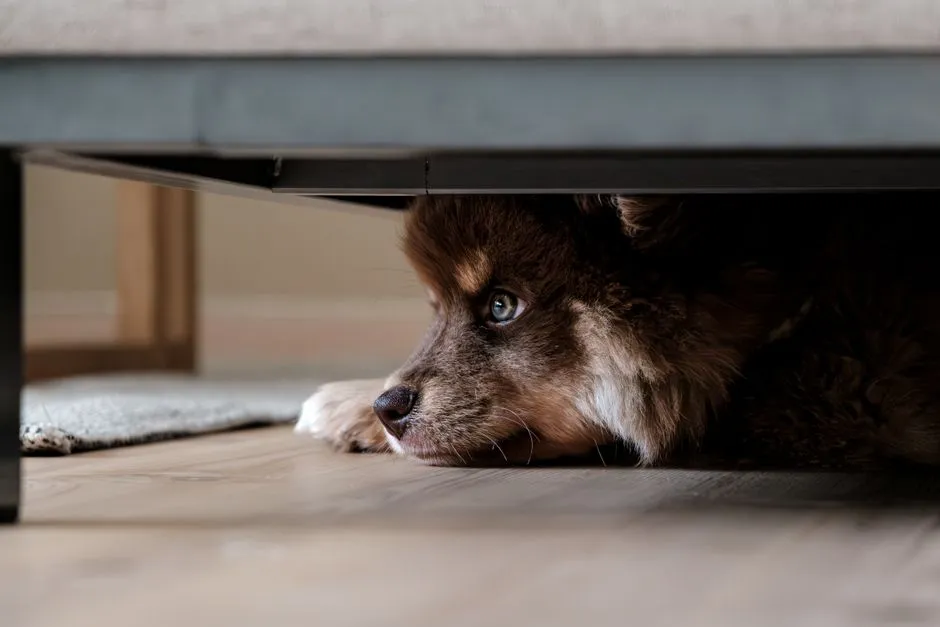
On the flip side, a social dog who starts sleeping alone in the bathroom, the closet, or under the bed may be searching for a quiet, dark place because they’re in discomfort. In senior dogs, sudden behavior changes like this are rarely “just a phase.” They’re often the first and most honest warning your dog can give you – and it only gets more unsettling from here.
Quick Compare
- Clingy behavior: often signals anxiety, pain, or an instinct to stay close to a trusted person.
- Withdrawn behavior: often signals deeper discomfort or a survival instinct to hide vulnerability.
- Either direction: a sudden shift in social behavior in a senior dog is rarely random.
#2 – “Good Days and Bad Days” Getting More Extreme
🔥 Would you like to save this?
We'll email this post to you, so you can come back to it later!
Most owners are relieved by the good days. Vets pay closer attention to the pattern of bouncing between good and bad, especially in older dogs. One day your dog seems almost like their old self, the next they can barely move, then they perk back up again. It feels like hope.
To a vet, that rollercoaster often looks like a body that’s losing its ability to cope. Underlying disease – kidney failure, heart disease, advanced arthritis – is flaring and crashing. Pain medication might mask it for a bit. Rest might “reset” things temporarily. But the swings get bigger, closer together, and harder to predict over time.
Many vets quietly track a “good days versus bad days” calendar with owners. Once the bad days start outnumbering the good, or the bad days become truly miserable, it’s a strong sign the dog is closer to the end than their occasional “okay” day would ever suggest.
#3 – Subtle Weight Loss Even When They’re Still Eating
🔥 Would you like to save this?
We'll email this post to you, so you can come back to it later!
A lot of owners assume weight loss only matters if a dog stops eating. Vets strongly disagree. Slow, steady weight loss in a senior dog who is still eating can be one of the most important red flags of serious disease, because it often means the body has stopped using food properly at all.
This can point to cancer, kidney disease, heart failure, or severe muscle wasting from chronic pain. The dog might still beg for snacks, lick the bowl clean, and act completely normal at mealtime – which is exactly what tricks families into thinking everything is fine. Vets see the ribs, the thinning hips, the muscle loss over the skull and spine, and they know a different story.
Owners see their dog every day and often don’t notice the change until it’s dramatic. Vets can feel it in a single exam. That’s why many recommend monthly hands-on body checks in old age – run your palms over the spine, ribs, thighs, and skull. If your dog is eating yet slowly shrinking, that’s not “healthy skinny.” It’s often late-stage disease talking quietly.
#4 – Drinking and Peeing Way More (or Way Less) Than Before
🔥 Would you like to save this?
We'll email this post to you, so you can come back to it later!
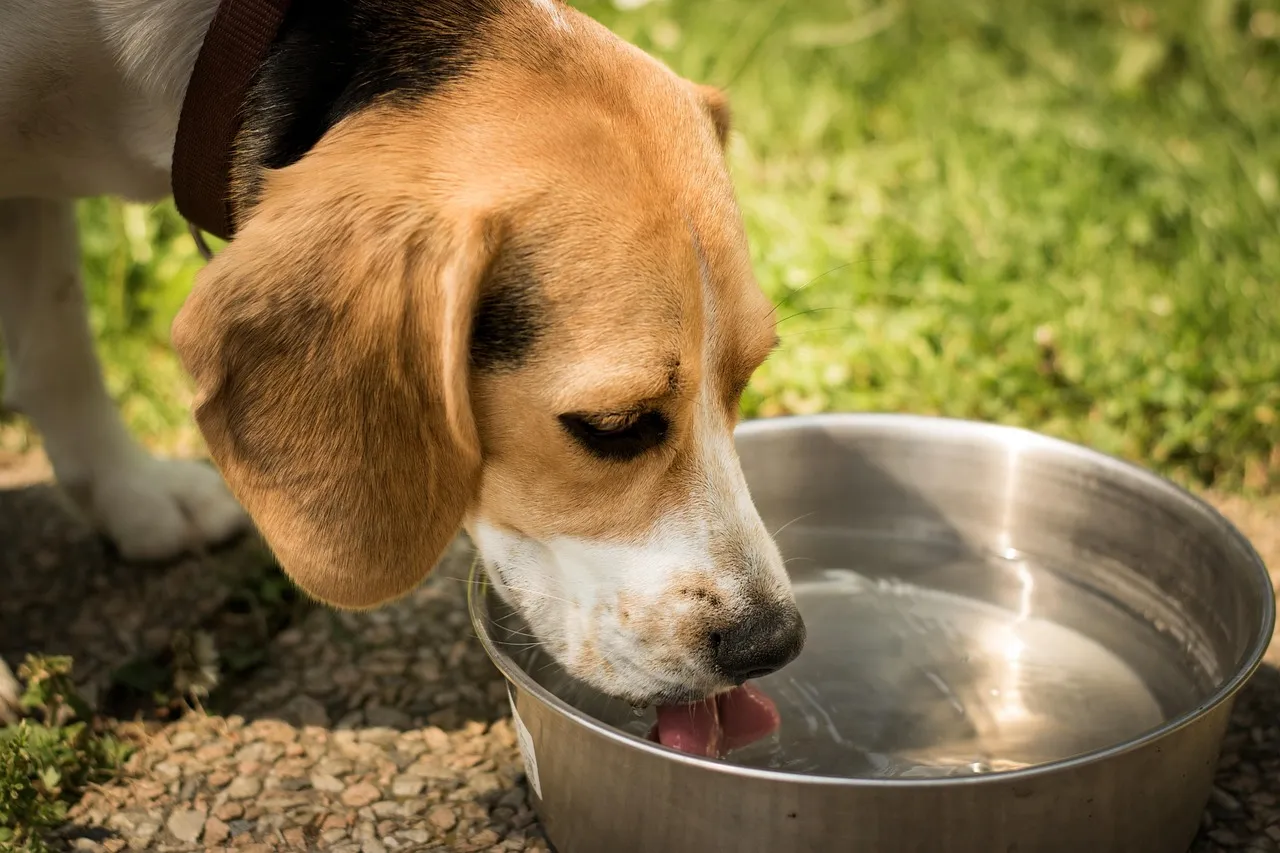
Most people shrug off extra water drinking as “they must be hot” or “good, they’re finally hydrated.” Vets are almost never that casual about it in a senior dog. Significant changes in thirst or urination are one of the most reliable signs that a major organ system may be failing.
- Huge water bowls emptied daily.
- Sudden accidents in a previously house-trained dog.
- Needing to go out multiple times overnight.
Even more concerning is the opposite: a sick dog drinking and peeing noticeably less. That can signal dehydration, acute kidney failure, or shock. Owners sometimes think, “At least there are no more accidents.” Vets hear that and worry the dog has simply grown too sick to try.
By the time thirst and urination change enough for a family to notice, the underlying disease may already be advanced. It doesn’t mean you failed your dog. It means you’re finally seeing what’s been quietly brewing for months.
#5 – The “Thousand-Yard Stare” and Dull Facial Expression
🔥 Would you like to save this?
We'll email this post to you, so you can come back to it later!
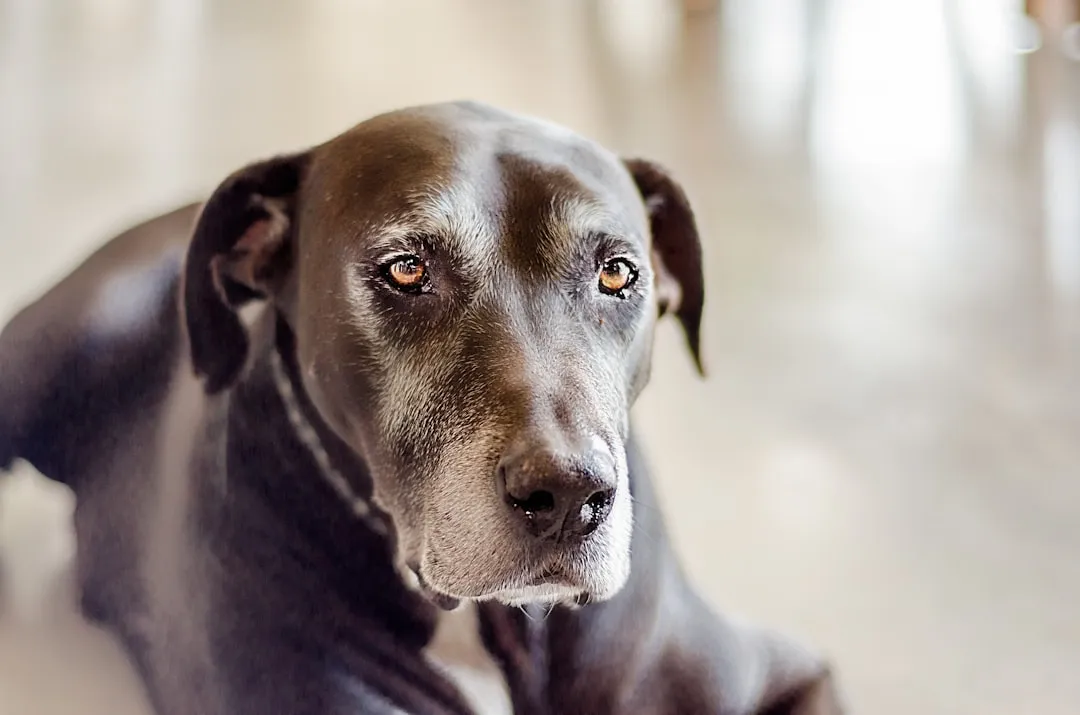
Owners love to say, “I’ll know it’s time by the look in their eyes.” Vets quietly admit that by the time you see that empty, distant look, the dog has usually been struggling for a while already. That thousand-yard stare is heartbreaking, and it’s rarely just tiredness.
- Staring at nothing for long stretches.
- Seeming disconnected from what’s happening around them.
- A dull, sunken, almost sad expression most of the day.
This isn’t just sentimentality. It can reflect pain, severe fatigue, internal illness, or cognitive decline. Some dogs with advanced cancer or organ failure develop this faraway, resigned gaze. Others with late-stage dementia seem physically present but mentally somewhere else entirely.
Families often cling to the rare moments the eyes “sparkle” again and quietly ignore the many hours in between. Vets see the full picture during an exam, and an empty, checked-out look is one of the most sobering signs a dog is closer to the end than the family wants to admit.
#6 – Breathing Changes You Can Hear or See
🔥 Would you like to save this?
We'll email this post to you, so you can come back to it later!
If you can hear your dog breathing from across the room, or watch their chest and belly working overtime, vets don’t call that “just snoring” or “just old age.” Visible or audible breathing effort in a senior dog is a major late-stage warning sign.
- Fast breathing even at rest.
- Deep, labored breaths with heavy belly movement.
- Persistent coughing, hacking, or throat-clearing.
- Panting indoors in cool weather with zero activity.
Many owners assume panting is just anxiety or heat. Sometimes it is. But chronic panting at rest can mean pain, heart trouble, lung disease, or fluid buildup. By the time breathing visibly changes, the body is often working overtime just to get enough oxygen.
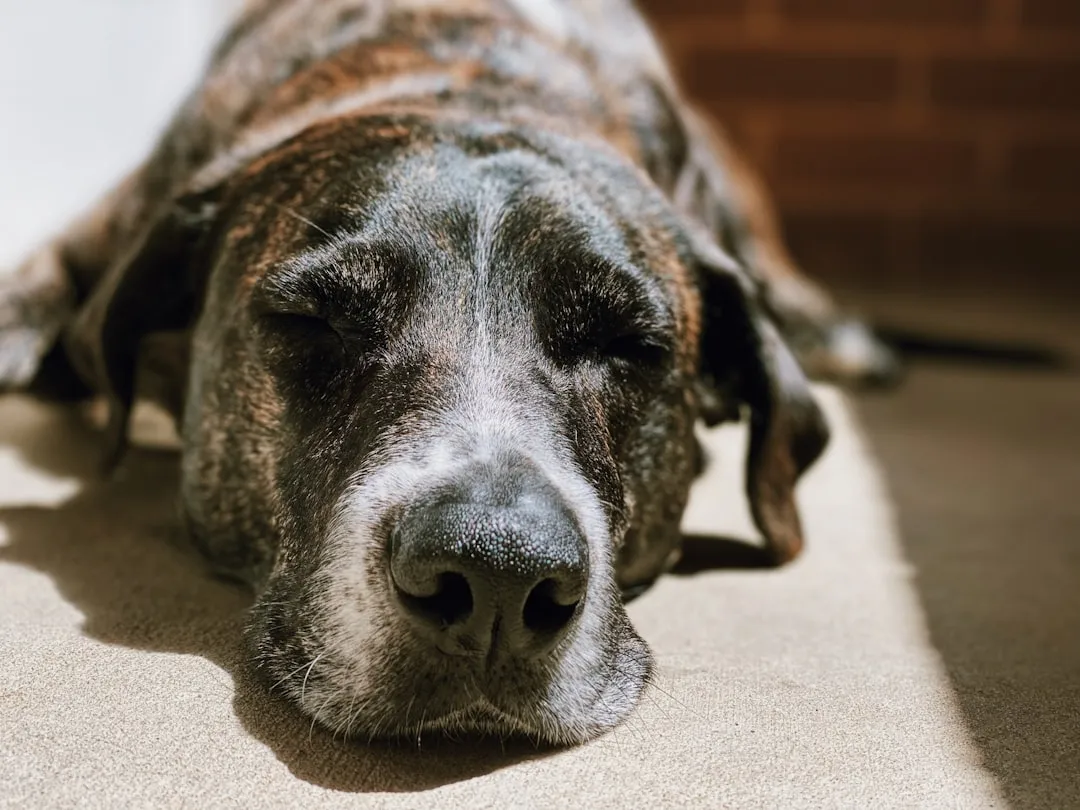
Vets also watch posture – dogs struggling to breathe may sleep with their neck stretched out, elbows splayed, or refuse to fully lie on their side. They’re not being picky. They’re trying to breathe. When breathing turns from an afterthought into a daily struggle, the road ahead is usually shorter than it looks.
#7 – Struggling With Simple Movements (Even If They “Still Walk”)
🔥 Would you like to save this?
We'll email this post to you, so you can come back to it later!
Many owners tell vets, “She’s old and stiff, but she still gets around!” as if that settles the matter. It doesn’t. Being able to walk is not the same as being comfortable, and how a senior dog moves can quietly scream that they’re near the end, even if they still chase a ball once in a while.
- Taking several tries to stand up.
- Back legs slipping, crossing, or collapsing.
- Hesitating or refusing stairs and the couch.
- Sitting or lying down with obvious effort or a grunt.
Here’s the painful paradox: old dogs will push through a shocking amount of pain just to follow their people or keep up their routine. Families see that effort and call it “still happy.” Vets see it and think, how many more days do we ask this body to keep doing this?
Modern pain medication and joint support can absolutely help. But when a dog is already maxed out on treatment and still struggling with basic movement, many vets consider that a sign the dog is closer to the end than their occasional burst of zoomies suggests.
#8 – Losing Interest in Once-Favorite Things
🔥 Would you like to save this?
We'll email this post to you, so you can come back to it later!
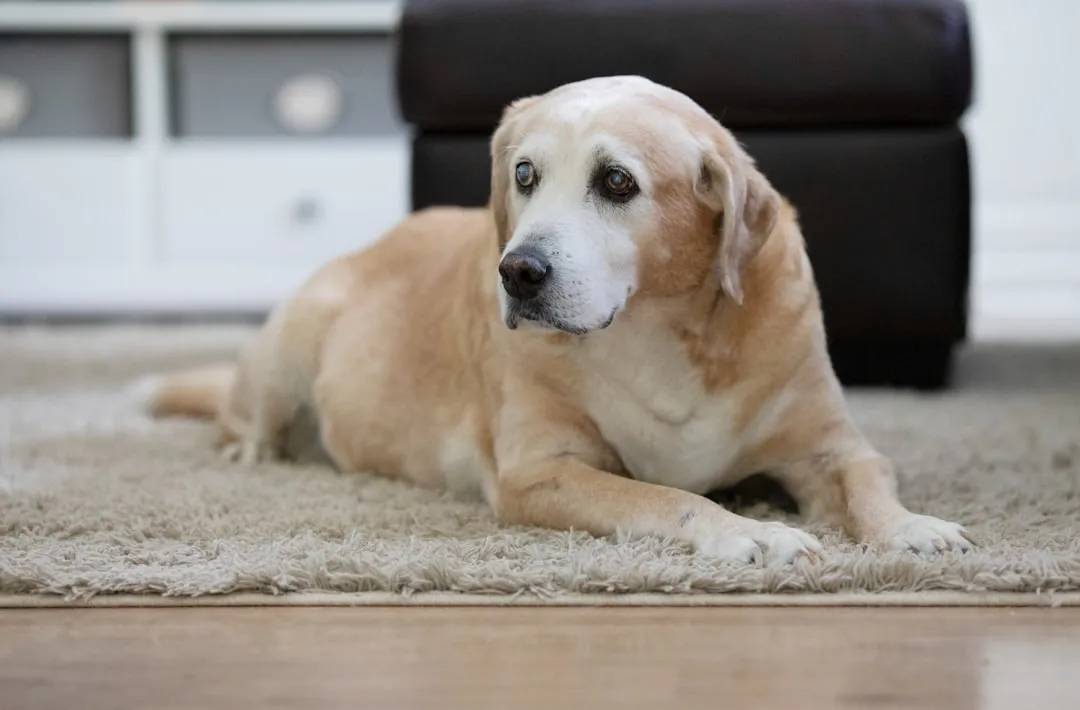
When a dog stops caring about food, everyone panics. When they stop caring about joy, most people shrug it off as “just being old.” Vets are often more alarmed by the loss of joy than the loss of appetite.
- Ignoring favorite toys or games.
- Choosing not to greet family at the door.
- Skipping car rides or walks they used to beg for.
- Sleeping alone instead of hanging out with the family.
This isn’t a dog maturing out of puppy habits. It’s a senior dog gradually stepping away from everything that used to light them up. Chronic pain, organ failure, cancer, and dementia can all quietly drain energy and interest long before a dog looks visibly sick.
Vets sometimes call this the loss of a dog’s “will to do dog things,” and treat it as an early quality-of-life break point. A dog who is physically present but mentally checked out, day after day, is often much closer to the end than a single good meal might imply.
#9 – Repeated “Mystery” Vomiting or Diarrhea That Gets Brushed Off
🔥 Would you like to save this?
We'll email this post to you, so you can come back to it later!
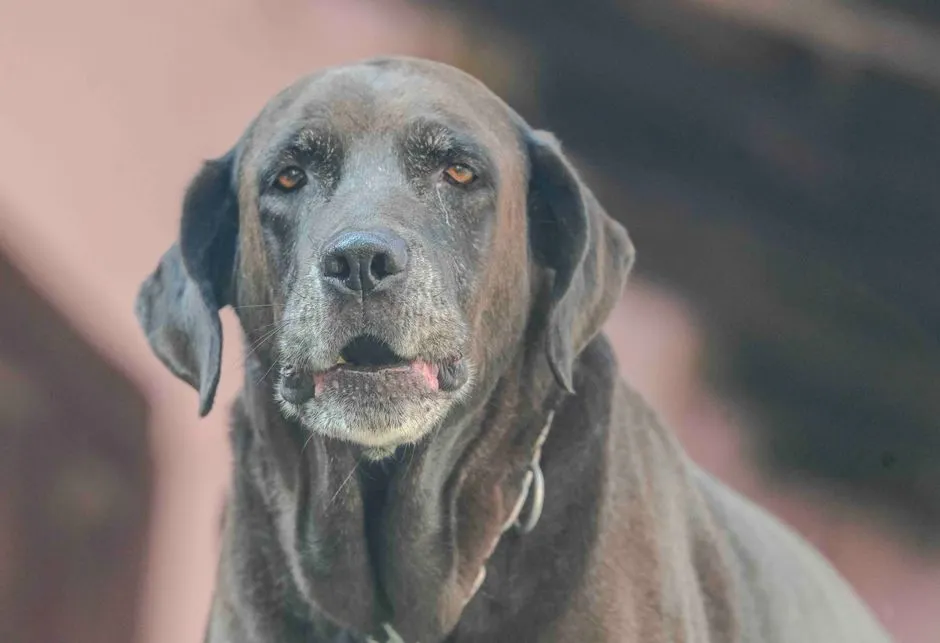
A little upset stomach now and then seems harmless. “He just ate something weird,” owners say. Vets, however, take recurring vomiting or diarrhea in senior dogs extremely seriously, even when the dog bounces back every time.
- Kidney or liver disease.
- Pancreatitis.
- Cancer in the GI tract or elsewhere.
- Severe inflammation or infection.
The dangerous trap is that dogs often seem fine between episodes. They eat, play, nap, and act normal, so owners assume it was just a bug. But every bout chips away at the dog’s reserves – dehydrating them, stressing their organs, and quietly masking a slow-burning problem.
By the time the pattern is obvious, the disease behind it is often advanced. Vets see it laid out plainly in a medical chart: three, four, five episodes in a year. To them, that’s not bad luck. That’s a body struggling to keep up, and in old dogs, it often means time is shorter than it looks.
Quick Compare
- One-off upset stomach: resolves within a day, and the dog acts completely normal before and after.
- Pattern that worries vets: repeats every few weeks and seems to inch slightly worse each time.
- Red flag combo: vomiting or diarrhea paired with weight loss, lethargy, or increased thirst.
#10 – Nighttime Restlessness and “Sundowning”
🔥 Would you like to save this?
We'll email this post to you, so you can come back to it later!
Many owners write off night pacing as old-dog insomnia. Vets recognize it as one of the most heartbreaking signs of cognitive decline, or unrelieved pain. A senior dog who cannot settle at night is usually far more distressed than the family realizes.
- Pacing the house for hours.
- Standing in corners or staring at walls.
- Waking the family repeatedly, seeming confused.
- Panting or whining through the night for no clear reason.
In human medicine, “sundowning” is well known in dementia patients – confusion and agitation worsening after dark. Dogs can experience something remarkably similar. Their internal clock scrambles. Familiar rooms suddenly feel strange. Darkness magnifies both anxiety and pain.
Medication and environmental changes can sometimes help. But when night after night becomes a battle just to rest, vets start asking blunt questions about quality of life. A dog who can’t sleep, can’t relax, and can’t feel safe in their own home is living a far tougher reality than most families want to admit.
#11 – Bad Breath That Suddenly Gets Way Worse
🔥 Would you like to save this?
We'll email this post to you, so you can come back to it later!
Most owners assume old dogs “just have bad breath.” Vets know that a sudden shift from ordinary doggy breath to a truly foul, rotting odor can signal serious systemic disease, not just dirty teeth.
- Severe dental infection, painful and capable of seeding bacteria into the heart and kidneys.
- Kidney failure, which can make breath smell like ammonia or metal.
- Oral tumors that often stay hidden until they’re advanced.
The dog may still eat, and that’s exactly what misleads people. Dogs are notoriously stubborn about food even when their mouths hurt – they’ll chew slower, drop kibble, or favor one side, but they keep going. Families see that and think, if she was really sick, she wouldn’t eat.
Vets examine the gums, teeth, tongue, and back of the throat, and often find a disaster zone underneath. By then, anesthesia for major dental work or surgery may be too risky for a frail, elderly dog. At that point, bad breath isn’t cosmetic. It’s a late-stage warning that the body is under constant attack.
#12 – House-Soiling in a Dog Who Was Rock-Solid Trained
🔥 Would you like to save this?
We'll email this post to you, so you can come back to it later!
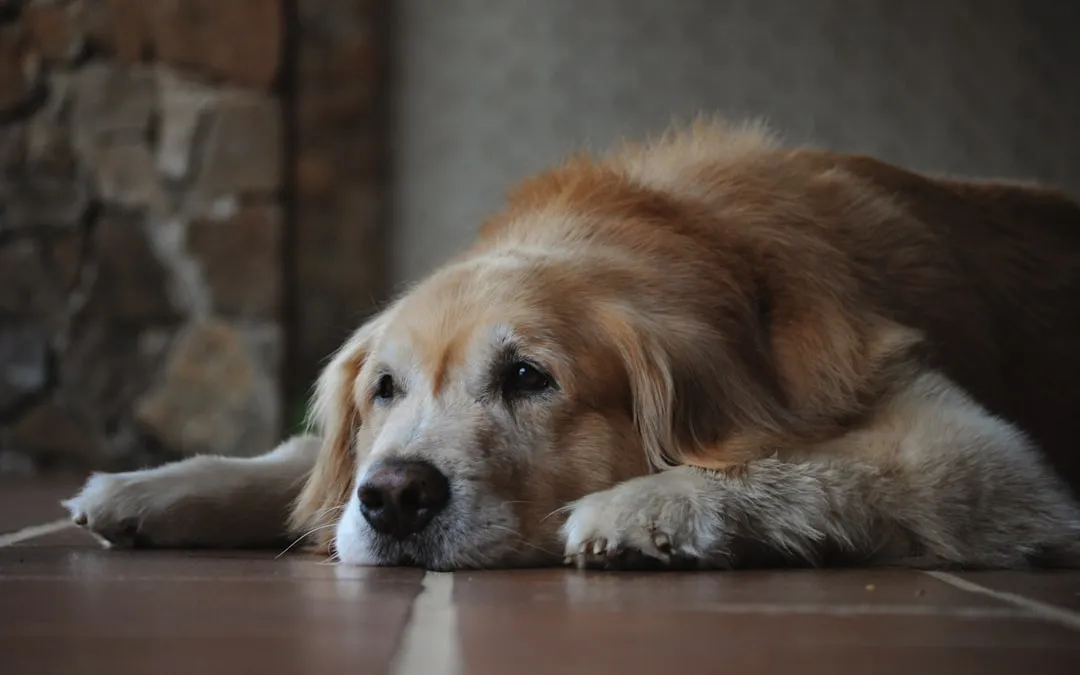
Accidents in the house are one of the most emotionally charged senior-dog issues. Some owners get frustrated, others feel guilty, and a few quietly confine the dog more. Vets see new or worsening house-soiling as a huge red flag, not a training problem.
- Incontinence from spinal or nerve issues.
- Pain that makes it hard to posture to pee or poop.
- Kidney disease or hormonal issues causing excess urine.
- Cognitive decline where the dog literally forgets the rules.
A dog who was reliable for eight, ten, twelve years and now regularly has accidents is not being naughty. Their body or brain is failing them, and yes, dogs can show embarrassment, anxiety, or confusion around it.
When incontinence becomes constant, unfixable, and paired with other signs like weakness, confusion, or weight loss, many vets quietly consider it a marker that the end is closer than the surface suggests. It’s never really about the mess. It’s about what the mess is telling you regarding the whole dog.
#13 – Coat and Skin That Suddenly Look Neglected

🔥 Would you like to save this?
We'll email this post to you, so you can come back to it later!
Most people only worry about their dog’s coat once it looks “ugly.” Vets see coat quality as a living progress report from the inside out. A once-shiny coat that turns dull, greasy, flaky, or badly matted in an old dog can be a late-stage signal that the body is losing the fight.
- Sick or painful dogs stop grooming themselves.
- Hormone and organ issues change skin oil production.
- Chronic dehydration and malnutrition surface in the fur first.
Many senior dogs also develop pressure sores, calluses, or thin skin that tears easily. That’s not cosmetic. It tells a vet that circulation, muscle mass, and healing capacity are all compromised – the body simply doesn’t bounce back the way it used to.
Owners often blame one bad grooming appointment or winter dryness. Vets look at the whole picture: weight loss, lethargy, lab changes, and now a coat that’s quietly screaming neglect from the inside. By the time mats appear on a dog who was always kept neat, the clock is often ticking faster than anyone wants to admit.
#14 – Getting “Lost” in Familiar Places
🔥 Would you like to save this?
We'll email this post to you, so you can come back to it later!
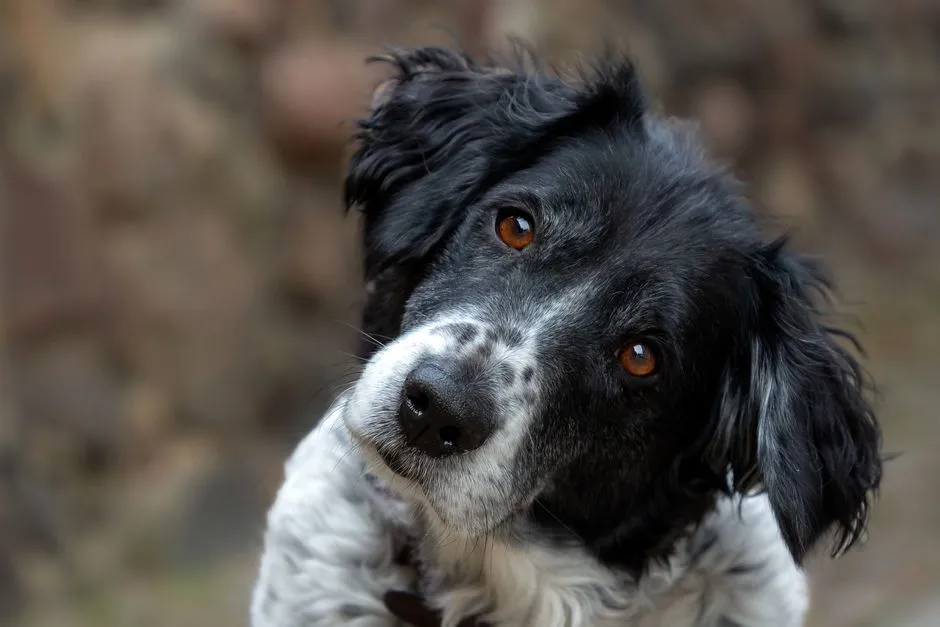
People joke that their old dog is “a little senile.” Vets are less amused, because true disorientation in a familiar home is a hallmark of significant cognitive decline, and it usually doesn’t reverse.
- Standing at the hinge side of a door, waiting for it to open.
- Getting stuck behind furniture with no idea how to back out.
- Seeming startled to see you in your own hallway.
- No longer recognizing routine cues like bedtime or mealtime.
Supplements and medications can sometimes slow canine cognitive dysfunction, but once a dog is routinely confused about basic navigation and routine, their entire experience of life has changed. They may feel anxious, unsafe, or perpetually startled in the place that’s supposed to feel safest.
Here’s the part many people don’t want to hear: vets often treat advanced cognitive decline as a terminal quality-of-life issue, even if the body still technically works. A dog who cannot make sense of its own world, who lives more in fear and confusion than calm and comfort, is often closer to a humane goodbye than the family is ready to accept.
#15 – Subtle Signs of Constant Pain That Get Normalized
🔥 Would you like to save this?
We'll email this post to you, so you can come back to it later!
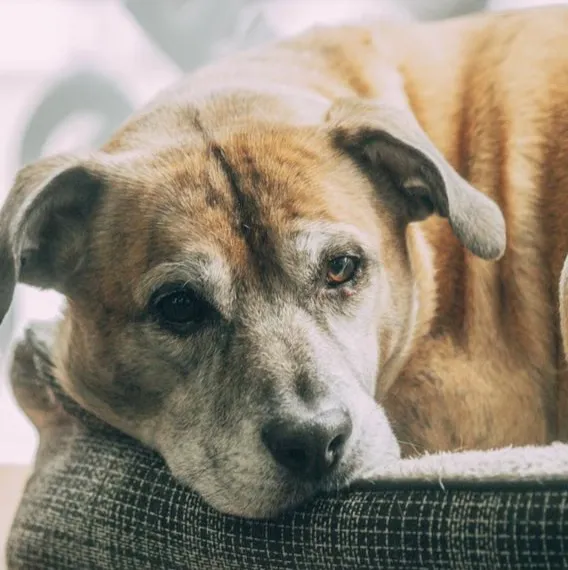
Most owners picture pain as yelping or dramatic limping. Vets know chronic pain in old dogs is usually quiet, constant, and easy to overlook – until you realize it’s there all day, every day.
- Slow, careful lying down or getting up.
- Obsessively licking joints or paws.
- Reluctance to be touched in certain spots.
- A constant, low-level pant even at rest.
Families often think, “he’s just old and stiff, that’s normal.” Vets completely disagree. Old age itself doesn’t hurt – arthritis, cancer, spinal disease, and nerve damage do. Modern veterinary medicine can relieve a lot of it, up to a point.
When a dog is already on multiple pain medications, joint support, maybe even injections, and still shows these signs, the reality is grim: their baseline state is hurting, with no real break. That grinding, constant discomfort is one of the main reasons vets gently raise the end-of-life conversation even while a dog is still eating and wagging sometimes.
#16 – Collapse Episodes or Sudden “Crashes” You Explain Away
🔥 Would you like to save this?
We'll email this post to you, so you can come back to it later!
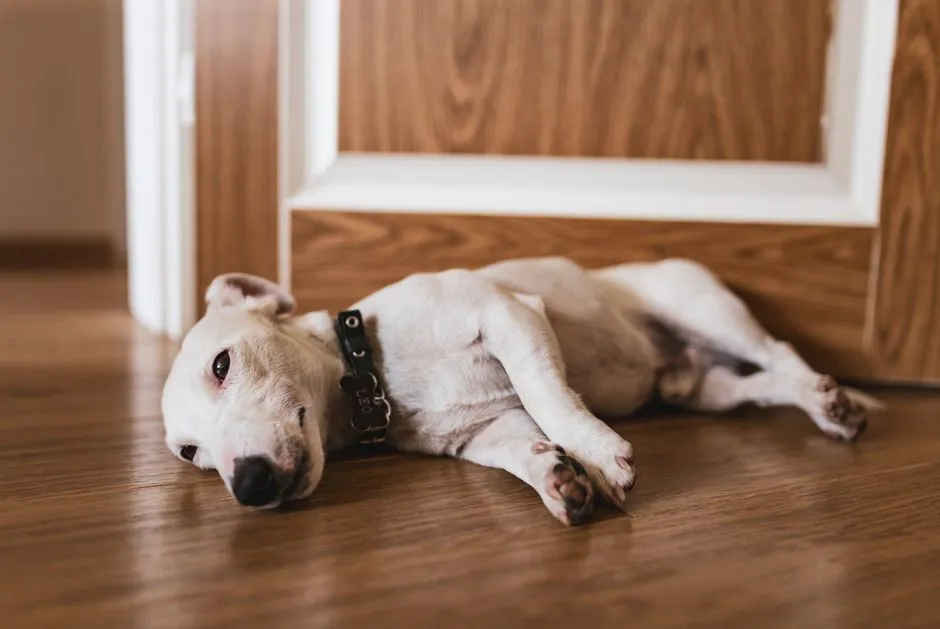
A dog suddenly collapsing, fainting, or being unable to stand, even just once, is never “just old age.” In senior dogs, collapse episodes are often the body’s bluntest way of saying we’re out of reserve.
- Heart disease causing fainting (syncope).
- Bleeding internal tumors, like hemangiosarcoma.
- Severe arrhythmias or low blood sugar.
The dog may get back up and seem fine later, and that’s exactly the trap. People tell themselves, “he’s fine now, so it can’t be that bad.” Vets see it differently – if a dog’s system failed dramatically once, it can fail again, and next time it may not come back at all.
Even a single unexplained collapse in a frail, old dog puts them in a completely different risk category. Combined with other signs on this list – weight loss, panting, weakness, confusion – it’s often a late, loud warning that the end is no longer theoretical. It’s near.
#17 – Needing Help With Basic Daily Tasks
🔥 Would you like to save this?
We'll email this post to you, so you can come back to it later!
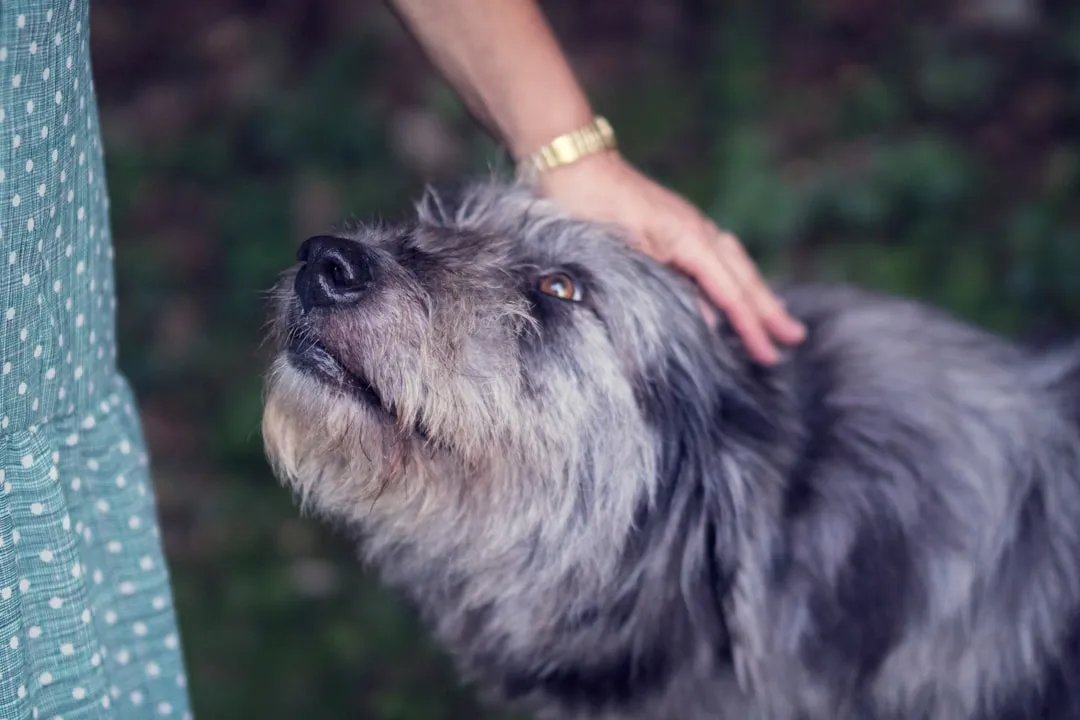
There comes a point where a dog can’t manage simple things without human help: standing to drink, walking to the yard, even shifting position in bed. When a dog requires your hands just to do the basics, vets see that as a major turning point.
- Lifting their back end so they can urinate.
- Carrying them up and down stairs every time.
- Repositioning them because they can’t roll over on their own.
- Hand-feeding because they won’t or can’t reach the bowl.
Loving owners will do anything, and many do, without a second thought. But vets ask a harder question: if this were a person, would we call this a good life, or a long goodbye?
Some people insist “as long as they’re eating, it’s fine.” Many vets strongly disagree. If a dog’s entire world has shrunk down to a bed, a water bowl, and a painful trip outside with help, that’s not old age. That’s disability with very limited comfort – and most vets consider that dog much closer to the end than an occasional tail wag would suggest.
#18 – Your Gut Keeps Whispering “Something’s Not Right” (And You Keep Arguing With It)
🔥 Would you like to save this?
We'll email this post to you, so you can come back to it later!
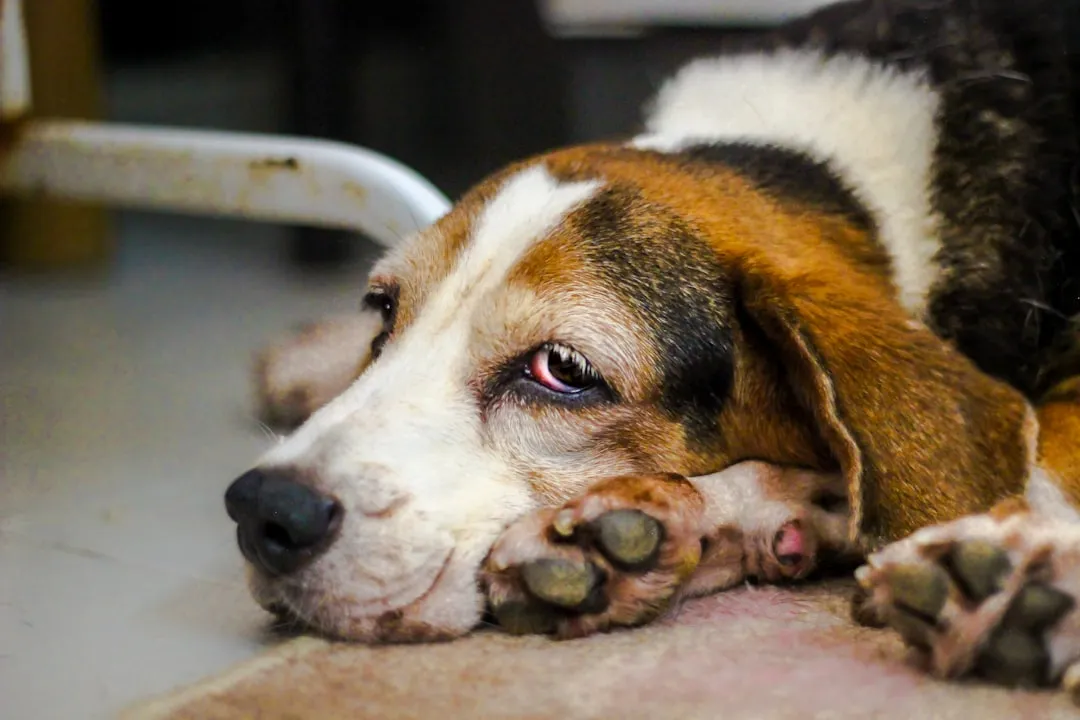
This is the sign nobody wants to talk about, but nearly every vet recognizes it instantly: when a devoted owner keeps asking, “how will I know when it’s time?”, they’re usually already seeing the signs. They just don’t want to be the one to say it out loud.
- Googling late at night about quality-of-life scales.
- Asking friends if your dog “seems okay” to them.
- Making lists of good days and bad days, then ignoring the trend.
- Crying in the car before vet visits, afraid of the answer.
Vets see the pattern clearly. The dog is losing weight, struggling to move, breathing harder, confused at night, and checked out for most of the day. The owner clings to the one good moment – the tail wag, the treat, the small spark – and calls that proof it’s not time yet.
Most loving owners wait too long, not too early.
Common wisdom shared among veterinarians
When your gut is whispering that your dog is closer to the end than they look, it’s usually right. The question stops being “can we keep them going?” and becomes “should we?” And that, more than any lab test, is the real final sign.
The Bottom Line
🔥 Would you like to save this?
We'll email this post to you, so you can come back to it later!
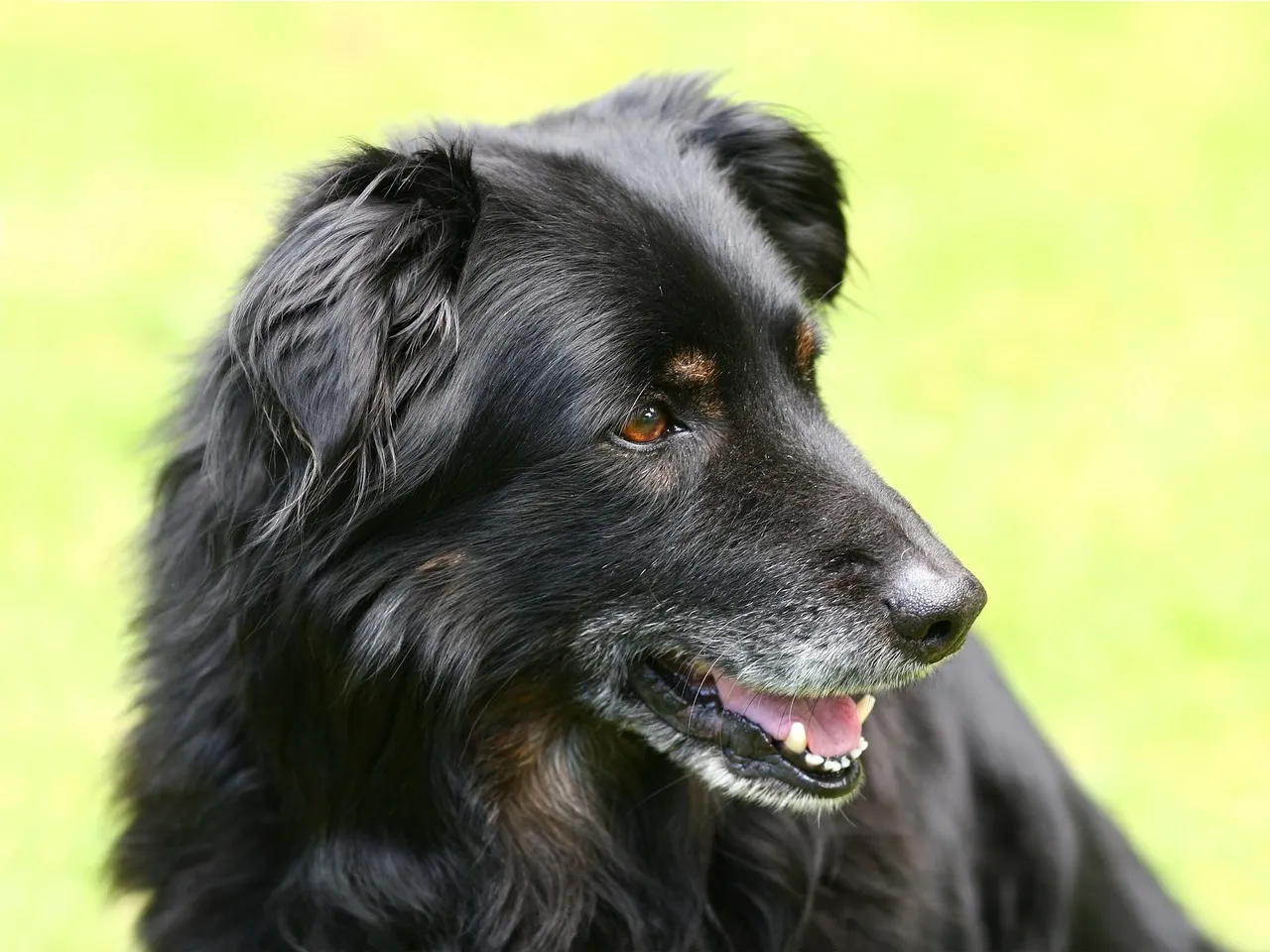
The most shocking truth vets share about senior dogs is this: the end doesn’t usually arrive as one dramatic moment. It creeps in through small, easy-to-dismiss changes – subtle weight loss, restless nights, new accidents, a dull coat, a quieter personality.
Families hang onto the good moments and mentally edit out the bad ones. Vets see the full pattern, and they know exactly what it means. A dog can still eat, still wag, still follow you to the door, and still be living in constant pain, confusion, or exhaustion underneath it all.
You don’t honor a lifetime of loyalty by squeezing out a few extra, miserable weeks. You honor it by recognizing the moment the scales tip from “a bit old” to “no longer truly okay,” and acting before suffering becomes the default setting of their days.
Fast Facts
- 18 signs, but rarely just one – vets say it’s the cluster, not a single symptom, that tells the real story.
- Quiet signs like weight loss, a dull coat, or withdrawal are often more telling than dramatic ones.
- A single good day doesn’t cancel out a pattern of bad ones.
- Quality of life, not just survival, is what most vets weigh most heavily.
Some people will always argue you should wait until the very last second. Plenty of vets, and plenty of owners who’ve lived through it, quietly disagree. Where do you land on that line? Did we miss a sign you’ve seen in your own senior dog? Share it in the comments.

- 23 Warm Corners an Elderly Cat Keeps Returning To All Winter - October 29, 2026
- 16 Behaviours Showing a Cat Considers a House Permanent Now - October 29, 2026
- 15 Wildlife Programmes a Lifetime Pass Holder Over 62 Can Join Free - October 29, 2026