
Walk into almost any American shelter and you already know what you’ll find: pit mixes, chihuahuas, senior labs nobody wanted, litters of unplanned puppies. That part isn’t surprising anymore.
What actually stops longtime intake workers mid-sentence is the list of dogs they *don’t* see. Not rare mutts. Actual, recognized breeds that used to show up occasionally and now just… don’t. Ask a shelter veteran what breed they haven’t processed in years, and they won’t hesitate. Here’s the list, and the surprisingly human reasons behind every single disappearance.
#20 – Irish Wolfhound: The Gentle Giant Nobody Surrenders
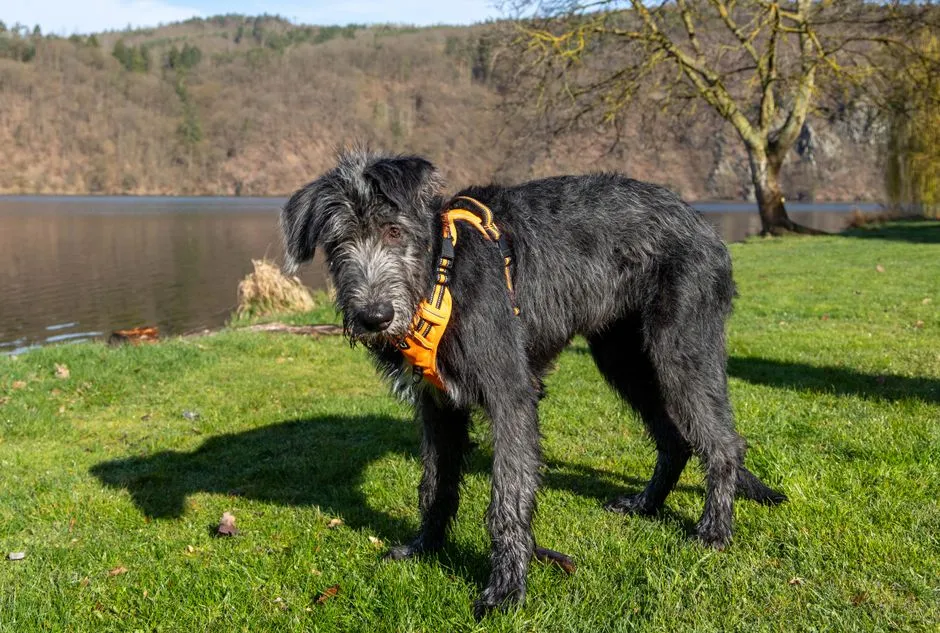
Shelter staff will tell you: if an Irish Wolfhound shows up once every few years, it’s an event worth talking about for months. These giant sighthounds are one of the rarest large breeds to come through U.S. shelters now.
Serious breeders screen buyers hard, litters are small, and the price tag alone weeds out casual owners. Their size, short lifespan, and specific health risks mean only truly intentional homes go looking for one in the first place.
Most people also underestimate how calm Wolfhounds actually are. Despite their size, they’re more couch ornament than guard dog, and that mismatch used to land a few in rescue. Today, education has caught up, breeder waitlists are long, and the dogs that do need help go straight into specialty rescue instead of an open-intake kennel.
Fast Facts
- The typical Irish Wolfhound height is 30–32 inches; they are the tallest dog breed recognized by the AKC.
- The AKC Standard sets a minimum height at the shoulder for males at 32 inches; 30 for females, with ideal weights of 120 pounds for males and 105 pounds for females.
- Life expectancy runs just 6 to 8 years, one of the shortest spans of any recognized breed
- Small, carefully planned litters keep national numbers modest year after year
#19 – Saluki: The Desert Hound Rescue Networks Guard Like Gold
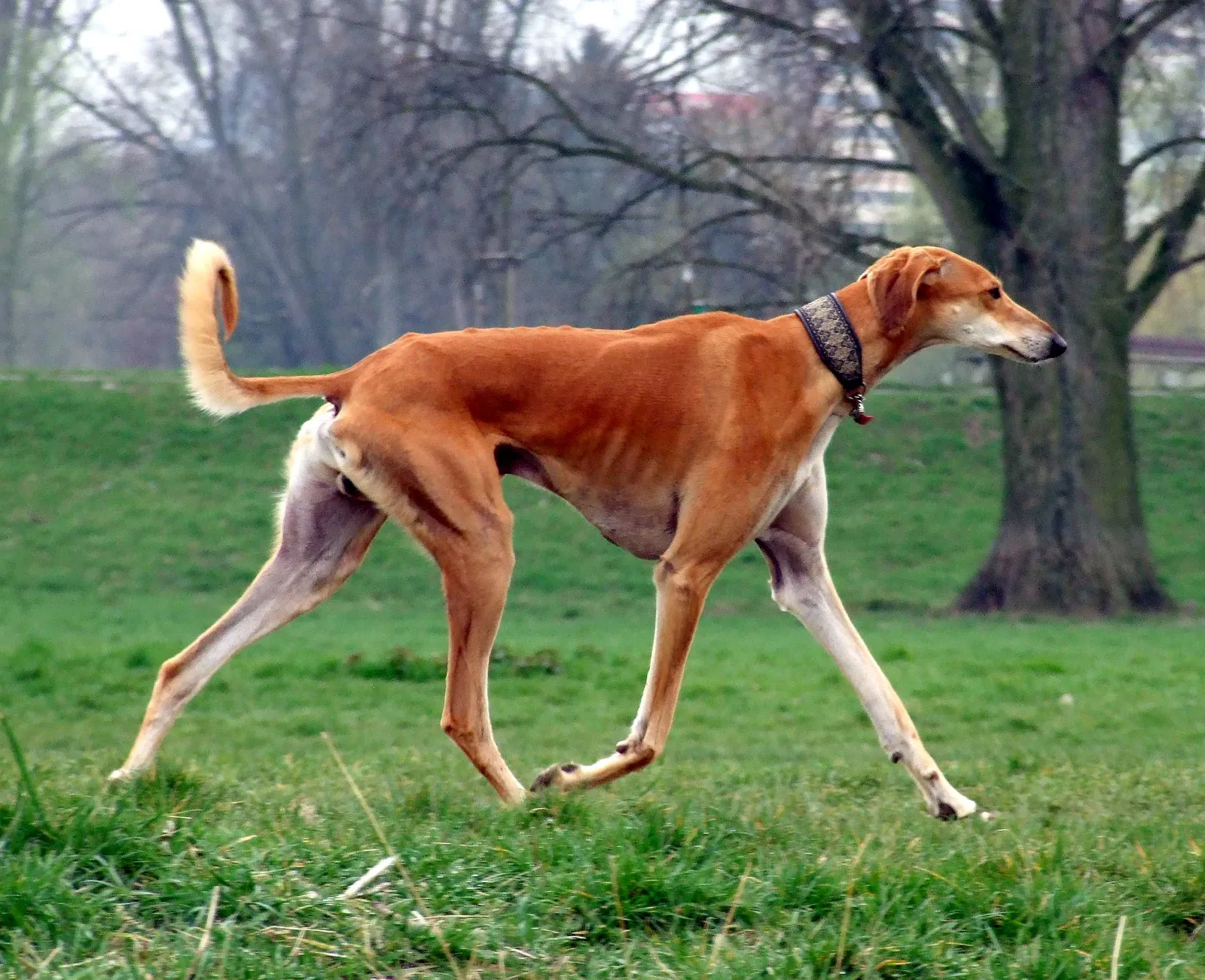
Ask around at municipal shelters and plenty of workers will admit they’ve never personally processed a Saluki. These ancient desert hounds are still common in parts of the Middle East, but in the U.S. they live almost entirely inside a tiny niche of show homes, lure-coursing enthusiasts, and sighthound obsessives.
That small, tightly connected community means a Saluki that slips through almost always lands directly in breed rescue instead of a public kennel. They’re also aloof, cat-like, and need secure fencing more than dog parks – which quietly filters out impulse adopters before they ever get attached.
Most people don’t realize that with Salukis, the problem was never abandonment. It’s scarcity. When one does end up in the wrong hands, word travels fast through the community and someone shows up before the shelter door ever opens.
#18 – Komondor: The Mop Dog That Never Makes It to the City
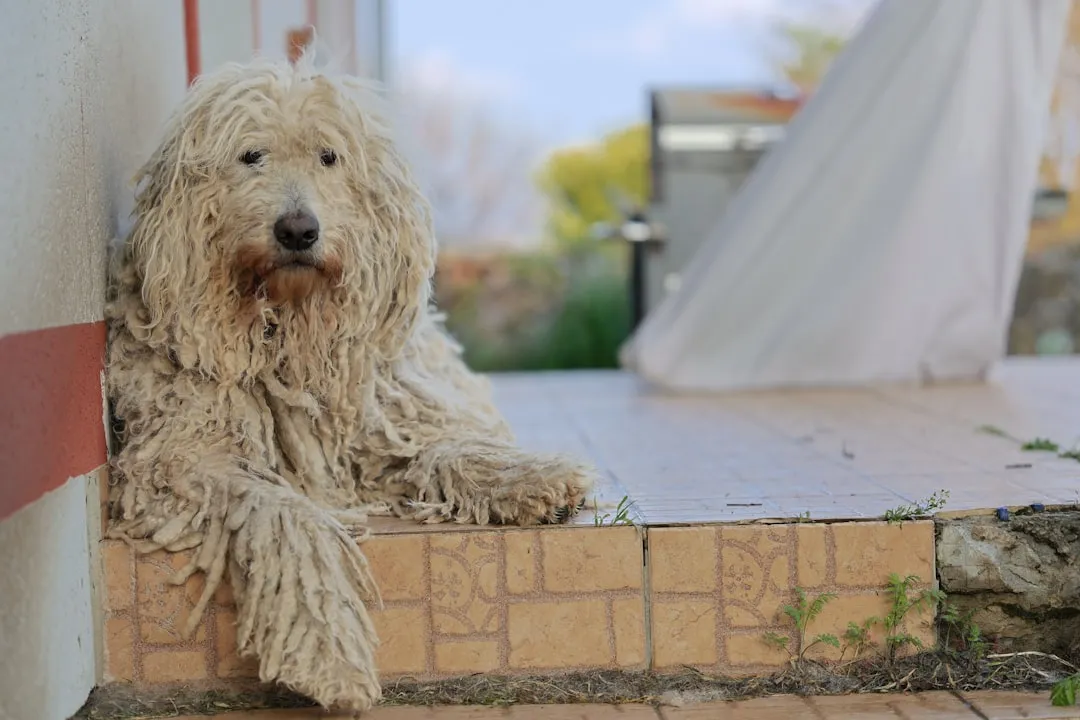
You’d think a giant “mop dog” would get surrendered constantly once owners realize how much grooming those cords require. Instead, shelters quietly report the opposite: Komondors almost never hit the general intake floor.
Almost no one buys one on a whim. If you’re willing to own a 100-pound livestock guardian with floor-length dreads, you’ve already done the homework. And the Komondors that do exist are heavily clustered on farms and ranches, where they’re actually working.
Those homes rarely funnel dogs into urban shelters when something goes wrong. Working livestock guardians are more often rehomed privately, farm to farm, or through breed-specific contacts. Rescue people will tell you bluntly: a Komondor call is almost always “can you help place this dog,” never a stray on a shelter hold.
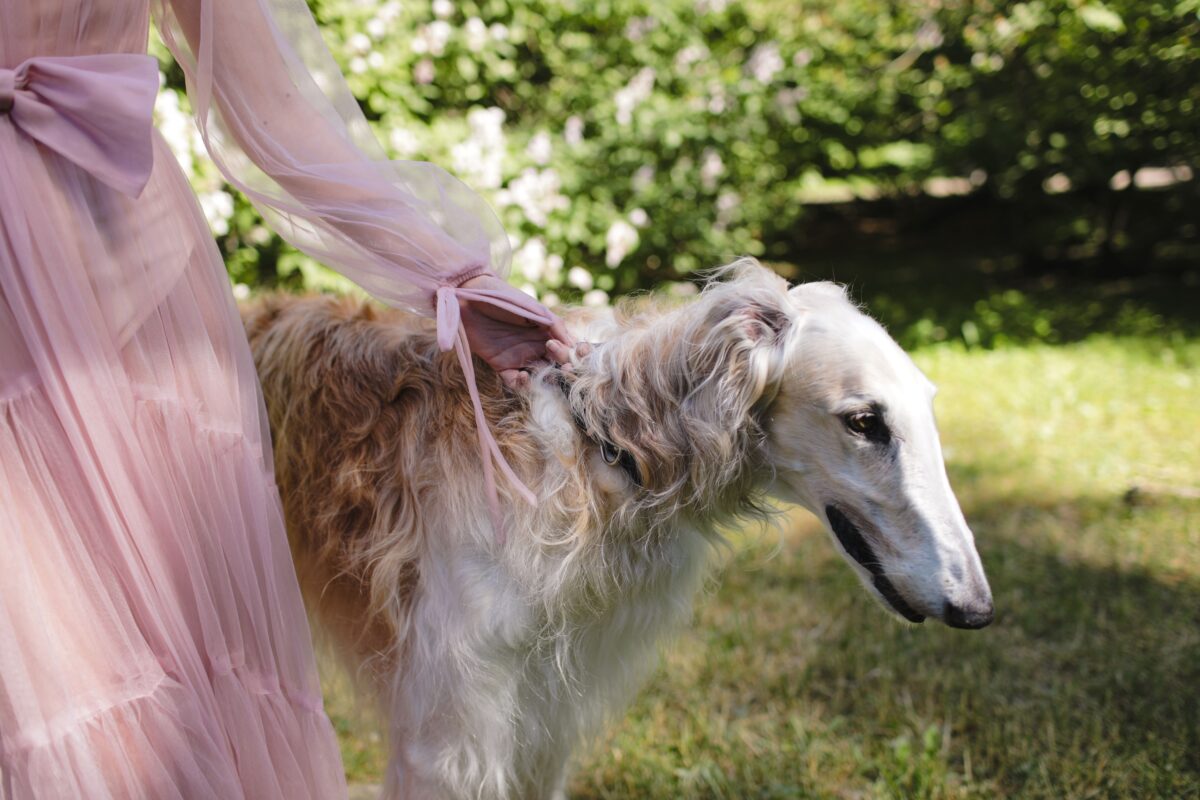
#17 – Borzoi: Trendy Online, Invisible in Real Shelters
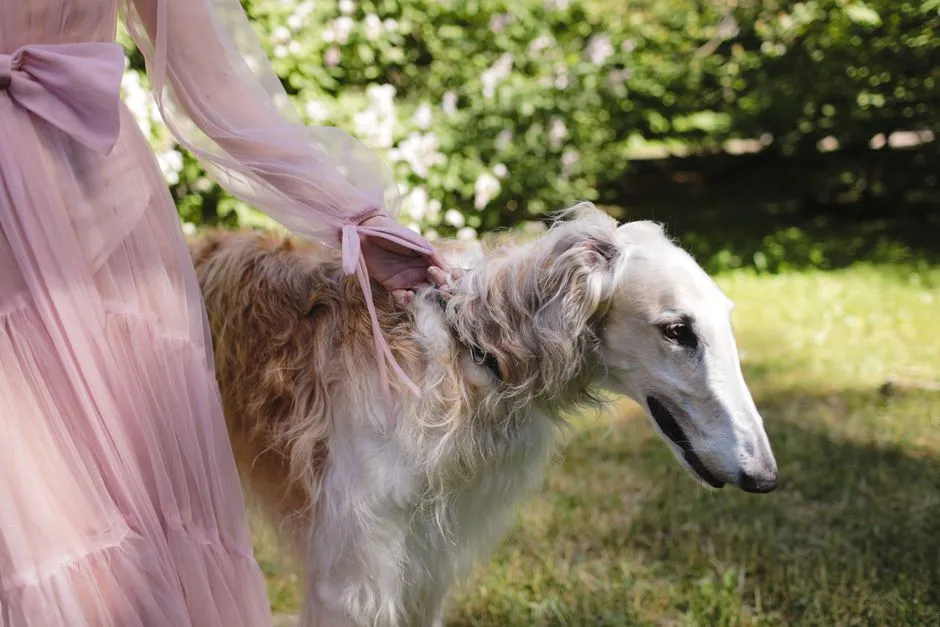
Borzois are having a minor online moment, all flowing coats and slow-motion running videos. None of that has translated into shelter numbers. Some large municipal systems say they’ve gone years without seeing a single one.
The breed club monitors litters closely, contracts are strict, and show circles are tight-knit. A Borzoi in trouble is usually pulled quietly by breed rescue long before it ever hits an adoption listing.
They’re also not beginner dogs, which paradoxically protects them. Their size, prey drive, and quirky temperament scare off casual buyers, so the family that wants “a big fluffy dog” ends up with a doodle instead. When someone does deliberately seek a Borzoi out, there’s usually years of relationship with a breeder behind it – and a contract that says the dog comes back if anything ever goes wrong.
#16 – Belgian Laekenois: The Breed Even Shelter Staff Can’t Identify
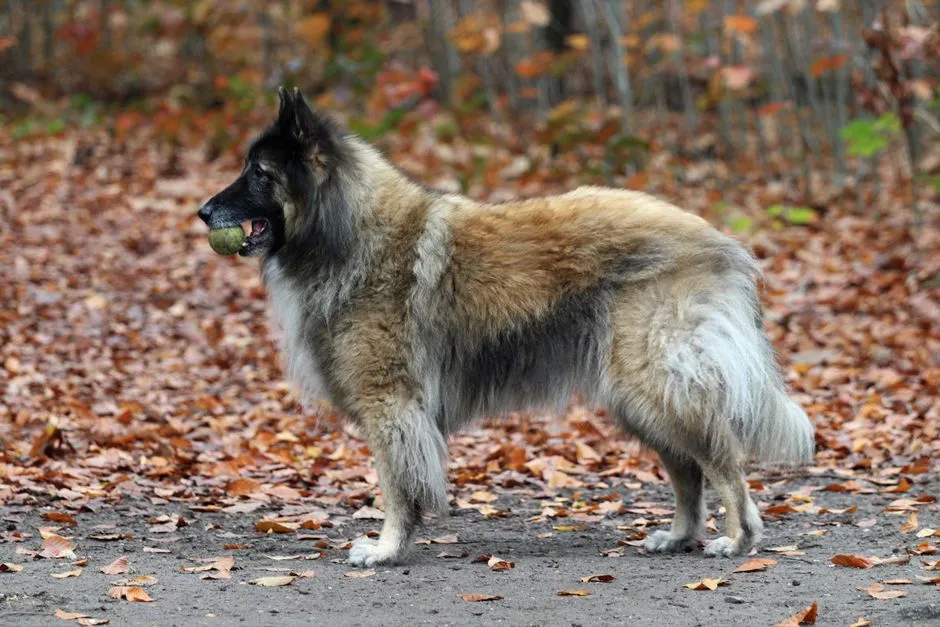
Everyone knows Malinois and Tervurens are intense. Almost no one outside working-dog circles could pick a Belgian Laekenois out of a lineup. That obscurity is exactly why shelters say they almost never see purebred Laekenois come through their doors.
Their total U.S. population is tiny, and most sit in the hands of serious sport handlers or preservation breeders. Some shelter workers privately suspect they’ve seen Laekenois before, just labeled as something else – a rough-coated herding mix, a “wire-haired Mal,” a terrier cross. When you’re doing intake on 40 dogs in a day, subtle breed differences aren’t the priority.
Still, Laekenois clubs insist true, papered dogs are almost never abandoned. Between microchips, contracts, and a small but obsessive community, these dogs get intercepted before public kennels ever enter the picture.
#15 – Pharaoh Hound: The Status Dog Time Forgot
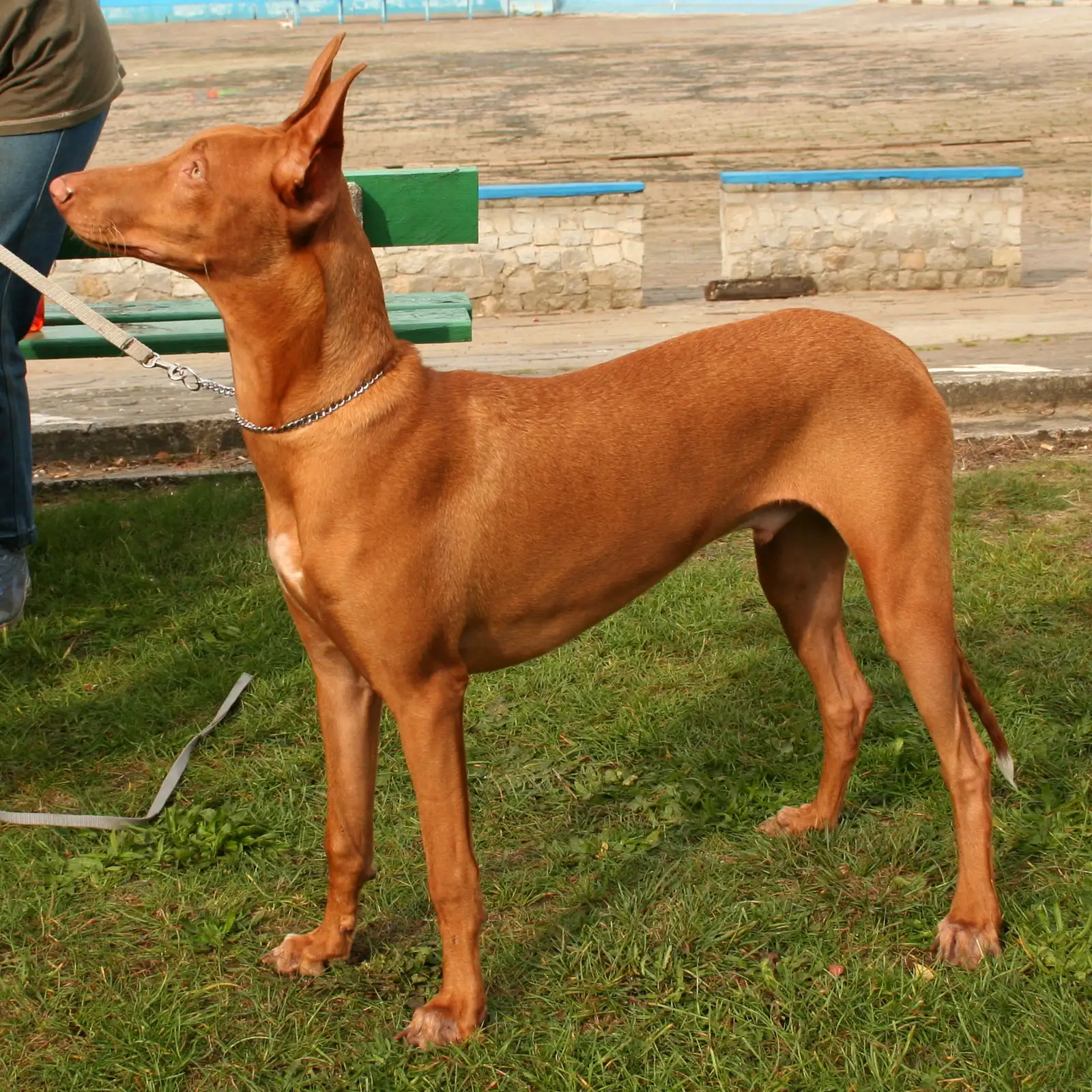
Pharaoh Hounds used to be a bit of a “if you know, you know” status dog. Today, shelter coordinators in multiple states say they can’t remember the last time one crossed their desk.
Part of it is basic math. Registration numbers are low, litters are few, and reputable breeders screen so hard that casual buyers bounce off toward more common sleek breeds like Whippets or Vizslas instead.
There’s also a cultural shift at play. The type of owner who once chased rare “exotic” breeds for looks now often goes for designer mixes instead. That trend has accidentally protected purebred Pharaoh Hounds from being mass-produced. You’ll still see the occasional “Pharaoh mix” label in a shelter database, but a truly pure Pharaoh Hound has quietly become a shelter ghost.
#14 – Briard: Too Much Coat, Too Little Trend
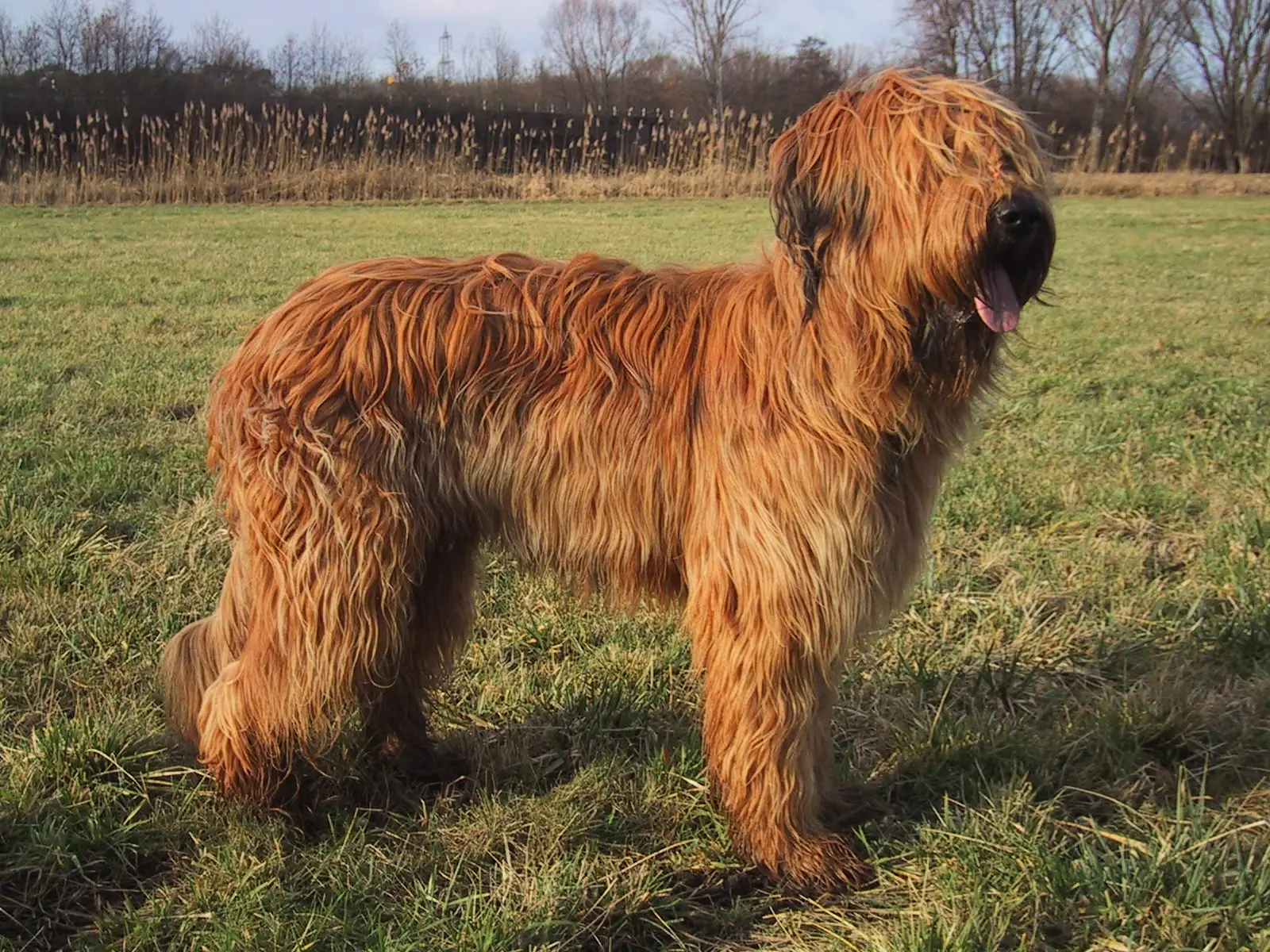
Talk to older shelter volunteers and they’ll remember the odd Briard or Briard-type herding mix from the ’90s. Younger staff? Many have never processed a single one in their entire career.
Briards sit in a strange spot: too intense and hairy for the average suburban family, but not flashy enough to become an Instagram trend. That “unfashionable” status is exactly what’s saved them. If you commit to that much grooming and training, you tend to commit for life.
Breeders keep close tabs, puppies are sold on contracts, and if a home fails, the dog typically boomerangs back to the breeder instead of county intake. Working-line herding mixes will still show up in shelters occasionally – the classic bearded purebred Briard has become almost shelter-proof.
#13 – Sussex Spaniel: A Breed Most Workers Have Never Met

The average person has never heard of a Sussex Spaniel, and honestly, most shelter workers haven’t either. Purebred Sussex Spaniels almost never reach mainstream shelters anymore. They’re among the least-registered spaniel breeds in the country, and most litters are spoken for before the puppies are even born.
There’s a temperament factor too. Sussex owners tend to skew older, steadier, and specifically committed to this exact breed – not just “some spaniel for the kids.” That group is far less likely to surrender a dog over a lifestyle whim.
When a real crisis does happen – a death, a relocation – breed clubs quietly step in. It’s not that Sussex Spaniels never need help. It’s that their rescue stories almost never pass through the fluorescent-lit kennels the public actually sees.
#12 – Field-Bred English Setter: The Working Dog That Skips Suburbia
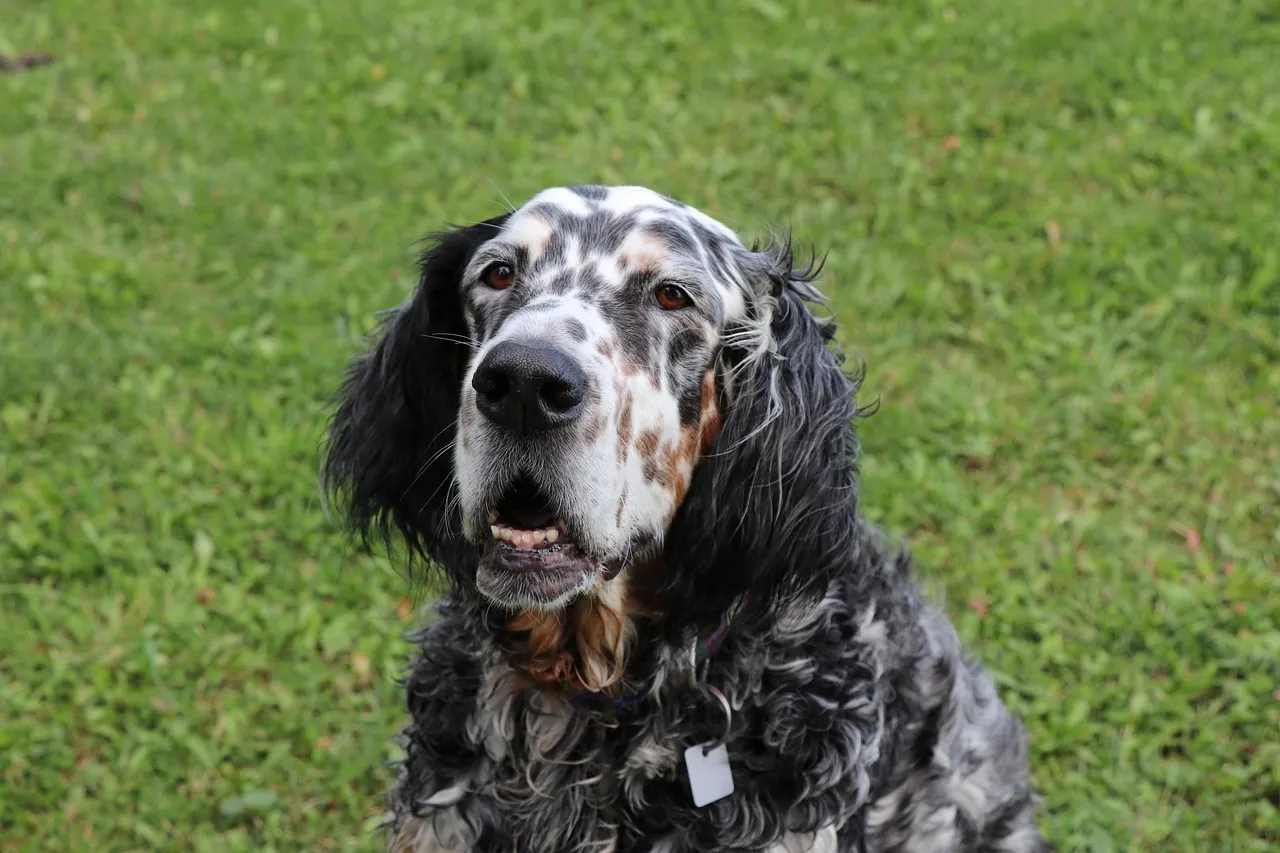
Show English Setters occasionally appear in rescue. Long-time intake workers will tell you the true field-bred setter – lighter, harder-hunting – has nearly disappeared from standard shelter rosters entirely.
These dogs live in a closed ecosystem of hunting kennels, trial circuits, and deeply networked sportsmen. When one needs rehoming, it’s word-of-mouth between hunters, not a surrender form at animal control.
Many of these dogs never see suburbia at all. They’re kenneled with other gun dogs, live on land, and change hands like working equipment – far from the typical “family dog dumped at the pound” story. Breed clubs and setter-specific rescues also scan online classifieds, plucking dogs out before they ever touch municipal custody.
#11 – Chinook: America’s Own Rare Breed Nobody Dumps
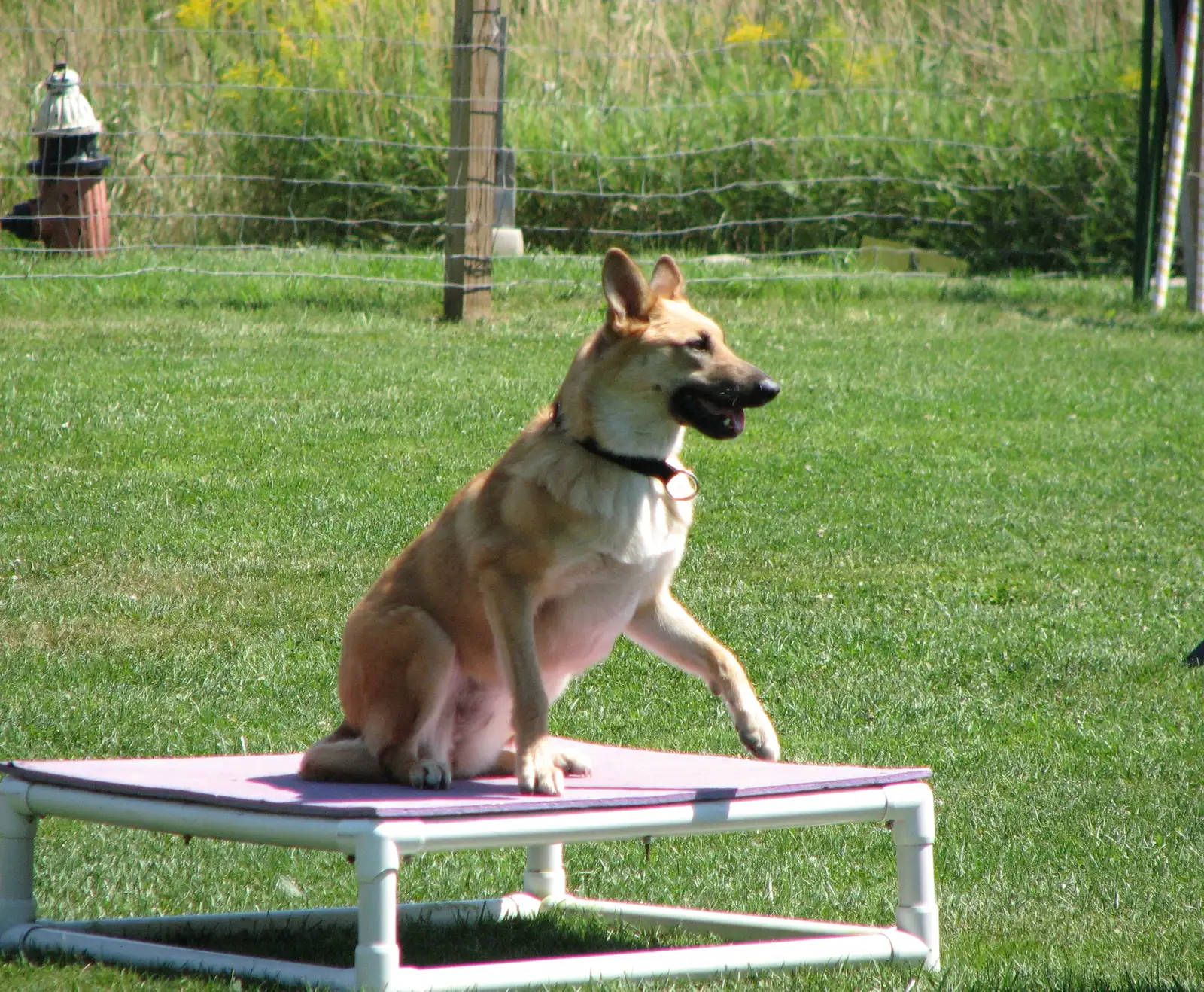
If you’ve never seen a Chinook at your local shelter, you’re not alone – neither has most staff. Chinooks are one of the rarest American-developed breeds, and that rarity alone keeps them off intake lists.
What surprises people is that Chinooks are, on paper, exactly the type of dog that should flood shelters: medium-large, northern-type, high energy. The difference is how tightly controlled reproduction is. Breeders track litters meticulously and maintain a strict “come back to us first” rule for the entire life of the dog.
There’s no big-box puppy supply, no backyard breeder pumping out “Chinook mixes” to fund a vacation. When a family hits hard times, the first call goes to the breeder or the breed club – not a city shelter hotline.
#10 – Otterhound: Rarer Than Winning the Lottery
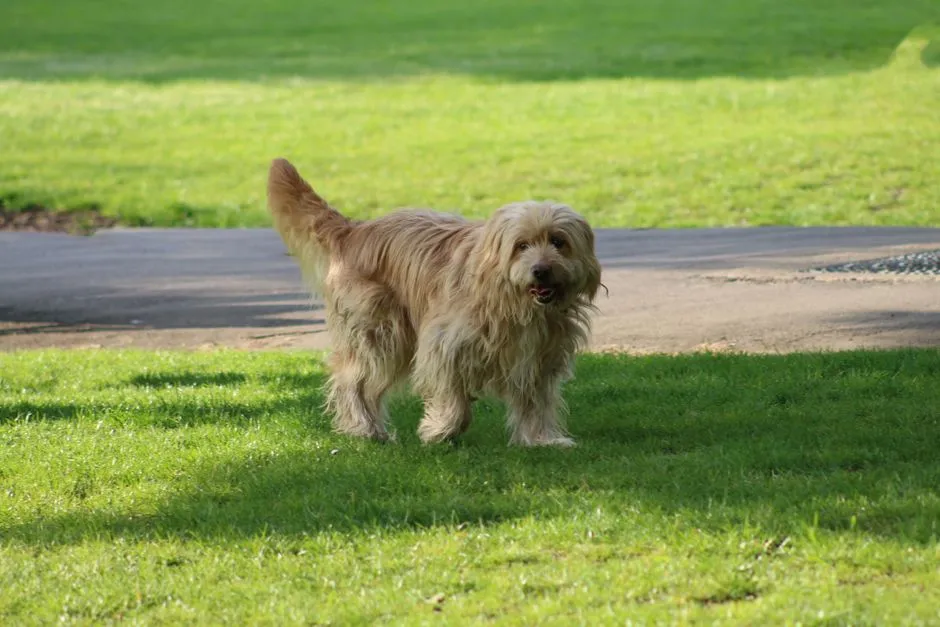
If you walk into a shelter and see an Otterhound, buy a lottery ticket. Staff in many regions say they’ve never seen a confirmed purebred Otterhound in their entire careers. This isn’t rescue hype – global population estimates for the breed are incredibly low.
These big, shaggy scenthounds are a casualty of changing culture. The job they were bred for, hunting otters, is obsolete and illegal in most places. Without a modern role or viral hype, they simply aren’t being bred in volume anymore.
The few that exist are carefully placed, microchipped, and followed for life. You’ll see plenty of dogs labeled “Otterhound mix” in shelter databases, but an actual Otterhound behind those bars is now a genuine statistical anomaly.
At a Glance
- Consistently ranks among the rarest breeds the AKC tracks, with only a handful of litters registered nationwide most years
- Adult males can weigh up to 125 pounds and tend toward hairy, messy coats built for water, not apartments
- The breed nearly disappeared once hunting otters became illegal in Britain in the late 1970s, and demand never really recovered
#9 – Xoloitzcuintli: Too Sacred to Treat as Disposable
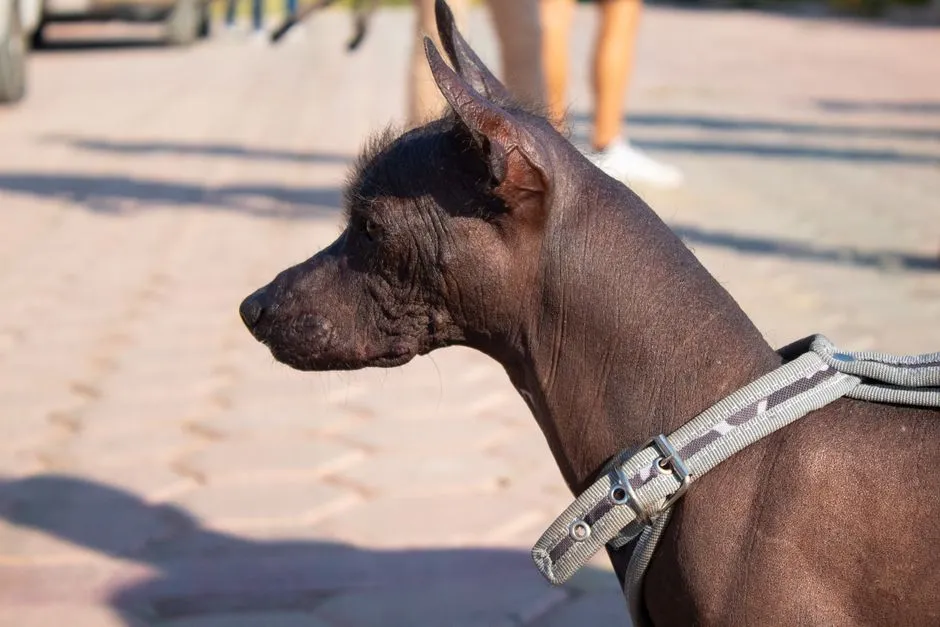
Given their growing online presence, you’d expect Xolos to be trickling into shelters the way some other social-media breeds have. Instead, intake staff consistently report that true, papered Xolos almost never reach public kennels.
They’re still overwhelmingly in the hands of breeders and owners who treat them as culturally significant, not disposable fashion. Hairless dogs also come with instant filtering: the same people who impulse-buy fluffy doodles aren’t typically choosing a bare-skinned, sunscreen-needing companion.
Xolo breeders are notoriously protective, and some will drive across state lines to retrieve a dog in trouble. When Xolos do surface anywhere in the system, rescue partners usually scoop them up before the public ever sees an adoption listing.
#8 – Skye Terrier: Once Iconic, Now Nearly Extinct in Shelters
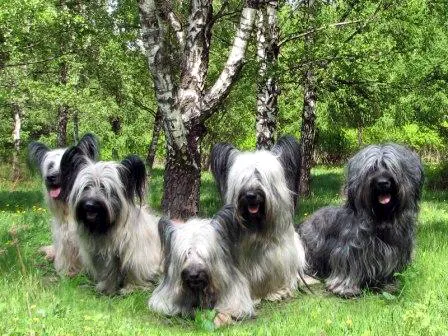
Skye Terriers were once genuinely iconic. Now, many U.S. shelters can go a decade without seeing one. Staff and rescuers agree they’ve virtually vanished from general shelter populations, edged out of public awareness by more “marketable” small breeds.
The drop in popularity has been so steep there simply aren’t enough Skyes being bred to generate a surrender stream at all.
What’s controversial is whether that’s actually a good thing. Preservationists argue low numbers plus tight stewardship keep the breed out of irresponsible hands. Others counter that a breed invisible to the public eventually loses the political protection it needs to survive. Either way, the intake data is blunt: almost no Skyes, almost ever. If one appears, it goes viral in rescue circles and gets pulled instantly.
#7 – Finnish Lapphund: The Spreadsheet-Owner’s Dog
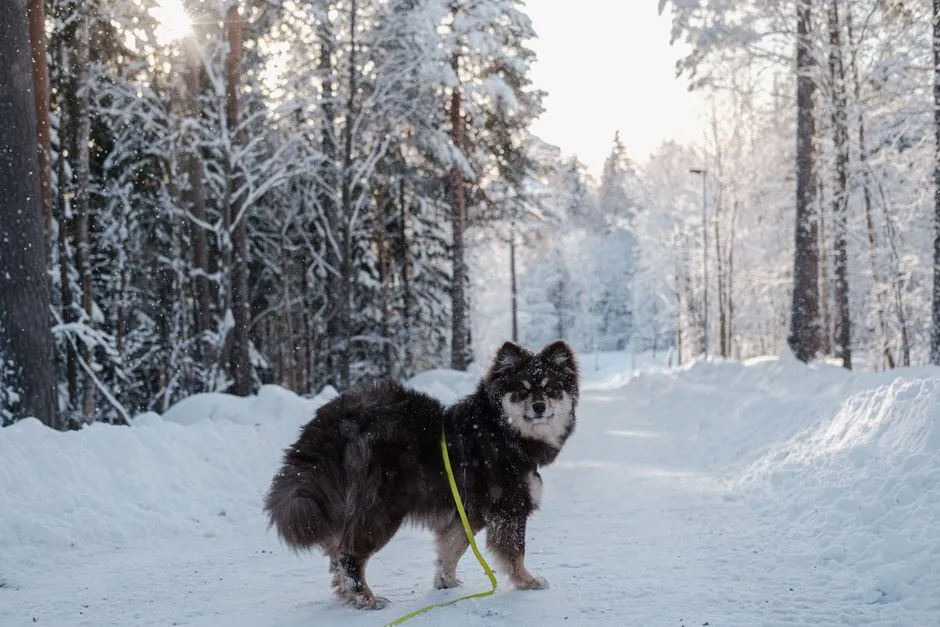
Despite being photogenic, fluffy, and family-friendly, Finnish Lapphunds remain a unicorn in most U.S. shelters. Intake supervisors will tell you they see far more “Finnish Lapphund” labels than actual, verifiable purebreds.
The breed’s modest popularity and small breeding pool keep numbers low, and most pups go to people who waited, planned, and saved for them for years. These are the dogs of health-testing nerds, hobby trainers, and outdoorsy families who genuinely research temperament before buying.
That demographic has lower surrender rates across the board, full stop. When a Lapphund does need to be rehomed, the breed’s Facebook and club networks light up fast, and the dog is usually in a foster home before its stray hold would have even ended in a public kennel.
#6 – Curly-Coated Retriever: The Cousin Nobody Over-Bred
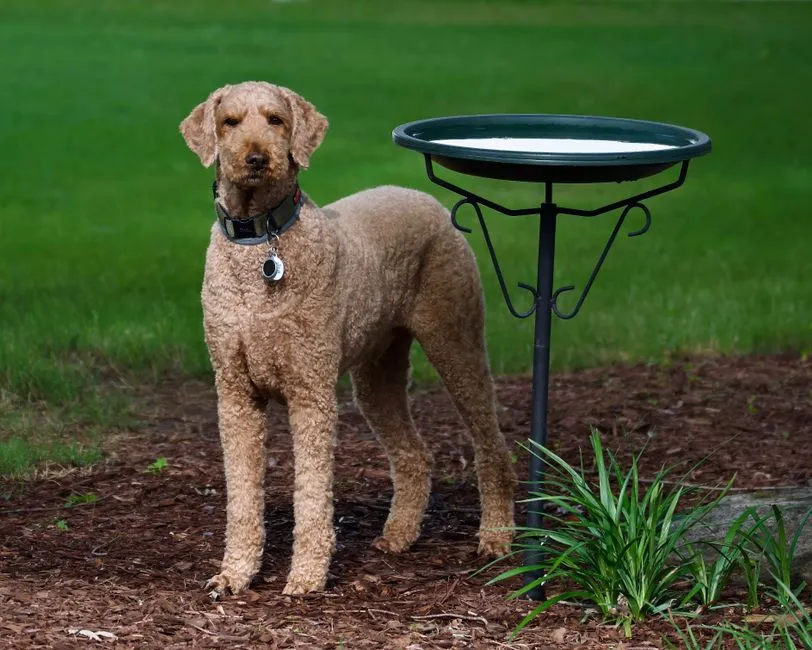
You see Labs and Goldens in shelters constantly. Their older, rarer cousin, the Curly-Coated Retriever, is conspicuously absent. Staff who log thousands of intakes a year will sometimes say they’ve never had a single confirmed Curly Coat pass through.
It’s not because they’re perfect dogs. It’s because there simply aren’t many, and the ones that exist are guarded by a niche community. Curly Coats also don’t photograph as “soft” as Goldens, which has ironically shielded them from over-breeding – backyard breeders chase teddy-bear faces, not tight curls and a lean build.
So Curly Coats stay mostly in serious working and show homes, owned by people who write wills that include their dogs. When crisis hits, rehoming happens privately, often with the original breeder stepping in as a safety valve instead of the dog landing in a crowded city system.
#5 – Dandie Dinmont Terrier: So Rare Even Dog People Don’t Know It
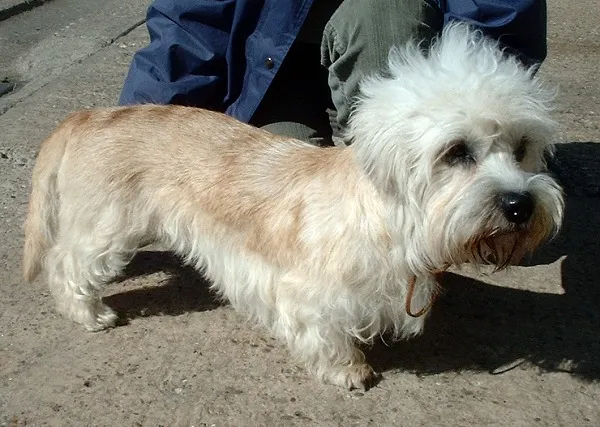
Ask a random dog owner to name a Dandie Dinmont Terrier and watch the confusion set in. That basic lack of awareness is exactly why Dandies hardly ever show up on shelter rosters anymore. They’re simply too rare, and too controlled, to generate a steady stream of unwanted dogs.
Most litters come from long-time fanciers who can tell you exactly where every single puppy ended up. Dandies also punch above their weight in loyalty – they tend to land with people specifically chasing this old-school terrier, not just “a small dog for the kids,” and those owners skew committed to the point of obsession, in the best way.
There’s a real debate here too: some argue breeds this rare risk genetic bottlenecks without a broader base. But from a pure shelter perspective, the outcome is undeniable. Intake staff can go an entire career without ever writing “Dandie Dinmont” on a kennel card.
#4 – Norwegian Lundehund: A Myth Shelters Only Read About
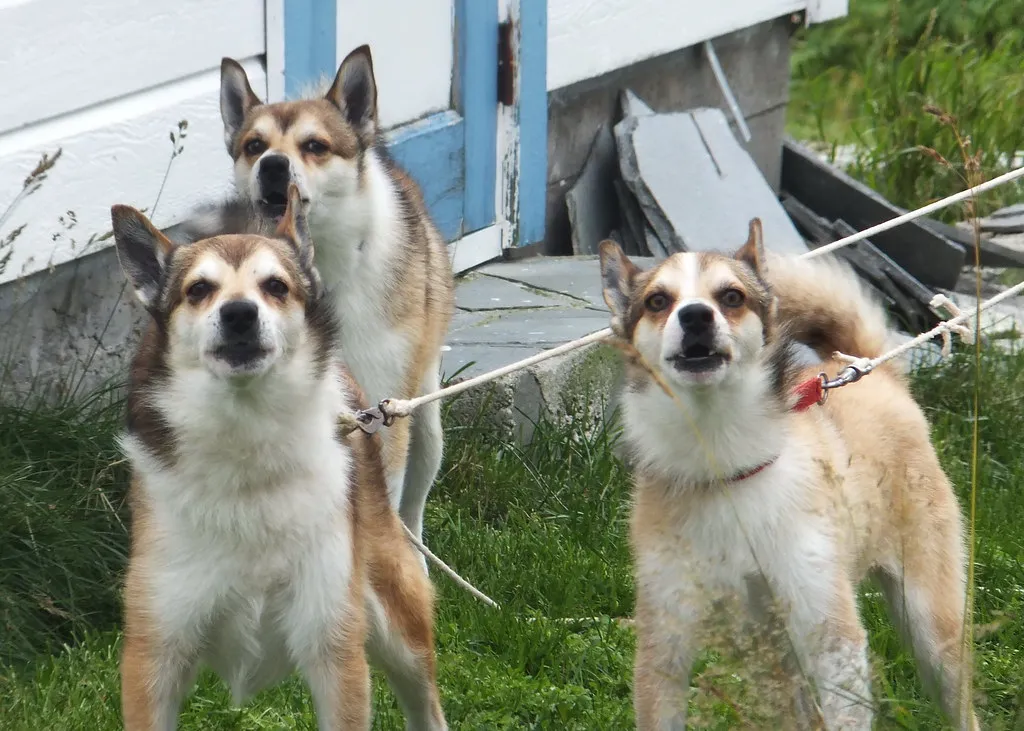
Lundehunds are almost a myth in mainstream rescue. Their extra toes and flexible joints make great internet trivia, but in real life, they practically never pass through standard shelter doors.
The reason is brutally simple: health. The breed has well-known gastrointestinal issues, and only a tiny, extremely engaged group of breeders is keeping it afloat. Those breeders track their dogs relentlessly – you don’t accidentally end up with a Lundehund, you sign up for a very specific set of challenges, and that self-selection drastically lowers casual surrenders.
When a home can’t cope, the breed’s micro-community intervenes fast. To many municipal workers, Lundehunds are something they’ve read about in training manuals, not a dog they’ve actually intaken, vaccinated, and posted for adoption.
Worth Knowing
- The Norwegian Lundehund is currently ranked as the single rarest recognized breed in the United States
- The AKC didn’t recognize the breed until 2011, so most shelter systems have never had one on the books at all
- Six fully functional toes and ultra-flexible shoulders let the breed’s ancestors climb cliffs to hunt puffins, a job that no longer exists anywhere
#3 – Azawakh: The Sighthound That Never Learned to Trust Strangers

Sighthound rescue folks know Azawakhs. Your local open-intake shelter almost certainly doesn’t. In many parts of the U.S., staff have never seen a single one walk through their doors. The breed is extremely rare, intentionally so, and its guardians are fiercely protective.
Litters are tiny, and breeders routinely import and export dogs under strict agreements rather than marketing to the general public. There’s also a behavioral filter at play – Azawakhs are intensely bonded, wary of strangers, and often downright off-putting to casual visitors. That’s a recipe for low mainstream adoption appeal, which makes responsible breeders even more selective.
If an Azawakh lands in trouble, the path is usually: call the breeder, call the breed club, maybe call a sighthound rescue. Never dump at the county shelter and hope for the best. For many facilities, this breed is a non-issue simply because it doesn’t exist in their intake reality.
#2 – Tibetan Mastiff: The Six-Figure Dog That Skipped the Pound
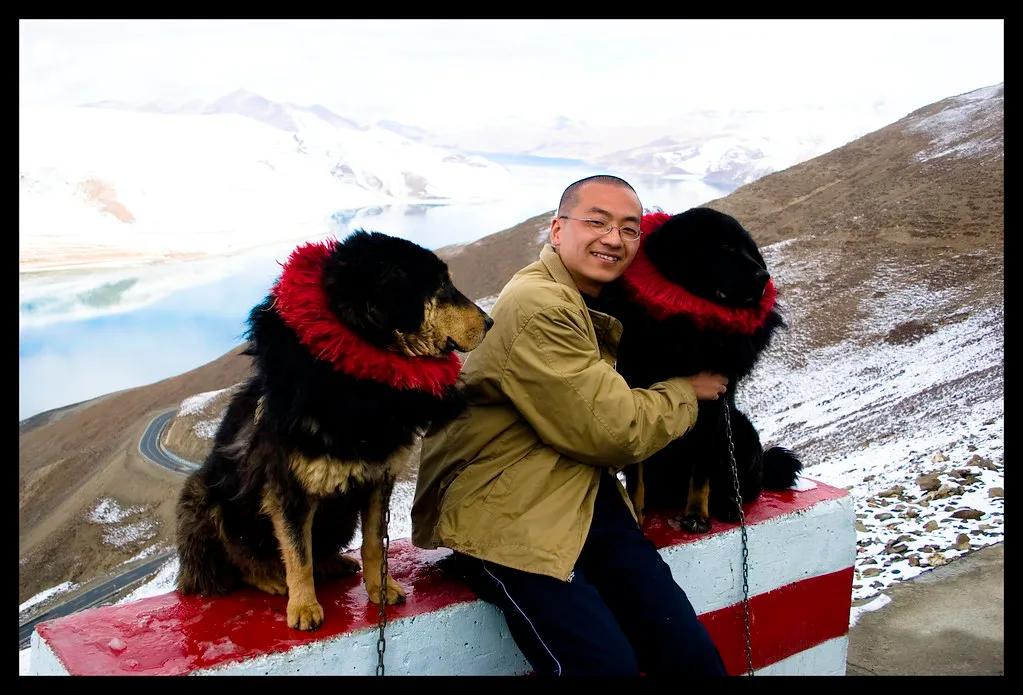
Remember when Tibetan Mastiffs were hyped as six-figure status dogs in parts of Asia? In the U.S., that trend fizzled, and thankfully, ethical breeders and steep costs have kept them almost completely out of shelter pipelines.
These are massive, difficult dogs, and when people do pursue one, there’s usually serious screening and real expense involved. That weeds out a huge chunk of impulse owners before the fact. Shelter directors in several regions report seeing far more mixed “Tibetan-type” guardian dogs than any verifiable purebred.
Guardian-breed rescues intercept any Mastiff-type in trouble long before a county kennel has to label and house it, because these dogs typically do poorly in chaotic, high-stress environments. You’ll see endless Pit Bulls and Cane Corsos mislabeled as “Tibetan mixes” online. The real article has quietly sidestepped the shelter crisis almost entirely.
#1 – Basenji: The Yodeling Legend Shelters Only Hear About Now
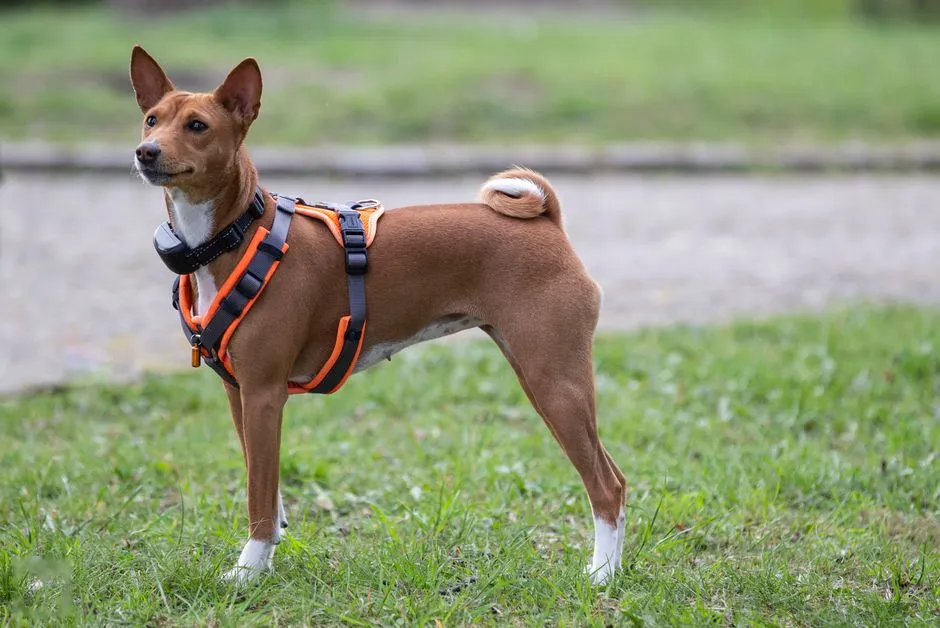
Ask longtime shelter staff which breed they simply don’t see anymore, and Basenjis come up again and again. Decades ago, a few would trickle in. Now, many large systems report that years can pass without a single confirmed Basenji intake.
That’s remarkable for a small, energetic dog that could easily fall victim to the “cute but too much” cycle that fills shelters with other breeds. What changed is that the Basenji community got serious. Breeders leaned into strict contracts, clubs built robust rescue pipelines, and education around their quirks – the yodeling, the cat-like independence, the escape-artist tendencies – means prospective owners get warned repeatedly before they ever bring one home.
The same breed that once popped up in classifieds as a novelty now lives inside a genuinely tight safety net. Shelters haven’t fixed the Basenji problem. They’ve been quietly written out of it by a subculture that refuses to treat these dogs as disposable.
Quick Compare
- Typical shelter dog: unplanned litter, no contract, surrendered over a sudden lifestyle change
- A breed like the Basenji in trouble: contract-bound, club-tracked, usually rehomed before ever reaching a kennel
- Typical shelter path: days or weeks on an adoption floor waiting for a match
- Rare-breed path: a phone call to a breeder or club, often resolved before public intake even starts
The bond with a good dog is as lasting as the ties of this earth can ever be.
Konrad Lorenz
The Bottom Line
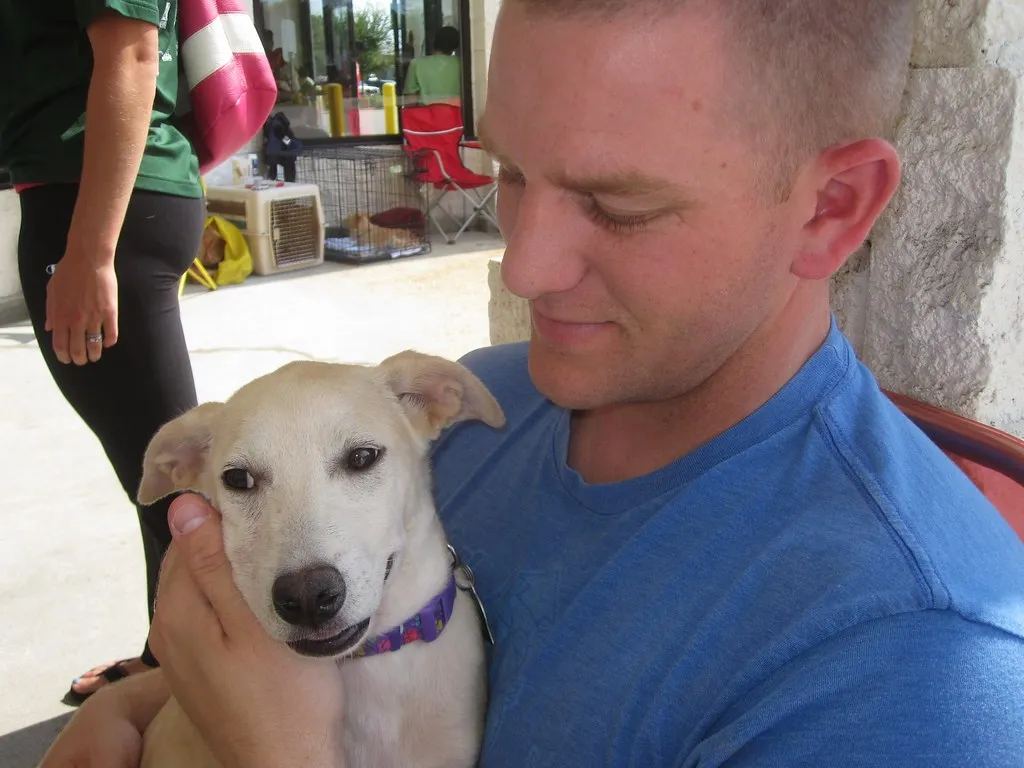
Zoom out and a pattern jumps off the page: the dogs shelters stop seeing aren’t always the rarest, or even the easiest. They’re the ones whose people refuse to treat them like products.
Tight breeder contracts, small but obsessive communities, and distinctly un-trendy looks have done more to keep Irish Wolfhounds, Basenjis, Otterhounds, and the rest out of steel cages than any feel-good adoption slogan ever could. It’s an uncomfortable truth, but an honest one: breeds bred slowly, guarded fiercely, and placed deliberately just don’t flood the system.
The flip side stings a little. The dogs we see most in shelters are often the ones we’ve turned into commodities – churned out fast, sold cheap, and surrendered just as easily. That’s not a dog problem. That’s a us problem, and this list is proof of exactly what changes when someone finally treats a breed like it matters.

- 13 Odd Hummingbird Habits Ornithologists Say Still Puzzle Them After More Than Four Decades of Study - August 2, 2026
- 18 Dog Breeds Older Vets Remember Treating Constantly That Younger Vets Have Never Once Seen - August 2, 2026
- 17 Small Things Your Old Cat Starts Doing When It Knows the End Is Coming Closer - August 2, 2026