

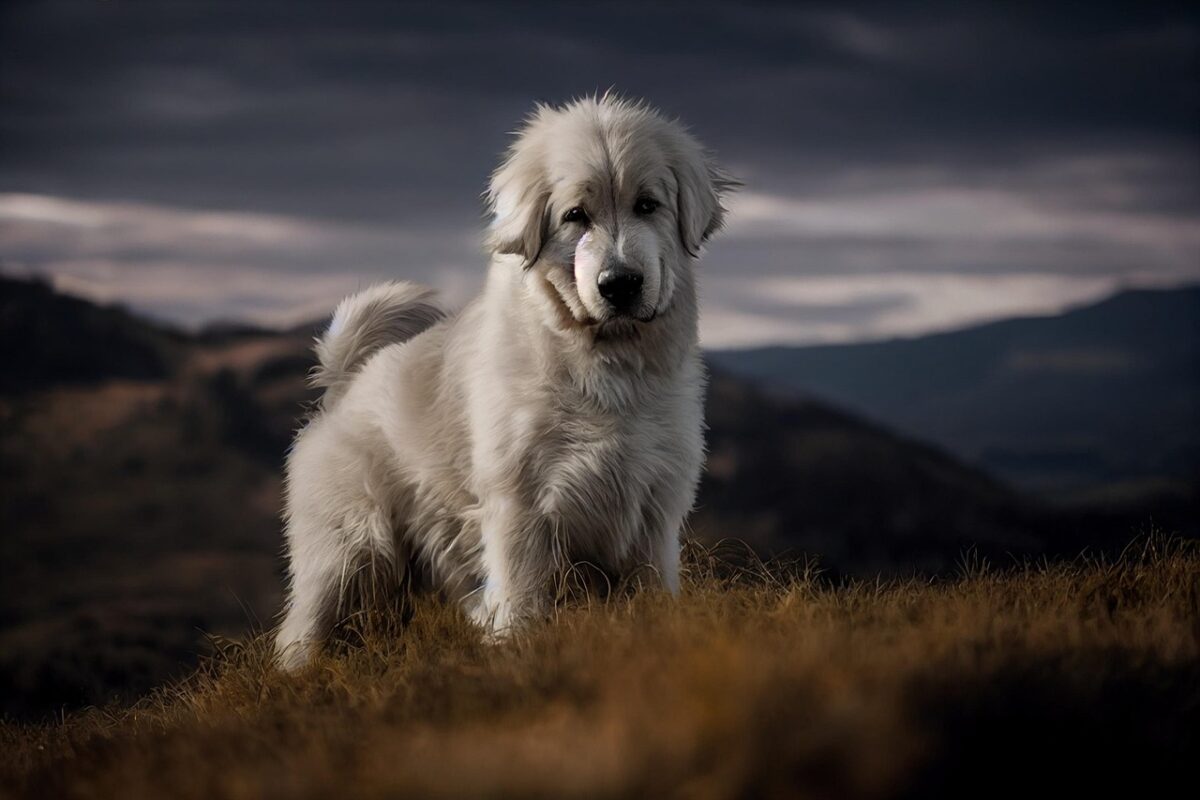
Most people believe that a dog’s aggression is strictly tied to its size or the “scary” reputation of its breed, but the data tells a much more complex story. While we often point fingers at the usual suspects, veterinary behaviorists and kinetic researchers have found that the actual mechanical power of a bite—measured in Pounds per Square Inch (PSI)—doesn’t always align with the breeds we fear most. In fact, many high-force breeds are surprisingly docile, while some of the most “aggressive” small dogs lack the jaw structure to make the list. Here is what the latest pressure-testing data and bite frequency statistics actually say.
#1 — The Kangal

The Kangal holds the undisputed crown for the most powerful bite in the canine world, making it a literal titan of the animal kingdom. With a staggering 743 PSI, this Turkish livestock guardian exerts more pressure than a full-grown mountain lion. These dogs weren’t bred for suburban life; they were engineered to defend sheep against wolves and bears in the harsh Anatolian plateau.
Despite their terrifying power, Kangals are not inherently “mean,” but their protective instinct is dialed to a ten. If they perceive a threat to their “flock”—which could be your children—their response is swift and overwhelming. Most owners are completely unprepared for the liability of a dog that can snap a human femur like a dry twig. It’s a level of power that requires expert handling and massive open spaces.
But what’s truly shocking is that the dog sitting at the number two spot is a breed you probably see at your local park every single day…
#2 — The American Bandogge
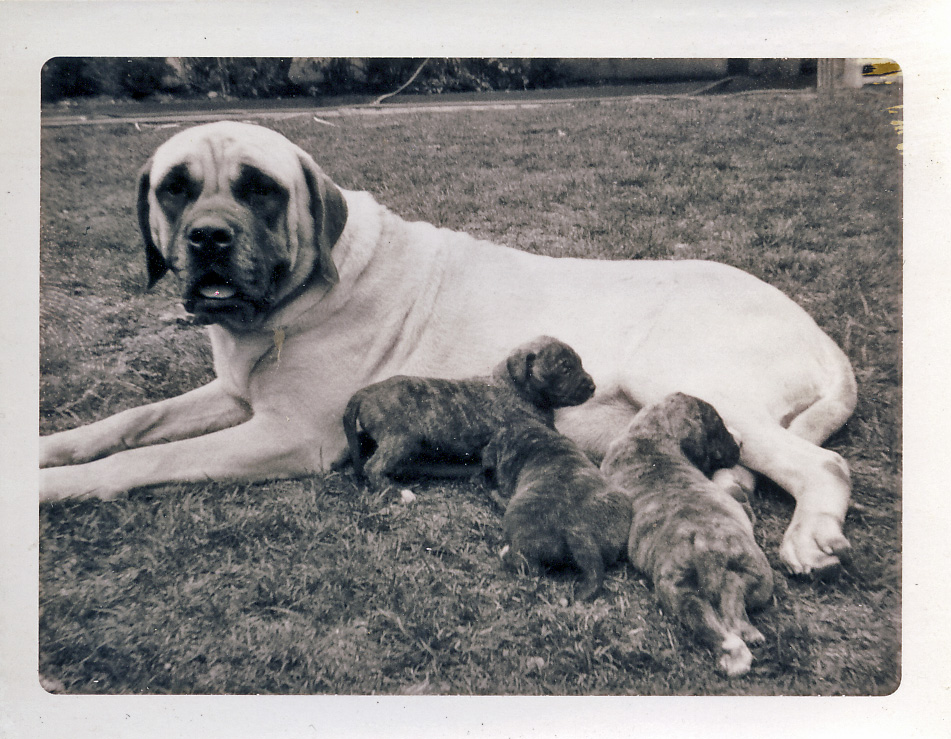
It might look like a standard heavy-duty mutt, but the American Bandogge is a custom-engineered powerhouse with a bite force of 730 PSI. This isn’t a purebred in the traditional sense; it’s a strategic cross between Mastiffs and Bulldogs, specifically designed to be the ultimate protector. The result is a dog that possesses the agility of a Pit Bull and the sheer crushing mass of a Neapolitan Mastiff.
The “surprise” here is how often these dogs are misidentified in police reports as simple “mutt attacks,” masking the true prevalence of the breed’s raw power. Behavioral experts warn that the Bandogge is often “too much dog” for the average household, as their drive to work is nearly impossible to satisfy in a sedentary environment. When they become bored, that jaw strength often turns toward property destruction or territorial displays.
If you think a 730 PSI bite is intimidating, wait until you see the ancient breed that was used to hunt lions in the Roman coliseum…
#3 — Cane Corso
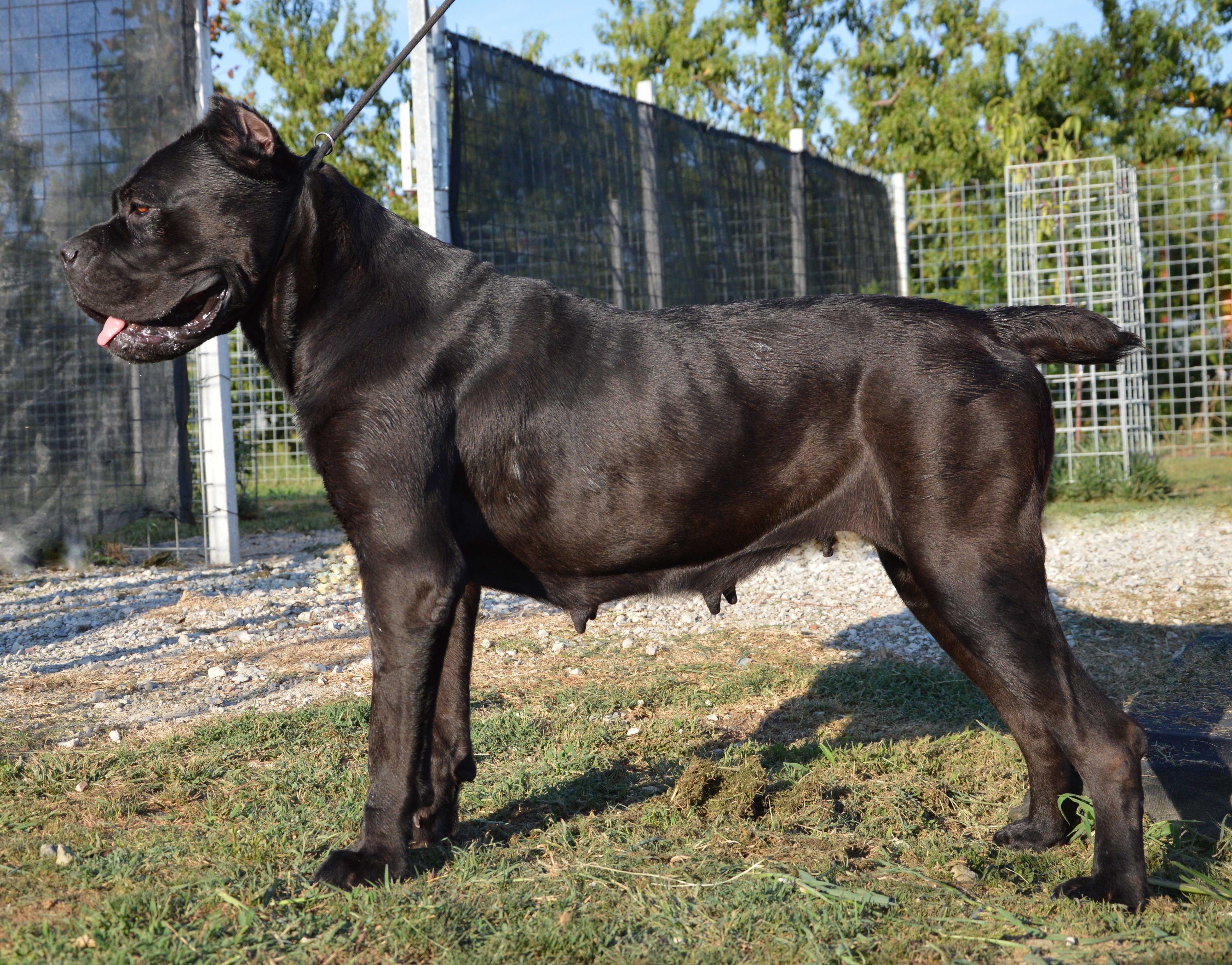
Coming in with a bone-crushing 700 PSI, the Cane Corso is an ancient Italian breed that was literally used as a “canis pugnax” (war dog) by Roman legions. Unlike other breeds that might nip and release, the Corso is a “catch dog,” meaning it is genetically hardwired to grab hold of large prey and not let go until the hunter arrives.
While fans of the breed praise their loyalty, insurance companies often view them as a high-risk liability. The Cane Corso currently ranks as one of the top breeds involved in “severe” injury incidents because their natural instinct is to target the throat or limbs of perceived intruders. They are silent, stoic, and incredibly fast, making them a “stealth” guardian that can go from zero to one hundred in a split second.
But even the Corso’s Roman history can’t match the sheer size and weight of the breed coming up next…
#4 — English Mastiff

The English Mastiff is a gentle giant until it isn’t, wielding a bite force of 556 PSI. Because of their massive skulls, their jaw muscles have a much wider “anchor point” than most dogs, allowing them to exert incredible leverage. While they are famously lazy, an English Mastiff that feels trapped or threatened can cause catastrophic damage with a single defensive snap.
The danger with this breed is often accidental; their sheer weight (up to 230 pounds) combined with their bite force makes them difficult for anyone but a professional to restrain. Many trainers argue that the Mastiff’s low energy levels lead owners into a false sense of security, causing them to skip essential socialization until it’s too late. When a 200-pound dog decides it doesn’t like a stranger, the physical consequences are usually permanent.
Wait until you see how this compares to the “world’s most dangerous dog,” which actually ranks lower than you’d expect…
#5 — Tosa Inu

The Tosa Inu is the “Sumo Wrestler” of the dog world, bred specifically for Japanese dog fighting and possessing a bite force of 550 PSI. This breed is so focused and resilient that it is banned in over a dozen countries, including the UK and Australia. They are bred to fight in silence, which makes them incredibly difficult to read compared to a dog that growls or barks as a warning.
In the Western world, Tosas are rare, but their reputation precedes them as a breed that requires “no-fail” containment. Veterinary studies show that the Tosa has a higher pain threshold than almost any other canine, meaning they won’t back down even if pepper-sprayed or physically struck. They are built to endure and conquer, which is a terrifying trait in a domestic setting.
But the next dog on our list is a household name that most people associate with police work, not sheer crushing power…
#6 — Dogo Argentino
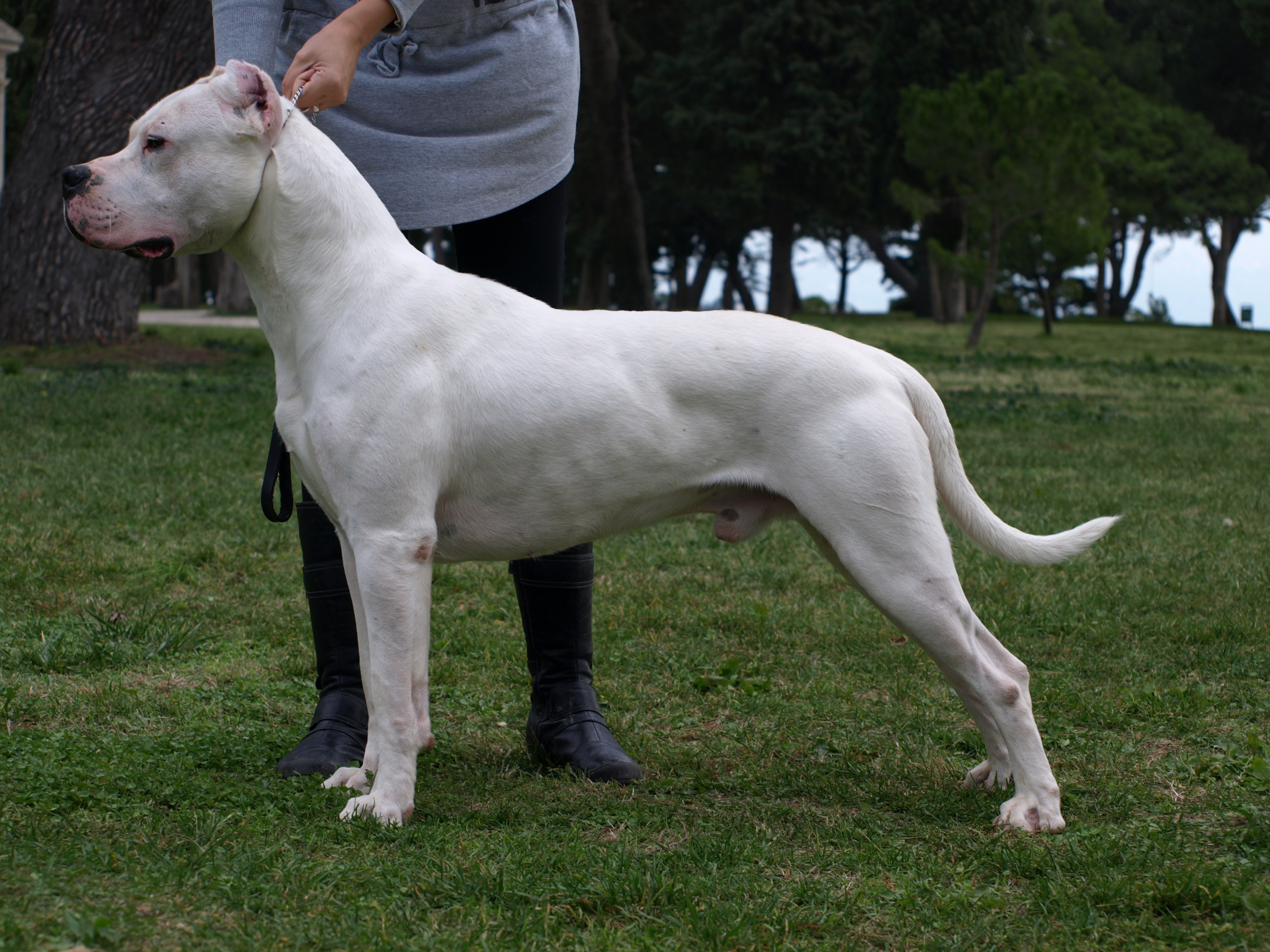
Created in Argentina to hunt wild boar and pumas, the Dogo Argentino clocks in at 500 PSI. This is an athletic, white-coated powerhouse that was bred for “gameness”—the trait of never giving up on a hunt regardless of injury. While they are often affectionate with their families, they have an incredibly high prey drive that can be triggered by a running child or a smaller pet.
Because they were bred to work in packs, they can sometimes be aggressive toward other dogs. Recent data suggests that the Dogo Argentino is increasingly being used in illegal fighting rings, which is unfortunately tarnishing the breed’s reputation and increasing the likelihood of aggressive traits being bred into certain bloodlines. They are high-octane machines that need a job to stay sane.
You might think the Dogo is scary, but the next breed is a “wolf-lookalike” that has a much shorter fuse…
#7 — Wolfdog Hybrids

Breeding a domestic dog with a wild wolf results in a “Wolfdog” with a bite force typically measured around 406 PSI. The problem here isn’t just the pressure; it’s the unpredictability. Domestic dogs have been bred for thousands of years to read human body language, but a Wolfdog retains wild instincts that can be triggered by something as simple as a direct stare.
Wolfdogs are statistically overrepresented in fatal dog attacks relative to their small population. Biologists note that the “prey drive” of a Wolfdog is fundamentally different from a Golden Retriever, as they may view a crying baby not as a human, but as a wounded animal. Keeping one of these in a suburban home is often described by experts as “keeping a loaded gun with a mind of its own.”
The next breed is perhaps the most famous “guard dog” in history, but its bite force is actually lower than the Wolfdog’s…
#8 — Rottweiler

The Rottweiler is the classic protector, exerting 328 PSI of pressure. While they fall in the middle of this list for pure force, they rank near the top for “tenacity.” A Rottweiler doesn’t just bite; it shakes. This “shake and tear” technique is what causes the most traumatic injuries reported in emergency rooms.
Most Rottweiler incidents occur because of “resource guarding”—the dog protecting its food, its toy, or its “territory” (the hallway). Insurance companies often list the Rottweiler as a “tier one” risk, frequently resulting in higher homeowner premiums or outright policy denials. They are brilliant and incredibly trainable, but in the wrong hands, they become 100-pound weapons.
But don’t assume big dogs are the only ones with a nasty bite; wait until you see the bite force of this medium-sized African hunter…
#9 — Rhodesian Ridgeback
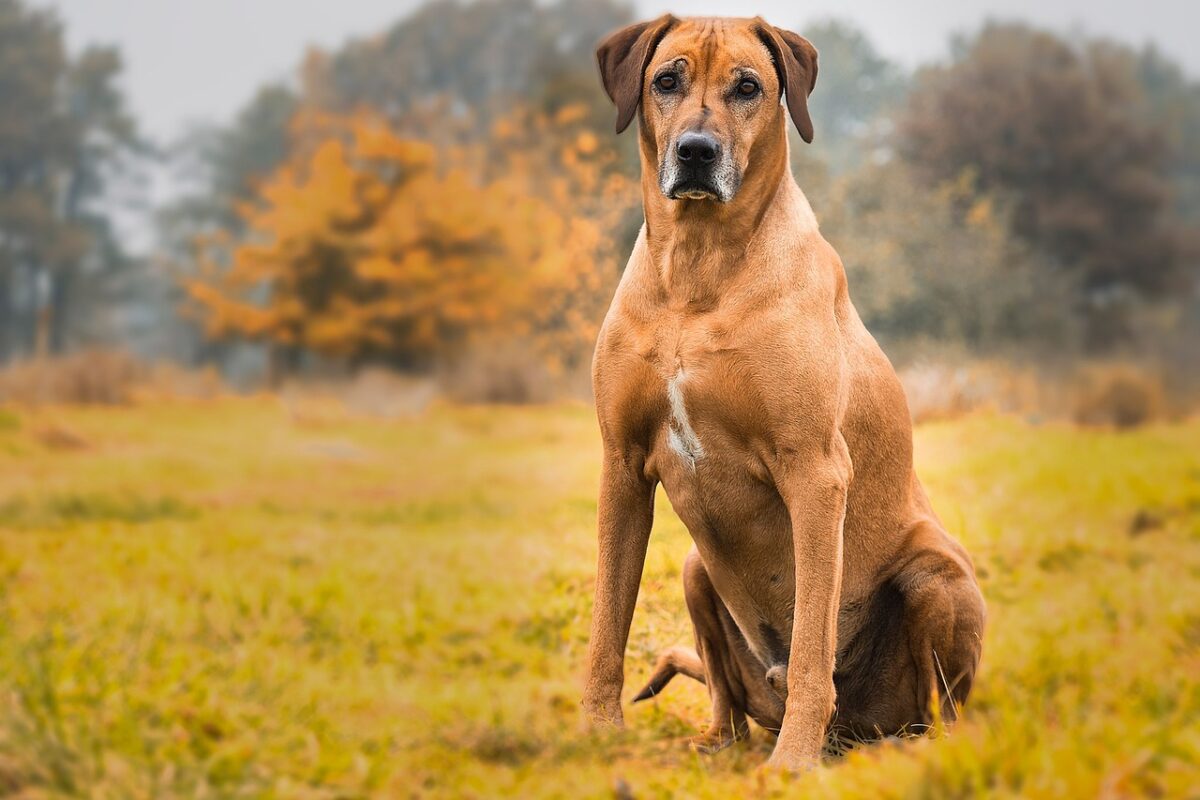
Originally bred to corner lions, the Rhodesian Ridgeback possesses a bite force of 310 PSI. They are known for their “independence,” which is code for being incredibly stubborn. If a Ridgeback doesn’t believe your command is worth following, they simply won’t do it. This becomes a major issue when their high prey drive kicks in during a walk.
While they aren’t typically “man-stoppers” in the way a Mastiff is, their speed and agility mean they can cover ground and deliver a bite before most people can react. Expert trainers suggest that Ridgebacks require at least two hours of vigorous exercise daily to prevent the frustration that leads to redirected aggression. A bored Ridgeback is a dangerous Ridgeback.
Think that’s impressive? The next dog is the “national dog of Africa” and it has a bite style unlike any other…
#10 — Boerboel

The Boerboel is a South African Mastiff with a bite force estimated at 450 PSI (though some tests suggest higher). These dogs were the last line of defense for farmers against leopards and hyenas. They are massive, muscular, and inherently suspicious of anyone who doesn’t live in the house.
The Boerboel is often described as “the most protective dog on the planet.” While this sounds like a positive, it often translates to a dog that might attack a delivery driver or a visiting relative without a second thought. They are incredibly discerning, but their “threat detection” can be overly sensitive if they aren’t socialized with hundreds of different people during puppyhood.
Believe it or not, the most popular “police dog” in the world actually has a lower bite force than the Boerboel, but it’s far more likely to use it…
#11 — German Shepherd
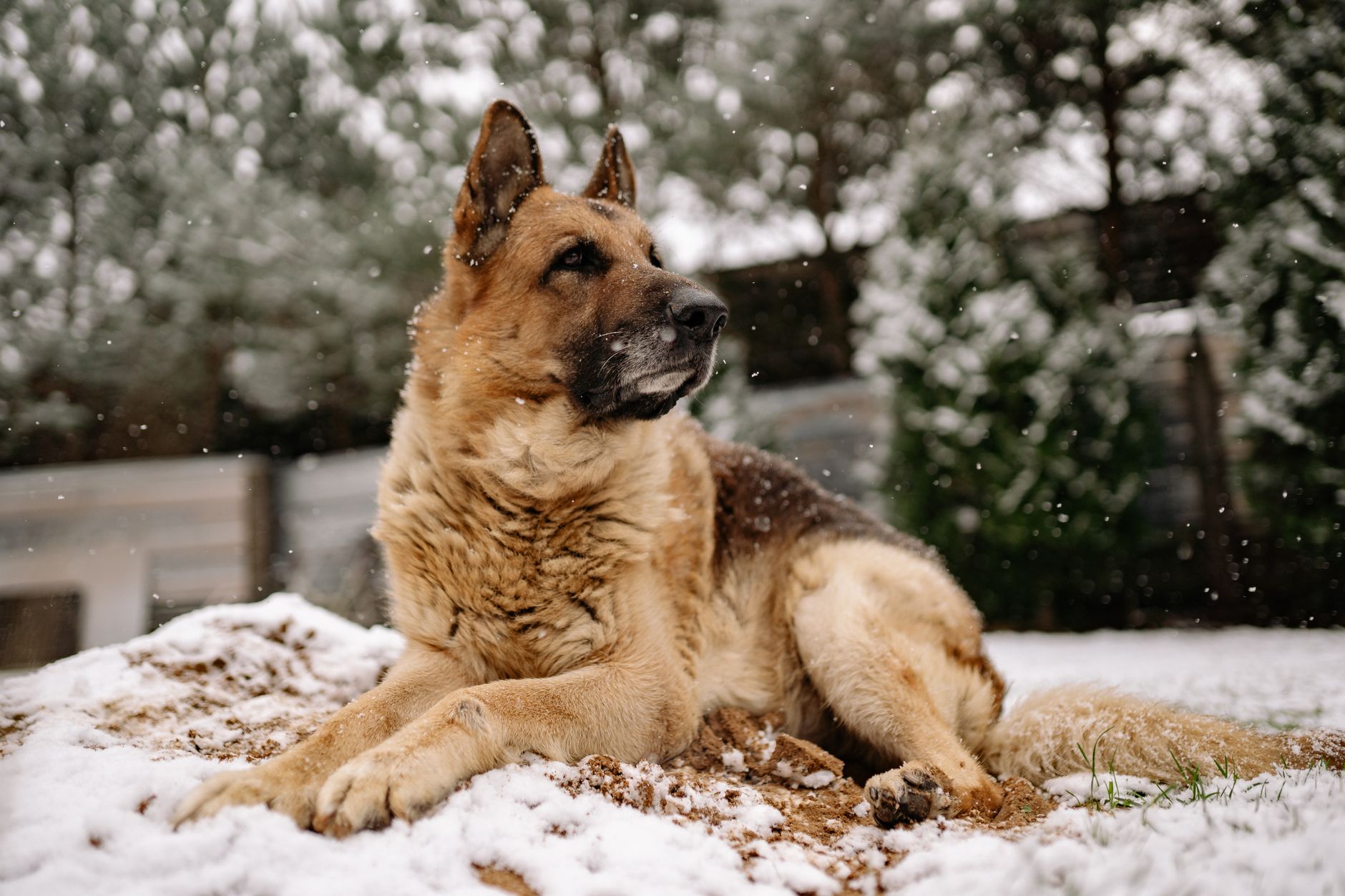
The German Shepherd has a bite force of 238 PSI. While this is lower than the giants, the Shepherd makes up for it with frequency. Because they are so widely owned and often used in high-stress roles, they are frequently involved in bite statistics. They have a “snappy” temperament, often biting out of fear or anxiety rather than pure territoriality.
The German Shepherd’s jaw is designed for “gripping and pulling,” which is why they are the gold standard for K9 units. However, “backyard breeding” has led to a rise in nervy, fearful Shepherds that might not be ideal dogs around childdren . This breed requires mental stimulation; without it, they become neurotic and aggressive toward anything that moves quickly.
The next dog on our list is the German Shepherd’s cousin, and many say it’s twice as “intense”…
#12 — Belgian Malinois

The Belgian Malinois, often called the “Maligator,” has a bite force of 195 PSI. Don’t let the lower number fool you—this dog is basically a heat-seeking missile with fur. They are faster, more agile, and have a much higher “bite frequency” than the German Shepherd. In a tactical situation, a Malinois might bite three different targets in the time it takes a Mastiff to move across the room.
The “danger” with the Malinois is their extreme energy. Many influencers have popularized the breed on social media, leading to a surge in families buying them for suburban homes. This is a recipe for disaster. Without 4-6 hours of “work” a day, a Malinois will develop severe behavioral issues, often culminating in “redirected aggression” toward its owners.
But have you ever heard of the “Dutch” version? Its power might just surprise you…
#13 — Dutch Shepherd

Similar to the Malinois, the Dutch Shepherd has a bite force of approximately 224 PSI. They were originally used for herding and guarding, but today they are mostly found in elite military and police units. They are known for being slightly more “level-headed” than the Malinois, but they possess a more crushing grip.
The Dutch Shepherd is a “high-drive” dog, meaning they are constantly looking for something to hunt or guard. If you don’t give them a “job,” they will find one—and you likely won’t like the job they choose. This often involves guarding the front door against everyone, including your friends and family.
If you think these shepherds are tough, wait until you see the ancient mountain dog that has been known to take on wolves solo…
#14 — Akita Inu

The Akita is a Japanese breed with a bite force of 350–400 PSI. Historically used for hunting bears, Akitas are “one-person” dogs that are notoriously wary of strangers. They are unique in that they don’t always give a warning growl; they are “silent strikers” who may appear calm right until the moment they bite.
Akitas have a “scissor-shaped” jaw that makes their bite particularly difficult to treat. Genetic studies show that Akitas have some of the closest DNA to wild wolves, which explains their independent and sometimes cat-like temperament. They do not tolerate other dogs well, and most Akita attacks occur during “dog park” incidents where the owner overestimated the dog’s social skills.
But there is another massive breed that looks like a fluffy cloud, yet hides one of the strongest bites in the world…
#15 — Leonberger
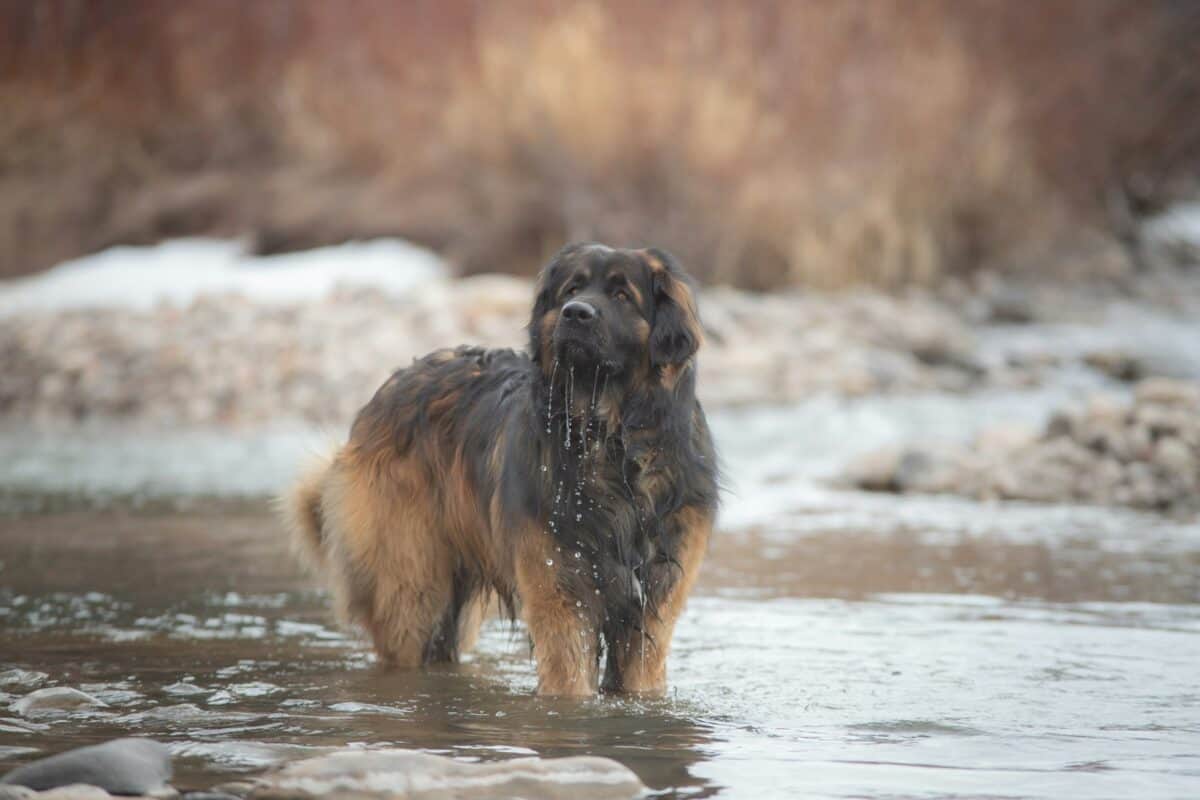
The Leonberger is a massive cross-breed with a bite force of 399 PSI. Created to look like a lion, they are generally known for being “family dogs.” However, their sheer size means that if they do decide to bite, the damage is severe. They were bred for pulling carts and guarding estates, giving them incredible neck and jaw strength.
The risk with a Leonberger is “fear-aggression.” Because they are so large, they can feel cornered easily in small houses or crowded areas. Experts note that a Leonberger’s bite is often a “single-event” disaster—they may never bite for ten years, but one bad reaction can be life-altering due to the PSI involved.
The next breed is a giant from the Swiss Alps, and it’s not just for rescuing people in the snow…
#16 — Saint Bernard

The Saint Bernard clocks in at 195 PSI. While they are the “nanny dogs” of the mountain, they are historically livestock guardians. A 180-pound Saint Bernard that becomes territorial over its food or its “person” is nearly impossible to move. Their bite force is lower than a Rottweiler’s, but the mass behind the bite adds a “crushing” element that PSI doesn’t fully capture.
Many people forget that Saint Bernards were used as “war dogs” in certain phases of history. In modern settings, the biggest threat is “maternal aggression”—a female Saint Bernard with puppies can be one of the most dangerous animals on a farm. They are slow to anger, but once they reach their breaking point, they are a force of nature.
Wait until you see the “Russian Prison Dog” that’s next on our list…
#17 — Black Russian Terrier

Don’t let the name “Terrier” fool you; this is a 130-pound giant with a bite force of 330 PSI. Created by the Soviet government in the “Red Star” kennel, this breed was engineered specifically for military use and prison guarding. They are a blend of 17 different breeds, including the Giant Schnauzer and Airedale Terrier.
The Black Russian Terrier (BRT) is “suspicious by design.” They are meant to guard borders and ignore anyone who isn’t their handler. Owners often report that the BRT is “always on duty,” watching the windows and doors with an intensity that can become dangerous. If they aren’t given clear leadership, they will take over the household, often using their mouth to “enforce” their rules.
The next dog is the most famous “tough guy” dog in the world, but its ranking might leave you confused…
#18 — American Pit Bull Terrier
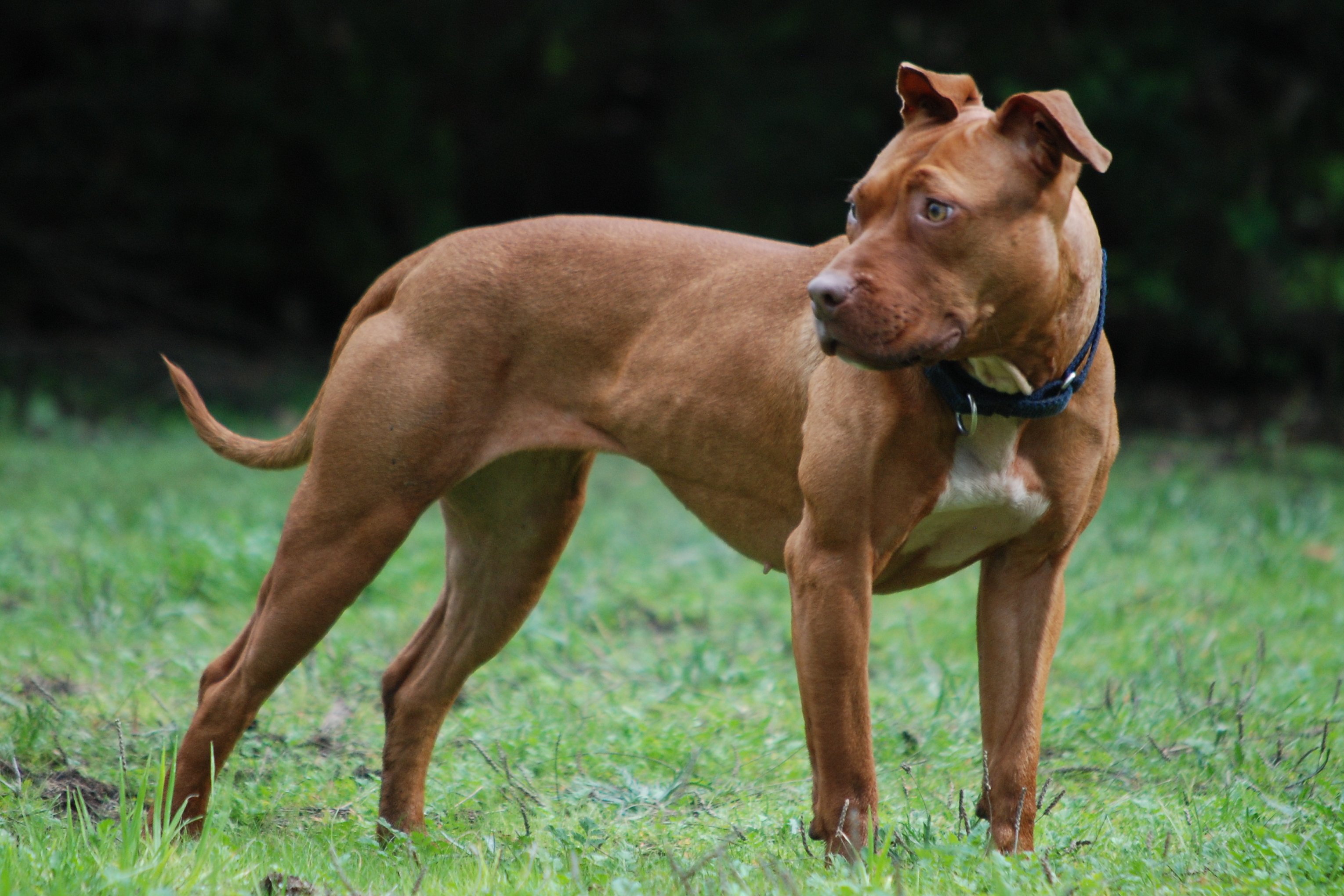
The American Pit Bull Terrier has a bite force of 235 PSI. This often surprises people who expect it to be much higher. The “danger” of the Pit Bull isn’t the raw pressure, but the style of the attack. Unlike Shepherds that “nip” or Mastiffs that “crush,” Pit Bulls are “gameness” dogs that hold and shake, often ignoring their own pain to finish a “task.”
The controversy surrounding Pit Bulls is largely due to their overrepresentation in bite statistics. Advocates argue this is due to poor ownership and sheer numbers, while critics point to the breed’s history of dog-fighting. Regardless of the side you take, the data shows that a Pit Bull bite is statistically more likely to require surgical intervention than a bite from a breed with higher PSI.
But there is a “Bull” breed from across the pond that is even more compact and powerful…
#19 — English Bulldog

Believe it or not, the English Bulldog has a bite force of 210 PSI. While they are now bred for companionship and often suffer from health issues, their history as “bull baiters” is still visible in their jaw structure. They were designed to latch onto a bull’s nose and breathe through their recessed nose while holding on for dear life.
The danger with Bulldogs today is mostly found in “resource guarding” and “stubbornness.” A Bulldog that doesn’t want to move or give up a toy can become surprisingly snappy. Because people view them as “lazy” and “cute,” they often ignore the warning signs (stiffening, whale eye) until the dog is forced to use its teeth.
The next dog on the list is the “King of Terriers,” and it has a bite that punches way above its weight class…
#20 — Airedale Terrier
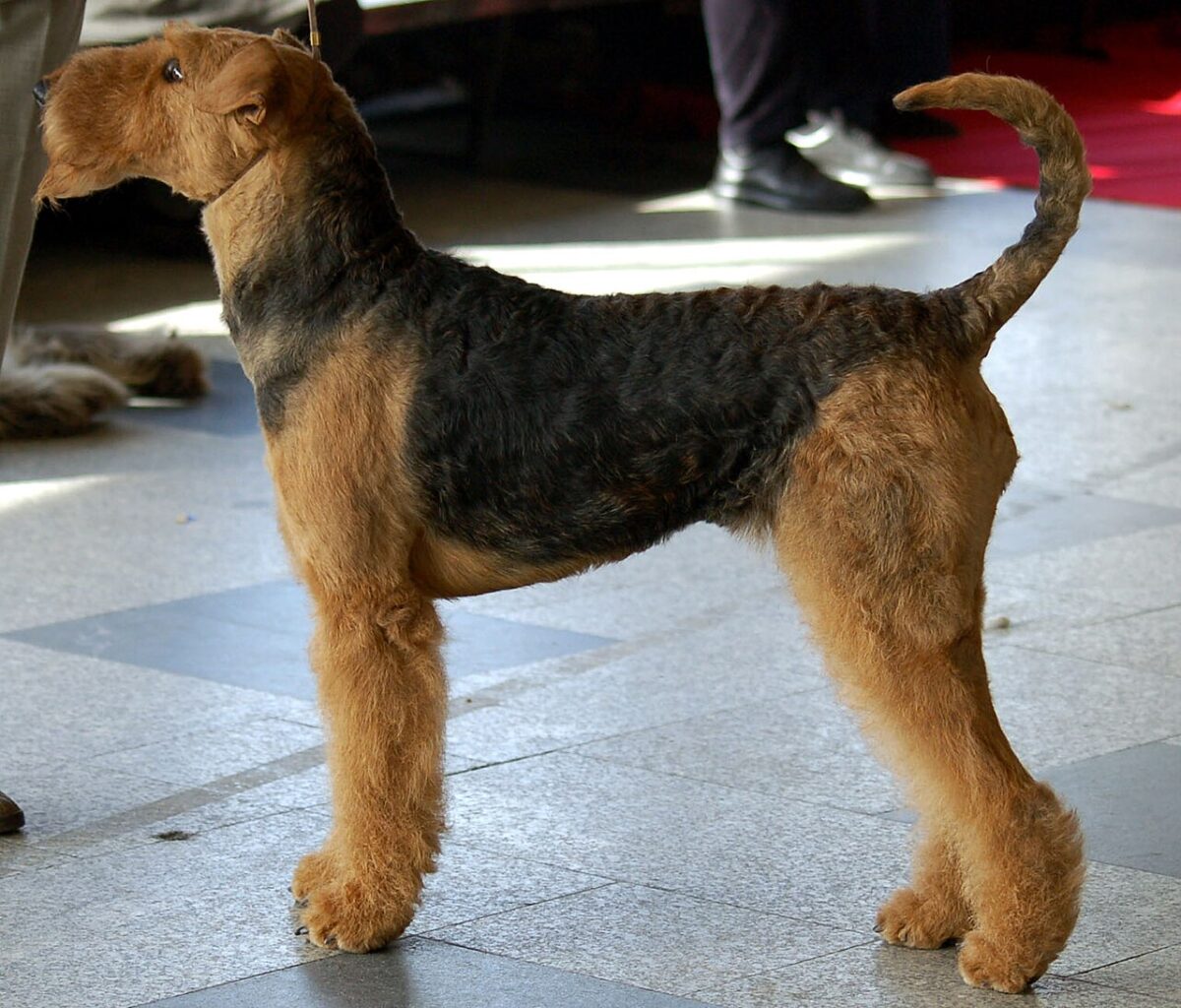
Lilly M, CC BY-SA 2.5, via Wikimedia Commons
The Airedale Terrier has a bite force of 269 PSI. As the largest of all terriers, they were used in World War I to carry messages and find wounded soldiers. They have a “hard” mouth, meaning they tend to bite down with everything they have from the very first second.
Airedales are known for having a “short fuse” with other dogs. Behavioralists often warn that Airedales don’t “play” like other dogs; their play is often rough and can escalate into a real fight in a heartbeat. Because of their intelligence, they quickly learn how to use their bite force to get what they want from their owners.
Wait until you see the sleek, “aristocratic” dog that follows—it’s not as friendly as it looks…
#21 — Doberman Pinscher
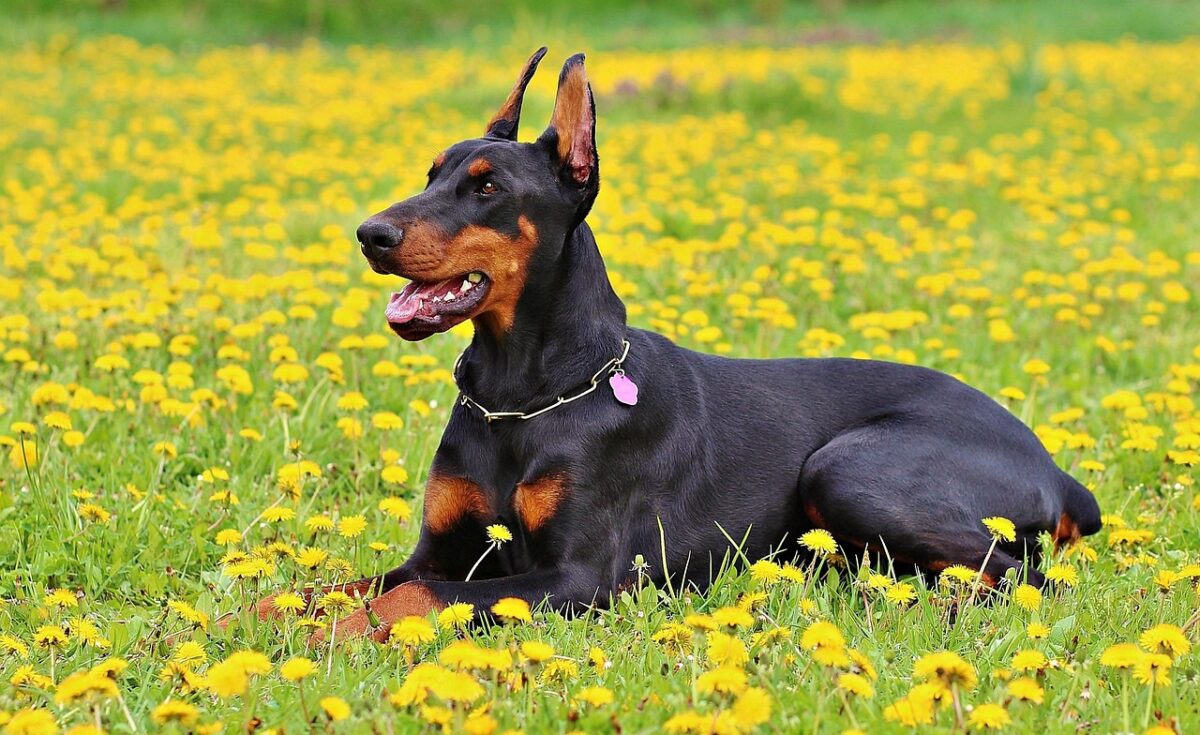
The Doberman Pinscher exerts 245 PSI. They were literally bred by a tax collector named Karl Friedrich Louis Dobermann for protection during his rounds. They are “thinking” dogs that are highly sensitive to their environment. A Doberman doesn’t just attack; it “defends” its personal space with surgical precision.
Dobermans have a reputation for “snapping” at strangers, often due to poor socialization. Modern breeders have worked hard to temper the Doberman’s aggression, but the “protective” genetics are still very much present. They are one of the most likely breeds to “vocalize” their intent before biting, which is a courtesy some of the more powerful breeds don’t provide.
But what about the dog known as the “African Lion Hound”? Its bite is designed for a very specific purpose…
#22 — Chow Chow

The Chow Chow has a bite force of 220 PSI. They might look like teddy bears, but they are one of the few breeds that are frequently blacklisted by insurance companies. They are “aloof” and “one-family” dogs that typically have very little patience for strangers or children who “poke” at them.
Chow Chows are unique because of their “peripheral vision” issues—their deep-set eyes mean they can be easily startled from the side. A startled Chow Chow is highly likely to bite first and ask questions later. They are famously protective of their owners, often viewing any approaching stranger as a threat to be neutralized.
Think the Chow Chow is moody? Wait until you see the Belgian sheepdog that looks like a black wolf…
#23 — Groenendael (Belgian Sheepdog)

The Groenendael has a bite force of 195 PSI. Like its cousin the Malinois, it is a high-drive herding dog. However, the Groenendael is known for being more “sensitive” and “reactive.” If the environment is too loud or chaotic, this dog will “herd” people by nipping at their heels or hands.
The “danger” here is that the breed is incredibly fast and can deliver multiple bites in a matter of seconds. Owners often mistake the dog’s “energy” for “aggression,” which leads to a cycle of punishment and further reactivity. They are brilliant dogs, but in a chaotic household, they are a biting incident waiting to happen.
The next dog looks like a “Lassie” dog, but it actually has a history as a fierce guardian…
#24 — Boxer
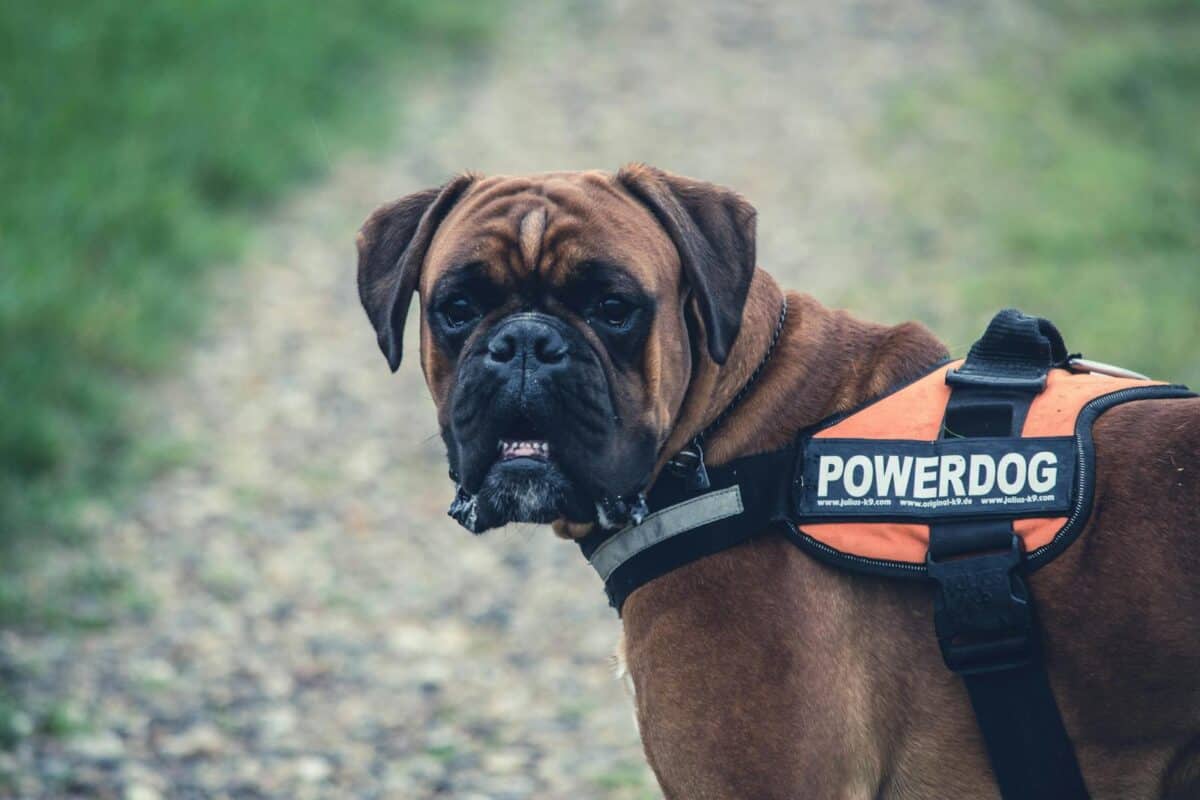
The Boxer has a bite force of 230 PSI. While they are often called “the clowns of the dog world,” they were originally used for “holding” large game. They have a powerful, “undershot” jaw that allows them to maintain a grip while still being able to breathe.
Boxers are generally great with families, but they are “exuberant.” Most Boxer-related injuries are “accidental bites” during rough play, as the dog doesn’t realize the power behind its jaw. However, a Boxer that feels its “family” is being threatened will not hesitate to use its full pressure to defend them.
Wait until you see the massive dog from the Pyrenees mountains—it’s not just a livestock guardian…
#25 — Great Pyrenees
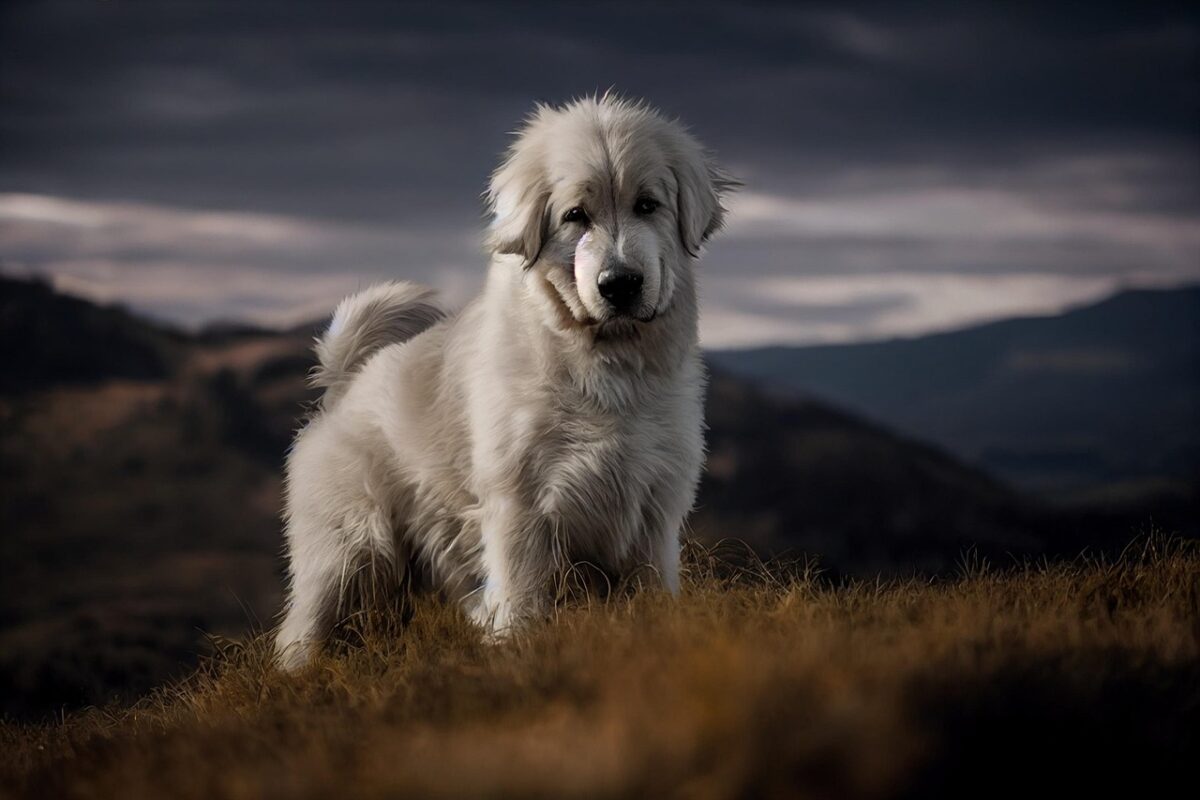
The Great Pyrenees has a bite force of 227 PSI. These dogs are designed to live with sheep and fend off wolves silently. They are “nocturnal” by nature, meaning they are most alert and “guarded” at night. If someone tries to enter your yard at 2 AM, they will meet a dog that is ready to use every bit of those 227 pounds of pressure.
The challenge with the Pyrenees is their “independent” streak. They were bred to make decisions without a human present. If a Pyrenees decides that your neighbor is a threat, no amount of shouting will stop them. They are slow-moving but have a “locking” mindset once they engage a target.
But what about the “Giant” version of the Schnauzer? Its bite is much more formidable…
#26 — Giant Schnauzer
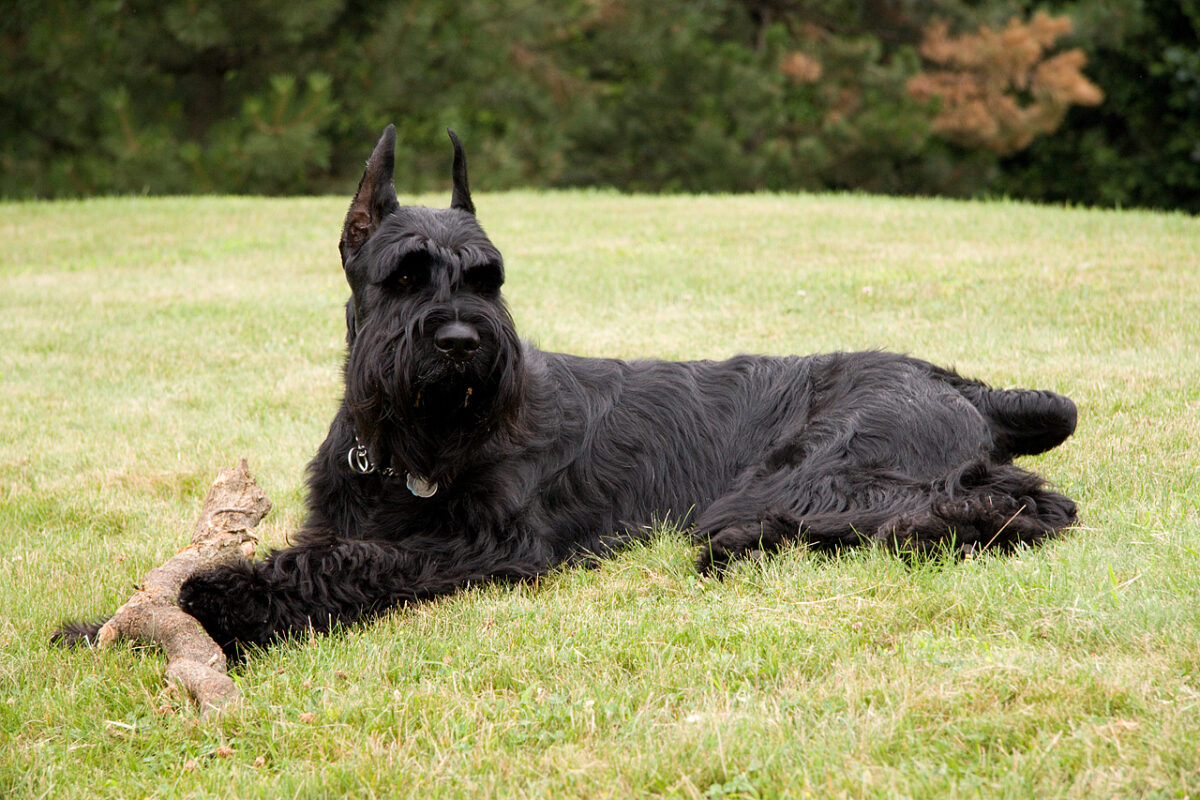
Paul Kounine (mischivo), CC BY-SA 3.0, via Wikimedia Commons
The Giant Schnauzer has a bite force of 280 PSI. Not to be confused with its smaller “mini” cousins, the Giant was used as a brewery guard and a police dog in Europe. They are “dominant” dogs that will test their owner’s authority constantly.
If a Giant Schnauzer feels it has “won” the hierarchy battle in the house, it can become aggressive toward “interlopers” (guests). Veterinary behaviorists note that the breed has a very “physical” way of communicating, using their mouth to push or “guide” people, which can easily escalate into a full bite if they are challenged.
The next dog is the “Dog of the Vikings,” and it has the bite force to prove it…
#27 — Norwegian Elkhound
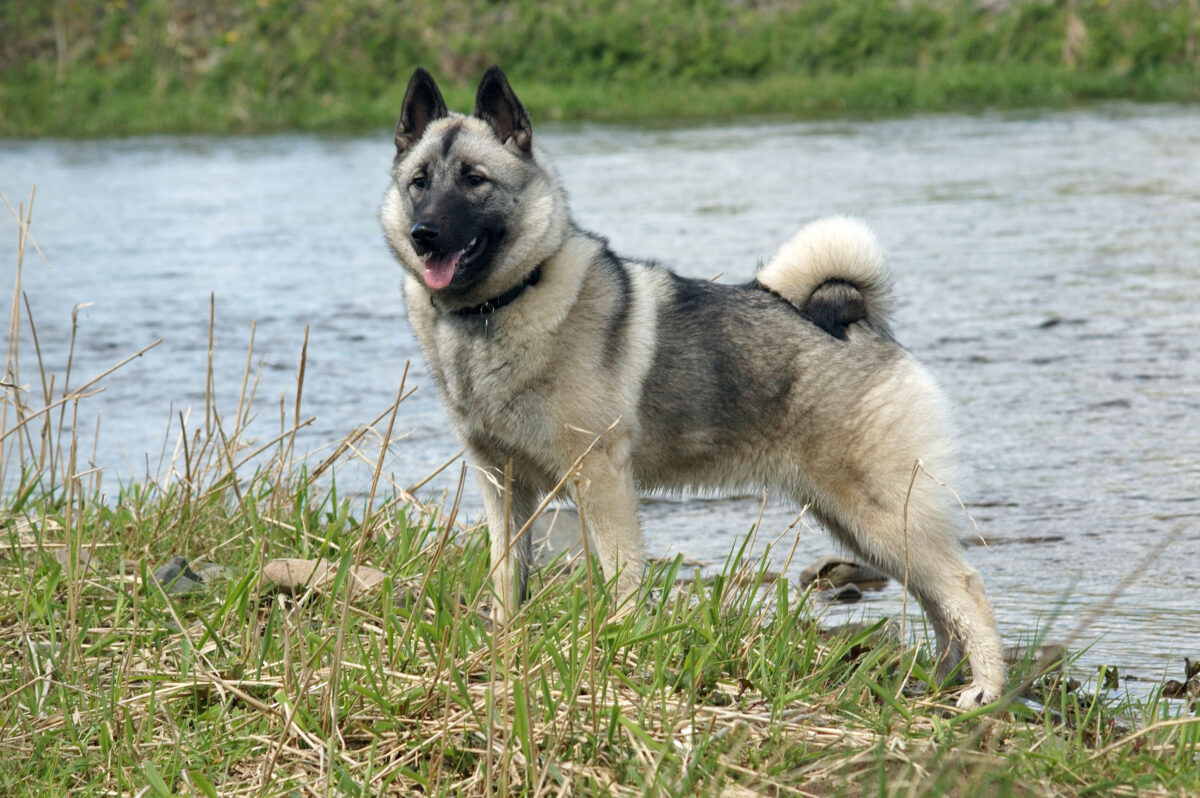
The Norwegian Elkhound has a bite force of 250 PSI. They were used to hunt moose and elk, meaning they are incredibly brave and surprisingly strong for their 50-pound frame. They are “barkers” who will corner a target and alert the “hunter.”
While they aren’t traditionally “aggressive,” they have a very high “defense drive.” If an Elkhound feels cornered, it will engage with a speed that catches most owners off guard. They are also incredibly food-motivated, which leads to high rates of “resource guarding” bites in the kitchen.
But have you seen the “Hungarian Ghost”? Its bite is as rare as it is powerful…
#28 — Kuvasz

The Kuvasz is a white-coated guardian from Hungary with a bite force of 310 PSI. Throughout history, they were only allowed to be owned by royalty. They are “intellectual” guardians, meaning they assess every person who enters their property with a cold, calculating gaze.
Kuvaszes are fiercely loyal but “unforgiving.” If they have a bad experience with a specific type of person, they will remember it for life. The danger with the Kuvasz is that they are “thinkers” who may decide you are no longer the leader of the pack, leading to a dangerous “challenge” bite to assert dominance.
The next dog is a “spitz” breed that was used for hunting big game in the snow…
#29 — Jindo
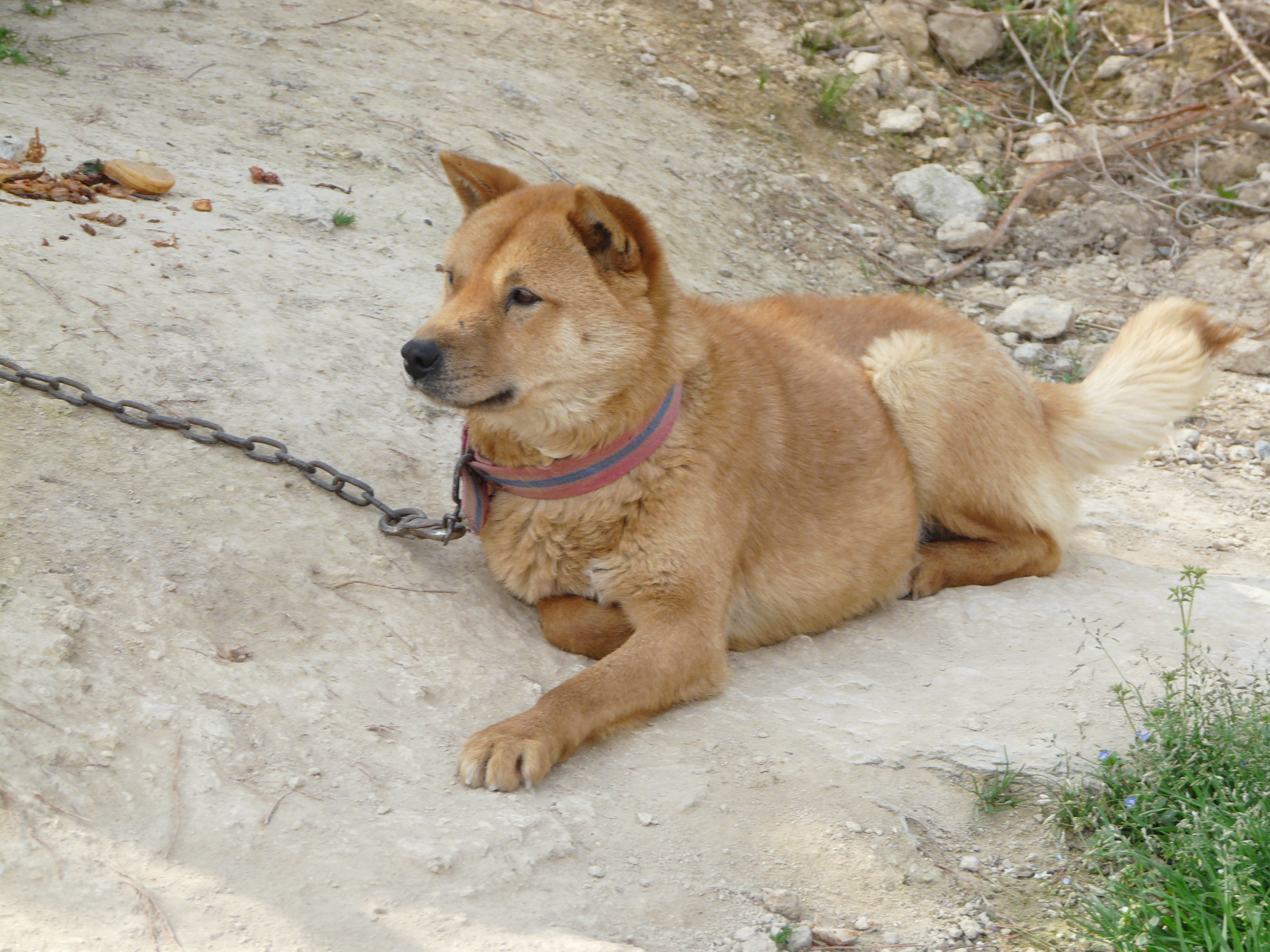
The Korean Jindo has a bite force of 260 PSI. These dogs are legendary for their loyalty to one person, but they are notoriously “sharp” with everyone else. In Korea, they are national treasures, but in the US, they are often misunderstood as “stubborn” pets.
Jindos have a very high “prey drive” and “same-gender aggression.” Owners often struggle to keep them in multi-dog households, as a Jindo will rarely back down from a fight. Their bite is quick and “nippy,” designed to wear down larger prey through repeated strikes rather than one long hold.
Wait until you see the “Russian Bear Dog”—its name says it all…
#30 — Caucasian Shepherd
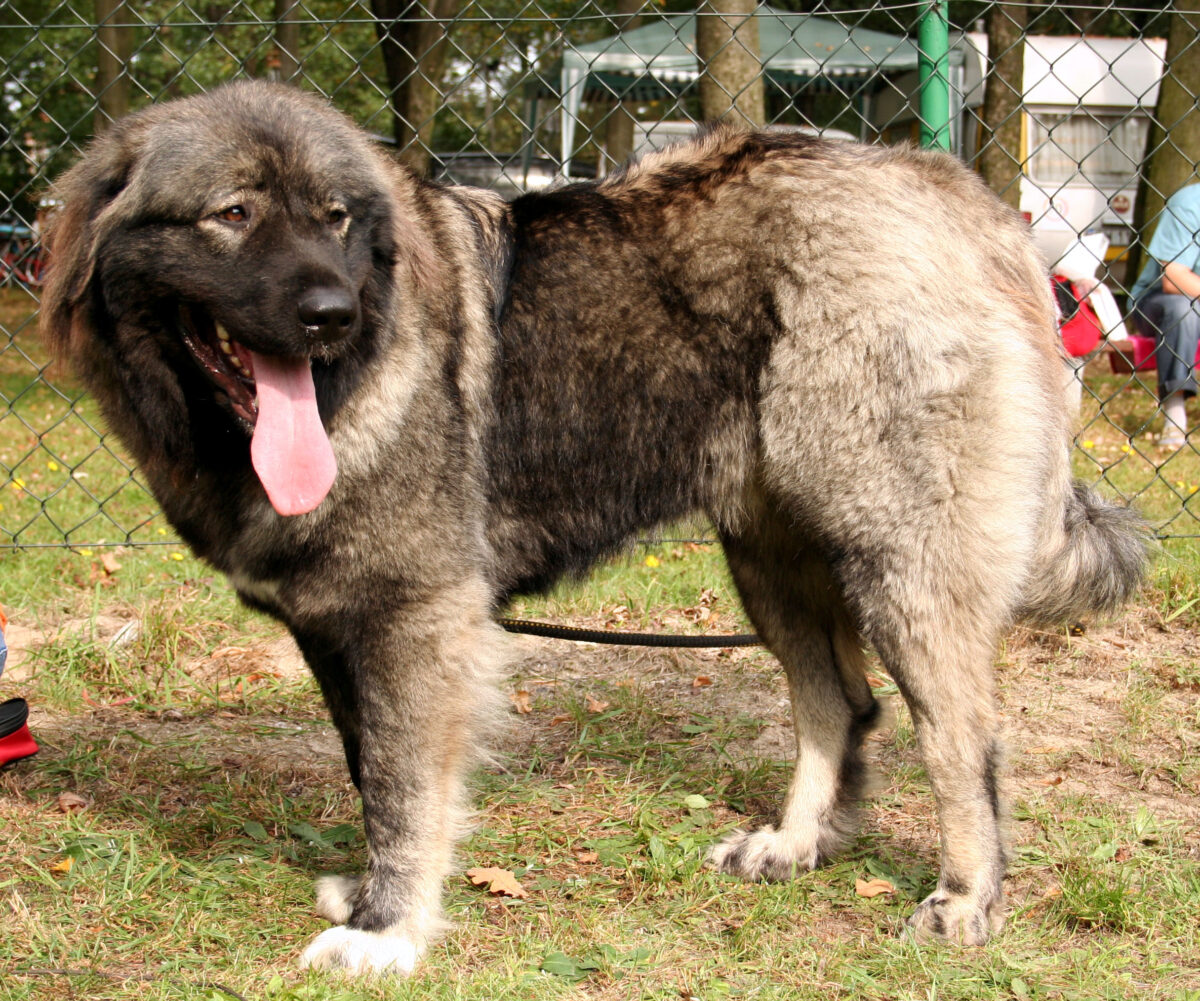
The Caucasian Shepherd (Ovcharka) is a 200-pound behemoth with a bite force estimated at 550–700 PSI. They are used to guard prisons in Russia and sheep in the Caucasus mountains. These aren’t dogs; they are “deterrents.” They are naturally suspicious of everyone and everything that isn’t their “charge.”
Owning a Caucasian Shepherd is a massive responsibility that many people fail. In a suburban setting, this dog is a “ticking time bomb” because they cannot distinguish between a neighbor and a predator. Their bite is “total,” meaning they use the full force of their jaw with every strike, often leading to lost limbs or worse.
The next dog is the “English” version of the protector, and it’s a bit more refined but just as deadly…
#31 — Bullmastiff

The Bullmastiff has a bite force of 552 PSI. They were bred by English gamekeepers to catch poachers. Interestingly, they were bred not to bite, but to “pin” the poacher to the ground. However, if the “pin” doesn’t work, the Bullmastiff has the jaw strength to end the confrontation immediately.
They are “low-bark” dogs, which makes them excellent for stealth. The danger lies in their “weight-to-bite” ratio; a Bullmastiff can knock you down and deliver a high-PSI bite before you even know they are there. They require extensive “recall” training, as they are very difficult to stop once they decide to charge.
Think they’re tough? The next dog is the “National Dog of Argentina” and it was bred to hunt pumas…
#32 — Fila Brasileiro
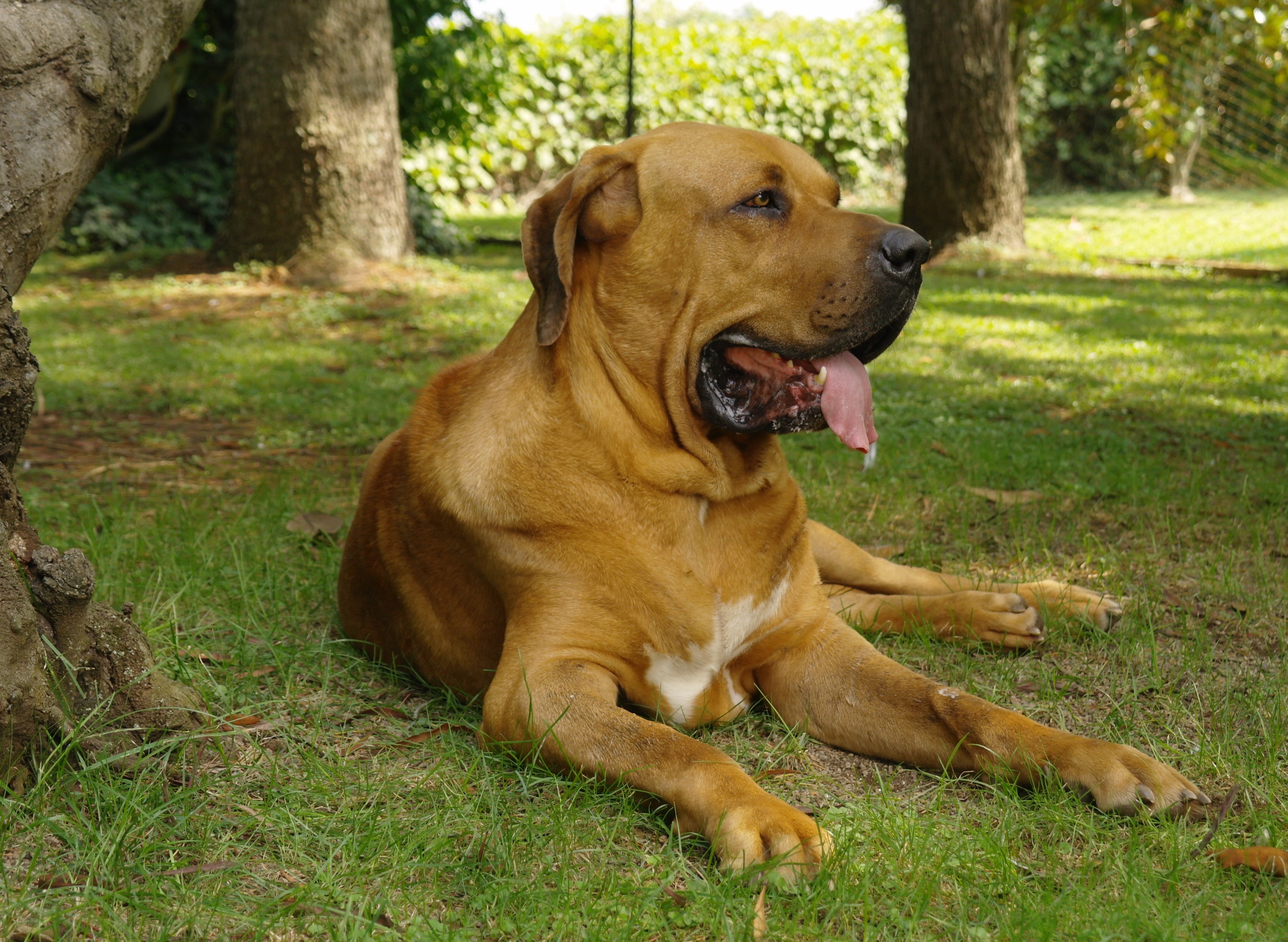
The Fila Brasileiro (Brazilian Mastiff) has a bite force of 500 PSI. They are known for a trait called “ojeriza,” which translates to a “natural dislike of strangers.” In Brazilian dog shows, judges are actually warned not to touch the dogs.
The Fila is a “track and trap” dog. They are legally banned in several countries because their instinct to attack strangers is so deeply bred into them. Unlike other dogs that can be “socialized out” of their aggression, the Fila’s temperament is a core part of the breed standard. They are for “expert handlers only.”
The next breed is a “Bully” breed that is often confused with the Pit Bull, but it’s much more massive…
#33 — American Bulldog

The American Bulldog has a bite force of 305 PSI. These are the “working” Bulldogs of the American South, once used for “catching” cattle and hogs. They are much more athletic and driven than the English Bulldog.
Because they were bred for “work,” they have a high “intensity.” An American Bulldog that isn’t given enough mental stimulation will often become “destructive-aggressive,” chewing through doors and then eventually snapping at their owners in frustration. They are incredibly strong and require a “no-nonsense” leader.
But what about the “Lion” dog of the East? Its bite is as legendary as its history…
#34 — Tibetan Mastiff

The Tibetan Mastiff has a bite force of 500–550 PSI. These are the ancient ancestors of most Mastiffs today. They were bred to guard entire Himalayan villages against tigers and leopards. They are “primitive” dogs, meaning they don’t look to humans for direction as much as a Lab or a Shepherd would.
Tibetan Mastiffs are “territory-obsessed.” They have been known to “expand” their territory to the sidewalk or the neighbor’s yard, viewing anyone who crosses that invisible line as an intruder. Their bite is “crushing,” and because of their thick coat, they are nearly impossible to grab or restrain during an attack.
The final breed on our list is a “German” protector that many people think is just a “fat Doberman”…
#35 — Leonberger (Variant)
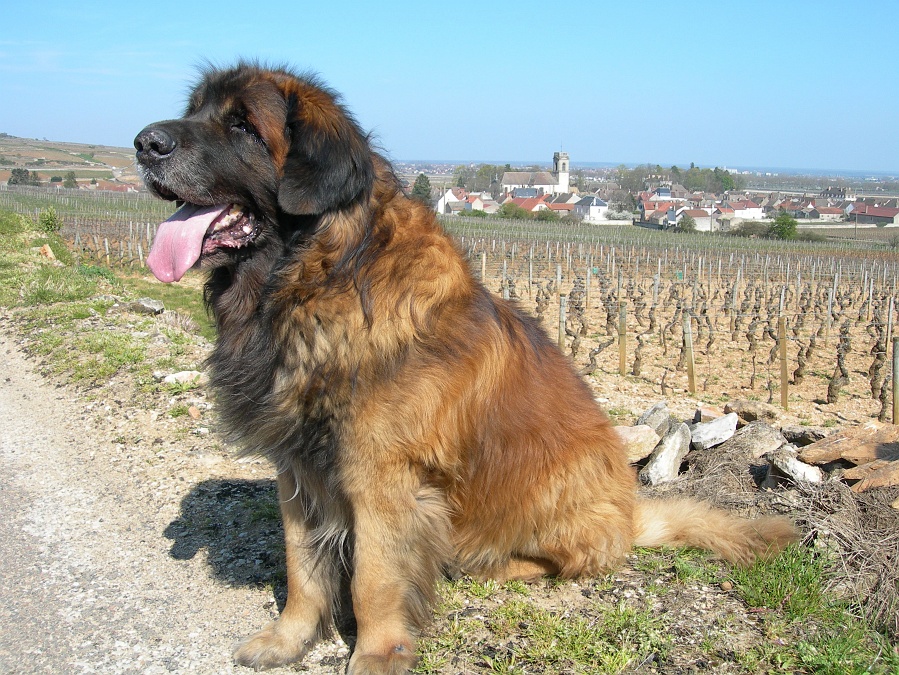
Wait, we already mentioned the Leonberger—but did you know there are “working lines” with even higher pressure? When tested in high-arousal states, some working-breed Leonbergers have registered over 400 PSI. They are a testament to the fact that “breed temperament” is just as important as “breed mechanics.”
The takeaway for any owner is that bite force is only “potential energy.” Whether that energy is used for defense, work, or aggression depends entirely on the environment, the training, and the “breeding quality” of the individual dog. A “low-force” dog that bites ten times is often more dangerous than a “high-force” dog that never bites at all.
The Bottom Line
When it comes to “aggressive” breeds, the data shows that size and jaw pressure (PSI) are not the same thing as the “likelihood” to bite. While the Kangal and Cane Corso possess the mechanical power to cause catastrophic injury, “moderate” power breeds like the German Shepherd and Pit Bull are statistically more likely to be involved in incidents due to their popularity and varied temperaments. The real danger isn’t the dog’s jaw; it’s an owner who underestimates the “drive” and “history” of the breed they’ve brought into their home.
The most important thing to remember is that “aggression” is often a symptom of poor socialization, lack of exercise, or untreated fear. Even a dog with a 700 PSI bite can be a “gentle giant” in the right hands, but in the wrong hands, every dog on this list is a liability.
Did your favorite breed make the list, or did we miss a powerhouse? Drop your thoughts in the comments below!
