

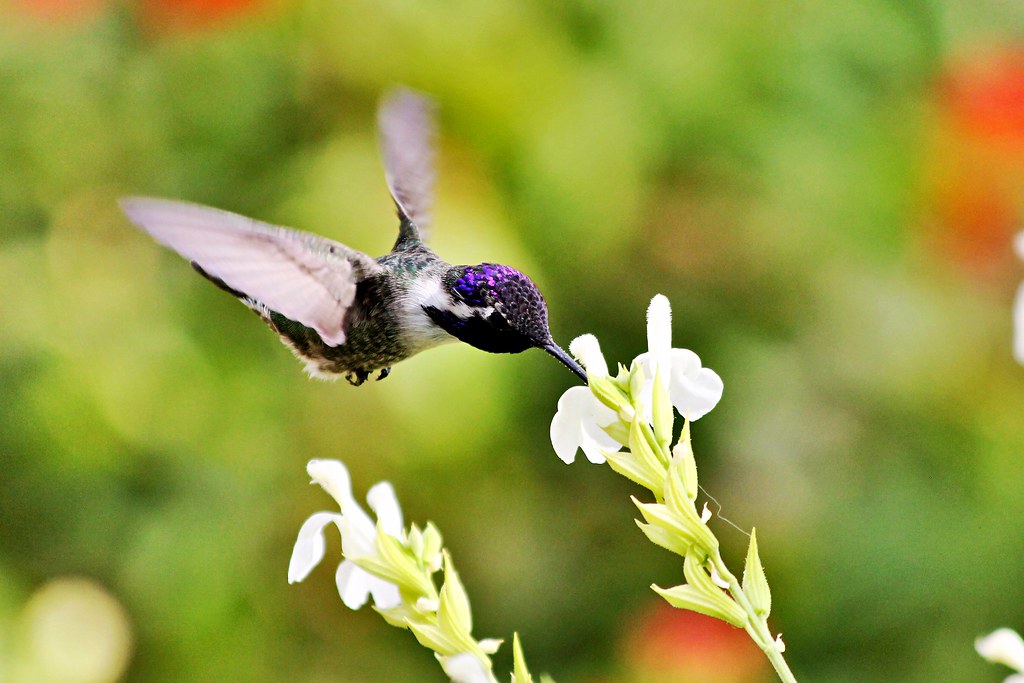
If you’ve ever dreamed of filling your yard with the magical flutter of tiny wings, planting the right flowers that attract hummingbirds is your ticket. These birds don’t just bring beauty—they play a vital role in pollination and add life to any outdoor space. But not all flowers will have hummingbirds zipping in and out of your garden. By choosing blooms that offer rich nectar, tubular shapes, and vibrant colors, you can turn your backyard into a hummingbird haven. Whether you’re a bird lover, a first-time gardener, or just want to add more wildlife to your yard, these must-plant flowers are your best bet. Read on, and by the time you hit #1, you’ll know exactly what to plant to transform your garden into a hummingbird hotspot.
#17 Bee Balm (Monarda)
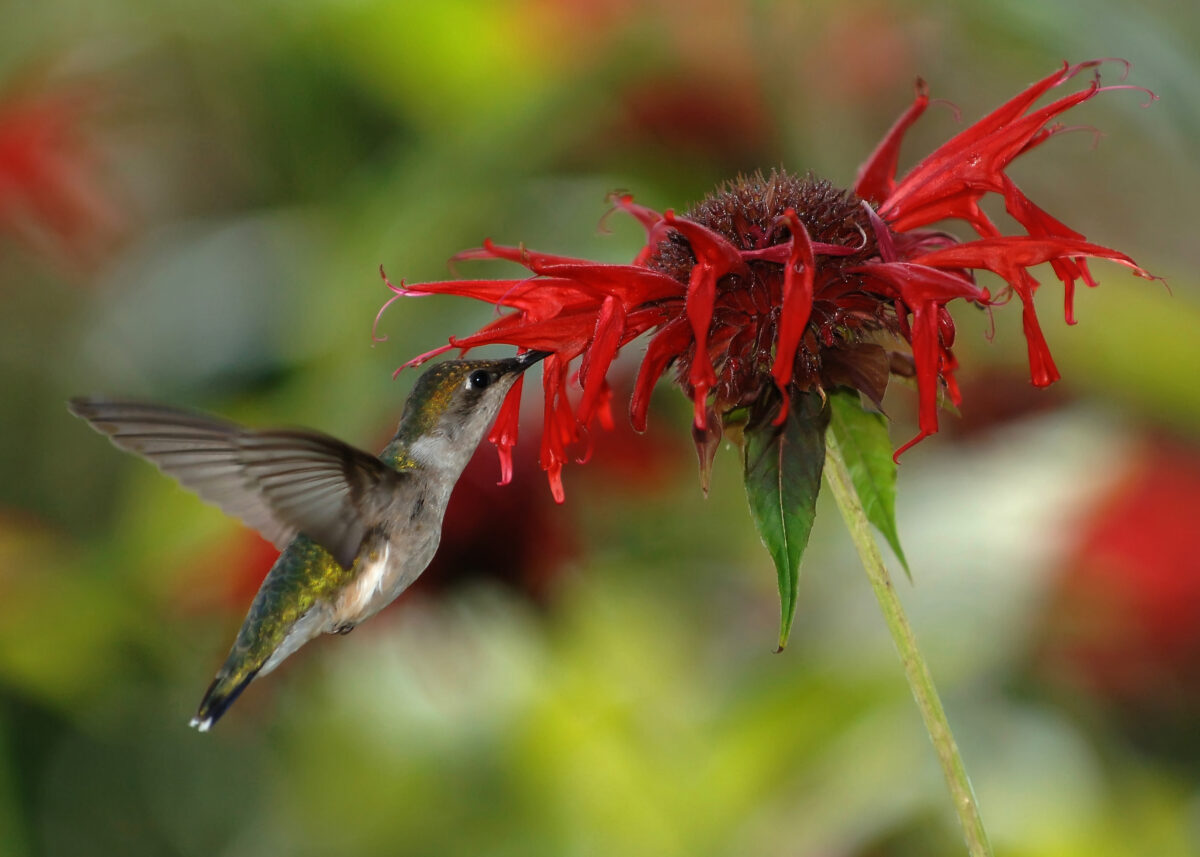
Hummingbirds are irresistibly drawn to bee balm flowers because of their bright scarlet and pink clusters and their tubular petals that act as perfect nectar feeders. Native Americans once used this plant for medicinal teas, but today, gardeners grow it for its stunning display and wildlife appeal. In summer, the fiery red blooms can look like fireworks exploding across your yard.
Tip: Deadhead faded blooms to encourage a second round of flowers and keep the plant neat.
Bee balm also attracts bees and butterflies, creating a pollinator-friendly garden that’s buzzing with life. The strong fragrance of its leaves makes it resistant to deer, meaning you’ll enjoy the flowers without worrying about wildlife damage. In folklore, its leaves were used as a seasoning—earning it the nickname “Oswego tea.”
Tip: Plant bee balm in full sun with well-drained soil for maximum hummingbird activity.
#16 Trumpet Vine (Campsis radicans)
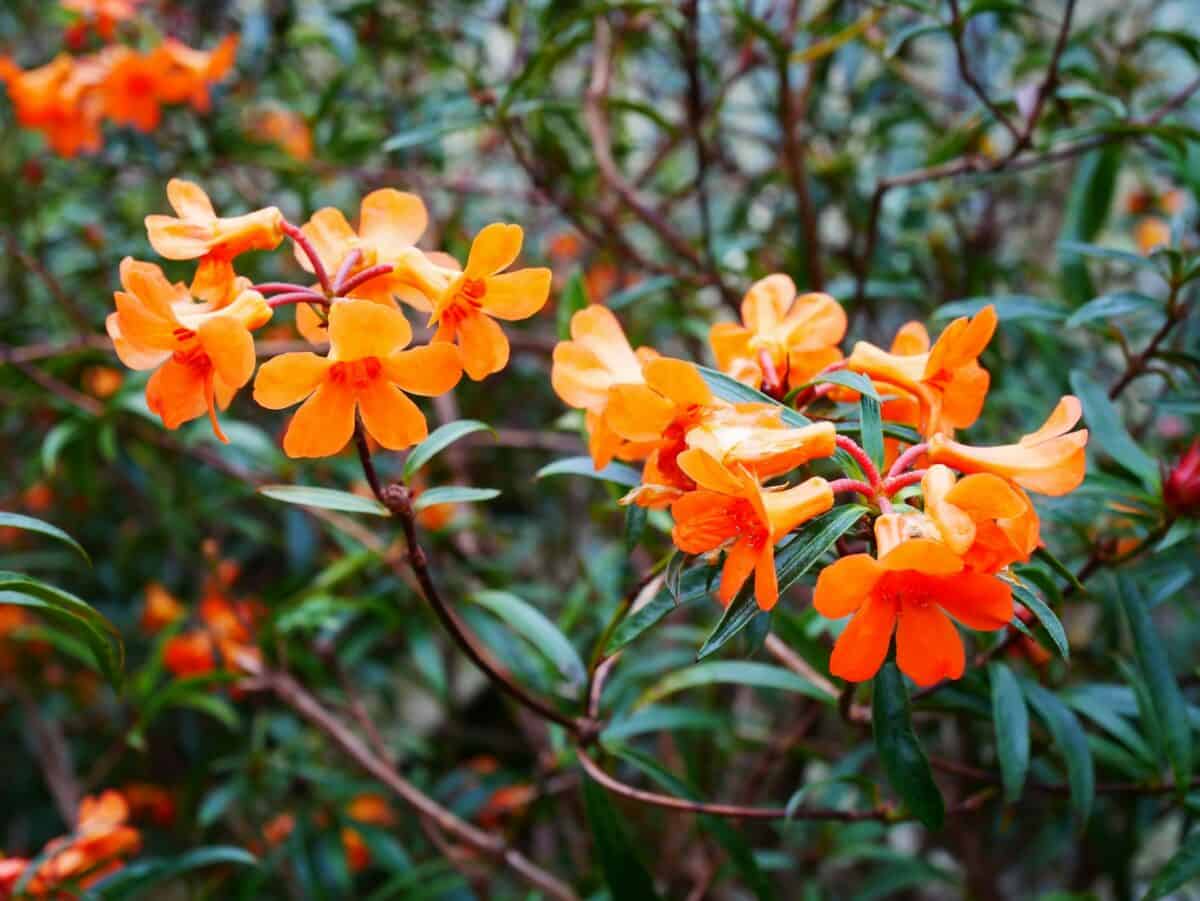
Known as the “hummingbird vine,” the trumpet vine produces large orange-red tubular blossoms that seem tailor-made for long hummingbird beaks. In fact, some say the plant evolved alongside hummingbirds in North America. It climbs aggressively, covering fences, trellises, or even the side of a barn with a cascade of blossoms.
Tip: Prune trumpet vine regularly—it grows fast and can quickly take over structures.
The vine’s nectar is so abundant that hummingbirds often return multiple times a day. There’s even an old gardener’s tale that says if you grow trumpet vine near your porch, you’ll always have company during your morning coffee. While beautiful, it’s vigorous—sometimes too vigorous—so gardeners should plant it thoughtfully.
Tip: Plant trumpet vine where it has space to sprawl, and install strong supports for climbing.
#15 Cardinal Flower (Lobelia cardinalis)
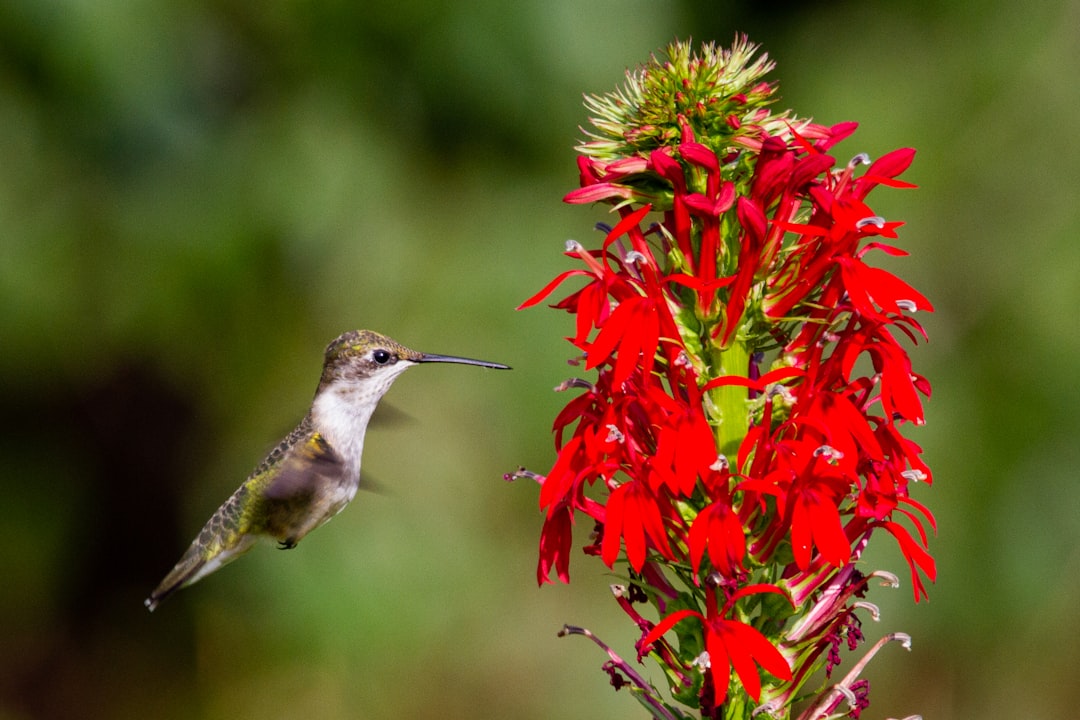
The cardinal flower is one of the most vivid red perennials you can plant, and red is hummingbirds’ favorite color. Its name comes from the robes of Catholic cardinals, which match its brilliant shade. Native Americans once used it as a ceremonial plant, and today it thrives along streams and ponds.
Tip: Keep the soil consistently moist—this flower naturally grows in wet areas.
Hummingbirds flock to the nectar-rich tubes, especially during late summer when food sources start to dwindle. Anecdotally, birdwatchers often recall their first hummingbird sighting at a cardinal flower patch—it’s that magnetic. It also grows tall, sometimes reaching four feet, giving it presence in the garden.
Tip: Pair cardinal flowers with other late-blooming plants to extend nectar availability.
#14 Salvia (Salvia splendens and others)
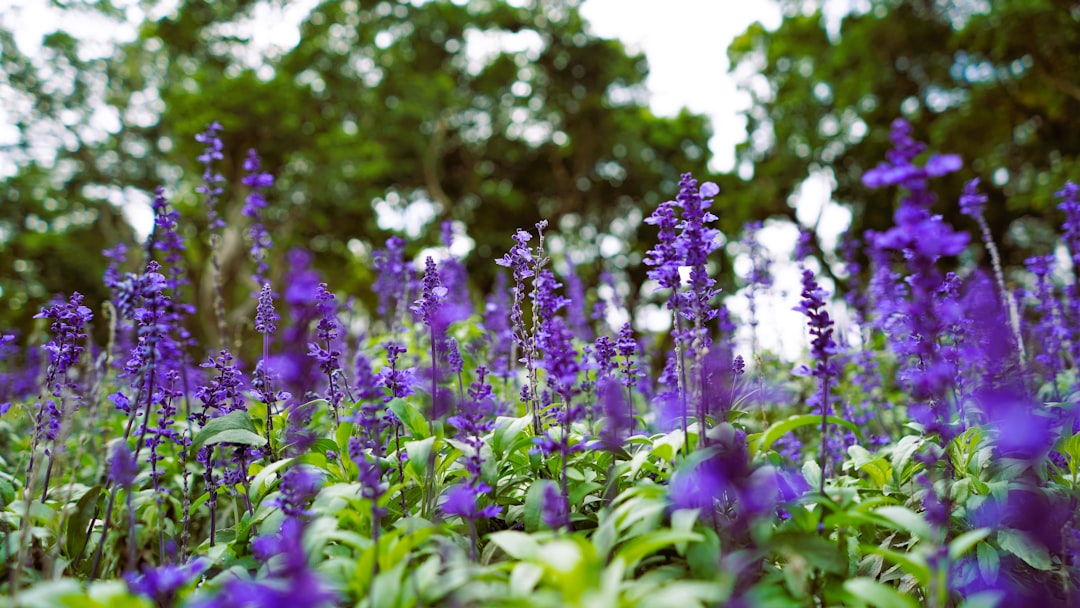
Salvias, especially the red and purple varieties, are hummingbird magnets thanks to their continuous summer-long blooming. These plants produce long spikes of tubular flowers that provide steady nectar sources. Gardeners love salvias because they’re drought-tolerant and easy to care for.
Tip: Pinch back salvias early in the season for bushier plants and more flowers.
In Mexican folklore, salvias were considered sacred plants, and their name means “to heal” in Latin. Many US gardeners share stories of their first hummingbird hovering over a salvia patch, wings whirring so fast they sound like tiny motors. Salvias also deter deer and rabbits, making them low-maintenance choices.
Tip: Place salvias in sunny borders where hummingbirds can easily spot them.
#13 Coral Honeysuckle (Lonicera sempervirens)
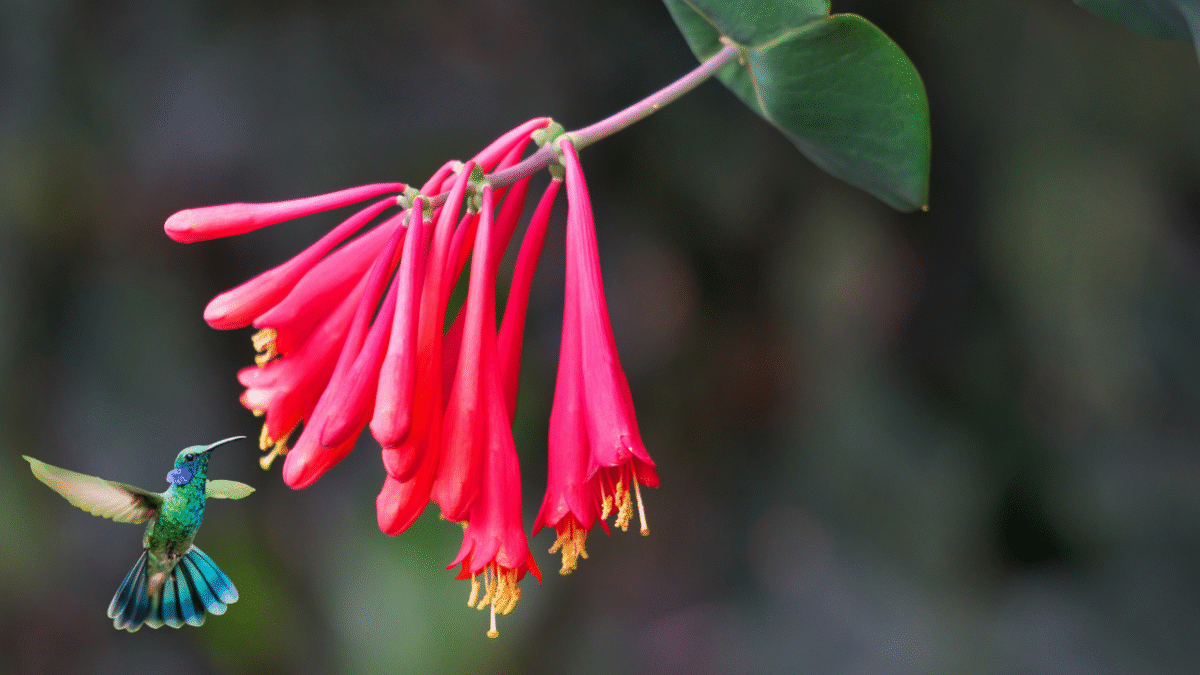
Unlike invasive Japanese honeysuckle, the native coral honeysuckle is well-behaved and loved by hummingbirds. Its coral-red tubular blossoms appear from spring through summer, followed by red berries that feed other songbirds. It’s perfect for trellises and fences, offering beauty and wildlife benefits.
Tip: Provide a support structure for honeysuckle to climb and flourish.
Gardeners often share anecdotes of hummingbirds perching nearby after sipping from honeysuckle blooms, as if reluctant to leave. Its continuous flowering ensures steady nectar, and the glossy leaves stay attractive year-round. This plant is proof that native choices often outperform exotic imports.
Tip: Prune lightly after flowering to maintain shape and encourage new blooms.
#12 Fuchsia (Fuchsia hybrids)
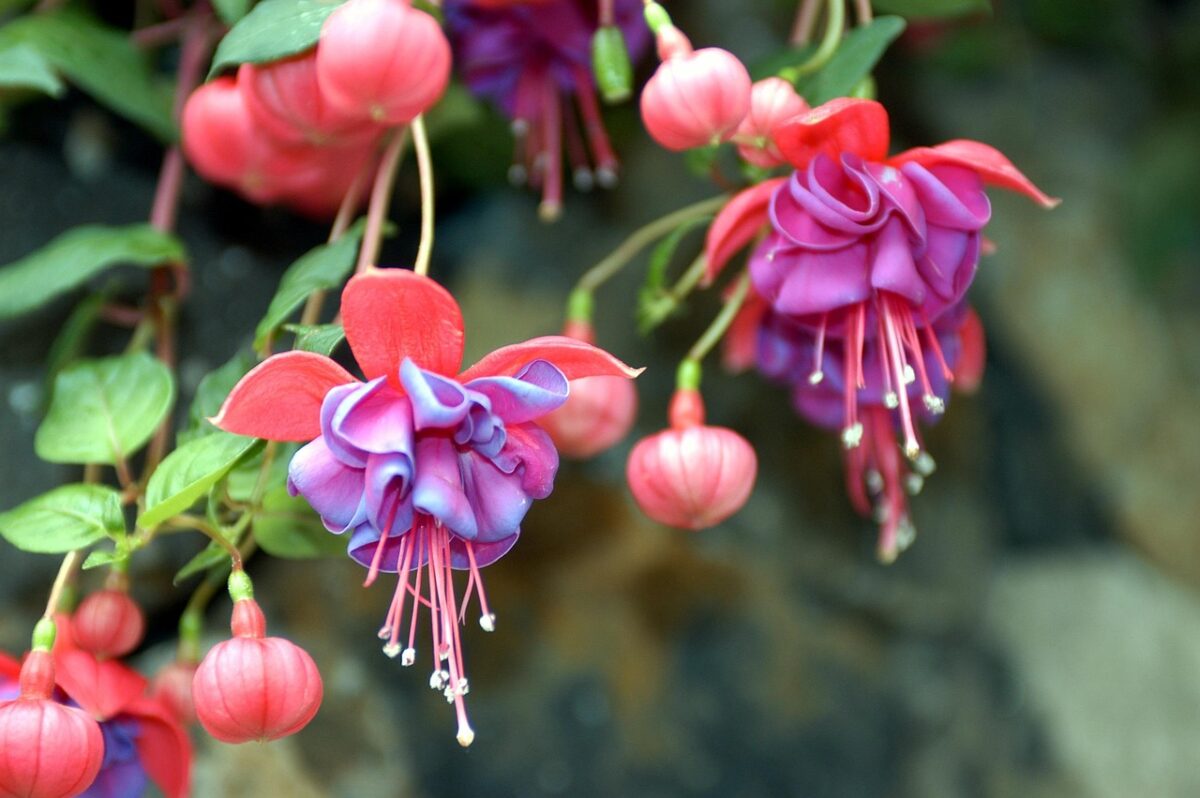
Though not native, fuchsia flowers are favorites in hanging baskets where hummingbirds can easily hover and feed. Their dangling red and purple blossoms resemble ballerina skirts and provide endless nectar throughout the growing season.
Tip: Keep soil evenly moist—fuchsias wilt quickly if they dry out.
Hummingbirds adore the pendant-shaped flowers, and gardeners often hang baskets near patios for close-up views of the birds feeding. In Victorian times, fuchsias were symbols of taste and refinement, gracing estate gardens across Europe and America. Today, they bring elegance and bird activity to small spaces.
Tip: Fertilize fuchsias every two weeks for vigorous growth and more blooms.
#11 Zinnias (Zinnia elegans)
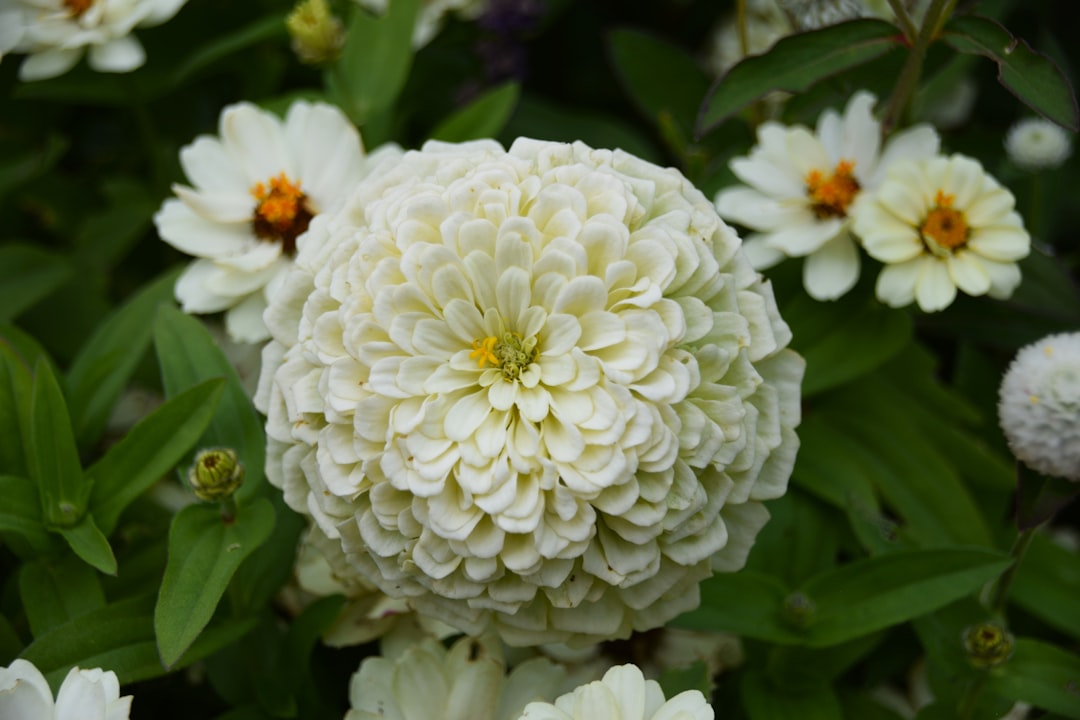
Bright, cheerful zinnias are beloved annuals that add rainbow colors to gardens. Hummingbirds enjoy their nectar while bees and butterflies stop by too, making zinnias true pollinator powerhouses. Their daisy-like blooms provide a landing platform, although hummers prefer the tubular varieties.
Tip: Sow zinnias directly into the soil after frost for the best results.
Many gardeners recall growing zinnias as children, collecting seeds for the following year. They’re often considered beginner-friendly plants that teach patience and reward effort with months of blooms. Hummingbirds enjoy their accessibility, darting from flower to flower like tiny jewels in motion.
Tip: Deadhead zinnias regularly to prolong flowering into fall.
#10 Agastache (Hummingbird Mint)
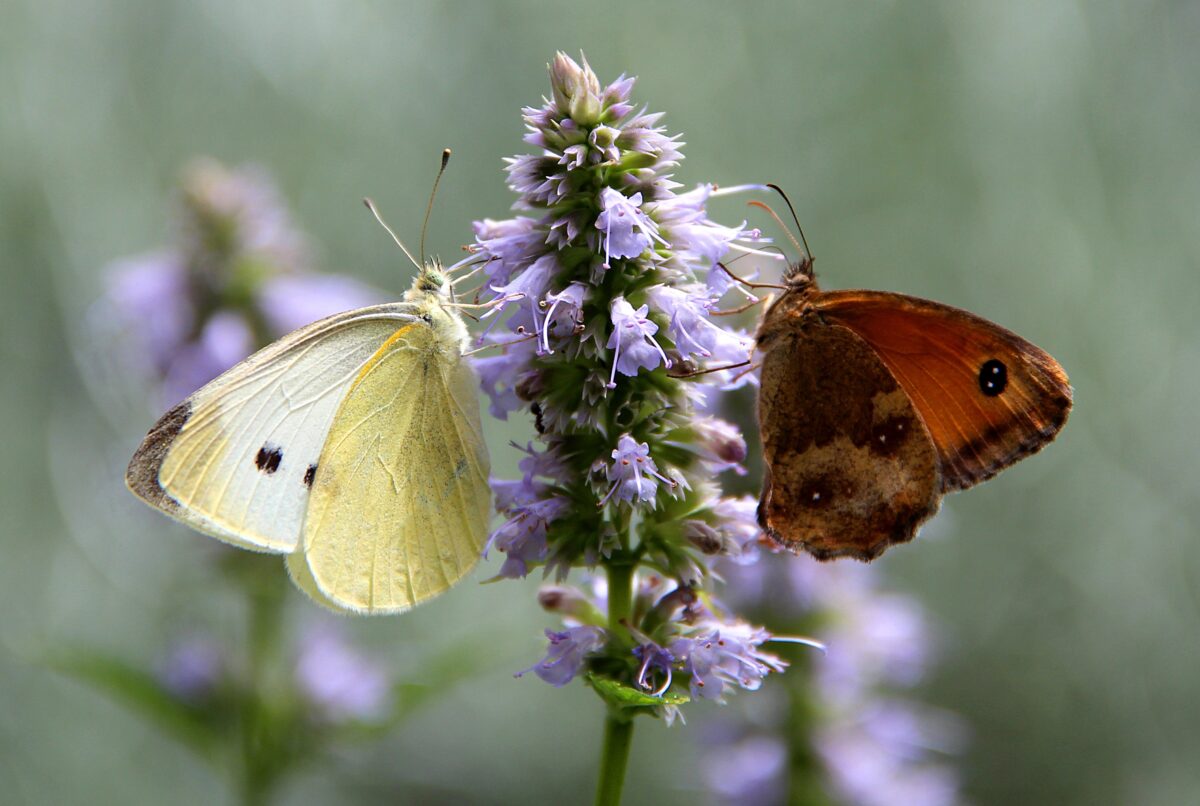
As its nickname suggests, hummingbird mint is practically designed for these birds. Its tall spikes of tubular orange, pink, or purple blooms are packed with nectar. The foliage smells pleasantly of licorice or mint, adding fragrance to your garden.
Tip: Plant agastache in well-drained soil—it dislikes soggy roots.
Gardeners love agastache for its drought tolerance and nonstop blooms from midsummer to fall. Anecdotes abound of hummingbirds battling each other for territory around large agastache clumps, showcasing just how attractive the plant is.
Tip: Leave the seed heads in winter to feed finches and provide interest.
#9 Columbine (Aquilegia canadensis)
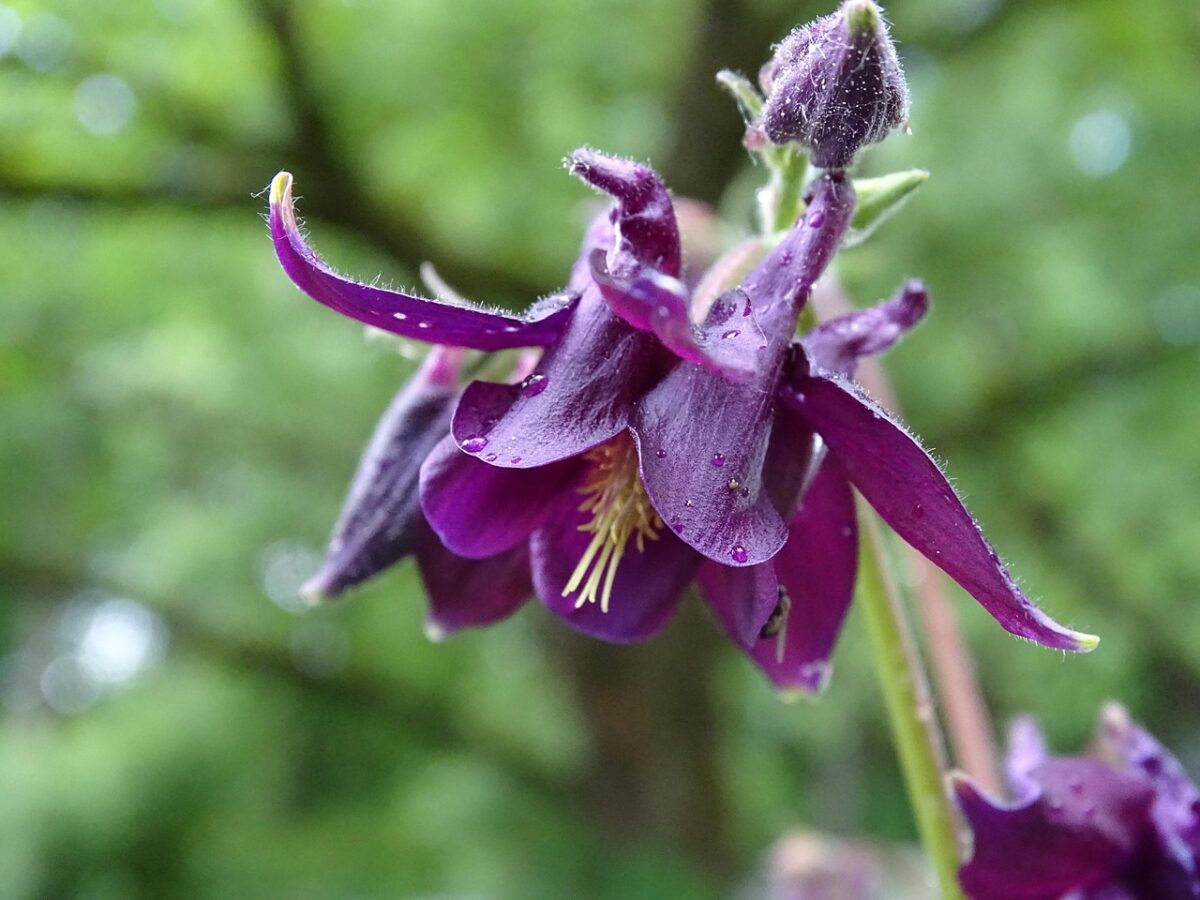
The native red columbine flower blooms in spring, providing one of the earliest nectar sources for returning hummingbirds. Its unique spurred petals look like little lanterns dangling from delicate stems. Native American tribes once crushed its seeds for perfume.
Tip: Plant columbine in dappled shade to mimic its woodland habitat.
Because it blooms early, columbine helps sustain hummingbirds before other flowers appear. Many birdwatchers recall their first seasonal sightings near a patch of columbine, signaling spring’s true arrival. It’s also a self-seeding plant, ensuring future generations with little effort.
Tip: Allow columbine to reseed naturally for a low-maintenance colony.
#8 Lupine (Lupinus perennis)
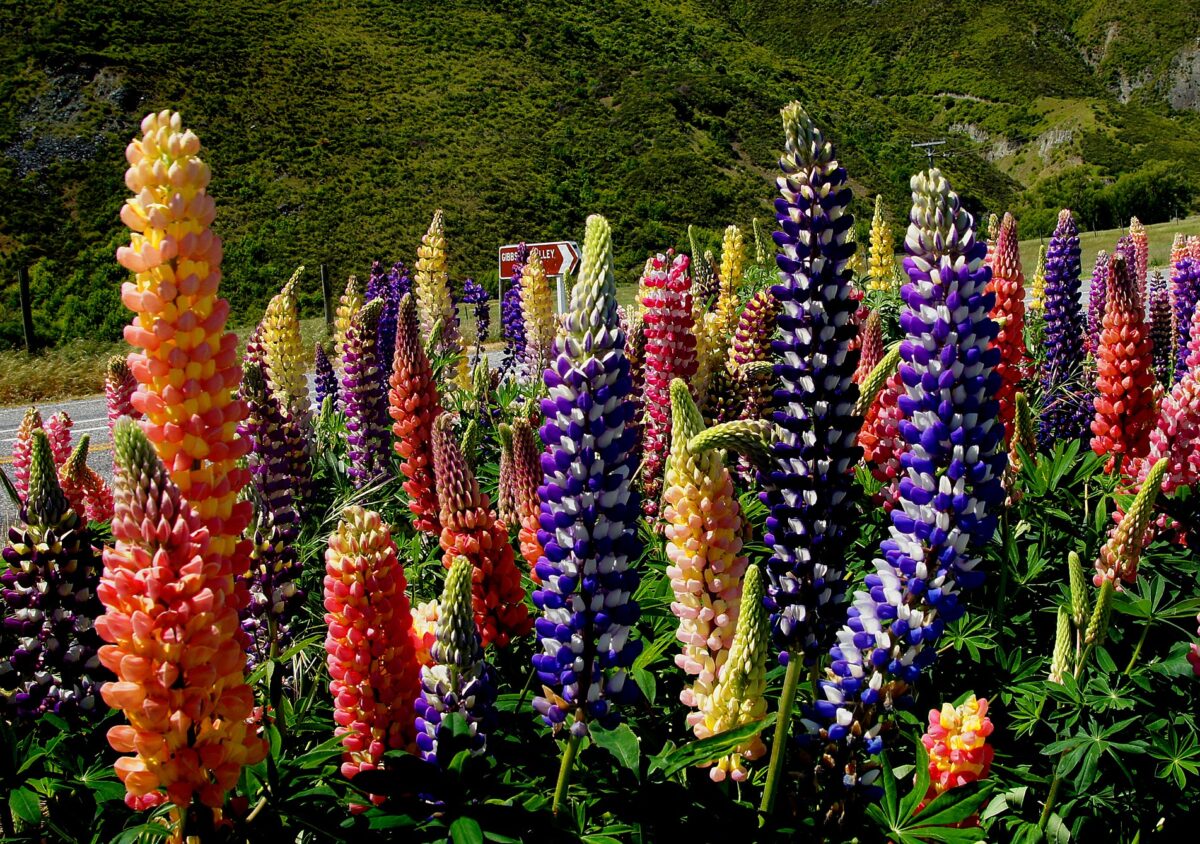
Native lupines produce tall spikes of pea-shaped flowers in blue, purple, and pink shades that hummingbirds adore. They also enrich the soil with nitrogen, improving fertility for other plants. Early settlers admired lupines for their ability to reclaim poor soils.
Tip: Plant lupines in sandy, well-drained soil for best results.
Their striking vertical presence makes them a favorite in cottage gardens, and many gardeners fondly remember childhood summers filled with lupine fields buzzing with life. Hummingbirds rely on lupine’s nectar during their blooming window in spring and early summer.
Tip: Cut back spent lupine stalks to encourage secondary blooms.
#7 Petunias (Petunia hybrids)
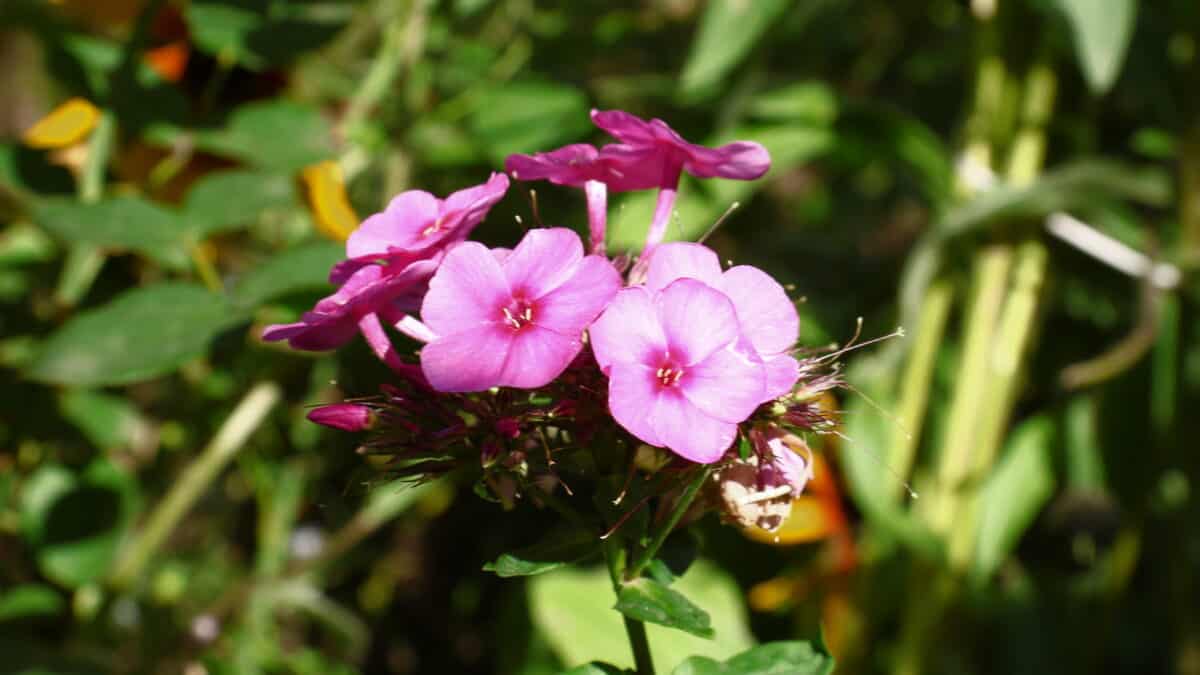
Petunias are among the most popular bedding plants in America, and hummingbirds can’t resist their funnel-shaped blossoms. Available in every color imaginable, they add a splash of brightness to borders, baskets, and containers.
Tip: Water petunias regularly, especially in hot summers.
Garden centers across the US sell petunias by the millions each spring, and their affordability makes them accessible to all gardeners. Anecdotally, many first-time hummingbird encounters happen at a pot of petunias on a balcony or porch.
Tip: Remove faded blooms to keep petunias flowering profusely.
#6 Daylilies (Hemerocallis)
Though each daylily flower lasts only one day, the plant produces dozens of buds, ensuring weeks of blossoms. Hummingbirds are frequent visitors, sipping nectar from the trumpet-shaped flowers.
Tip: Plant in clumps for a bold display that hummingbirds can’t miss.
Daylilies are hardy and adaptable, growing in nearly every US climate. They’ve been cultivated for centuries and feature in old American homesteads, where they often naturalize in meadows and roadsides. Hummingbirds love their accessibility and abundance.
Tip: Divide daylily clumps every 3–5 years to keep them vigorous.
#5 Penstemon (Beardtongue)
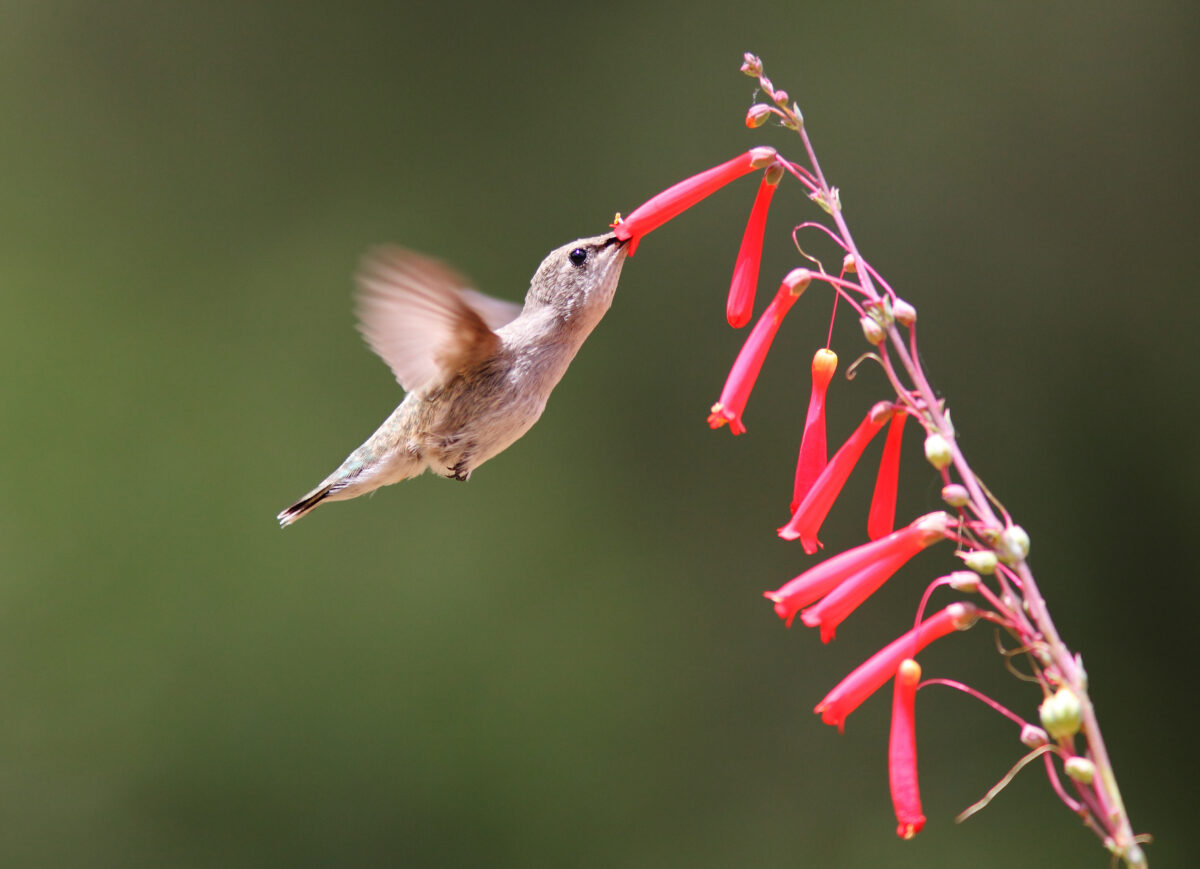
The penstemon family includes dozens of species with tubular blooms that hummingbirds adore. Their name “beardtongue” comes from the fuzzy stamen that sticks out like a tiny tongue. Blooms come in red, purple, pink, and white, creating a feast for pollinators.
Tip: Ensure good drainage—penstemons dislike wet roots.
Penstemons are often found in wildflower meadows across the American West, where hummingbirds dart among their blossoms. Gardeners often remark on how rugged yet beautiful they are, thriving in tough soils where other plants struggle.
Tip: Avoid overwatering—these plants are drought-tolerant.
#4 Hibiscus (Hibiscus moscheutos)
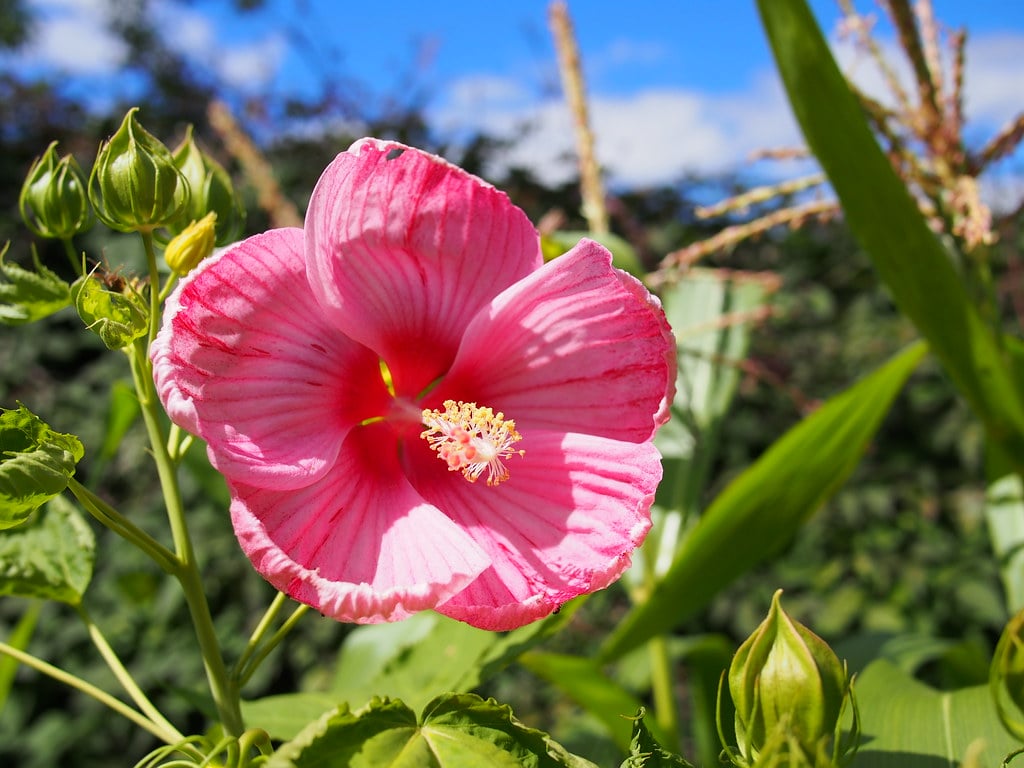
Native swamp hibiscus or hardy hibiscus grows enormous dinner-plate-sized flowers that hummingbirds flock to. Its bold presence makes it a centerpiece in any garden.
Tip: Keep hibiscus roots moist, especially in hot summers.
Its tropical look belies its cold hardiness—it can survive winter in many US states. Stories abound of hummingbirds circling giant hibiscus blooms repeatedly, unable to resist such an easy nectar source.
Tip: Cut hibiscus back in late fall to prepare for winter dormancy.
#3 Lantana (Lantana camara)
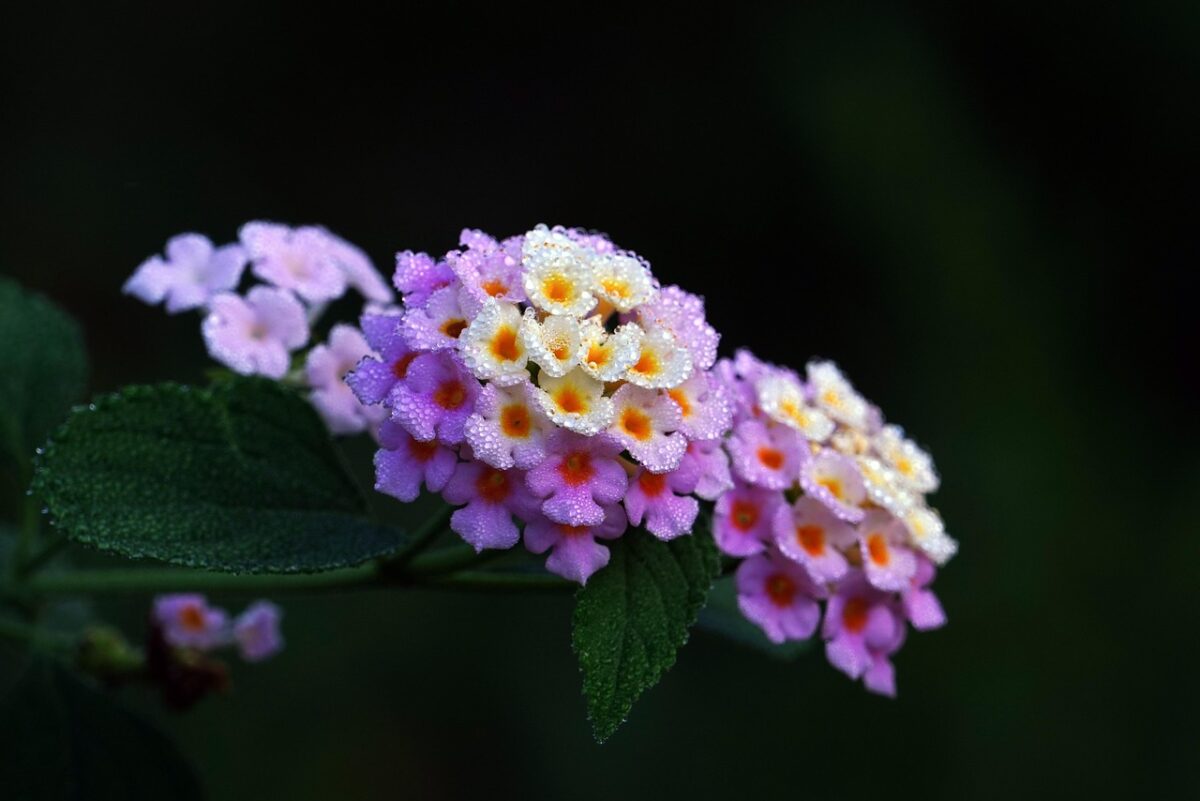
Clusters of tiny tubular lantana flowers in mixed colors are nectar-rich and irresistible to hummingbirds. They bloom nonstop from spring until frost, making them a long-season favorite.
Tip: Place lantana in sunny spots for maximum flowering.
In the South, lantana is almost a garden tradition, spilling over pots and fences with fiery color. Hummingbirds often dart from cluster to cluster so quickly they appear to dance across the plant.
Tip: Prune lantana regularly to shape and encourage fresh blooms.
#2 Red Hot Poker (Kniphofia uvaria)
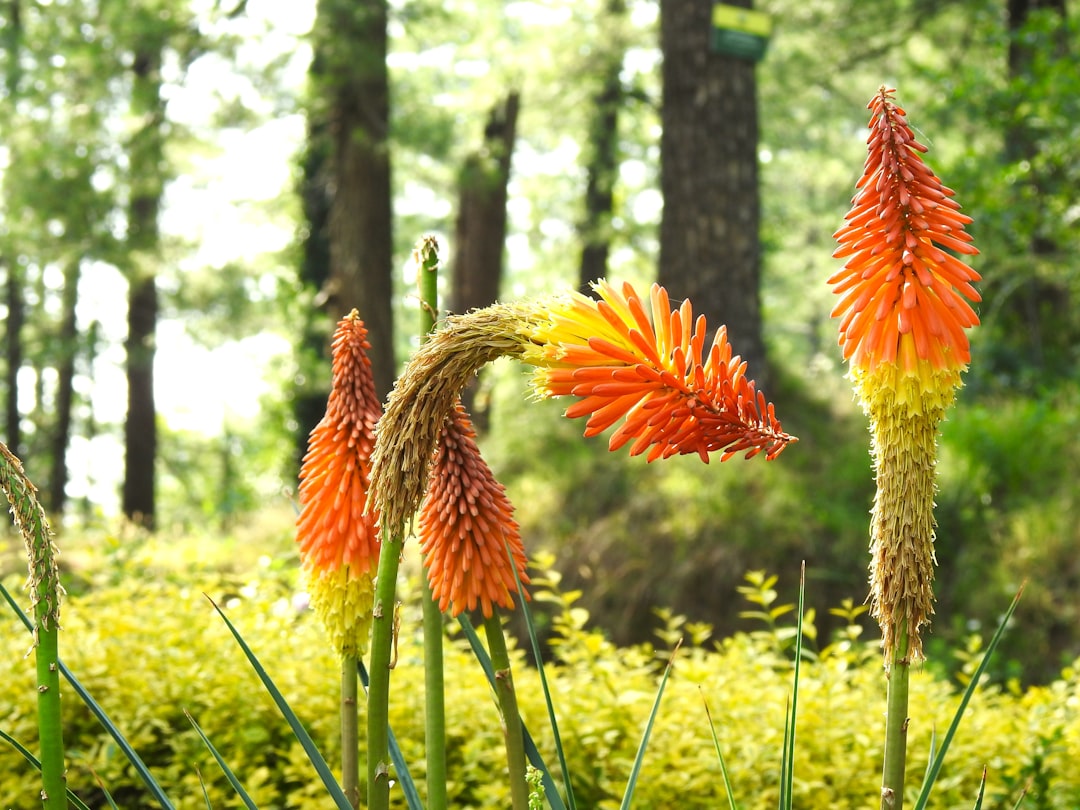
Tall spikes of flame-like blossoms give red hot poker its name. Hummingbirds love its vibrant red and orange tubes, which are packed with nectar. The blooms look like torches glowing in the garden.
Tip: Plant in sunny areas with well-drained soil.
Originally from Africa, it’s become a staple in American gardens, especially in the West. Anecdotes tell of hummingbirds fiercely defending large clumps, unwilling to share their feast.
Tip: Remove old flower spikes to encourage more blooms.
#1 Foxglove (Digitalis purpurea)
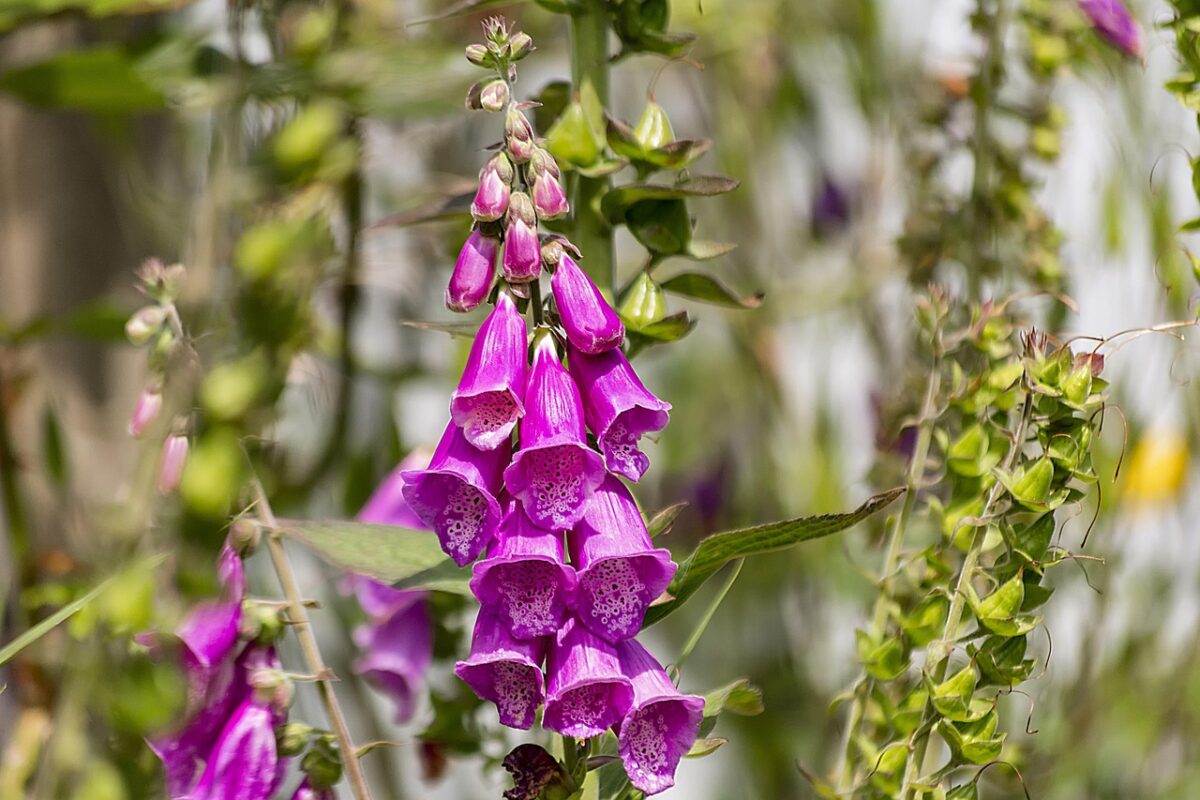
The tall spires of foxglove flowers are irresistible to hummingbirds, thanks to their tubular, bell-shaped blossoms that come in shades of purple, pink, and white. Native to Europe but widely naturalized in the United States, foxglove has been a cottage-garden favorite for centuries. Each stem can carry dozens of blooms, providing a vertical feast of nectar that hummingbirds find easy to access. Gardeners often marvel at how quickly hummers discover a stand of foxgloves, darting up and down the flower stalk like tiny helicopters.
Tip: Plant foxgloves in partial shade with moist, well-drained soil for best growth.
Foxgloves also hold a place in folklore—legend says that woodland fairies slipped their gloves onto foxes’ paws, giving the plant its name. While beautiful, foxgloves are toxic plants if ingested, so they should be planted with care in gardens where pets or children roam. Despite this, their dramatic height and ability to reseed themselves make them excellent for naturalizing in woodland gardens or borders.
Tip: Allow foxgloves to drop seeds after blooming to ensure a continuous display in following years.
Tip: Keep growth under control by pruning hard each winter.
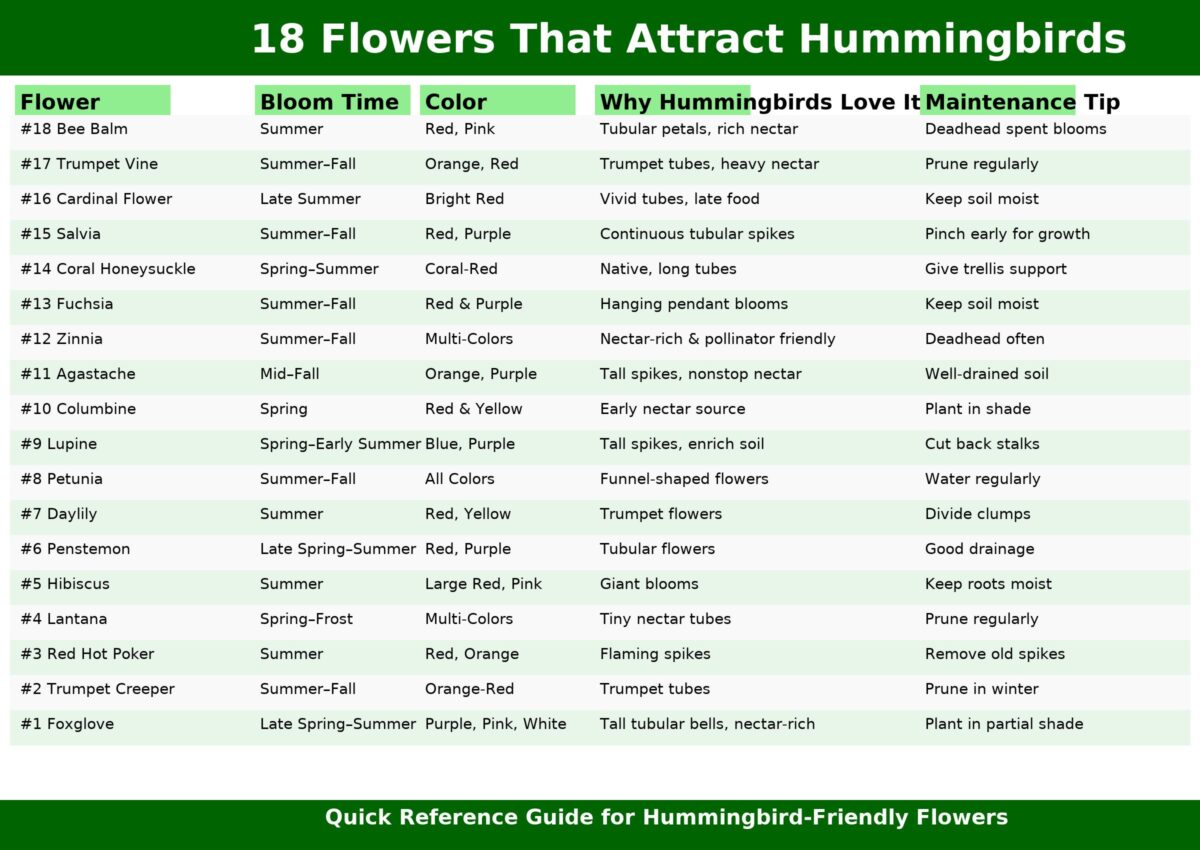
Planting the right flowers is like sending a gold-plated invitation to hummingbirds—and these 17 options guarantee your garden will buzz with activity. Whether it’s the nostalgic charm of zinnias, the bold beauty of hibiscus, or the wild appeal of trumpet vine, each flower tells a story while offering vital nectar. Now it’s your turn—have you planted any of these blooms in your garden? Which ones brought the most hummingbirds to your yard? Share your experience—we’d love to hear your stories!
