

Ever wonder if there are places on this planet where life moves like it did centuries ago? I’m talking about villages where cobblestone pathways still echo with footsteps that seem to carry whispers from another era. Places where ancient stones hold secrets and modern life hasn’t quite pushed its way through the gate.
These forgotten corners exist, scattered across continents, tucked into mountainsides and perched on clifftops. They’re not exactly easy to reach, which honestly might be their saving grace. While millions crowd into Paris and Rome, these villages remain blissfully overlooked, preserving traditions that stretch back hundreds, sometimes thousands of years. So let’s dive in and discover what happens when time decides to stand still.
Piodão, Portugal: The Schist Jewel Hidden in the Mountains
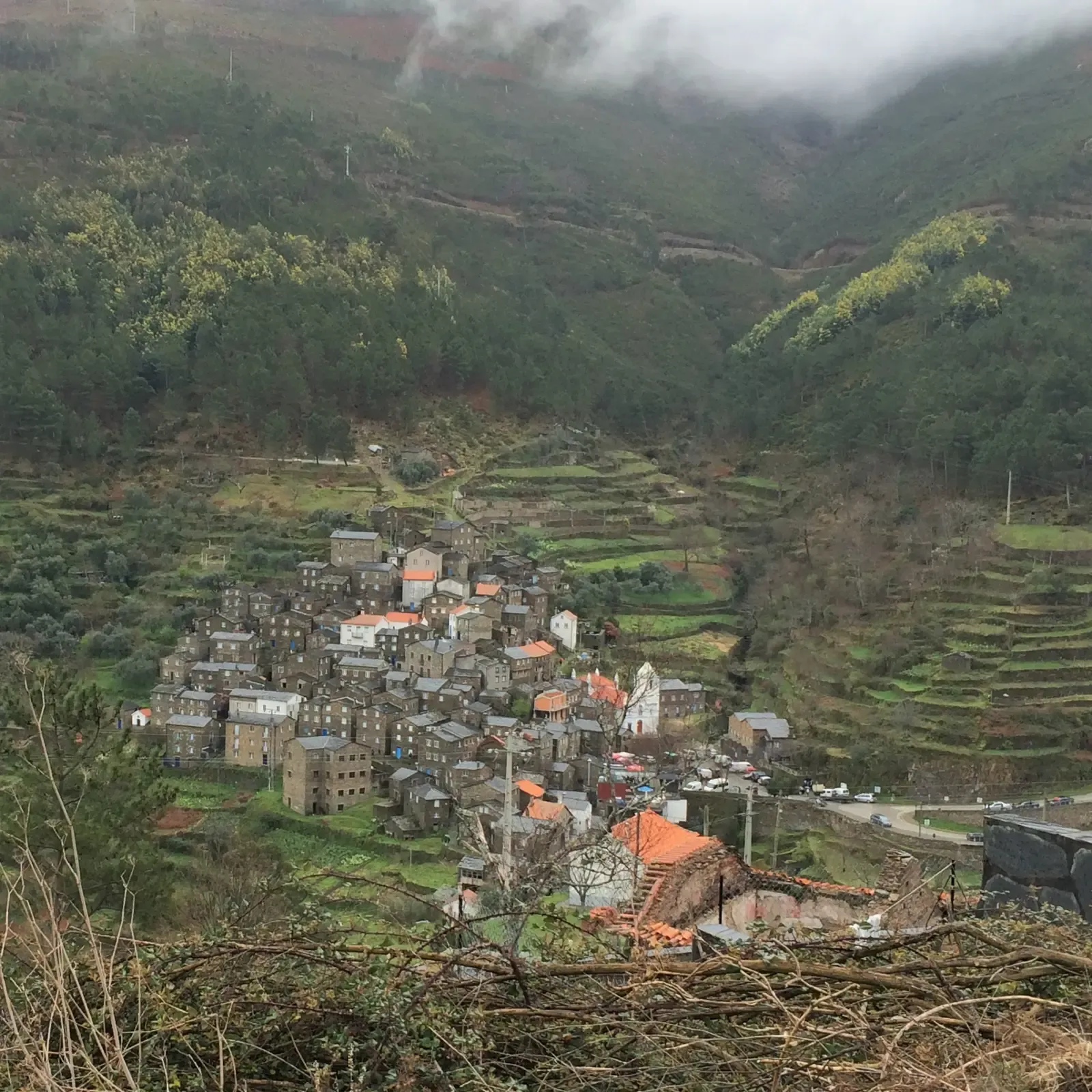
Deep in the center of Portugal sits Piodão, classified as a Public Interest Monument and known as one of the nation’s most picturesque villages, with signature historic architecture covered in schist and ascending the mountainous landscape. Walking through this village feels like flipping through an ancient photo album. The blue-trimmed windows pop against the dark stone houses, creating a visual rhythm that modern architects could never replicate.
This reclusive settlement feels slightly different than the rest of the country, established centuries ago and affected by a variety of cultural influences, while friendly locals welcome tourists, proud of their beautiful Medieval town. The isolation worked in Piodão’s favor. When the rest of the world modernized, this village simply carried on, its stone pathways too narrow for cars, its traditions too deeply rooted to abandon. It’s the kind of place where you might spot an elderly woman still doing laundry by hand, not out of necessity, but because that’s just how things are done.
Civita di Bagnoregio, Italy: The Dying City That Refuses to Fade
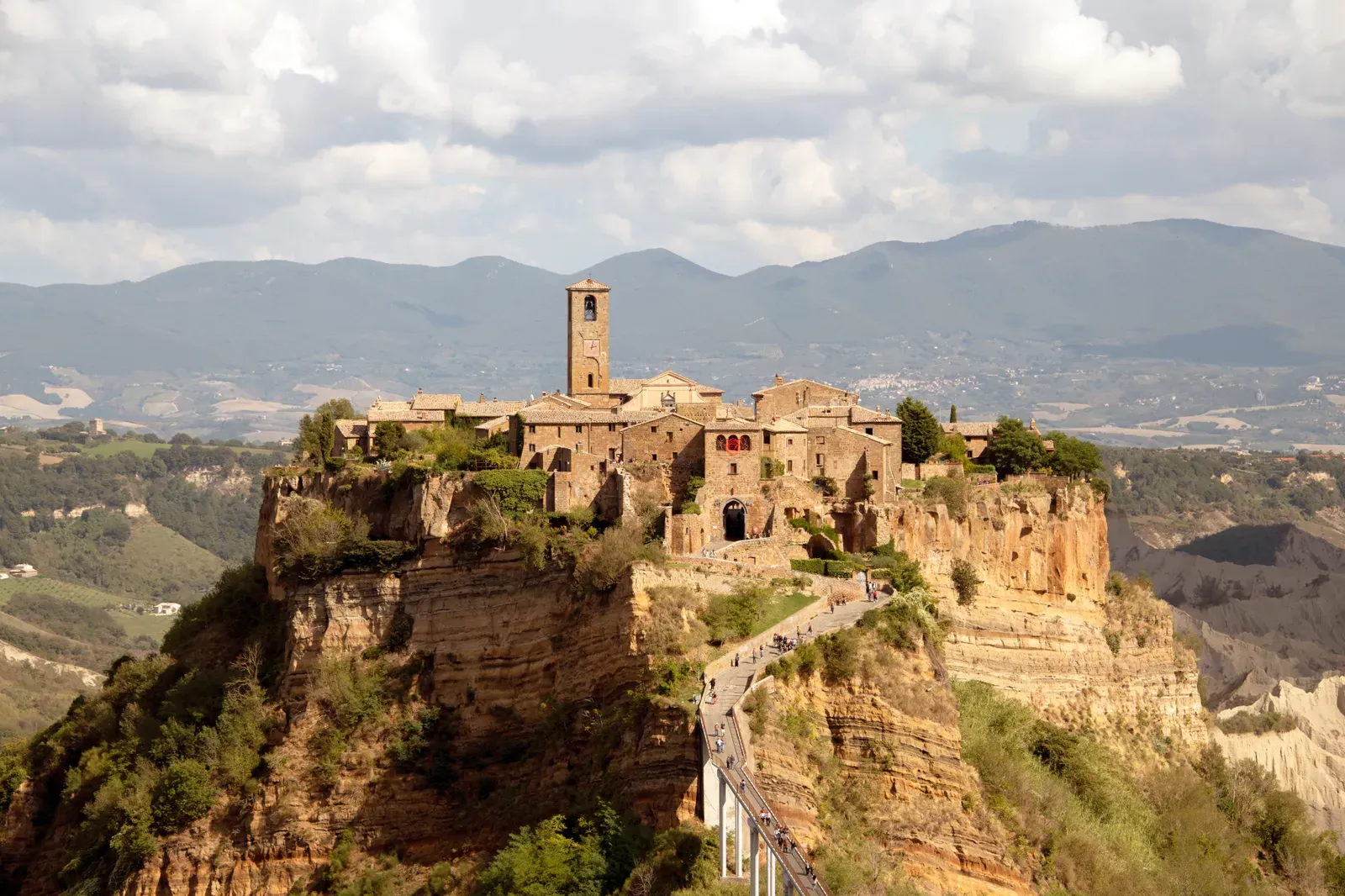
Perched atop a crumbling hill, Civita di Bagnoregio, known as “The Dying City,” clings to life by a single footbridge, and crossing the bridge means feeling the weight of centuries beneath your feet. The village sits on a plateau of volcanic tuff that has been slowly eroding for centuries. Every year, a little more crumbles away, yet somehow the village endures.
Only a handful of permanent residents remain in this ethereal place. The footbridge connecting it to the modern world sways slightly as you cross, reminding you that this connection is fragile, temporary. Medieval stone houses line the impossibly narrow streets, their walls bearing the marks of time. What makes Civita special isn’t just its age but its precarious existence. It shouldn’t still be here, yet it stubbornly refuses to disappear, suspended between past and present in a way that’s almost defiant.
Shaxi Ancient Town, China: The Tea Horse Road’s Forgotten Stop
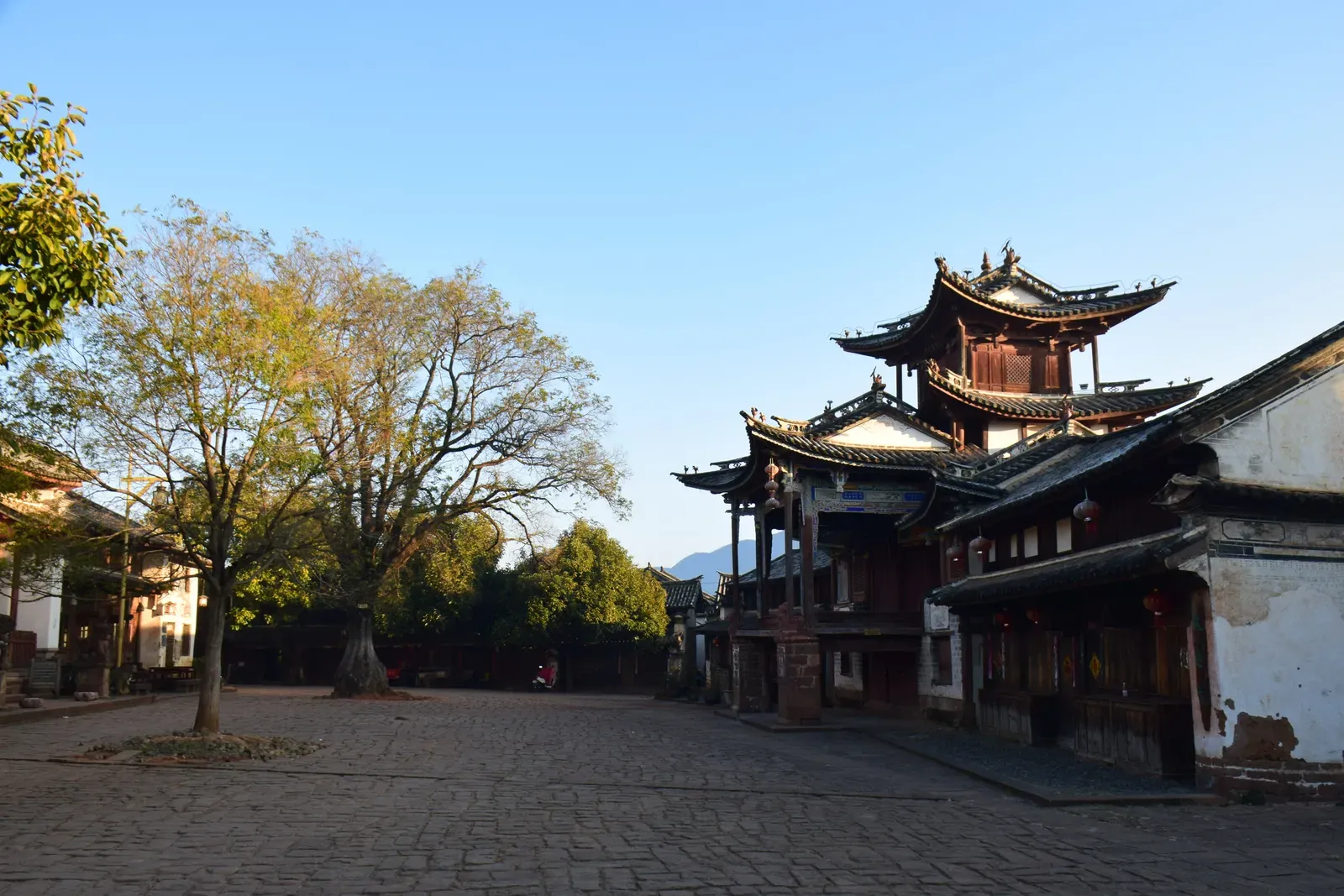
Let’s be real, when people think of ancient China, they picture the Great Wall or the Forbidden City. Few know about Shaxi, a small town in Yunnan that once thrived as a vital stop on the Tea Horse Road. In addition to rich cultural landscape, Shaxi Ancient Town has beautiful natural scenery, where you can stroll through the countryside, breathe fresh air, and enjoy the beauty of nature.
Shaxi is a small town in Dali, and usually about one day around is enough to explore its highlights, and for Shaxi located almost halfway between Lijiang and Dali, it’s well worth stopping over here for one or two leisure days. The Friday market still happens in the central square, much as it has for centuries. Bai and Yi minority groups maintain their traditional dress and customs here, not for tourists but for themselves. Wooden structures with carved eaves frame the ancient stone streets, and the pace of life remains stubbornly slow.
Koprivshtitsa, Bulgaria: Where Rebellion Was Born
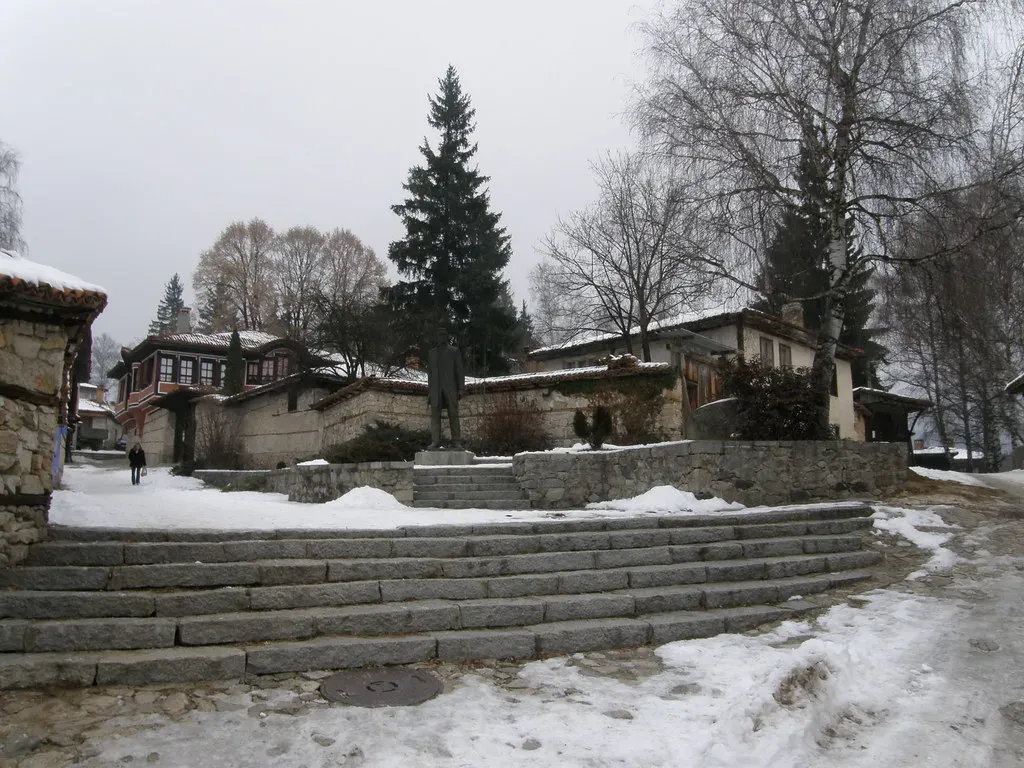
An offbeat mountainside village in the heart of Bulgaria, Koprivshtitsa is traversed by cobbled pathways, filled with colorful buildings, and loaded with history, serving as a literal open-air folk museum with rows of brightly-painted townhouses with famous covered balconies and carved ceilings, and the birthplace of the 1876 April Uprising, which marked Bulgaria’s most important revolt against the Ottoman Empire.
A stroll through Koprivshtitsa feels like peeking into a time capsule, where not much has changed in the last 200 years, with fresh mountain air, rolling green hills, and a little stream winding through the heart of town all adding to its mystique. Each brightly painted house tells a story. The covered balconies aren’t just architectural features – they served practical purposes in a time before central heating. Today, roughly about half the houses remain in their original state, offering a window into 19th-century Balkan life that you simply can’t find elsewhere in the region.
Monsaraz, Portugal: The Knights Templar’s Hilltop Guardian
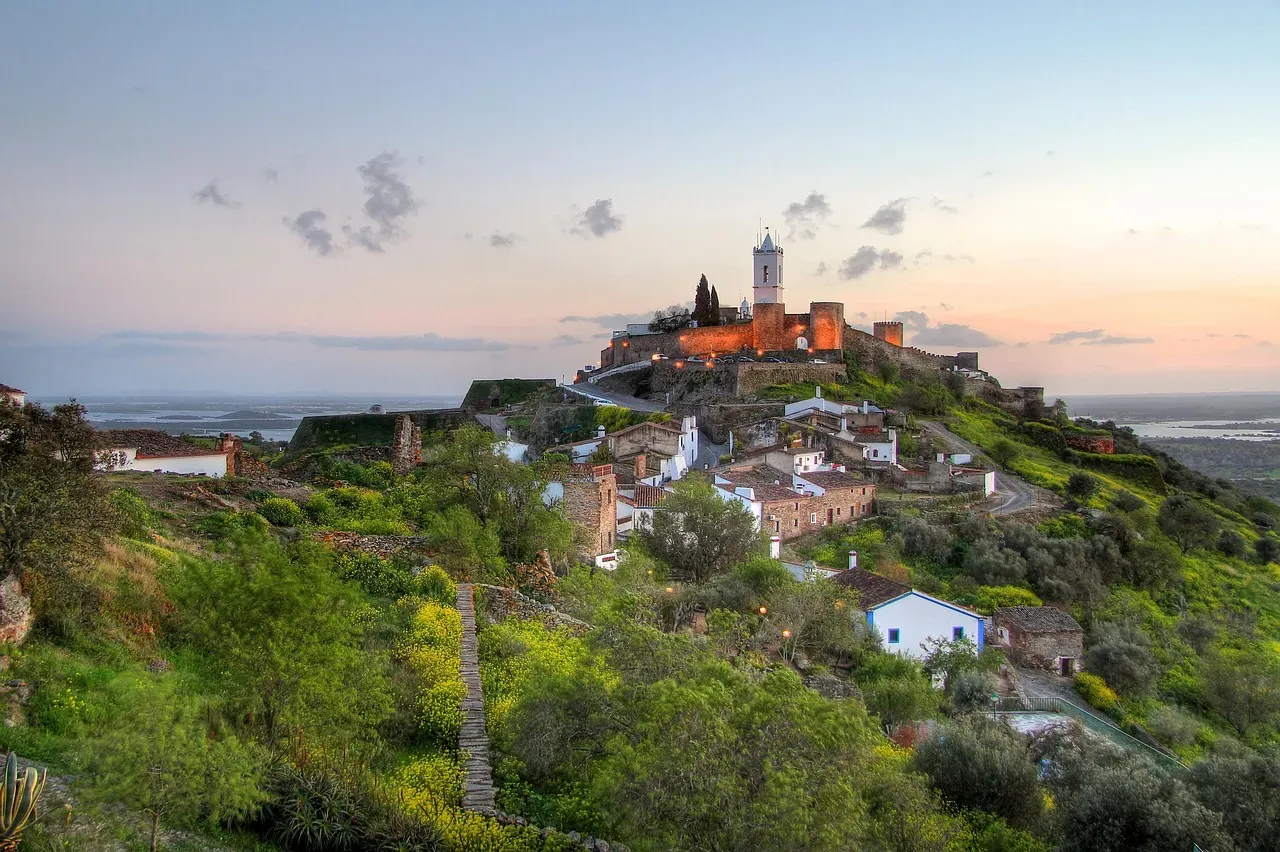
One of the oldest settlements in Southern Portugal, tiny Monsaraz is a magical hilltop village with cobblestone streets lined with 15th and 16th century whitewashed buildings, and the fortified city was at one point guarded by the Knights of Templar, who were fearful of more Arab attacks. The village stands as a ghostly sentinel above the Alentejo plains, its white walls gleaming under the Portuguese sun.
Walking these streets at sunset, you understand why this location was chosen. From here, you can see for miles in every direction. The medieval fortifications remain largely intact, creating a sense of enclosure that’s both protective and slightly claustrophobic. Few tourists make it this far south, which means you might have entire cobblestone alleys to yourself. The silence here isn’t empty – it’s full of history, heavy with the weight of all those who stood guard on these same walls centuries ago.
Fenghuang Ancient Town, China: The Phoenix Floating on Water
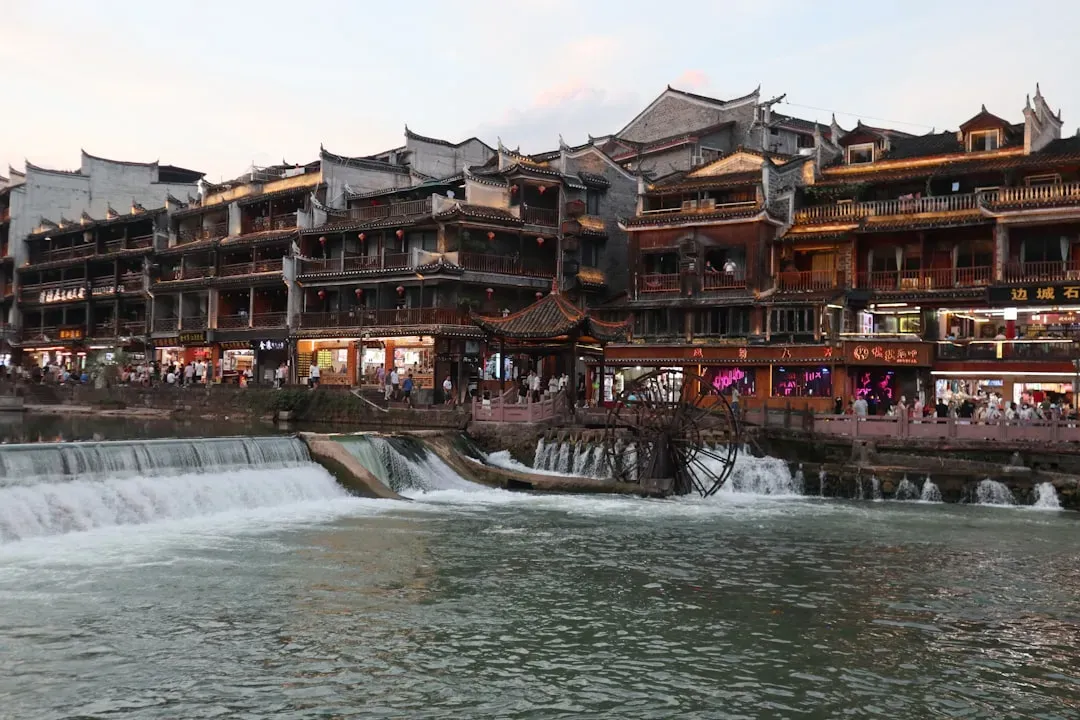
Fenghuang Ancient Town, or called Phoenix Ancient Town, is a particular old town of ethnic culture of Miao and Tujia minority groups in western Hunan province, with special wooden tilted-houses standing on the two banks of Tuojiang River floating through, and an Irish writer praised Fenghuang as “the most beautiful town in China” after his visit.
It is said time slows down in Fenghuang, so when you visit there, you could shower in the sunshine along the hundreds-year old streets, appreciate the look of this town on the old pavilion of the bridge, walk across the stones on the river, take a boat to see the vivid scenes onshore, and immerse into the romantic night splendors of the old but vigorous old town in China. The wooden houses on stilts seem to grow directly from the river, their reflections creating a perfect mirror image. At night, red lanterns illuminate the water, casting dancing shadows that make the whole scene feel dreamlike. It’s hard to say for sure, but something about the way the mist rises from the river at dawn makes you believe in magic, just a little bit.
Erice, Sicily: The Mountain Village Kissed by Clouds
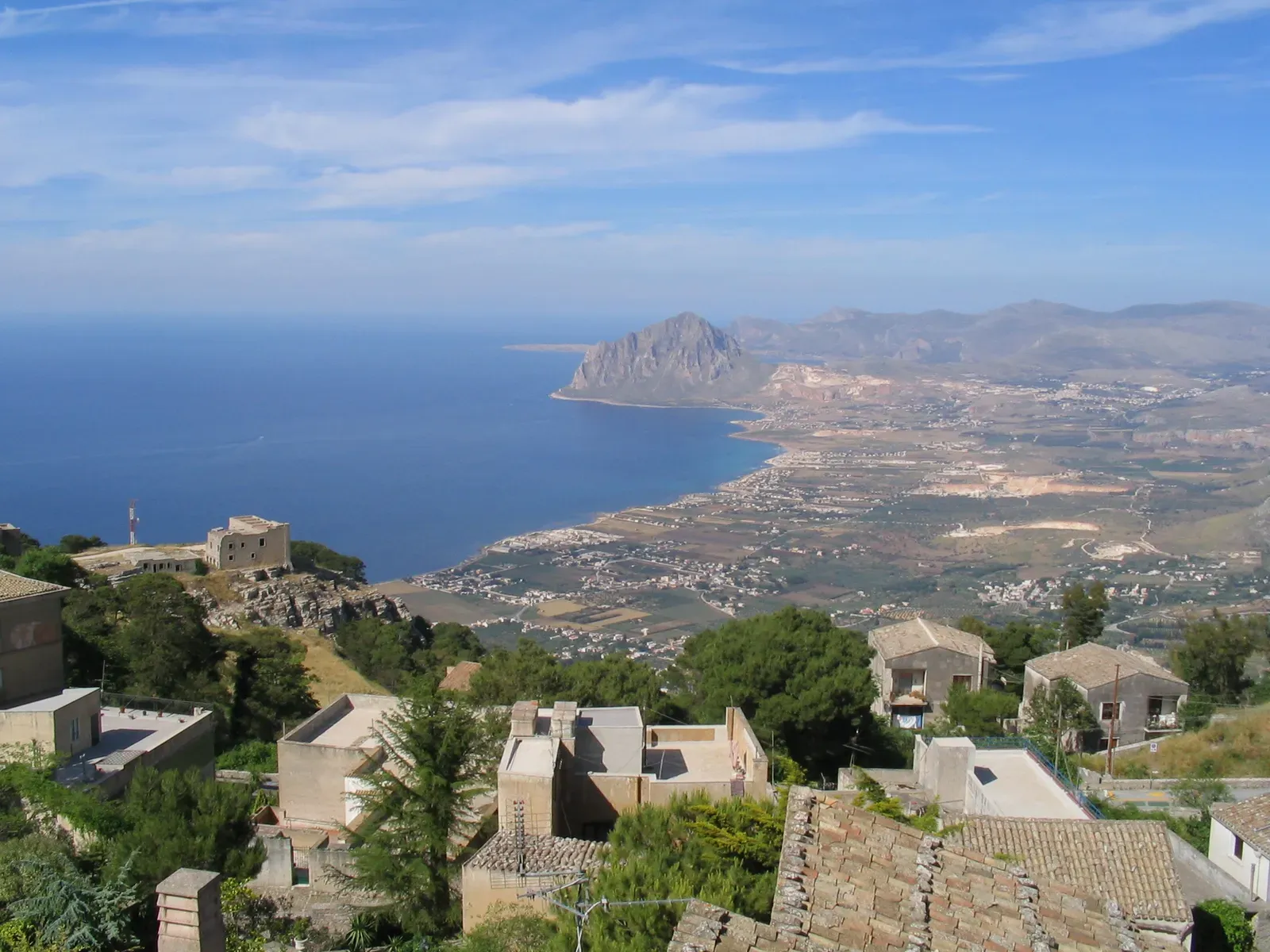
Considered the best-preserved medieval town in Sicily, Erice is perched on a prominent mountain overlooking the island’s lush countryside and the shimmery Mediterranean beyond, at roughly about 2,500 feet above sea level, criss-crossed by winding stone-paved lanes and peppered with traditional family-owned eateries and quiet, unassuming Romanesque churches with opulent Baroque interiors.
Perched atop Mount Erice at 751 meters above sea level, the medieval village beckons you to step into a realm of mystery and enchantment, and as you ascend the winding roads, a veil of mist often shrouds this ancient Sicilian treasure, adding to its ethereal allure. The Castle of Venus sits at the village’s highest point, built over the ruins of an ancient temple to the goddess. On clear days, you can see Tunisia across the Mediterranean. On misty days, which are frequent, the village feels completely detached from reality, floating in a sea of white clouds.
Ancient Villages of Northern Syria: The Abandoned Byzantine Settlements
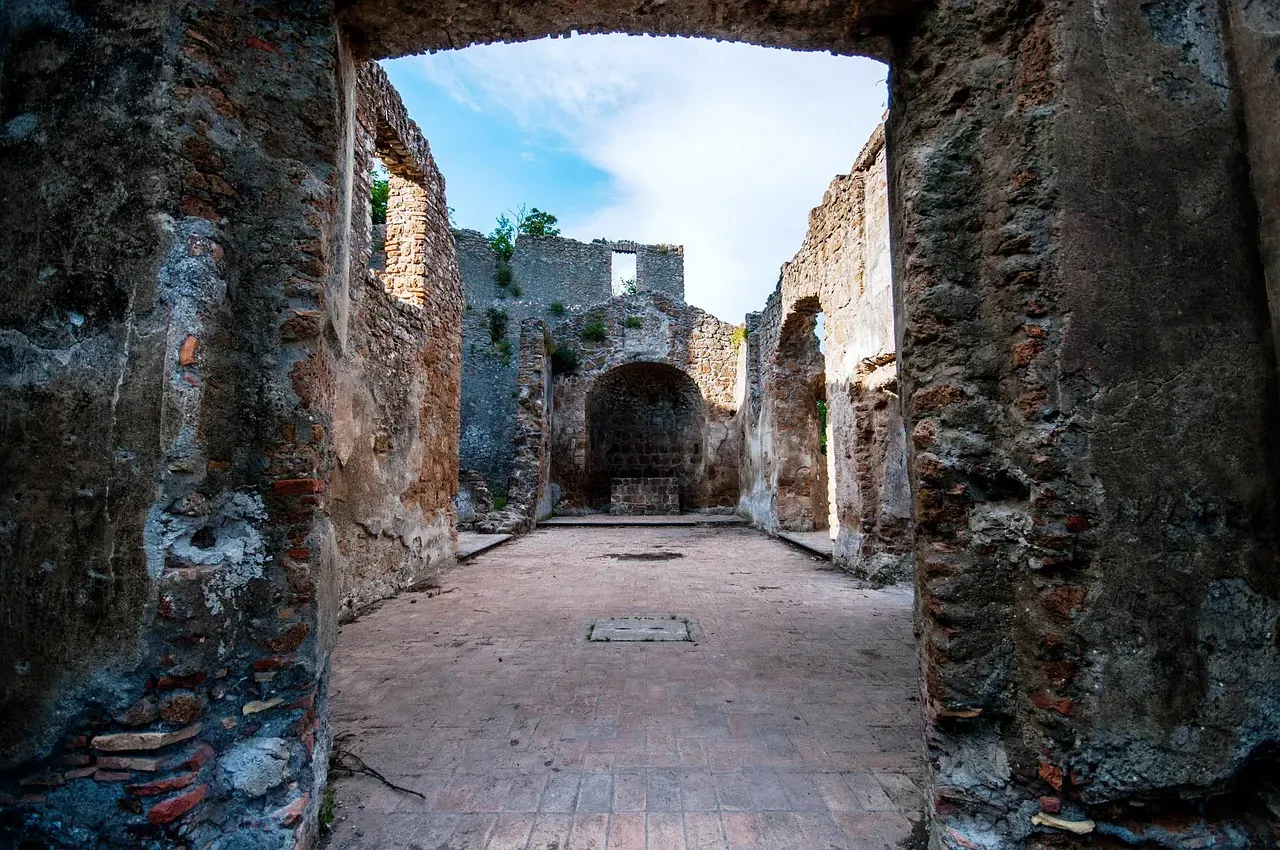
Located in a vast Limestone Massif in northwest Syria, some forty ancient villages provide coherent and exceptionally broad insight into rural and village lifestyles in late Antiquity and the Byzantine Period, and abandoned in the 8th-10th centuries, they still retain a large part of their original monuments and buildings in remarkable state of preservation. These villages include dwellings, pagan temples, churches, funerary monuments, bathhouses, and public buildings frozen in time.
As a result of the absence of human occupation for a thousand years, the absence of any re-use of the stones and the absence of restoration campaigns in the 20th century, the property and its landscapes have retained a very high degree of authenticity, though recent rural relocation could affect the conditions of authenticity. These settlements offer something profoundly moving – entire villages where daily life simply stopped. You can still see the ancient agricultural plot plans etched into the landscape, evidence of hydraulic techniques that sustained communities over a millennium ago. Though visiting these sites is difficult today due to regional instability, their preservation serves as a testament to resilience.
Conclusion: Where the Past Breathes
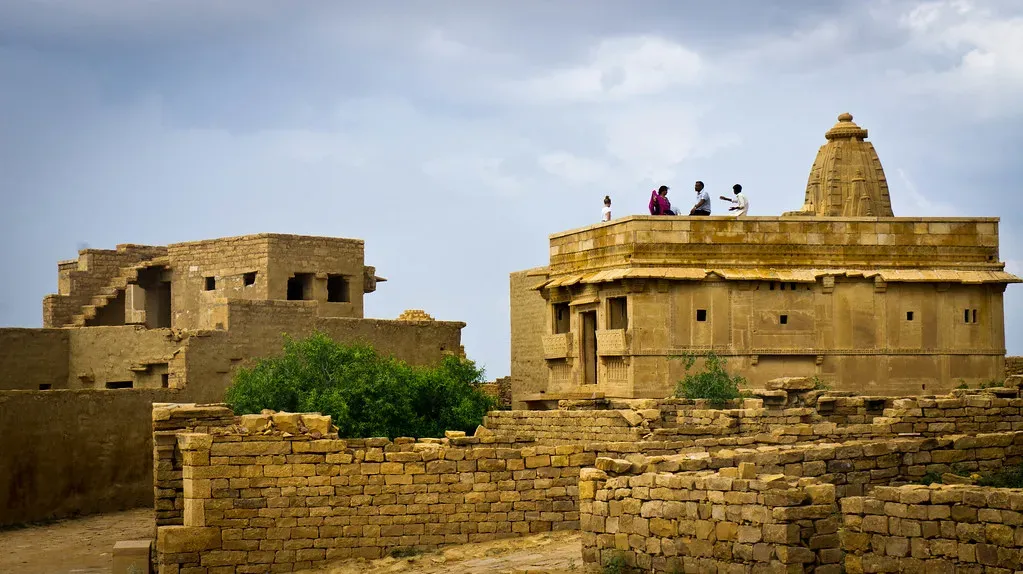
These eight villages aren’t museum exhibits behind velvet ropes. They’re living, breathing communities where the past hasn’t been bulldozed to make room for parking lots and shopping centers. Whether it’s the schist houses of Piodão clinging to Portuguese mountainsides or the wooden stilts of Fenghuang anchored in Chinese rivers, each village tells a story of survival.
Here’s the thing: these places won’t stay forgotten forever. Social media has a way of finding hidden corners and flooding them with visitors. If you’re lucky enough to visit any of these villages, tread lightly. Support the local artisans. Respect the traditions that have kept these communities alive for centuries.
What do you think draws us to these forgotten places? Is it nostalgia for a simpler time, or something deeper? Tell us in the comments.
