

Walk through any park on a quiet morning and you’ll notice that birds never really go silent. Even when no calls fill the air, something is constantly happening. Feathers shift, postures change, wings flutter, and elaborate dances unfold on branches. There’s a whole conversation taking place that most of us simply don’t know how to read.
The sophisticated body language of birds represents one of nature’s most intricate communication systems, enabling complex social interactions without a single vocalization. Unlike vocalizations, which consume energy and may attract predators, body language can convey nuanced messages silently and efficiently. The more closely you look, the more remarkable it becomes.
The Language of Feathers, Posture, and Color
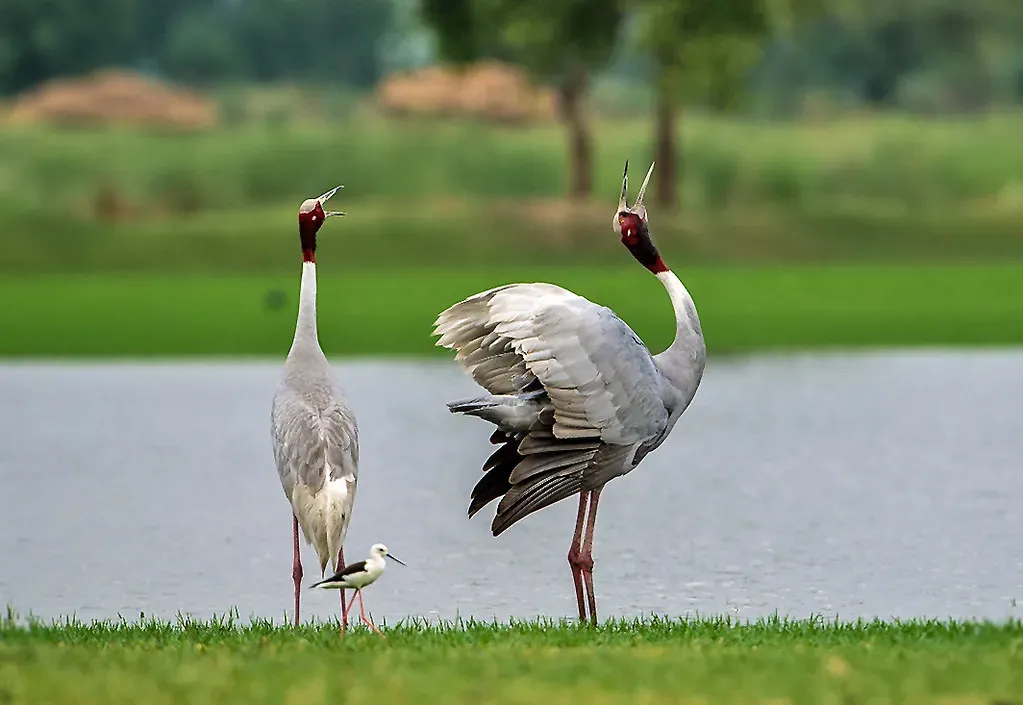
Visual communication involves birds using their plumage or posture to get a clear message across to potential mates or rivals, reinforcing either their availability for breeding or their status as strong, intimidating individuals. It’s a system built on instant legibility. There’s no ambiguity in a puffed chest.
When threatened or attempting to intimidate, many species will puff up their feathers to appear larger, raise their wings slightly, and adopt a more erect posture – a universal signal of aggression or defensiveness across avian species. Conversely, submissive birds often crouch low, sleek their feathers tight against their bodies, and may even tremble slightly to indicate they pose no threat.
Plumage has a vital function in courtship displays and mating rituals, with birds using their coloring to their advantage when seeking a mate. Plumages are at their brightest during the early breeding season, and males use their brightest, most elaborate feathers to display strength and health to a potential mate.
The color red has a special significance in the avian world and is effective at both attracting mates and intimidating rivals. The scarlet shoulder patches of a red-winged blackbird are mostly hidden, but when singing they are displayed more obviously, with the hope of catching the eye of a potential mate.
Head bobbing, crest-raising, wing shaking, and showing off their brightest coloring are all common forms of non-vocal bird body language. These signals aren’t random. Each one carries a specific meaning that neighboring birds decode in real time.
Courtship Displays and the Art of the Silent Performance
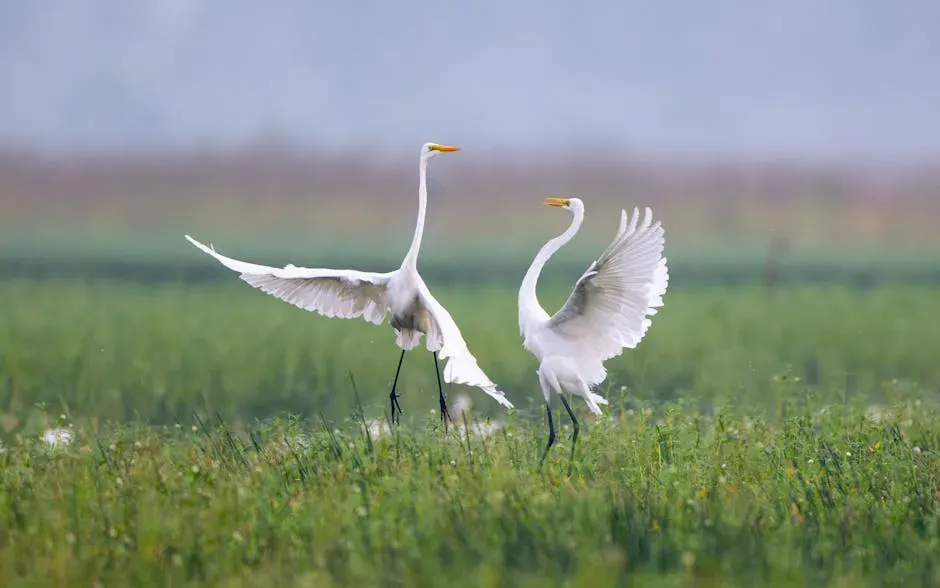
These displays often combine multiple body language elements into choreographed performances, such as the intricate dancing of cranes or the synchronized movements of grebes. Male birds of paradise perform some of the most extraordinary displays, transforming their appearance through specialized feathers while executing precise movements on carefully selected and maintained display grounds.
Many species incorporate props into their visual displays, with bowerbirds arranging colorful objects and male frigatebirds inflating massive red throat pouches. Some birds, like the bowerbird, create intricate structures or collect specific objects to impress potential mates. This behavior demonstrates not only the bird’s physical capabilities but also its cognitive skills and ability to manipulate its environment, offering females additional information about a potential mate’s overall fitness.
Visual courtship displays are particularly prevalent in species that do not use song to interact, including ducks, shorebirds, and waterbirds. Whereas songbirds may engage in a tuneful duet, less vocal species rely on alternative methods to impress a mate, such as showing off their brightest plumage.
These courtship rituals serve as honest signals of health, vigor, and genetic quality, allowing potential mates to assess each other through body language before investing in reproduction. The precision and complexity of these displays demonstrate how central visual communication is to avian reproductive success.
Flight Patterns and the Spectacle of Collective Movement
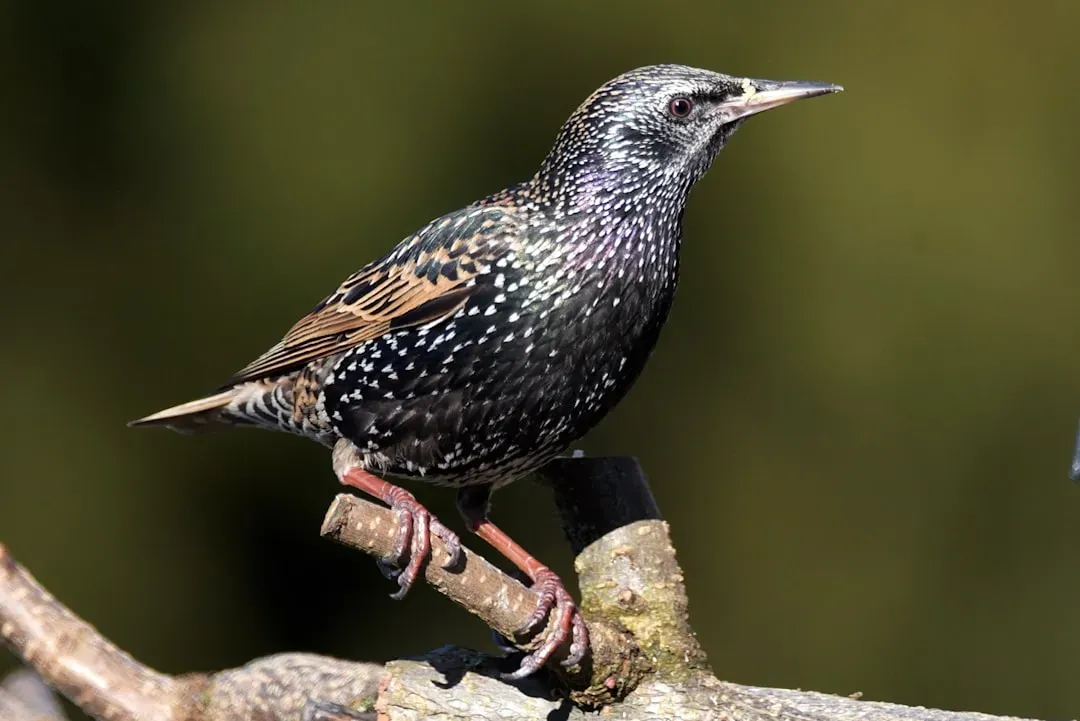
Few natural sights stop people in their tracks quite like a murmuration. Thousands of starlings fold and ripple across the sky as though guided by a single invisible hand. The reality, it turns out, is far more interesting than that.
Murmurations have no leader and follow no plan. Instead, scientists believe movements are coordinated by starlings observing what others around them are doing. Birds in the middle can see through the flock on all sides to its edge and beyond. Somehow they keep track of how the flock is moving as a whole and adjust accordingly.
One widespread misconception is that all birds in a flock communicate via sound or vocal signals during flight. Studies indicate that auditory cues play little role; instead, visual tracking dominates coordination. Researchers discovered that murmurations operate on topological distance: each bird interacts with a fixed number of neighbours – typically six or seven – regardless of how far apart they are. This means that whether the flock is dense or sparse, each bird still communicates with the same number of neighbours.
A gigantic mass of whirling, swirling birds can make it hard to focus on a single target. A falcon or hawk can get confused and distracted by tricky wave patterns in the murmuration’s movements. Murmurations could also play a role in social bonding and communication. As highly social birds, starlings may use these coordinated displays to reinforce group cohesion and maintain connections within large populations.
Touch, Tools, and the Quieter Signals
Not all silent communication in the bird world involves sweeping displays or acrobatic flight. Some of the most meaningful exchanges happen in close quarters, through touch and carefully crafted objects.
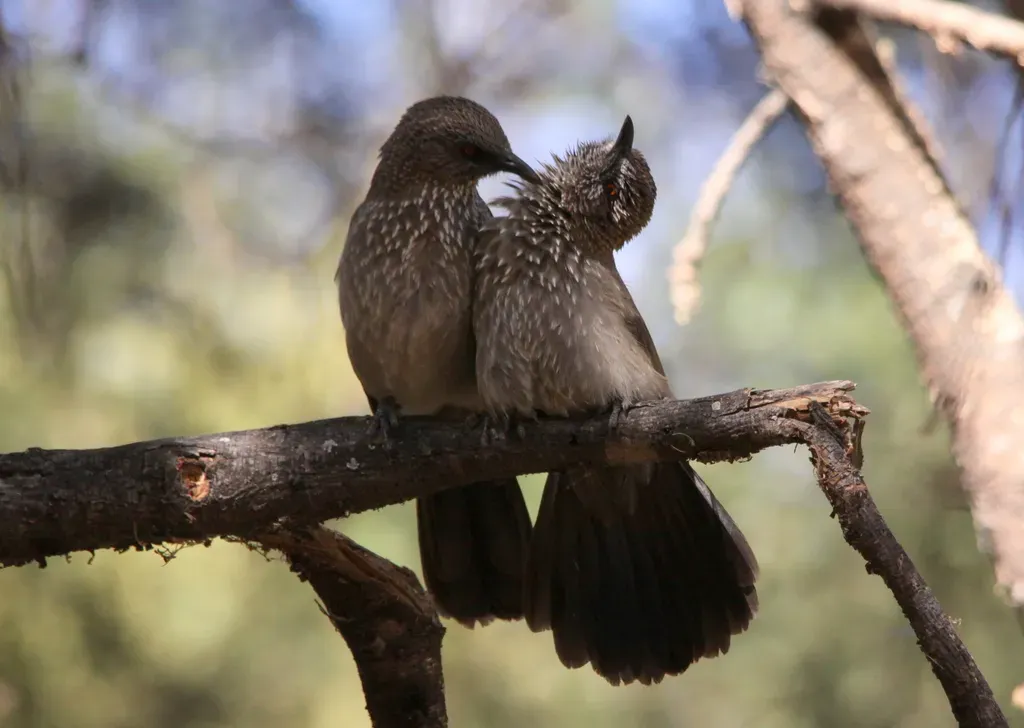
Physical touch serves important communication functions in bird social groups: birds groom one another, also known as allopreening, not just for practical purposes but as a social bonding activity that reinforces pair bonds, establishes and maintains social hierarchies, and reduces aggression within the group.
Allopreening often involves preening areas of the body that are difficult for an individual bird to reach on its own, such as the head and neck, demonstrating a level of trust and cooperation between partners. Research has shown that allopreening can also have physiological effects on birds. The act of being preened can lower heart rate and reduce stress levels in some species, suggesting that it plays a role in emotional regulation within bird partnerships.
Repetitive body motions like tail flipping and beak rubbing are often signs of alertness used to flag the attention of other nearby birds. These movements can also be a nervous response that helps you know the emotional state of whatever bird is making a display.
While birds are closely associated with sound, some birds also use visual cues. Australian magpies, for example, will “point” to a predator to alert other flock-mates to its presence. It’s a behavior that feels startlingly familiar to anyone used to watching humans gesture and point in conversation.
Mechanical Signals: When Wings and Feathers Become the Message
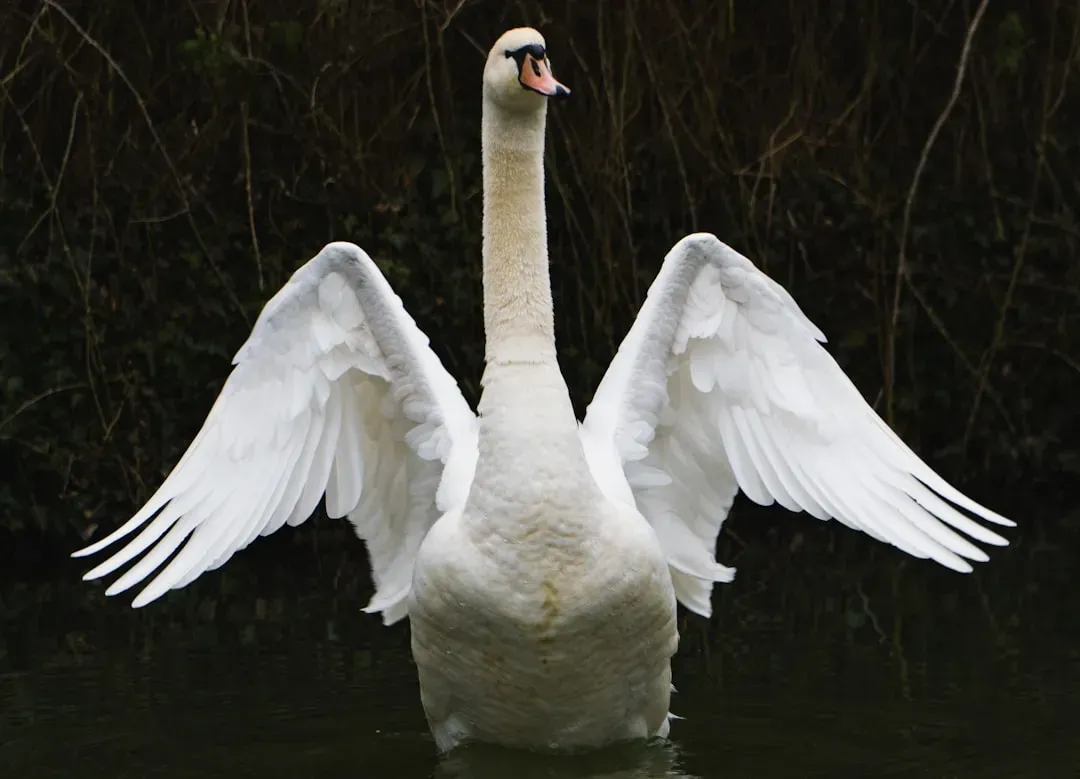
Beyond purely visual signals, some birds have evolved an extraordinary middle ground: sounds produced not by the voice but by the body itself, acting as a bridge between silence and song.
Some birds, such as the ruffed grouse, make non-vocal sound by beating the air with their wings. This is done in a way where the wings create a vacuum and the sound is caused by the air rushing in to fill up that space. This sound is used to establish and hold a territory.
The fork-tailed flycatcher is among the birds that rustles its feathers or flaps its wings to send messages during life’s biggest moments, whether it is fighting and mating. Beyond being a quirky communication tool for the birds, this technique is also useful for researchers who want to learn more about these species. Detecting subtle differences in the sound from a rustling fork-tailed flycatcher has even revealed that two subspecies of the bird have different “accents.”
Woodpeckers drum on trees to claim territory, while hummingbirds produce wing whistles during courtship flights. These mechanical sounds occupy a fascinating gray area: they aren’t vocal, yet they carry encoded messages that other birds interpret with precision.
Unlike vocalizations, which consume energy and may attract predators, body language can convey nuanced messages silently and efficiently. Visual signals also provide immediate feedback, allowing birds to adjust their behavior in real-time based on the responses of others. These physical channels of communication aren’t a backup plan. For many species, they’re the primary language.
Conclusion
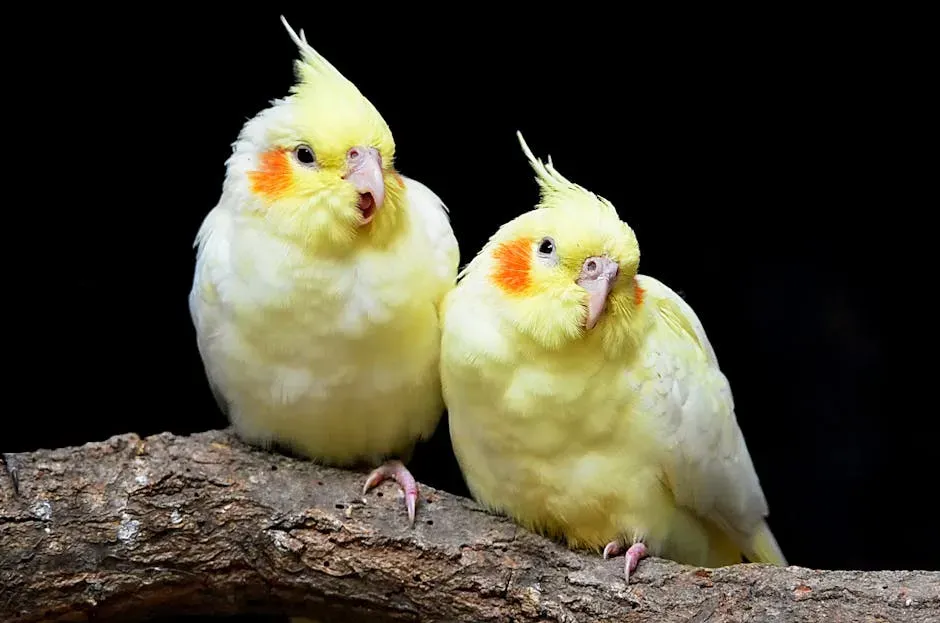
What becomes clear, the more time you spend watching birds rather than just listening to them, is that silence was never really the absence of communication. By clearly signaling intentions, birds can often resolve disputes over territory, mates, or resources without engaging in dangerous physical fights. Elaborate courtship displays allow individuals to assess the health, fitness, and genetic quality of potential partners. Within flocks, subtle cues of dominance and submission help to establish and reinforce social structures, reducing aggression and promoting group cohesion.
Conservation projects increasingly incorporate knowledge of visual communication when designing habitat corridors and protected areas, ensuring they accommodate the display grounds and visual communication needs of native species. That recognition matters: protecting the spaces where birds can actually perform these behaviors is as important as protecting the birds themselves.
There’s something quietly humbling about realizing that the birds in your backyard are carrying on rich, layered conversations you’ve never been trained to notice. The feather flick, the angled wing, the shimmer of a murmuration – none of it is decoration. It’s all meaning, written in a language older than words.

- What Happens to Your Brain in the Final 60 Seconds Before Death – Neuroscientists Just Mapped It - August 13, 2026
- The Most Dangerous Myths About Tornadoes at Night - August 13, 2026
- How To Ride A Horse Safely - August 13, 2026