

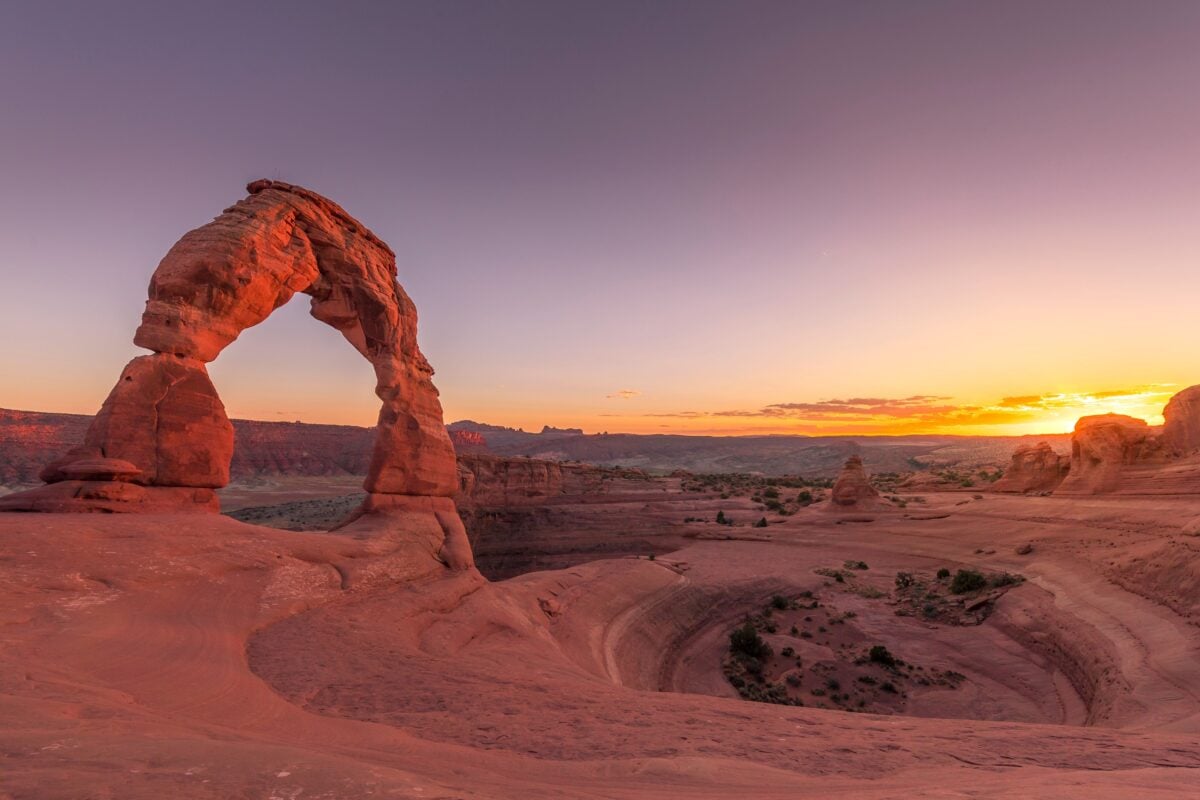
Show up to the wrong national park without a plan these days and you’ll get a very specific kind of gut-punch: a ranger at a closed gate, a screen full of red “sold out” time slots, and a parking lot you can see but can’t actually reach. That’s not a glitch in the system. That’s the new normal at America’s most iconic parks, and it’s quietly rewriting who gets to stand in front of these places at all.
Some of these reservation systems are genuinely saving trails, wildlife, and human lives. Others are drawing a hard line between people who can plan a vacation six months out and people who can’t – and that line falls exactly where you’d expect. Below are the nine parks where timed entry, permits, and lottery systems didn’t just tweak the visitor experience. They flipped it completely, plus one uncomfortable question hiding underneath all of them that almost nobody wants to say out loud.
#9 – Rocky Mountain National Park: The Test Lab That Shocked Weekend Travelers
🔥 Would you like to save this?
We'll email this post to you, so you can come back to it later!
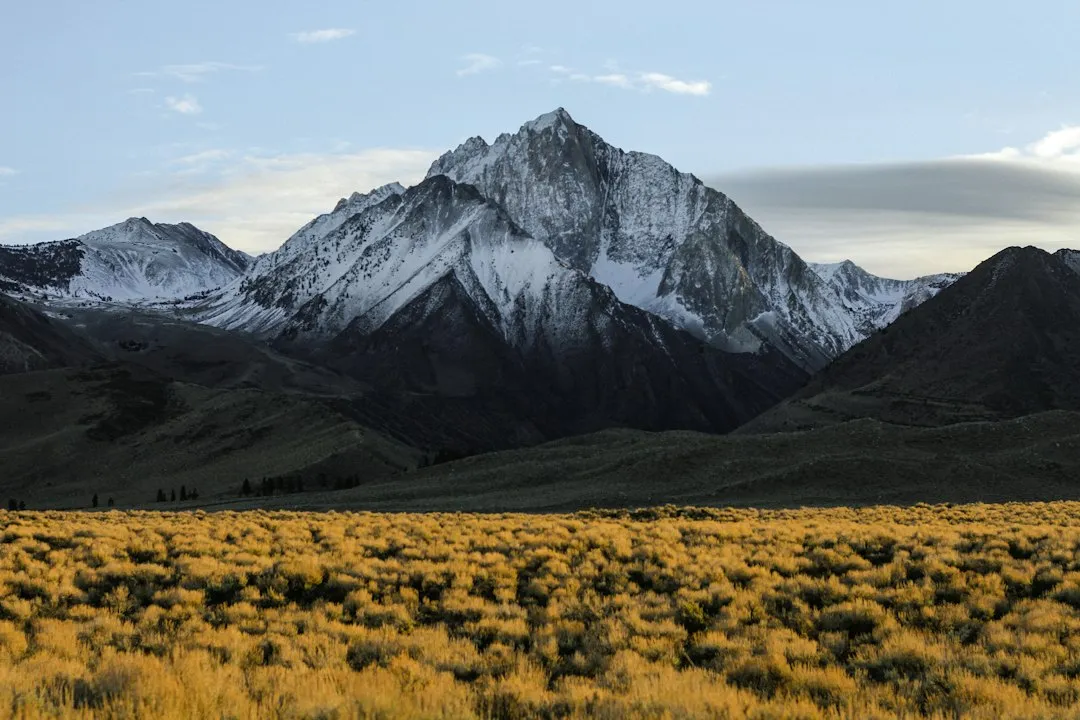
Rocky Mountain didn’t just dabble in reservations – it became the test lab for timed entry across the American West. When the park rolled out its pilot system for Bear Lake Road and general entry, plenty of Coloradans were furious. They were used to spontaneous sunrise drives and after-work hikes into their own backyard.
Suddenly, the alpine playground of Denver and Boulder felt like a concert you needed tickets for. But behind the scenes, rangers were dealing with something ordinary visitors never saw: search-and-rescue spikes, parking lots overflowing by 7 a.m., and cars parked directly on fragile tundra that takes decades to recover.
On peak days, staff quietly described crowd levels as unmanageable and unsafe. Timed entry wasn’t a trendy experiment – it was a defensive move, and it cut both ways for ordinary visitors:
- Casual day-trippers without planning skills got shut out entirely.
- Families who booked early enjoyed shorter lines, real parking spots, and noticeably less chaos.
- Longtime locals now needed the exact same reservation as out-of-state tourists.
That last point stung the most. Decades of casual, spur-of-the-moment access disappeared almost overnight for the people who lived closest to the mountains. But that’s nothing compared to what happened at #8.
#8 – Yosemite National Park: The Place That Proved “Too Famous to Be Free-for-All”
🔥 Would you like to save this?
We'll email this post to you, so you can come back to it later!
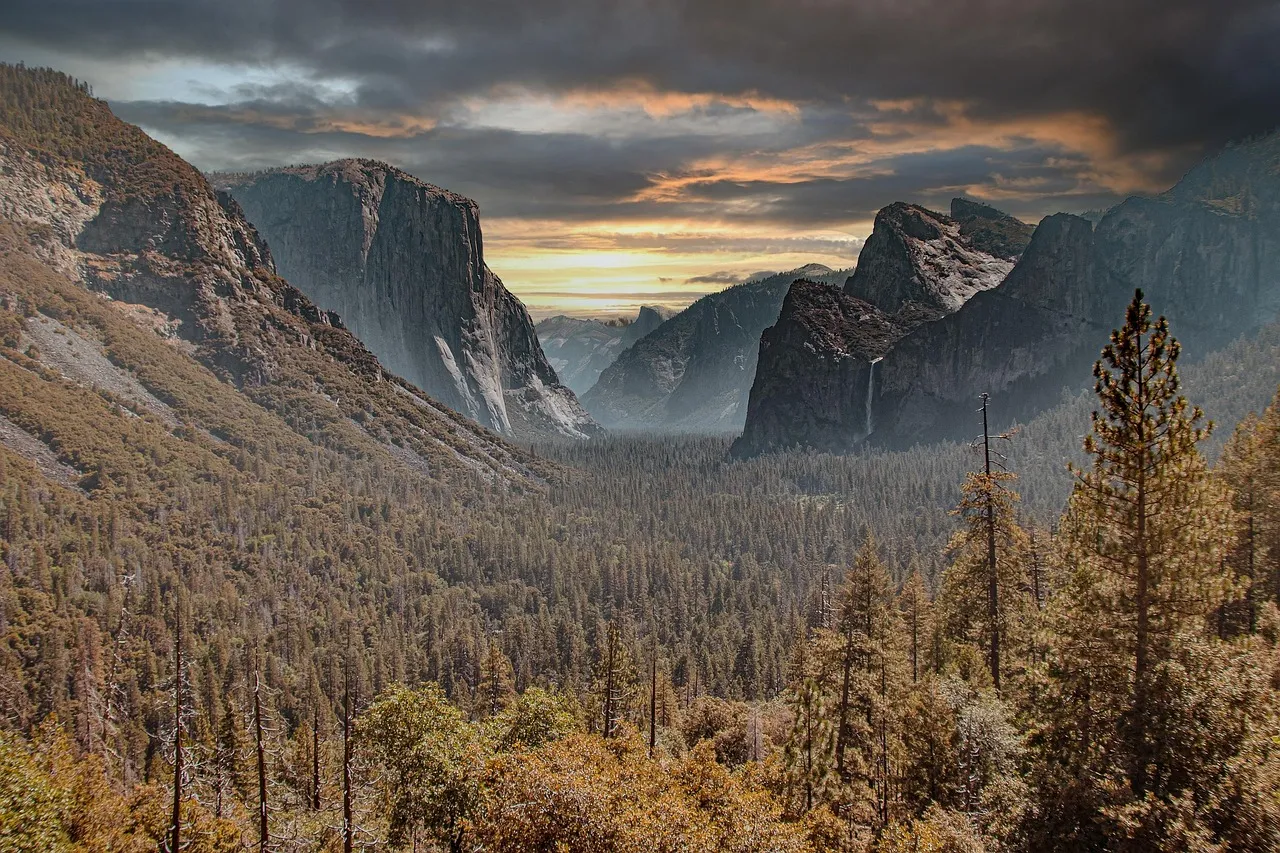
Yosemite forced America to admit something uncomfortable: some landscapes are simply too famous to run on a first-come, first-served basis anymore. Between Instagram waterfalls, road-trip YouTube channels, and a steady flood of international tourism, Yosemite Valley started functioning less like a protected wilderness and more like a theme park parking lot on a holiday weekend.
The Park Service tried nearly everything before reservations entered the conversation – shuttle tweaks, overflow traffic controls, closing certain roads on the busiest weekends. None of it made a real dent. On many summer days, visitors spent more time idling bumper-to-bumper in the Valley than actually standing on a trail, which is the part the “we never needed reservations back in my day” crowd conveniently forgets.
Fast Facts
- Ticketed entry reservations were put in place in 2020 to help improve visitor experiences by reducing crowding, improving parking, and reducing delays.
- During peak years, each reservation carried a non-refundable $2 fee, and this does not include the $35 park entrance fee.
- A single reservation typically covered a three-day window, since each reservation is good for three whole days.
- The system isn’t permanent: for 2026, entrance reservations are NOT be required to enter Yosemite National Park at any point, proving even Yosemite’s rules can swing back and forth year to year.
When peak-season entry reservations finally kicked in, something subtle shifted. The people willing to plan ahead – the ones who actually wanted to hike, photograph, and explore – became a bigger share of who was inside the gates. The drive-through-for-an-hour crowd, which had been contributing enormously to congestion without adding much to trail use, largely disappeared.
Some longtime visitors insist the system killed spontaneity for good. Others say it finally rewarded people willing to plan more than twelve hours ahead of arrival. Plenty of ordinary parents quietly admit they’d rather book a time slot than explain a ninety-minute traffic jam to three tired kids in a hot car. But that’s nothing compared to what happened at #7.
#7 – Arches National Park: The Instagram Darling That Hit Its Breaking Point
🔥 Would you like to save this?
We'll email this post to you, so you can come back to it later!
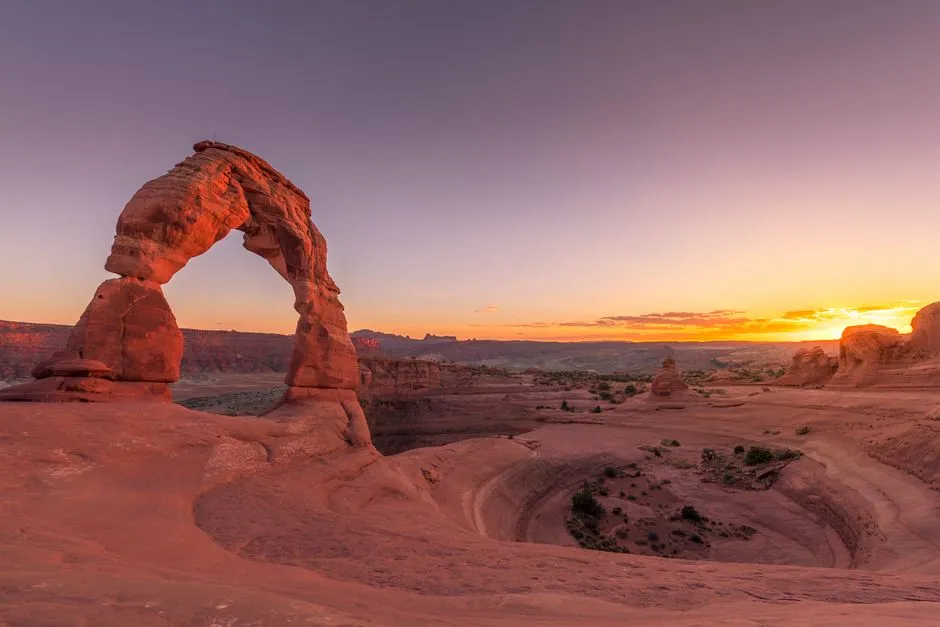
Arches is a textbook case of social media colliding head-on with a fragile desert. For a relatively small park, it rocketed into superstar status the moment Delicate Arch and Landscape Arch became default phone wallpapers across the world. The problem is that the infrastructure never grew to match the viral fame.
Before reservations, rangers regularly had to shut the entrance gate entirely on busy mornings because the line of cars backing up toward Moab had become a genuine safety hazard. Ordinary families who’d driven hours to get there would arrive to a literal “park full” sign – not exactly the bucket-list Southwest moment they’d planned around.
The timed-entry pilot didn’t fix everything, but it delivered a few things visitors actually noticed:
- Far fewer surprise closures at eight in the morning.
- A real shot at finding parking near the major trailheads.
- Less frantic, elbow-throwing energy at the main viewpoints.
The trade-off is that spontaneity basically died. Wake up in Moab, see perfect weather, and try to wing it, and you’ll often get shut out entirely. The park quietly shifted from “whoever shows up first” to “whoever navigates the booking website best” – progress for some, a digital velvet rope for everyone else. But that’s nothing compared to what happened at #6.
#6 – Zion National Park: When the Shuttle Line Became the Real Attraction
🔥 Would you like to save this?
We'll email this post to you, so you can come back to it later!
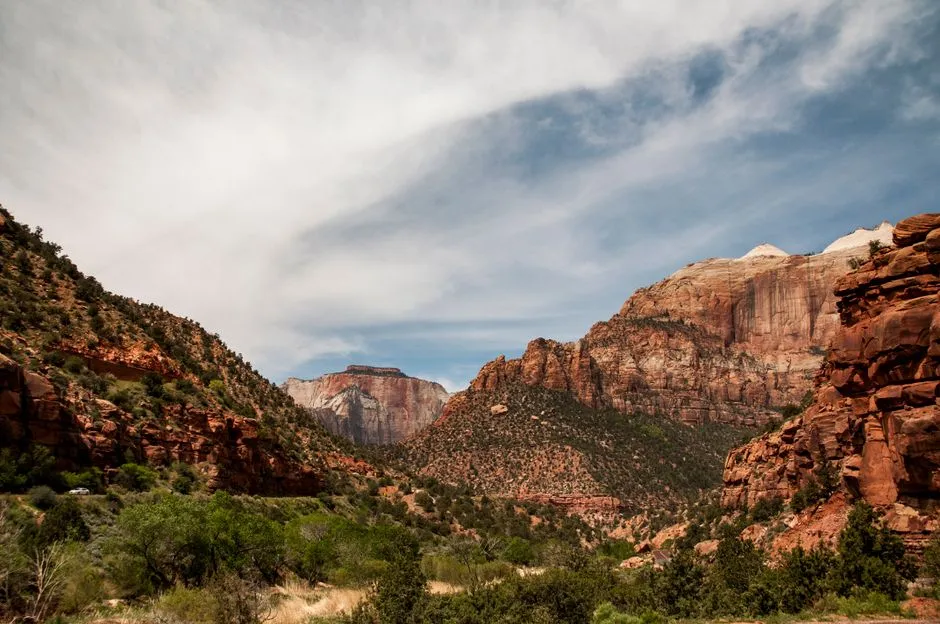
Zion sits in a narrow canyon, which is exactly what makes it stunning – and impossibly easy to overwhelm. Long before formal reservations entered the conversation, the park already ran one of the strictest systems in the country: mandatory shuttles into the main canyon. Even that couldn’t keep pace once Angels Landing and The Narrows turned into full-blown social-media rites of passage.
Visitors began reporting multi-hour waits just to board a shuttle, followed by clogged trails where “hiking” really meant shuffling forward in a slow-moving human line. Families who’d pictured a peaceful canyon escape instead found themselves stuck on a conveyor belt of strangers.
The fix wasn’t better marketing – it was structure, and eventually, permits. The Angels Landing day-use permit system was the real turning point. Suddenly, thrill-seekers had to win a lottery just to touch the iconic chain-assisted ridge, and a lot of casual hikers quietly cheered. Stories of people freezing mid-climb, panicking on narrow ledges, or shoving past strangers had been getting genuinely dangerous.
The national parks are the best idea we ever had. Absolutely American, absolutely democratic, they reflect us at our best rather than our worst.
Wallace Stegner
Critics argue Zion has become the poster child for over-managed wilderness. Supporters say it’s one of the only parks that admitted a hard truth early: without limits, its most famous hikes were becoming objectively dangerous for ordinary people. But that’s nothing compared to what happened at #5.
#5 – Acadia National Park: The Coastal Gem That Quietly Went High-Tech
🔥 Would you like to save this?
We'll email this post to you, so you can come back to it later!
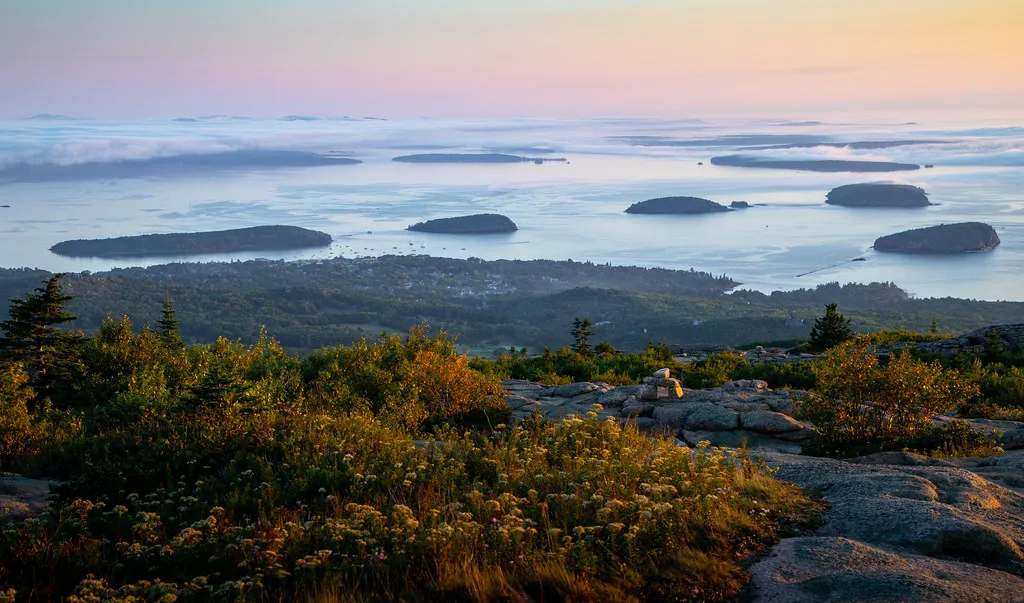
Unlike the sprawling Western parks, Acadia sits woven into small towns, coastal roads, and private land. That makes overcrowding feel less like a “park problem” and more like a whole-island crisis the moment things go sideways. Cadillac Mountain, in particular, turned into a dawn circus, with cars clogging the road and shoulders as everyone chased the same sunrise.
Reservations for the Cadillac sunrise drive were a subtle but radical shift. Suddenly, whether you got to see “first light” depended on an online time slot instead of just the willpower to drag yourself out of bed at 3 a.m. Locals rolled their eyes. Longtime sunrise chasers grumbled that something ancient and free had just been bureaucratized.
Talk to families visiting from the Midwest or the South, though, and you’ll hear a very different story. For the first time, they could count on an actual legal parking space near the summit at sunrise, instead of white-knuckling up a dark, crowded road hoping not to get turned away at the top. A few trade-offs stood out to ordinary visitors:
- Less random chaos on Cadillac, far more predictability.
- A real tech barrier for older or less connected travelers.
- An odd feeling that nature’s most timeless moments now arrive with a digital timestamp.
Most travelers still rank Acadia as laid-back and accessible, but plenty of trip planners now quietly call it one of the most logistics-sensitive parks in the East. But that’s nothing compared to what happened at #4.
#4 – Glacier National Park: The Scenic Road That Became a Reservation Gatekeeper
🔥 Would you like to save this?
We'll email this post to you, so you can come back to it later!
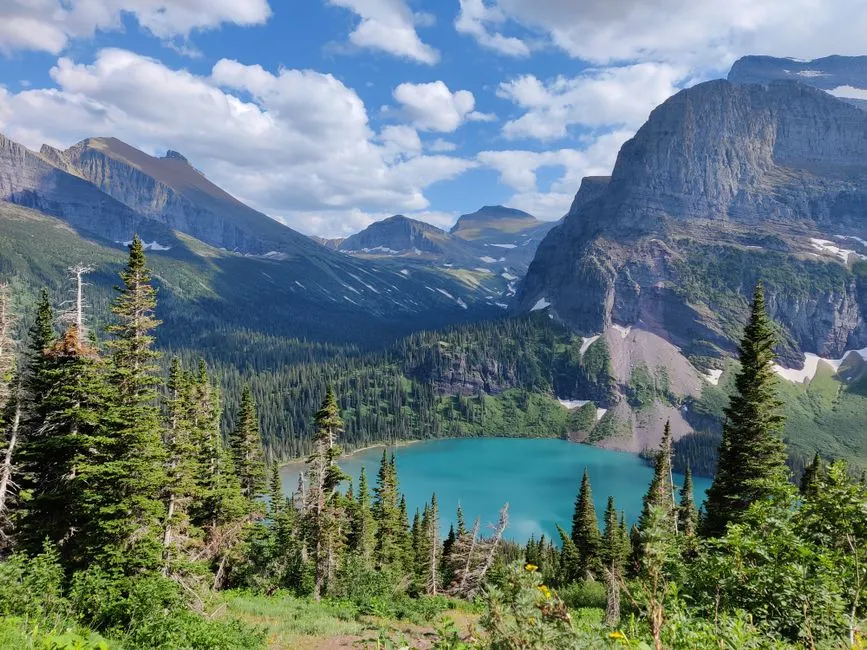
Glacier’s Going-to-the-Sun Road used to define American summer freedom: engine humming, windows down, hairpin turns, sudden jaw-dropping views. Over the last decade it morphed into something else entirely – a stop-and-go crawl where most drivers never got out of second gear, and finding parking at Logan Pass felt like winning a lottery you never entered.
The park’s vehicle reservation system for Going-to-the-Sun drew the line in the sand. Suddenly, driving the most famous road in the park required a timed entry stacked on top of the usual park pass. For ordinary visitors, that layered complexity – park pass, entry window, sometimes separate reservations for side valleys – became genuinely overwhelming to plan around.
Worth Knowing
- The pilot launched for the 2021 season, when the park announced the decision to implement a Going-to-the-Sun Road temporary ticketed entry system.
- On top of the standard entrance fee, drivers paid extra since the entrance fee for Glacier National Park is $35.00 per vehicle… The nonrefundable $2.00 GTSR entry reservation ticket is in addition to the entrance fee.
- The restricted window generally ran from 7 a.m. to 3 p.m., with free access outside those hours.
- The rules keep shifting: for the 2026 season, the park announced plans to suspend its vehicle reservation system for the Going-to-the-Sun Road, allowing visitors to enter without pre-booking, relying instead on temporary closures when lots fill up.
The brutal truth underneath it all is simple: Glacier’s infrastructure was never built for modern demand, and a narrow, historic mountain road can’t be widened or duplicated without destroying the exact thing that makes it sacred. So instead of pouring more concrete, the park poured more restrictions – even if those restrictions keep getting dialed up and down year after year.
For some visitors, this pushed them onto the shuttle or toward lesser-known access points for the very first time, and many discovered quieter corners of the park precisely because Going-to-the-Sun got throttled. For others, the “you must be this organized to enter” vibe killed the very spontaneity that made them fall in love with Glacier decades earlier. But that’s nothing compared to what happened at #3.
#3 – Shenandoah & Great Smoky Mountains: The “Open” Parks That Might Not Stay That Way
🔥 Would you like to save this?
We'll email this post to you, so you can come back to it later!
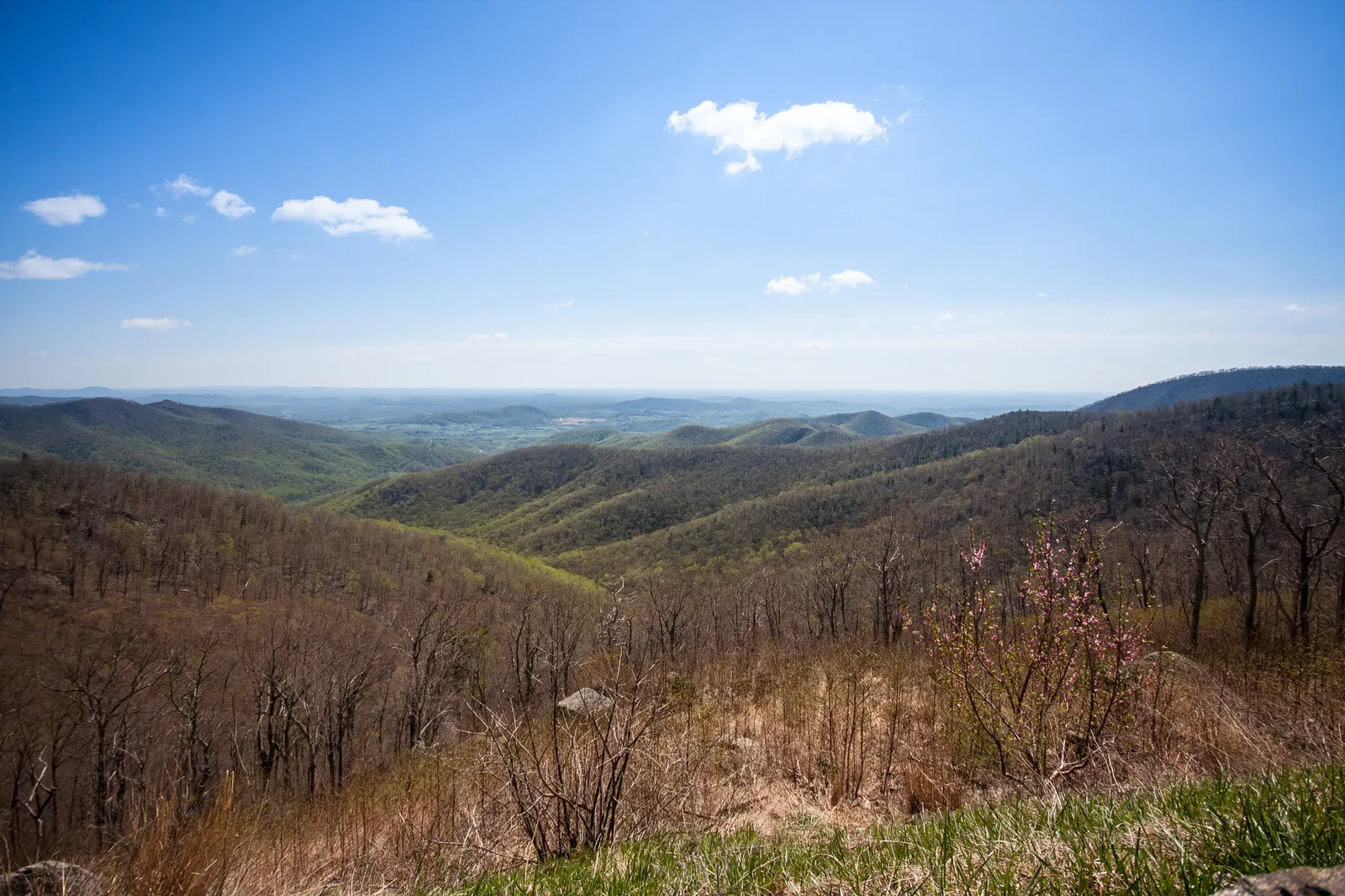
Here’s where it gets uncomfortable: some of the most beloved Eastern parks – Shenandoah and Great Smoky Mountains – technically don’t have full entry reservation systems yet. But they’re living directly in the shadow of parks that do, and insiders quietly admit that if visitation keeps climbing, they’re next in line for some version of it.
Great Smoky Mountains is the most visited national park in America, and it has a strange twist: no entrance fee at the gates at all, thanks to old legal agreements from the 1930s. That sounds great for accessibility – until you realize it also makes the park incredibly easy to flood. Gatlinburg and Pigeon Forge traffic jams spill straight into trailhead chaos with almost nothing to slow the flow.
Shenandoah, with Skyline Drive and its proximity to the D.C. metro area, sits on a similar knife-edge. If you’ve ever tried to park at Old Rag or a popular overlook on a crisp fall weekend, you’ve already seen the warning signs: shoulder parking, dangerous road maneuvers, and trails that feel more like a crowded city sidewalk than a wilderness escape.
Some park watchers argue these two should be watch-listed by ordinary visitors right now:
- If you love the current freedom, go now – it may not last much longer.
- If you value predictability, quietly hope they adopt smarter, targeted reservations before things fully break down.
The irony is hard to miss. Plenty of people rant online about “reservation parks” while flocking straight to these “non-reservation” alternatives – and in doing so, they’re pushing them closer to the exact same fate. But that’s nothing compared to what happened at #2.
#2 – Hawaii’s Haleakalā & Diamond Head: When Reservations Became a Cultural Flashpoint
🔥 Would you like to save this?
We'll email this post to you, so you can come back to it later!
On the mainland, reservation fights are mostly about convenience. In Hawaii, they’ve become tangled up with culture, local frustration, and a long, tense history of tourism pushing residents to the margins of their own islands.
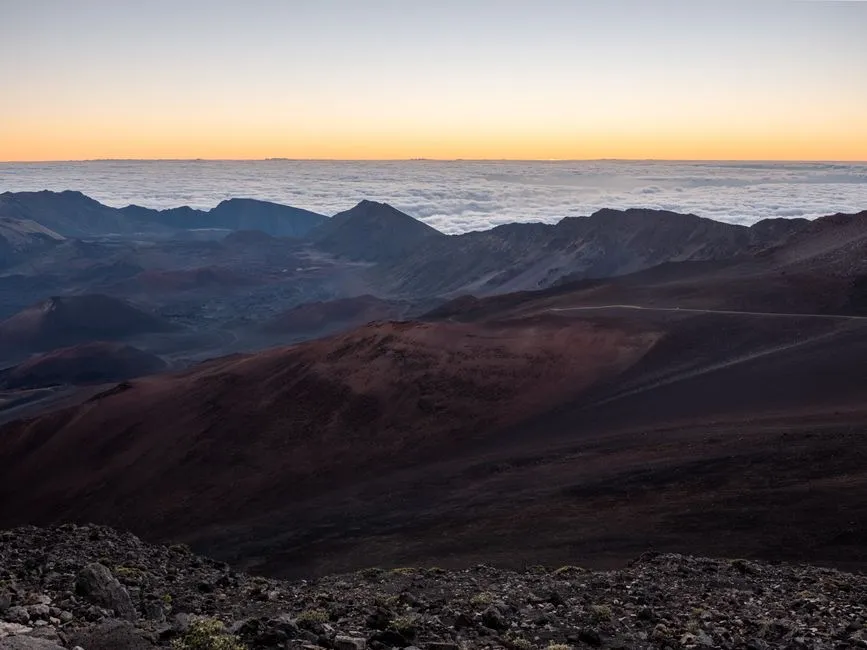
Haleakalā National Park on Maui and Diamond Head State Monument on Oʻahu both adopted reservation systems for sunrise or parking access – not just to ease crowding, but to protect fragile ecosystems and everyday local life. At Haleakalā, sunrise reservations aimed to end the dawn stampede: rental cars crawling nose-to-tail up the mountain, visitors tramping around in the dark, and emergency vehicles struggling to get through at all. The sacredness of the summit for Native Hawaiians added a layer most mainland tourists never considered – treating it like a bucket-list checkbox was already deeply controversial before reservations even entered the picture.
Diamond Head introduced timed entry after years of overwhelming tour-bus waves and parking chaos clogging the neighborhoods around it. For visitors, that meant real limits:
- No more showing up and squeezing in “one quick hike” between the beach and mai tais.
- A hard cap on how many people could be on the trail or summit at once.
- Clear friction for cruise-ship crowds and last-minute planners.
To many locals, these changes finally felt like the islands pushing back, however gently, against decades of unrelenting crowds. To some mainland visitors, it looked and felt like outright “tourist hostility.” The truth is less dramatic and more uncomfortable than either side wants to admit: reservation systems here are as much about dignity and cultural respect as they are about parking spots. But that’s nothing compared to what we found at #1.
#1 – Good for Nature, Bad for Equity? The Hidden Cost of Reservation Parks
🔥 Would you like to save this?
We'll email this post to you, so you can come back to it later!
Here’s the part most glossy park brochures conveniently skip: reservation systems genuinely help with crowd control, safety, and resource protection. But they also quietly filter who gets to enjoy America’s public lands in the first place, and that filtering isn’t random.
On paper, a timed-entry or permit system looks completely neutral. In reality, it favors people with reliable high-speed internet and comfort navigating online booking portals, flexible jobs and schedules that allow planning months in advance, and the spare bandwidth – and often a stack of credit cards – to obsessively refresh a reservation page the moment slots drop.
At a Glance: Who Wins, Who Loses
- Wins big: remote workers, retirees, and planners who can book months ahead and refresh a booking page the instant slots open.
- Loses ground: shift workers, gig employees, and anyone without a predictable schedule to plan around.
- Wins big: travelers with fast home internet and comfort with English-language booking portals.
- Loses ground: limited-English households, older travelers, and rural visitors without reliable connectivity.
If you’re a shift worker trying to grab a rare three-day weekend, a parent juggling limited English on an unfamiliar website, or someone without easy digital access at all, you’re at a disadvantage before you ever see a single trail marker. The very systems designed to save parks from overuse can end up deepening the access gaps that were already there.
To their credit, many park managers know this and are testing partial fixes – day-of releases, phone reservation options, partnerships with community groups, transit-linked access programs. Still, none of it erases the core reality: America’s most iconic nature experiences increasingly require knowing how to play the system, not just showing up with curiosity and a full tank of gas. Ordinary visitors are right to feel conflicted about all of it. We want fewer crowds but hate the gates. We want preserved ecosystems but flinch when preservation looks like a login screen and a countdown clock.
The Bottom Line
🔥 Would you like to save this?
We'll email this post to you, so you can come back to it later!
Reservation systems didn’t appear because the Park Service got bored and wanted more bureaucracy. They appeared because the old bargain – infinite people funneled into finite valleys, canyons, and coastlines – finally snapped. At Rocky Mountain, Yosemite, Arches, Glacier, Zion, Acadia, and Haleakalā, crowds weren’t just annoying anymore. They were breaking trails, overrunning parking, and pushing rangers past every safe limit they had.
For planners, families, and anyone willing to play the online booking game, today’s reservation parks genuinely feel calmer and saner – almost like reclaimed versions of what they used to be decades ago. For spontaneous road-trippers, locals, and less-connected communities, those same systems can feel like locked doors on land that’s supposed to belong to everyone equally.
My honest take: reservations were the right call, but the way most parks rolled them out was lazy. Slapping a booking portal on the front gate and calling it “managed access” isn’t equity – it’s outsourcing the hard work of fairness to whoever has the fastest wifi and the most flexible schedule. The next big fight in the outdoors isn’t “reservations or not.” It’s “who are we actually designing them for” – and right now, the answer is uncomfortably clear.
Did we miss a park where a reservation system completely changed your trip, for better or worse? Drop your story in the comments.

- 14 Wildlife Permits Waived for Americans the Year They Turn 62 - November 5, 2026
- Machu Picchu’s Engineering Feats Were Far Ahead of Its Time - November 5, 2026
- 12 Most Beautiful American Cities To See Before You Die - November 4, 2026