
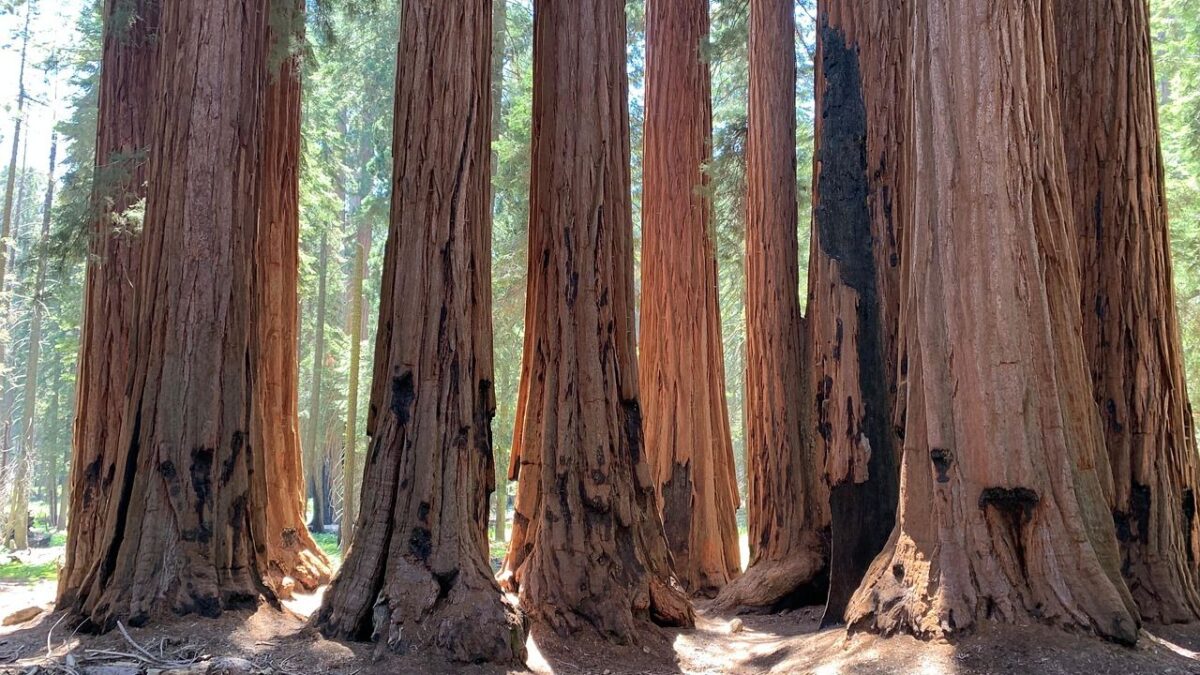
Picture this: trees soaring over 300 feet tall, some older than the Roman Empire, cloaking a misty world in eternal twilight. Beneath their massive canopies, California’s coastal redwoods harbor creatures that seem plucked from a fantasy realm. These aren’t your everyday forest dwellers.
From slimy recyclers to cyanide-wielding crawlers, the lineup will stun you. Let’s uncover the bizarre residents thriving in this prehistoric paradise.[1][2]
The Banana Slug: A Neon Yellow Forest Engineer
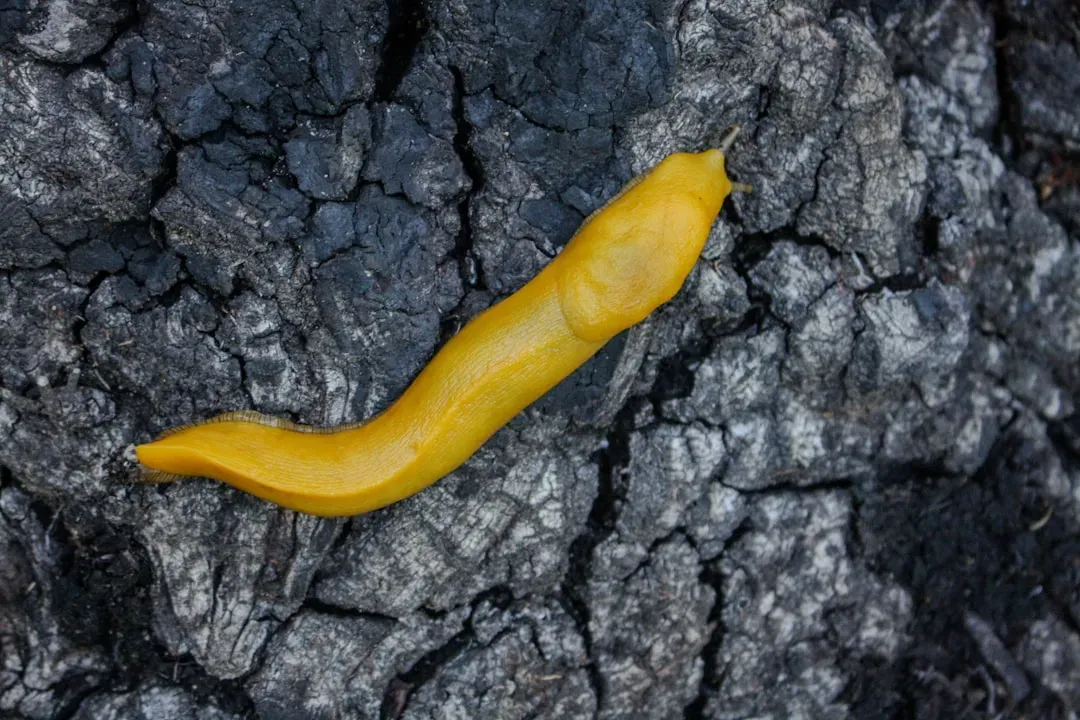
Ever spotted a vivid yellow slug stretching eight inches long on a redwood log? That’s the banana slug, North America’s largest, gliding silently through the damp understory.[1]
It munches decaying wood and leaves, recycling nutrients back into the soil like a living compost machine. These hermaphrodites even duel with love bites during mating. Honestly, their slime trail feels otherworldly underfoot.
Up to seven years old, they embody the redwoods’ slow, enduring rhythm. Spot one, and you’ve glimpsed the forest’s unsung hero.
Yellow-Spotted Millipede: The Cyanide Assassin
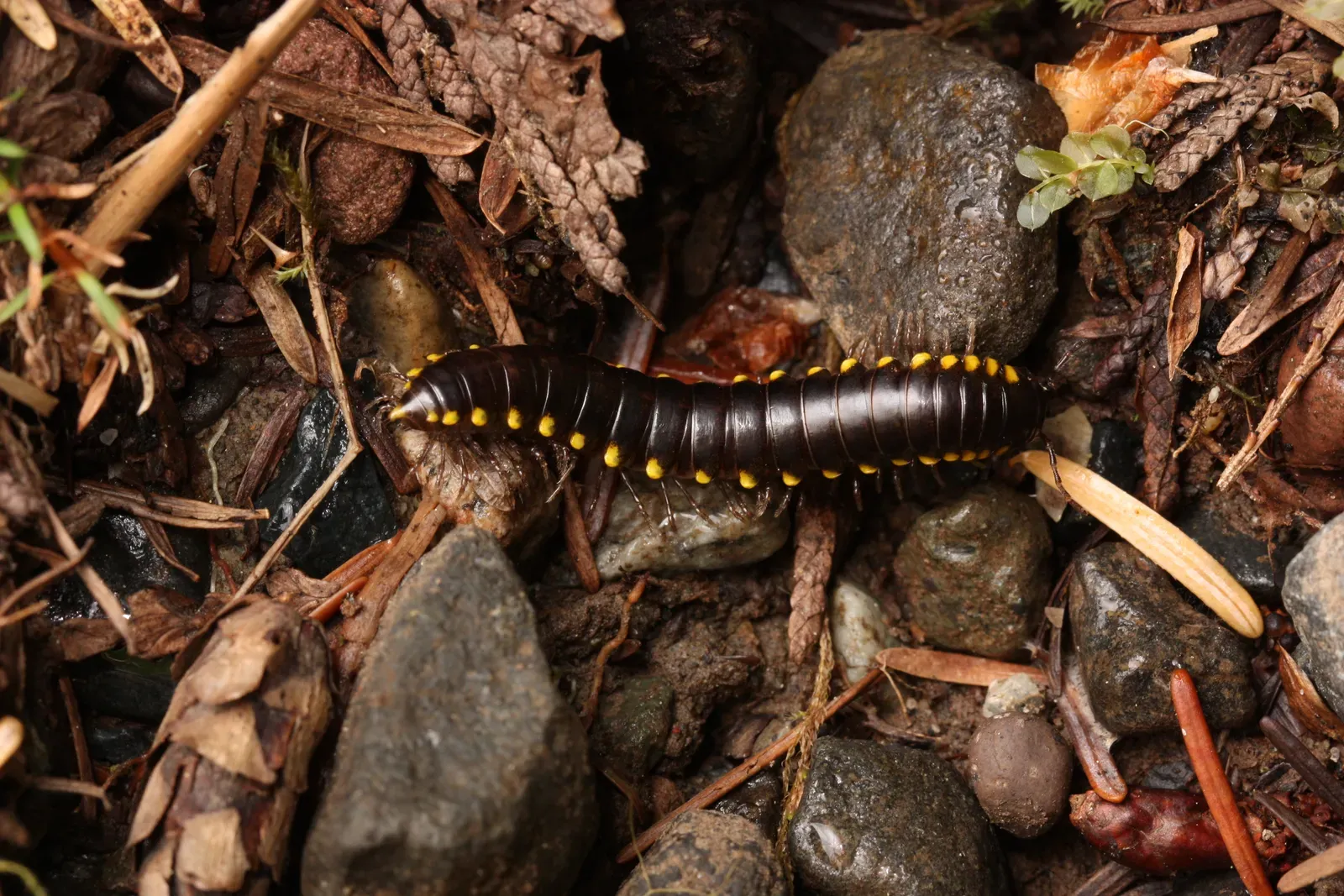
Crunchy footsteps might reveal the yellow-spotted millipede, a striped wanderer oozing hydrogen cyanide when cornered.[1] That almond-scented defense wards off hungry beetles and birds alike.
In the redwood gloom, it roams freely, feasting on damp leaf litter. Picture a tiny chemical weapon patrolling the giants’ base. I know it sounds like a supervillain origin story, but it’s real.
These millipedes highlight how even the smallest redwood dwellers pack a punch. Their survival tricks keep the ecosystem humming.
Wandering Salamander: The Lungless Tree Climber
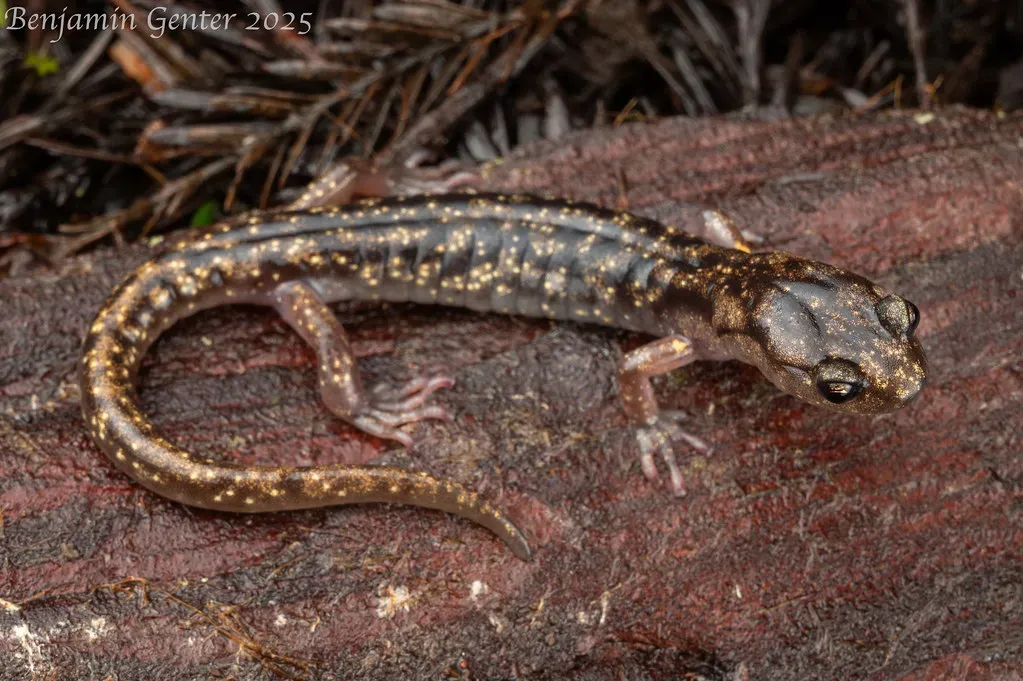
Clinging to lichen-draped bark high above, the wandering salamander defies logic by breathing entirely through its skin.[1] No lungs needed in this humid haven.
It might spend a lifetime in one redwood, ambushing insects in the canopy. Camouflaged perfectly, it vanishes against the mossy trunk. Here’s the thing: these climbers turn the forest into a vertical hunting ground.
Rarely descending, they own the treetops. Their existence proves redwoods aren’t just tall; they’re living skyscrapers.
Marbled Murrelet: The Ocean Bird’s Redwood Nest
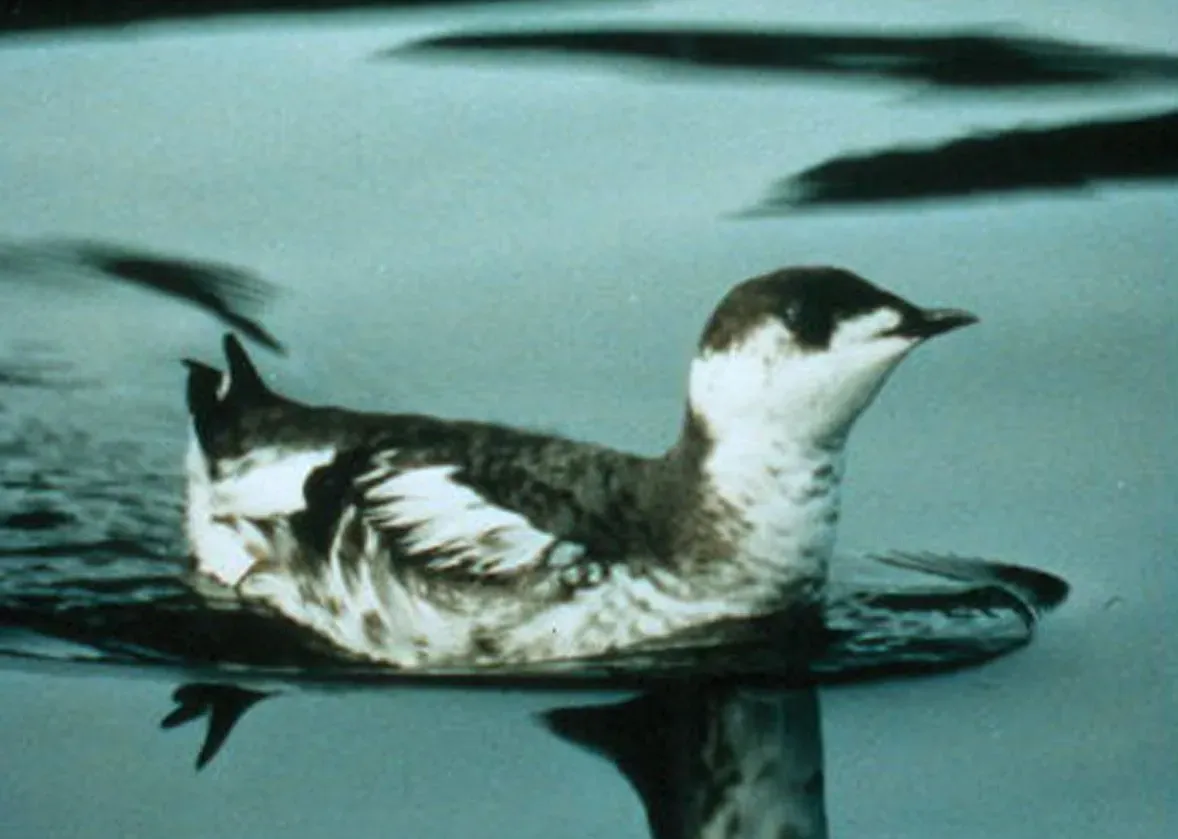
A plump seabird dives for fish offshore, then rockets inland to tuck eggs in mossy redwood platforms 150 feet up.[3] The marbled murrelet bridges sea and sky in ways that baffle scientists.
Threatened by habitat loss, it demands old-growth giants for breeding. Imagine fledglings plummeting to learn flight on the first try. Thrilling, right?
This migrator’s secret life underscores the redwoods’ role in coastal ecology. Spotting one feels like winning nature’s lottery.
Humboldt Marten: The Acrobatic Ghost Cat
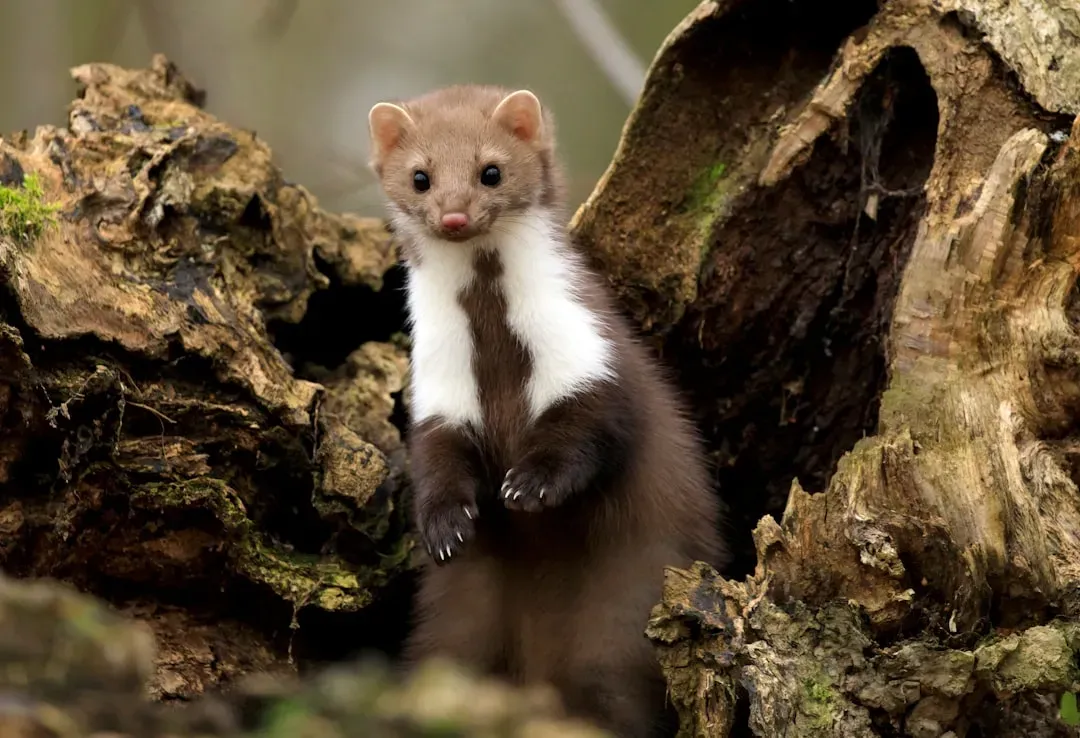
Sleek and cat-sized, the Humboldt marten vaults through branches like a furry ninja, hunting in dense understory.[4] Over 90 percent of its range vanished to logging and fire.
Federally protected now, it thrives where redwoods create complex canopies. These weasel kin snag birds mid-air. Elusive as a shadow, they’re the forest’s daredevils.
Their comeback hinges on these ancient trees. Protecting them means saving a vanishing thrill.
Northern Spotted Owl: The Silent Old-Growth Guardian
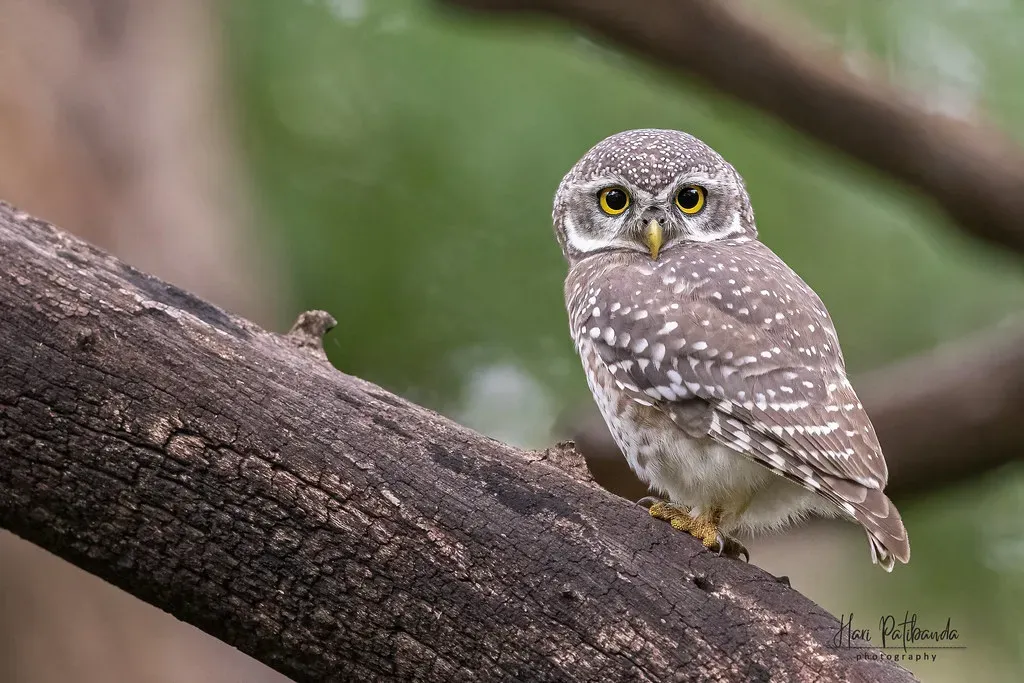
Quiet as mist, the northern spotted owl perches deep in redwood canopies, eyes piercing the dusk.[4] Listed threatened since 1990, it shuns noisy clearings.
It glides silently for rodents, embodying the forest’s hushed majesty. Old-growth dependency makes it a logging battle symbol. Though rarely seen, its call echoes like a whisper from the past.
These owls remind us: tamper with redwoods, and icons vanish.
Why These Redwoods Wonders Demand Protection
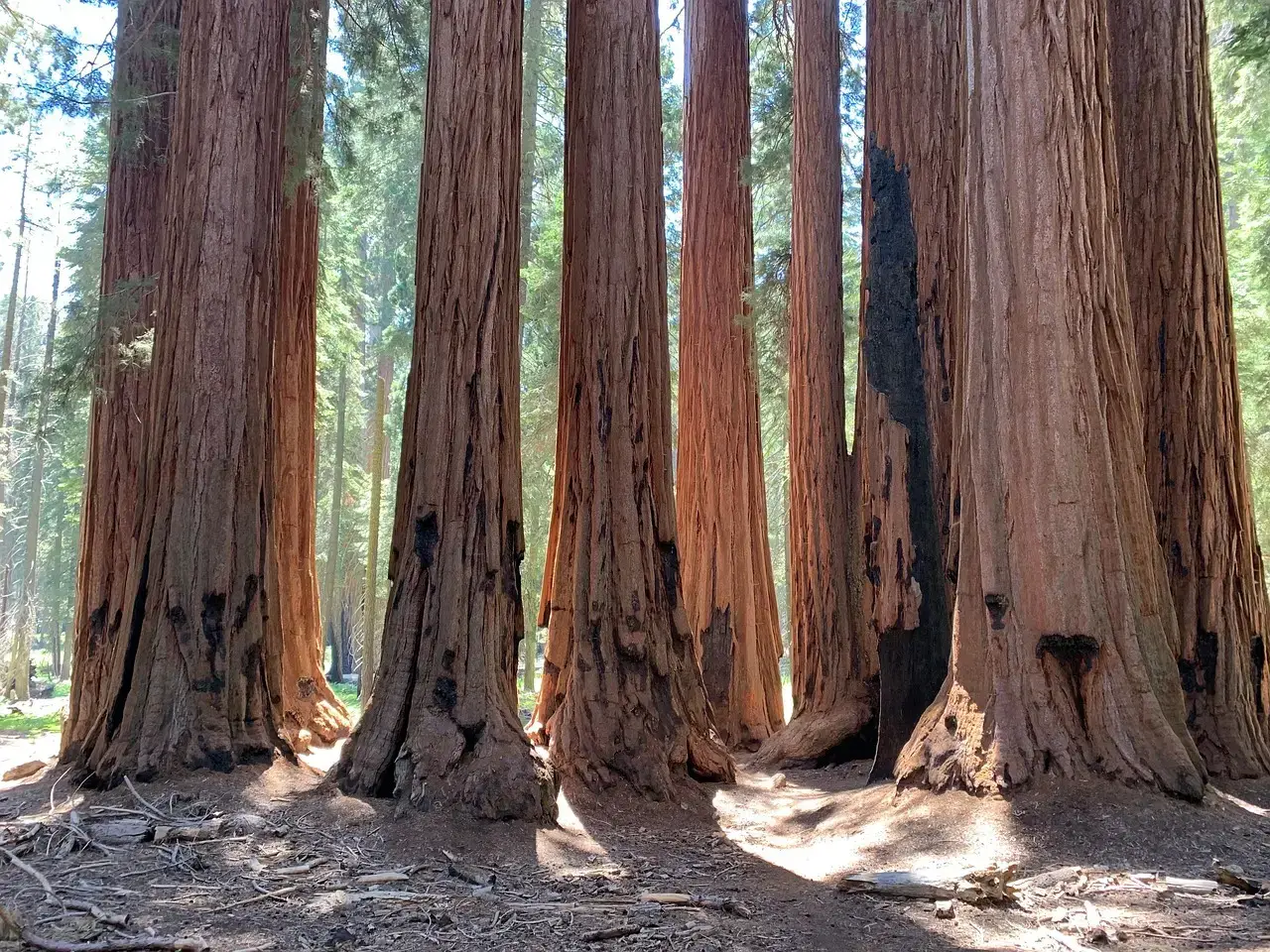
These six oddballs reveal a tapestry woven tighter than you imagine. Lose the redwoods, and their worlds unravel. It’s a call to tread lightly amid the giants.
What creature blew your mind most? Share below, and let’s champion these living legends.[5]

- 12 Architectural Wonders From The Ancient World That Inspire Us Today - July 18, 2026
- 6 Beautiful Ancient Cities That Time Forgot (But Shouldn’t) - July 18, 2026
- 6 Common Animal Behaviors That Are Often Misunderstood by Humans - July 18, 2026