
There is a place in North America where the land still breathes fire, where ancient creatures roam valleys carved by prehistoric ice, and where the rules of nature play out with raw, unfiltered honesty every single day. Yellowstone National Park is not just a tourist destination. It is something far older and more primal than most of us dare to imagine. Beneath its geysers and colorful hot springs lies a wildlife story stretching back thousands of years, one that science is only now beginning to fully decode.
What makes Yellowstone’s animals so extraordinary is not just that they are big or beautiful or terrifying. It is how deeply they are woven into the fabric of an ecosystem that has survived, adapted, and quietly reinvented itself for millennia. So let’s dive into the secrets this place has been holding onto for a very long time.
A Living Museum: Yellowstone’s Wildlife Goes Back Further Than You Think
Most people visit Yellowstone expecting to see wild animals. Few realize they are stepping into what is essentially a living museum, one that has hosted the same creatures across an almost unimaginable stretch of time. Large herbivores such as bison and elk have continuously lived in the Yellowstone National Park region for at least 2,300 years, according to a new analysis of chemicals preserved in lake sediments.
That is not a typo. Twenty-three centuries of continuous wildlife presence. Researchers from Oklahoma State University attempted to determine the dominant large herbivores that lived in the northern Yellowstone National Park area by analyzing steroids from animal dung in lake sediments dating from about 238 B.C. to the present time, examining the dung of several large herbivores including bison, elk, moose, mule deer and pronghorn.
Think about that like this: while the Roman Empire was rising and falling, bison were grazing exactly where they still graze today. The park lies at the heart of the Greater Yellowstone Ecosystem, one of the largest nearly intact temperate-zone ecosystems on Earth, and it serves as a refuge for animals that have disappeared from much of their historic range.
Native American peoples began using Yellowstone as a home or hunting ground around 11,000 years ago. The animals were there long before those first footsteps.
The Bison: Ancient Giants That Almost Vanished Forever
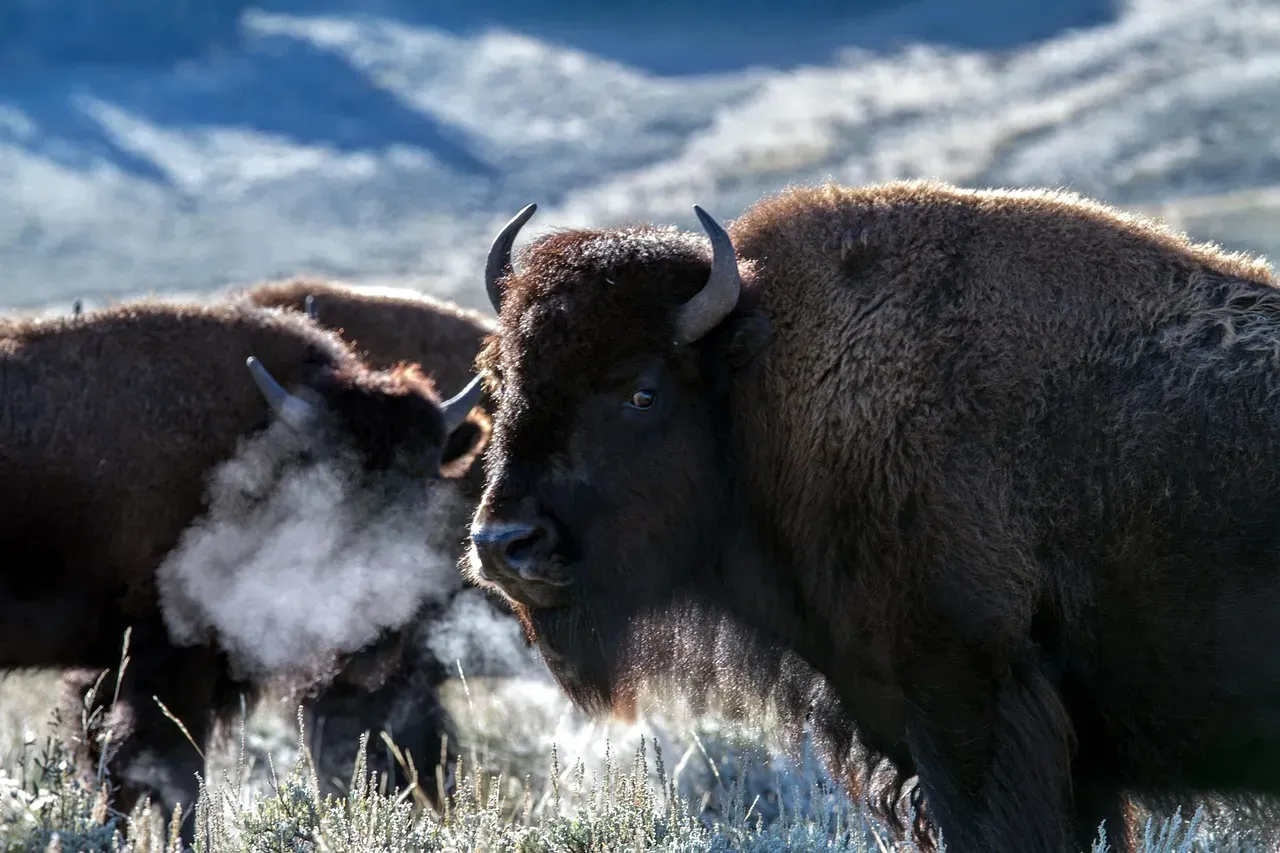
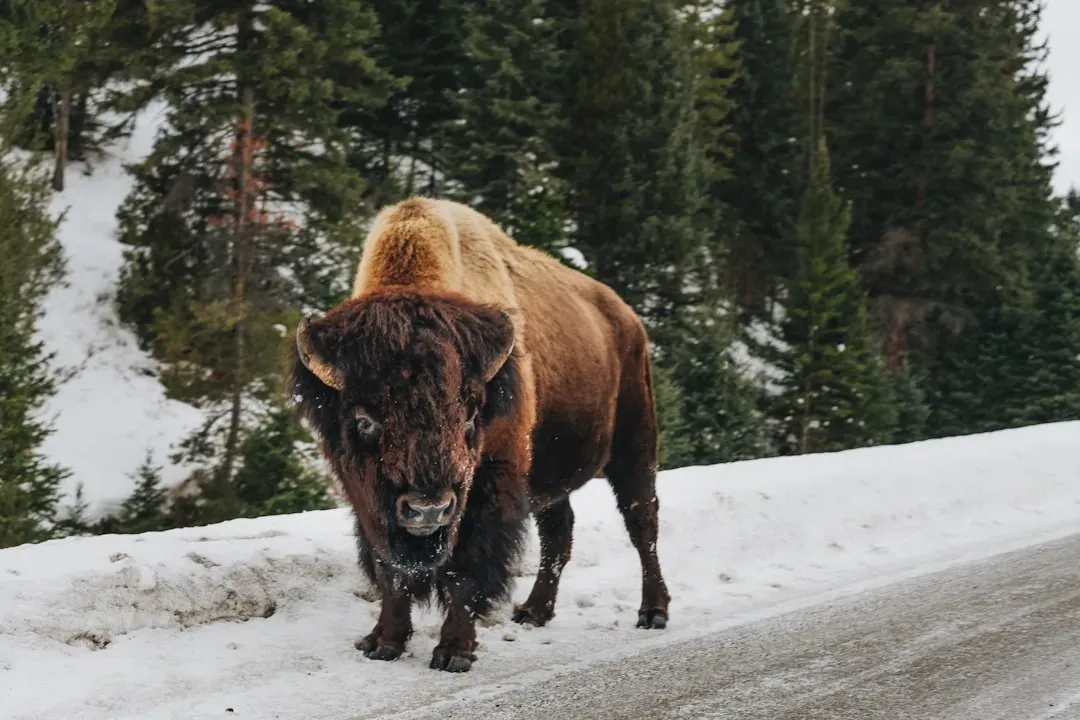
If Yellowstone had a mascot, it would be the bison. No contest. Yellowstone is home to the only continuously free-ranging bison herd in the lower 48 states. That phrase “continuously free-ranging” is doing a lot of work there, and it deserves a moment of reflection.
The American bison is the largest land mammal in North America, with males weighing up to 2,000 pounds. Honestly, standing near one is a humbling experience. They look like a force of nature wearing fur, which, in fairness, is exactly what they are.
Yellowstone bison exhibit wild behaviors characteristic of their ancient ancestors, including congregating for breeding, undertaking migrations, and exploring new habitat areas. Unlike most other ungulates that primarily follow the “green wave” to find the best forage, bison employ a unique “ecosystem engineering” strategy. They begin their spring movements in sync with the green wave but then allow it to pass them by, instead returning to graze the same areas repeatedly at high intensity. This behavior keeps plants growing at only a few inches tall, allowing bison continuous access to highly nutritious food.
Bison undertake significant migrations, moving up to 70 miles between their summer and winter ranges, and over the course of a year, they can travel about 1,000 miles by repeatedly leaving and returning to the same areas, making them the ungulate that travels the greatest distance in the Greater Yellowstone Ecosystem.
Then came the near catastrophe. In 1916, America’s wild bison, which once numbered 60 million, had dwindled to 23 animals. Yellowstone’s bison today, which number 5,500, are descendants of those survivors. A recovery story that frankly deserves its own blockbuster film.
The Grizzly Bear: Speed, Power, and a Surprising Diet
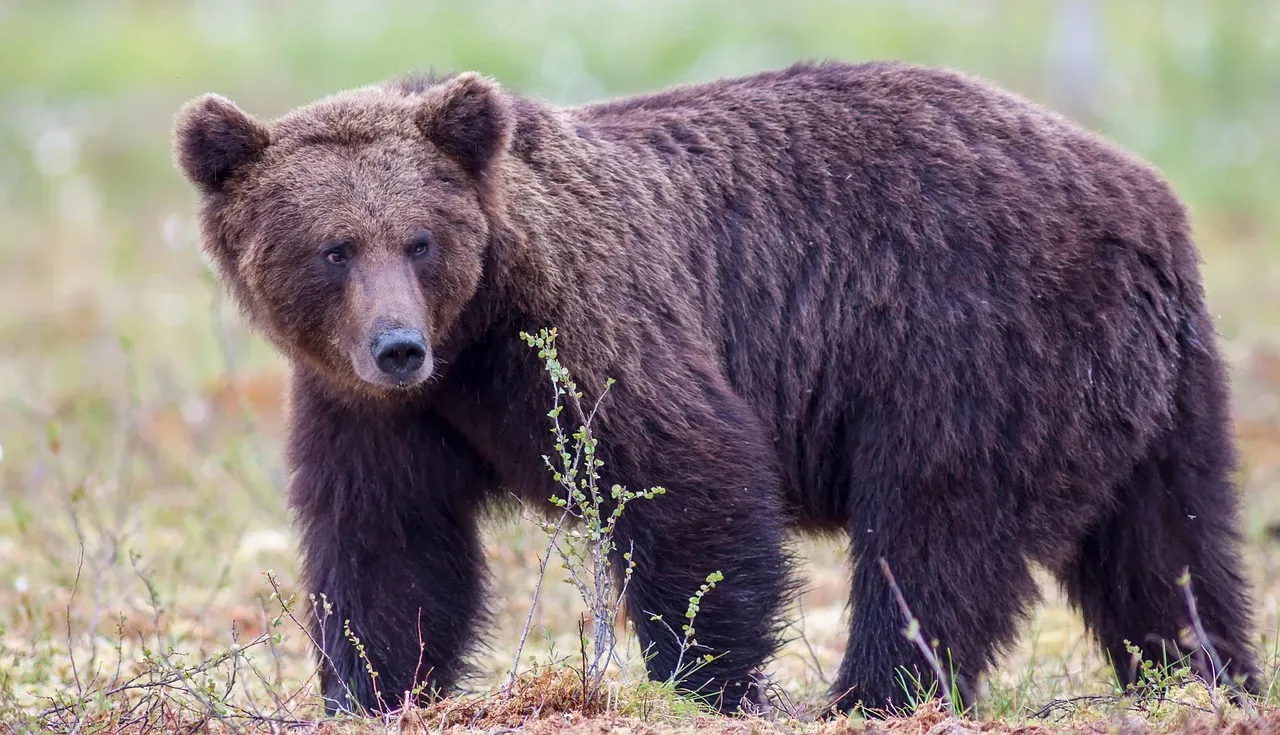
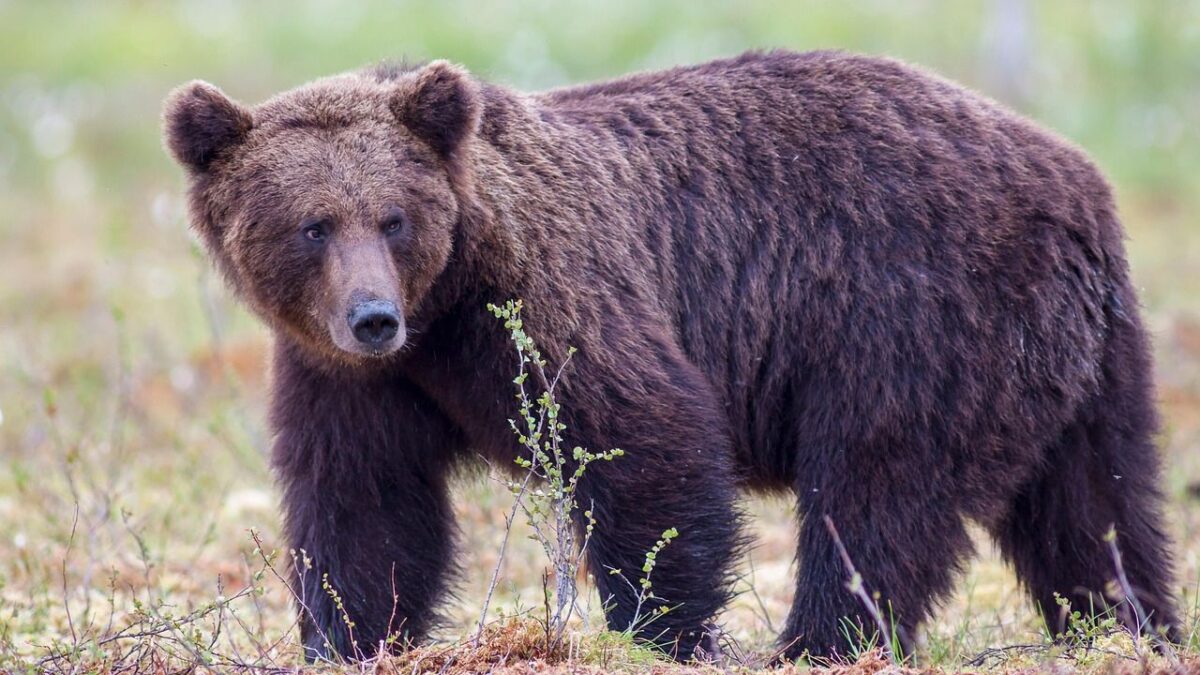
Here is the thing about grizzly bears: almost everything you think you know about them is either incomplete or mildly terrifying. Let’s start with the speed. Grizzly bears can reach top speeds of up to 40 mph, which is faster than your average rabbit, white-tailed deer, and housecat. A 700-pound animal that can outrun a rabbit. Let that sink in for a moment.
The term “grizzly” is given to the subspecies that lives in inland habitats, like Yellowstone, as opposed to coastal brown bears that live along coastal areas. In the Yellowstone ecosystem, they weigh anywhere between 300 and 700 pounds, with females weighing less than males.
Now here is the part that surprises almost everyone: the diet of bears is highly diverse as they are omnivores, consuming both meat and vegetation, and surprisingly, more than 80 percent of their diet consists of vegetation. All that power, and they are mostly eating plants and berries. Nature has a strange sense of humor.
Spawning cutthroat trout are one of the highest sources of net digestible energy for grizzly bears in the Yellowstone ecosystem, and cutthroat trout are an important late-spring and early-summer food source for bears, providing them the opportunity to regain body mass after den emergence and assisting females with cubs in meeting the energetic demands of lactation.
Bears are famous for hibernating, but they are not actually true hibernators in the obligate sense, meaning they do not have to hibernate if conditions allow. Instead, bears hibernate in response to stressors like cold temperatures, snow coverage, and food availability.
The Wolf: A Controversial Return and a Science Debate
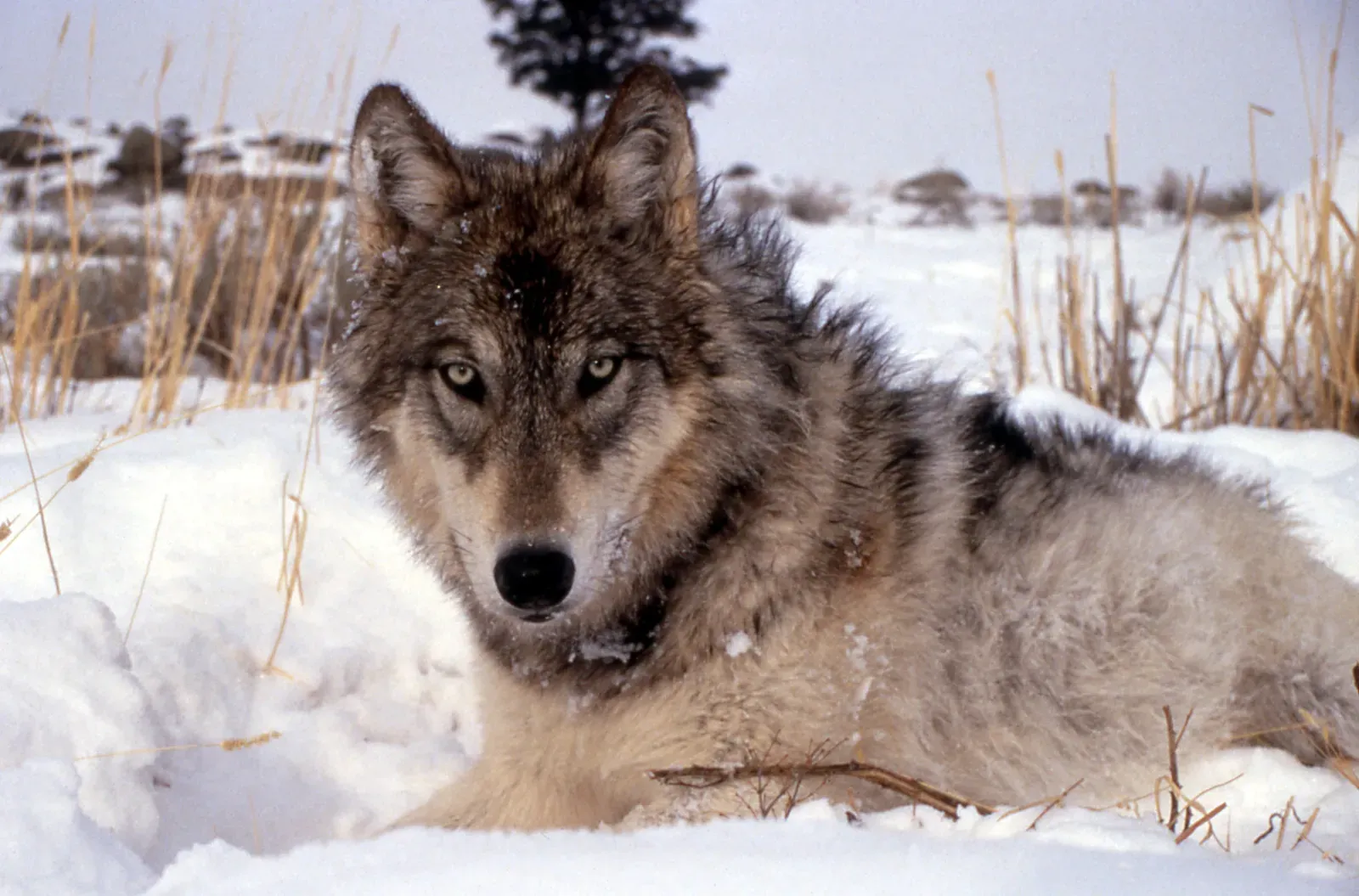
Few wildlife stories capture the imagination quite like the return of the wolf to Yellowstone. Wolves, reintroduced in 1995 after being absent for 70 years, have reclaimed their role as top predators in the park. The story was sold to the public as one of the greatest ecological triumphs of the twentieth century, and for a long time, scientists agreed. Recently, though, the picture has become far more complicated.
In a formal comment published in Global Ecology and Conservation, scientists from Utah State University and Colorado State University argue that a 2025 paper overstated how much wolf recovery reshaped Yellowstone National Park’s ecosystem.
Comparisons with trophic cascades around the world assumed ecological equilibrium, which does not apply to Yellowstone’s still recovering, non-equilibrium system. Selective photographs and the exclusion of factors such as human hunting further complicated efforts to establish clear cause and effect. Once these issues are addressed, the evidence no longer supports claims of a dramatic ecosystem-wide rebound driven by wolves.
The wolves had to “re-learn” an instinct that their ancestors once had: hunting bison. Being used to elk in Canada, the wolves were initially dumbfounded by the large, burly bison found all over Yellowstone. However, their main prey remains elk.
In the Lamar Valley, especially in winter, you can experience the wolves’ haunting howls and complex pack dynamics. Whatever the science ultimately concludes, there is nothing quite like hearing that sound carry across a frozen valley at dawn.
The Hidden World: Elk, Pronghorn, and the Sky’s Magnificent Hunters
Beyond the marquee names of bear and wolf, Yellowstone hosts an entire cast of remarkable creatures that most visitors overlook entirely. Elk, also known as wapiti, are the most abundant large mammal found in Yellowstone, and paleontological evidence confirms their continuous presence for at least 1,000 years.
During the summer, tens of thousands of elk can be found throughout the park, particularly in the Lamar Valley, Hayden Valley, and the meadows around Mammoth Hot Springs. The fall elk rut is something else entirely. Bulls bugling across open meadows, steam rising from their breath in the cold air. I think it is one of the most primally moving scenes in nature.
Sometimes mistakenly called antelope, pronghorn are the fleetest of Yellowstone’s animals, able to run for short distances at speeds of 45 to 50 miles per hour. They are essentially built like racing machines, a biological leftover from an era when American cheetahs still roamed the continent and actually required that kind of speed to survive.
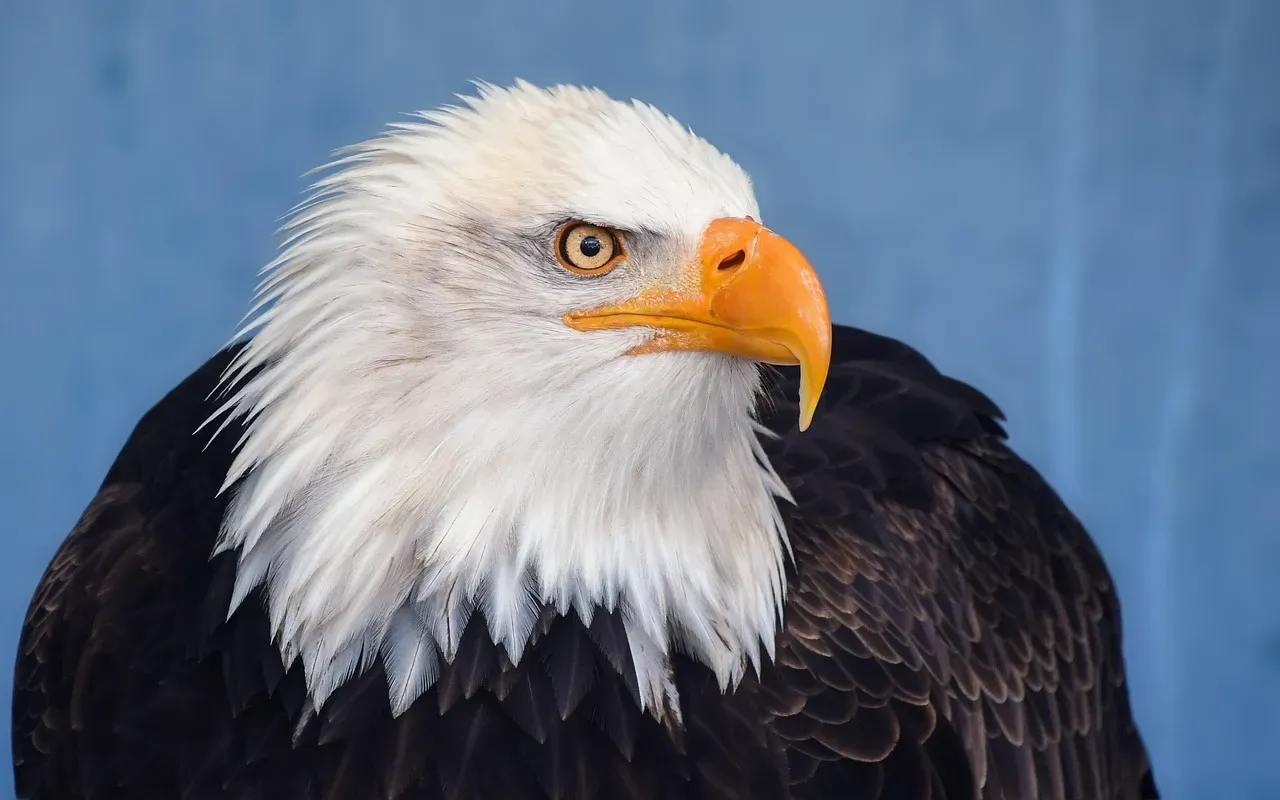
Yellowstone is also a paradise for birdwatchers, with more than 300 species recorded in the park. Among the raptors, bald eagles are a symbol of America’s wilderness and often seen near rivers and lakes where they hunt fish. Golden eagles, powerful hunters of the open skies, soar above mountains and valleys.
Trumpeter swans hold the distinction of being the largest wild waterfowl in North America, with males weighing an average of 26 pounds and females an average of 22 pounds, making them one of the heaviest flying birds in the entire world.
The Elusive Ones: Yellowstone’s Most Secretive Predators
There is a whole other tier of Yellowstone wildlife that most visitors will never see, and honestly, that mystery is part of what makes this place so extraordinary. The Canada lynx and mountain lion live in dense forests, preying on snowshoe hares and mule deer. Wolverines, another rare Yellowstone animal, thrive in remote alpine areas but are seldom spotted.
The park’s vast and diverse habitats support a remarkable variety of species, including eight ungulate species and seven large predators: grizzly bears, black bears, Canada lynx, coyotes, mountain lions, wolverines, and wolves, making it an unparalleled sanctuary for wildlife.
Coyotes can be seen throughout the park, and their survival is linked to a willingness to dine on a wide variety of foodstuffs, including mice, voles, ground squirrels, and other small mammals. They scavenge large animals killed by other predators, old age, or harsh winters. This habit of feeding on carcasses has sometimes resulted in serious conflicts with wolves that show little tolerance for coyotes scavenging their kills.
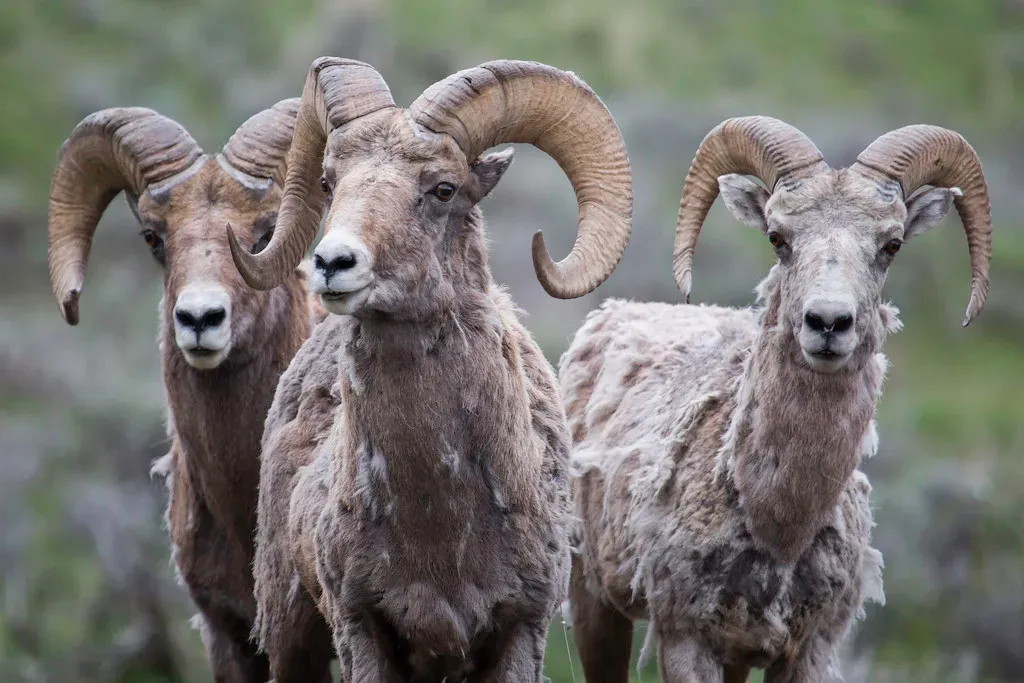
The bighorn sheep, named for the males’ massive, curled horns, is adapted to rugged mountain terrain and uses steep cliffs for escape from predators. Males engage in dramatic head-butting contests during the fall rut, sometimes colliding at speeds over 20 mph, and in Yellowstone National Park, bighorn sheep are most often seen in the rocky cliffs near the Gardiner River and Mount Everts.
While Yellowstone is predominantly known for its bison, bears, and wolves, many other animals call the park home, including snakes, and to date, five different species of reptiles have been identified in Yellowstone National Park. Surprises, it turns out, are hiding everywhere you look.
Conclusion
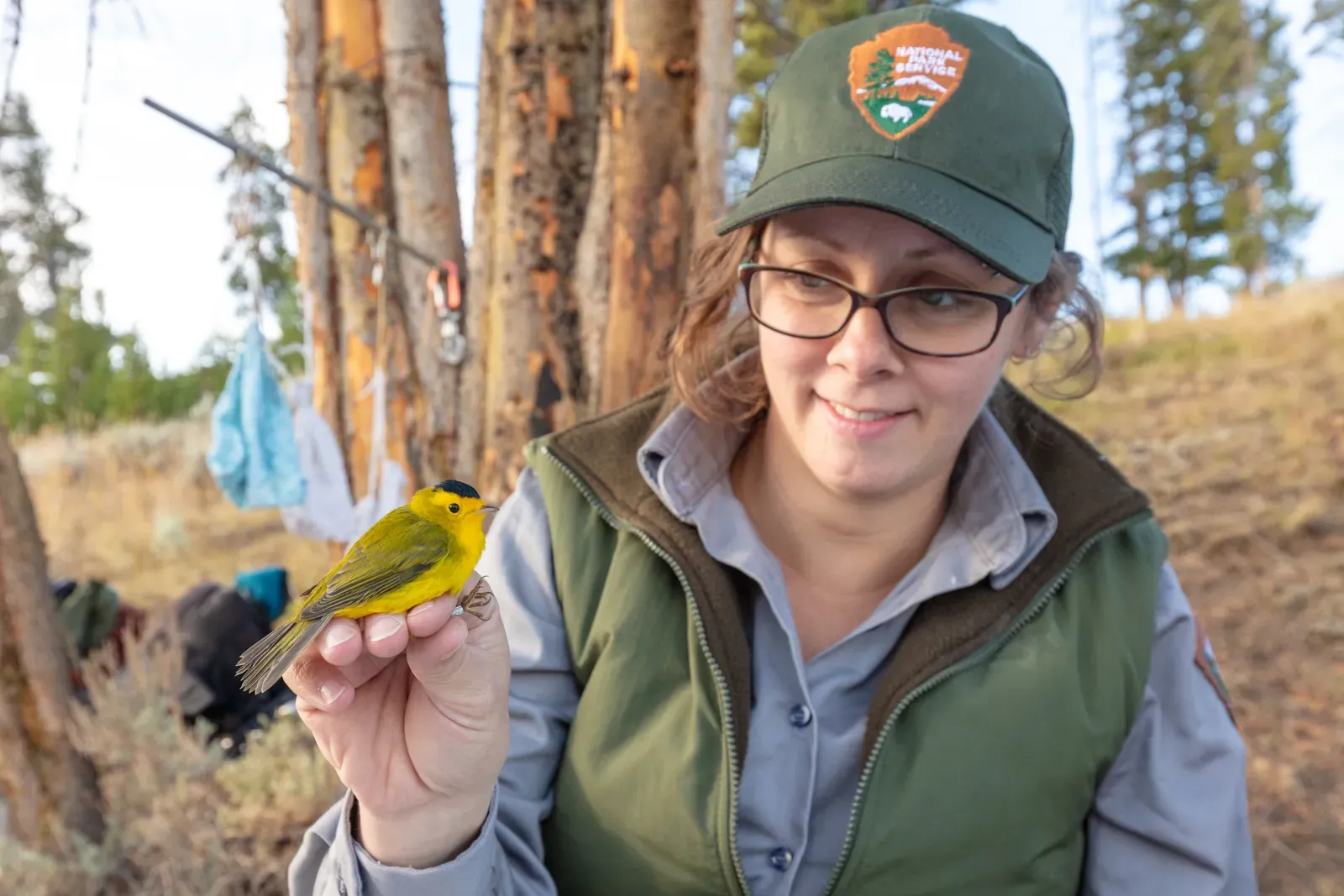
Yellowstone is not a static postcard of wilderness. It is a living, breathing, endlessly complicated system that has been telling its own story for thousands of years, long before we arrived with cameras and national park signs. Yellowstone National Park is not only a land of geothermal wonders, canyons, and rivers, but also one of the richest ecosystems in the world for wildlife, with its vast wilderness and protected habitats making it a sanctuary for countless species of mammals, birds, fish, reptiles, amphibians, and invertebrates.
The ancient secrets of Yellowstone’s wild animals are not hidden in some vault. They are written in the patterns of a bison herd crossing a frozen river, in the howl of a wolf pack at dusk, and in the silent, watchful gaze of a grizzly bear emerging from winter. You just have to slow down long enough to read them.
Every season changes the cast on stage, but the story itself is ancient. And here’s a thought worth sitting with: in a world where wild places are shrinking by the day, Yellowstone stands as proof that nature, when given the chance, will fight fiercely to keep its secrets alive. What do you think would happen to that story if we ever stopped protecting it?

- Why Veterinarians Say If Your Cat Sleeps With Their Back to You, It's the Highest Form of Trust in Feline Behavior - July 20, 2026
- Animal Science Says Ravens Remember Human Faces for Years and Warn Other Ravens About Dangerous People - July 20, 2026
- Marine Biology Says When Dolphins Suddenly Go Silent in Open Water It's Not Rest – They've Detected a Predator You Cannot See and Their Survival Strategy Reveals How They Read Danger - July 20, 2026