
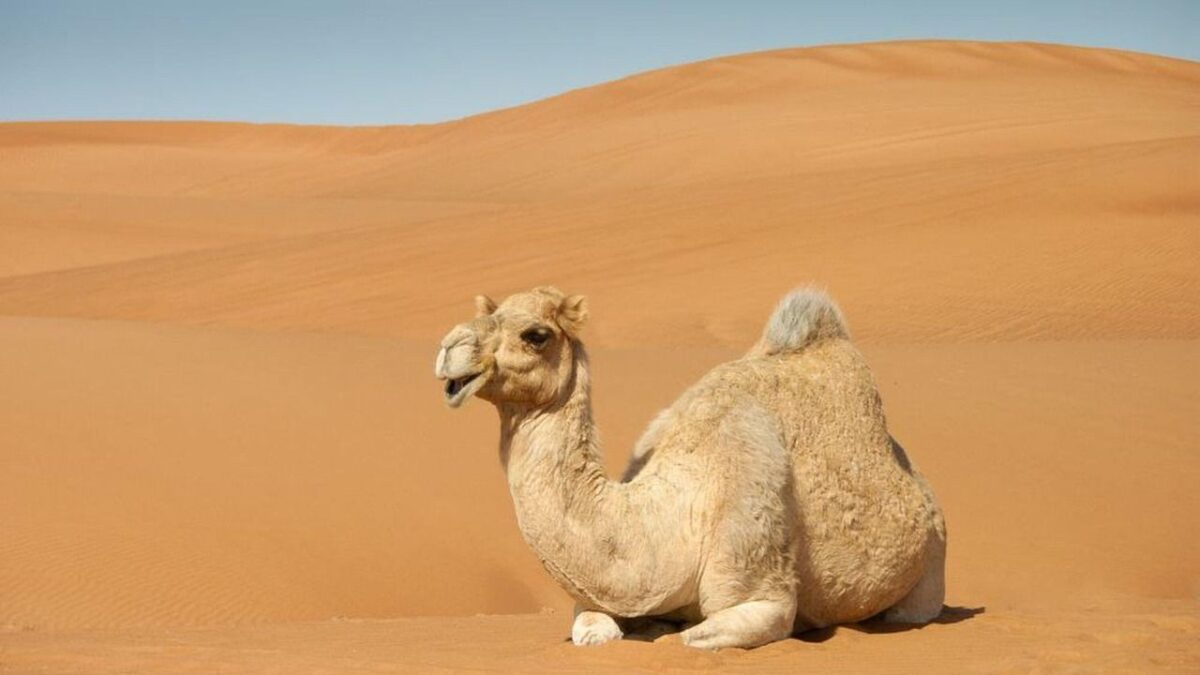
Picture a landscape where temperatures crack past 50 degrees Celsius, where rain might not fall for years, and where the ground itself radiates heat like a furnace. Most living things would have absolutely no chance. Yet somehow, against what seems like impossible odds, entire communities of animals call these places home. Not just surviving, mind you. Thriving.
From the sun-scorched dunes of the Sahara to the rocky expanse of the American Southwest, desert ecosystems teem with life uniquely evolved to endure under extreme conditions. The creatures that have carved out an existence here are, honestly, some of the most extraordinary animals on earth. Their secrets range from the bizarre to the breathtaking. Let’s dive in.
Masters of Water: Animals That Drink Without Drinking
Here’s something that will genuinely stop you in your tracks. Some desert animals never drink water. Not occasionally. Never. It sounds impossible, like claiming a car can run without fuel. Yet it’s completely real.
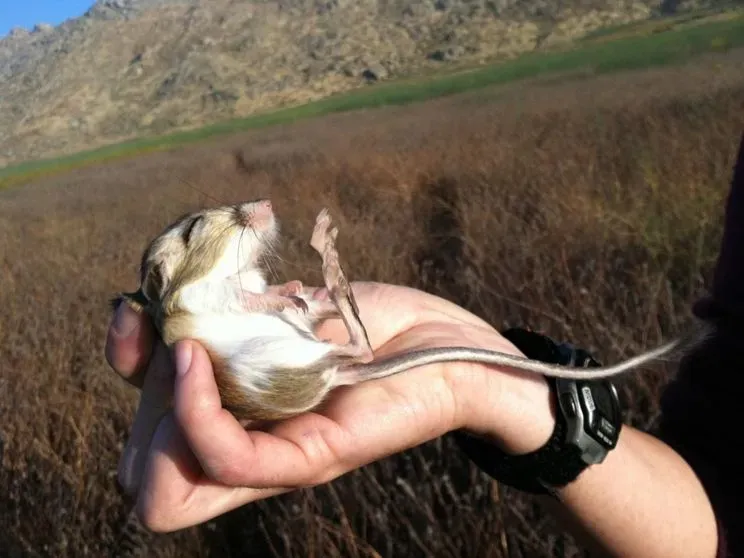
Water is the desert’s most precious commodity, and desert species have evolved extraordinary physiological and behavioral mechanisms to minimize loss and maximize intake. The kangaroo rat, found across North American deserts, exemplifies evolutionary brilliance: this tiny rodent never drinks water, instead metabolizing moisture from the seeds it eats and producing highly concentrated urine.
Certain desert mammals, such as kangaroo rats, live in underground dens which they seal off to block out midday heat and to recycle the moisture from their own breathing. These ingenious rodents also have specialized kidneys with extra microscopic tubules to extract most of the water from their urine and return it to the blood stream. Much of the moisture that would be exhaled in breathing is recaptured in the nasal cavities by specialized organs. If that weren’t enough, kangaroo rats actually manufacture their water metabolically from the digestion of dry seeds.
Think about that for a second. A living creature that essentially brews its own water from dry food, like a biological distillery running on seeds. The lesser Egyptian jerboa similarly does not need to drink water and instead gets its moisture from the seeds and plants it consumes.
Meanwhile, in the Namib Desert in Africa, which has very little fresh water to speak of, the fogstand beetle has learned to stand still in order to let the fog condense on its body in the form of water droplets, which it then drinks. Nature, it turns out, is endlessly inventive when the stakes are high enough.
Built for the Burn: Extraordinary Physical Adaptations
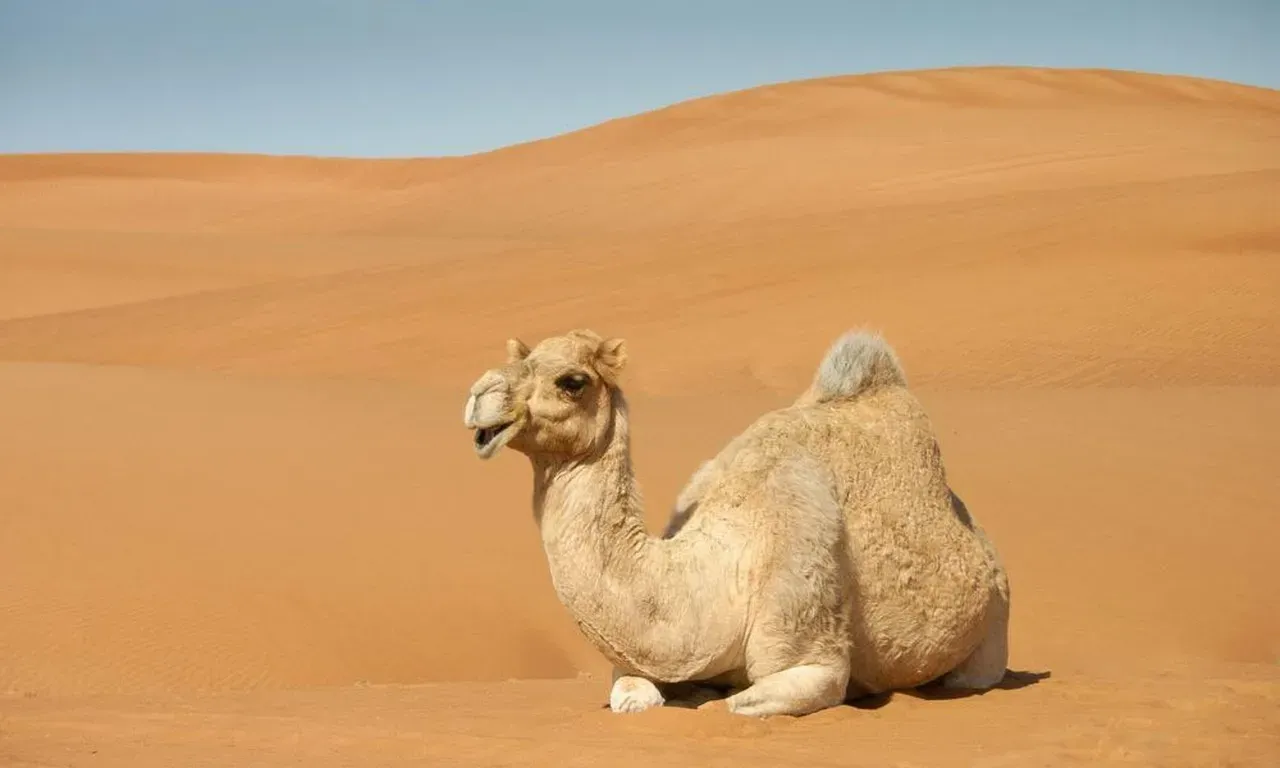
If you ever want a masterclass in biological engineering, just look at a camel. I think most people know the basic facts, but the full picture is far more jaw-dropping than the school textbook version.
Camels have humps to store fat which they can break down into water and energy when nourishment is not available, rarely sweat even in hot temperatures so they can conserve fluids for long periods, have large tough lips that enable them to pick at dry and thorny vegetation, and broad flat leathery feet to spread their weight and provide protection from hot sand.
A single camel can lose up to roughly a third of its body weight in water without critical effects, unlike most mammals that succumb at a mere fraction of that loss. That is a staggering biological superpower. The camel can even survive ambient temperatures as high as 49°C without sweating.
Another remarkable desert dweller is the fennec fox, a small mammal native to North Africa and the Middle East, easily recognizable by its oversized ears, which not only provide extra-sensitive hearing but also help regulate body heat. The fox’s sandy-colored fur keeps it warm during cold nights in the Sahara, and a set of hairy paws provides grip and protection from the hot sand.
The addax, an inhabitant of the Sahara, can change the color of its coat, which becomes white in summer to reflect sunlight while changing to a brown-grey that absorbs heat during winter. A self-adjusting seasonal wardrobe, essentially. Evolution has no shortage of clever tricks.
Night Shift: The Creatures That Rule Desert Darkness
Here’s the thing about desert heat: the smartest move is simply not to be there for it. A huge number of desert animals have figured this out, shifting their entire lives into the cooler hours of darkness. It’s basically the ultimate life hack.
The primary strategy for dealing with high desert temperatures is avoidance. Many mammals simply avoid the high daytime temperatures by being nocturnal or crepuscular, meaning most active at dusk or dawn. Rattlesnakes, jackrabbits, and many other desert-dwelling mammals and reptiles are crepuscular, meaning they are most active at dawn and dusk, and they sleep away the hottest hours of the day.
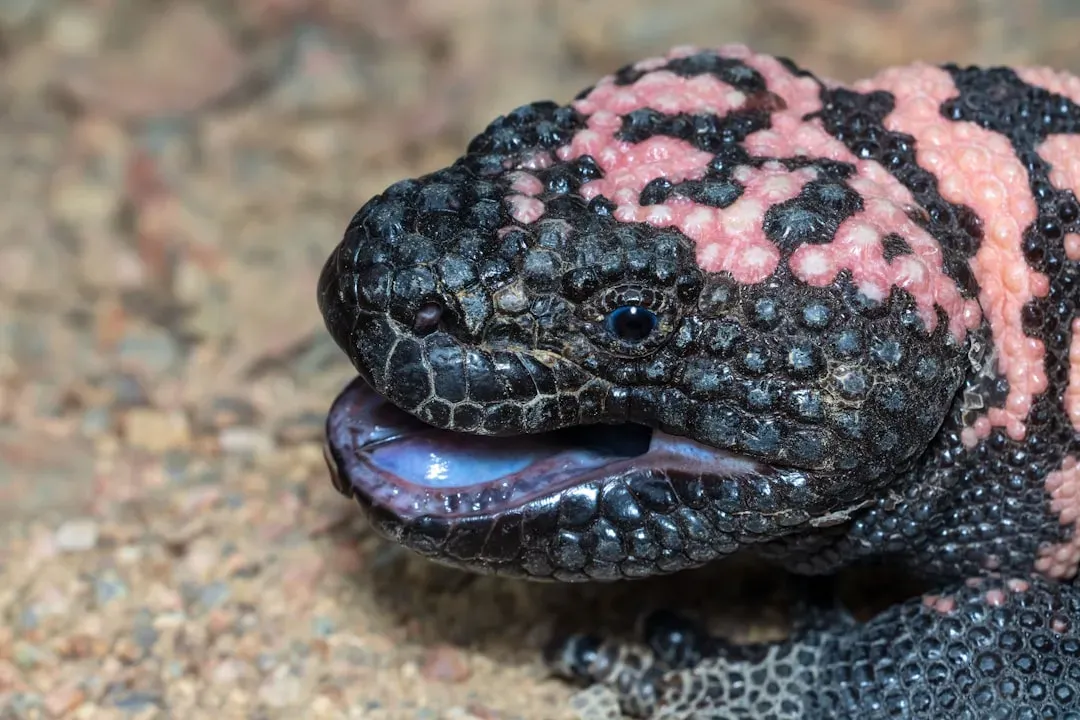
The Gila monster is well adapted to survive in the desert heat. It is a nocturnal creature, spending the hottest parts of the day in burrows or under rocks. It has a slow metabolism, which helps it conserve energy and survive long periods without food.
The Gila Monster, one of only two venomous lizards in the world, spends most of its life underground and can go months between meals by living off fat stored in its tail. This is a handy little survival trick during the dry season in their Sonoran Desert habitat.
Nocturnality is not merely a behavior. It is a strategic cornerstone of desert survival, enabling creatures to exploit safer, cooler hours in a landscape defined by extremes. It’s hard to argue with millions of years of evolutionary wisdom.
Scorpions, Beetles, and the Tiny Giants of the Sand
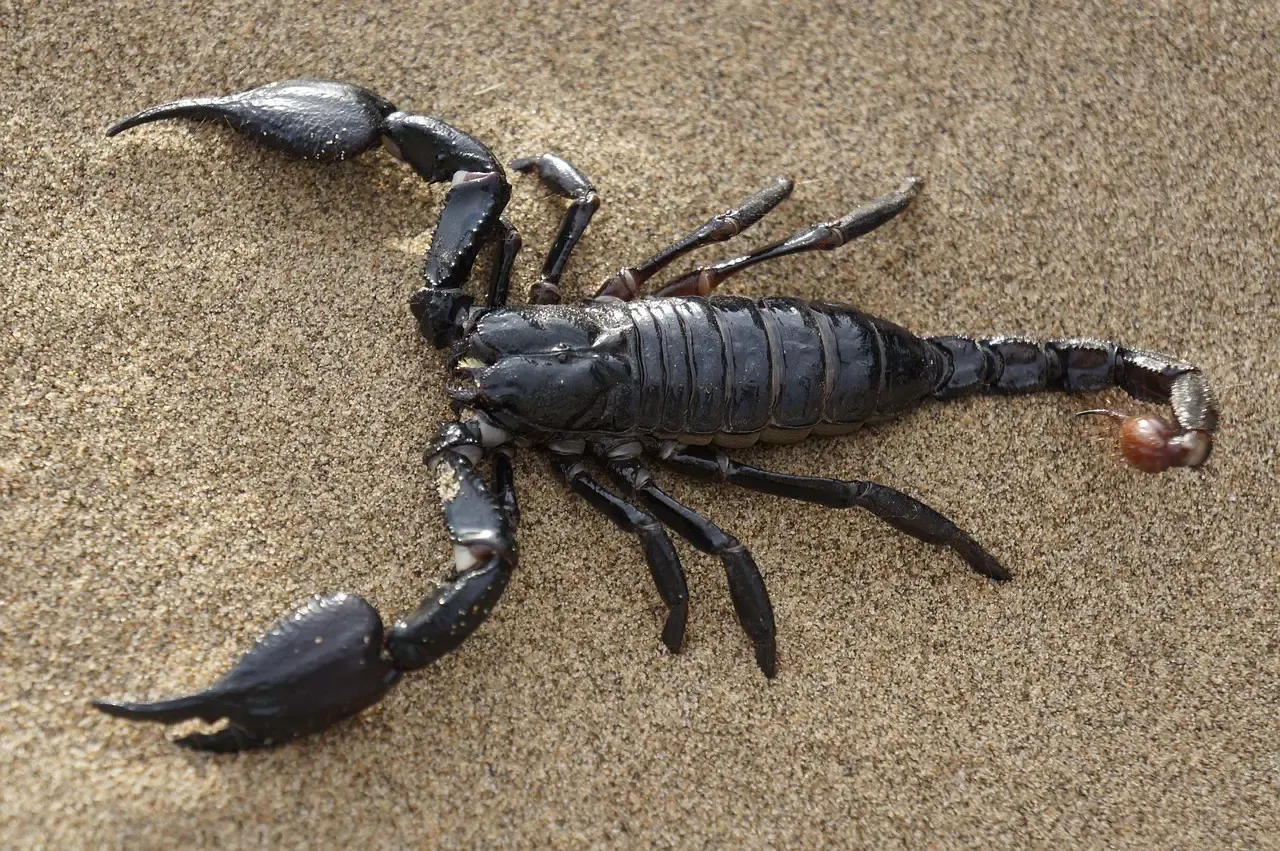
Let’s be real: when people picture desert wildlife, they often think of camels and foxes. The smaller creatures are easy to overlook. That is a massive mistake, because the desert’s miniature inhabitants are some of its most astonishing survivors.
Scorpions are able to go up to a year without eating thanks to their specialized metabolisms. Unlike other animals that experience a seasonal hibernation, a scorpion is still able to react to the presence of prey with lightning quickness even while in this state of nearly suspended animation.
Scorpions have a genuinely cool trick: they glow under ultraviolet light, which allows scientists to find them in the dark. They also have a thick outer layer that reduces water loss and allows them to survive in the hot, dry desert environment. A creature that essentially glows in the dark, fasts for a year, and still strikes faster than you can blink. Honestly, a little terrifying.
Some insects, such as darkling beetles, collect fog droplets on their backs, channeling moisture directly into their mouths, a survival tactic studied for potential human application. Scientists are actually looking at this beetle as inspiration for water-harvesting technology. The sandgrouse from North Africa and Asia are able to carry small quantities of water in the feathers on their belly to bring it back to the nest for their family. Parental dedication, desert-style.
Threatened Wonders: The Desert’s Fragile Future
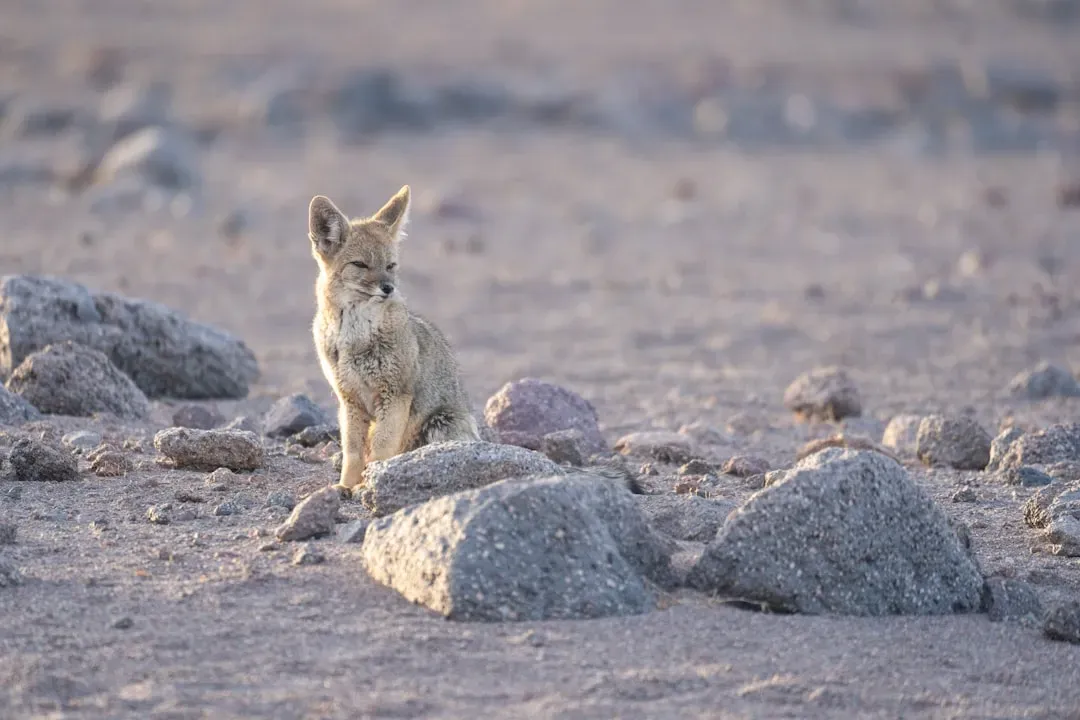
After everything these creatures have conquered over millions of years of evolution, perhaps the most sobering part of the story comes now, in 2026, as the pressures on desert ecosystems grow heavier than ever before.
Despite their resilience, desert species face mounting pressures from climate change, habitat fragmentation, and human encroachment. Rising temperatures intensify heat stress, while droughts reduce food and water availability. Expanding urbanization and agriculture shrink natural corridors, isolating populations and heightening extinction risks.
The Northwest African cheetah is a rare and critically endangered subspecies found in the Sahara’s grasslands and savannahs. It has a pale coat with faint spots providing camouflage in the arid landscape, hunts mainly at night to avoid extreme daytime heat, and preys on small to medium-sized ungulates, using their blood as its hydration source rather than water.
Northwest African cheetahs are now extinct in more than 20 countries, with fewer than 8,000 remaining in the wild. That number is both stunning and heartbreaking. The IUCN considers many species as endangered, including the Egyptian tortoise, various gazelles, antelopes, the Saharan cheetah, fennec foxes, and caracals, though conservation efforts are underway to save them from going extinct.
The delicate balance of life in desert habitats is under threat as a result of prolonged drought and rapidly warming temperatures wrought by climate change. When animals face a challenge in their natural habitats, they have three main choices: emigrate, expire, or evolve.
Conclusion
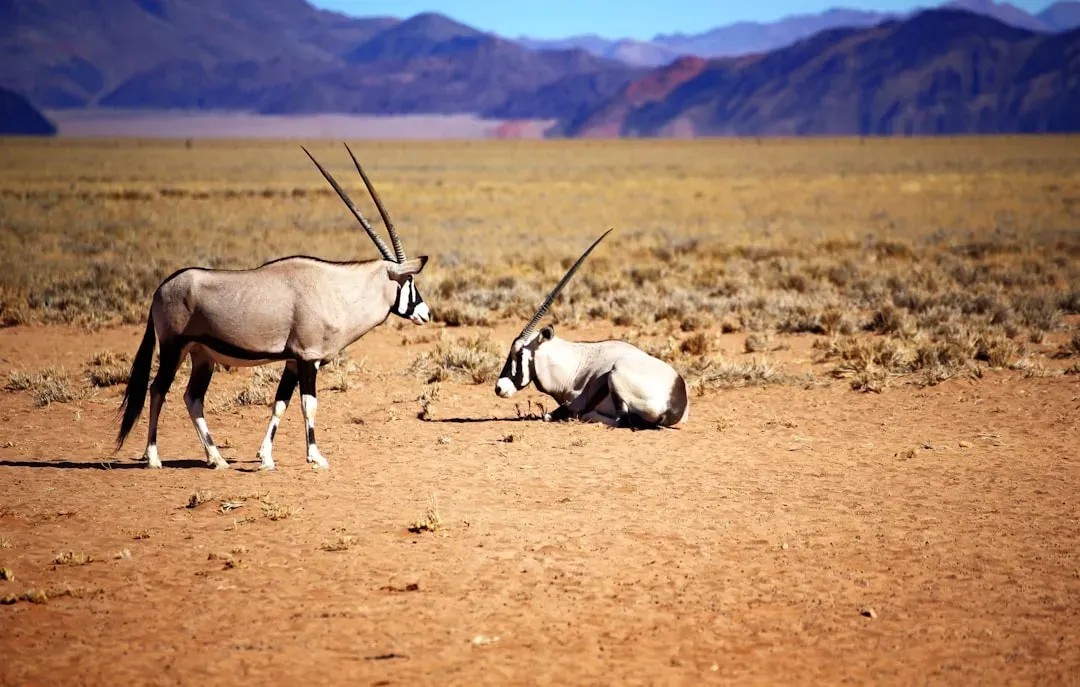
The world’s hottest deserts are not empty wastelands. They are arenas of extraordinary life, places where evolution has been pushed to its absolute limits and responded with ingenuity that genuinely staggers the imagination. From a beetle harvesting fog to a camel enduring temperatures that would flatten most mammals, from a scorpion pausing for nearly a year between meals to a tiny rodent that has never, ever taken a drink of water, these animals rewrite what we think is possible.
I think the deeper truth here is this: we tend to project our own experience of the desert onto its inhabitants, assuming they are merely “coping” with a hostile world. It’s important not to project our experience of the desert onto animals, because although it may seem like desert animals try to avoid heat altogether, lots of animals actually need hot temperatures to thrive. If you picked them up and put them in what to us may seem like a much more pleasant environment, like a temperate forest, most would fare poorly.
These creatures are not suffering. They are home. The real question is whether we will protect that home before it slips away. What would it take to make you care a little more about the world’s most overlooked ecosystems?

- 6 Incredible Animals That Can Change Their Appearance at Will - July 19, 2026
- The Ancient Secrets of Yellowstone’s Grizzly Bears Are Finally Being Revealed - July 19, 2026
- 10 Unique Animal Sounds You’ve Never Heard Before - July 19, 2026