
Deep in the jungles of Central and South America lurks a creature that seems to have flown straight out of a horror film. With facial features that appear almost deliberately grotesque, the Honduran white bat stands apart as nature’s reminder that evolution sometimes takes unexpected turns. But there’s one bat that truly stands above the rest when it comes to nightmare-inducing appearances: the wrinkle-faced bat (Centurio senex). This remarkable creature possesses one of the most distinctive and unsettling facial structures in the animal kingdom, earning it nicknames like “the monster bat” and comparisons to characters from horror classics. Yet beneath this frightening facade lies a fascinating story of adaptation and survival that deserves our attention rather than our fear.
The Uncanny Face that Haunts the Night

The wrinkle-faced bat’s most distinctive feature is exactly what its name suggests – a face covered in elaborate folds of skin that create a wrinkled, mask-like appearance. Males of the species possess loose flaps of facial skin that can be pulled up and over their faces like a hood. When this skin is folded down, it reveals a face that seems almost human-like, yet disturbingly distorted. Their face features deep furrows, prominent ridges, and a flattened nose structure that creates an appearance reminiscent of prosthetic masks used in horror films. The overall effect is startling – a small creature with the face of something that seems deliberately designed to unsettle.
Evolutionary Purpose Behind the Monstrous Mask
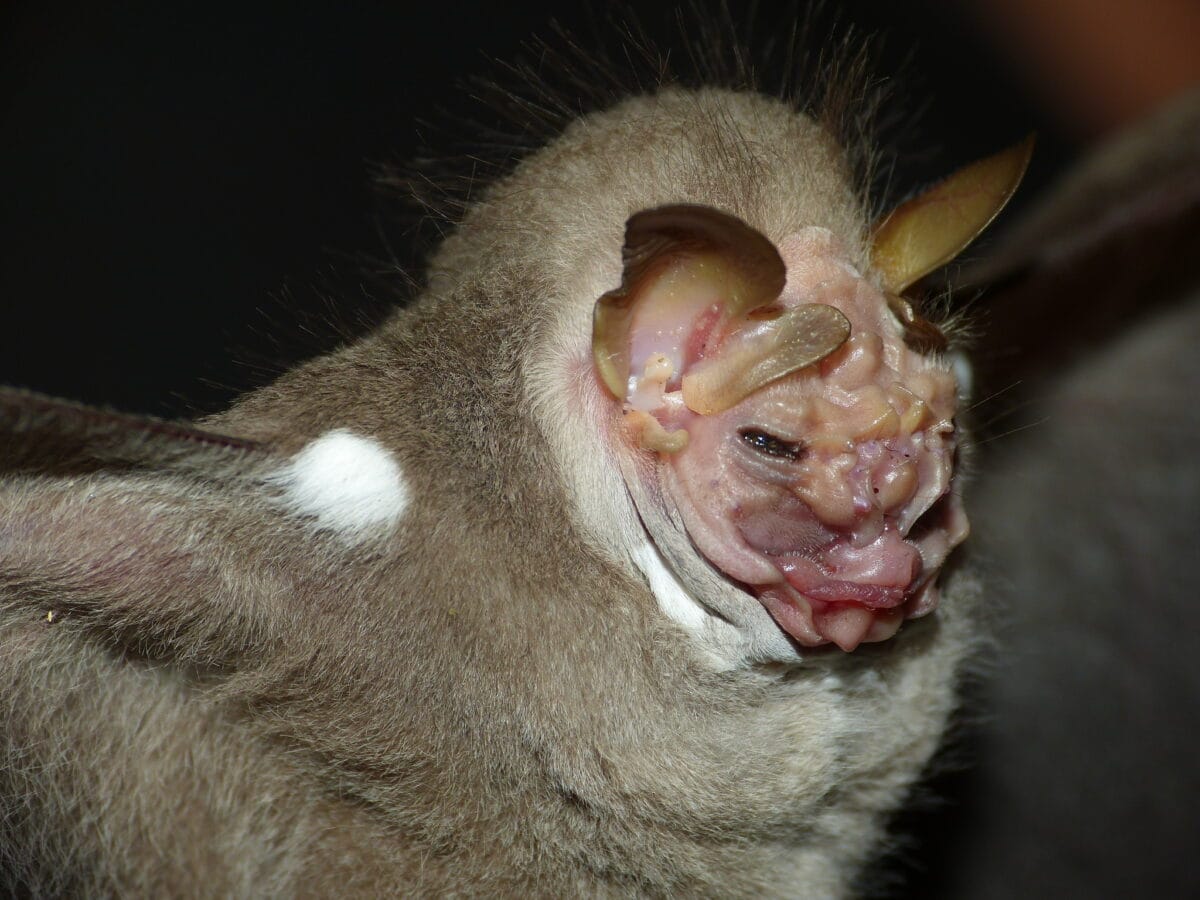
While the wrinkle-faced bat’s appearance might seem like a random quirk of evolution, these facial features serve specific purposes. The elaborate skin folds likely play a role in echolocation, the process by which bats emit sounds and interpret the echoes to navigate and hunt. The wrinkles may help focus or direct these sound waves, enhancing the bat’s ability to detect prey in the dense forests they inhabit. Additionally, the facial hood found in males appears to play a role in mating displays. Males can raise and lower this skin flap, potentially using it to attract females or compete with other males. What appears monstrous to human eyes is actually a sophisticated adaptation that has helped this species thrive for thousands of years.
Geographic Distribution and Habitat

Centurio senex is found across a range extending from southern Mexico through Central America and into northern South America, including countries like Venezuela and Colombia. These bats prefer tropical and subtropical forests, particularly lowland areas with dense vegetation. Unlike many bat species that roost in large colonies in caves, wrinkle-faced bats are more solitary in their roosting habits. They often choose to hang individually or in small groups under large leaves, creating temporary tent-like shelters by biting through leaf stems to cause them to fold into protective coverings. This roosting behavior helps them remain hidden from predators during daylight hours when these nocturnal creatures rest.
Dietary Habits of the Horror-Faced Hunter

Despite their frightening appearance, wrinkle-faced bats have relatively benign dietary preferences. They are primarily frugivorous, meaning they feed mainly on fruits rather than blood or insects as some other bat species do. Their diet consists largely of soft, ripe fruits found throughout their forest habitats. Their facial structure, including specially adapted teeth, helps them efficiently consume fruit pulp while discarding seeds and skins. This fruit-eating behavior makes them important seed dispersers in their ecosystems, helping to regenerate forest plants as they drop seeds during feeding or pass them through their digestive systems. Far from being monsters, these bats actually help maintain the health and diversity of tropical forest ecosystems.
Social Structure and Behavior

The social dynamics of wrinkle-faced bats remain somewhat mysterious, as they are challenging to study in the wild. What researchers have observed suggests they maintain a loose social structure with some intriguing behaviors. Males are known to establish small territories during mating season, using their distinctive facial features in displays to attract females. Unlike more communal bat species, they don’t form large colonies but instead maintain smaller social groups or even solitary lifestyles. They are primarily nocturnal, becoming active after sunset to begin their foraging activities. During flight, they exhibit quick, agile movements as they navigate through forest canopies in search of ripe fruit.
The Science Behind Their Sensory Perception

Like most bat species, the wrinkle-faced bat relies heavily on echolocation to navigate and locate food in low-light conditions. They emit high-frequency calls that bounce off objects in their environment, allowing them to create detailed mental maps of their surroundings. What makes their echolocation system particularly interesting is how it may be enhanced by their unusual facial structures. The wrinkles and folds likely help shape and direct sound waves, potentially improving the precision of their echolocation. Their large, prominent ears also play a crucial role in capturing the returning echoes. This sophisticated sensory system allows them to fly with remarkable precision through cluttered forest environments even on the darkest nights.
Conservation Status and Threats

The International Union for Conservation of Nature (IUCN) currently lists the wrinkle-faced bat as a species of “Least Concern,” meaning they are not considered immediately threatened with extinction. However, like many forest-dwelling species, they face growing threats from habitat destruction as tropical forests are cleared for agriculture, logging, and urban development. Their specialized diet and habitat requirements make them vulnerable to environmental changes. Deforestation not only destroys their roosting sites but also reduces the availability of fruit-bearing trees they depend on for food. Climate change represents another potential threat, as shifting weather patterns may affect fruit production and availability. Despite their current stable population, continued monitoring is essential to ensure these unique creatures don’t silently disappear.
Cultural Significance and Human Perceptions
The wrinkle-faced bat’s unusual appearance has earned it a place in various cultural narratives. In some indigenous Central American traditions, bats in general are associated with darkness and the underworld, though specific folklore about this species is limited. In modern popular culture, images of these bats occasionally appear in nature documentaries, where they’re often presented as examples of nature’s stranger creations. Unfortunately, their horror-movie appearance often elicits fear rather than appreciation from the general public. This reaction feeds into broader negative stereotypes about bats as creepy or dangerous animals, despite their ecological importance. Conservation educators often use these reactions as teaching moments, helping people understand that appearance has little relationship to a species’ ecological value or danger to humans.
Research Challenges and Recent Discoveries
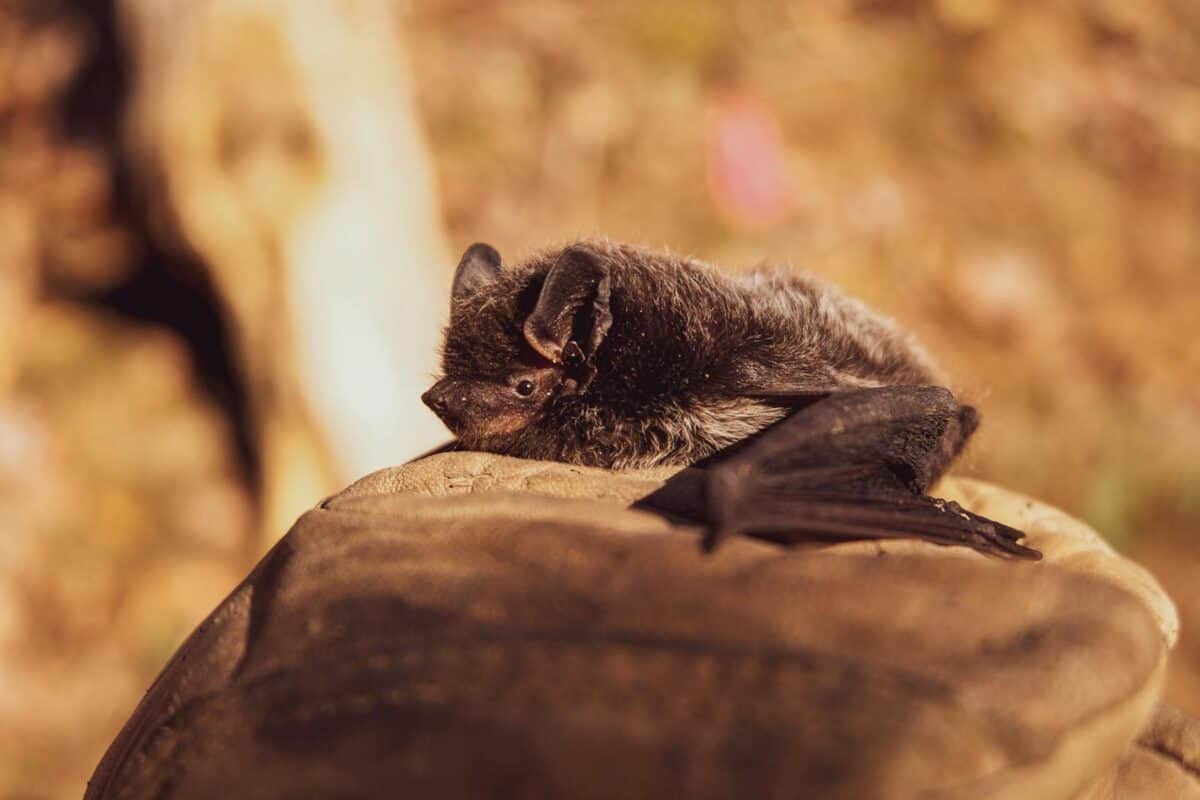
Studying wrinkle-faced bats presents numerous challenges for researchers. Their nocturnal habits, forest habitat, and relatively solitary nature make them difficult to observe in the wild. Much of what we know comes from captured specimens or chance encounters rather than long-term behavioral studies. Recent research has focused on better understanding their echolocation capabilities, with some studies suggesting their facial structures may create a more specialized form of sound projection than previously thought. Genetic studies have also helped clarify their evolutionary relationships to other bat species, confirming they belong to a small family of specialized fruit-eating bats. As research technologies advance, including miniaturized tracking devices and improved genetic analysis techniques, scientists hope to uncover more about these enigmatic creatures.
Similar Species: A Family of Unusual Faces

While the wrinkle-faced bat may be the most extreme example of bizarre facial features in the bat world, it’s not alone. Several related species also sport unusual facial adaptations, though none quite match Centurio senex for sheer horror-movie quality. The ghost-faced bat (Mormoops megalophylla) features complex facial leaves and folds that give it an otherworldly appearance. Various horseshoe bats possess elaborate nose structures resembling, as their name suggests, horseshoes. The star-nosed bat, though not closely related, has perhaps the only face in the mammal world that might compete for strangeness, with its star-shaped nose appendage. These diverse facial adaptations across different bat lineages demonstrate convergent evolution – the development of similar features in unrelated species due to similar environmental pressures and ecological niches.
Photographing the Monster: Challenges in Bat Photography

Capturing images of the wrinkle-faced bat presents unique challenges for wildlife photographers. Their nocturnal nature necessitates specialized low-light photography equipment, while their quick movements make focusing difficult. The most striking photos of these bats typically come from controlled environments where researchers have temporarily captured specimens for study. Even then, photographing their facial features in detail requires careful technique and patience. The dramatic contrasts of their facial wrinkles often need specific lighting to properly document. Some wildlife photographers specialize in bat photography, developing techniques like high-speed flash synchronization to freeze their movements and reveal details invisible to the naked eye. These images, when successfully captured, provide valuable scientific documentation while also revealing the strange beauty in what might initially appear monstrous.
Living Alongside Humans: Encounters and Coexistence

Despite living in regions with significant human populations, direct encounters between people and wrinkle-faced bats are relatively rare. Their preference for forest habitats and nocturnal activity patterns means they generally avoid human contact. Occasionally, individuals may be found in agricultural areas adjacent to forests, especially where fruit crops are grown. These bats do not typically roost in human structures, unlike some other bat species that have adapted to urban environments. They pose no significant health risks to humans, as they are not major carriers of diseases that affect people and do not have aggressive tendencies. For communities living near their habitats, education about these bats’ beneficial roles in ecosystem maintenance can help foster more positive attitudes toward their conservation.
Conservation Efforts and Future Outlook
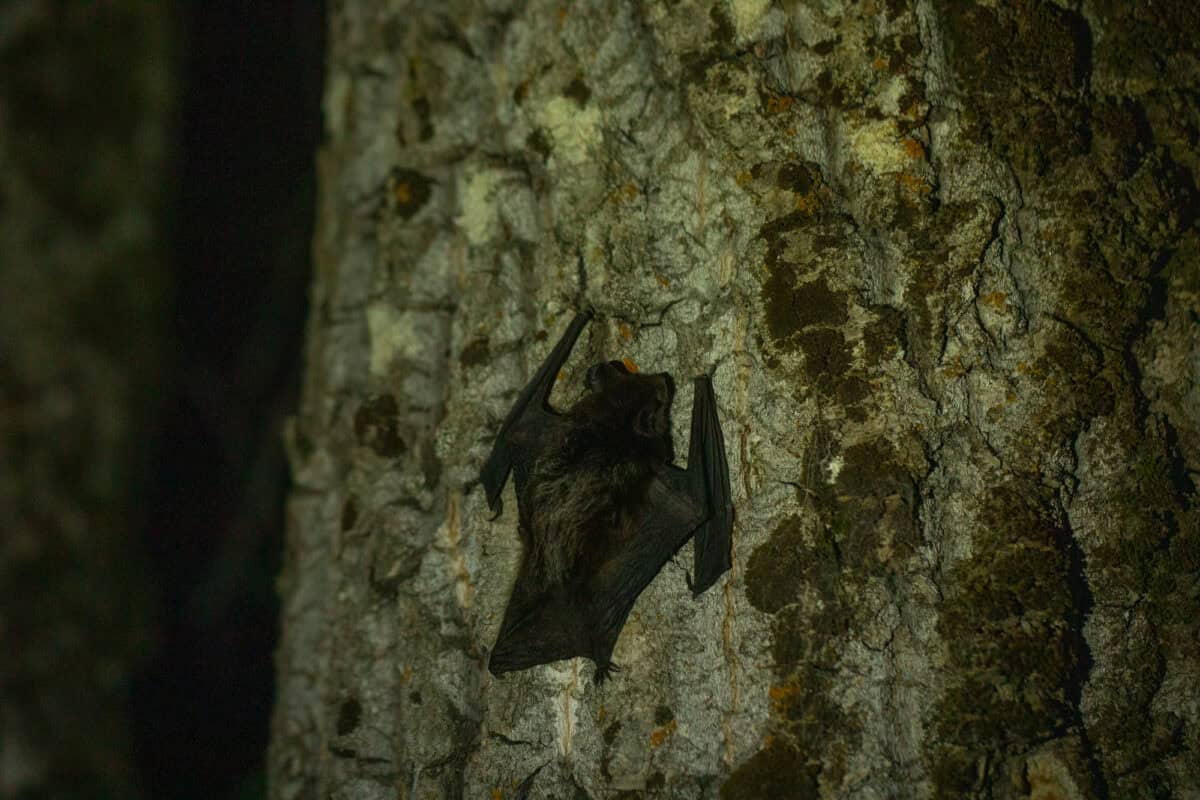
Though not currently endangered, conservation organizations recognize the importance of protecting wrinkle-faced bats and their habitats before they become threatened. Several wildlife preserves and national parks throughout Central America include protection for areas known to harbor these unique creatures. Conservation strategies include preserving intact forest corridors that allow bat populations to remain connected, reducing the risk of genetic isolation. Some research institutions are also studying their reproductive patterns and population dynamics to better understand what conservation measures might be most effective. The future of the wrinkle-faced bat ultimately depends on broader conservation efforts to protect tropical forests. With continued habitat preservation and increased public appreciation for their ecological role, these bizarre-looking but ecologically important creatures can continue to thrive despite their challenging facial circumstances.
Behind the wrinkle-faced bat’s horror movie appearance lies a fascinating story of adaptation and survival. These remarkable creatures, with faces that might make us shudder, play vital roles in maintaining the health of tropical forests through seed dispersal and pollination. Their unusual features, far from being random quirks of nature, serve specific evolutionary purposes that have helped them thrive for millennia. As we look beyond our initial reactions of fear or disgust, we discover not a monster but a perfectly adapted animal whose appearance, alien as it may seem to human aesthetics, represents an ingenious solution to the challenges of its environment. In understanding these extraordinary bats, we’re reminded that nature’s strangest creations often deserve our greatest appreciation and protection.

- The Truth About Giraffes’ Silent Communication Skills - July 22, 2026
- 10 Fierce Animals That Match Elon Musk’s Fearless Ambition - July 22, 2026
- The Tortoise: A Symbol of Patience and Slow Movement - July 22, 2026