


Training a cat requires patience and an understanding of their independent nature. Although they are quite different from dogs, cats still respond to training best through positive reinforcement. Let’s discover how, with the right methods, you can teach your cat good behaviors while strengthening your bond!
Understanding Cat Behavior

To train a cat effectively, first understand their natural instincts. Cats are naturally curious and independent, so their motivation differs from other pets. Recognizing these traits helps in adjusting your training techniques to best fit the animal.
Positive Reinforcement

Using positive reinforcement is the best way to train a cat. So, reward good behavior with treats, affection, or playtime to encourage behaviors you want your cat to display. Furthermore, consistently reinforcing positive actions will help your cat learn faster.
Clicker Training

Clicker training is a simple but effective technique for training your cat. Each time your cat performs the desired behavior, click the clicker and give a reward. Over time, your cat will associate the click sound with positive reinforcement. This is the same concept as Pavlov’s dog if you’ve ever heard of that study.
Litter Box Training

Litter box training is essential for every cat. To litter box train your cat, place the litter box in a quiet, accessible area, and encourage your cat to use it regularly. Additionally remember to clean it frequently to maintain cleanliness and avoid accidents!
Teaching Your Cat to Sit

Training a cat to sit can be achieved using treats and a verbal command. For example, hold a treat above your cat’s head until it sits down naturally, then reward it immediately. Then, with repetition, your cat will associate the command with the action.
Encouraging Use of Scratching Posts

Scratching is a natural behavior for cats, but you can teach them to use a scratching post instead of furniture. Place the post in an accessible area and reward your cat when it uses it to provide a dedicated place for your cat to scratch. Adding catnip or toys to the post can also attract their attention. This is important for cat owners who want to keep their furniture nice!
Socializing with Other Pets
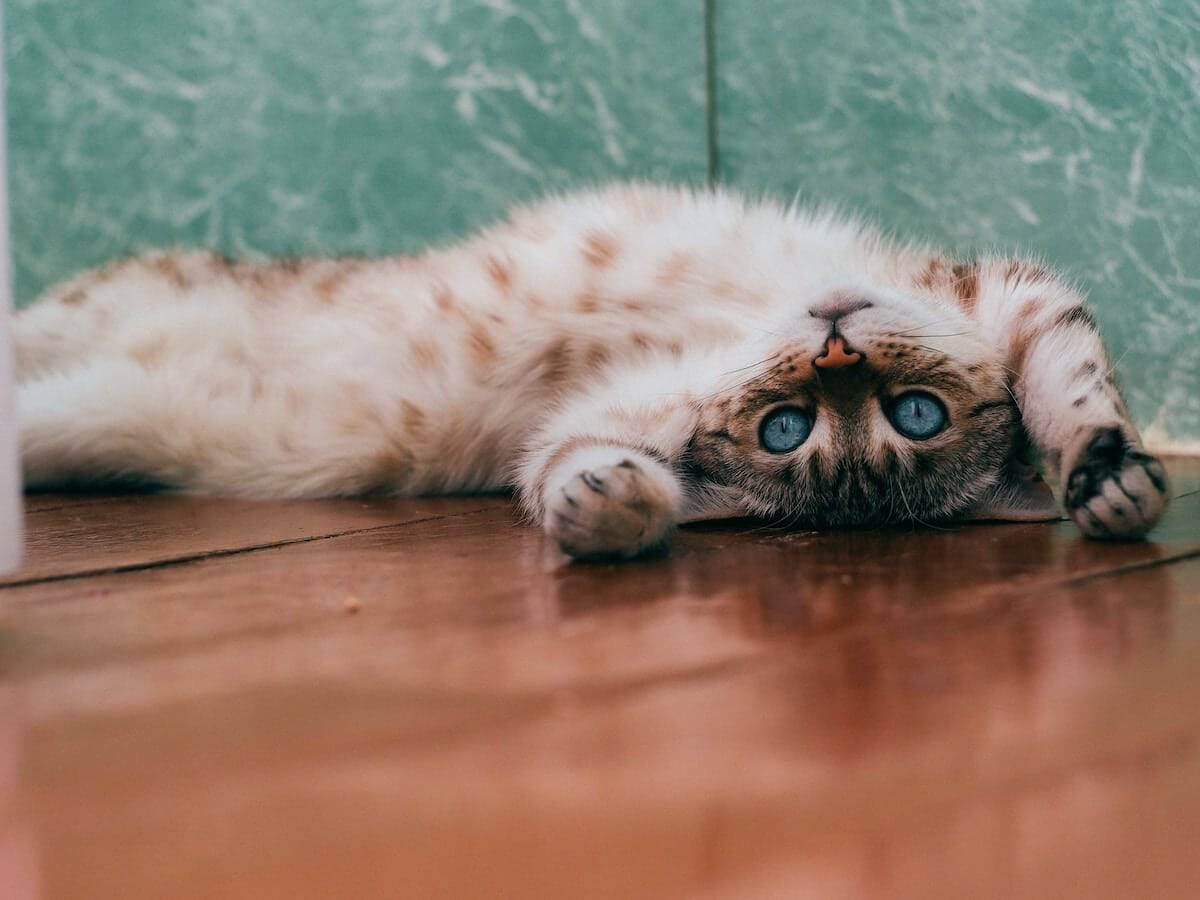
Cats can be socialized with other pets through gradual introductions. So, begin by allowing your cat to observe the other pet from a distance. Then slowly increase interactions, rewarding calm and friendly behavior with treats. This will get your cat used to interacting with other people and animals that may be in your home.
Training to Come When Called

To train your cat to come when called, use its favorite treat or toy. Call your cat’s name and reward it when it approaches. With consistent practice, your cat will learn to come on command. This is a great way to strengthen the bond between you and your feline friend.
Managing Unwanted Behaviors

Address unwanted behaviors, such as biting or jumping on counters, with redirection. Instead of scolding, offer a toy or acceptable alternative behavior. Rewarding good behavior helps to eliminate undesirable actions over time in a way that maintains trust between you and your cat.
Teaching Boundaries

Establish clear boundaries for areas your cat should avoid, like kitchen counters. Use gentle deterrents, such as double-sided tape or aluminum foil, to discourage access. Then reward your cat for staying off restricted areas.
Leash Training a Cat

Leash training for cats is possible with patience. First, start by allowing your cat to get used to wearing a harness indoors. Once comfortable, introduce the leash and slowly take them on short, supervised outdoor walks. Keep in mind that not all cats will enjoy this, so you should use your best judgment on if your cat is a good candidate for leash training.
Training for Calm Behavior
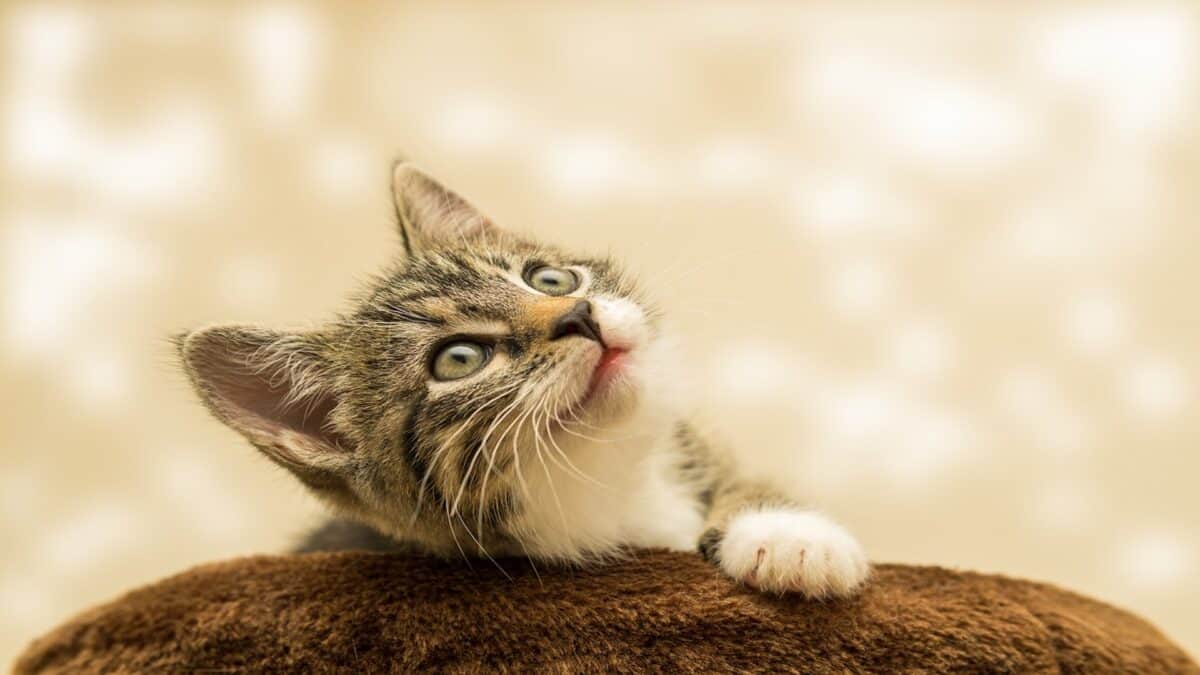
Encourage calm behavior by rewarding your cat during quiet, relaxed moments. This helps reduce anxiety and encourages good manners, especially around guests. Offering comfort items like cozy beds can also help your cat feel like they have a safe space.
Consistency is Key

Consistency in commands and rewards is vital for effective cat training. So, make sure everyone in the household uses the same approach. Additionally, regular training sessions, even for short periods, ensure progress is continuous.
Conclusion

Training a cat may take time, but it is completely achievable with patience and positive reinforcement. Don’t forget to focus on your cat’s natural instincts, and reward good behavior consistently. By using these techniques, you can successfully train your cat while strengthening the bond between you two!

- Dinosaur Cowboy Discovers Dueling Dinosaurs In Montana - July 14, 2026
- The Perfect Dog Breeds For People Who Love To Stay Home - July 13, 2026
- Why Your Dog Might Be Staring At You - July 7, 2026