
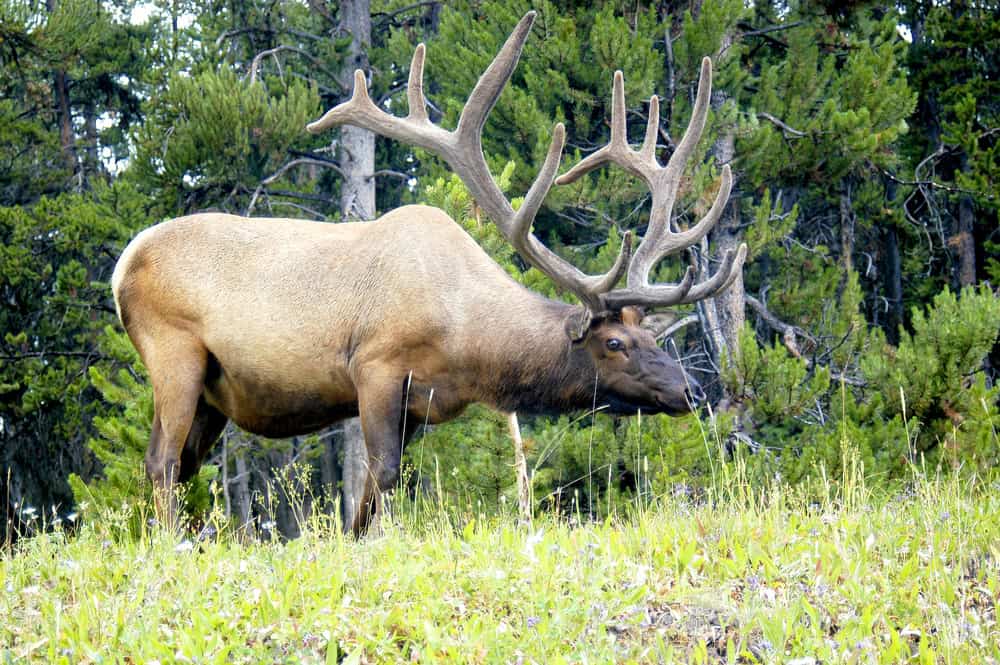
The haunting bugle of the elk has long been a symbol of the wilderness in North America, evoking a sense of awe and admiration. Among these magnificent creatures, one stands out not only for its size but for the record it holds. In this article, we delve into the story of the biggest elk ever spotted in the United States. We will explore the characteristics that set it apart, its environmental significance, and the history of its discovery. Get ready to be captivated by the tale of this monumental elk.
Understanding Elk: A Brief Overview
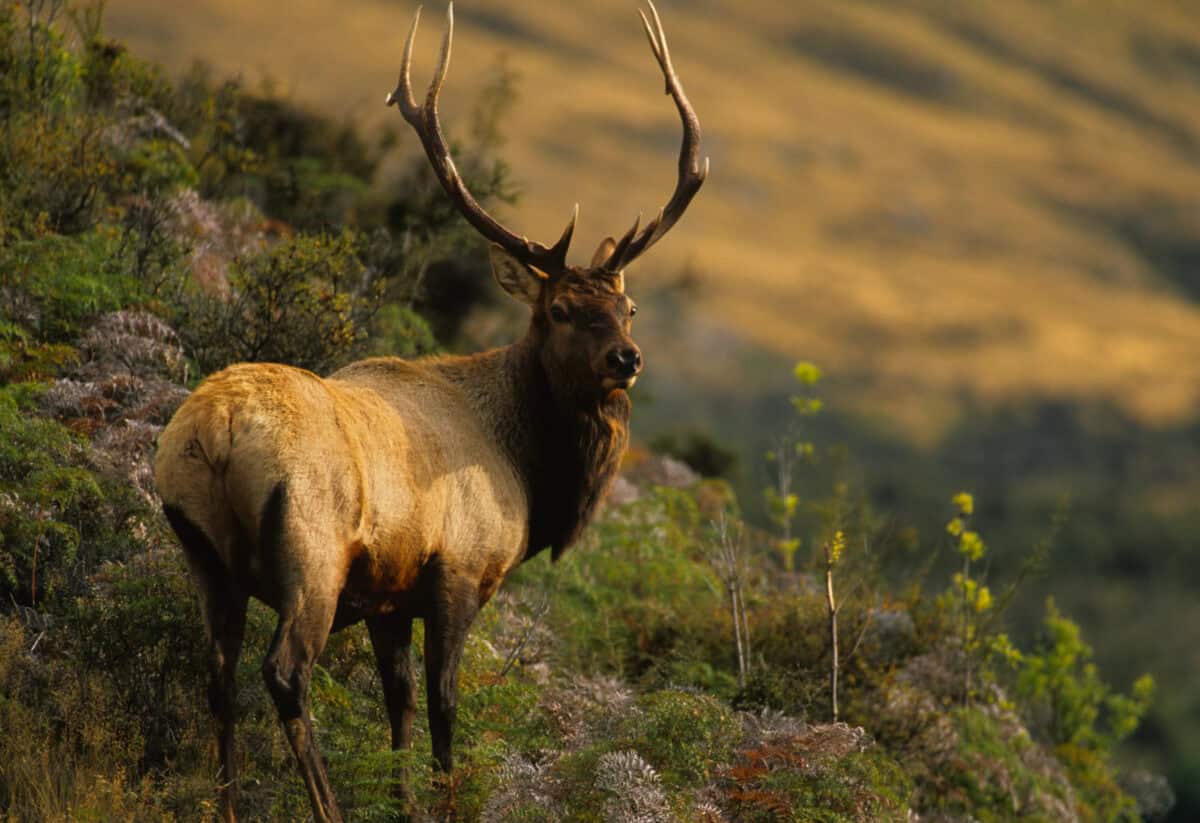
Elk, or Cervus canadensis, are part of the deer family and are one of the largest terrestrial mammals in North America. Known for their impressive antlers and powerful stature, these animals play a significant role in their ecosystems. Understanding the basic traits of elk helps lay the groundwork for appreciating the significance of this record-breaking individual.
Discovering the Record-Breaking Elk

In the expansive landscapes of the US, an elk was spotted that would command attention nationwide. This elk, distinguished by its extraordinary size, was found in the state of Montana, known for its rich wildlife and rugged environments ideal for such a majestic species.
Breaking Down the Measurements

The measurements of the largest elk were astounding. This particular bull’s antlers scored an incredible 430 inches on the Boone and Crockett rating scale, which is used to objectively evaluate and record the size of game animals’ antlers and horns. Such measurements have made it a benchmark in elk record books.
The Significance of the Boone and Crockett Scale
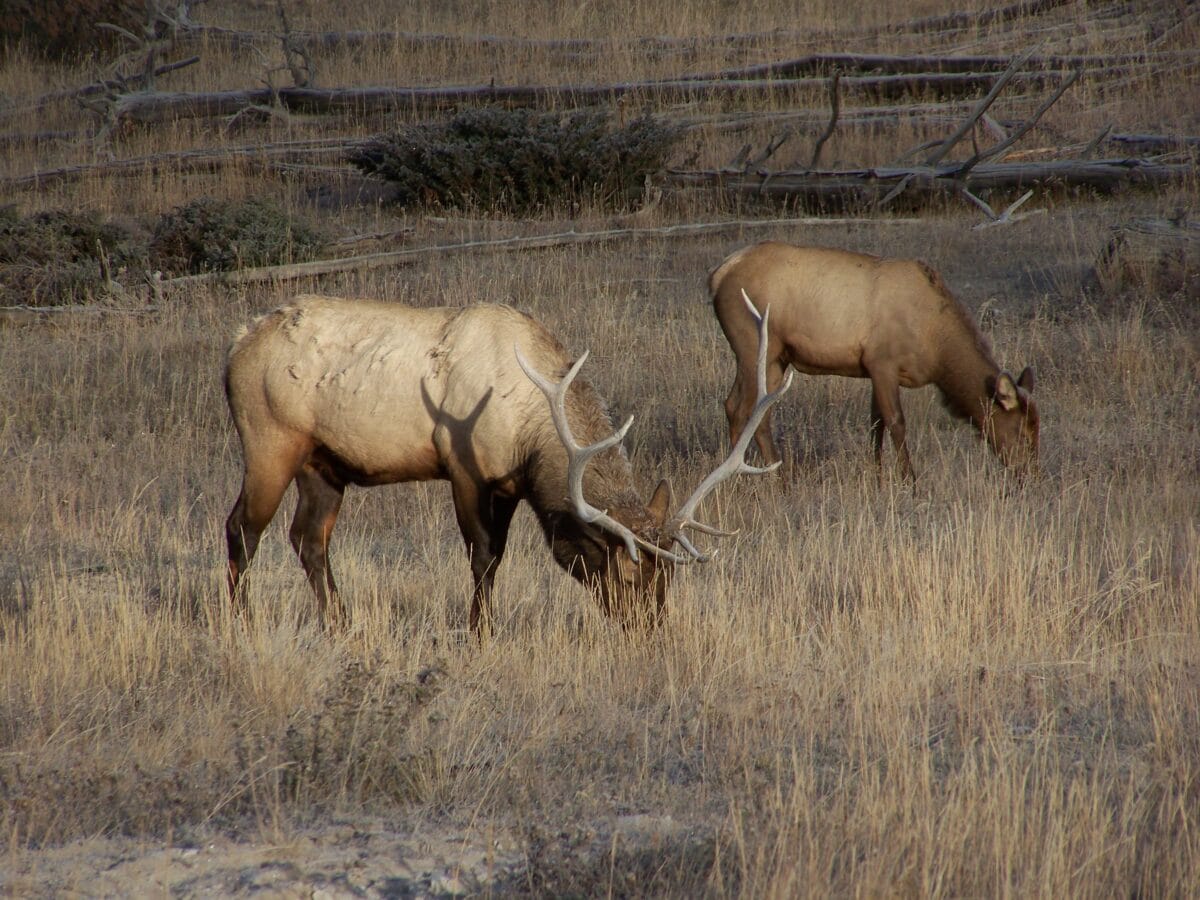
The Boone and Crockett Club established its scoring system to promote fair chase and the sustainable management of wildlife. A high score on this scale indicates not only size but genetic excellence, hinting at optimal conditions and selective breeding within a population. This elk’s score is a testament to its health and the environment it thrived in.
The Ecological Role of Elk

Elk play a crucial part in their ecosystems. They help maintain the balance of plant species through grazing, which promotes diverse and healthy landscapes. Large, dominant individuals like the record-breaking elk are often key to herd dynamics, serving as strong genetic contributors to the population.
Habitat and Range of Elk

Elk are found across North America, from the forests of the Rocky Mountains to the temperate rainforests of the Pacific Northwest. These environments provide the resources needed for elk to flourish. The extensive range of this particular individual is indicative of the expansive habitat that supports large populations.
Conservation Efforts and Challenges

Conservation strategies for elk include habitat preservation and addressing challenges such as human-wildlife conflict. The immense size of this record-holding elk highlights the success of such efforts, as it indicates a healthy and supportive ecosystem.
Impact of Human Encroachment

As human development encroaches on wild spaces, elk populations face habitat fragmentation and increased risks. It’s crucial to address these pressures to ensure the continued survival of elk and the preservation of individuals that hold cultural and environmental importance.
The Role of Hunting in Elk Management

Regulated hunting plays a part in managing elk populations, aiming to maintain balance and prevent overpopulation. It also opens avenues for monitoring and data collection, contributing to conservation and management strategies. However, the focus is on sustainable practices to ensure the survival of large and healthy individuals, like the record-holder.
Global Interest and Research on Elk

The discovery of the largest elk has attracted interest far beyond the US, spurring research and conservation discussions on a global scale. Scientists and enthusiasts are keen to learn more about how large individuals influence genetic diversity and herd health.
The Cultural Significance of Elk

In many Native American cultures, the elk is revered for its strength and grace. The record elk carries not only biological importance but cultural meaning as well. Its size symbolizes the majesty and resilience of these creatures and serves as a reminder of the interconnectedness of humans and wildlife.
The Future of Elk Populations

The future of elk populations relies heavily on conservation and responsible wildlife management. Continued efforts to protect natural habitats and regulate hunting will allow elk to thrive, ensuring future generations can witness the majesty of such giants.
In summary, the story of the biggest elk ever spotted in the US is not just about its remarkable size; it’s a testament to the success of conservation efforts, the symbiosis between environments and species, and the cultural significance these animals hold. As the largest elk recorded in North America, this extraordinary creature continues to inspire enthusiasm and respect for wildlife preservation and appreciation.

- This River Delta Is a Magnet for Endangered Birds - July 17, 2026
- New Fossils in Baja California Reveal a Never-Before-Seen Grouper - July 17, 2026
- The Most Venomous Animal on Land—And How It Kills - July 17, 2026