
Whale watching has long captivated the hearts and minds of nature enthusiasts, offering a glimpse into the lives of some of the ocean’s most majestic creatures. Recently, the buzz in the marine biology community centered around an exceptional sighting—the largest whale ever spotted near the United States. This article explores the details surrounding this whale, from its stunning size to the scientific implications of its existence and the fascinating journey it undertook.
The Discovery: A Once-in-a-Lifetime Event

In a monumental event for marine wildlife enthusiasts and scientists alike, the largest whale ever spotted near US waters was observed off the coast of California. This spectacular encounter has captured the attention of researchers, sparking renewed interest in understanding these gentle giants. Witnesses were left in awe as the mammoth creature breached the surface, showcasing its sheer size and graceful movement.
Species Spotlight: The Blue Whale

The colossal whale spotted was identified as a blue whale, the largest animal known to have ever existed. Blue whales are remarkable for their enormous size, sometimes reaching lengths of up to 100 feet and weighing as much as 200 tons. These oceanic titans play a critical role in marine ecosystems, serving as indicators of ocean health due to their position at the top of the marine food chain.
Understanding Blue Whale Behavior

Blue whales are typically solitary or found in small groups, known as pods, which was consistent with this sighting. They spend much of their time in deep ocean waters but are known to migrate to warmer waters for breeding. This particular specimen was likely on such a journey, following ancient migratory patterns that have persisted for millions of years.
The Sighting: A Day to Remember

The encounter occurred on a clear morning, ideal for observing marine wildlife. Passengers aboard a whale-watching vessel were thrilled to spot the giant breaking the surface. The whale’s presence was initially indicated by a massive spout of water, reaching up to 30 feet in the air, before it emerged, revealing its impressive size and distinctive mottled blue-gray coloration.
Impact on Marine Research

The sighting has provided researchers with valuable data, contributing to ongoing efforts to study and protect blue whales. By understanding their migratory habits and behavior, scientists can develop better conservation strategies to ensure these magnificent animals’ survival. The data collected will help improve our understanding of their feeding patterns, reproductive behaviors, and the impact of climate change on their habitats.
The Role of Technology in Whale Tracking
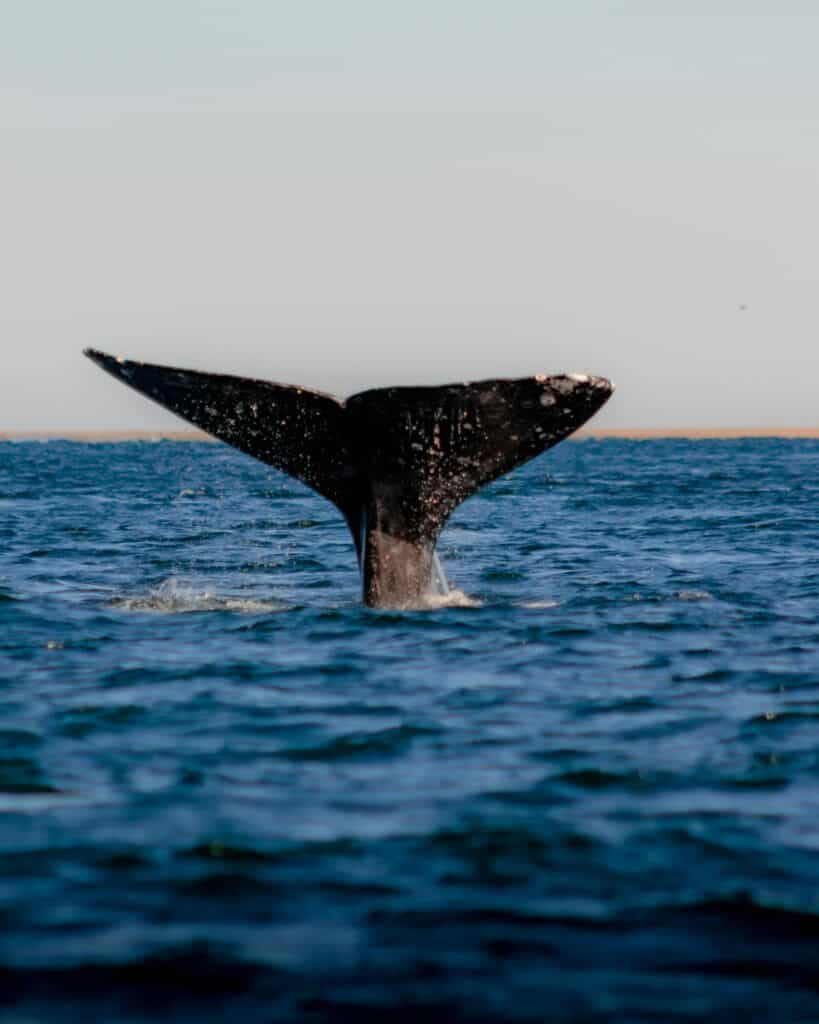
Modern technology played a crucial role in documenting and analyzing this sighting. Satellite tagging and sonar mapping have advanced the ability to track whale movements and gain insight into their daily activities. These tools are indispensable in monitoring populations and identifying critical habitats essential for their conservation.
Conservation Efforts and Challenges

Despite their enormous size and importance, blue whales face numerous threats, from ship strikes and entanglement in fishing gear to climate change and noise pollution. Conservationists are tirelessly working to mitigate these dangers through advocacy, policy changes, and global cooperation. Protecting the giants of the sea requires a concerted effort to address these challenges and safeguard their future.
The Importance of Whale Watching

Whale watching is more than just a recreational activity—it plays a significant role in conservation efforts. By raising awareness and fostering appreciation for these majestic creatures, whale watching contributes to the public’s understanding and support of marine conservation initiatives. It also provides essential economic incentives for local communities, encouraging sustainable interactions with marine life.
Lessons from the Largest Whale
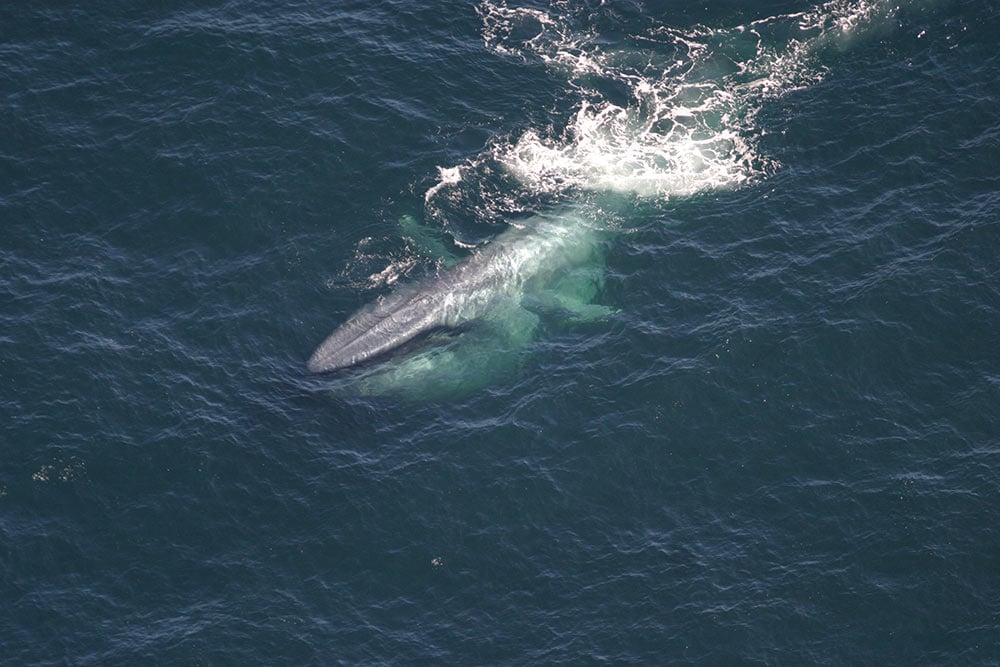
This remarkable sighting serves as a reminder of the incredible diversity and wonder of the natural world. It highlights the resilience of the blue whale species, which has rebounded from the brink of extinction. Observers were reminded of the urgent need to continue efforts to protect these awe-inspiring creatures and their natural habitats.
The Role of Community Science

Community involvement proved pivotal in this event, demonstrating the value of citizen science in marine research. Whale enthusiasts and volunteers often provide critical data that augments scientific research, showing how public participation can pave the way for significant discoveries and conservation breakthroughs.
The Economic Impact of Whale Sightings
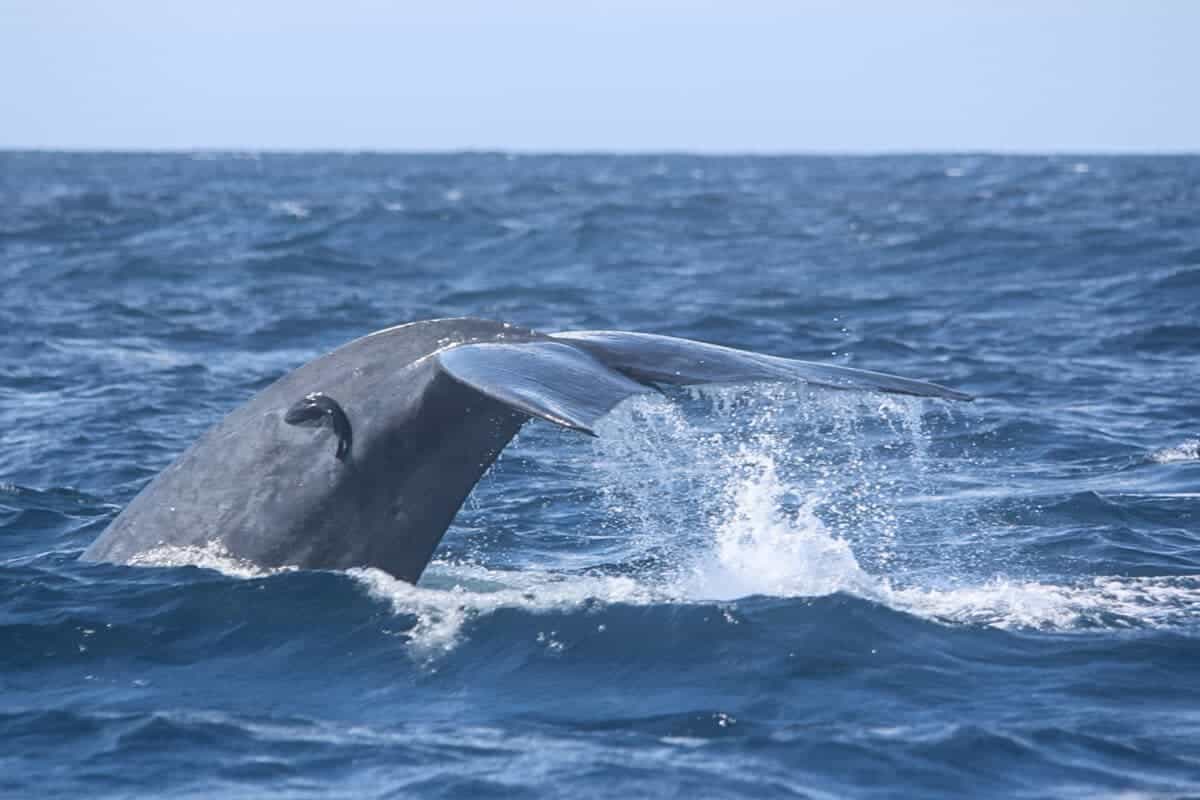
Whale sightings, especially of such a historic nature, can have a positive economic impact on local communities. Whale watching draws tourists from around the globe, contributing to local economies and promoting eco-friendly tourism. This underlines the importance of preserving marine environments for both ecological and economic benefits.
Future Prospects for Blue Whale Conservation
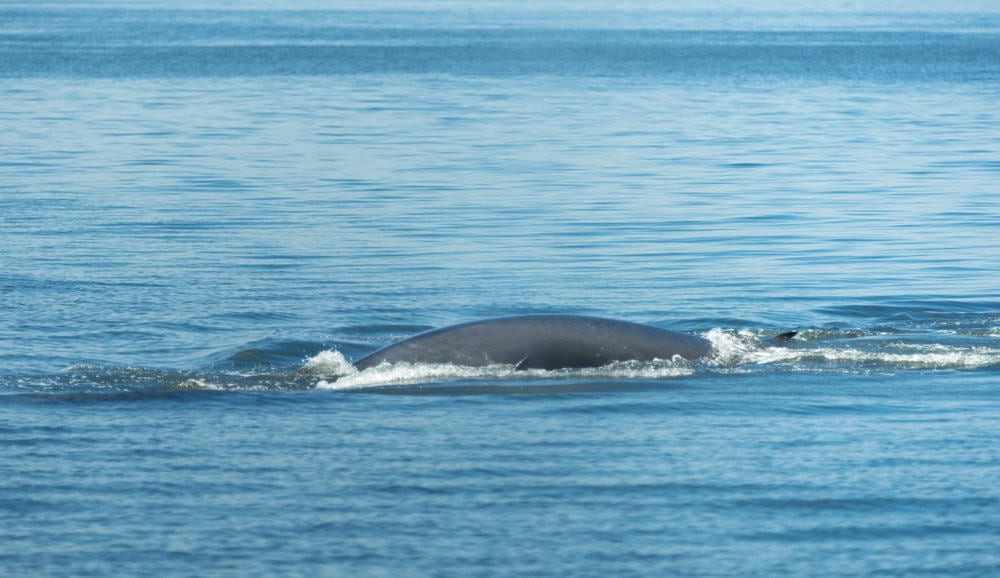
Looking forward, the historic sighting is expected to bolster blue whale conservation efforts, emphasizing the need for ongoing research and protection initiatives. By building international collaboration and strengthening policies, there is hope for securing a thriving future for the largest animals on Earth and maintaining the ecological balance of the oceans they inhabit.
In conclusion, the recent sighting of the largest whale near the US has sparked excitement and curiosity across the globe. It stands as a beacon of hope and a testament to the resilience of nature. By understanding these majestic creatures, society can better support efforts to preserve them for future generations, ensuring that they continue to grace our oceans with their magnificent presence.

- The Bird That Can Recognize More Faces Than a Human - July 29, 2026
- How Army Ants Coordinate Massive Raids Without a Leader - July 29, 2026
- 13 Largest Horses in the World - July 29, 2026