

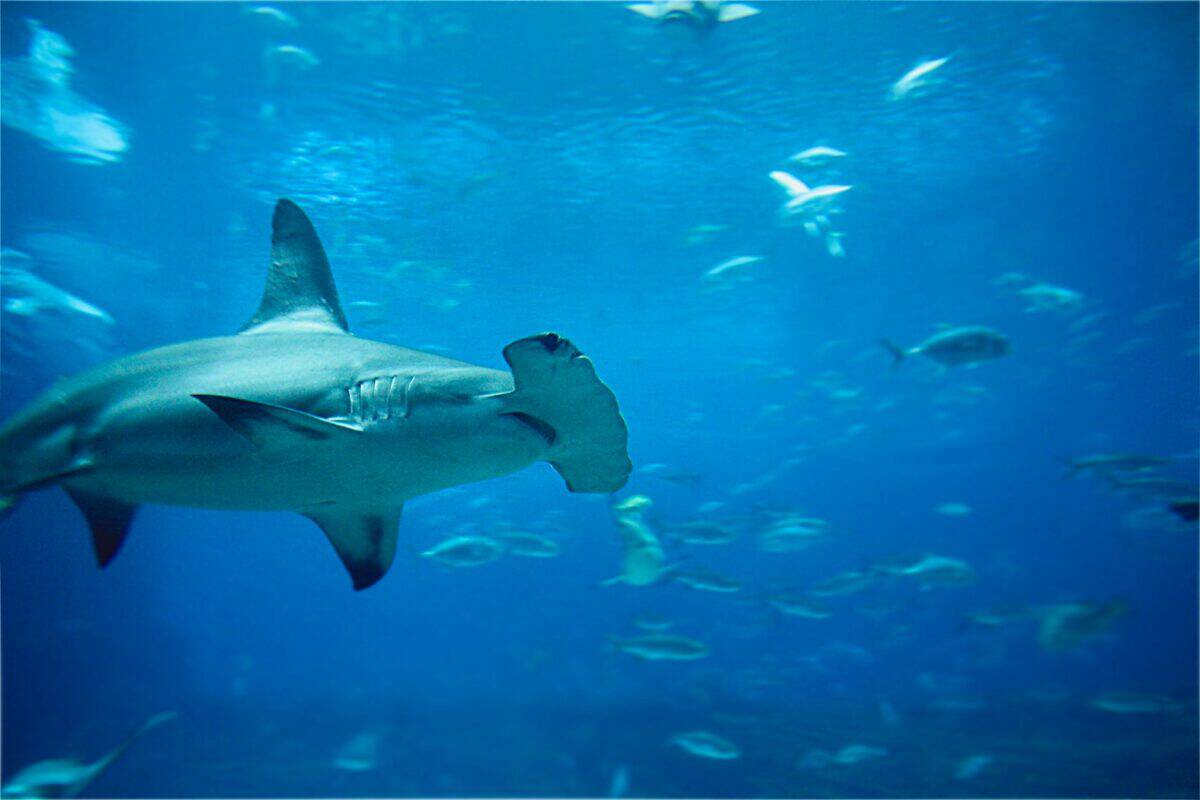
The Indian Ocean is a vast and mysterious body of water, home to an array of marine life that continues to astound scientists and nature enthusiasts alike. Amongst its many awe-inspiring inhabitants is the hammerhead shark, a unique species recognized by its distinctively shaped head. Recently, the discovery of the biggest hammerhead shark ever spotted in these waters has sparked a flurry of excitement and research. This remarkable finding offers a glimpse into the ocean’s depths and provides valuable insights into the world of these fascinating creatures.
Understanding the Hammerhead Shark
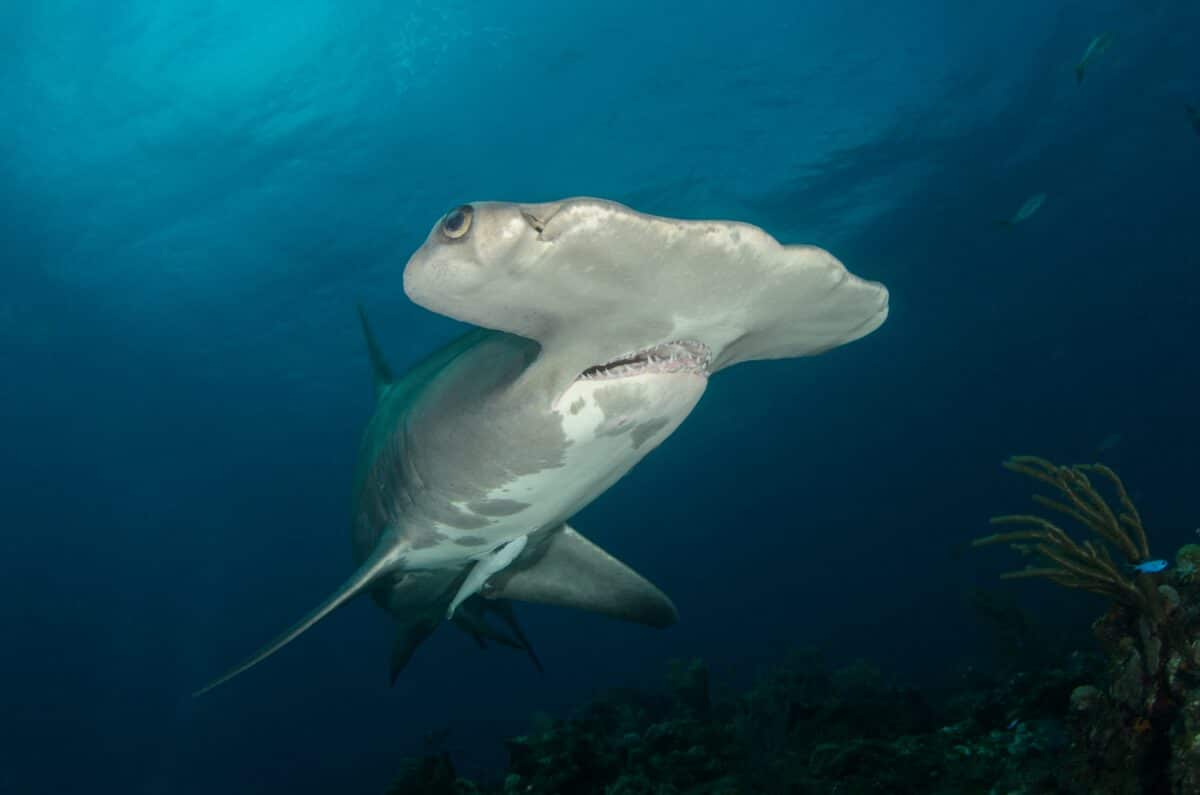
The hammerhead shark belongs to the family Sphyrnidae, known for their flattened, hammer-shaped heads, or cephalofoils. This unusual structure is not just for show; it enhances the shark’s ability to detect prey, navigate through the ocean, and improves its hydrodynamics. Among the nine species of hammerhead sharks, the great hammerhead is the largest and most well-known.
Identifying the Giant: A Record-Breaking Discovery

The sighting of the largest hammerhead shark in the Indian Ocean was a groundbreaking event. Initially recorded by researchers during an exploratory mission, this particular shark measured an astonishing 20 feet in length. Such a size rivals the known dimensions of great hammerhead sharks, pushing the boundaries of existing knowledge about the species.
The Habitat of Hammerhead Sharks in the Indian Ocean
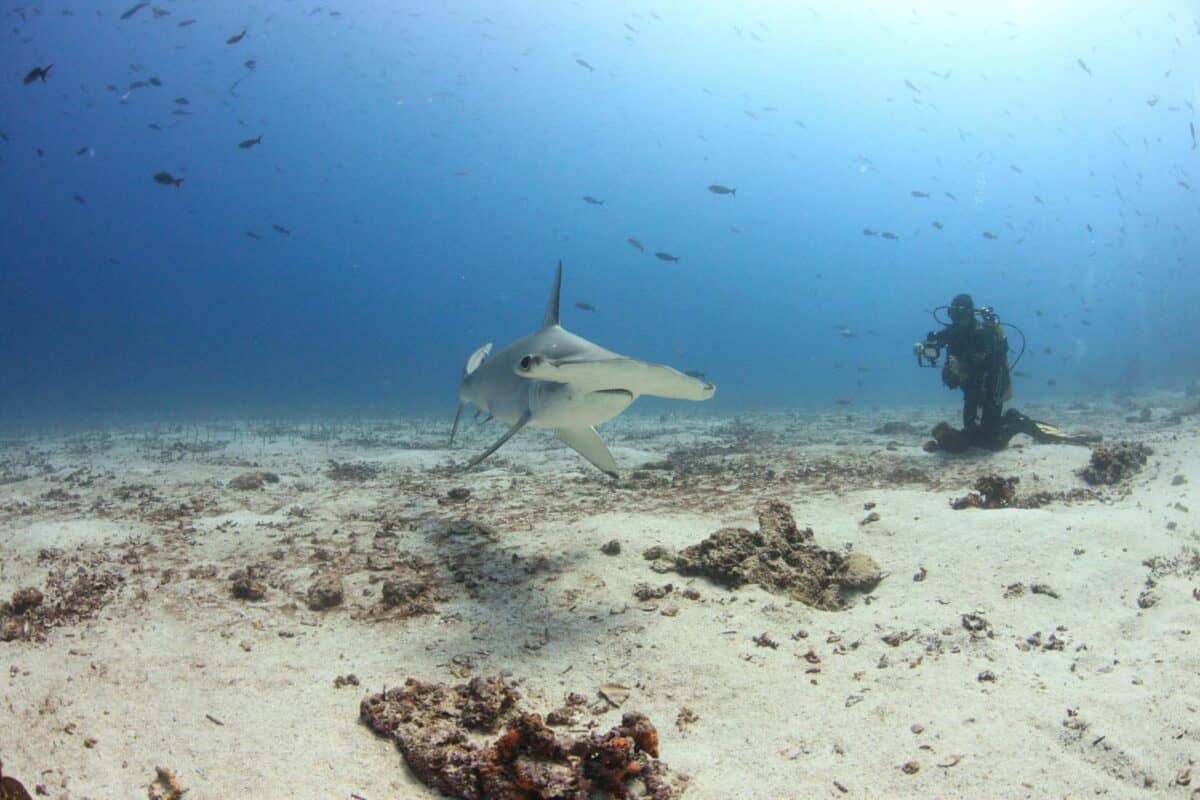
The Indian Ocean provides hammerhead sharks with an ideal environment. Its warm, tropical waters offer abundant food sources, including rays and small fish. Hammerhead sharks are typically found near coastlines and continental shelves, where they use their unique head shape to scan the seabed for prey efficiently.
Behaviour and Social Structure

Hammerhead sharks are known for their schooling behavior, especially during the daytime. While many shark species are solitary, hammerheads are frequently observed in large groups, which could number in the hundreds. This behavior is thought to provide several advantages, including protection from predators and improved hunting efficiency.
Diet and Feeding Habits
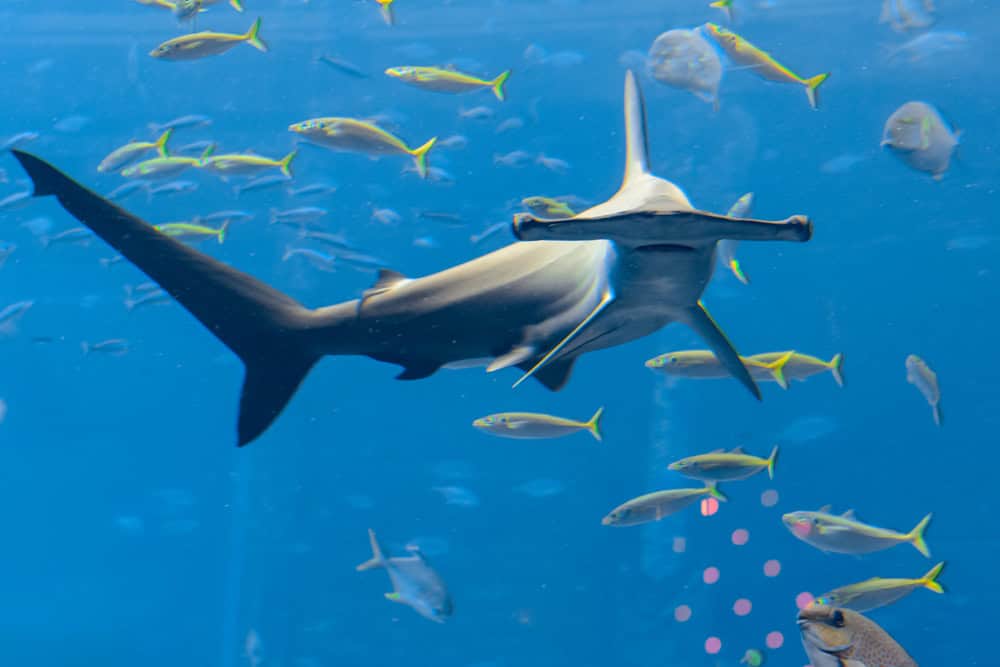
The diet of a hammerhead shark primarily consists of fish, squid, octopus, and crustaceans. However, their favorite dish is stingrays, thanks to their electrosensory capabilities that allow them to detect the faint electrical signals emitted by their prey. The unique cephalofoil is ideally suited for pinning down prey, particularly on the seabed.
The Role of Hammerhead Sharks in the Ecosystem
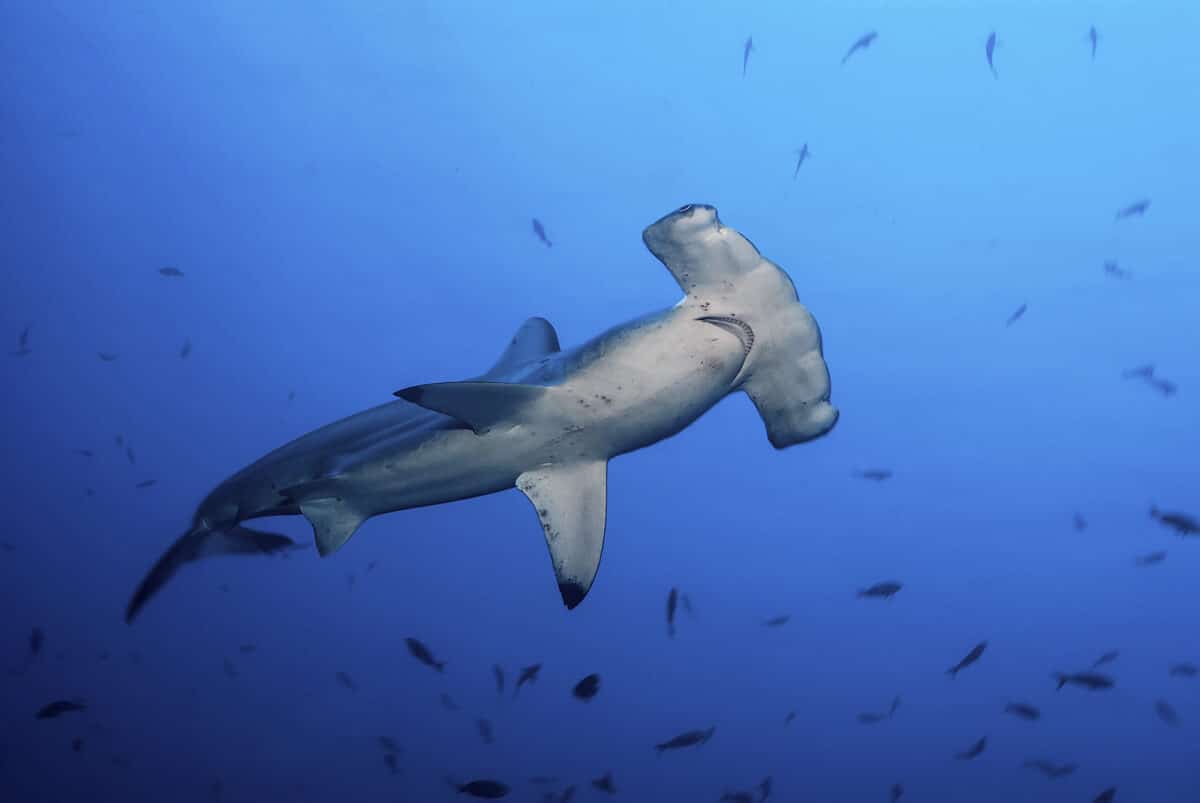
As apex predators, hammerhead sharks play a crucial role in maintaining the balance of marine ecosystems. By preying on the sick and weak, they help ensure healthy population levels of other marine species. Their presence indicates a healthy, balanced ecosystem, reaffirming the significance of their conservation.
Challenges and Threats Faced by Hammerhead Sharks

Despite their importance, hammerhead sharks face numerous threats, primarily from human activities. Overfishing, driven by the demand for shark fins and accidental bycatch, poses a significant threat to their populations. Additionally, habitat degradation and climate change further exacerbate these pressures.
Conservation Efforts and Initiatives
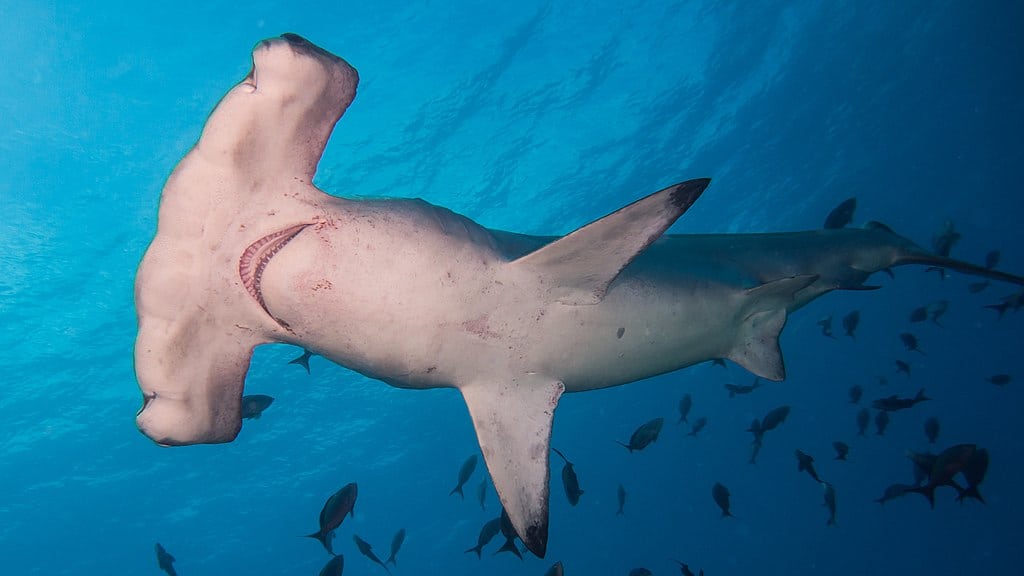
Efforts to conserve hammerhead sharks have been gaining momentum. Various international agreements and organizations are working towards regulating fishing practices, protecting habitats, and increasing public awareness about the crucial role these sharks play in marine ecosystems. Protected marine areas and stricter enforcement of fishing laws are vital components of these conservation strategies.
Technological Advances in Shark Research
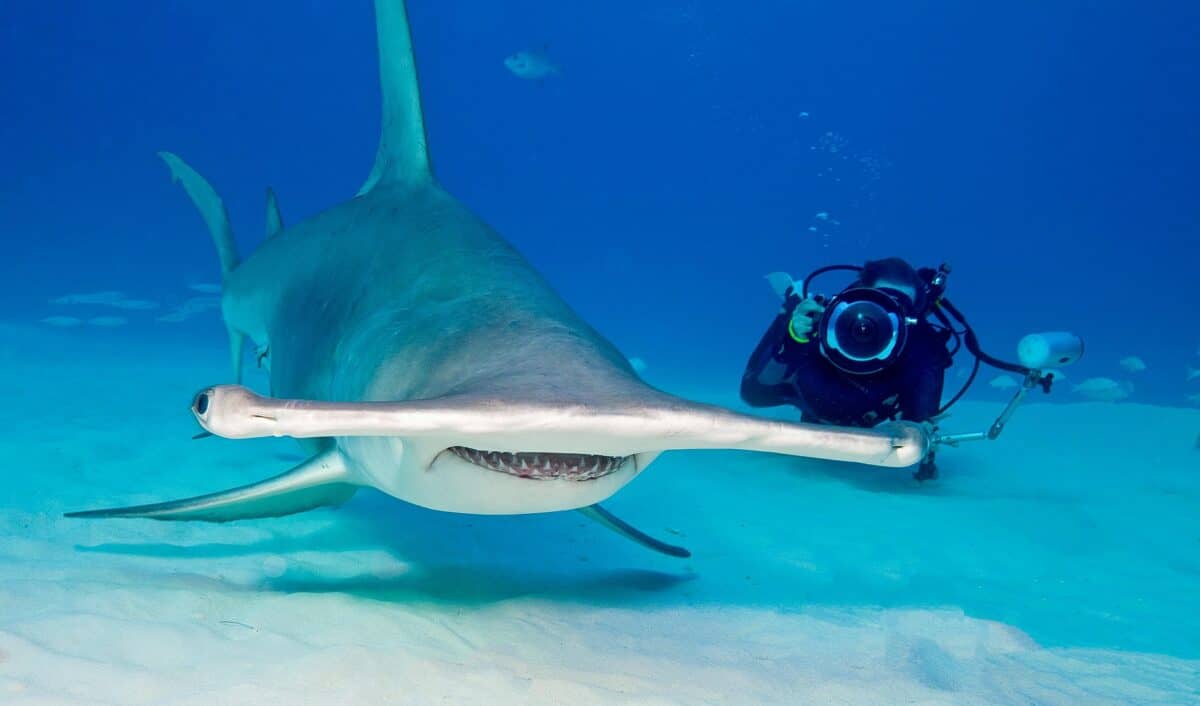
Recent technological advancements have opened new pathways for shark research. Satellite tagging and tracking allow scientists to monitor the movements and behaviors of hammerhead sharks over time, providing valuable data essential for effective conservation strategies. These innovations are pivotal in the ongoing effort to protect these majestic creatures.
Implications of the Discovery for Marine Science

The discovery of the largest hammerhead shark in the Indian Ocean has significant implications for the field of marine science. It challenges existing perceptions about shark sizes and habitats, sparking curiosity and further research into their biology, ecology, and conservation.
The Global Fascination with Hammerhead Sharks

Hammerhead sharks have long captured the imagination of people worldwide. Their unique appearance and intriguing behaviors make them popular subjects in documentaries and educational programs. As such, increasing public interest can aid in raising awareness and support for their conservation.
In conclusion, the sighting of the largest hammerhead shark ever spotted in the Indian Ocean is a testament to the mystery and wonder of our planet’s oceans. It serves as a reminder of the need to preserve these natural marvels. Through concerted conservation efforts and continued research, we can ensure the survival of hammerhead sharks for future generations to marvel at and learn from.
