
Most homeowners think about termites only when it’s already too late. You knock on a wall and hear that hollow, sickening thud. A door that used to swing freely now sticks in its frame. The floor feels slightly soft underfoot. By that point, these tiny, relentless insects have likely been eating your home from the inside out for months, maybe even years, completely undetected.
Termites are often referred to as “silent destroyers” because they can cause extensive damage without being detected. The really unsettling part? Your own home may be rolling out the welcome mat for them right now, through a handful of very ordinary, very fixable conditions you’ve probably never even thought twice about. Let’s dive in.
1. Excess Moisture and Poor Drainage Around the Foundation
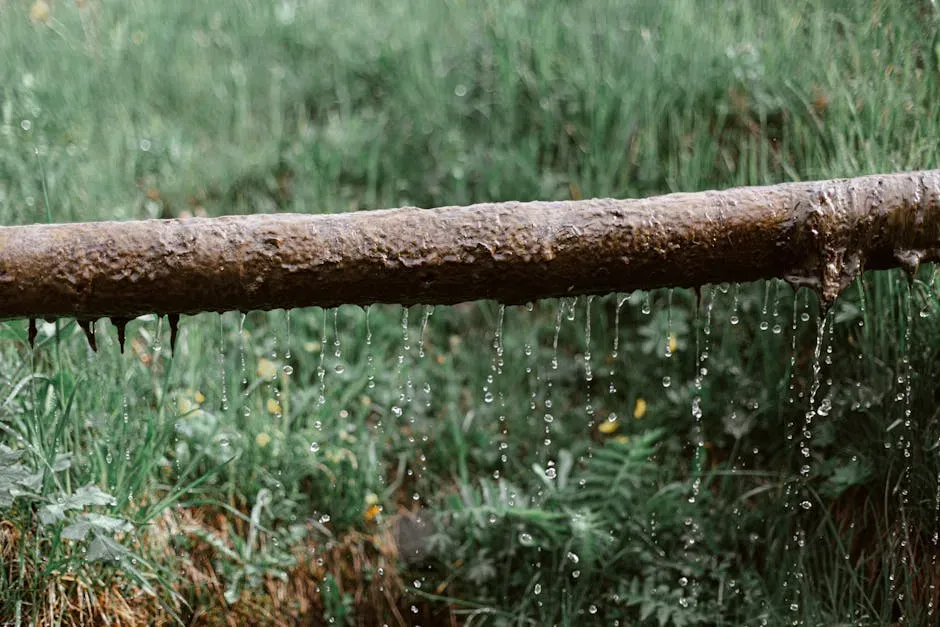
If there’s one thing termites love more than wood, it’s water. Honestly, moisture is the single biggest invitation you can send to a termite colony.
Termites, especially subterranean termites, are drawn to moisture like moths to a porch light. Whether it’s caused by leaky pipes, clogged gutters, or poor drainage around the foundation of your home, excess moisture creates the ideal environment for a termite colony to thrive.
Leaky pipes, improper drainage, and poor airflow all create moisture issues that attract termites. Dampwood and subterranean termites in particular thrive in humid environments. Think of it like leaving a glass of water on the counter for a hungry pet. It’s practically an open invitation.
Excess moisture near the foundation of your home makes it an especially attractive place for termites to forage. The fix is simpler than most people think. Clean your gutters regularly, make sure downspouts direct water well away from the house, and check that the ground around your foundation slopes away from the structure rather than toward it.
2. Wood-to-Soil Contact Around Your Home
This one catches a lot of people off guard. It seems harmless enough, a wooden deck post resting on the ground, a fence picket buried in the soil, or wood siding that runs too close to the earth. In reality, each of those contact points is basically a freeway on-ramp for termites.
Most subterranean termites establish their nests in the soil and come up from the ground to feed on the wood of a home. When the wood of a home directly touches the soil, it can inspire an infestation, so keep foundations covered.
Structures like wooden fences, trellises, and garden beds that touch the soil can act as bridges for termites, making it easier for them to access your home. These wood-to-soil connections are direct pathways for infestation.
Siding should always be at least 6 inches (preferably higher) above the soil line; otherwise, you could have decay problems as well as providing a way for termite tubes to go unnoticed. It’s a small detail that makes an enormous difference. Worth measuring this weekend, honestly.
3. Mulch Placed Too Close to the Foundation
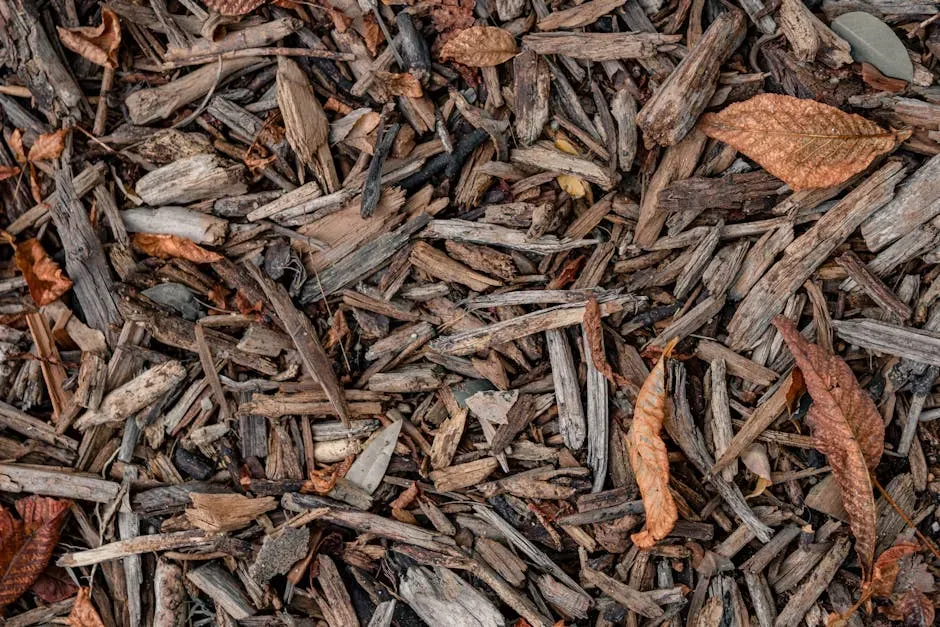
Here’s something that surprises almost every homeowner: that beautifully maintained garden bed running right up to your house wall could be one of the worst things for your termite risk. Mulch looks tidy. It feels responsible. To a termite, though, it looks like a five-star resort.
Made from wood, bark, and organic matter, mulch provides both food and moisture, a termite buffet, essentially. When placed too close to your home’s foundation, mulch creates an easy bridge for termites to access your property.
While it may make for a nicer appearance, mulch can allow termites to use its cover to invade your house undetected. Thick layers of mulch covering the foundation can allow termites to move unseen. That invisibility factor is what makes it so dangerous.
If you do choose to use mulch for landscaping purposes, be sure to keep it as far away from the foundation of your home as possible – at least six inches, but the farther the better. Additionally, pebbles and rocks can be a great alternative to mulch. Consider making the switch, at least near the house.
4. Firewood and Debris Stored Against the House

There’s something cozy about a neatly stacked pile of firewood right beside the back door. Convenient in winter, charming in a rustic sort of way. It’s also, to put it bluntly, one of the most common termite magnets that homeowners create without realizing it.
Wood piles, tree stumps, and even wooden fences that are too close to your home are like buffets for termites. They provide food, shelter, and a very short commute to your actual house. It’s the worst combination possible.
Do not pile or store firewood or wood debris next to the house. The general guidance from pest experts is that firewood should ideally be stored at least 20 feet from the structure and kept off the ground. That distance matters far more than most people assume.
You may be giving termites easy access to both food and water by leaving wood and materials containing cellulose, such as old magazines, newspapers, cardboard boxes, and paper products, in accessible places. So yes, that pile of old newspapers in the garage counts too.
5. Cracks and Gaps in the Foundation and Exterior
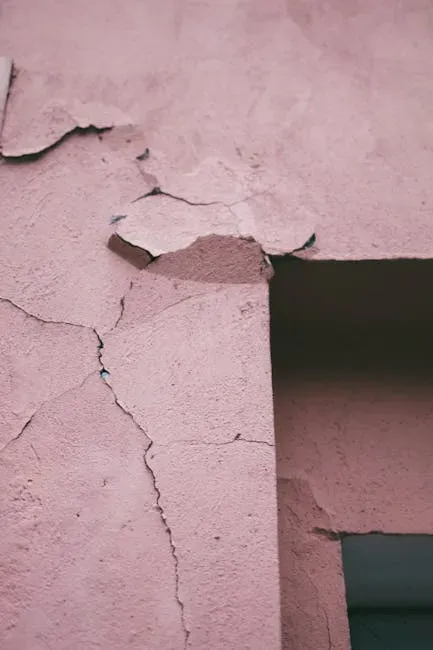
Termites don’t need much of an opening to find their way in. It’s hard to believe, but the reality is genuinely alarming.
Termites can use cracks in your foundation footer as small as 1/32-inch to gain entry to your home. That’s barely the width of a credit card edge. For perspective, you could have a crack like that in dozens of spots around your foundation right now and never know it.
Cracks in foundations, siding, windows, and doors create entry points for both subterranean termites and swarming termites of all species. Once inside, they begin building the famous mud tubes that allow them to travel invisibly between the soil and your home’s wood.
In their search for moisture and food, termites will take advantage of any breach in your home’s integrity. Openings in your home can create opportunities for subterranean termites to gather materials for the construction of mud tubes, the tunnels they use to travel while foraging. A tube of exterior caulk used regularly around windows, doors, and plumbing entries is genuinely one of the cheapest termite deterrents available.
6. Poor Ventilation and Humid Crawl Spaces

Crawl spaces are dark, forgotten, and rarely visited. They are also precisely the kind of undisturbed, humid environment where termites feel completely at home. I think most homeowners would be shocked if they actually crawled under their house and took a close look.
A wet crawlspace can create conditions conducive to termites. Fix the cause of problems such as wet soil or standing water in the crawlspace. Standing water under a home is, for a subterranean termite colony, essentially the equivalent of waterfront property.
Subterranean termites build their colonies in soil and are attracted to moist, undisturbed areas. Leaky pipes and humidity build-up in your home’s crawl spaces are more than just mild issues, they could lead to a devastating termite infestation.
Ensure that your attic and basement are well-ventilated. Proper airflow reduces moisture buildup dramatically. Vapor barriers, dehumidifiers, and cleared foundation vents can all make a significant difference in keeping crawl spaces dry and dramatically less attractive to termites.
7. Overgrown Shrubs and Trees Touching the Structure
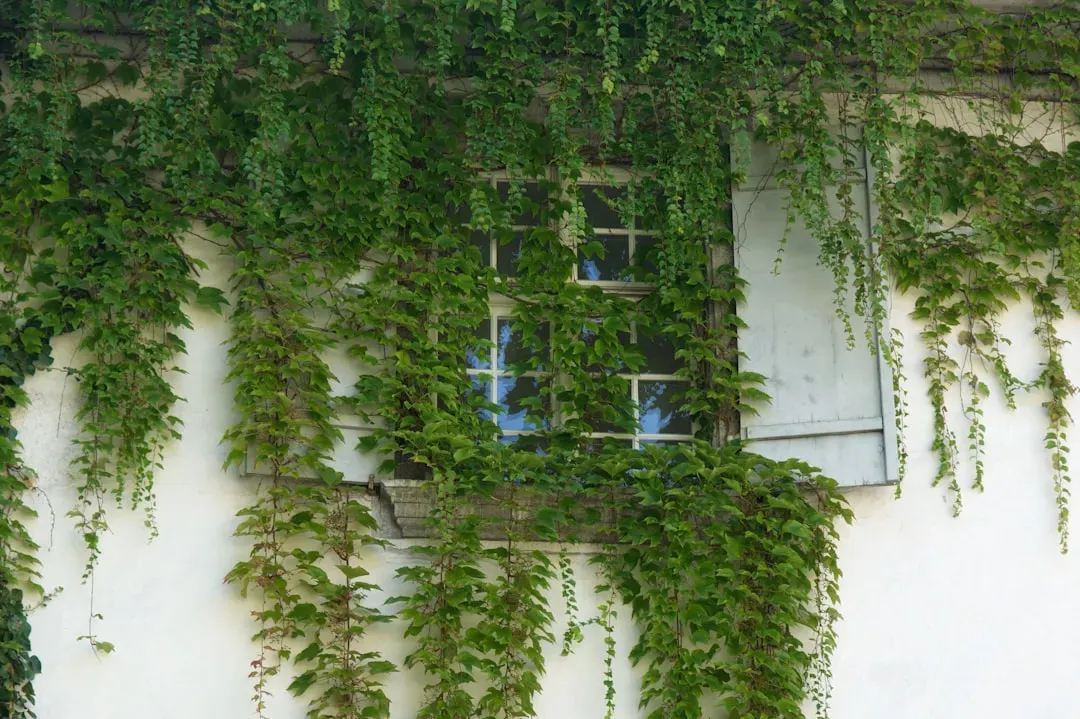
Lush landscaping looks beautiful. It can also be silently working against you, especially when plants are allowed to grow directly up against the walls, roof line, or wooden trim of your home. Think of it as termites using your own garden as a ladder.
Plants and shrubs planted too close to the house trap moisture, reducing airflow around the foundation. This creates a humid environment that termites love while providing cover, making it harder to spot an infestation.
Your roof can also be vulnerable to termite infestation. Trim back any tree limbs that are resting on your roof or touching wooden structures, such as eaves or window framing. A tree branch resting on your fascia board is basically a welcome ramp leading directly to your roof’s wooden structure.
Drywood termites are also known to get in through damaged screens and then begin to chew their way into window and door frames. It is important to make sure all your screens are in good working condition, and check your doors for any strange noises or sticking while in swing, as these are telltale indicators that termites have made their way inside. Routine trimming and screen maintenance are small tasks with genuinely big protective payoffs.
Conclusion: Your Home Doesn’t Have to Be a Termite Magnet
Every year termites cause billions of dollars in structural damage, and property owners spend over two billion dollars to treat them. Those are staggering numbers, and the frustrating truth is that a large portion of that damage is preventable.
The seven conditions covered here, from moisture accumulation to overgrown shrubs, are all things that develop gradually and quietly over time. None of them feel urgent. None of them look alarming on their own. That’s exactly what makes them so dangerous. Termites are patient. They don’t need your home to be perfect for them. They just need it to be good enough.
By the time a termite infestation is visible to the human eye, it’s possibly already in full swing. That’s why it’s important to arrange for termite inspections at least once a year, so that professionals who know what to look for can find termites before they have the chance to cause extensive and costly damages to your home.
Take a walk around your property this weekend with fresh eyes. Check the drainage, the mulch lines, the firewood stack, the crawl space vents. Small fixes now can save you tens of thousands of dollars later. Would you have guessed that something as simple as a bag of mulch placed too close to your wall could set the stage for a full-scale termite invasion? Share your thoughts in the comments below.
