


The American wilderness once teemed with iconic wildlife that defined the landscape and shaped ecosystems across the continent. Wolves howled through forests from coast to coast, massive bison herds thundered across the Great Plains, and bears roamed freely throughout much of North America. However, by the early 20th century, these magnificent species faced near-extinction due to unregulated hunting, habitat destruction, and government-sanctioned eradication programs. What followed in recent decades has become one of conservation’s most inspiring chapters: the remarkable recovery of these keystone species. Through dedicated conservation efforts, changing public attitudes, and innovative management approaches, wolves, bison, and bears have begun reclaiming their ancestral territories. Their comeback stories represent not just biological triumphs but also evolving American values regarding wildlife and wilderness preservation.
The Near Extinction of American Icons

By the early 1900s, the American landscape had been dramatically transformed by European settlement. Gray wolves, once numbering in the hundreds of thousands across North America, had been systematically eliminated from nearly all of their range in the contiguous United States. Government bounty programs, which paid hunters for wolf pelts, along with trapping and poisoning campaigns, reduced wolf populations to mere fragments. The last wolves in Yellowstone National Park were killed in the 1920s, silencing their howls in what had once been prime habitat.
The American bison faced an even more catastrophic decline. From populations estimated at 30-60 million animals that once blanketed the Great Plains, by 1889 fewer than 1,000 remained. Commercial hunting, western expansion, and a deliberate government policy to eliminate bison (partly to subjugate Native American tribes dependent on them) brought this iconic species to the brink of extinction. By 1902, only about two dozen wild bison remained in Yellowstone National Park.
Bears fared somewhat better but still suffered significant losses. Grizzly bears, which once ranged throughout western North America from Alaska to Mexico, were eliminated from approximately 98% of their original habitat in the contiguous United States. By the 1970s, grizzlies were confined to isolated pockets in Wyoming, Montana, Idaho, and Washington, with a total population of perhaps 1,000 animals. Black bears, though more adaptable, were also extirpated from many areas of their historic range.
Shifting Conservation Values in America

The road to recovery for these species began with a profound shift in American conservation values that took root in the early to mid-20th century. The conservation movement, championed by figures like Aldo Leopold, began challenging the notion that predators were simply “vermin” to be eliminated. Leopold’s own transformation from wolf hunter to conservationist, famously described in his essay “Thinking Like a Mountain,” symbolized a broader cultural change.
The environmental awakening of the 1960s and 1970s further catalyzed this shift, culminating in landmark legislation like the Endangered Species Act of 1973, which provided federal protection for threatened and endangered species regardless of their economic value or popularity. This legal framework created the foundation for recovery efforts that would have been unimaginable just decades earlier.
The science of ecology also advanced significantly during this period, revealing the critical role of keystone species like wolves, bison, and bears in maintaining healthy ecosystems. Researchers began documenting cascade effects—how the removal of top predators disrupts entire ecosystems, from vegetation patterns to stream morphology. This scientific understanding helped transform public perception of these animals from dangerous nuisances to essential components of healthy wilderness.
The Wolf’s Return to Yellowstone

Perhaps no wildlife recovery story has captured public imagination more powerfully than the return of wolves to Yellowstone National Park. After decades of absence, in January 1995, wildlife biologists released 14 gray wolves from Canada into the park, followed by 17 more wolves in 1996. This reintroduction effort represented one of the most ambitious wildlife restoration projects in American history.
The results were dramatic and far-reaching. Within just a few years, wolf packs established territories throughout the park. The population grew steadily, reaching about 100 wolves in the park by the early 2000s and expanding into surrounding areas. Today, the Greater Yellowstone Ecosystem hosts approximately 500 wolves, while the Northern Rocky Mountain wolf population exceeds 1,900 animals across Wyoming, Montana, Idaho, Washington, and Oregon.
The ecological impacts have been equally impressive. Researchers documented what’s now known as a “trophic cascade”—wolves changed elk behavior, reducing browsing pressure on willows and aspens along streams, which allowed these plants to recover. This vegetation recovery benefited beavers, songbirds, and countless other species. Stream banks stabilized, reducing erosion and changing watercourse patterns. The return of wolves literally reshaped the landscape of Yellowstone, demonstrating the profound interconnectedness of ecosystems.
The Controversial Wolf Recovery in the Southwest
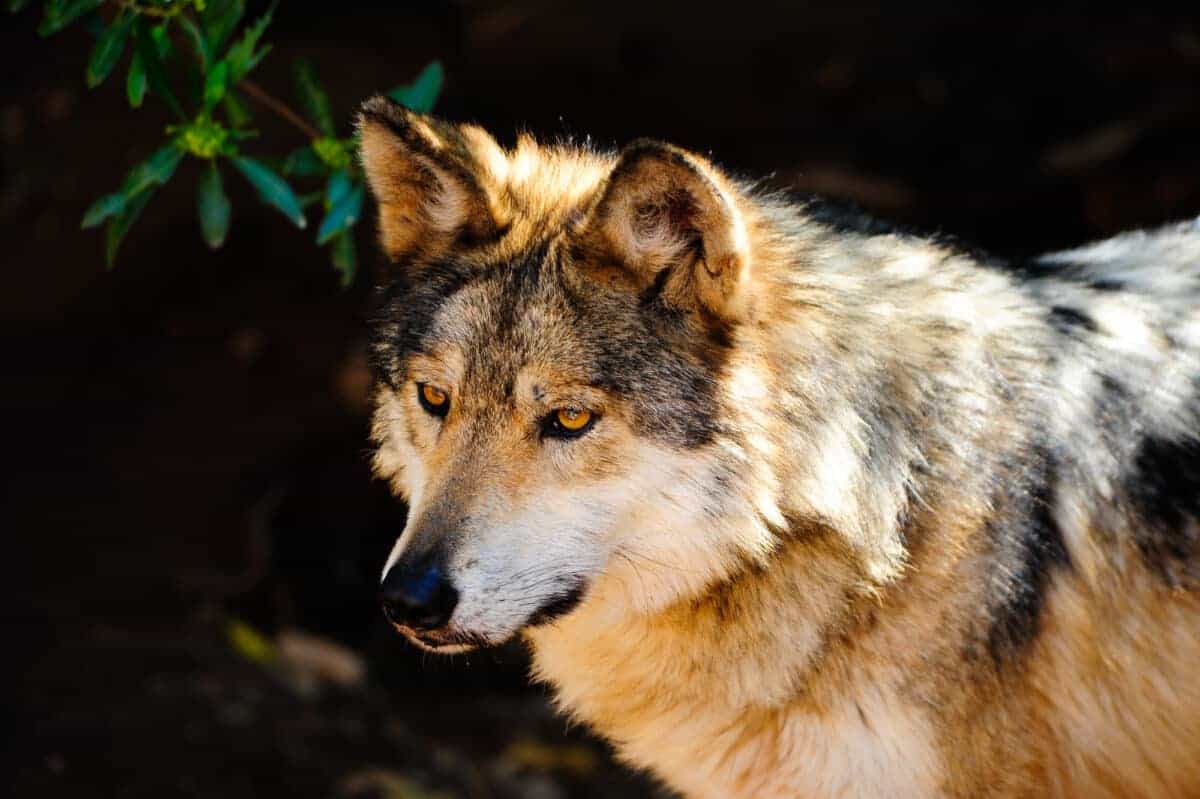
While the Yellowstone wolf reintroduction is often celebrated as an unqualified success, the recovery of the Mexican gray wolf in the Southwest tells a more complex story. The smallest North American gray wolf subspecies, the Mexican wolf was effectively eliminated from the U.S. by the 1970s, with just a handful of animals surviving in captivity. After decades of preparation and legal battles, reintroduction began in 1998 in the Blue Range of Arizona and New Mexico.
Progress has been significantly slower and more contentious than in Yellowstone. After more than two decades of recovery efforts, the wild population reached 186 wolves in 2020—a notable achievement but far below the numbers seen in the Northern Rockies. Recovery has been hampered by illegal killings, limited habitat, genetic challenges from the small founding population, and ongoing conflicts with livestock operations.
The Mexican wolf recovery illustrates how regional politics, cultural attitudes, and economic concerns can complicate conservation efforts. While biologists have made remarkable progress saving this subspecies from extinction, the program continues to face challenges balancing wolf recovery with human needs in a landscape vastly different from the more remote Northern Rockies. Nevertheless, the persistence of Mexican wolves represents a conservation success that seemed impossible just decades ago.
Gray Wolves in the Great Lakes Region

While Yellowstone’s wolves often dominate headlines, the most robust wolf recovery in the contiguous United States has actually occurred in the Great Lakes region. Minnesota maintained a small wolf population even during the species’ darkest days, with perhaps 500-1,000 wolves surviving in the remote northeastern part of the state when the species was listed under the Endangered Species Act in 1974.
From this remnant population, wolves gradually expanded their range. By 2020, the Western Great Lakes wolf population had grown to approximately 4,400 animals across Minnesota, Wisconsin, and Michigan’s Upper Peninsula. This recovery occurred naturally, without the need for reintroduction, as wolves dispersed into suitable habitat and prey populations (primarily white-tailed deer) were abundant.
The success of Great Lakes wolf recovery has led to multiple attempts to remove federal protections and return management to state control. This has resulted in a legal back-and-forth, with wolves being delisted and relisted several times as courts evaluate whether state management plans provide adequate protection. This ongoing saga highlights the challenge of determining when recovery goals have been met and how to transition from endangered species protection to sustainable management.
Bringing Back the Bison

The near extinction of the American bison represents one of the most dramatic wildlife population collapses in recorded history. The recovery began with the efforts of a few dedicated individuals who established small private herds from the few hundred animals that survived. Notable among these early conservationists was William Hornaday, who helped establish a captive herd at the Bronx Zoo, and the American Bison Society, founded in 1905.
Yellowstone National Park played a crucial role in bison conservation. From just 23 wild bison in 1902, the Yellowstone herd has grown to approximately 5,000 animals today, making it the largest wild, genetically pure bison population in North America. Conservation herds have also been established across the continent, from Banff National Park in Canada to the American Prairie Reserve in Montana and the Tallgrass Prairie Preserve in Oklahoma.
Despite this remarkable recovery, challenges remain. Of the roughly 500,000 bison in North America today, the vast majority are privately owned and managed as livestock, often interbred with cattle. Truly wild bison herds number fewer than 30,000 animals, and most are confined to relatively small areas compared to their historic range. Restoration of bison as wildlife outside parks and reserves faces significant obstacles, including concerns from the livestock industry about disease transmission, competition for grazing land, and property damage.
The Grizzly Bear’s Slow Path to Recovery

When grizzly bears received protection under the Endangered Species Act in 1975, only about 600-800 remained in the Lower 48 states, mostly in and around Yellowstone and Glacier National Parks. These isolated populations faced numerous threats, including habitat fragmentation, human-bear conflicts, and limited genetic diversity due to their isolation from larger populations in Canada and Alaska.
Recovery efforts focused on reducing human-caused mortality, protecting critical habitat, and educating the public about coexisting with bears. Progress has been slow but steady. Today, approximately 1,800 grizzlies inhabit the northern Rocky Mountains, with the largest populations in the Greater Yellowstone Ecosystem (about 700 bears) and the Northern Continental Divide Ecosystem around Glacier National Park (approximately 1,000 bears).
Unlike wolves, which can disperse quickly across large distances, grizzly bears expand their range gradually. Females typically establish territories near where they were born, limiting population spread. This biological constraint, combined with the challenges of coexistence in increasingly developed landscapes, means that grizzly recovery requires long-term commitment and patience. The future of grizzly recovery depends largely on establishing connectivity between currently isolated populations and maintaining social tolerance in communities where bears are recolonizing historic habitat.
Black Bear Resilience Across America

While the recovery of wolves, bison, and grizzly bears required intensive conservation intervention, the American black bear represents a different kind of comeback story. More adaptable and less threatening to human interests than their larger cousins, black bears managed to maintain significant populations even as other large mammals disappeared. Nevertheless, they were eliminated from many parts of their historic range, particularly in the Midwest and parts of the Southeast.
In recent decades, black bears have staged a remarkable natural recovery, recolonizing large portions of their former habitat. Their population in the contiguous United States has more than doubled since the 1980s, now estimated at over 300,000 animals. Bears have returned to states like Ohio, Missouri, and Oklahoma, where they had been absent for generations. In New Jersey, a state with the highest human population density in the nation, black bears have increased from fewer than 100 in the 1970s to over 3,000 today.
This recovery stems from a combination of forest regeneration across the eastern United States, legal protection from unregulated hunting, and the species’ remarkable adaptability to human-altered landscapes. Black bears have proven capable of living near human development, sometimes causing conflicts but generally avoiding direct confrontation. Their success story demonstrates how some species can recover alongside human communities when given basic protections and habitat.
The Economic Benefits of Wildlife Recovery

The return of iconic wildlife has generated significant economic benefits for communities near recovery areas. Nowhere is this more evident than in Yellowstone National Park, where wolf watching has become a major tourist attraction. Studies estimate that wolf-related tourism brings $35-$70 million annually to the Greater Yellowstone region, supporting hundreds of jobs in gateway communities.
Similar economic benefits have been documented with bison and bears. Wildlife watching is consistently ranked as one of the top reasons visitors come to national parks, with large mammals being particularly popular attractions. A 2016 National Park Service report found that visitors to Yellowstone spent $680 million in local gateway communities, supporting over 10,000 jobs—economic activity that depends substantially on the opportunity to see wildlife.
Beyond direct tourism impacts, recovered wildlife populations support broader ecosystem services with economic value, including improved watershed function, pollination, and carbon sequestration. They also contribute to property values near protected areas and support hunting opportunities in some regions. These economic benefits have helped shift local attitudes in many areas from opposition to support for wildlife recovery.
Ongoing Challenges and Conflicts

Despite substantial progress, wildlife recovery continues to face significant challenges. Livestock depredation remains a contentious issue, particularly for wolves and, to a lesser extent, bears. Though actual economic losses are typically small compared to other causes of livestock mortality, the emotional and psychological impacts on ranchers can be substantial, fueling opposition to predator recovery in rural communities.
Habitat fragmentation poses another major challenge. As human development continues to expand, wildlife corridors connecting core habitats become increasingly important but difficult to maintain. Climate change adds further complications, potentially shifting the distribution of suitable habitat faster than species can adapt or move.
Political and social divisions also complicate recovery efforts. Wildlife management has become increasingly polarized, with rural and urban Americans often holding divergent views about predator conservation. These divisions frequently manifest in legal battles over hunting seasons, management authority, and recovery goals. Finding common ground among diverse stakeholders remains one of the greatest challenges for sustainable wildlife recovery.
Indigenous Perspectives on Wildlife Restoration

For many Native American tribes, the return of wolves, bison, and bears represents more than ecological recovery—it’s the restoration of cultural keystone species with deep spiritual significance. Tribes across North America have been leaders in wildlife restoration efforts, often implementing conservation programs that blend traditional ecological knowledge with modern science.
The Confederated Salish and Kootenai Tribes of Montana, for example, established some of the first tribal wilderness areas specifically to protect grizzly bear habitat. The InterTribal Buffalo Council, representing over 80 tribes, has been instrumental in restoring bison to tribal lands, connecting communities with a species central to their cultural and historical identity. In the Southwest, many tribes have supported Mexican wolf recovery, with the White Mountain Apache Tribe playing a particularly important role.
These tribal initiatives often approach wildlife restoration differently than federal programs, emphasizing the cultural and spiritual dimensions of recovery alongside ecological goals. They frequently incorporate traditional knowledge about animal behavior and habitat needs developed through centuries of coexistence. As wildlife recovery efforts move forward, tribal perspectives and leadership continue to offer important alternative models for conservation.
Future Directions for Wildlife Recovery

The recovery of wolves, bison, and bears represents remarkable progress, but significant work remains to secure the long-term future of these species. For wolves, the challenge lies in finding sustainable management approaches that maintain ecological benefits while addressing human conflicts. Several states have implemented controversial wolf hunting seasons, testing whether recreational hunting can coexist with conservation goals.
For bison, the frontier of recovery involves expanding their presence as wildlife beyond park boundaries—a goal that requires addressing disease concerns and competition with livestock. Organizations like the American Prairie Reserve are working toward this vision by acquiring private ranchland and converting it to wildlife habitat where bison can roam freely across large landscapes.
Grizzly bear recovery faces perhaps the greatest challenges, as these animals require vast territories and have slow reproductive rates. Efforts are underway to establish connectivity between isolated populations, potentially including reintroduction to areas like the North Cascades in Washington and the Selway-Bitterroot region along the Idaho-Montana border.
The future of wildlife recovery in America will likely depend on innovative approaches that transcend traditional boundaries—both geographic and conceptual. Collaborative conservation involving diverse stakeholders, market-based incentives that reward wildlife stewardship, and creative land-use arrangements that accommodate both human needs and wildlife habitat will be essential to building on current successes.
Conclusion: The Ongoing Story of American Wilderness

The comeback of wolves, bison, and bears in the United States represents one of the most significant conservation achievements of the modern era. From the brink of extinction, these iconic species have reclaimed portions of their historic range, restoring ecological processes and enriching the American landscape. Their recovery symbolizes a fundamental shift in how Americans value wildlife and wilderness—a transition from viewing nature primarily as a resource to be conquered to recognizing its intrinsic worth and ecological importance. Yet these comeback stories remain works in progress, with ongoing challenges and unresolved conflicts that will shape the future of conservation.

From exploring the marine wonders in the Azores and witnessing the vast savannas of Kenya, to delving deep into the rich biodiversity of South Africa and traversing iconic landscapes in Australia and the US like Yellowstone, Chris's experiences are vast.
With a penchant for diving alongside sharks, the ocean holds a special place in his heart.
Through his academic insights, he champions wildlife conservation, striving with 'Animals Around The Globe' to cultivate a profound connection between humans and animals, enhancing our mutual appreciation.
Connect with him at Feedback@animalsaroundtheglobe.com.
- A Bear Journey Through The USA: 18 Best Bear Photos from 18 US States - July 19, 2026
- Elephant Matriarchs Know Every Waterhole for Miles - July 19, 2026
- Top 10 Dinosaur Relatives Still Roaming Earth Today - July 19, 2026