

Worried about unexpected vet bills?
Pet insurance can cover thousands in unexpected vet costs. Get a free quote from Lemonade in under 2 minutes.
Get My Free Quote →Sponsored · Opens Lemonade.com
Golf courses, with their expansive green landscapes, water features, and wooded areas, create perfect habitats for wildlife. While players focus on their swing and strategy, they sometimes find themselves sharing the fairway with unexpected animal guests. From alligators sunbathing on the green to monkeys stealing golf balls, these animal encounters add an element of wild unpredictability to the genteel sport. This article explores some of the most astonishing, humorous, and occasionally frightening animal encounters that have occurred on golf courses around the world, reminding us that sometimes the most memorable moments in golf have nothing to do with the game itself.
Alligators: The Ultimate Hazard

Perhaps no animal is more associated with golf course encounters than the American alligator. In states like Florida, South Carolina, and Louisiana, these prehistoric predators are frequent visitors to courses with water features. At the Players Championship at TPC Sawgrass, an enormous alligator measuring nearly 12 feet long became a social media sensation when it casually strolled across the fairway. In another famous incident at Myakka Pines Golf Club in Florida, golfers captured photos of a massive “dinosaur-sized” alligator that became known worldwide as the “Goliath” of golf course gators. Course managers in alligator country typically advise players to keep a safe distance (at least 30 feet) and never attempt to feed or approach these potentially dangerous reptiles. Most remarkably, play usually continues around these scaly spectators, with local golfers considering them just another hazard on the course.
Monkeys with Mischief on Their Minds

Golfers at courses throughout parts of Asia and Africa have encountered troops of monkeys that have developed a particularly troublesome habit: stealing golf balls. At courses in South Africa, vervet monkeys are known to dash onto the green, grab balls, and disappear into the trees. In Thailand and Malaysia, macaques have become so adept at this behavior that some courses employ “monkey watchers” to track their movements. At the Nedbank Golf Challenge in South Africa, players have watched helplessly as monkeys carried away their perfectly positioned balls. The primates seem to be attracted to the white, round objects, perhaps mistaking them for eggs or fruit. Some players have learned to carry extra balls specifically to accommodate these simian thieves, while others have reported watching monkeys playfully rolling and tossing stolen balls among themselves in what appears to be their own version of the game.
Rampaging Elephant Encounters

Golf courses near wildlife reserves in Africa and parts of Asia occasionally play host to elephants, creating both awe-inspiring and terrifying moments for players. At Skukuza Golf Club, located within South Africa’s Kruger National Park, elephants regularly wander across fairways, sometimes pausing to drink from water hazards or even uproot course markers. One particularly memorable incident occurred at Thailand’s Royal Chiangmai Golf Club when a bull elephant took offense at a golfer’s bright red shirt, charging across the course and forcing players to take shelter in a restroom building. Course rangers at elephant-prone locations often advise players to remain completely still if they encounter these massive mammals, as running can trigger a chase response. Despite their intimidating size, most elephant visits end peacefully, with the gentle giants simply passing through on their established migration routes that existed long before the courses were built.
Bears on the Back Nine

Courses in mountainous regions of North America have become accustomed to ursine visitors, particularly black bears and occasionally grizzlies. At Fairmont Hot Springs Resort in British Columbia, a black bear was filmed casually removing the flag from the hole, examining it briefly, and then wandering off with it. In Montana’s Whitefish Lake Golf Club, players witnessed a mother bear and her two cubs sliding down a steep embankment onto a fairway, rolling playfully in what appeared to be a family outing. Perhaps most dramatically, at Sierra Star Golf Course in Mammoth Lakes, California, a startled bear climbed a tree near the 13th tee box, remaining there for hours while bewildered golfers played through. Golf courses in bear country typically advise players to keep food secured, make noise when approaching blind corners, and carry bear spray during certain seasons. Many courses have developed specific bear protocols, including temporary closures of affected holes until the animals move on naturally.
Deadly Snake Surprises
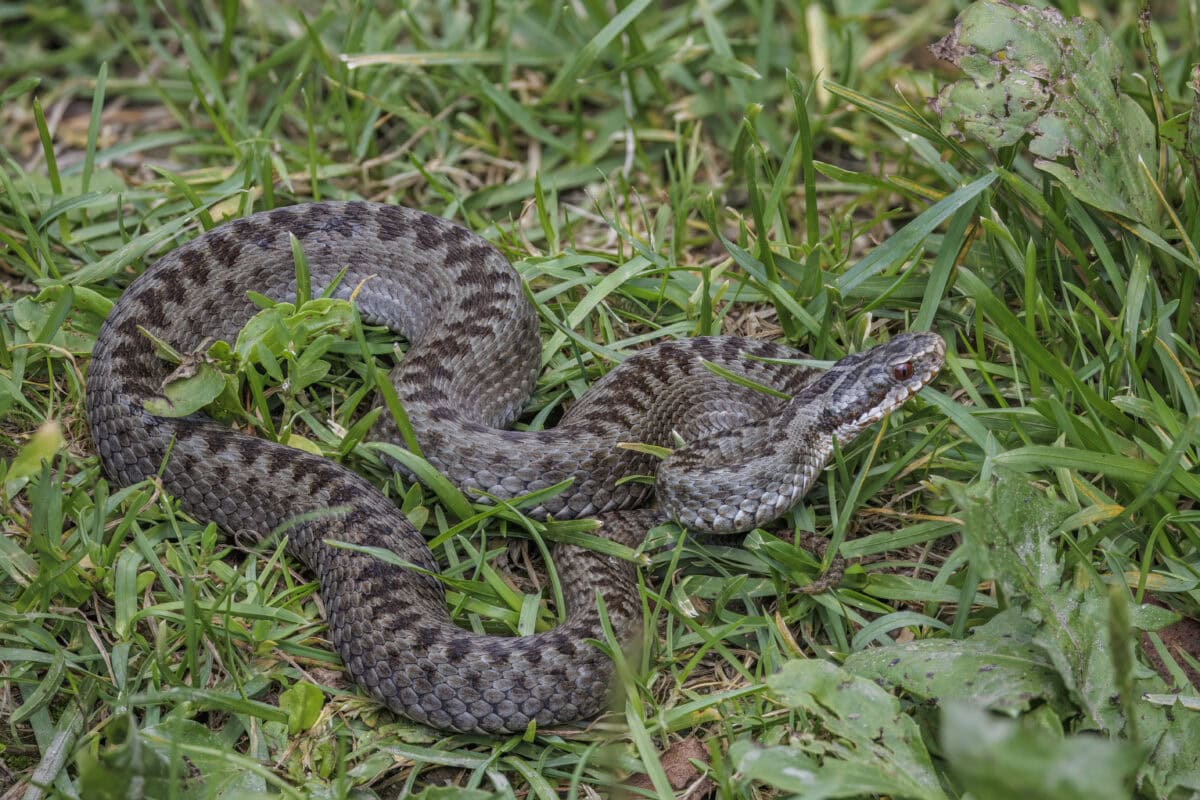
For many golfers, snakes represent the most feared animal encounter on the course. In Australia, where many of the world’s most venomous snakes reside, golfers have reported finding eastern brown snakes and tiger snakes coiled inside cups and under golf carts. At Emirates Golf Club in Dubai, a player discovered a saw-scaled viper—one of the world’s deadliest snakes—hiding in a bunker. In a particularly alarming incident at Arizona’s Troon North Golf Club, a rattlesnake struck at a player’s putter as he reached to retrieve his ball from the hole. Most golf courses in snake-prone regions train their staff in snake identification and safe removal techniques. Golfers are typically advised to inspect areas before reaching into them, especially holes, thick rough, and rock formations. Some courses in particularly snake-heavy regions have even started offering “snake awareness” briefings before rounds during peak snake season.
Kangaroos Taking Over Australian Courses
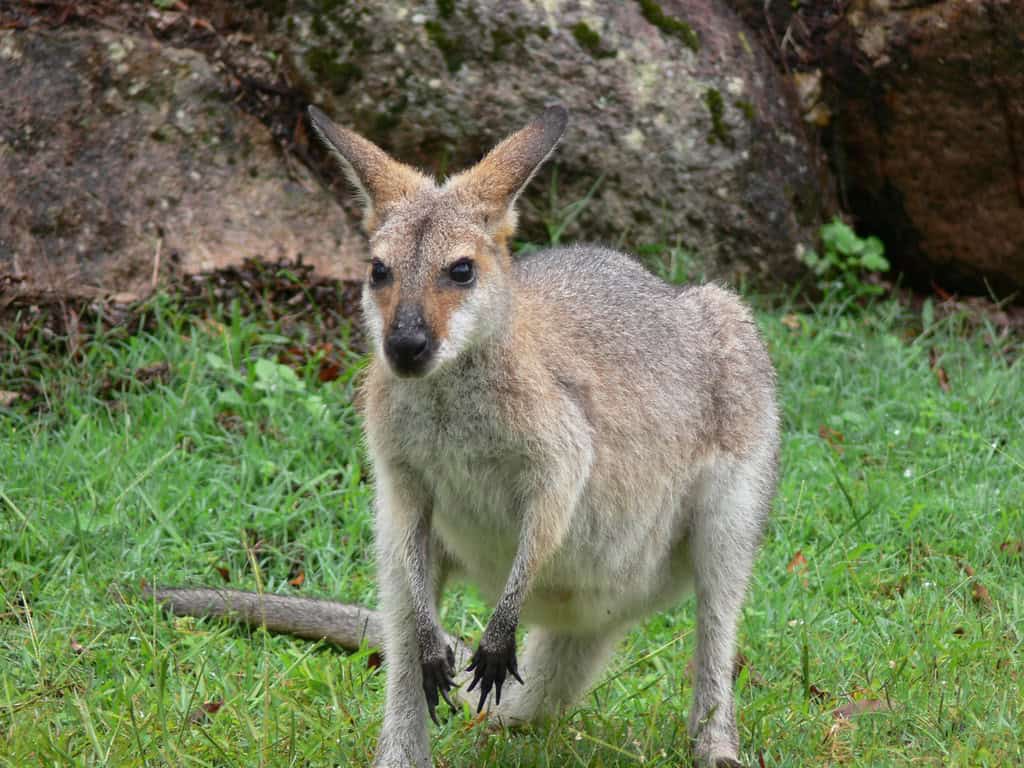
Australian golf courses face a uniquely native hazard: mobs of kangaroos that have claimed many fairways as their territory. Anglesea Golf Club in Victoria has become famous for its resident population of eastern grey kangaroos, with estimated numbers exceeding 300. These marsupials often lounge directly on fairways and greens, creating moving obstacles that players must navigate around. At Sanctuary Cove in Queensland, golfers witnessed a dramatic boxing match between two male kangaroos battling for dominance right on the 7th green, forcing a temporary pause in play. Most remarkably, kangaroos seem largely unfazed by golf activities, sometimes watching with apparent interest as balls fly overhead. While generally peaceful, male kangaroos can become aggressive during mating season, leading some Australian courses to post seasonal warnings. Many Australian courses have embraced their bouncy residents as a unique attraction, with some even incorporating kangaroo imagery into their logos and marketing materials.
Birds of Prey Making Dramatic Appearances
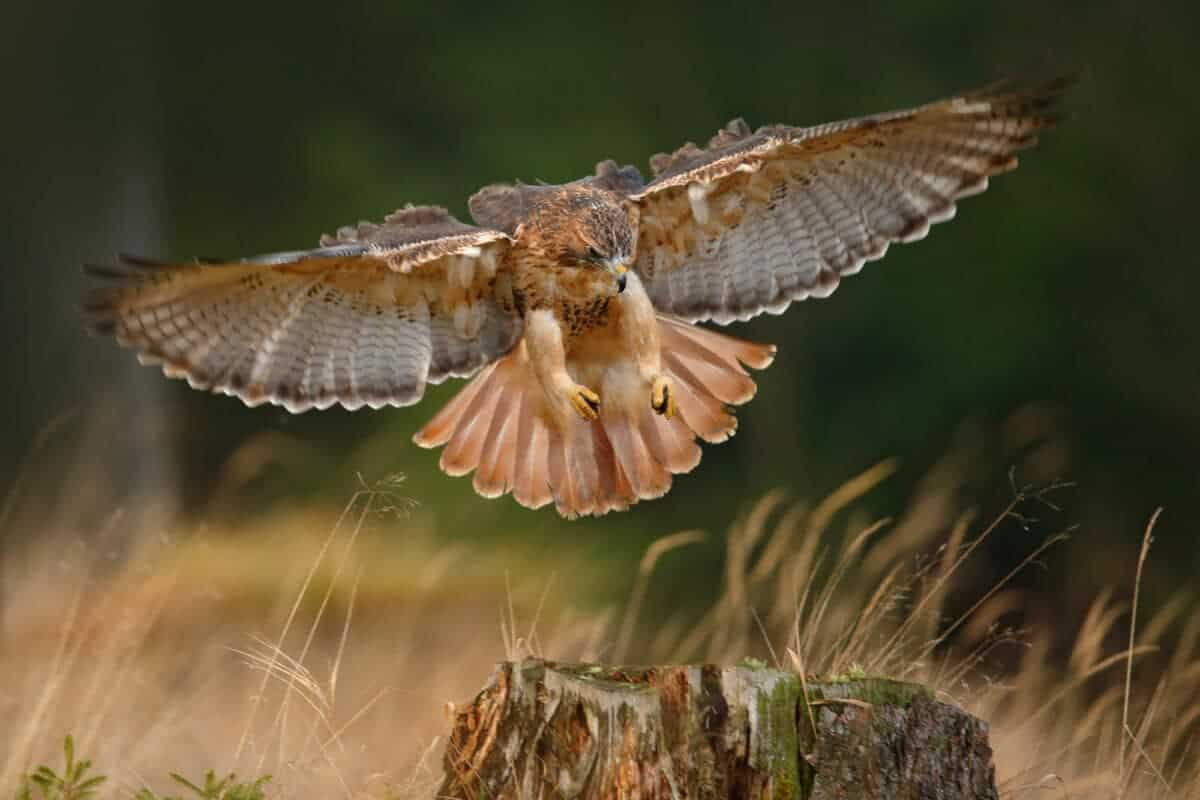
Raptors have created some of the most spectacular animal moments on golf courses worldwide. During the 2015 PLAYERS Championship at TPC Sawgrass, cameras captured an osprey diving into a water hazard and emerging with a large fish, creating a stunning nature documentary moment in the middle of a professional tournament. At Scotland’s famous St Andrews Links, a sea eagle was observed swooping down to capture a rabbit on the 18th fairway, creating a dramatic scene against the historic course’s backdrop. In a more aggressive encounter, at Desert Highlands Golf Club in Arizona, a nesting red-tailed hawk repeatedly dive-bombed golfers who ventured too close to her nest, forcing the temporary closure of two holes until the chicks fledged. Many courses have recognized the ecological value of these predatory birds and now install nesting platforms and boxes to encourage their presence, as they help control rodent and snake populations naturally.
Wild Boars Tearing Up the Turf

Among the most destructive golf course visitors are wild boars, whose rooting behavior can devastate carefully manicured turf overnight. At Hong Kong Golf Club, packs of wild boars have repeatedly invaded the course, using their powerful snouts to dig up large sections of fairways in search of grubs and roots. European courses face similar challenges, with Spain’s La Reserva de Sotogrande reporting damage to sprinkler systems when boars chewed through irrigation lines. In a particularly bold encounter at Italy’s Circolo Golf Torino, players arrived for an early morning round to find a sounder of boars still actively digging up the 5th green. Course superintendents have tried various deterrents, including ultrasonic devices and predator urine sprays, with limited success. Some European courses have resorted to installing partially buried fencing around critical areas, as these intelligent animals quickly figure out how to breach standard barriers. The financial impact of boar damage can be substantial, with some courses reporting annual repair costs exceeding $50,000.
Crocodile Confrontations
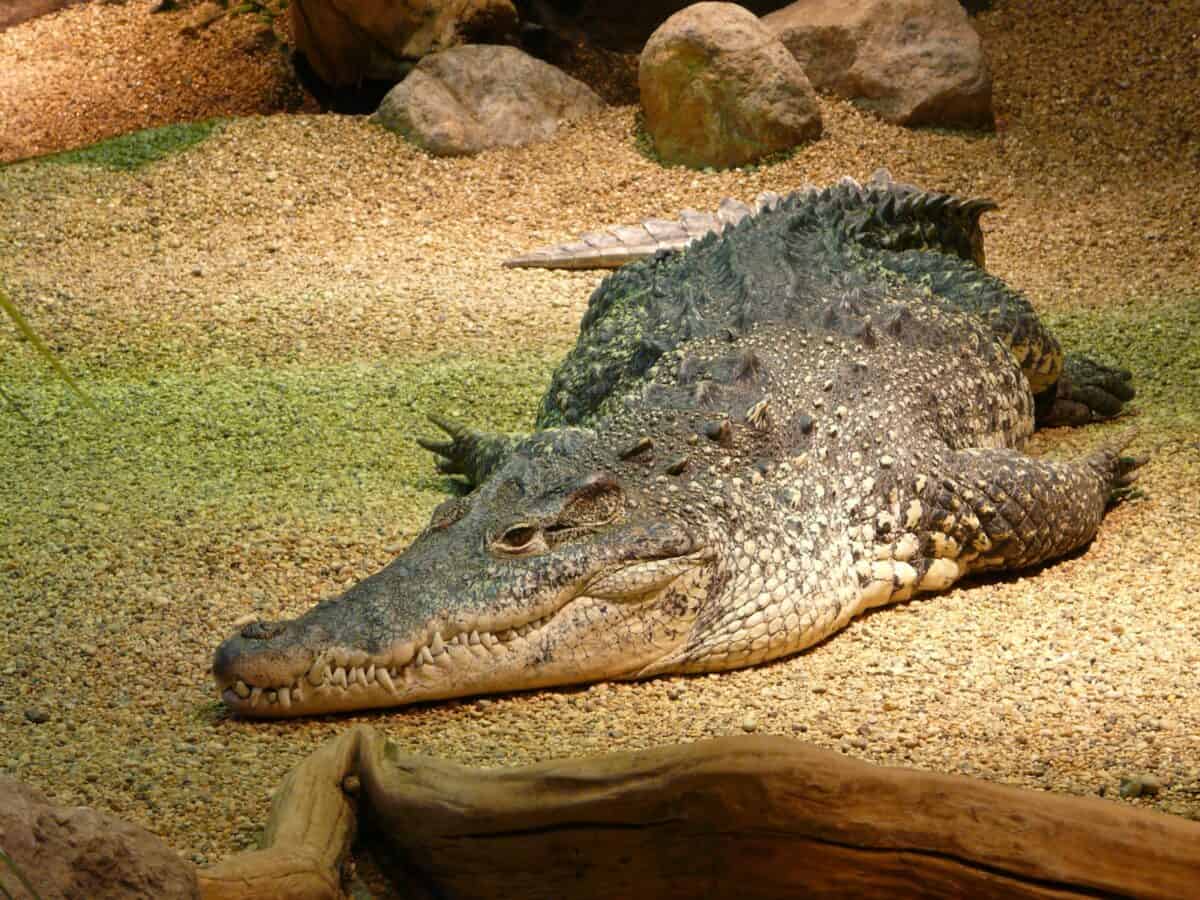
While alligators get most of the reptilian attention on golf courses, their more aggressive cousins—crocodiles—create genuinely dangerous situations when they appear. At Queensland’s Palmer Sea Reef Golf Course in Australia, saltwater crocodiles occasionally venture onto the course from nearby mangrove swamps, prompting immediate course closures and professional removal operations. In Mexico’s Cancun region, American tourists playing at the El Camaleon Mayakoba Golf Course captured video of a large crocodile with a sizeable fish in its jaws crossing directly in front of their cart. Unlike the relatively docile alligators that many Florida golfers have learned to ignore, crocodiles are treated with extreme caution by course management. Safety protocols at crocodile-prone courses are rigorous, including daily course inspections, warning systems, and strict prohibitions against approaching water features where these predators might be present. Many such courses maintain relationships with wildlife authorities who can quickly respond to remove these dangerous reptiles when spotted.
Foxes with a Flair for Theft

Foxes have developed a reputation on golf courses as cunning thieves with a particular interest in golf equipment. At London’s prestigious Wimbledon Golf Club, a family of urban foxes became notorious for stealing balls, gloves, and even small towels left unattended. In a widely circulated video from Royal Ascot Golf Club, a fox was filmed carefully selecting a specific headcover from a player’s bag while ignoring others, trotting off with its prize as if it had made a conscious choice. Their most unusual target, however, seems to be golf shoes. At multiple courses across England and Scotland, foxes have been caught stealing shoes left outside clubhouse doors, with some pairs found months later in dens up to a mile away. Course managers theorize that the leather and distinctive odors attract these curious canids. Some clubs in fox-heavy areas now post humorous warning signs about securing personal items from these four-legged “club members.” Unlike many other golf course wildlife encounters, fox interactions are rarely threatening, instead providing amusing anecdotes that become part of club lore.
Unexpected Marine Visitors
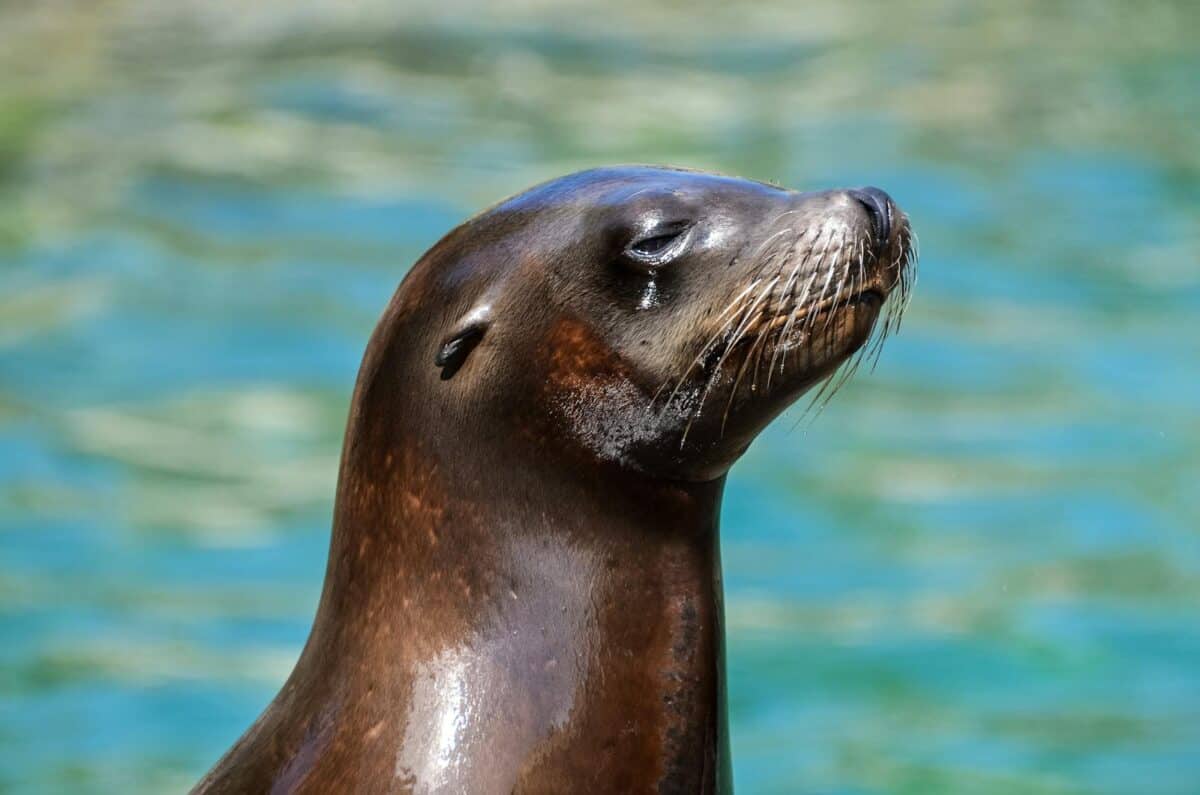
Coastal golf courses occasionally witness surprising visitors from the sea. At Pebble Beach Golf Links in California, during a particularly high tide and storm surge, players watched as a sea lion made its way onto the 18th hole, appearing disoriented before course staff were able to guide it back to the ocean. Scotland’s historic St. Andrews Links once had play interrupted when a small seal pup navigated its way up from the adjacent bay and onto the 18th green, refusing to move until wildlife experts arrived. Perhaps most unusually, at Hawaii’s Mauna Lani Resort, golfers witnessed a green sea turtle laboring across a coastal fairway, apparently making its way to a nesting site. In all these cases, course officials followed proper wildlife protocols, contacting marine mammal experts and giving these ocean visitors wide berth. For seaside courses, such occurrences, while rare, are considered part of the unique experience of playing alongside the ocean. Many coastal courses now include marine wildlife information in their player orientation materials, educating visitors about possible encounters and appropriate responses.
Coyotes: The Wily Course Residents

Across North America, coyotes have adapted remarkably well to human-modified landscapes, including golf courses, which provide them with ideal hunting grounds for rabbits and rodents. At Torrey Pines Golf Course near San Diego, players have reported coyotes following their groups throughout entire holes, waiting opportunistically for ground squirrels disturbed by golf activity. In an unusual incident at Phoenix’s Troon North, a coyote developed a habit of collecting lost golf balls, with workers discovering a cache of over 60 balls in a den near the 7th hole. While generally avoiding human interaction, there have been concerning reports of habituation. At courses in suburban Chicago, emboldened coyotes have approached golf carts, apparently hoping for food handouts from players. This potential for negative human-wildlife interaction has led many courses to implement coyote management plans, including prohibitions against feeding, removing accessible trash, and occasionally hazing techniques to maintain healthy fear of humans. Despite occasional concerns, most golf course managers recognize that coyotes provide valuable ecosystem services by controlling rodent populations that might otherwise damage turf.
The Future of Wildlife on Golf Courses

These extraordinary animal encounters reveal much about the unique ecological position golf courses occupy in our increasingly developed world. As natural habitats continue to shrink, the 2.5 million acres of golf courses worldwide often provide crucial green spaces where wildlife can find food, water, and shelter. Many courses have recognized this responsibility, with organizations like Audubon International certifying over 900 courses for their environmental stewardship. Modern course management increasingly incorporates wildlife corridors, native planting areas, and reduced chemical usage to support biodiversity. While some animal encounters create challenges for players and maintenance crews, they also offer remarkable opportunities for education and conservation awareness. The viral nature of many golf course animal videos has brought attention to species that might otherwise remain unfamiliar to the public. As climate change and habitat loss continue to pressure wildlife populations, golf courses that embrace sustainable practices may become increasingly important sanctuaries where humans and animals can share space—even if that occasionally means waiting for an alligator to cross the fairway or accepting that a monkey might make off with your ball.
Worried about unexpected vet bills?
Pet insurance can cover thousands in unexpected vet costs. Get a free quote from Lemonade in under 2 minutes.
Get My Free Quote →Sponsored · Opens Lemonade.com

- Will Desalination Save the U.S. from Water Collapse? - June 10, 2026
- The Region Where Animals Have No Natural Fear of Humans - June 10, 2026
- 18 Fascinating Facts About Horses and Weather Instincts - June 9, 2026