
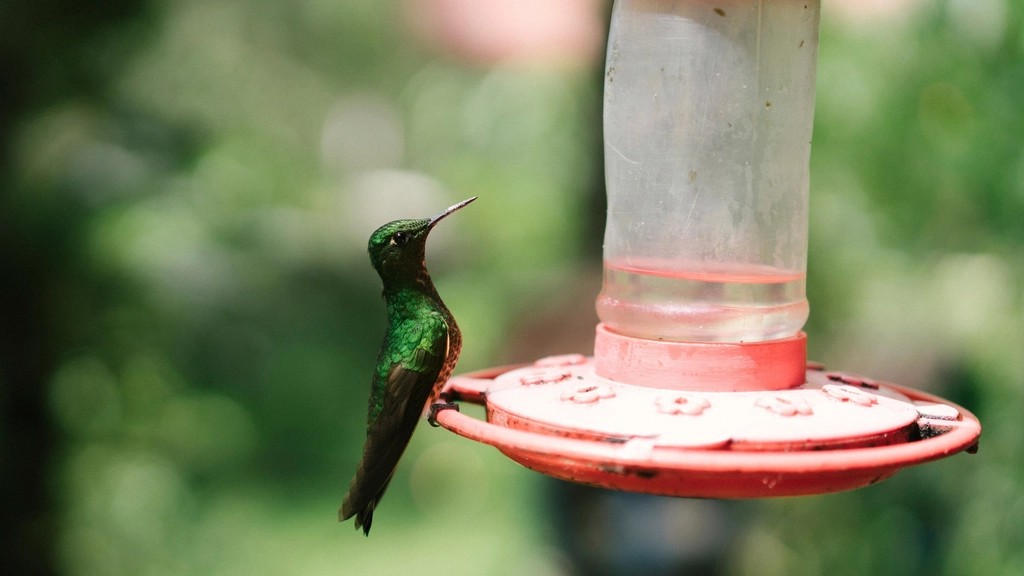
There’s a particular kind of heartbreak in watching a feeder go untouched all summer. You filled it faithfully. You waited. And season after season, nothing. Most people quietly conclude the hummingbirds simply moved on for good – blamed migration, blamed the neighbors’ yard, blamed bad luck – and eventually stopped trying. But here’s what the backyard birding community has quietly known for years: hummingbirds don’t abandon a yard randomly. They leave for specific, fixable reasons. And because they carry something close to a GPS in their brain – capable of memorizing precise feeding locations from years prior – the door back is never fully closed.
What’s remarkable is how few of the real fixes involve buying anything expensive. Some of the most dramatic comebacks experts document come from changes so simple they feel almost insulting. But there’s a catch: a few of the items on this list directly contradict what most casual birders have been doing for years. If you’ve been doing #5, for instance, you may have been quietly poisoning the very relationship you were trying to build. Keep reading – the full picture is worth it.
#1 – Commit to Long-Term Consistency Over Quick Fixes
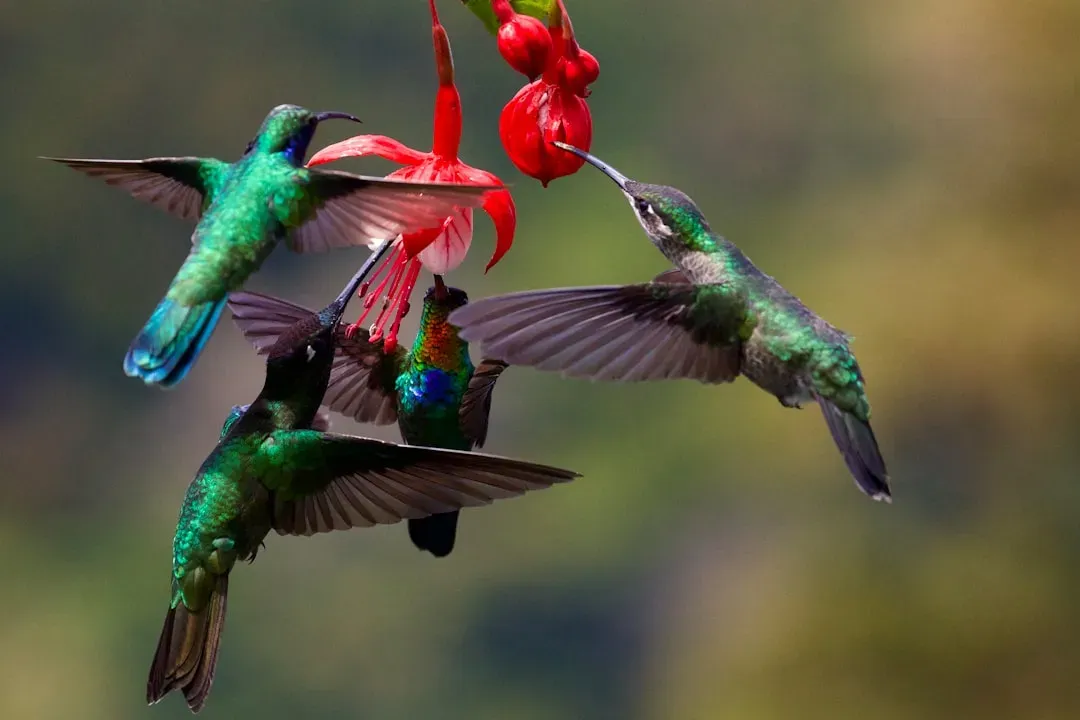
Every expert interviewed on the subject of reviving a cold yard eventually circles back to this one truth: hummingbirds are creatures of fierce habit, and they reward predictability above almost everything else. A yard that offers the same reliable setup – same feeder location, same plant clusters, same water source – season after season starts to register in a hummingbird’s mental landscape as permanent territory worth defending and returning to.
The hard part is trusting the process during the quiet seasons. Experts consistently describe a pattern where a yard goes two or even three summers with sparse visits, the owner commits to a consistent habitat anyway, and then suddenly the fourth summer brings more birds than the yard has ever seen – including young birds raised elsewhere by adults who remembered the spot. Patience here isn’t passive. It’s the actual strategy.
Fast Facts
- Hummingbirds possess an enlarged hippocampus compared to most other bird species, directly supporting their exceptional spatial and location memory.
- They navigate using a combination of landmarks, the sun’s position, and possibly the Earth’s magnetic field – making your yard’s consistent layout a literal landmark in their mental map.
- A reliable feeder maintained in the same location over weeks and months will be remembered and revisited even after long periods away.
- There are over 300 hummingbird species found throughout the Americas, from Alaska to Chile – multiple species may be passing through your yard across a single season.
- Wild hummingbirds typically live 3 to 5 years, meaning a bird that found your yard once may return for years if conditions remain trustworthy.
#2 – Avoid Frequent Changes to the Overall Setup
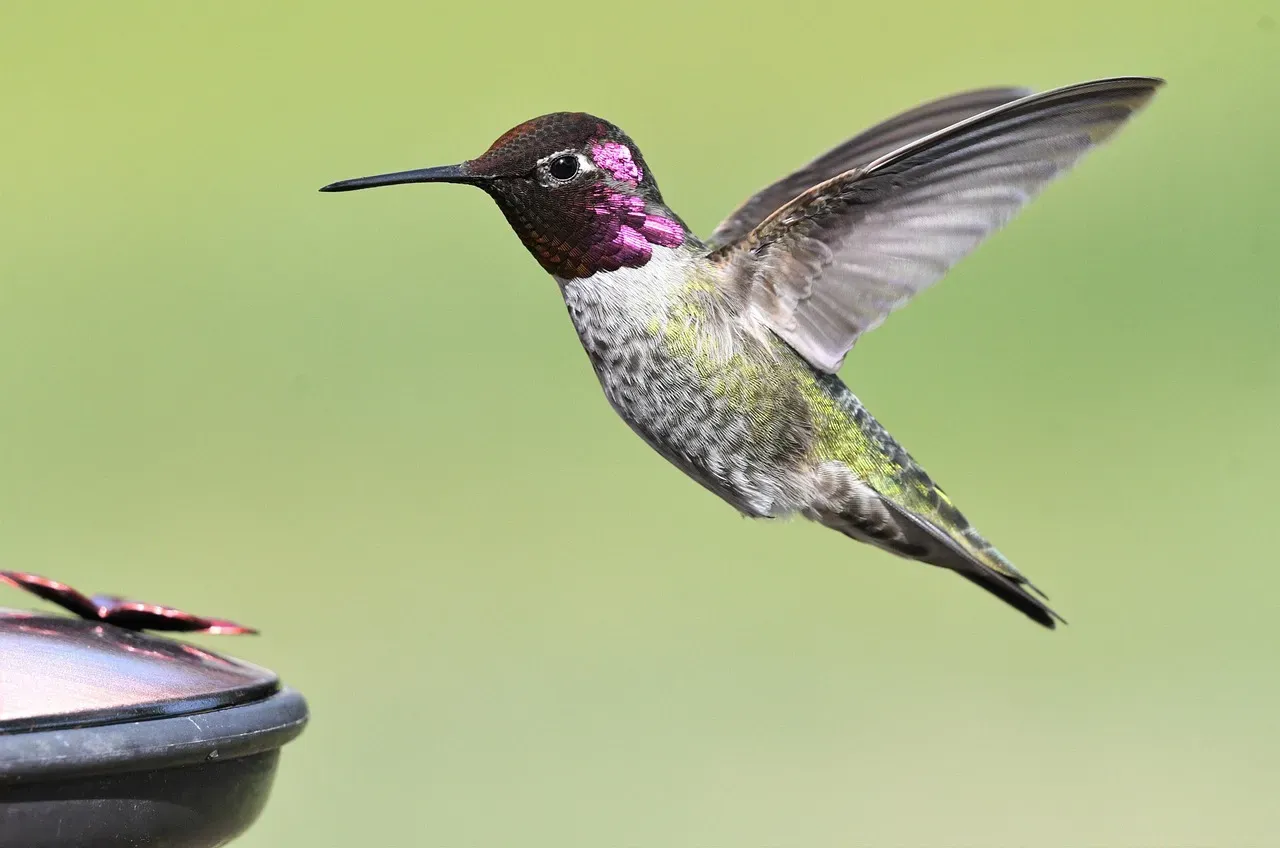
Here’s something that stings a little: that Pinterest-inspired yard refresh you did mid-July? It may have reset months of trust-building with the birds already scouting your space. Hummingbirds are wired to interpret sudden environmental changes as danger signals. A rearranged feeder cluster, new garden ornaments, or a swapped-out feeder style can read as “something is wrong here” to a bird whose survival depends on reading landscapes accurately.
Experienced birders describe this as the most common self-inflicted wound in hummingbird hosting. The urge to improve the setup is natural, but mid-season changes often do more harm than good. If you want to make adjustments, do it in late fall after migration – not during peak visiting windows. Stability is the signal that tells these tiny migrants: this place is safe, this place is reliable, this place is worth coming back to.
#3 – Keep Feeders in the Exact Same Spot Every Season
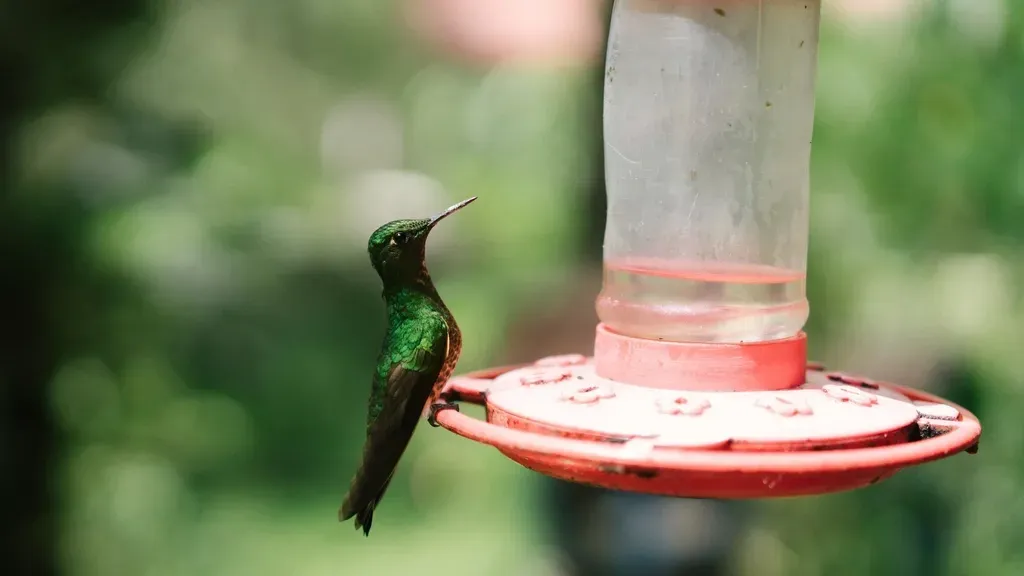
Returning hummingbirds – especially males who scout ahead of females – have been documented arriving at the precise coordinates of last year’s feeder within hours of returning from migration. Not the general area. The exact spot. This spatial memory is one of the most well-documented and genuinely astonishing facts about these birds, and it has a direct practical consequence: moving a feeder, even a few feet to a “better” location, can cause a returning bird to miss it entirely and mentally file your yard as unreliable.
Many abandoned yards trace their problem to nothing more dramatic than this. Someone moved the feeder to a sunnier spot, or hung it from a different hook, and the birds that had been returning for years simply didn’t find it and moved on. If you need to reposition, do it incrementally – a foot at a time over several weeks – so the birds can track the change rather than losing the source altogether.
#4 – Set Feeders Out Early and Leave Them Up Late
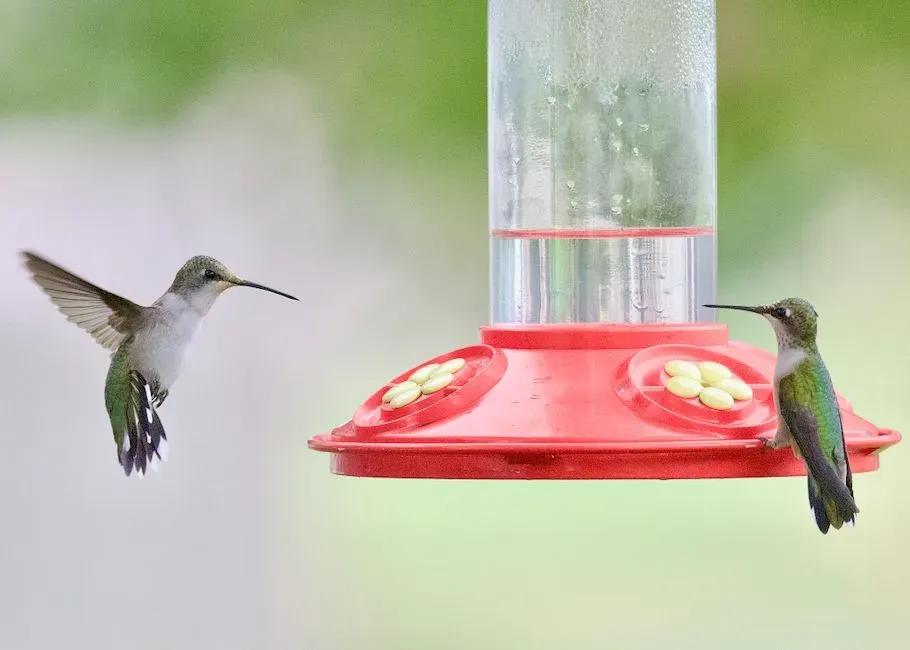
One of the most consistent findings among serious backyard birders is that the yards with the longest visiting seasons are the ones that treat the calendar aggressively. Hummingbirds scout potential territories weeks before peak season arrives, and the feeders that are already stocked and waiting earn an outsized advantage in the birds’ mental routing. A yard that’s ready in early spring gets penciled into migration maps. A yard that puts feeders out “when we start seeing them” is perpetually playing catch-up.
The same logic applies to fall. Many people pull feeders when they stop seeing birds, not realizing that late migrants – especially juveniles making their first solo journey south – may be passing through well after the regulars have left. Leaving feeders stocked into October in most of the U.S. costs almost nothing and can mean the difference between a single-generation visitor and a multi-year return relationship with a bird that remembers your yard as the reliable stop it found during its first migration.
At a Glance: Feeder Timing Calendar
- Early spring: Put feeders out 1 to 2 weeks before your region’s first expected arrival date – scout males arrive first.
- Peak summer: Keep all feeders fully stocked; this is the highest-traffic window for establishing territorial memory.
- Late August–September: Ruby-throated hummingbirds need to nearly double their body weight before crossing the Gulf of Mexico – your feeder is a critical fuel stop.
- October and beyond: Leave feeders up for at least 1 to 2 weeks after your last sighting to support late juvenile migrants on their first solo flight south.
- Year-round in warm climates: Bring feeders indoors overnight if temperatures drop below freezing; return them outside at dawn when hummingbirds need immediate energy.
#5 – Use the Precise 1:4 Sugar-to-Water Ratio with No Extras
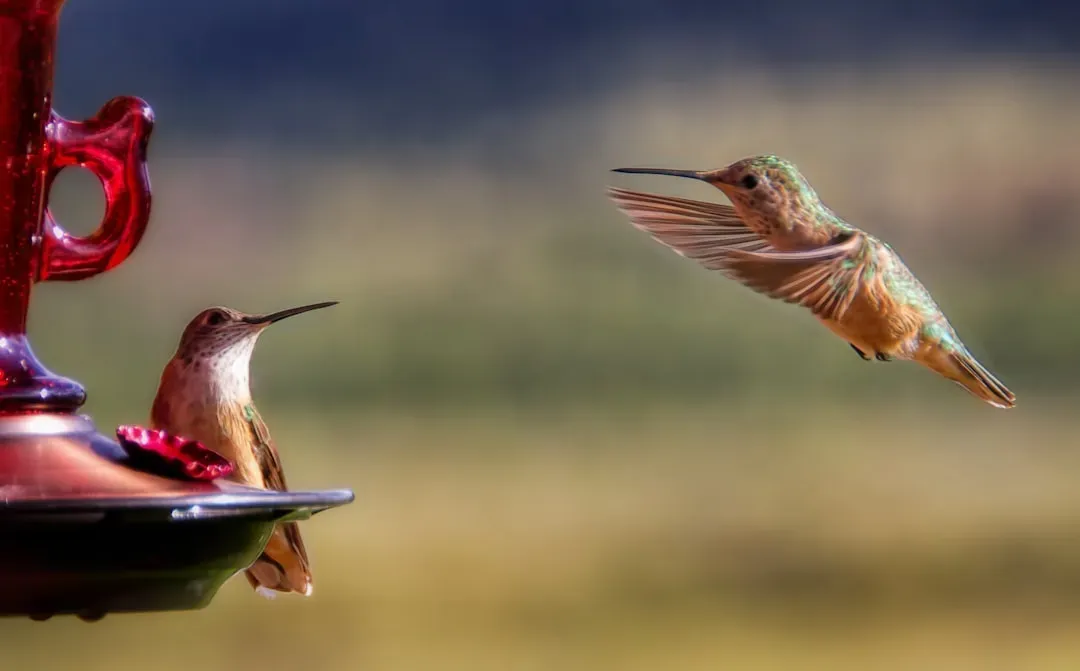
Walk down the wild bird supply aisle and you’ll find nectar mixes in a dozen colors and formulas, all promising to attract more hummingbirds faster. Almost all of them are unnecessary at best and quietly harmful at worst. The nectar formula that works – the one that matches what flowers actually produce – is brutally simple: one part plain white granulated sugar dissolved in four parts water, boiled to reduce contamination, then cooled completely before filling the feeder. That’s it. This 1:4 ratio mirrors the roughly 20% sugar concentration naturally found in the flowers hummingbirds prefer most.
The extras are where things go wrong. Honey sounds wholesome, but it promotes dangerous bacterial growth and can cause a fatal fungal infection on a hummingbird’s tongue. Brown sugar carries traces of molasses and iron that can be harmful over time. Artificial sweeteners provide zero calories and essentially starve the birds while they feed. Even “hummingbird vitamins” sold in stores are untested for these animals and potentially dangerous. The birds that have stopped visiting a yard that used enhanced mixes often return quickly once the owner switches to plain sugar water and commits to keeping it fresh.
Quick Compare: What to Use vs. What to Skip
- ✅ White granulated sugar + water (1:4): Matches natural flower nectar concentration – safe, effective, inexpensive.
- ❌ Honey: Promotes dangerous bacterial growth and can cause fatal fungal tongue infections.
- ❌ Brown or raw sugar: Contains molasses and iron traces that may harm hummingbirds over repeated feedings.
- ❌ Artificial sweeteners: Zero calories – birds feed but effectively starve.
- ❌ Red dye or colored nectar: Unnecessary and potentially harmful; the red on your feeder is all the color signal needed.
- ❌ Commercial “enhanced” nectar mixes: Largely untested additives with no documented benefit to the birds.
#6 – Clean Feeders Every Two to Three Days Without Fail
This is the one rule that separates thriving hummingbird yards from ones that mysteriously go quiet – and it’s the one most people are underestimating. In warm weather, sugar water begins fermenting within 24 to 48 hours. What looks perfectly clear to human eyes has already started turning. And hummingbirds, whose survival depends on reading food sources accurately, can detect sour nectar and will simply stop visiting rather than risk it.
The detail that stops most people cold: black mold that develops in neglected feeders can cause candidiasis, a fungal infection that causes a hummingbird’s tongue to swell – making it impossible for the bird to feed even when food is available. Full disassembly, a thorough scrub with hot water and a diluted white vinegar solution, and complete drying before refilling prevents this entirely. Yards that adopt a strict cleaning schedule often see birds reappear within a week of previously going cold.
Worth Knowing: Cleaning by Temperature
- Above 90°F: Clean and change nectar daily – heat makes nectar toxic in under 24 hours.
- 80°F to 90°F: Clean every 2 days; never simply top off old nectar – always empty and refill.
- 60°F to 80°F: Clean every 3 to 5 days, but change nectar immediately if it turns cloudy or develops a sour smell.
- Below 60°F: Weekly cleaning minimum, regardless of how cool conditions seem.
- Warning signs: Cloudy nectar, black or green spots, white stringy film, or a fermentation odor all mean clean now – don’t wait for the scheduled day.
#7 – Never Use Red Dye or Colored Nectar
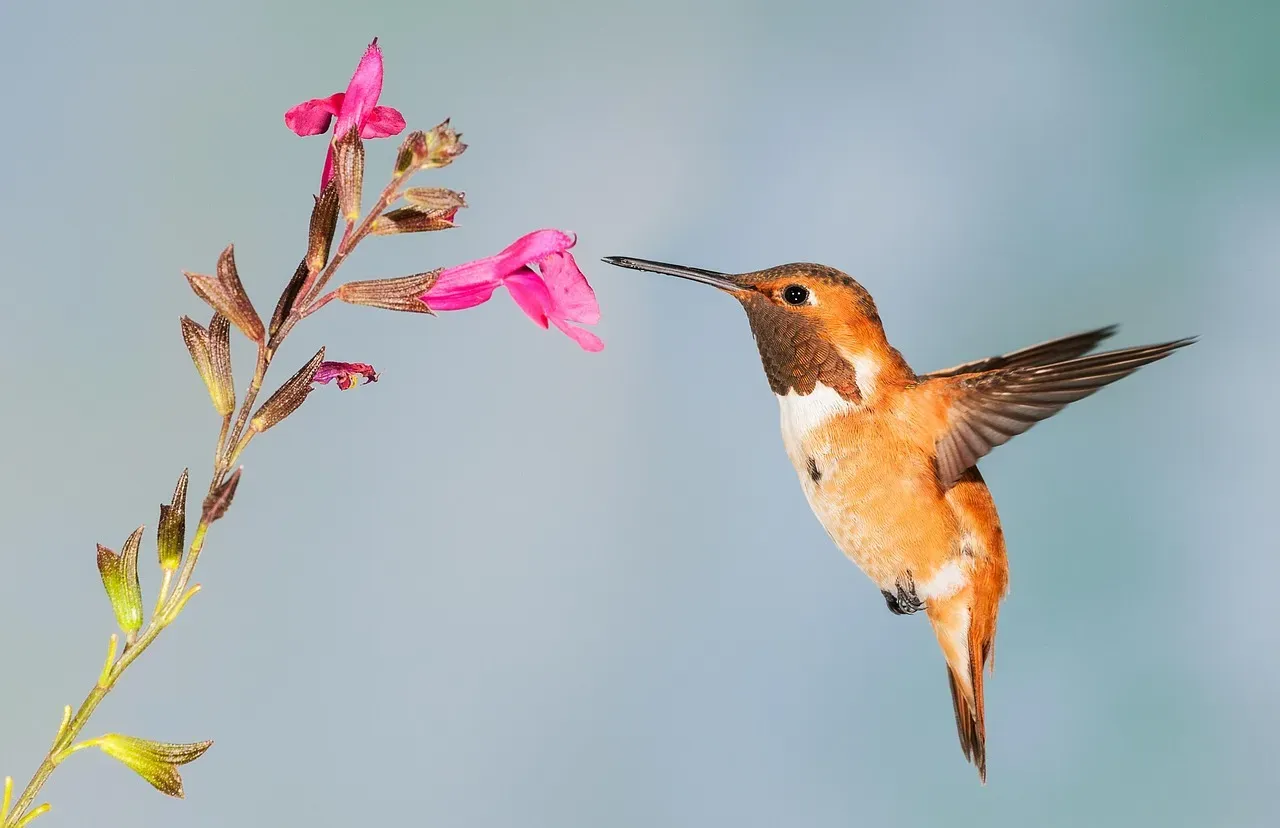
The red dye myth is one of the most persistent in backyard birding, and it has cost more birds more harm than almost any other well-meaning mistake. The logic seems sensible: hummingbirds love red flowers, so red nectar must be extra attractive. But hummingbirds locate food sources primarily by shape and location memory, not nectar color. The red on a feeder’s ports and reservoir is more than sufficient. The dye in the liquid itself does nothing useful.
What it may do instead is accumulate in a small bird’s body over repeated feedings in ways that are still not fully understood. Enough ornithologists and wildlife rehabilitators have raised red flags – no pun intended – that most serious birding organizations now advise skipping dye entirely. This is one of those cases where the “extra” thing you were doing to help was quietly working against you. Strip it out. Plain clear nectar in a red feeder works perfectly, costs less, and removes an unnecessary variable from the equation.
#8 – Place Feeders in Consistent Shade
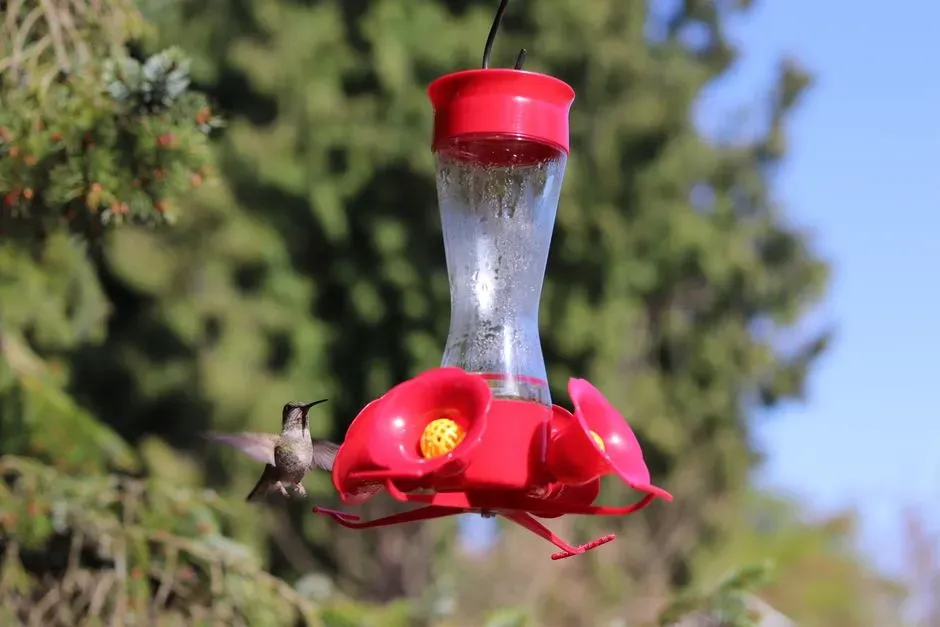
Direct afternoon sun is one of the most overlooked enemies of a reliable feeding station. UV exposure and heat accelerate fermentation dramatically – nectar that would last two days in shade can go sour in hours under a summer sun. This means more frequent changes are needed just to maintain safe conditions, and if the schedule slips at all, birds quickly learn that feeder equals unreliable food.
The sweet spot most experts recommend is a location that gets gentle morning light and shade by midday – enough light to make the feeder visually findable, not so much heat that you’re running a fermentation experiment. An east-facing position under a tree canopy often works perfectly. Even moving an existing feeder from full sun to partial shade, without changing anything else, has been enough to restart visits at yards that had been quiet for a full season.
#9 – Hang Multiple Feeders Far Apart to Reduce Aggression
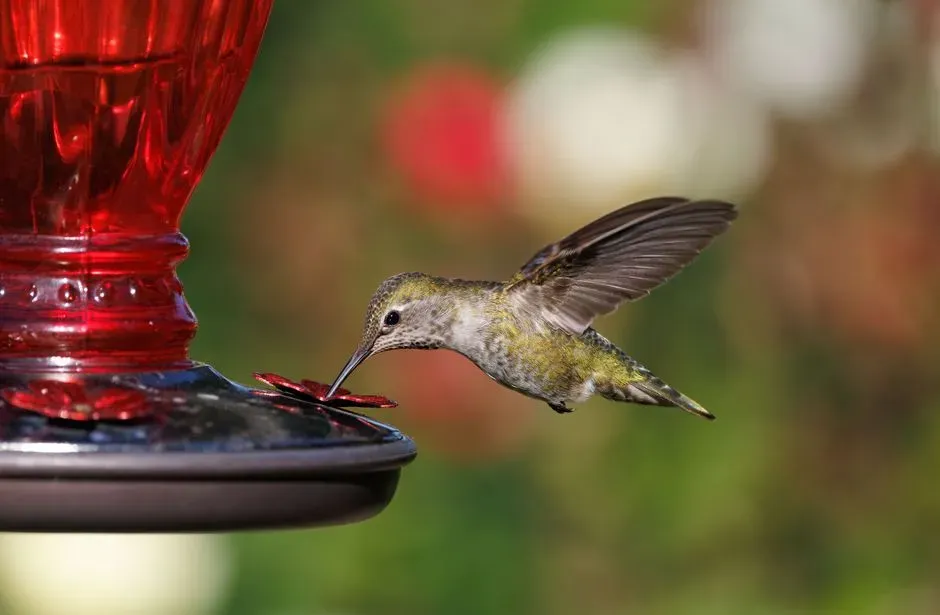
One of nature’s great ironies: the more generous you try to be by stocking a single large feeder, the fewer birds you may actually serve. Hummingbirds are intensely territorial, and a single dominant male will claim one feeder as his entire kingdom, spending more energy chasing competitors than he does actually feeding. The result is a yard that buzzes with conflict but never sustains a real population.
The fix is elegant once you understand the behavior: place multiple feeders out of sight of each other. When a dominant bird can’t see the other feeders from his perch, he can only guard one at a time. The others become open territory. Experienced birders with three or four well-spaced feeders routinely see triple or quadruple the traffic of yards running a single central station. The spatial separation doesn’t just reduce conflict – it genuinely expands the number of birds a yard can support.
Why It Stands Out: The Multi-Feeder Advantage
- A single dominant male can monopolize one feeder entirely, physically preventing other birds from feeding for hours at a time.
- Feeders placed out of each other’s sightline break territorial control – a guarding bird literally cannot defend what he cannot see.
- Three or four well-spaced feeders can support dramatically more birds than one large feeder of equivalent total capacity.
- Spacing feeders on opposite sides of the house – front yard and back yard – is one of the simplest and most effective arrangements.
- More birds using more feeders means more established “regulars” who remember your yard and return across multiple seasons.
#10 – Plant Native Tubular Flowers in Clusters
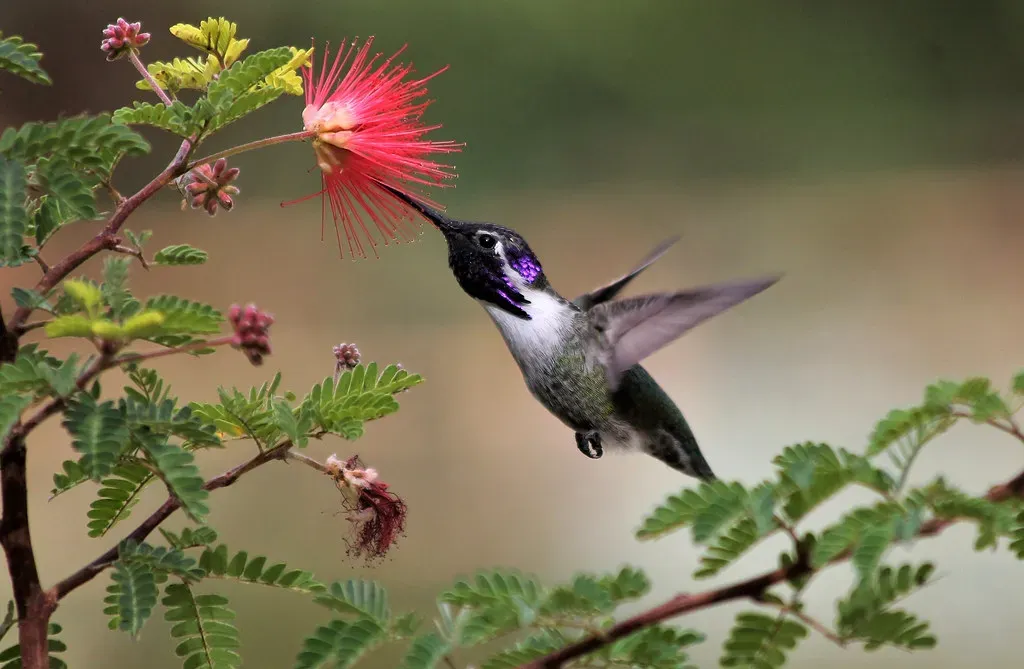
A feeder is a convenience store. A garden of native flowering plants is a home. Hummingbirds that find both in the same yard don’t just visit – they nest nearby, establish the location as primary territory, and return with their offspring. The specific plants matter enormously. Tubular blooms in red, orange, and deep pink – bee balm, salvia, cardinal flower, trumpet vine, penstemon – are shaped precisely for hummingbird bills and produce nectar in quantities that put commercial mixes to shame.
The less obvious benefit is ecological: native plants support the small insect populations that hummingbirds depend on for protein. Sugar water feeds their flight engine; insects build their bodies, fuel egg production, and feed their nestlings. A yard with diverse native plantings essentially becomes a complete habitat rather than just a refueling station. Birds that spent years flying over a yard have been documented returning to nest within seasons of a meaningful native garden being established.
#11 – Add Simple Perches Near Every Feeder
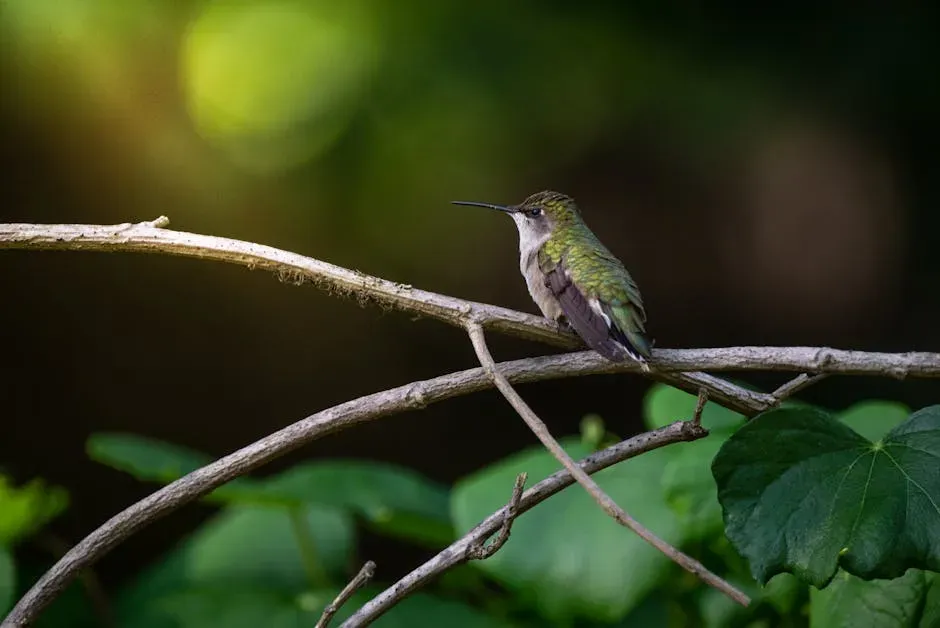
Hovering burns an extraordinary amount of energy. Hummingbirds have the highest metabolism of any vertebrate on Earth – their heart rate can reach up to 1,260 beats per minute while hovering, and they burn roughly 10 times more calories per minute flying than while sitting on a perch. The ability to rest between feeding bouts isn’t a luxury; it’s a survival necessity. A feeder hanging in open space with no nearby perch forces every visiting bird to either hover continuously or leave entirely. Over time, birds learn to favor sites where they can rest, watch for competitors, and conserve energy between feeds.
The good news is that the solution is almost embarrassingly simple. A bare twig, a small dowel zip-tied near the feeder, a shepherd’s hook crossbar – any horizontal surface within a few feet transforms the feeding experience for the birds. Longtime birders describe this as one of the highest-impact low-cost changes a yard can make. Adding perches to previously bare feeders has visibly increased visit duration and return frequency within days in multiple documented personal accounts.
#12 – Provide Shallow Water Sources or Misters
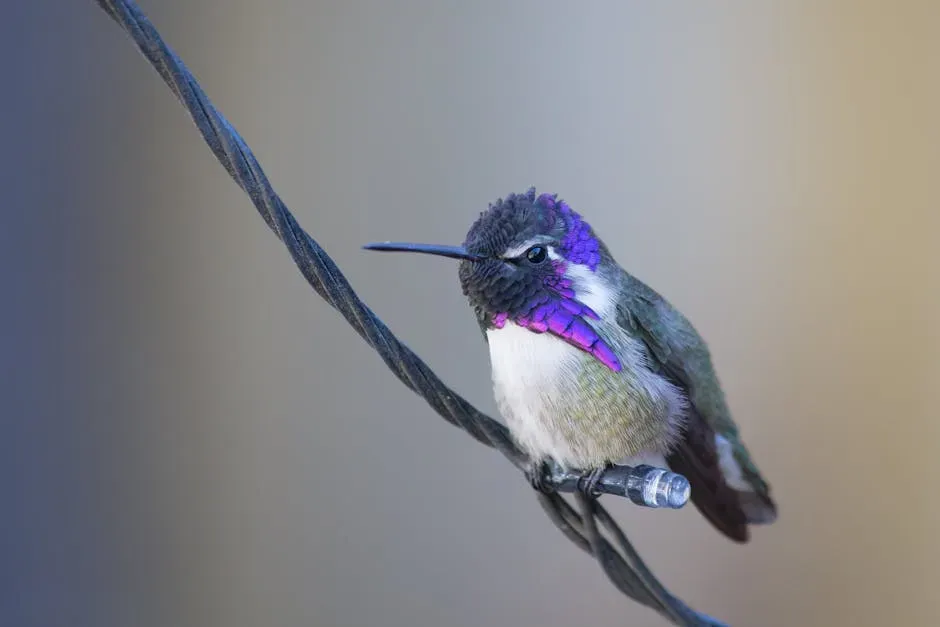
Most birders think about nectar and food when they think about attracting hummingbirds. Far fewer think about water – which is exactly why a mister or shallow water feature can become your yard’s most powerful differentiator. Hummingbirds bathe frequently to maintain their feathers, and their need for bathing is as pressing as their need for food. Standard birdbaths are too deep; hummingbirds want a gentle spray or a very shallow dish where they can flutter in a thin film of moving water.
A simple garden mister attached to a shrub or small tree creates what experienced birders describe as an almost irresistible draw – birds that have ignored a yard’s feeders for seasons have been lured in by water movement alone, then discovered the food source and stayed. Keep the water moving to avoid mosquito breeding. Even in yards where the nectar setup is already solid, adding a mister is consistently ranked among the top additions for sustaining and growing a returning population.
#13 – Eliminate All Pesticides from the Yard
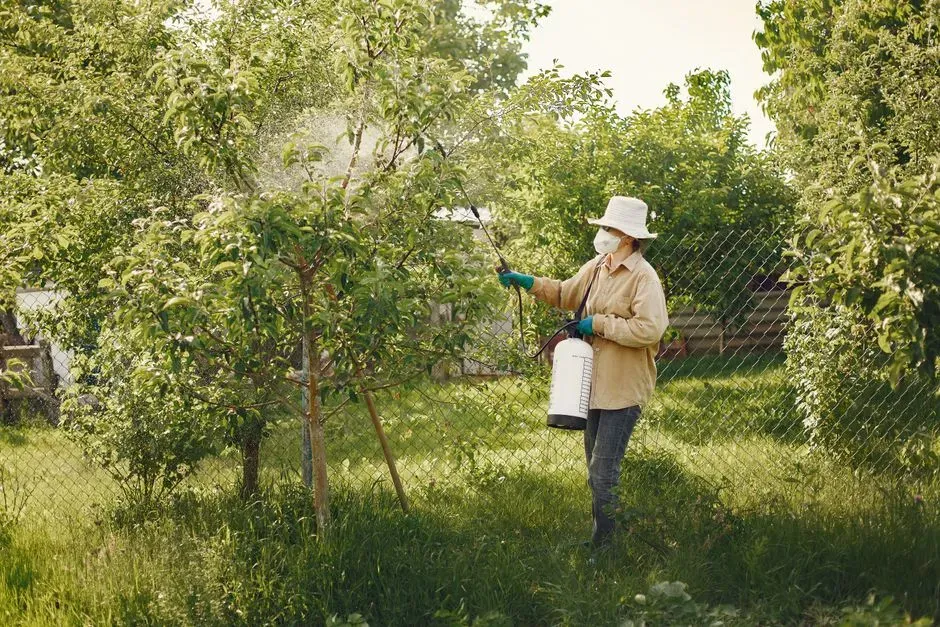
Here’s the hidden sabotage that defeats otherwise perfect setups: a pristine feeder full of fresh nectar, surrounded by chemically treated plants, in a yard where the insects have been systematically eliminated. Hummingbirds can’t live on sugar water alone. They require the tiny gnats, aphids, spiders, and fruit flies that a healthy yard naturally produces – for their own protein needs and especially for feeding nestlings, who cannot survive on nectar at all in their first weeks of life.
The cruelest version of this problem is that it’s invisible. Birds visit, feed briefly, and leave – never staying long enough to establish territory – because the yard can’t actually support them nutritionally. Switching to organic pest management and tolerating some insect activity isn’t just an environmental gesture; it’s a direct investment in the food chain that makes your yard genuinely livable for hummingbirds rather than just visitable. Long-term observers consistently find that pesticide-free yards sustain deeper, more loyal populations than chemically managed ones.
#14 – Create Windbreaks and Shelter Around Feeding Areas
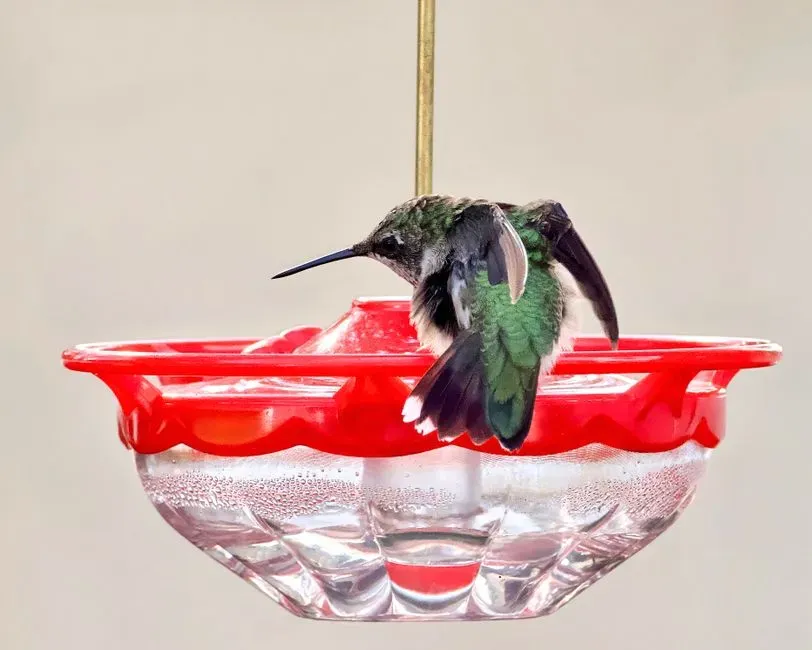
A feeder swinging in a strong wind isn’t just inconvenient – it’s genuinely dangerous for a bird whose flight precision is its survival skill. Hummingbirds need to hover with extraordinary control to feed, and gusty conditions make that difficult enough to be discouraging. More importantly, exposed feeding areas offer no refuge from the hawks, cats, and larger birds that treat hummingbirds as prey. Open setups keep birds on edge, limiting visit duration and frequency.
Dense shrubs, a vine-covered trellis, or a simple fence panel placed to break prevailing wind transforms the microclimate around a feeder. Sheltered yards retain birds during weather events that empty exposed neighbors’ yards entirely. Experts note that this effect is most visible during storm fronts and windy migration days – precisely the moments when a weary migrating bird most needs a protected, reliable stop. Building that shelter is what turns a yard from a waypoint into a destination.
Worth Knowing: What Makes a Shelter Work
- Dense shrubs or a vine-covered trellis on the windward side of a feeder dramatically reduce dangerous feeder swing in gusts.
- Ideal feeder placement: 10 to 15 feet from dense vegetation – close enough for quick escape cover, far enough to stay clear of ambush predators like cats.
- Sheltered spots retain visiting birds during storm fronts, the exact moments when exhausted migrants need a protected stop most urgently.
- Morning sun with afternoon shade in a sheltered position checks every box: visually findable, thermally stable, and physically safe.
#15 – Attract Tiny Insects with Overripe Fruit Nearby
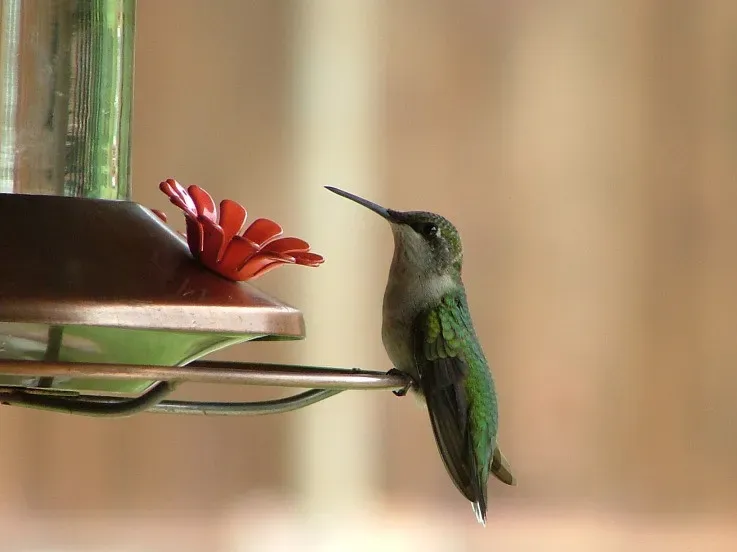
This is the insider move that separates the yards people casually maintain from the ones that become known neighborhood landmarks for hummingbird activity. Hanging a small mesh bag of overripe banana peels or bruised fruit near your feeders creates a natural gnat and fruit fly magnet – exactly the protein sources that complement nectar and make your yard a complete nutritional environment rather than just a sugar stop.
The long-term payoff is significant. Birds that find both carbohydrate and protein sources in a single yard are dramatically more likely to establish it as primary territory, return in subsequent seasons, and nest nearby. Experts who’ve studied multi-year yard populations point to protein availability as one of the strongest predictors of sustained hummingbird loyalty. It costs almost nothing, requires no maintenance beyond replacing the fruit weekly, and addresses a nutritional gap that even the most perfectly maintained feeder setup can’t fill on its own.
Hummingbirds didn’t leave your yard because they forgot it existed. They left because something in the equation stopped working – a spoiled feeder, a vanished insect population, a setup that felt unstable or unsafe. Every single fix on this list targets a real, documented reason these birds relocate, and their legendary spatial memory means that once you rebuild the right habitat, the birds that remember your yard will find their way back. The most humbling thing the experts say? The yards with the most dramatic recoveries weren’t the ones that spent the most money. They were the ones that finally stopped changing things and started getting consistent. Give it a full season. Then give it one more. The birds are out there, and they remember more than you think.

- Which Zodiac Signs Need Cats the Most for Emotional Balance? - July 25, 2026
- Why Squirrels Dig Up Their Own Hidden Food - July 25, 2026
- What It Means When Butterflies Frequent Your Yard - July 25, 2026