
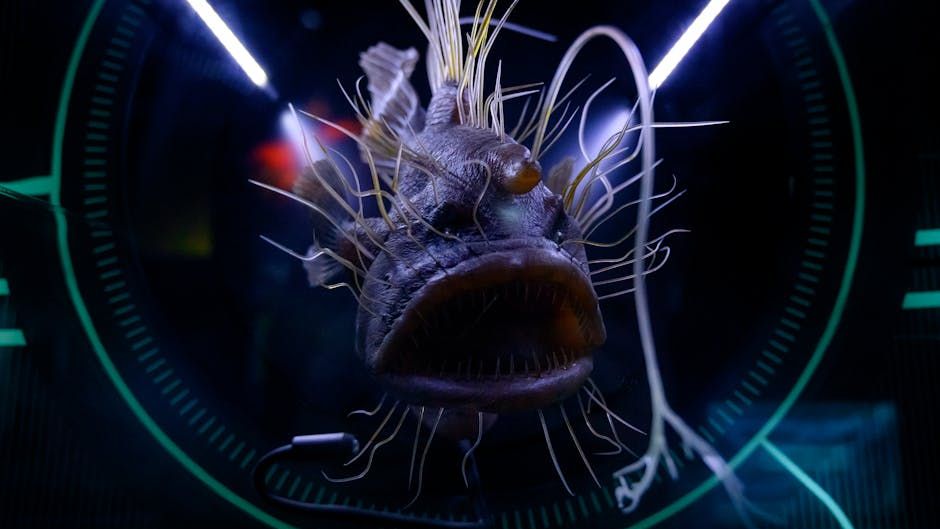
More than half of our planet is covered by ocean. Yet the deep sea, that vast and lightless world below several thousand meters, remains one of the least understood places on Earth. We have better maps of the surface of Mars than we do of our own seafloor.
Only around ten percent of marine species have been documented thus far. That single figure says everything. The ocean is not just a body of water. It is a frontier, and we are barely past the threshold.
A World Without Sunlight, But Full of Life
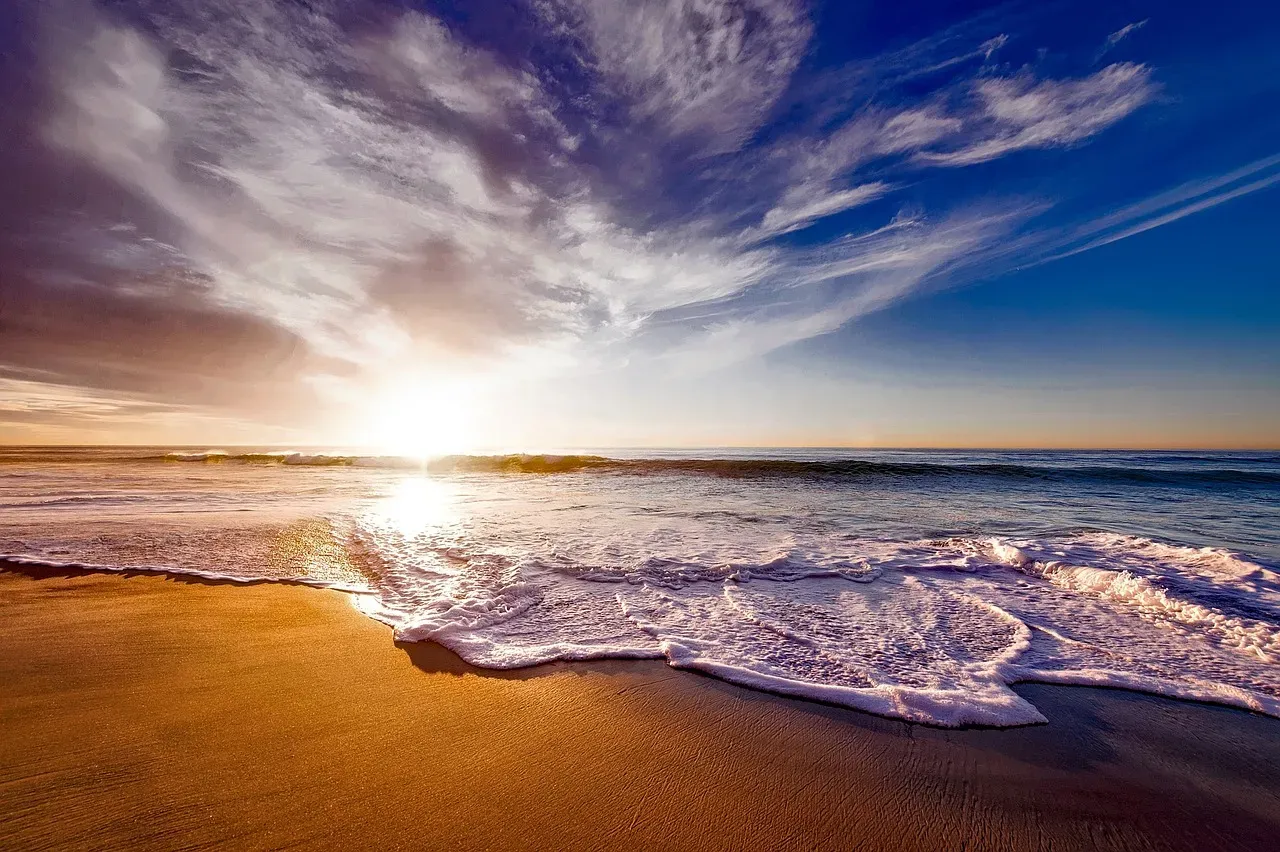
The deepest region of the ocean has an almost mythological name. Named after Hades, the Greek god of the underworld, the hadal zone extends from a depth of 6,000 to 11,000 meters. It is pitch-black, crushingly cold, and under pressures that would obliterate unprotected equipment in seconds.
The hadal zone can reach far below 6,000 meters deep, and at such depths the pressure exceeds 1,100 standard atmospheres. For context, that is roughly the equivalent of having the weight of fifty jumbo jets pressing down on every square inch of surface area.
Far from being devoid of life as originally perceived, subsequent observations have stimulated hypotheses that the hadal zone hosts a substantial diversity and abundance of life found only at those extreme depths. Life here is stubborn in ways that still surprise scientists. In the darkness of the deep ocean, these ecosystems rely on energy produced by chemosynthetic bacteria that feed on methane or other chemicals. Life here is not built on sunlight, but on chemicals.
An Explosion of New Species Discoveries
The Nippon Foundation-Nekton Ocean Census, one of the most significant global collaborations to accelerate the discovery of marine life, has announced a major milestone: the identification of 866 new marine species. That number is both thrilling and sobering. It represents just a glimpse of what is thought to exist.
The discoveries encompass dozens of taxonomic groups and include new species of shark, sea butterfly, mud dragon, bamboo coral, water bear, octocoral, sponge, shrimp, crab, reef fish, squat lobster, pipehorse, limpet, hooded shrimp, sea spider, and brittle star. Some of these creatures are extraordinary even by deep-sea standards.
An expedition to the Southern Ocean uncovered a carnivorous “death-ball” sponge. Unlike most sponges that gently filter food from the water, this spherical species is covered in tiny hooks that trap prey. Meanwhile, a large deep-sea polychaete worm, the Sponge Ambusher Worm, was discovered from the slopes of underwater mountains in the northwest Pacific Ocean, collected by a human-operated vehicle about 1,000 meters below the surface.
In total, one recent research team described 24 new species across 10 amphipod families, including both predators and scavengers. Coordinated international taxonomy workshops are proving that the pace of discovery can be dramatically accelerated when scientists from multiple countries work together. This speed is essential, as many marine species face extinction due to human-driven biodiversity loss before scientists even learn they exist.
“Dark Oxygen” and What It Could Change Forever
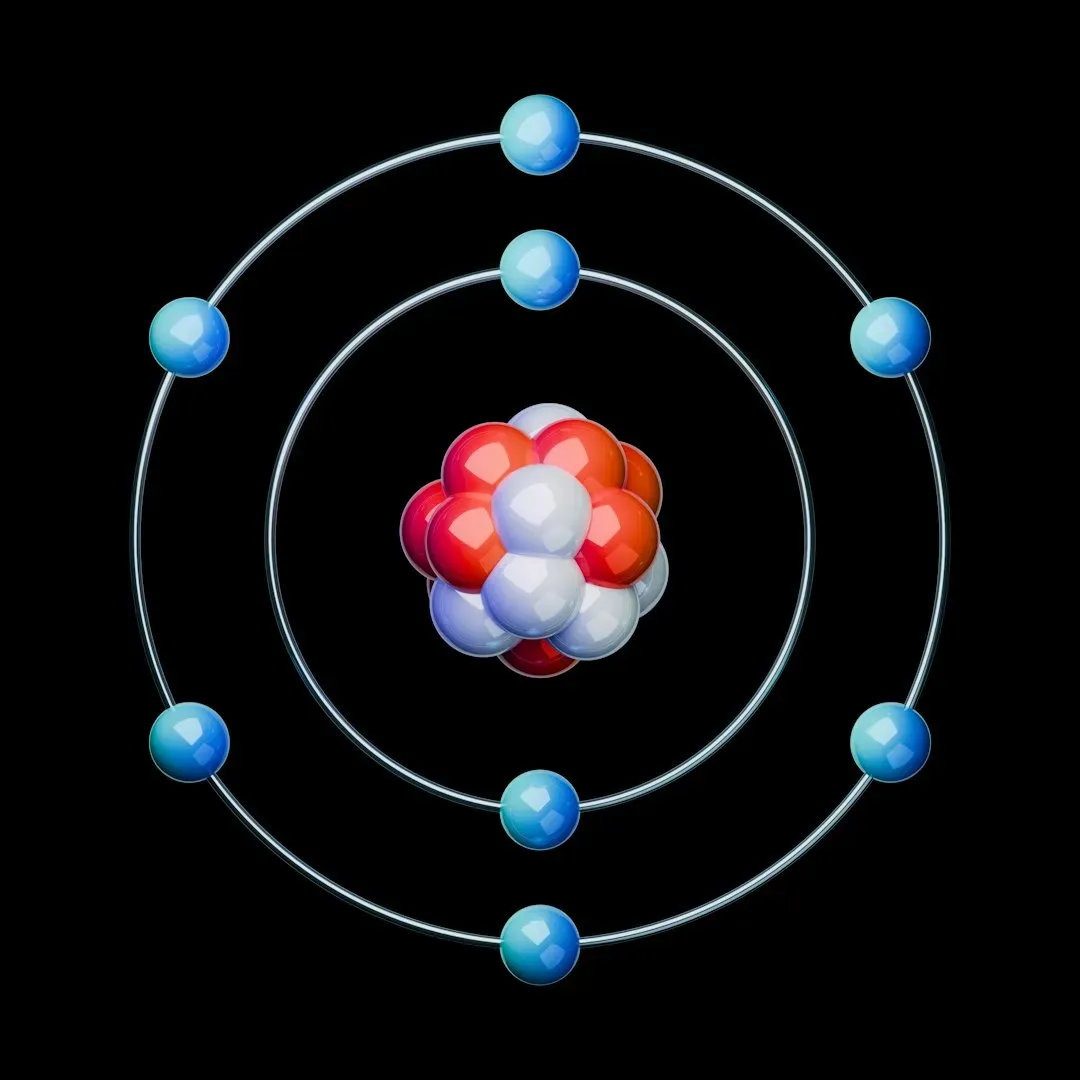
Perhaps no recent discovery from the deep sea has shaken scientific assumptions quite as much as the finding of what researchers now call “dark oxygen.” Scientists have long assumed that plants and other photosynthetic life were the only source of oxygen on Earth. A study published in Nature Geoscience challenges that view, showing that polymetallic nodules, potato-size lumps of minerals found on the seafloor, may be another source.
When researchers discovered oxygen 13,000 feet underwater, in areas so dark that photosynthesis would be impossible, they initially thought their equipment had malfunctioned. Eventually, they came to suspect the polymetallic nodules were a source of this “dark” oxygen. The mechanism, according to the research team, appears to involve a form of natural electrolysis. These polymetallic nodules may be able to produce enough voltage to split water molecules into hydrogen and oxygen, a process known as seawater electrolysis.
For aerobic life to begin on the planet, there had to be oxygen. Our understanding has been that Earth’s oxygen supply began with photosynthetic organisms. But we now know that there is oxygen produced in the deep sea, where there is no light, which raises the question of where aerobic life could have begun. It should be noted, however, that this finding remains contested. To date, no other study has independently observed this dark oxygen production, and scientists continue to debate and test the original results. Still, it is the kind of finding that forces entire fields to pause and reconsider.
The Tools Now Reaching Places Humans Never Could
Remotely operated vehicles, such as SuBastian, use high-resolution cameras and robotic arms to document and sample deep-sea creatures in real time. These tools have changed the game. Earlier generations of scientists worked almost entirely from sediment cores and crude trawl samples, often damaging what they hoped to study.
Woods Hole Oceanographic Institution and NASA have jointly developed Orpheus autonomous underwater vehicles. These small AUVs can withstand pressure greater than 1,000 times that at the ocean’s surface and can navigate narrow, rocky sections of trenches. Orpheus AUVs can work independently or in a “swarm” to explore, map, and analyze the water, seafloor, and organisms in the hadal zone.
People have known about colossal squids for 100 years, but these enigmatic ocean creatures had never been observed in their natural habitat. That changed when Schmidt Ocean Institute scientists captured the first video of one about 2,000 feet below the ocean’s surface in the remote South Atlantic Ocean. That moment illustrates something important: much of what we have assumed about deep-sea life has come from inference and specimen jars, not actual observation.
A study published in the Biodiversity Data Journal provides a profound look at life up to nearly 10 kilometers below the ocean’s surface in the Japan, Ryukyu, and Izu-Ogasawara trenches. The research catalogs at least 108 distinct organism groups, including the deepest-ever observation of a fish and a baffling, unidentified animal that has left global taxonomic experts stumped. An unidentified animal at that depth, filmed twice and still unnamed, speaks to how genuinely uncharted this territory remains.
The Race Between Discovery and Destruction
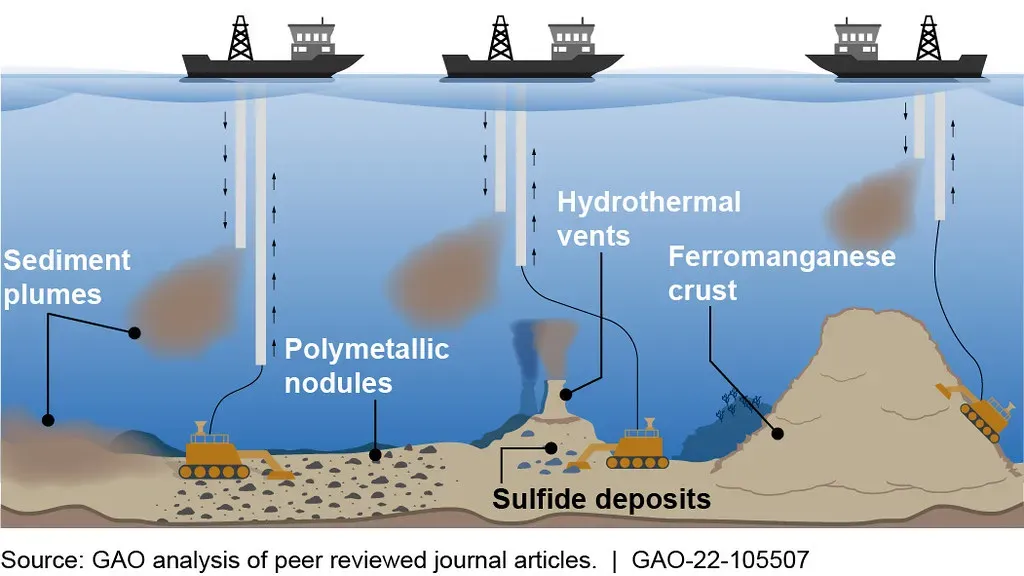
The deep sea is being explored at the same time it is being eyed for industrial extraction. The Clarion-Clipperton Zone is a vast area covering around six million square kilometres of deep ocean between Hawaii and the west coast of Mexico. Despite its remoteness, the area has drawn significant interest because of the metallic nodules that litter the ocean floor. These nodules contain minerals crucial to green energy technologies, such as solar panels and wind turbines.
A study measuring the impact of a commercial deep-sea mining machine trial found that macrofaunal density decreased by nearly forty percent directly within the mining tracks, alongside a roughly thirty percent reduction in species richness. The dataset, sampled before and after the test, reveals losses within the machine’s tracks and community-level effects in areas impacted by sediment plumes.
Scientists have recently estimated that hadal zone sediments could sequester as much as 70 times more organic carbon than the surrounding seafloor. Disrupting these sediments before understanding their role in the carbon cycle carries risks that reach well beyond the deep sea itself. Few stony corals can live at 4,000 meters. Seabed imagery shows that these corals are more abundant when there are more nodules, raising concerns about their long-term survival, since these mineral accretions have been targeted for deep-sea mining and without the hard substrate provided by the nodules, these sessile nodule specialists will lack the habitat needed for their survival.
Despite years of negotiations, the International Seabed Authority and its membership have been unable to agree on rules that will govern commercial mining operations in international waters. The latest round of talks ended in July 2025, and negotiations will resume in 2026. The window between discovery and decision is narrowing fast.
Conclusion: The Ocean Is Still Writing Its Own Story
What the deep sea keeps revealing, piece by piece, is that our models of how the planet works are incomplete. Life thrives where it shouldn’t. Oxygen appears where it can’t. Species exist that we have no name for. Exploring the hadal zone will also advance knowledge that can be used when exploring oceans beyond Earth, such as those on the moons of Jupiter and Saturn.
Covering seventy-one percent of the planet, the ocean is fundamental to life on Earth. Its vast biodiversity helps regulate the climate and supports the health, livelihoods, and food security of millions of people. The stakes of understanding it, and of protecting it long enough to understand it, are not academic.
There is something quietly humbling about the idea that in 2026, with all the technology we have built, a creature filmed twice at nine kilometers below the surface remains entirely unknown to science. The deep ocean isn’t a solved problem. It is barely an open book. Every dive changes what we thought we knew, and the most honest thing scientists can say right now is that the most important discoveries are still ahead of us.
