

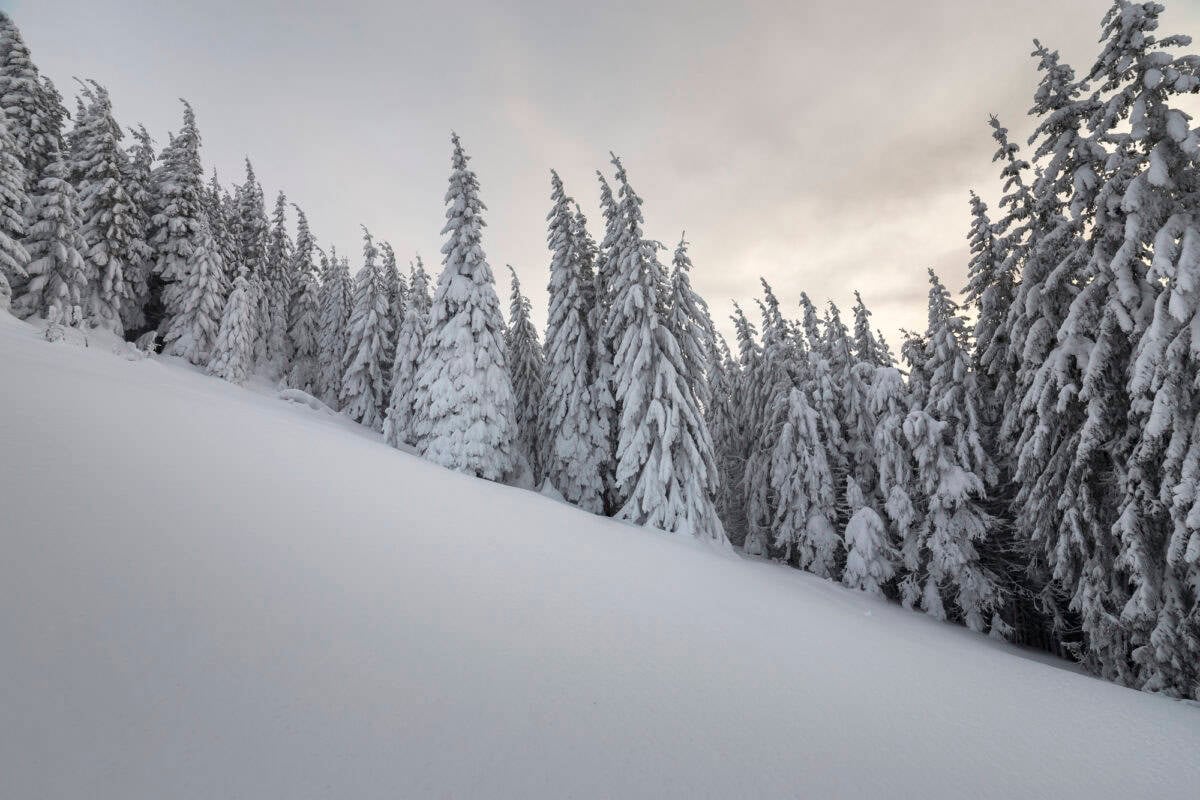
Snowfall can transform landscapes into winter wonderlands, creating both beauty and challenges. But while we often marvel at fresh blankets of snow, some snowfalls are truly record-breaking. One such event occurred in the United States, etching its name into the annals of weather history. This article delves into the fascinating story of the deepest snowfall ever recorded in the United States, uncovering the details behind this extraordinary meteorological event.
Introduction to Snowfall Records
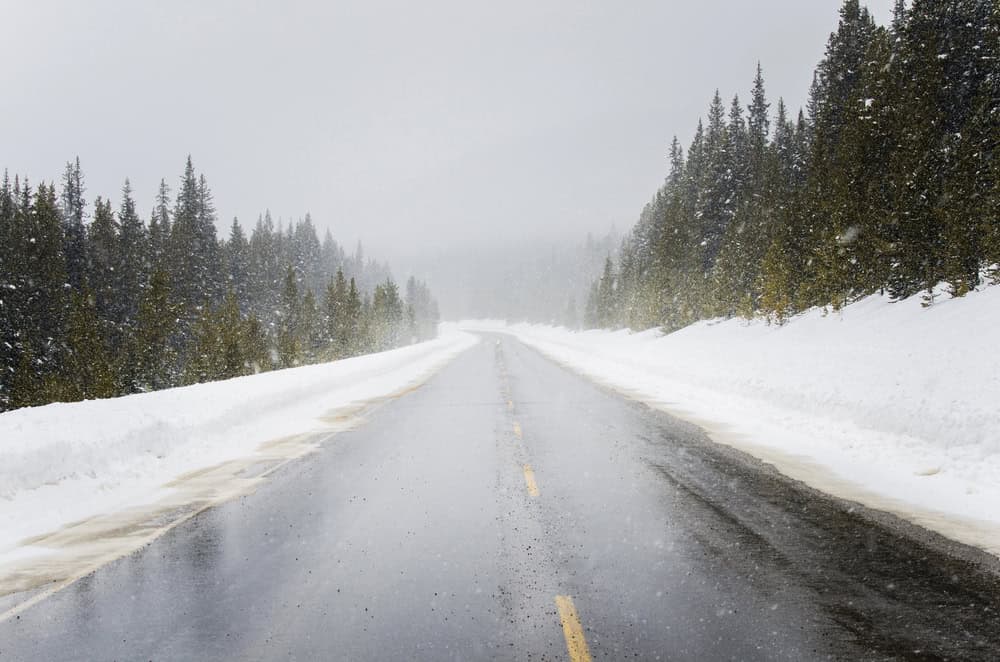
Snowfall records offer unique insights into weather patterns and climate extremes. Meteorologists and researchers monitor these records to understand snowfall distribution, frequency, and its impacts. The deepest snowfall, in particular, has become a benchmark for assessing snow events’ severity and helping prepare for future occurrences.
The Historic Snowstorm of 1959
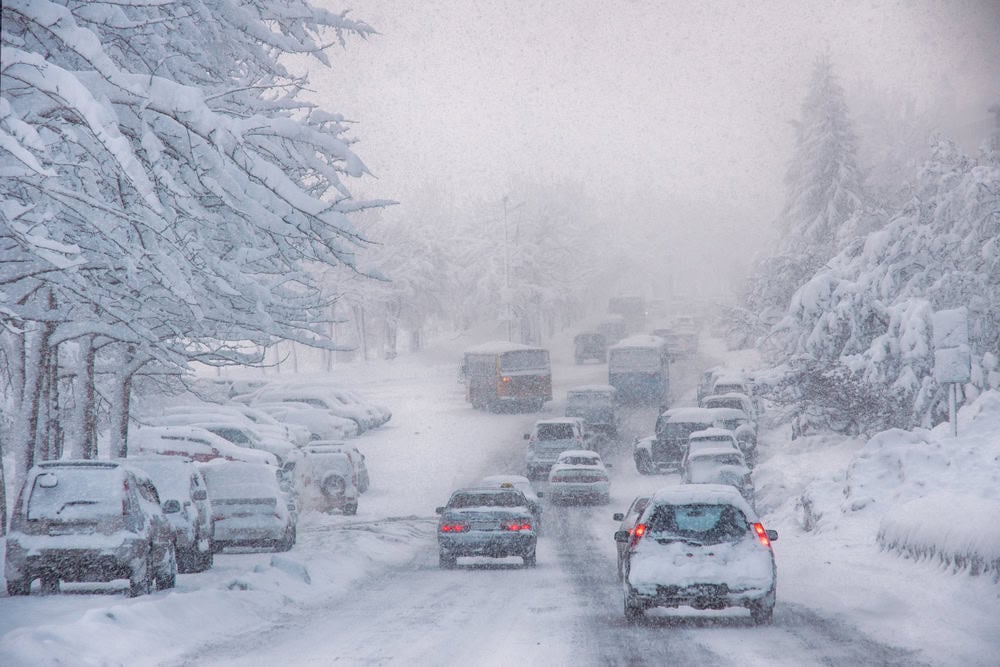
In December 1959, the small community of Mount Shasta in northern California experienced a snowstorm like no other. A staggering 189 inches of snow fell over a period of just seven days, setting a national record. This monumental snowfall event remains the deepest ever recorded in the United States.
Geographic Context Mount Shasta

Mount Shasta, part of the Cascade Range, is a volcanic mountain peak that towers over the surrounding landscape. Its geographical location and elevation play key roles in the heavy snowfall it receives, often producing conditions conducive to prolonged and intense snow events.
The Weather Conditions Leading Up to the Record

The record-setting snowstorm was the culmination of specific meteorological conditions. A combination of cold temperatures, moist air from the Pacific Ocean, and atmospheric dynamics led to persistent and heavy snow over the region. These conditions often result from what meteorologists call a “snow bomb,” leading to rapid and voluminous snowfall.
Community Impact and Challenges
The sheer volume of snow posed significant challenges to Mount Shasta and surrounding areas. Daily life came to a halt as roads became impassable, and infrastructure struggled under the weight of the snow. The event tested the resilience of the community and highlighted the importance of preparedness in the face of extreme weather.
Ecological and Environmental Implications

While human activity was disrupted, the snowfall had notable ecological impacts. The snowpack from such storms plays a crucial role in the local water cycle, feeding rivers and reservoirs as it melts. This can affect ecosystems, agriculture, and water supplies well beyond the winter months.
Historical Comparisons and Other Notable Events
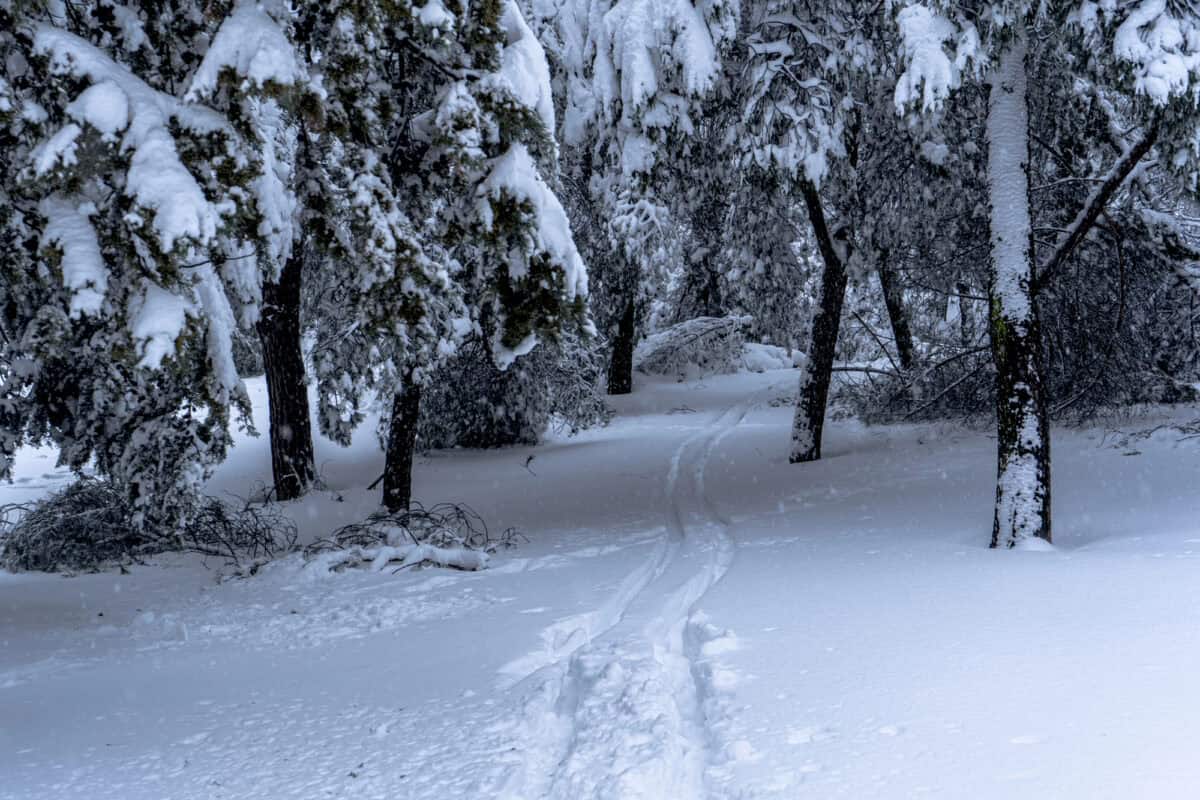
While the Mount Shasta event holds the record for the deepest snowfall, other regions have experienced significant snowfalls as well. The Northeast Blizzard of 1978 and the Snowmageddon of 2010 are examples of intense snow events that, while not record-setting in depth, remain memorable for their widespread impact.
Modern-Day Monitoring and Predictions
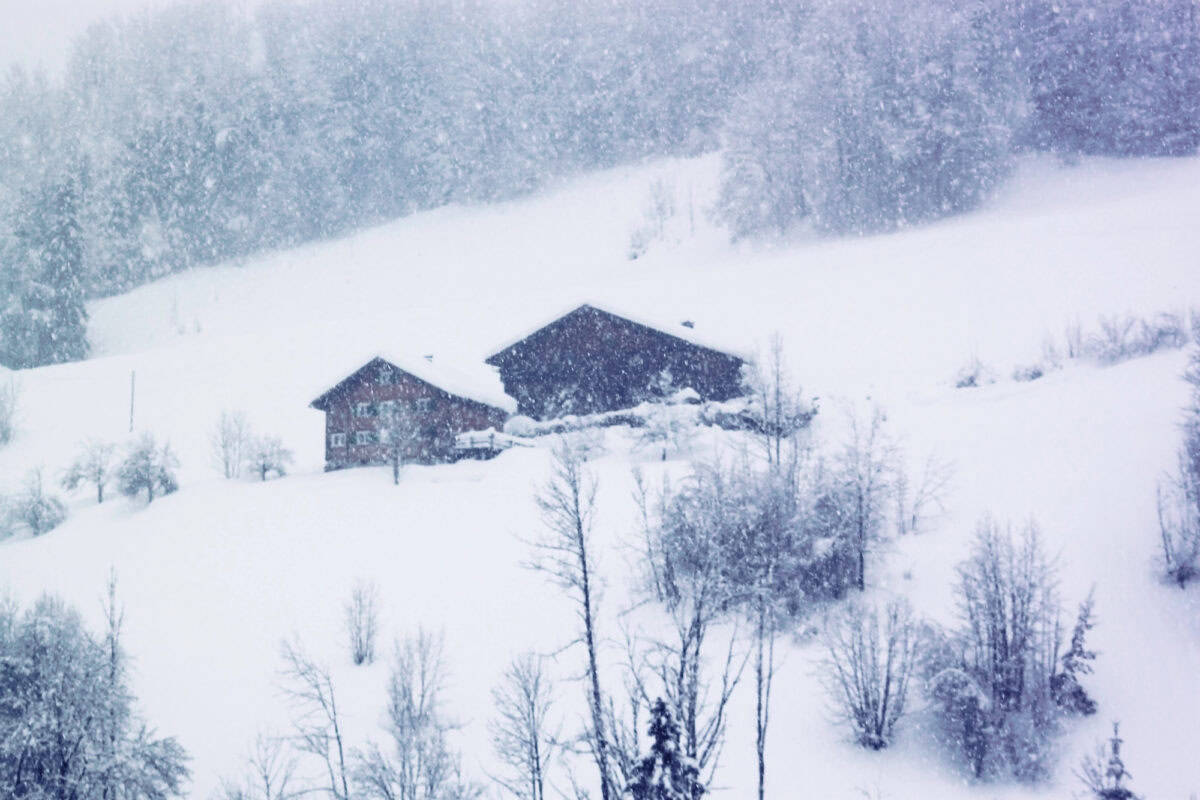
Today, advanced technology allows meteorologists to better predict and monitor snowfall. Satellites, radar, and computer models work together to provide timely snow forecasts, helping communities prepare for and mitigate the effects of heavy snow before it happens.
The Role of Climate Change
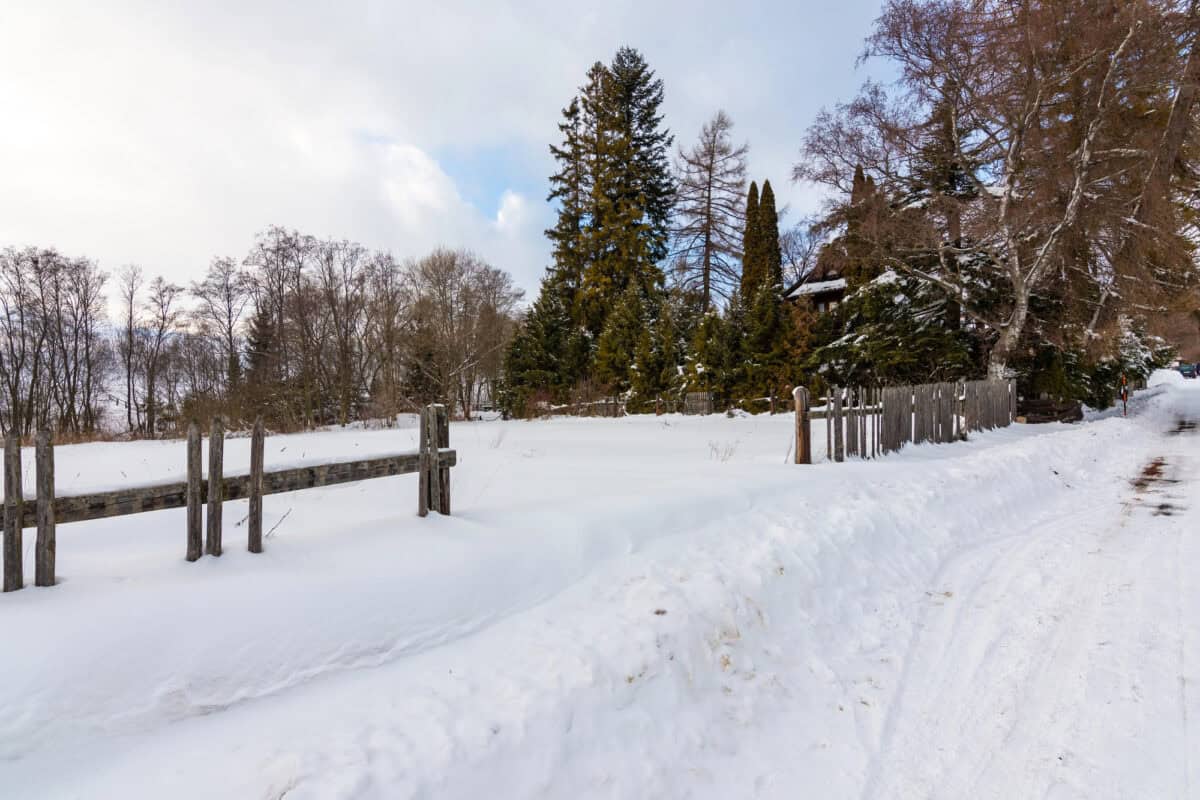
Climate change is influencing weather patterns, including snowfall. While some areas may see reduced snow due to warming temperatures, others might experience more intense snow events. Understanding these trends is crucial for adapting to future changes and ensuring preparedness.
Lessons Learned and Future Preparedness
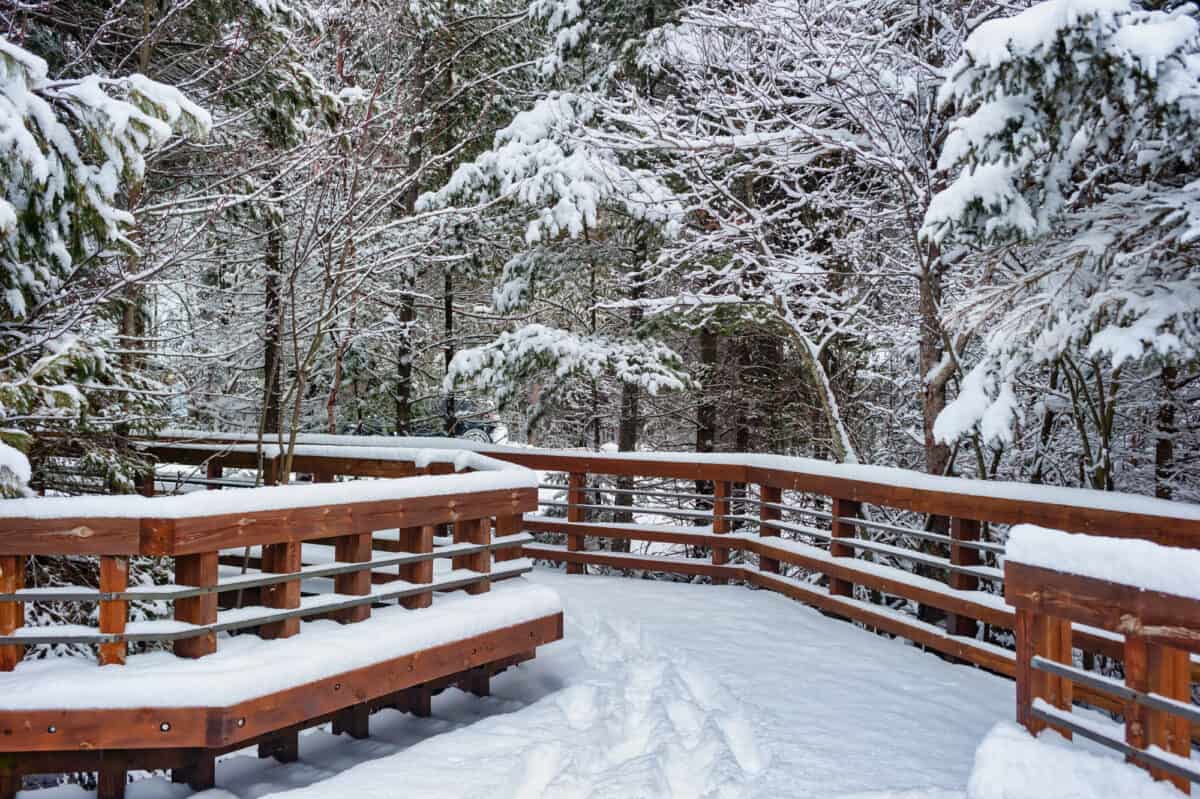
The 1959 snowstorm serves as a valuable lesson in the importance of preparation and response to extreme weather. Developing robust infrastructure, emergency plans, and community awareness are key components to withstand such events.
Personal Accounts and Human Resilience
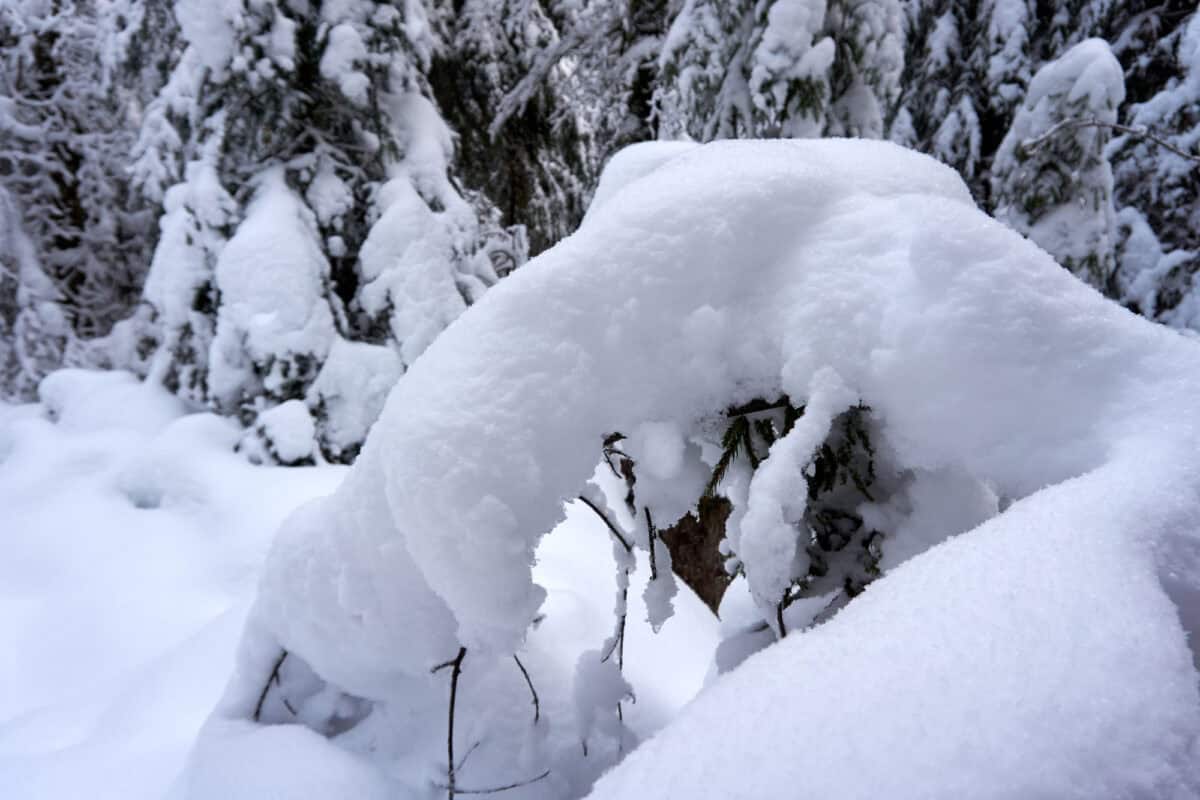
Stories from residents who lived through the Mount Shasta snowfall highlight human resilience and community spirit. Neighbors helped one another, sharing resources and offering support, underscoring the importance of solidarity during times of crisis.
The Cultural Significance of Snowfall
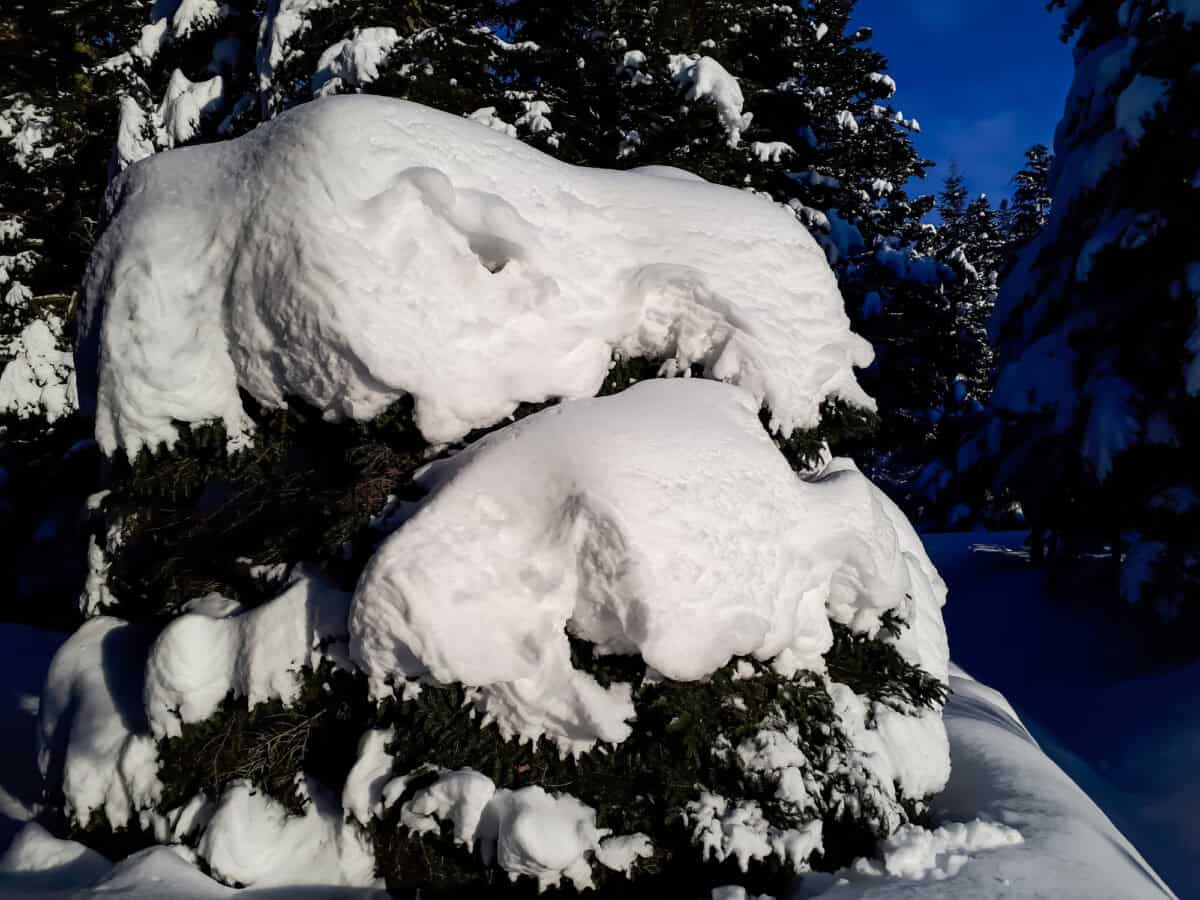
Beyond its practical impacts, snow has a cultural and emotional resonance for many. Symbolizing everything from holiday cheer to adventure, the story of the deepest snowfall invites reflection on how this natural phenomenon shapes our lives and imaginations.
Conclusion: The Lasting Impact of a Snowfall Record
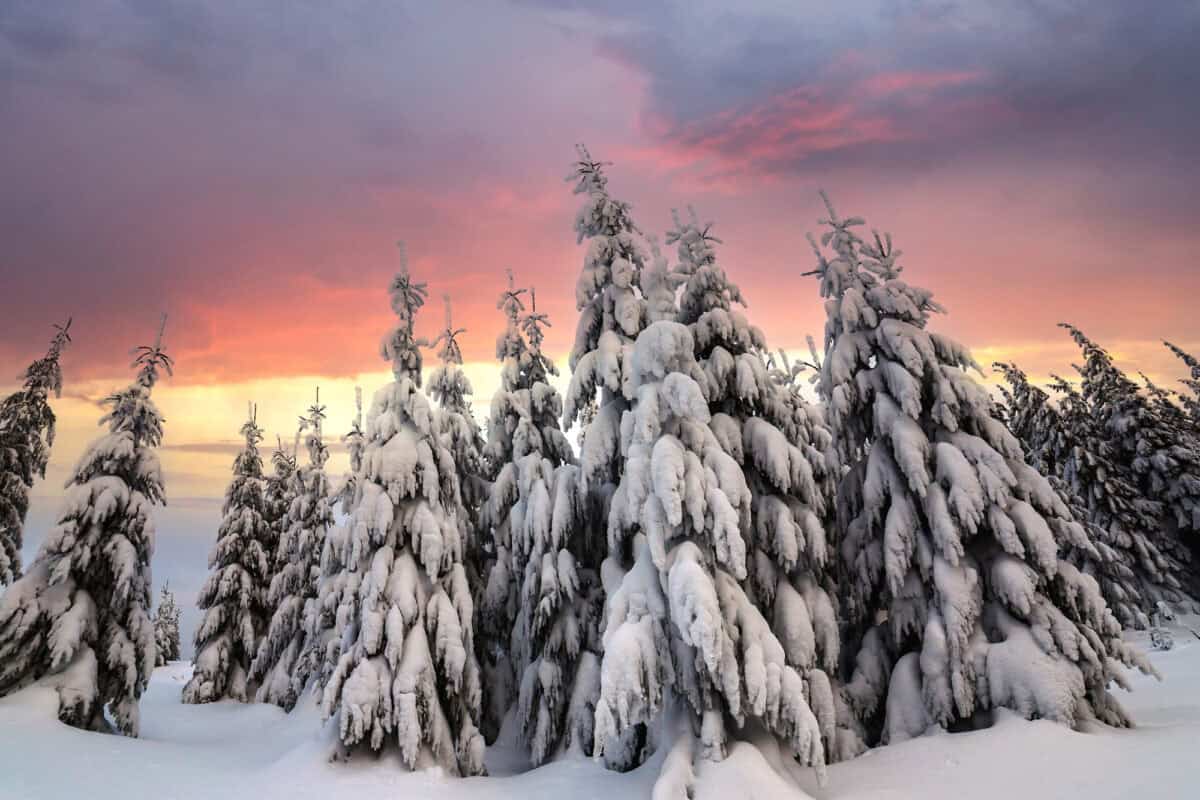
The snowfall of December 1959 in Mount Shasta is more than just a meteorological curiosity; it’s a testament to the power and unpredictability of nature. As climate and technology evolve, the lessons from this record-setting snowfall continue to inform our understanding of snow events and our strategies for coping with extreme weather conditions. Recognizing the impacts and the human stories within serves as a reminder that behind every record lies a narrative of nature’s majesty and humanity’s endurance.

As a little kid, I fell in love with nature, wildlife, and animals. Living in the USA, South Africa, Italy, China and Germany gave me the opportunity to discover the world's Wildlife. My favorite animals are Mountain Gorillas, Siberian Tigers, and Great White Sharks.
I'm a certified PADI Open Water Diver, went to Everest Base Camp and Trekked Gorillas in Uganda. I hold a Master of Science in Economics and Finance.
Please send any feedback to feedback@animalsaroundtheglobe.com
- 14 Natural Phenomena That Only Animals Understand - August 6, 2026
- 15 Times Orcas Surprised Scientists - August 6, 2026
- Pollock Fish - August 6, 2026