


When it comes to large, hoofed mammals with shaggy coats and impressive horns, confusion often arises between bison and buffalo. Despite their similar appearance and the common interchangeable use of their names in North America, these animals are distinctly different species with unique characteristics, habitats, and evolutionary histories. This comprehensive guide will explore the key differences between bison and buffalo, clarifying the common misconceptions and highlighting what makes each animal special in its own right.
Taxonomy and Classification: Not as Related as You Might Think

The first and most fundamental difference between bison and buffalo lies in their taxonomy. Bison and buffalo belong to different genera within the Bovidae family. North American bison (Bison bison) and European bison or wisent (Bison bonasus) belong to the genus Bison. True buffaloes, on the other hand, include the African cape buffalo (Syncerus caffer) and the Asian water buffalo (Bubalus bubalis), which belong to entirely different genera.
Genetically, bison are more closely related to cattle than to true buffaloes. This taxonomic distinction is important because it highlights that despite physical similarities, these animals evolved separately and developed different adaptations to their respective environments. The misnomer in North America, where bison are commonly called buffalo, dates back to early European settlers who saw a resemblance between bison and the buffaloes they knew from the Old World.
Physical Appearance: Distinctive Features That Set Them Apart

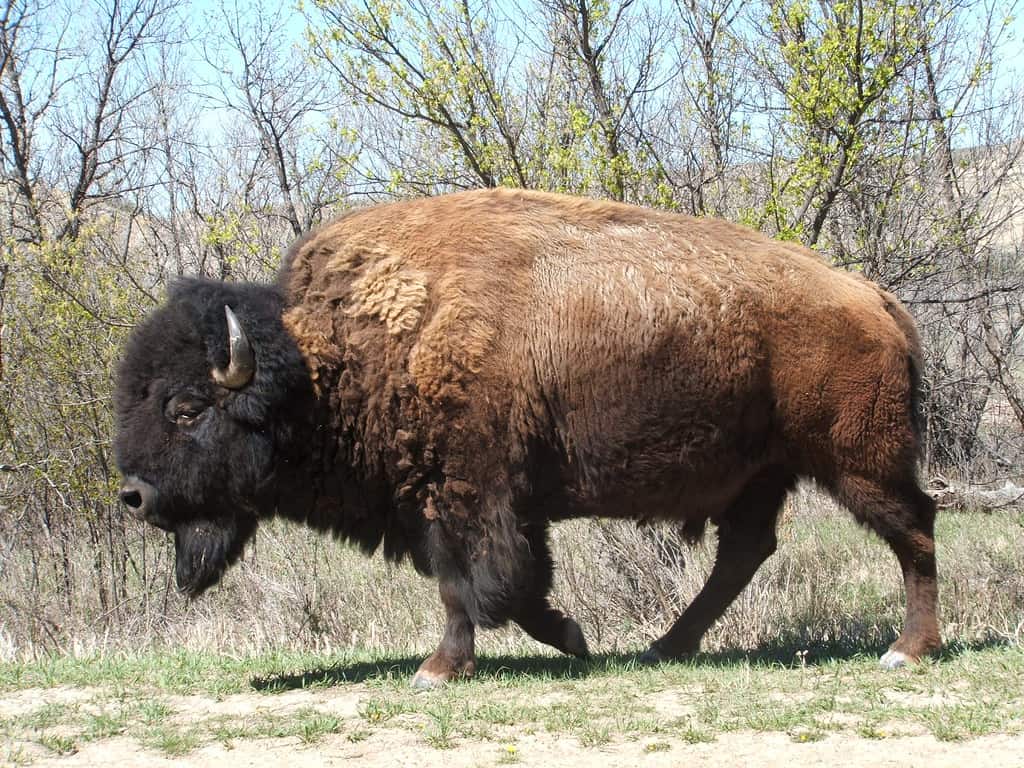
Bison and buffalo have several distinguishing physical characteristics that make identification relatively straightforward once you know what to look for. Bison possess a prominent shoulder hump formed by elongated vertebral spines, which supports the massive muscles needed for their head movements, especially when clearing snow in winter. Their heads are massive and hang lower than their shoulder humps, giving them a distinctive silhouette. Additionally, bison have shorter, curved horns and beards that add to their robust appearance.
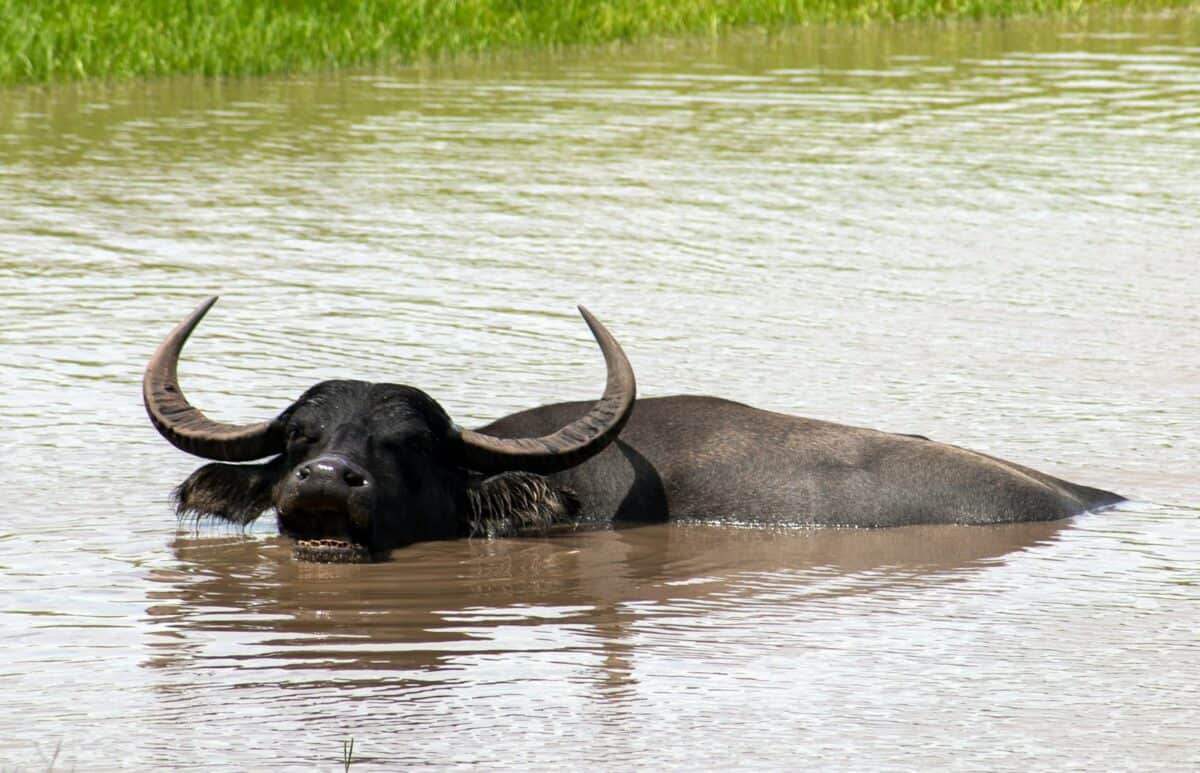
Buffalo, whether African or Asian, lack the pronounced shoulder hump characteristic of bison. Cape buffaloes have large, curved horns that sweep outward and then up, often meeting in the middle to form a continuous bony shield called a “boss.” Water buffaloes have long, crescent-shaped horns that curve backward. Both buffalo species have comparatively larger and more rounded bodies than bison, with proportionally smaller heads relative to their body size.
Habitat and Geographic Distribution: Worlds Apart
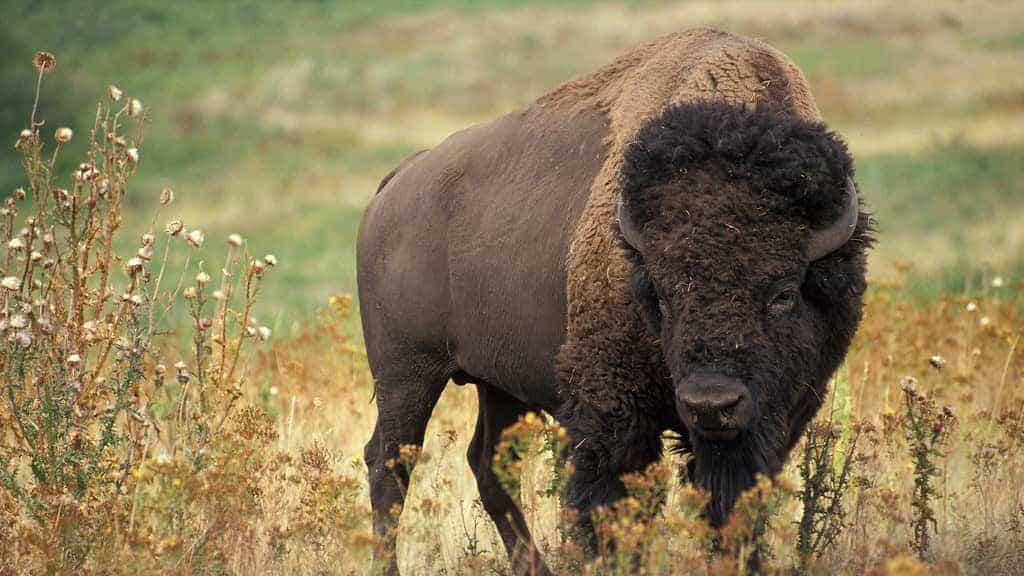
The natural habitats of bison and buffalo are separated by vast oceans, which is one reason why their similar appearance is a result of convergent evolution rather than close relation. American bison historically roamed the great plains and grasslands of North America, ranging from northern Mexico to Alaska. European bison or wisent inhabited the forests and woodland areas of Europe. Both bison species are adapted to survive harsh winter conditions, with thick fur coats that insulate them against freezing temperatures.
True buffaloes are found exclusively in Africa and Asia. The African cape buffalo lives in the savannas, grasslands, and forests of sub-Saharan Africa. The Asian water buffalo is native to the tropical and subtropical regions of Asia and has been domesticated for thousands of years, playing a crucial role in agriculture throughout the continent. Unlike bison, buffaloes are adapted to warmer climates and often rely on wallowing in mud or water to regulate their body temperature.
Fur and Coat: Adaptations to Different Climates

The fur and coat characteristics of bison and buffalo reflect their adaptations to different environmental conditions. Bison have developed thick, woolly coats with long guard hairs, particularly around their head, neck, and shoulders. This dense fur provides excellent insulation against the harsh winters of North America and Europe. Bison shed their winter coats in large clumps during spring, revealing a lighter summer coat underneath. Their fur color typically ranges from dark brown to almost black.
Buffaloes have shorter, sparser hair compared to bison, which is better suited to the warmer climates they inhabit. African cape buffaloes have black to dark brown coats with relatively thin hair. Asian water buffaloes often have even sparser hair and can appear almost hairless, especially those varieties that spend significant time in water. Their skin color ranges from gray to black, and they rely more on behavioral adaptations like wallowing in mud to regulate body temperature rather than thick fur.
Horns: Shape, Size, and Function

Horn structure represents one of the most visually distinctive differences between bison and buffalo. Bison horns are relatively short, curved, and point upward. Both male and female bison have horns, though those of males tend to be slightly larger. The horns of American bison typically reach lengths of 18-24 inches, while European bison horns are somewhat smaller. Bison use their horns primarily for defense against predators and during mating season when males compete for females.
Buffalo horns are generally more impressive and varied in structure. Cape buffalo males develop massive horns that extend outward from the head, curve downward, and then sweep up at the tips. The bases of these horns fuse in the center of the forehead to form a protective shield called a boss. Asian water buffalo horns are even more dramatic, growing in a crescent shape that can span up to 6 feet from tip to tip in wild varieties. Domestic water buffalo typically have smaller horns. Both buffalo species use their horns for defense and establishing dominance within herds.
Behavior and Social Structure: Herd Dynamics

Bison and buffalo share some behavioral similarities as herd animals, but their social structures have notable differences. Bison typically form two types of herds: female-led family groups consisting of females and their young, and bachelor herds made up of males. These herds come together during the breeding season, or rut, when males compete for mating rights. Bison herds historically migrated across vast distances following seasonal grazing patterns, though modern conservation areas often limit this natural movement.
Buffalo tend to maintain more stable, mixed-gender herds throughout the year. African cape buffalo herds can range from a few dozen to several hundred individuals, with dominant males, females, and their offspring living together. These herds have complex social hierarchies and strong defensive formations against predators. Asian water buffalo, particularly domesticated varieties, often live in smaller family groups, though wild populations can form larger herds. Both buffalo species demonstrate strong protective behaviors toward herd members, especially calves.
Diet and Feeding Habits: Grass-Loving Grazers

Both bison and buffalo are primarily grazers, but their specific dietary preferences reflect adaptations to their native habitats. Bison are predominantly grass-eaters, with grasses making up about 90% of their diet. They use their massive heads as snow plows in winter to access frozen grasses beneath the snow. Bison also occasionally consume shrubs, twigs, and other plant material, particularly during winter months when grasses are scarce. Their specialized digestive systems allow them to extract nutrients from lower-quality forage than cattle require.
Buffalo diets also consist mainly of grasses, but with some variations between species. African cape buffalo prefer taller grasses and can process coarser vegetation than many other grazers, allowing them to thrive in areas that other herbivores might avoid. Asian water buffalo, especially domesticated varieties, graze on grasses but also consume aquatic plants when available. Water buffalo in agricultural settings are often fed supplemental diets of grain and hay. Both buffalo species spend a significant portion of their day feeding, sometimes up to 18 hours.
Historical and Cultural Significance: Impact on Human Societies

Bison and buffalo have played pivotal roles in human cultures across different continents. The American bison was central to the lives of many Indigenous North American peoples, providing food, clothing, shelter, tools, and spiritual significance. The near-extinction of bison in the 19th century due to European colonization had devastating effects on Native American cultures. Today, bison hold symbolic importance in North American conservation efforts and remain spiritually significant to many Indigenous communities. The European bison carries similar cultural weight in Eastern European countries.
Buffalo species have been integral to agricultural societies throughout Africa and Asia for thousands of years. The domestication of water buffalo approximately 5,000 years ago revolutionized farming in Asia, where they continue to serve as working animals for plowing, transportation, and as a source of milk, meat, and leather. In many Asian cultures, water buffalo symbolize strength and prosperity. African cape buffalo, while not domesticated, feature prominently in African folklore and are part of the iconic “Big Five” animals sought by safari tourists. They represent wildness and power in many African cultural contexts.
Conservation Status: Challenges and Recovery
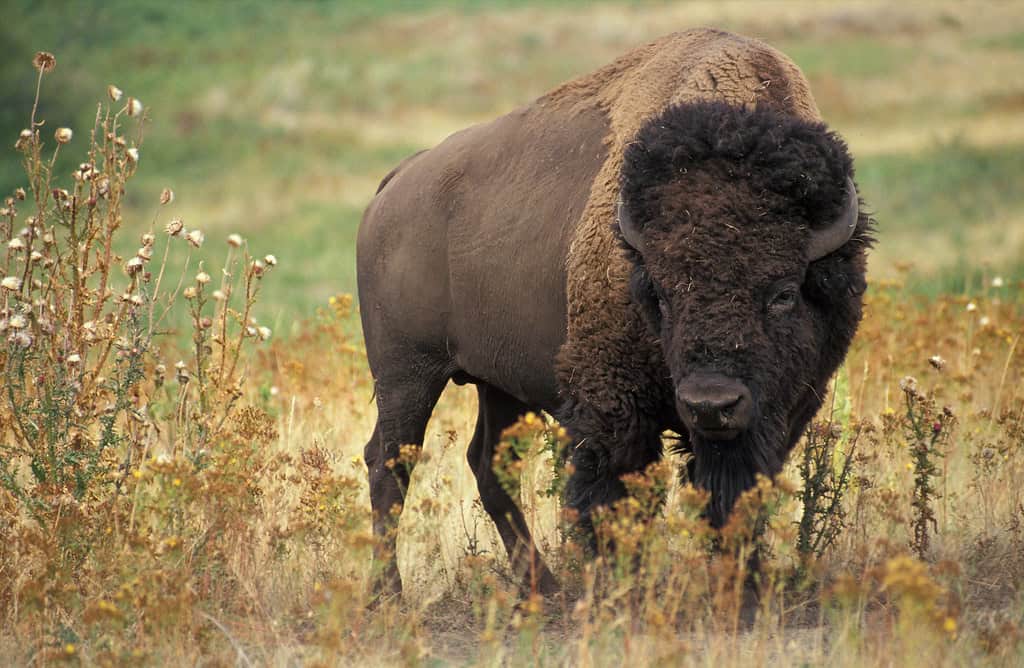
The conservation status of bison and buffalo species varies significantly, reflecting different historical pressures and current threats. American bison experienced a catastrophic population collapse in the late 19th century, declining from tens of millions to fewer than 1,000 individuals. Thanks to conservation efforts, their numbers have recovered to approximately 500,000 today, though only about 30,000 are in conservation herds managed for ecological restoration. European bison faced even closer extinction, with all wild populations wiped out by 1927. Careful breeding from zoo specimens has allowed their reintroduction, with current populations around 7,000.
African cape buffalo remain relatively numerous with an estimated population of 900,000, though they face threats from habitat loss, poaching, and disease. They are currently classified as “Near Threatened” by the IUCN. Wild Asian water buffalo are critically endangered with fewer than 4,000 individuals remaining in the wild, primarily due to habitat loss, hunting, and interbreeding with domestic water buffalo. However, domesticated water buffalo number over 200 million worldwide and face no extinction risk. Conservation efforts for all these species focus on habitat protection, genetic diversity management, and sustainable coexistence with human communities.
Domestication History: Working Animals and Livestock

The domestication histories of bison and buffalo reflect different relationships with human societies. Despite numerous attempts, bison have never been fully domesticated. While some commercial bison herds exist for meat production, these animals retain much of their wild temperament and are better described as “semi-domesticated.” Bison-cattle hybrids called “beefalo” have been developed to combine bison hardiness with cattle docility, but pure bison remain essentially wild animals managed in contained settings.
In stark contrast, Asian water buffalo have been domesticated for at least 5,000 years and have been selectively bred into two main types: river buffalo, common in India and Pakistan, and swamp buffalo, prevalent in Southeast Asia and China. Domestic water buffalo are crucial working animals in many rural communities, where they pull plows and carts, provide milk with higher fat content than cow’s milk, and offer meat and leather. The African cape buffalo, despite its physical similarity to the water buffalo, has resisted all domestication attempts due to its aggressive temperament and unpredictable behavior.
Common Misconceptions: Clearing Up the Confusion
Several persistent misconceptions continue to blur the distinctions between bison and buffalo. Perhaps the most widespread is the interchangeable use of “buffalo” and “bison” in North America, perpetuated by terms like “buffalo nickel,” “buffalo robe,” and “Buffalo Bill.” This naming confusion dates back to early European explorers who called the American bison “buffelo” due to superficial similarities to Old World buffaloes. Scientifically, however, true buffaloes are found only in Africa and Asia.
Another common misconception involves aggression and danger to humans. While all large bovids deserve respect and distance, cape buffalo have earned the nickname “Black Death” in Africa due to their unpredictable temperament and tendency to charge when threatened. Bison, though typically less aggressive, are responsible for more tourist injuries in Yellowstone National Park than any other animal, primarily because visitors underestimate their speed (they can run up to 35 mph) and wild nature. Both animals should be appreciated from a safe distance, as even seemingly docile individuals can become dangerous when they feel threatened.
Conclusion: Appreciating Distinct Species
Understanding the differences between bison and buffalo helps us appreciate the remarkable diversity of large bovids that have evolved across different continents. While they share superficial similarities in appearance that led to naming confusion, bison and buffalo represent distinct evolutionary paths with unique adaptations to their respective environments. The American and European bison, with their massive shoulder humps and thick winter coats, evolved to thrive in the seasonal grasslands and forests of the Northern Hemisphere. True buffaloes—the African cape buffalo and Asian water buffalo—developed different features suited to the tropical and subtropical regions they inhabit.
These magnificent animals have played crucial roles in human history and ecology, from providing sustenance and tools for Indigenous peoples to serving as working animals in agricultural societies. Their conservation stories offer both cautionary tales and hopeful examples of recovery from the brink of extinction. By recognizing and respecting the distinctions between bison and buffalo, we gain a deeper appreciation for the remarkable ways large herbivores have adapted to diverse environments worldwide and the ongoing importance of protecting these iconic species for future generations.

From exploring the marine wonders in the Azores and witnessing the vast savannas of Kenya, to delving deep into the rich biodiversity of South Africa and traversing iconic landscapes in Australia and the US like Yellowstone, Chris's experiences are vast.
With a penchant for diving alongside sharks, the ocean holds a special place in his heart.
Through his academic insights, he champions wildlife conservation, striving with 'Animals Around The Globe' to cultivate a profound connection between humans and animals, enhancing our mutual appreciation.
Connect with him at Feedback@animalsaroundtheglobe.com.
- Could Some Animals Actually Recognize Themselves in the Mirror? - August 12, 2026
- Balto: The Real Hero of the Serum Run - August 12, 2026
- The Most Isolated Animal Population in the United States - August 12, 2026