

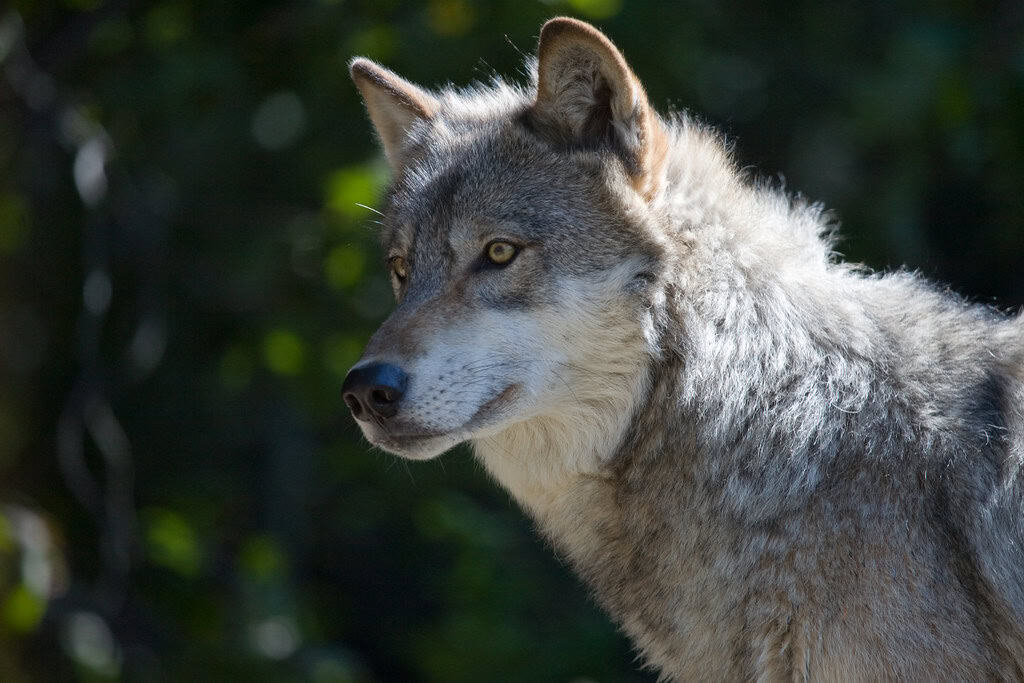
Wolves have long captured human imagination with their mystique and place in the natural world. Among the various wolf species, gray wolves (Canis lupus) and red wolves (Canis rufus) stand out as two distinct species native to North America with fascinating differences in their biology, behavior, and conservation status. Despite their shared classification as wolves, these two species have evolved separately and developed unique characteristics that set them apart. Understanding these differences not only satisfies scientific curiosity but also helps inform conservation efforts for these magnificent predators. This comprehensive exploration will delve into the key distinctions between gray wolves and red wolves, from their physical attributes to their ecological roles and the challenges they face in the modern world.
Taxonomic Classification and Evolutionary History

Gray wolves and red wolves belong to the Canidae family but have different evolutionary histories. The gray wolf (Canis lupus) is considered the largest wild member of the Canidae family and has a widespread historical distribution across North America, Europe, and Asia. They have existed in their current form for approximately 300,000 years, making them one of the oldest canid species.
Red wolves (Canis rufus), on the other hand, have a more complex and debated taxonomic history. They are native solely to the southeastern United States and are considered by many scientists to be a distinct species, though some research suggests they may be a hybrid between gray wolves and coyotes. Recent genomic studies indicate red wolves diverged from a common ancestor with coyotes and gray wolves around 150,000-200,000 years ago, making them younger than their gray counterparts from an evolutionary perspective.
Physical Appearance and Size Differences
One of the most noticeable differences between these wolf species is their physical appearance. Gray wolves are significantly larger, weighing between 80-120 pounds (sometimes reaching up to 175 pounds in northern subspecies), with males typically larger than females. They stand about 26-32 inches tall at the shoulder and measure 4.5-6.5 feet from nose to tail tip. As their name suggests, their fur typically ranges from gray to brown, black, white, or a mixture of these colors, depending on the subspecies and habitat.
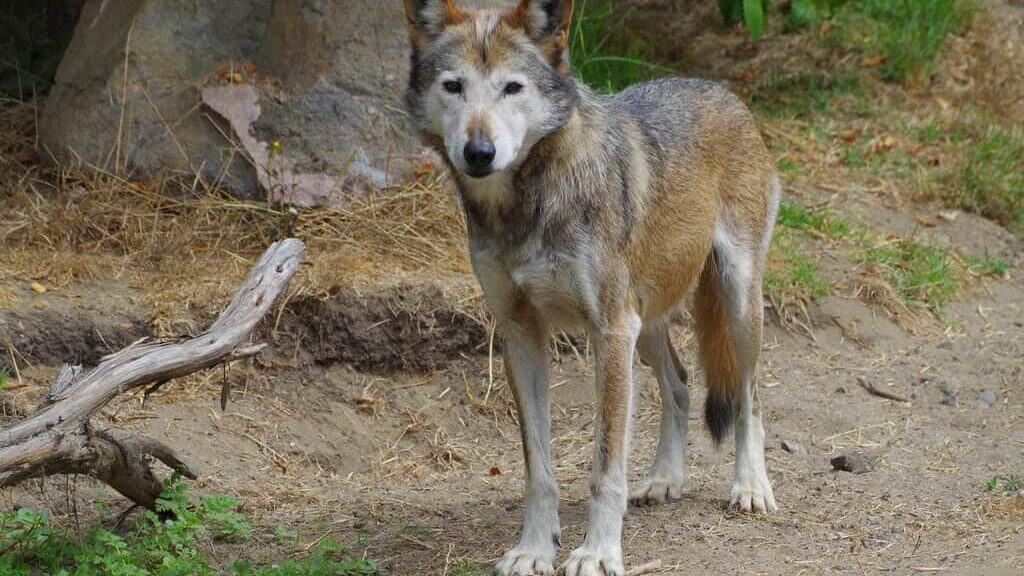
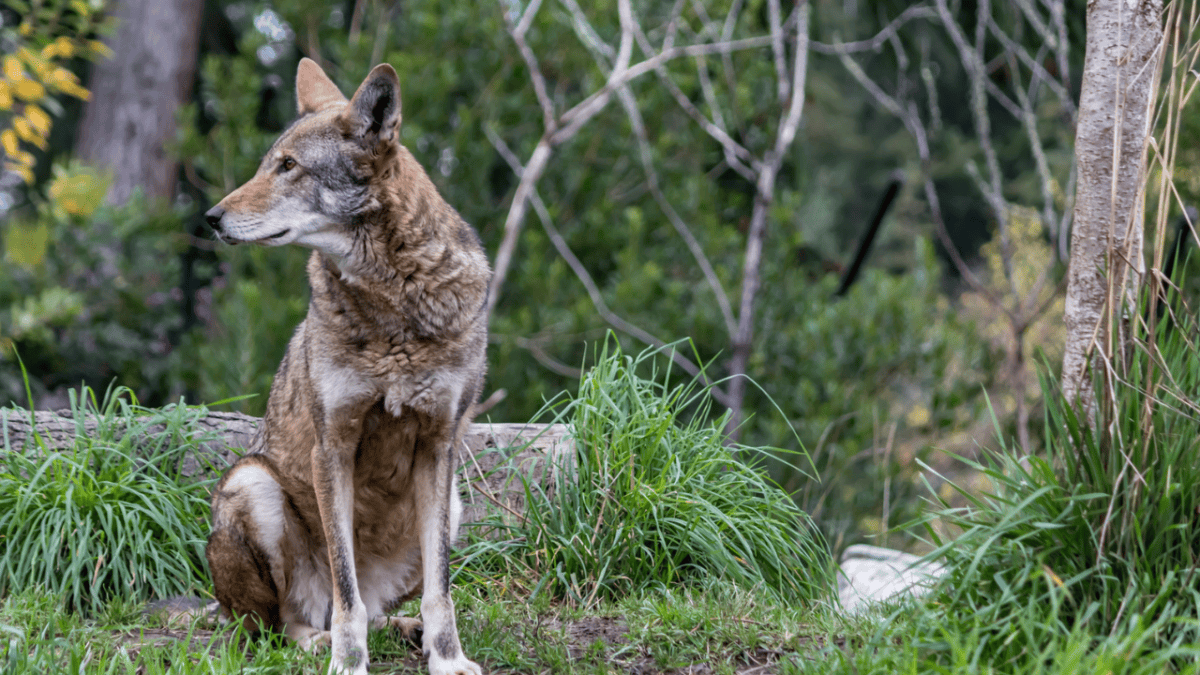
Red wolves are intermediate in size between coyotes and gray wolves. They typically weigh between 45-80 pounds, stand about 26 inches at the shoulder, and measure approximately 4.5-5 feet in length. Their most distinctive feature is their reddish-brown or cinnamon-colored fur, particularly behind the ears and along the neck and legs, with black tipping along the back. Red wolves also have broader muzzles and larger ears relative to their head size compared to gray wolves, giving them a somewhat different facial profile.
Habitat Preferences and Geographic Distribution
Gray wolves historically had one of the most extensive natural distributions of any mammal, spanning most of the Northern Hemisphere. In North America, they ranged from the Arctic through most of the United States into Mexico. They demonstrate remarkable adaptability, inhabiting various ecosystems including tundra, forests, grasslands, mountains, and deserts. Today, their range in the United States has been significantly reduced, with established populations primarily in Alaska, Northern Michigan, Minnesota, Wisconsin, Montana, Idaho, Wyoming, and parts of Oregon and Washington.
Red wolves have a much more limited historical and current range. They originally inhabited the southeastern United States, from the Atlantic coast to central Texas and from the Gulf Coast to central Pennsylvania. They preferred a mix of forest, wetland, and coastal prairie habitats. Today, due to extensive conservation challenges, wild red wolves are found only in a small protected area in eastern North Carolina, representing less than 5% of their historical range. This dramatic difference in geographic distribution highlights the more precarious conservation status of red wolves compared to their gray cousins.
Diet and Hunting Behavior

Both wolf species are carnivores and apex predators in their respective ecosystems, but there are notable differences in their dietary preferences and hunting tactics. Gray wolves are primarily hunters of large ungulates such as elk, deer, moose, and caribou. They hunt in coordinated packs that allow them to take down prey much larger than themselves. A gray wolf pack may consume 15-20 pounds of meat per wolf per day when food is abundant. Their hunting territory can range from 50 to over 1,000 square miles, depending on prey density.
Red wolves, being smaller, typically hunt smaller prey such as rabbits, raccoons, and rodents, though they will also hunt white-tailed deer, particularly fawns. They are more opportunistic than gray wolves and will supplement their diet with carrion, insects, and occasionally berries. Red wolves generally hunt in pairs or small family groups rather than the larger packs often seen with gray wolves. Their territories tend to be smaller, typically 25-50 square miles. This difference in hunting strategy reflects their adaptation to the mixed forest and wetland environments of the southeast, where large herds of ungulates are less common.
Social Structure and Pack Dynamics
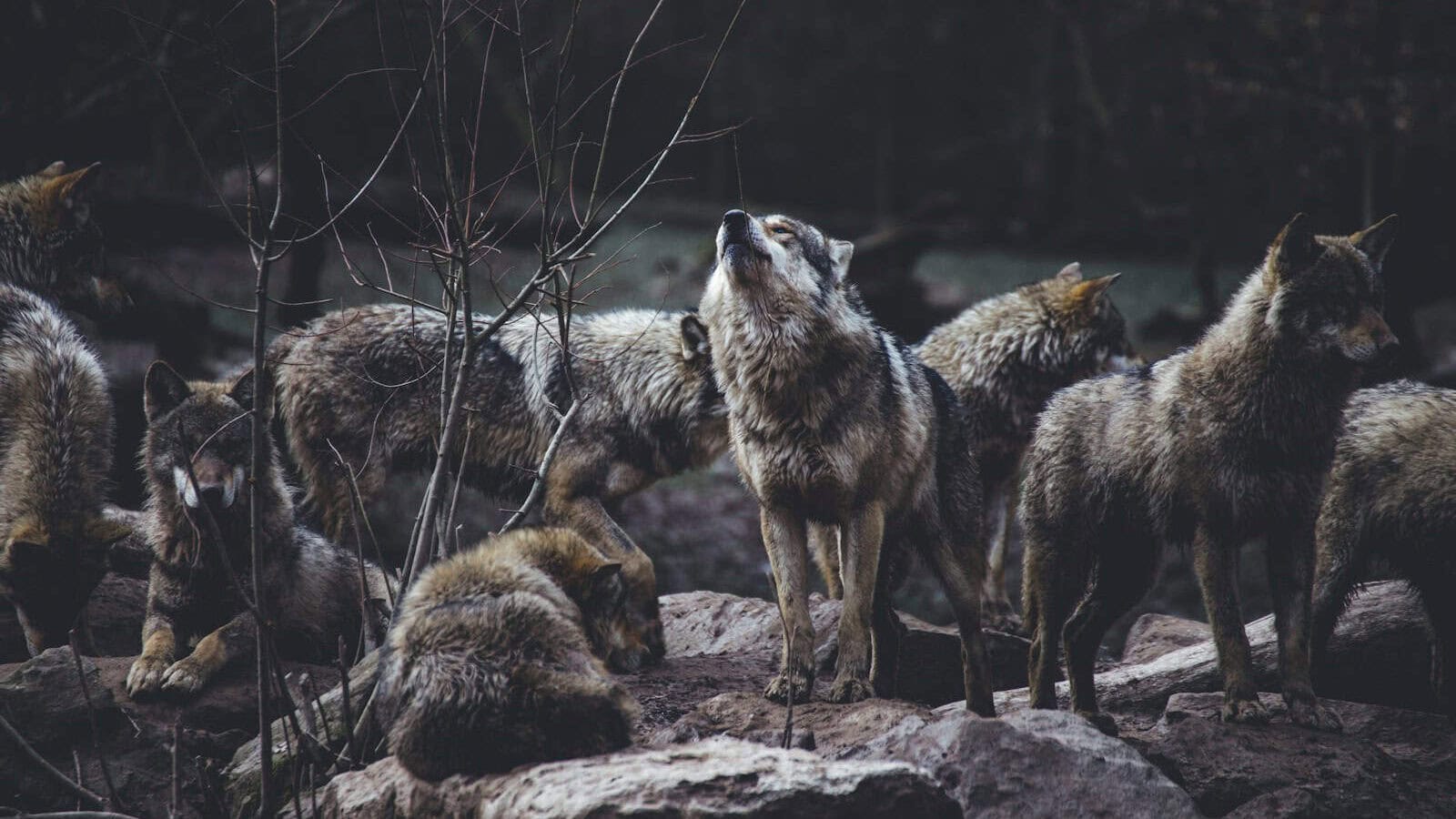
Gray wolves are highly social animals with complex pack structures typically consisting of 5-12 individuals, though packs of over 20 have been observed in prey-rich areas. The pack is essentially a family unit led by an alpha male and female (the breeding pair), with their offspring of various ages making up the rest of the group. Pack hierarchy is maintained through body language, vocalizations, and occasionally, physical confrontations. This strong social structure enables gray wolves to coordinate hunting of large prey and defend large territories.
Red wolves form smaller family groups, usually consisting of a breeding pair and their offspring from the current and previous years, typically 5-8 individuals. Their social structure is similar to gray wolves but tends to be less rigid. Red wolf packs are more likely to accept unrelated individuals during certain times, particularly when populations are low and territory boundaries are less defined. Both species show strong bonds between pack members, cooperative care of young, and similar communication methods including howls, growls, whines, and body postures, though red wolf howls are generally higher-pitched and have been described as more “yodel-like” than the deeper, more prolonged howls of gray wolves.
Reproductive Patterns and Life Cycle
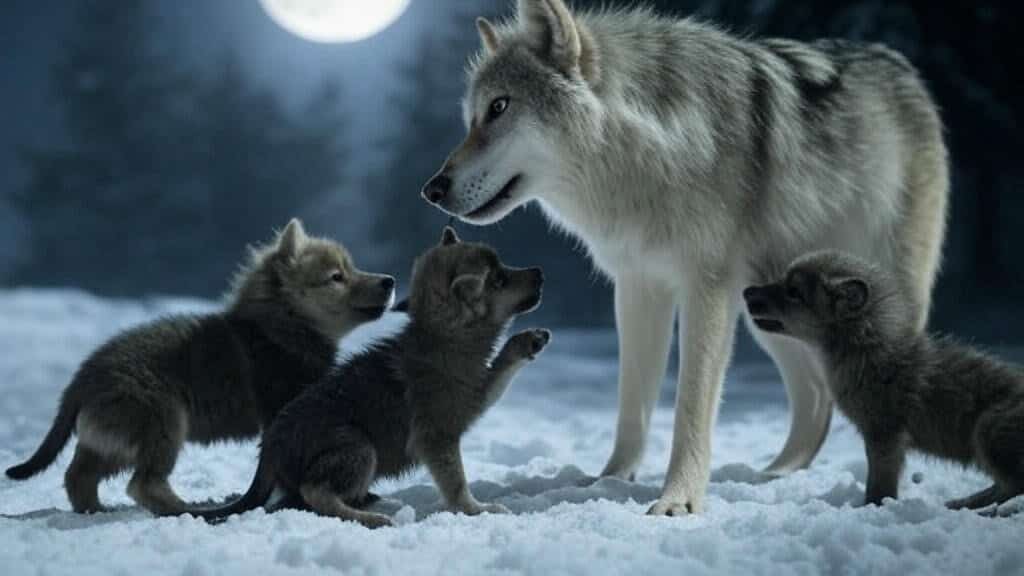
The reproductive cycles of gray and red wolves share similarities but with some notable differences. Gray wolves typically mate between January and March, with the alpha female giving birth to a litter of 4-6 pups after a gestation period of about 63 days. Pups are born blind and deaf in a den prepared by the parents, weighing approximately one pound. They open their eyes at about two weeks and begin to emerge from the den after three weeks. The entire pack participates in raising the young, regurgitating food for them after returning from hunts.
Red wolves have a similar breeding season, though it tends to start and end slightly earlier, usually between January and February. Red wolf litters are typically smaller, averaging 2-5 pups. The reproductive success of red wolves in the wild has been significantly impacted by hybridization with coyotes, which represents one of the greatest threats to their genetic integrity. Both wolf species reach sexual maturity at around 2 years of age and can live 6-8 years in the wild, though captive individuals may live twice as long. The mortality rate for pups is high in both species, with less than half typically surviving their first year in challenging conditions.
Genetic Considerations and Hybridization Issues

The genetics of these wolf species present fascinating differences and conservation challenges. Gray wolves have a robust genetic profile with numerous distinct subspecies across their global range. They can hybridize with domestic dogs and coyotes but tend to maintain genetic distinction through behavioral isolation mechanisms. Their genetic diversity has been reduced in some regions due to population bottlenecks, but many populations maintain healthy genetic variation.
Red wolves face more significant genetic challenges. Their genetic identity has been a subject of scientific debate, with some research suggesting they may have originated through historical hybridization between gray wolves and coyotes. More recent genomic studies suggest they are likely a distinct species that evolved in North America. One of the most pressing conservation issues for red wolves is hybridization with expanding coyote populations, which threatens their genetic integrity. The current wild population of red wolves is derived from just 14 founding individuals that showed pure red wolf characteristics, creating concerns about genetic diversity and inbreeding depression. Careful genetic management in both captive breeding programs and wild population management is essential for red wolf conservation.
Vocalizations and Communication Methods

Both wolf species use a complex repertoire of vocalizations and body language to communicate, but there are distinctive differences in their vocal patterns. Gray wolves are known for their deep, haunting howls that can carry for miles across open landscapes. These howls serve multiple purposes: to assemble the pack, announce territorial boundaries, and locate pack members. Gray wolves also use a variety of other sounds including growls, whines, whimpers, and barks to convey different messages within the pack. Their body language is equally sophisticated, with tail positions, ear movements, and facial expressions all conveying specific intentions.
Red wolves have a higher-pitched, more wavering howl that has been described as having qualities between a gray wolf’s howl and a coyote’s yip. Their howls tend to be shorter in duration than those of gray wolves and often include more modulation in pitch. Red wolves are generally less vocal than gray wolves, particularly in terms of how frequently they howl. Both species increase their howling during breeding season and when raising pups. These vocal differences can help researchers identify wolf species in the field and monitor population distributions without direct observation of the animals.
Ecological Roles and Ecosystem Impact
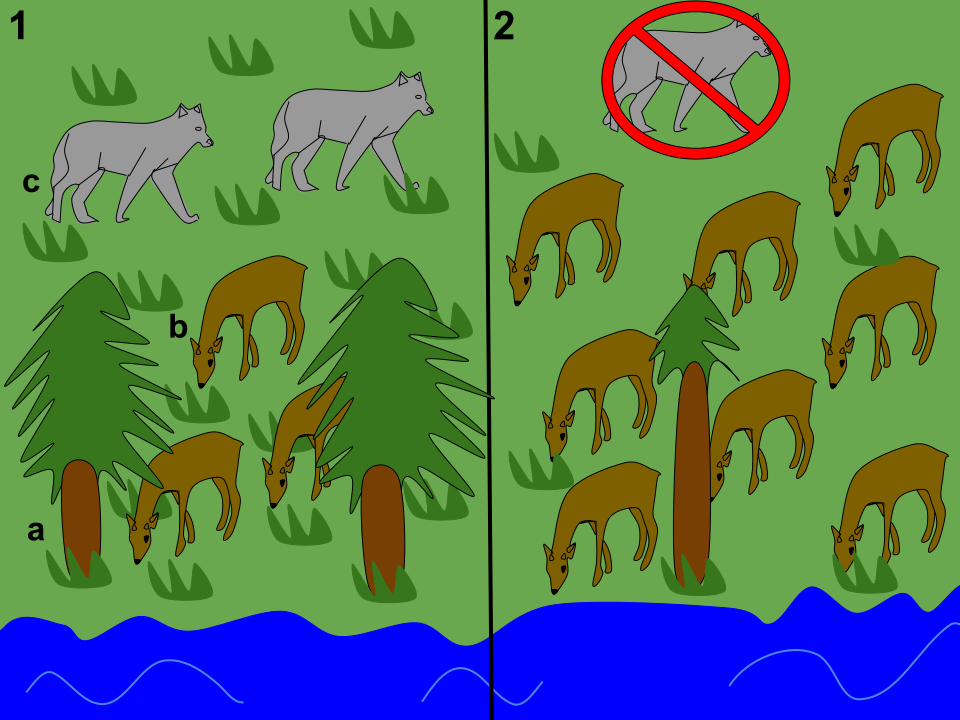
As apex predators, both wolf species play crucial roles in their ecosystems, but their impacts differ based on their habitats and prey preferences. Gray wolves are considered keystone species in many northern ecosystems. Their predation on large ungulates helps control these populations, preventing overgrazing and promoting healthier plant communities. The reintroduction of gray wolves to Yellowstone National Park has become a classic example of trophic cascades, where the presence of wolves changed elk behavior, allowing for the recovery of aspen, willow, and cottonwood trees, which in turn benefited beaver populations and improved riparian ecosystems.
Red wolves fill a similar but distinct ecological niche in southeastern ecosystems. By controlling medium-sized mammal populations such as raccoons and rabbits, they help maintain biodiversity and can reduce disease transmission among these species. Red wolves may also help control invasive nutria populations in wetland areas. Their smaller pack size and different prey base mean their ecological impact is less dramatic than that of gray wolves but still significant for ecosystem health. Both species also impact scavenger communities by providing carrion from their kills and help disperse seeds through their movements across large territories.
Conservation Status and Threats

The conservation status of these two wolf species highlights dramatic differences in their population security. Gray wolves, while still facing challenges, have shown remarkable recovery in parts of their range. They are listed as “Least Concern” globally by the IUCN, though many regional populations remain endangered. In the United States, gray wolves have been the subject of contentious delisting decisions under the Endangered Species Act. Current wild population estimates suggest approximately 18,000-20,000 gray wolves in North America, with about 6,000 in the contiguous United States.
Red wolves face a far more precarious situation and are classified as “Critically Endangered” by the IUCN. They are among the most endangered canids in the world, with fewer than 20 known individuals remaining in the wild as of recent counts, all restricted to a small area in eastern North Carolina. An additional 245-250 red wolves live in captive breeding facilities as part of the Species Survival Plan. The primary threats to both species include habitat loss, human persecution, road mortality, and policies that allow hunting in some regions. Red wolves face the additional critical threat of genetic swamping through hybridization with coyotes, which have expanded their range into traditional red wolf territory.
Human Relationships and Cultural Significance
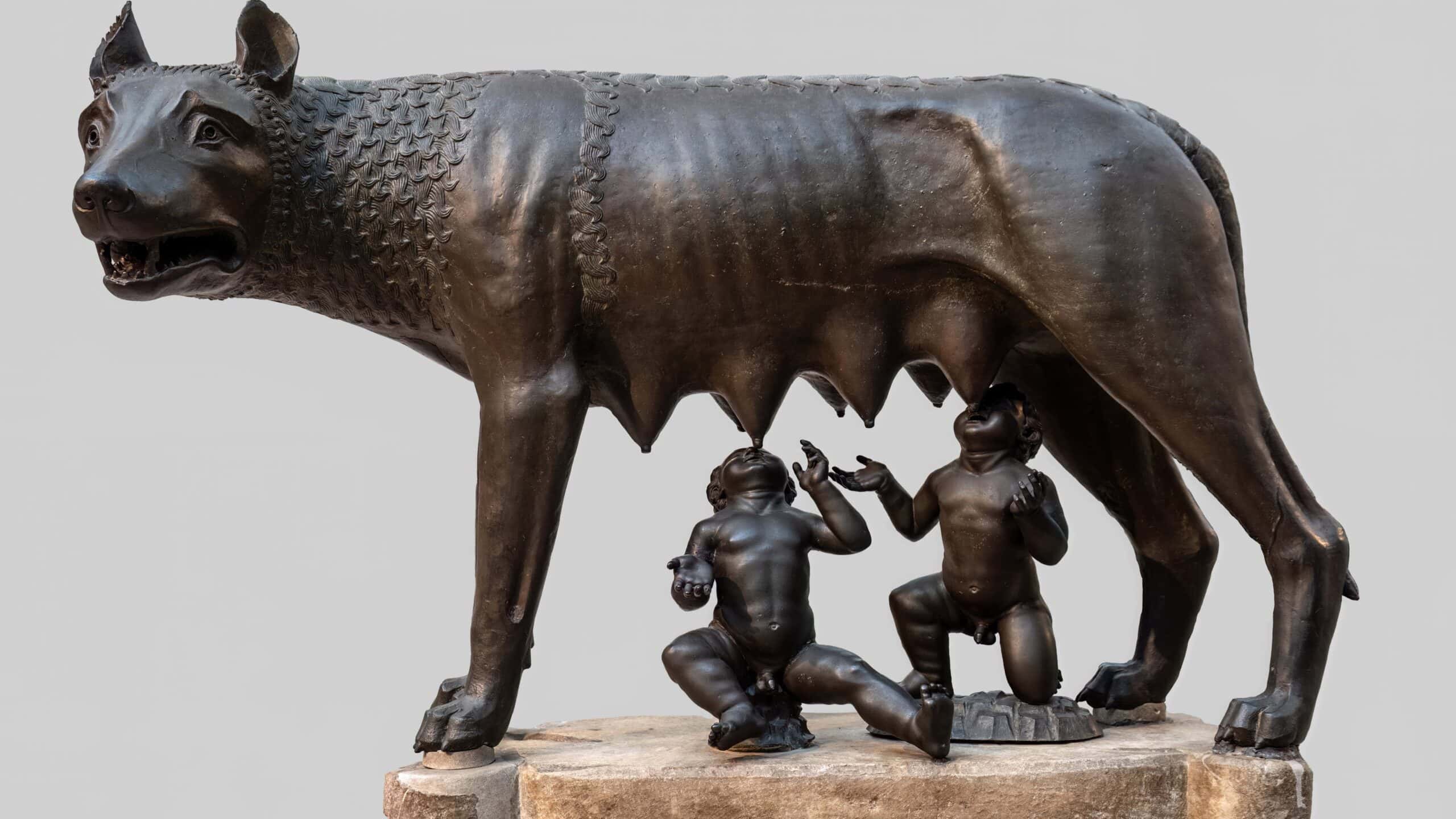
Throughout history, wolves have held significant places in human cultures, though attitudes toward them have varied dramatically. Gray wolves feature prominently in the mythologies, folklore, and spiritual beliefs of many cultures across North America, Europe, and Asia. They have been revered as symbols of strength, loyalty, and wildness, but also feared and demonized, leading to widespread persecution. The relationship between humans and gray wolves has been particularly complex in ranching communities, where conflicts over livestock predation have fueled anti-wolf sentiment.
Red wolves have a more limited cultural footprint, primarily appearing in the traditions and stories of Native American tribes in the southeastern United States. The Cherokee, for example, held wolves in high regard and included them in various myths and ceremonial contexts. In modern times, red wolves have become symbols of conservation efforts in the American Southeast and represent the challenges of preserving endangered species in human-dominated landscapes. Both species now serve as focal points for discussions about rewilding, the value of predators in ecosystems, and the ethical dimensions of species conservation, though gray wolves tend to generate more public controversy due to their wider range and greater potential for human conflict.
Recovery Efforts and Management Strategies
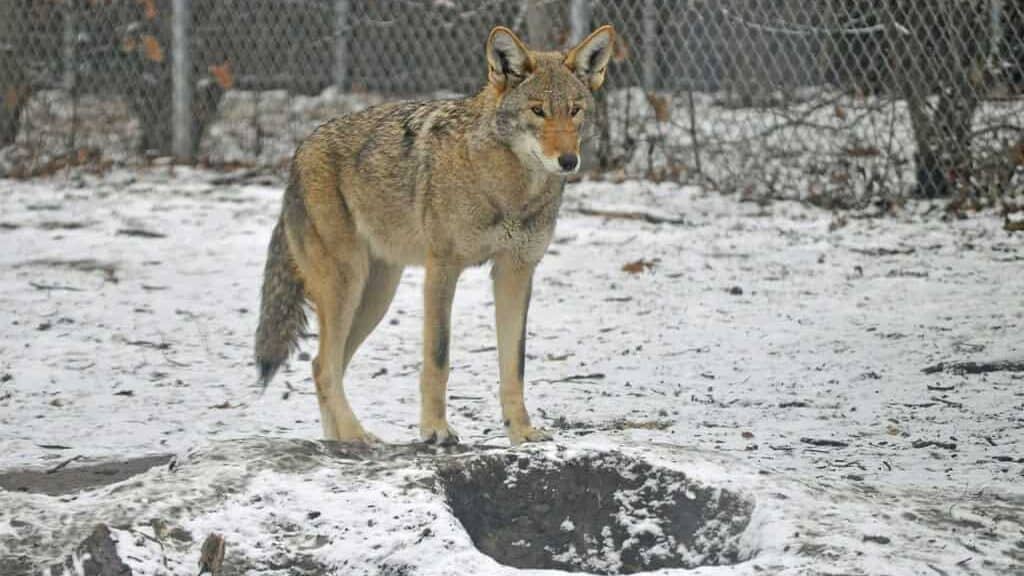
The approaches to recovering these wolf species illustrate different conservation challenges and strategies. Gray wolf recovery has been relatively successful in certain regions, with reintroduction programs in Yellowstone National Park and central Idaho serving as notable examples. These efforts, beginning in 1995, have led to the establishment of over 100 packs across the northern Rocky Mountains. Management strategies include protected status in many areas, designated wolf management zones, compensation programs for livestock losses, and in some regions, limited hunting seasons designed to reduce conflicts while maintaining viable populations.
Red wolf recovery efforts face greater challenges and have experienced setbacks. The Red Wolf Recovery Program, initiated in 1973, established the first successful reintroduction of a large carnivore species that had been declared extinct in the wild. From 1987 to 2013, the wild population grew to approximately 100-120 individuals, but subsequent policy changes, reduced management efforts, and increased coyote hybridization led to a dramatic population collapse. Current recovery strategies focus on maintaining the captive breeding population, managing the small wild population through tracking, vaccination programs, and coyote sterilization to prevent hybridization, and identifying potential new reintroduction sites with reduced conflict potential. Both species’ recovery programs highlight the complex interplay between biology, politics, and public opinion in wildlife conservation.
The differences between gray wolves and red wolves extend far beyond their coloration, encompassing their evolutionary history, physical characteristics, ecological roles, and conservation challenges. While gray wolves represent a conservation success story with growing populations across parts of their historical range, red wolves stand at a precarious crossroads, with their continued existence as a distinct species hanging in the balance. These contrasting situations highlight how factors including habitat availability, human attitudes, genetic issues, and management policies can dramatically affect species survival prospects.
Understanding the unique attributes of each wolf species helps inform more effective conservation strategies tailored to their specific needs. For gray wolves, maintaining connected populations and managing human conflict remain priorities, while red wolf conservation requires urgent attention to genetic integrity, protected habitat, and public support. Both species serve as powerful symbols of wilderness and ecological integrity, reminding us of the importance of preserving biodiversity in all its forms.
As we continue to refine our understanding of these magnificent predators through scientific research and observation, we gain not only knowledge about wolves themselves but also insights into broader conservation principles. The story of gray and red wolves in North America serves as a compelling case study in how closely related species can face drastically different futures based on both natural factors and human decisions. Their fate ultimately rests in our hands, making education about their differences and unique conservation needs essential for ensuring both species continue to fulfill their ecological roles in the wild.
The journey of protecting these iconic canids teaches us that conservation success requires not just biological understanding but also social acceptance, political will, and long-term commitment to coexistence with the natural world. As we move forward, the lessons learned from both gray and red wolf conservation will undoubtedly inform efforts to protect other species facing similar challenges in our rapidly changing world.

- The Largest Whale Ever Caught on Camera - June 22, 2026
- 11 Incredible Animals Found Only in the Pacific Islands - June 22, 2026
- Why Texas Is Home to Some of the World’s Biggest Rattlesnakes - June 22, 2026