
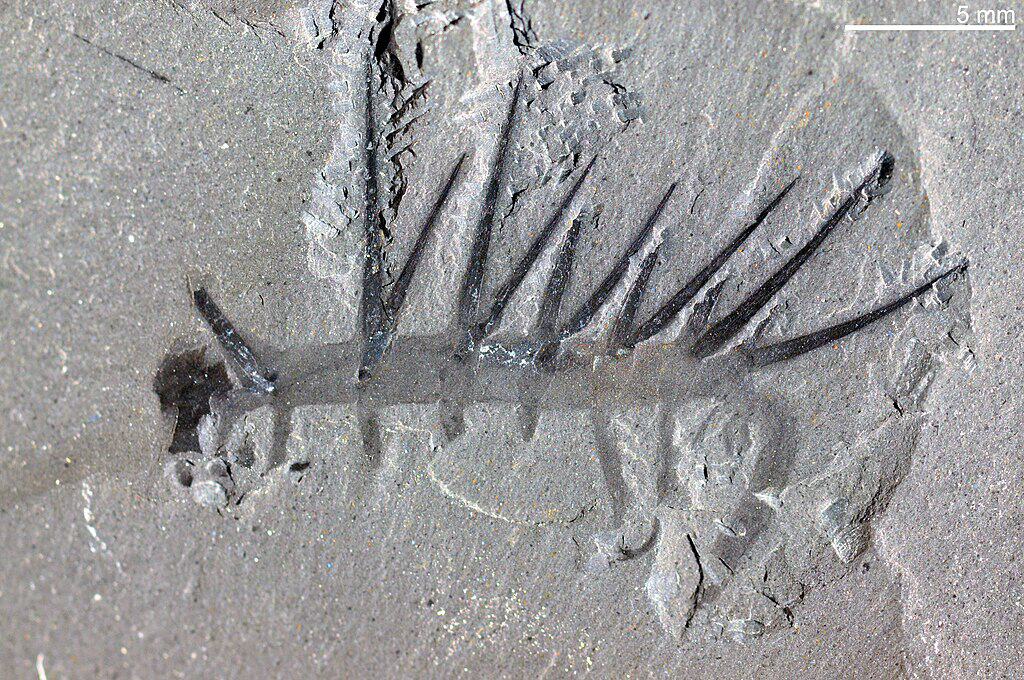
Dinosaurs, the ancient titans that once roamed the Earth, have long fascinated scientists and the public alike. Every fossil unearthed offers a glimpse into a prehistoric world, changing the way we understand life’s ancient past. Over the decades, some fossil discoveries have stood out, significantly altering scientific perspectives and shedding light on the diverse lives of these magnificent creatures. This article explores the crucial fossils that have revolutionized our understanding of dinosaurs and prehistory.
The Importance of Fossils in Paleontology
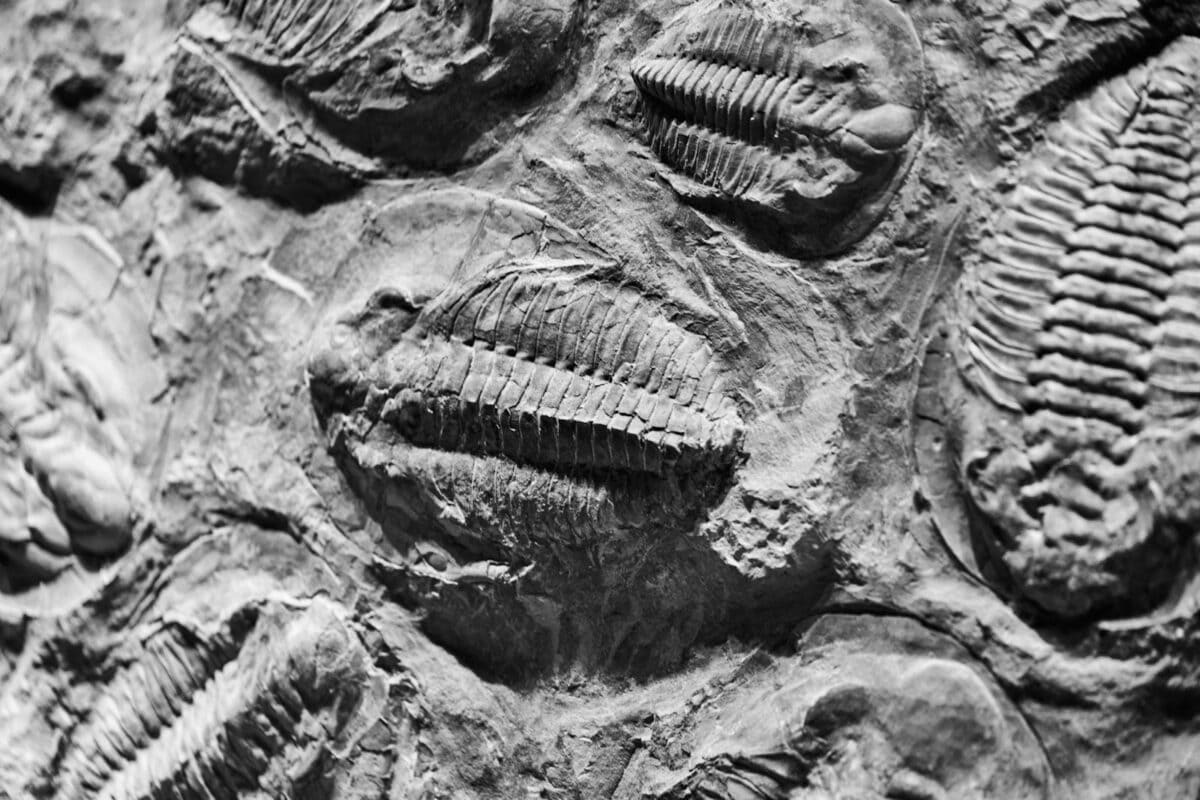
Fossils are the preserved remains or traces of organisms that lived in the distant past. These remnants serve as valuable time capsules, providing direct evidence of ancient life and environmental conditions. In paleontology, fossils are the primary source of information, allowing scientists to reconstruct the appearance, behavior, and evolution of extinct species. Each discovery adds a piece to the vast jigsaw puzzle of Earth’s history, aiding in the understanding of how life has evolved over millions of years.
The First Dinosaur Fossils

The earliest dinosaur fossils were discovered in the early 19th century, igniting a curiosity that led to the rise of paleontology as a scientific discipline. The first scientifically documented dinosaur, Megalosaurus, was described by William Buckland in 1824, marking the beginning of the scientific exploration of these ancient reptiles. This discovery sparked a surge of interest and laid the groundwork for future finds that would expand our understanding of prehistory.
Diplodocus

When the Diplodocus was discovered in the late 19th century by paleontologist Othniel C. Marsh, it challenged previous notions about dinosaur size and physiology. This enormous sauropod demonstrated that dinosaurs could grow to be the largest land animals ever to exist, sparking debates and research into how such large creatures lived, moved, and thrived during their time.
Archaeopteryx
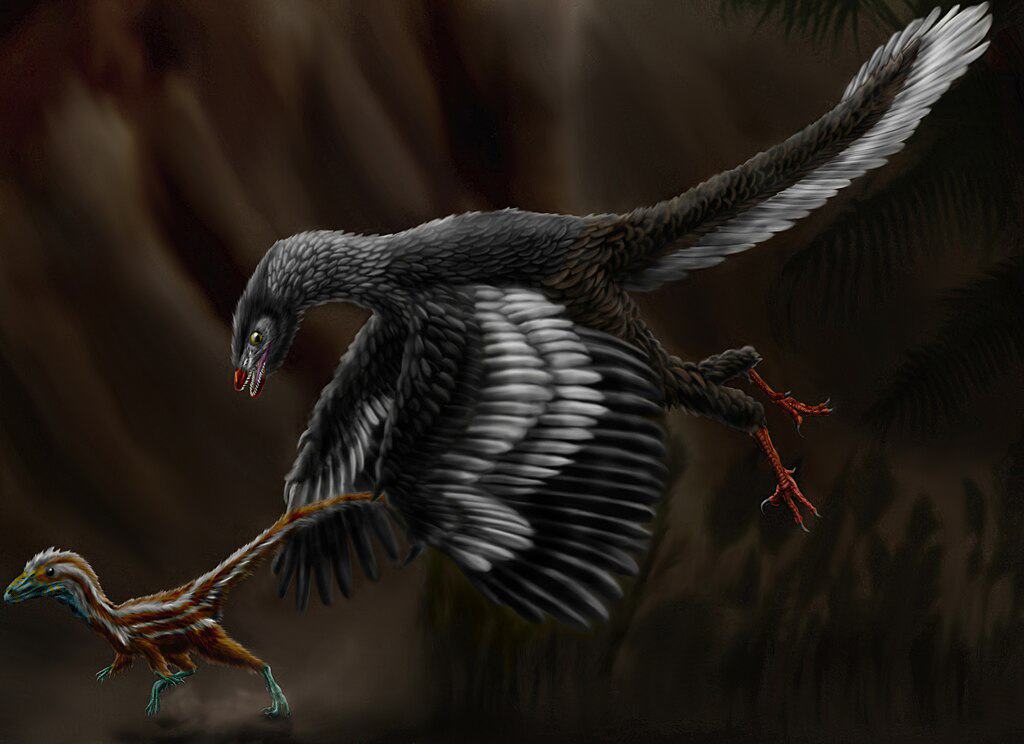
The discovery of Archaeopteryx in 1861 in Germany changed the scientific understanding of the evolutionary relationship between birds and dinosaurs. This iconic fossil, featuring both avian and reptilian traits, provided crucial evidence supporting the theory that modern birds evolved from theropod dinosaurs, reshaping the tree of life and our perception of avian ancestry.
Maiasaura
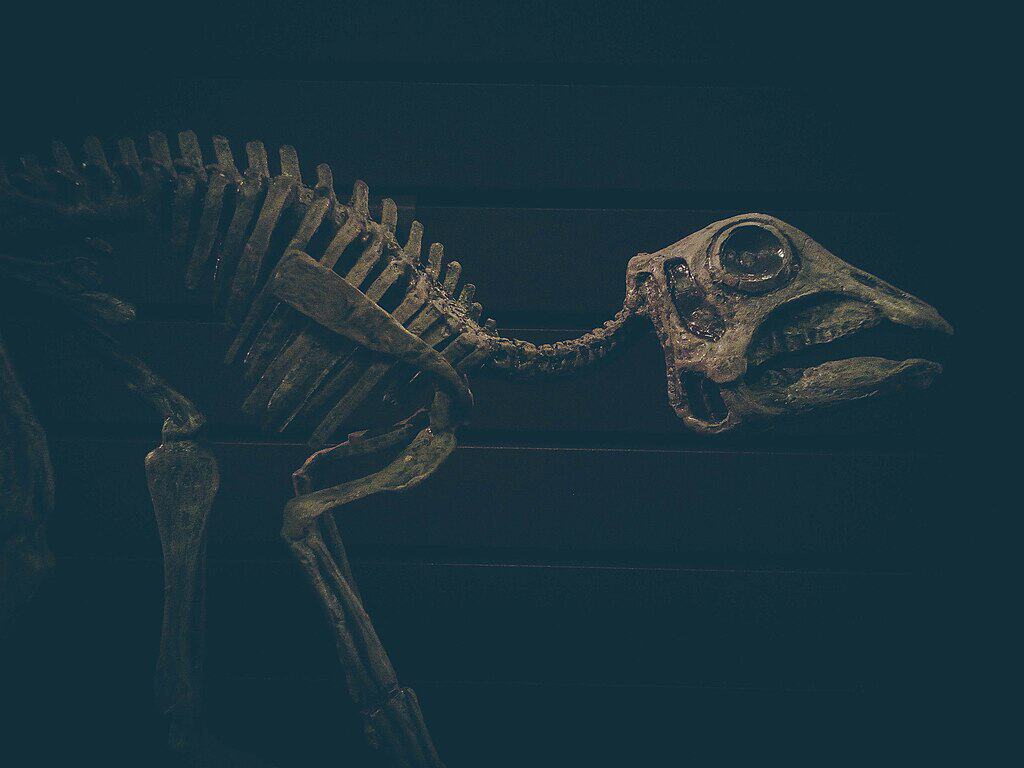
Unearthed in Montana, Maiasaura fossils revealed a social species that cared for its young, challenging the notion of dinosaurs as solitary creatures. The discovery, including nests, eggs, and young, offered unprecedented insight into the life cycle of dinosaurs, indicating that some species exhibited complex social behaviors and parental care, similar to many modern animals.
Velociraptor
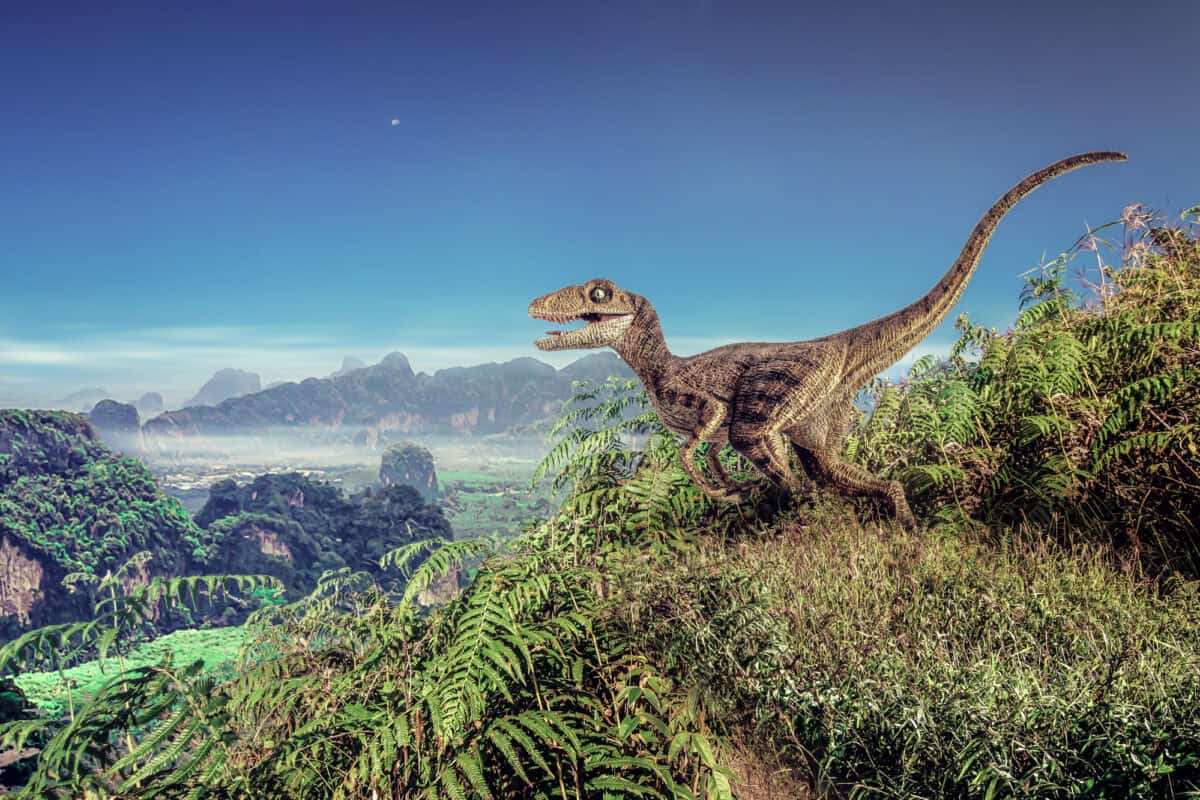
The Velociraptor gained fame through popular culture, but its fossils have also changed scientific views on dinosaur intelligence and hunting strategies. Discovered in Mongolia, evidence of this small but agile predator, including its brain cavity, supports the idea that some dinosaurs were more intelligent than previously thought, capable of sophisticated behavior and coordination.
Sauroposeidon
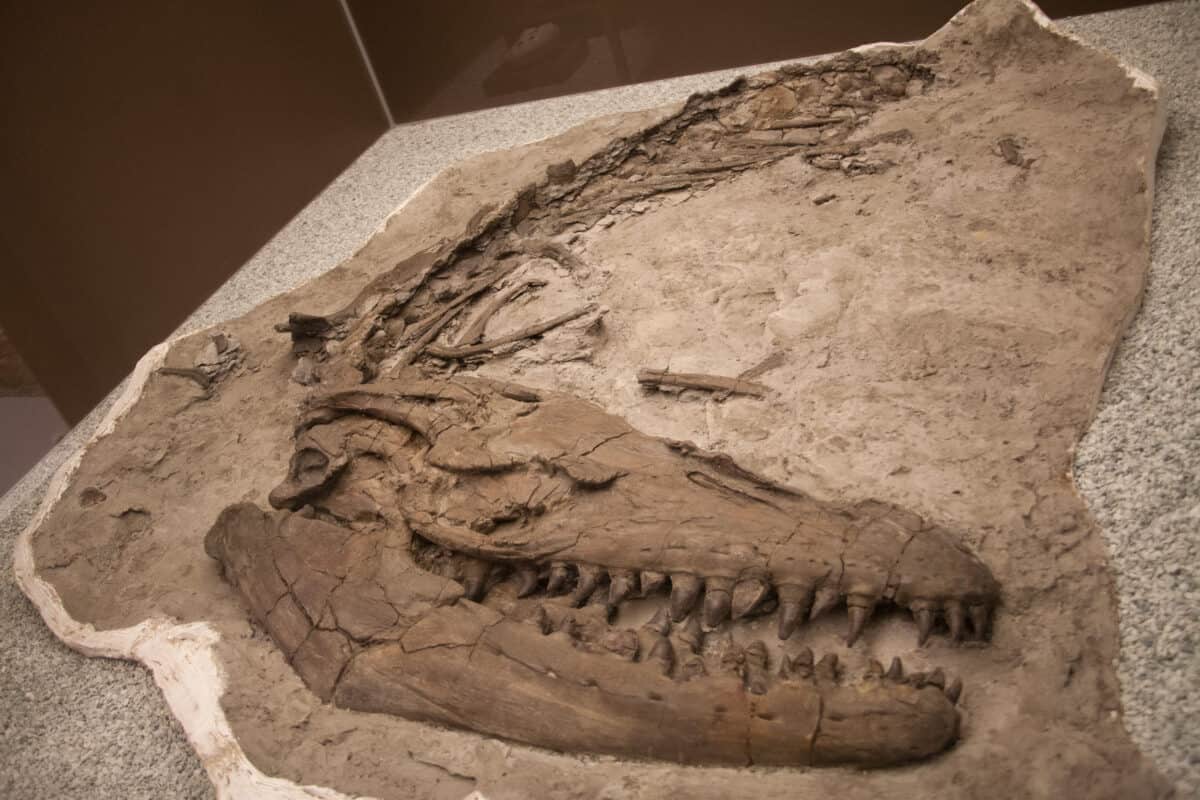
The discovery of Sauroposeidon, a colossal sauropod from North America, further deepened our understanding of the size limits of land-dwelling vertebrates. Measuring an estimated 60 feet in height, this immense dinosaur exemplifies the remarkable diversity and adaptability of sauropods, prompting questions about their physiology and ecosystem roles.
Spinosaurus

Spinosaurus, first found in Egypt in the early 20th century, had long been a subject of intrigue due to its peculiar body structure. Recent fossil evidence suggests that Spinosaurus was semi-aquatic, fundamentally challenging the classification of dinosaurs as purely terrestrial animals. This revelation opened new avenues for understanding dinosaur ecology and habitat diversity.
Dromaeosauridae

The discovery of feathered dinosaurs within the Dromaeosauridae family in China revolutionized scientific views on dinosaur skin covering and evolution. Fossils like those of the feathered Sinosauropteryx supported the theory that feathers, initially evolved for insulation or display, were later adapted for flight, highlighting a significant evolutionary step toward birds.
Yutyrannus
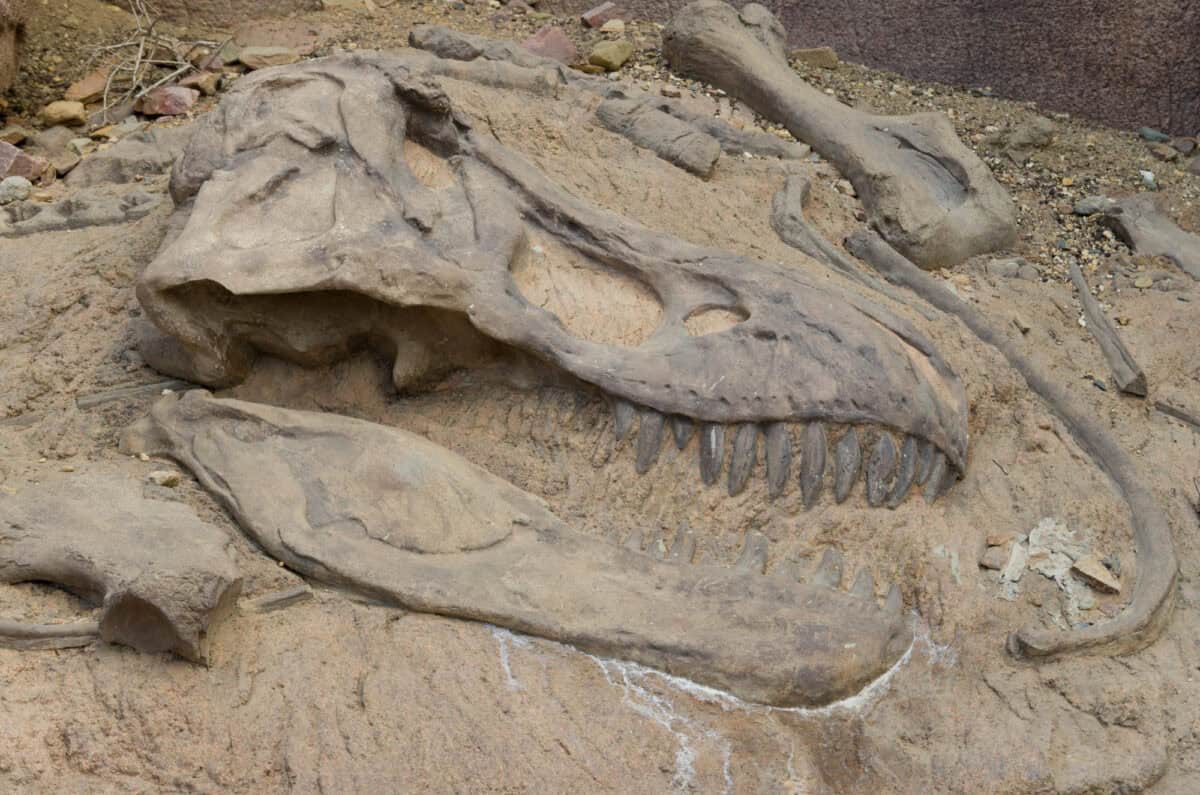
Yutyrannus fossils, found in northeastern China, were significant for exhibiting feathers in a large tyrannosaur. This underscored the diversity of feathered dinosaurs and suggested that some larger species also developed feathers, possibly for temperature regulation or display, contributing to the evolving picture of dinosaur integument and adaptation.
Tyrannosaurus Rex

The most famous dinosaur, Tyrannosaurus rex, has been pivotal in understanding apex predator behavior and evolution. Discovered in the late 19th century, its formidable size and anatomy provided insights into the predator-prey dynamics of its time, while ongoing research into its sensory capabilities and physiology continues to captivate scientists and enthusiasts.
Conclusion

Dinosaur fossils have continually transformed our understanding of prehistory, offering a glimpse into an ancient world that vanished millions of years ago. Each discovery, from giants like Diplodocus to intricate links like Archaeopteryx, serves as a catalyst for scientific inquiry, challenging established views and fueling further exploration. As excavations and technology advance, new discoveries will undoubtedly continue to reshape the fascinating narrative of these remarkable creatures that once ruled the Earth, revealing the astonishing diversity and complexity of life that predated our own.

- 10 Facts About the California Condor's Remarkable Recovery - August 25, 2026
- What Bird of Prey Matches Your Zodiac Personality - August 25, 2026
- 9 Ways Cats Apologize After Causing Chaos - August 25, 2026