

There’s a particular silence that settles into a home after a pet is gone. The leash still hangs by the door. The food bowl sits in its corner. And for millions of people, that absence creates a kind of ache that catches them completely off guard – one the outside world doesn’t always take seriously.
Pet owners may experience grief following the loss of their pets, stemming from the disruption of the emotional bond between them and their pets. That bond isn’t trivial or sentimental. For many families, people perceive their pets as family members, friends, and children, rather than simply animals. Pets provide companionship, alleviate individual stress, and facilitate social interactions, promoting better physical health and psychological resilience.
What happens when that source of comfort disappears is more complicated, and more serious, than many people expect.
Why Pet Loss Grief Hits So Hard
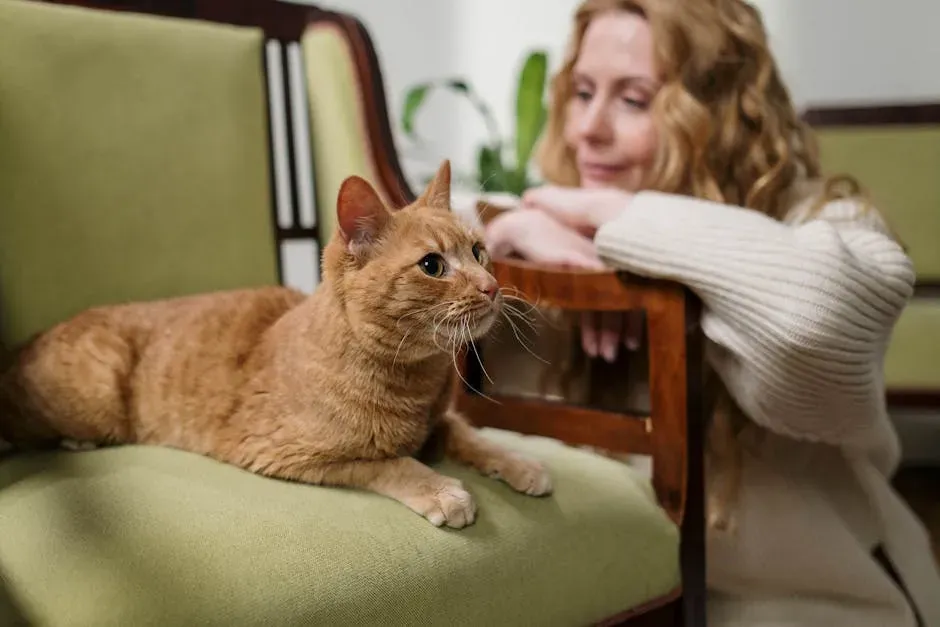
Pets provide consistent comfort, security, and affection. The bond we share with them can equal or even surpass some human relationships. This isn’t hyperbole. It reflects the reality of how deeply woven into daily life an animal companion becomes.
Our pets see us through many different transitions of our lives: childhood, serious illness, moves, job changes, and even the death of loved ones. Pets are often the one constant, comforting, and dependable relationship through difficult and changing times. Sometimes we spend more time with our pets than with anyone else.
We lose our pets’ companionship, the routines of their daily care, and the warmth and safety of sharing countless sweet moments with them as we move through life’s adventures. For these reasons and more, grief can be emotionally, mentally, physically, and spiritually distressing. It isn’t just sadness. It touches the structure of an entire day.
Approximately three in ten pet owners experience intense grief following pet loss. This grief can increase psychological distress and the risk of mortality. Those numbers deserve to be taken seriously.
Disenfranchised Grief: When No One Validates Your Pain
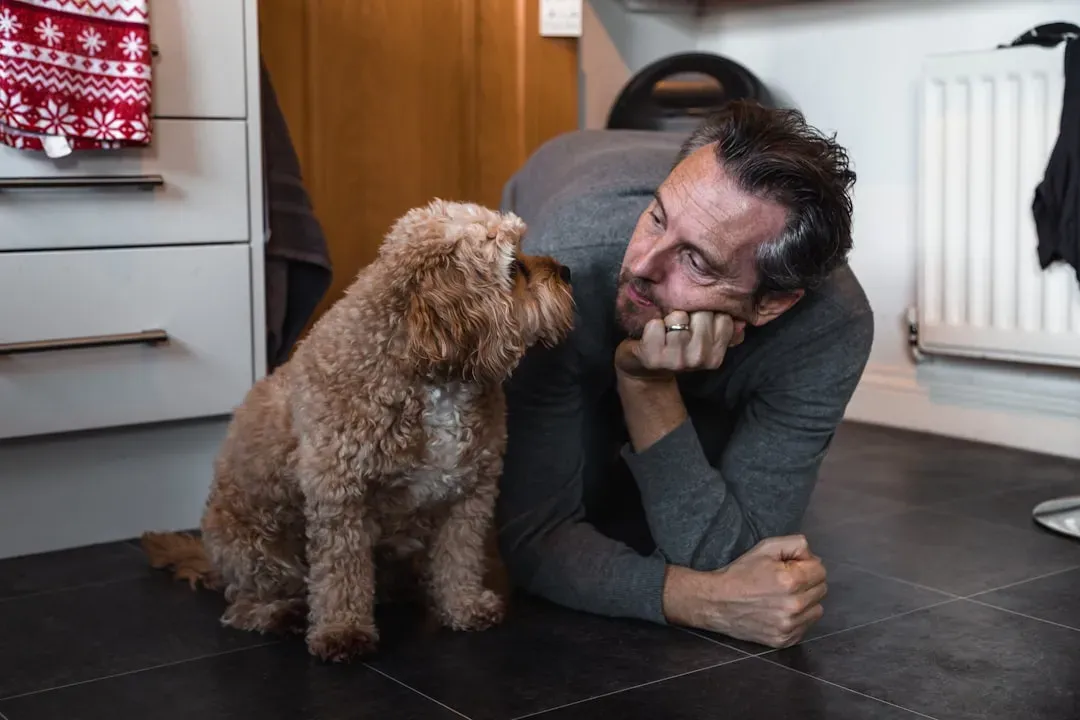
The death of a beloved animal can lead to profound grief, akin to the loss of a human loved one. Yet it is often minimized by societal norms, resulting in disenfranchised grief for many pet guardians and animal caregivers. This is one of the most quietly damaging aspects of losing a pet.
The bond people share with their pets has strengthened over the last several decades, and we commonly view pets as family. Grief after losing a pet is still often less socially accepted than grief after losing a person. This can add to the distress, leaving pet parents feeling isolated or even embarrassed if others don’t understand or dismiss their sadness.
The death of a pet can cause a range of emotional responses, such as anxiety, stress, shame, ambiguous grief, complicated grief, and even traits of psychopathology and trauma. These emotions can lead to loneliness, isolation, and even suicidal thoughts.
Research has revealed that social recognition plays a central role in healing through validation. Findings underscore the importance of social context, continued bonds, and meaning-making, with implications for psychologists, counselors, educators, and organizations to acknowledge and validate grief that is not culturally or professionally recognized.
The Emotional Stages: What You’re Actually Going Through
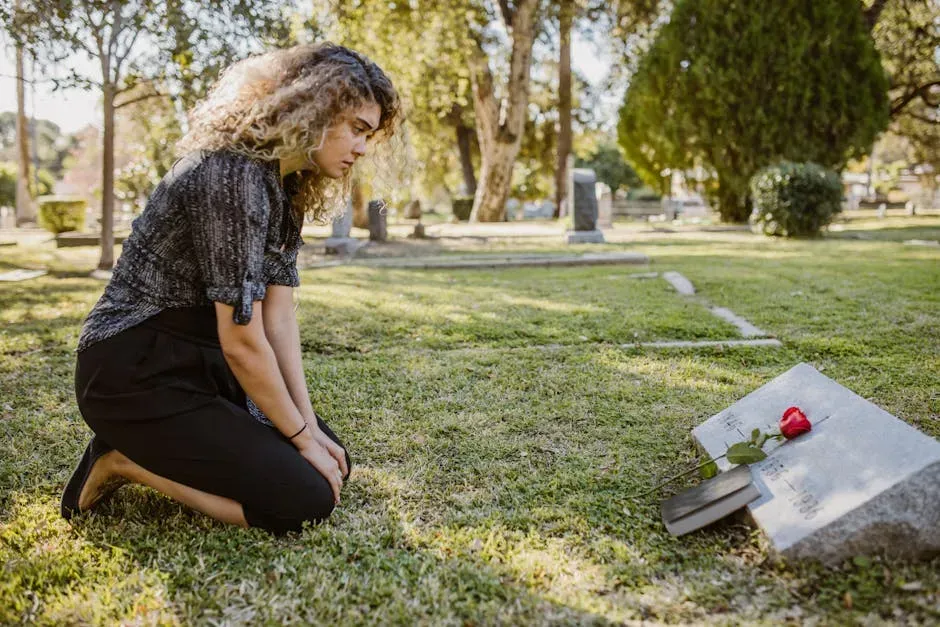
The grief process is not linear. You may meander in and out of the stages of grief, going back and forth rather than experiencing each stage in sequential order. It’s not uncommon to start to feel better, and then feel like a wave of grief has washed over you again.
Some caregivers may try bargaining with a higher power, themselves, or even their pet to restore life. Some feel anger, which may be directed at anyone involved with the pet, including family, friends, and veterinarians. Caregivers may also feel guilt about what they did or did not do, or they may feel ashamed to be so upset. After these feelings subside, caregivers may experience true sadness or grief.
You may feel you need some time away from work, which around one in four people do. Just like any other kind of grief, it can affect your body too, making it hard to eat, sleep, or do everyday things. You might even feel sick or achy.
Grief varies widely. Research suggests that the most intense feelings often occur in the first two months, with underlying sadness sometimes lasting six to twelve months or longer. There is no set timeline – grief is unique to each person.
Practical Ways to Cope and Begin Healing
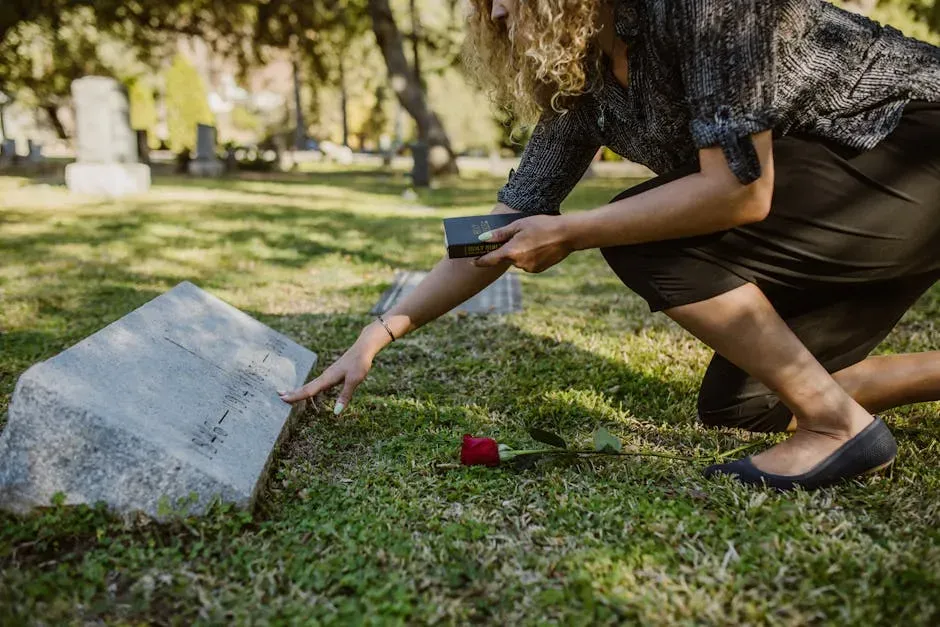
Trying to ignore your pain or keep it from surfacing will only make it worse in the long run. For real healing, it is necessary to face your grief and actively deal with it. By expressing your grief, you’ll likely need less time to heal than if you withhold or bottle up your feelings.
Your memories allow your pet to live on in you. Embracing these memories, both happy and sad, can be a very slow and at times painful process that occurs in small steps. For example, take some time to look at past photos, write a tribute to your pet, or write your pet a letter recalling your time together.
Adaptive strategies, such as cognitive reappraisal and acceptance, can ease the grieving process and promote healing. High levels of anxious attachment have been linked to more intense grief and guilt after pet loss. This suggests that individuals benefit from cognitive emotion regulation strategies, such as acceptance and refraining from self-blame, to manage painful separations.
Donating to or fundraising for a shelter or pet health research organization in your pet’s memory can help. Finding comfort and purpose in maintaining regular routines, while acknowledging the space left by your pet’s absence, is also meaningful. Small acts of purpose help anchor a disoriented sense of daily life.
When to Seek Support and How to Honor Their Memory

Pet loss grief involves a deep reconfiguration of caregivers’ being-in-the-world, revealing emotional, relational, and social complexities that challenge superficial understandings of this type of loss. The findings illuminate how pet loss grief extends beyond emotional distress, involving existential disruption and a need for recognition in social contexts.
If grief becomes overwhelming – interfering with daily life accompanied by thoughts of self-harm – it’s important to seek professional support from a licensed mental health provider. There’s nothing excessive about asking for help when the weight becomes too much to carry alone.
You need the love and support of others because you never simply “get over” grief. Talking or being with other pet owners who have experienced the death of a pet can be one important way to meet this need. Online communities, grief counselors specializing in pet loss, and local support groups all offer real relief.
Remember, healthy grieving does not mean that you forget or “get over” your friend. It simply allows you to accept that they’re gone and eventually smile at their memory. Remembering them through a small garden stone, a framed photo, or a donation in their name keeps the relationship alive in a meaningful way.
Conclusion

Losing a pet is not a small thing dressed up as a big one. The research is clear, the human experience is consistent, and the emotional aftermath is real. What gets harder to measure is the particular shape that grief takes when it’s the creature who greeted you every single day, without condition, who is suddenly no longer there.
Give yourself the same patience you would offer a friend going through any significant loss. The silence in the house will not always feel this loud. Grief, even for the softest paws and the most devoted eyes, is evidence of something worth having had.

- 6 Exotic Bird Species You Can Spot in U.S. National Parks - July 19, 2026
- 11 Iconic American Birds Facing New Challenges and How You Can Help - July 19, 2026
- 10 Friendliest Animals in the World - July 19, 2026