
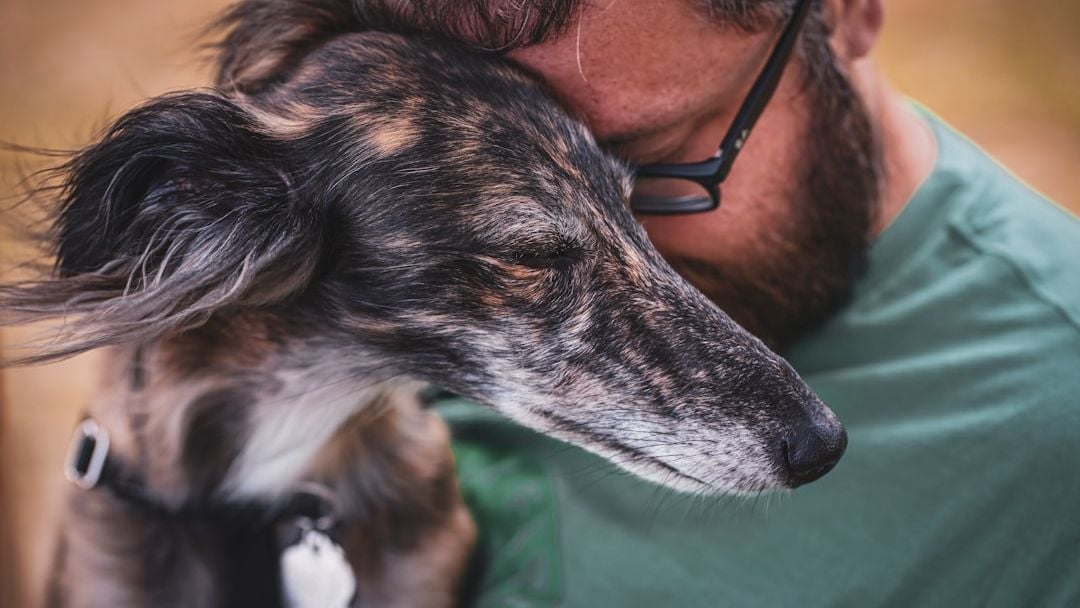
There’s a silence that follows the loss of a pet that few people truly understand until they’ve lived through it. It’s not just the absence of sound. It’s the missing rhythm of paws on the floor, the lack of excited breathing, the emptiness where warmth and companionship once lived.
Honestly, it’s a grief that catches people off guard. Society sometimes treats it as lesser, something you should bounce back from quickly. Get another dog, they say. Time heals all wounds, they promise. Yet for those in the thick of it, the pain feels anything but small. When a pet dies, owners can experience similar levels of grief as when a human dies. Let’s be real, that’s not an exaggeration for the millions who’ve felt it.
So what makes this particular loss cut so deeply? Why does saying goodbye to a furry friend leave such a lasting mark on our hearts? Let’s dive in.
The Bond That Defies Simple Explanation
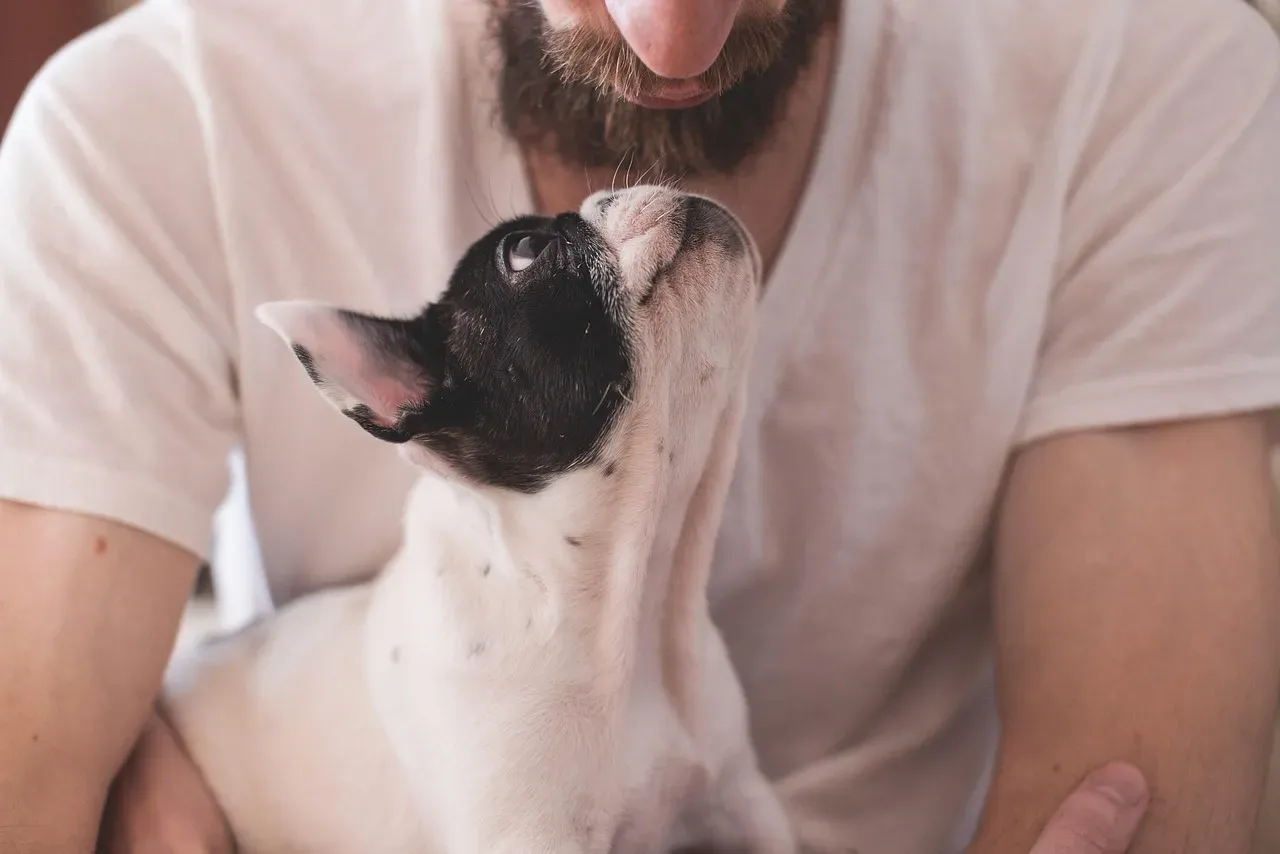
Humans are biologically wired to form strong attachments, and pets, like dogs and cats, can become deeply intertwined in our emotional lives. Here’s the thing: the relationship you share with your pet isn’t like other relationships. There’s no hidden agenda, no manipulation, no pretense.
Your dog doesn’t care if you had a bad day at work or said something awkward at dinner. They’re just thrilled you’re home. If we come home and our dog is ecstatic to see us, we know it’s not lying. Because it can’t! That purity is rare in human interactions, where doubt and complexity often creep in.
Our relationships with our pets are unique, special bonds; they are like no other relationship we have in our lives. Our pets offer us unconditional love and support. They are always there for us, no matter what kind of mood we are in. Think about it. How many beings in your life provide that level of consistency?
Pets also fill specific roles that go beyond companionship. If your pet was a working dog, service animal, or therapy animal, you’ll not only be grieving the loss of a companion but also the loss of a coworker, the loss of your independence, or the loss of emotional support. That’s a double layer of loss right there.
The strength of this attachment makes perfect sense when you consider how much time you actually spend together. Sometimes we spend more time with our pets than with anyone else. They witness your morning routine, your late-night snacks, your tears, your laughter. They become witnesses to your entire existence.
The Physical and Neurological Reality of Pet Grief
Let’s talk science for a moment, because what you’re feeling isn’t just emotional. It’s physical. When a pet dies, your brain experiences a flood of emotions, including sadness, stress, and sometimes even anxiety. This emotional overload can lead to a complex set of reactions in the brain that contribute to the intensity of grief.
Studies have shown that the brain’s reaction to losing a pet can resemble the grief one might experience after losing a human companion. This means the pain of losing a pet is more than just emotional – it’s neurological. Your brain is literally processing this loss the same way it would process any significant bereavement.
There’s also the hormonal aspect. Oxytocin is often referred to as the “bonding hormone” because it plays a crucial role in forming relationships and promoting feelings of affection and attachment. When you spend time with your pet, your brain releases oxytocin, strengthening the emotional bond. When your pet passes away, the sudden withdrawal of oxytocin can make the emotional pain even harder to cope with.
Then cortisol enters the picture. Losing a pet can trigger increased levels of cortisol in the body, leading to feelings of heightened anxiety, stress, and irritability. This is why grieving after a pet loss can often feel physically exhausting. You’re not imagining the fatigue or the disrupted sleep patterns.
Many people experience physical effects too including changes in appetite, fatigue and insomnia. The stress of the loss can also exacerbate existing conditions such as IBS, psoriasis and eczema. It’s not weakness. It’s your body reacting to genuine trauma.
When Society Doesn’t Validate Your Pain
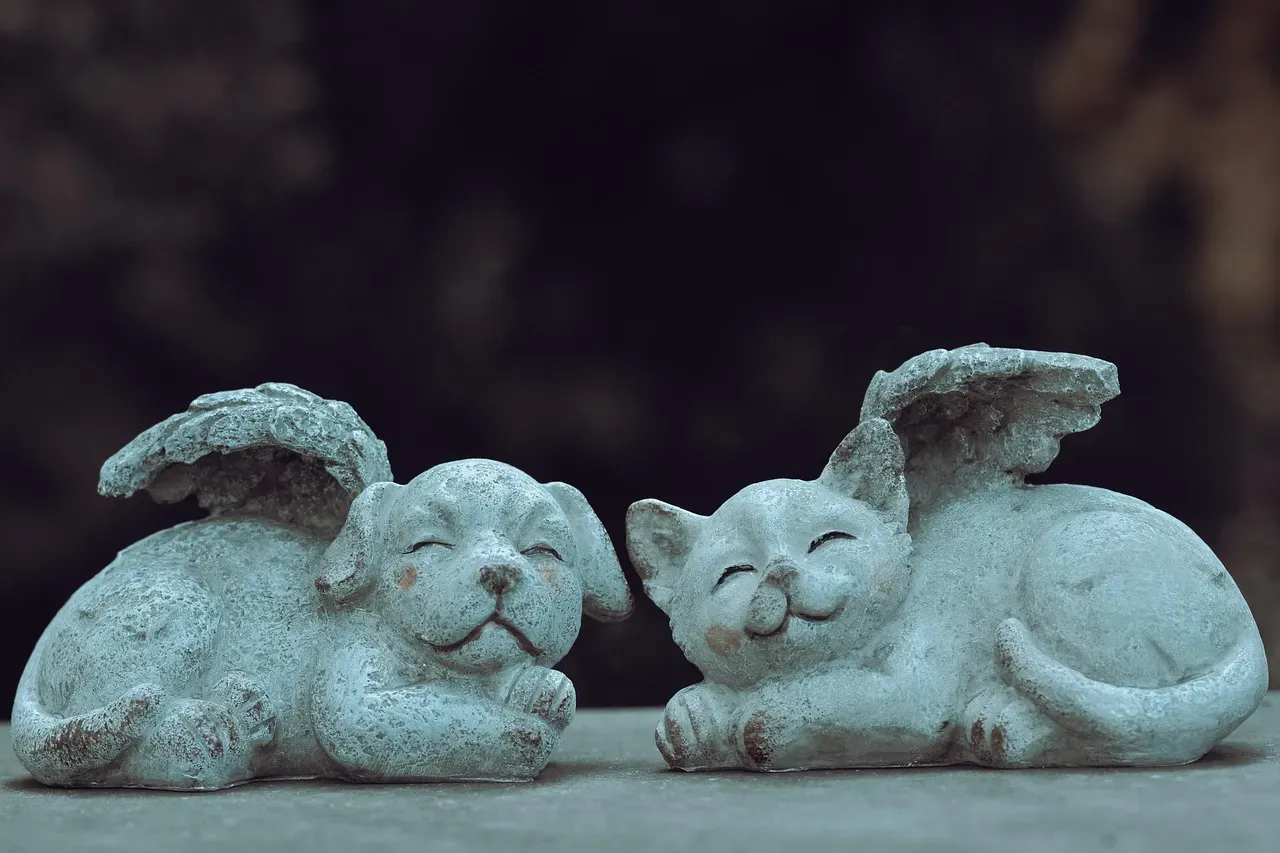
One of the cruelest aspects of pet loss is something called disenfranchised grief. Such responses are often attributed to a lack of societal understanding and result in disenfranchised grief. Basically, it’s grief that isn’t recognized or supported by others.
There was a perception of a lack of acceptance and acknowledgement of animal companion bereavement as a normative and legitimate loss that one might grieve for, meaning bereaved owners’ experiences may go unrecognised. Mental health is becoming much more acceptable, but pet bereavement is still to catch up. That gap in understanding can make you feel incredibly isolated.
The grieving process can be compounded by societal norms that may trivialize or dismiss the significance of pet loss. Friends and family members may offer well-intentioned but ultimately insensitive remarks, such as “It was just a pet” or “You can always get another one.” Such responses can worsen feelings of isolation and invalidate the depth of the bond between the person and their pet.
I know it sounds crazy, but these comments actually deepen the wound. They force grieving pet owners to hide their emotions or feel ashamed for experiencing such intense sadness. You should never feel guilty or ashamed about grieving for an animal friend.
Bereaved pet owners frequently reported feelings of embarrassment and loneliness following the loss of their pet. It’s hard to say which is worse: the loss itself or the loneliness that comes from feeling like no one understands your pain.
The lack of formal rituals makes it worse. There are few commonly accepted rituals or public expressions of mourning for pet loss. You don’t get bereavement leave from work. There’s no funeral service that everyone attends. It’s grief in the shadows.
The Agonizing Decision of Euthanasia
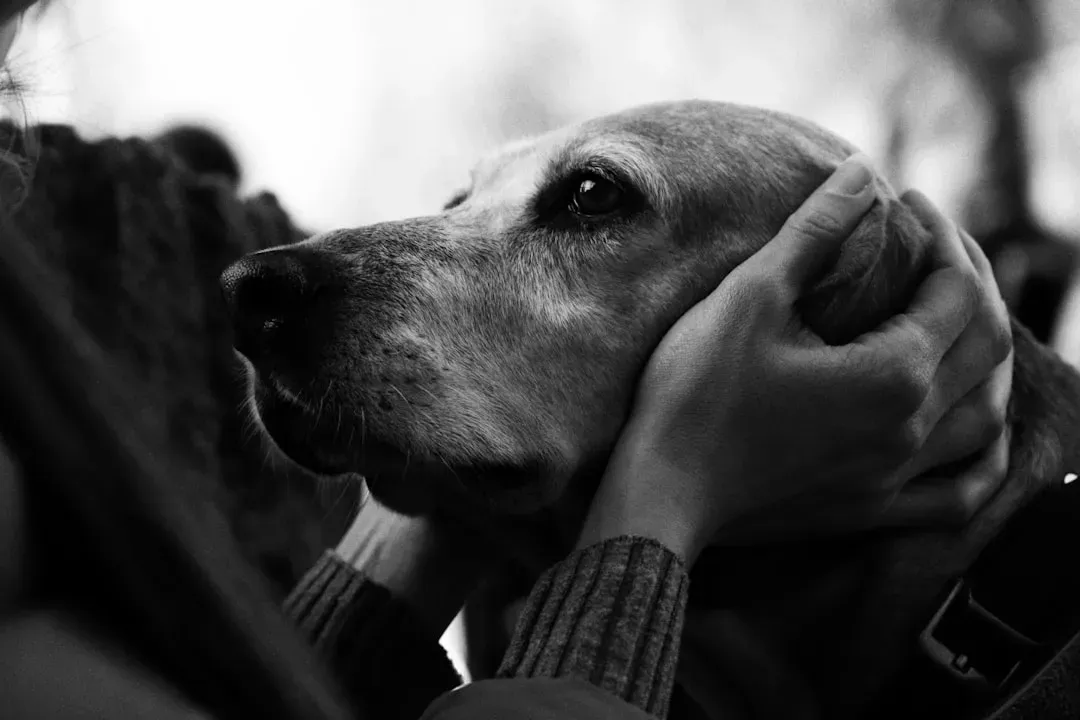
The word euthanasia is derived from the Greek, literally meaning, “good death.” Although it is the right thing to do and is the most humane way to end the life of your pet, it can be a psychological nightmare of confusion, guilt and final responsibility for the loving pet owner.
Here’s where the emotional toll becomes almost unbearable for many. Deciding to euthanize a pet can feel gut-wrenching, murderous, and immoral. Families may feel that they are letting their pet down, or that they are causing their best friend’s death. They forget that euthanasia is a gift that, when used appropriately at the right time, prevents further physical suffering for the pet and emotional suffering for the family.
The timing is perhaps the most torturous part. Owners experiencing a pet’s decline or terminal illness for the first time will generally wait until the very end to make the difficult euthanasia decision. They are fearful of euthanizing their pet too soon, and giving up without a good fight. Afterward, however, most of these owners regret waiting too long. They reflect back on the past days, weeks, or months, and feel guilty for putting their pet through numerous veterinary trips, or uncomfortable medical procedures that did not improve their pet’s quality of life.
Many people find that being present is far less traumatic than worrying and not knowing what the last minutes were like. Your absence may cause you to later feel guilty about not “being there” during your pet’s final minutes. People also wonder about the specifics of the euthanasia and worry that their pet did not die peacefully. Being present removes all of these concerns.
Still, whether you’re present or not, guilt tends to follow. During the days following, we may be filled with self-blame and begin to question ourselves. Did I wait too long or did I euthanize too soon? You may assign guilt for the loss to yourself, instead of to the illness or event that took your pet’s life. It’s a no-win scenario emotionally, though logically you made the most compassionate choice.
The Long Road Through Grief and Healing

Your journey of grief will not take on a prescribed pattern or series of stages. That’s important to remember. Despite what you might have heard about the five stages of grief, real grief is messy and non-linear.
Don’t be surprised if just when you thought you were feeling better, you feel yourself crash again. This is normal. With pet loss grief, these ups and downs are more common than moving through predictable stages. Allow yourself to go through the grief in your own way and at your own pace.
The silence in your home after the death of a pet may seem excruciatingly loud. While your animal companion occupies physical space in your life and your home, many times their presence is felt more with your senses. When your pet is no longer there, the lack of their presence – the silence – can become piercing. It becomes the reality of the “presence of the absence.”
Nearly 93% of grieving pet owners reported significant life disruptions following the death of their pet. That statistic should reassure you that what you’re experiencing is entirely normal. Your daily routine is shattered. The structure they provided is gone.
Experiencing your emotions following the death of a pet is difficult, but important. A healthier grief journey may come from taking your time to work through your feelings rather than trying to push them away or ignoring them. Honestly, this might be the most valuable advice anyone can offer you right now.
Finding ways to memorialize your pet can help. Types of coping mechanisms used by bereaved pet owners were identified and included: isolation, social support, continuing bonds, memorialization, religion, and relationships with other animals. Creating photo albums, planting trees, writing letters to your pet, or donating to animal charities can provide comfort and a sense of connection.
The memories don’t disappear, thankfully. Your memories allow your pets to live on in you. Embracing these memories, both happy and sad, can be a very slow and, at times, painful process that occurs in small steps. Eventually, you’ll be able to think of them and smile more than you cry. That day will come, though it might feel impossible right now.
Losing a pet tears open a space in your life that nothing else can quite fill. The emotional toll is real, validated by science, psychology, and the shared experience of millions. You’re not overreacting. You’re not being dramatic. You’re grieving someone who mattered deeply to you, someone who showed up for you every single day without fail. That kind of loss deserves to be honored, felt fully, and mourned without shame. What was your experience like when you lost a beloved pet? Did the depth of your grief surprise you?

- Amazing Animals: How an Anteater’s Two-Foot Tongue Catches 30,000 Insects Daily - July 23, 2026
- 10 Farm Dog Breeds That Can Protect Livestock From Wolves in Alaska - July 23, 2026
- 8 Fascinating Facts About Owls You Never Knew - July 23, 2026