
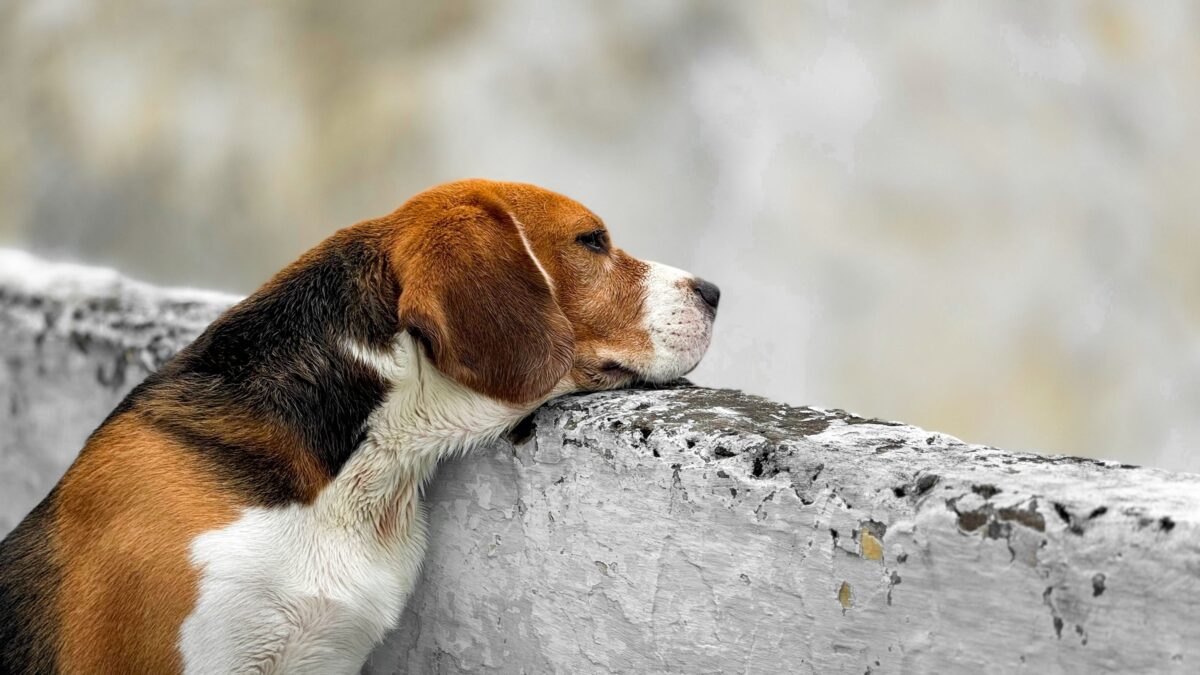
Everyone assumes the worst moment is the funeral, or the first night alone in a suddenly too-quiet house. But talk to a vet tech, a rescue worker, or anyone who has watched a dog live through loss, and they’ll tell you something different. The worst moment isn’t yours. It’s theirs. It’s the exact evening a dog finally stops waiting.
It doesn’t look like a movie scene. There’s no dramatic howl at the door, no perfectly timed slow blink into the camera. It’s smaller than that, and stranger, and it slides past most owners without them ever noticing it happened. Behaviorists, grief researchers, and people who’ve lived through it all describe the same quiet unraveling — a string of tiny moments that build to one unmistakable night. Here’s what that night actually looks like, sign by sign, and why it stays lodged in your chest for years.
#10 The Routine That Suddenly Breaks
🔥 Would you like to save this?
We'll email this post to you, so you can come back to it later!
It never starts dramatic. It starts boring — which is exactly why nobody catches it in time.
Every dog builds their whole emotional calendar around one person’s habits: keys jingling at 6 p.m., the garage door groaning open at 8, the specific hum of a kettle before bed. When that person disappears — through death, divorce, deployment, whatever the reason — the dog doesn’t get the memo. They keep running the old script, night after night, like a browser tab that refuses to close.
At first it just looks like habit. You tell yourself, “He’s just used to Dad’s schedule.” But dogs anchor their internal clocks to repeating human rituals, especially evening ones, and when those rituals go silent, the dog doesn’t know why. It just keeps pressing the same button, waiting for the reward that used to follow.
- The dog waits longer than usual at “their” time.
- The dog starts checking multiple cues at once — the door, the window, the hallway — instead of just one.
The evening they finally stop running that old script isn’t peace. It’s the first crack. And it’s nothing compared to what happens at the door itself.
#9 The Doorway Vigil That Quietly Fades

🔥 Would you like to save this?
We'll email this post to you, so you can come back to it later!
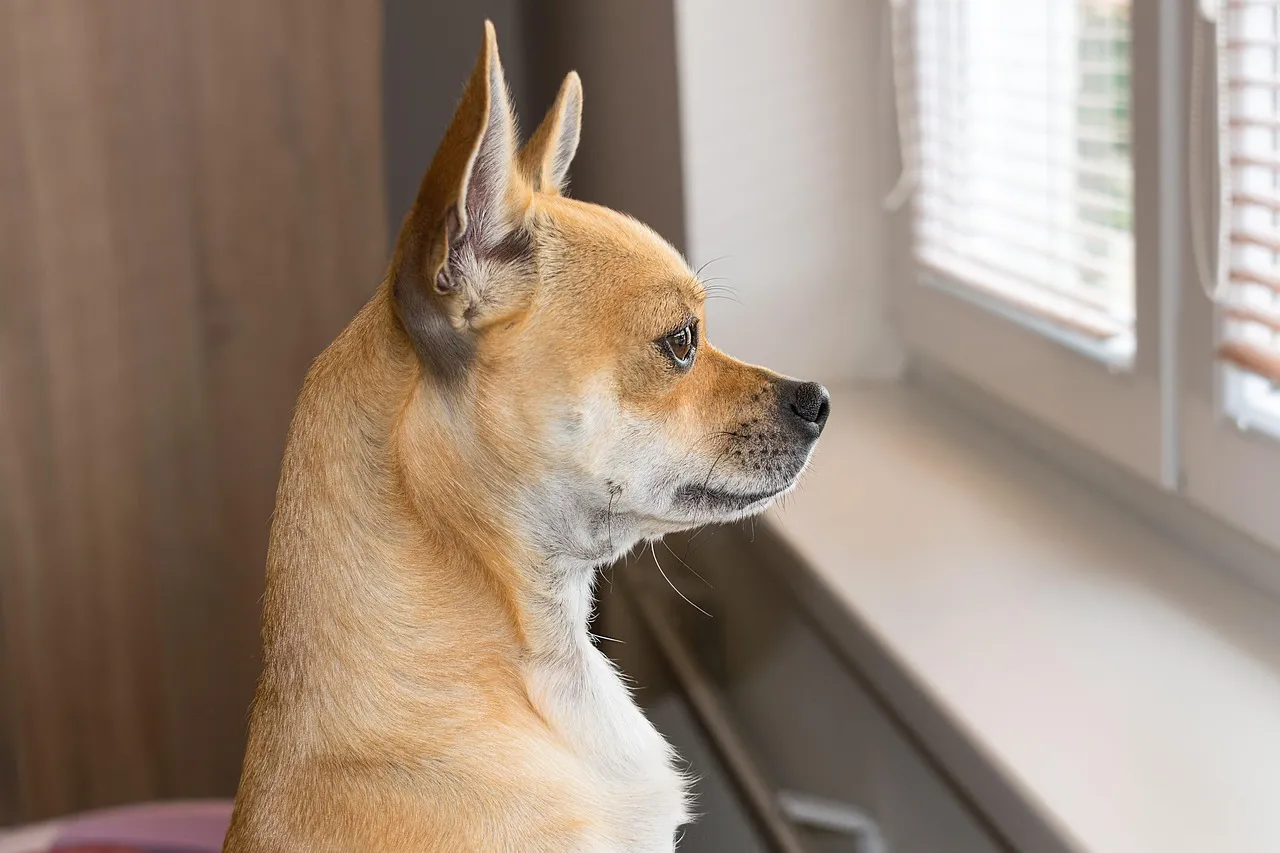
In the beginning, the doorway becomes sacred ground. Grieving dogs will camp there for hours — lying with their body angled outward, ears twitching at every footstep in the hall, every car door slamming outside.
Owners post the photos online and call it loyalty. Behaviorists call it something rawer: unresolved expectation. The dog isn’t guarding the door out of devotion. They’re holding a question open, over and over, refusing to let it close: where are they?
The vigil often gets eerily precise. One woman described her dog sitting at the apartment door every night at exactly 9:30, the minute her late husband used to walk in from work, then giving up at 10:15 like clockwork, as if some internal timer had run out of patience. That kind of precision isn’t cute. It’s a countdown nobody asked the dog to keep.
Fast Facts
- Vigils tend to cluster around one very specific arrival time tied to the missing person’s old schedule.
- The fade-out is usually gradual, not sudden — shorter waits, night after night, before a full stop.
- Some dogs shift the vigil spot itself, moving from the door to a window or hallway before giving it up entirely.
The real turning point is the first evening the dog doesn’t show up at that spot at all. Maybe they stay curled on the couch and only lift their head. Maybe they make it halfway down the hall and stop, unwilling to commit. Maybe they glance at the door once, out of habit, and simply look away. Most owners never register that moment as significant. But it’s usually the first proof that somewhere inside, the dog’s brain has quietly updated its expectations — this pattern doesn’t pay off anymore.
#8 The Scent Search That Suddenly Stops
🔥 Would you like to save this?
We'll email this post to you, so you can come back to it later!
Dogs live nose-first. When a person vanishes, a dog doesn’t sit and process it the way we do — they go looking, chasing the last physical trace that person left behind.
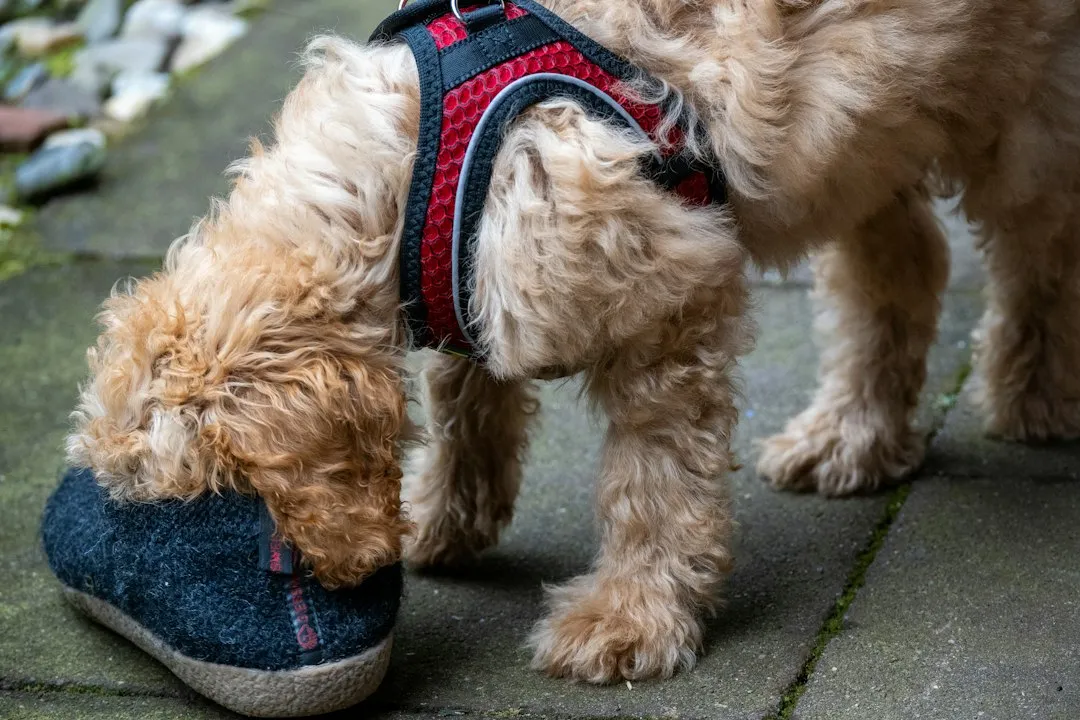
That’s why you’ll catch them pressing their face into an old shoe, jumping onto a bed they never used to care about, or burying their nose in a coat that’s been hanging by the door for weeks. It isn’t misbehavior. It’s an investigation, run entirely by smell, trying to solve one impossible contradiction: the scent is here, but the person is not.
Then, one evening, the search just stops. The dog walks into the bedroom, sniffs the air, maybe brushes the edge of the bed with their nose — and doesn’t climb up. Or they approach a jacket on the chair, hesitate, and turn away without the old urgency. Sometimes they ignore the item completely, as if it were furniture instead of evidence.
It’s a brutal little concession: the nose has finally decided the trail is cold. The dog isn’t just missing someone anymore. They’ve accepted that no fresh lead is coming, and that quiet surrender is often more devastating to witness than any amount of crying at the door.
#7 The Sudden Collapse of Play

🔥 Would you like to save this?
We'll email this post to you, so you can come back to it later!
People expect a grieving dog to look sad around the clock. In reality, most dogs still eat, zoom around the yard, and act mostly normal — right up until the one evening play shuts off like someone flipped a switch.
You pick up their favorite toy at the usual time, maybe right after dinner. Normally this triggers chaos — tail spinning, ears back, the whole performance. Instead, the dog trots over, sniffs it, mouths it once out of politeness, and wanders off. No tug-of-war. No wild eyes. Just nothing.
It was like the toy stopped existing.
A grieving dog’s owner
Play is a luxury behavior. It only shows up when a dog’s emotional world feels secure enough to spare the energy. When that security cracks, play is often the first thing to go dark — and it tends to go dark specifically in the evenings, when the house feels emptiest and the absence is loudest.
During the day, with more noise and distraction around, the same dog might still seem playful, which fools people into thinking everything’s fine. But nighttime taps directly into the old pattern — this is when my person used to be here — and the emptiness crashes in uninvited. That first night the toy gets dropped and abandoned is often the evening the dog quietly crosses into “nothing I do brings them back.”
#6 The Strange Way They Avoid “Their” Spot

🔥 Would you like to save this?
We'll email this post to you, so you can come back to it later!
One of the most misread signs of grief is spatial avoidance. At first, dogs cling to the places tied to their missing person — the side of the bed, the corner of the couch, the chair by the window. Then, without warning, those same places become somewhere the dog won’t go near.
Owners take this personally. “Does he not love her anymore?” But the truth is more complicated than affection fading. Dogs appear to re-map their sense of safety after loss. Once it becomes clear the person isn’t returning, the brain stops rewarding that spot with hope and starts tagging it with discomfort instead.
The shift shows up in small, strange movements:
- Jumping up halfway onto the bed, then backing off.
- Circling the area but lying just out of reach of it.
- Staring at the spot briefly, then choosing somewhere new entirely.
One woman watched her dog permanently abandon her late brother’s bed for a hallway rug — neutral ground, untouched by old scent. That first night of full avoidance is easy to miss in the moment, but it usually marks the evening the dog’s entire mental map gets redrawn without that person on it.
#5 The One Night They Won’t Leave Your Side
🔥 Would you like to save this?
We'll email this post to you, so you can come back to it later!
Here’s the twist nobody wants to hear: dogs rarely grieve alone. The evening a dog realises someone isn’t coming back often collides with the exact moment they notice your pain instead.
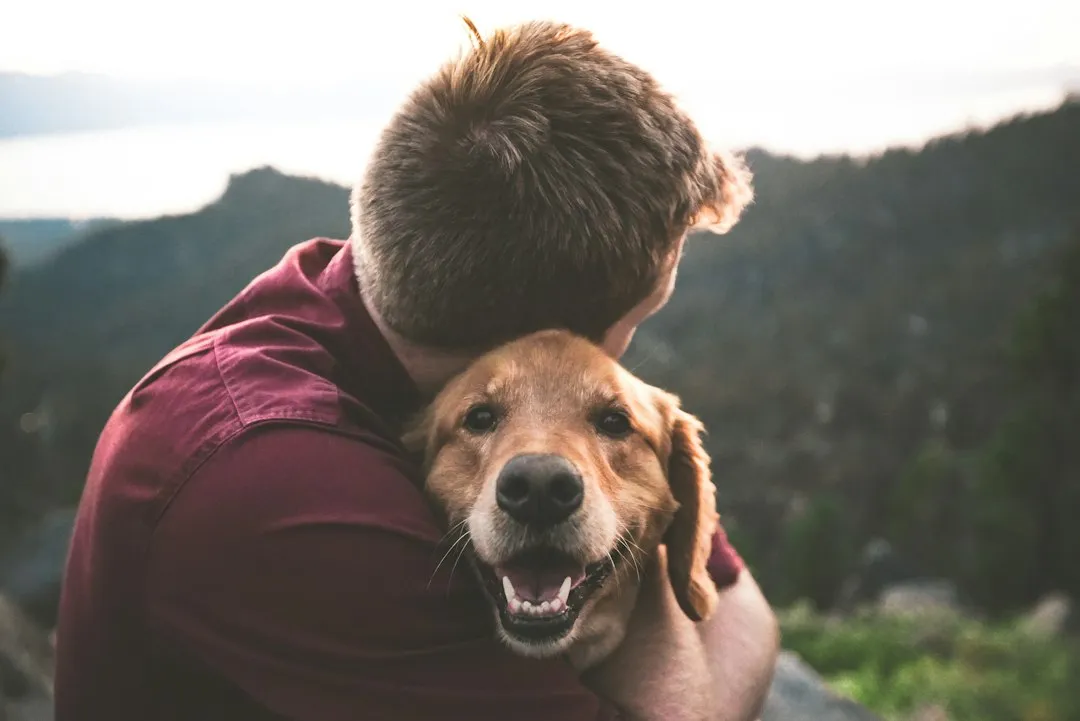
Instead of pacing by the door, they suddenly treat you like the only stable thing left in the room. It can feel touching — “He loves me more now!” — but underneath it is survival math. Pack animals gravitate toward whoever’s still standing when a key member disappears.
At a Glance
- Increased shadowing — following you room to room far more than before.
- Closer contact at night — sleeping pressed against you instead of curling up apart.
- Faster reaction to your movements, almost as if tracking your emotional state instead of the door.
The timing is oddly specific. You’re just cleaning up dinner, scrolling your phone, sitting in the quiet, and suddenly the dog is lying against your feet and won’t move. They follow you room to room, closer than they’ve ever bothered to before. They sleep pressed against you that night, in a way they never used to.
Some call this re-bonding. The emotional truth is rougher: the dog has silently concluded, “the person I was waiting for isn’t appearing — you’re who I have now.” It’s comfort and a gut-punch at the same time, and it tends to arrive right around when you stop saying “maybe they’ll come back” and start speaking about them in past tense.
#4 The Late-Night Whine That Never Happens Again
🔥 Would you like to save this?
We'll email this post to you, so you can come back to it later!
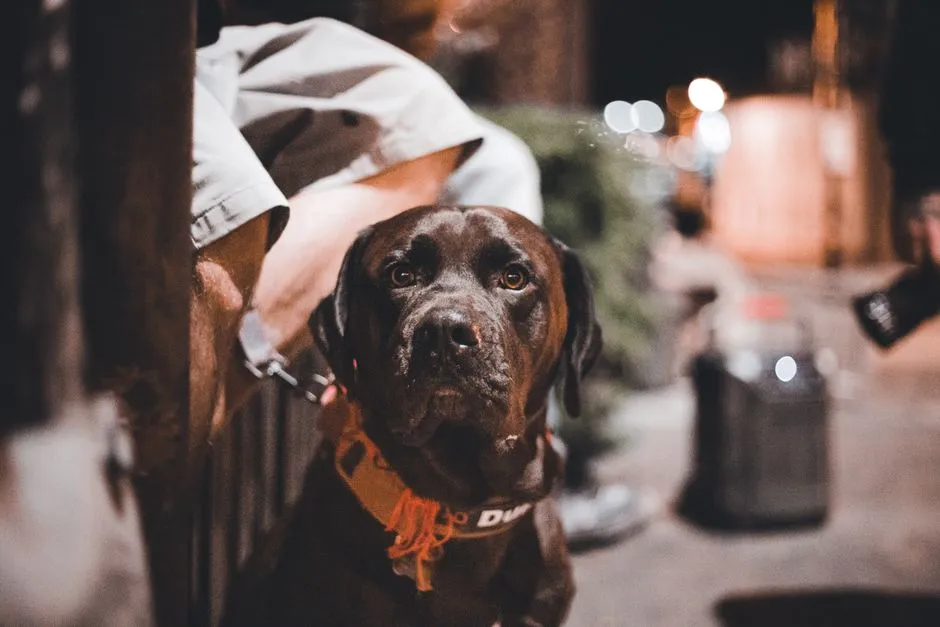
There’s a moment owners almost never bring up out loud — the one-night breakdown. Not theirs. The dog’s.
You’ll find it buried in forum comments, always described the same hushed way: “There was this one night he cried like I’d never heard, and then he never did it again.” That’s not exaggeration. That’s grief hitting its ceiling.
It’s almost always late. The house has gone quiet, you’re already half-asleep, and then out of nowhere the dog starts whining at the door or window, then howling — a sound you’ve genuinely never heard from them before — pacing and crying, unable to settle no matter how you try to comfort them.
For weeks, the dog has been holding onto unresolved anticipation, convinced any minute now the door will open. When the brain finally processes that it won’t, the reaction can erupt in one unforgettable torrent. And here’s the unsettling part: for many dogs, it really is a one-time event. Afterward they often seem flatter, quieter, strangely calm — not because they’re fine, but because the storm has already crested. The grief doesn’t end there. It just changes shape.
#3 The Food Bowl Test No One Talks About
🔥 Would you like to save this?
We'll email this post to you, so you can come back to it later!
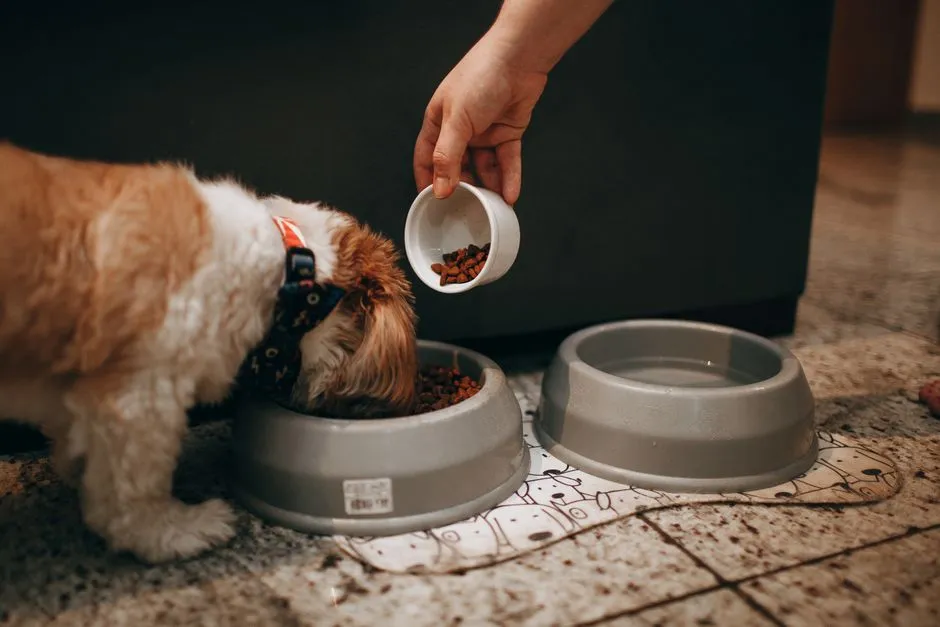
Loss shows up in the food bowl long before it shows up in any heartfelt social post. Everyone loves the idea of a dog “refusing to eat out of heartbreak,” and yes, that happens — but the more telling sign is quieter and comes later, once eating resumes with new, unspoken rules.
The pattern tends to repeat itself the same way. First, the dog eats fine, because they simply don’t know yet — routine is still running on autopilot. Then appetite wobbles: sniffing, walking away, coming back, eating slower, skipping the occasional meal entirely.
Then, after one particular night, eating resumes — but changed. Maybe the dog used to wait for a specific person to say “okay” before diving in, and suddenly they don’t wait for anyone anymore. Maybe they always glanced toward a certain chair mid-meal, and that glance simply stops happening.
One owner described her dog raising his head mid-meal every night to listen for her father’s shoes on the stairs. After he died, there was one evening of total refusal — followed by quiet, mechanical eating with no more checking, ever again. That’s not appetite stabilizing. That’s a dog surgically removing a person from their own daily ritual, and it almost always happens after one specific, heavy-feeling night that nobody thinks to mark on a calendar.
#2 The New Evening Routine That Feels Wrong
🔥 Would you like to save this?
We'll email this post to you, so you can come back to it later!
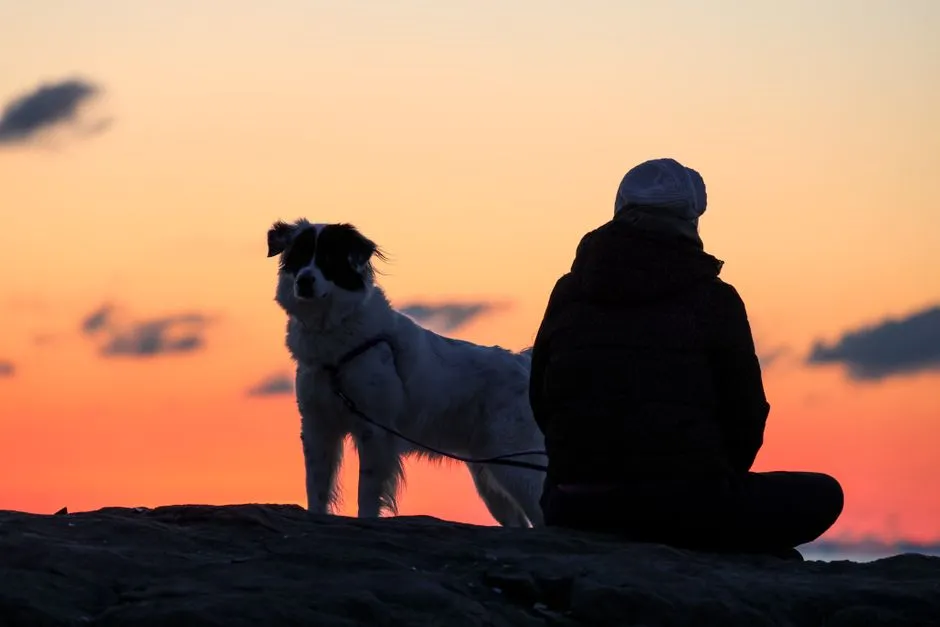
This is the one that stings the longest: the replacement routine. Eventually, every grieving dog builds a new evening pattern that simply doesn’t include the missing person. On paper, that’s healing. In your living room, it can feel like betrayal — because the night you notice it is usually the same night you realise you’ve adjusted too.
The new routine is often small enough to miss. Instead of waiting at the door at 6 p.m., the dog naps until 6:30 and then asks you for a walk. Instead of jumping onto “their” lap, the dog brings a toy to whoever’s sitting there now. Instead of curling by the bedroom door, they head straight for the crate.
Quick Compare: Old Routine vs. New Routine
- Old: Waits at the door at a fixed time → New: Naps until you initiate the walk.
- Old: Claims “their” lap or side of the bed → New: Brings a toy to whoever’s nearby.
- Old: Lingers by a certain doorway → New: Heads straight for the crate or a neutral spot.
Behavior specialists call this adaptation, or resilience — the dog’s brain being pragmatic about what does and doesn’t bring rewards anymore. Emotionally, though, it’s brutal to watch, because the dog’s new habits act like a mirror held up to your own life. They show you, in real time, that the old version of your household is genuinely over.
Owners describe one particular evening when it lands: oh — this is the new normal. The dog didn’t pause at the doorway. Didn’t sniff the old shoes. Didn’t glance at the empty chair. They just lived the new script, cleanly, almost peacefully. And somehow, that ease is what makes the loss feel official.
#1 The Look That Says, “It’s Just Us Now”
🔥 Would you like to save this?
We'll email this post to you, so you can come back to it later!
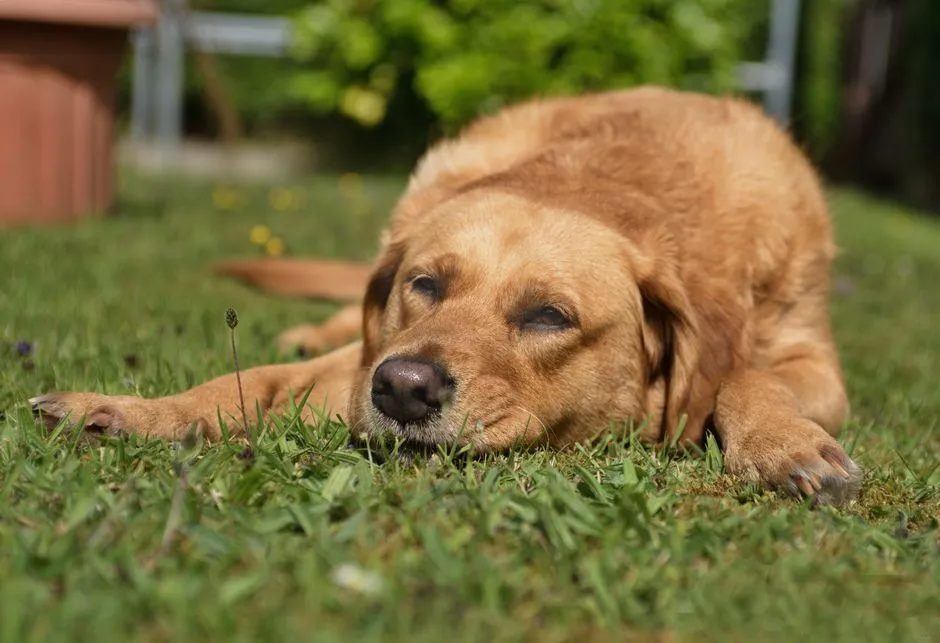
If you’ve lived through this, you already know what this is, no science required. There’s one evening — no cameras, no audience — when your dog looks at you in a way you’ve genuinely never seen before. Not excited. Not begging. Not playful. Just present. Heavy. Aware.
Owners struggle to describe it, but they almost always land on the same sentence: it felt like he understood it was just us now. It might happen right after a memorial, the moment you sit down and take off your shoes. It might happen the first time you say the person’s name out loud in past tense. Sometimes it’s triggered by your own tears; sometimes by something as small as turning off a specific lamp — a motion that silently confirms this is how evenings look now.
In that moment, the dog searches your face for longer than usual, holds eye contact, then settles against you with a deep sigh. They stop scanning the door. They stop checking the hallway. For once, there’s nowhere else their attention needs to go.
We don’t have data proving dogs understand death the way we do. What we do have is owner after owner describing the same shift: from that night on, the dog stopped waiting for the other person to walk in, and started acting like your emotional partner instead of your fellow waiter by the door. That look doesn’t fix anything. It doesn’t end the grief. But it draws a line between two worlds — the one where everyone’s still quietly hoping this might turn around, and the one where both of you finally know it won’t.
The hardest part of losing someone isn’t always your own breakdown. It’s watching your dog slowly rebuild their entire world around an absence they never agreed to and never got an explanation for. There’s no single Hollywood moment in any of this — just a string of small betrayals of old habits: the skipped vigil, the abandoned scent search, the toy left untouched on the floor, the food bowl finally emptied without a glance at an empty chair.
People love to say dogs “live in the moment” and can’t really grieve. Honestly, that sounds like something humans say to feel better about their own guilt. The evidence, watched closely enough, tells a different story — dogs feel loss in rituals, in spaces, in smells, and then, painfully, they adapt anyway, long before we’re ready to. The real question was never whether they understand death perfectly. It’s whether we’re paying enough attention to notice the exact evening they quietly accept a smaller, quieter life without someone in it — and whether we deserve the loyalty they hand us once they do.

- 7 Everyday Habits That Can Make Your Senior Dog Happier - November 5, 2026
- 10 Enigmatic Structures That Continue to Puzzle Scientists Today - November 5, 2026
- 10 Strange Ruins in the Americas That Challenge What We Know About Early History - November 5, 2026