

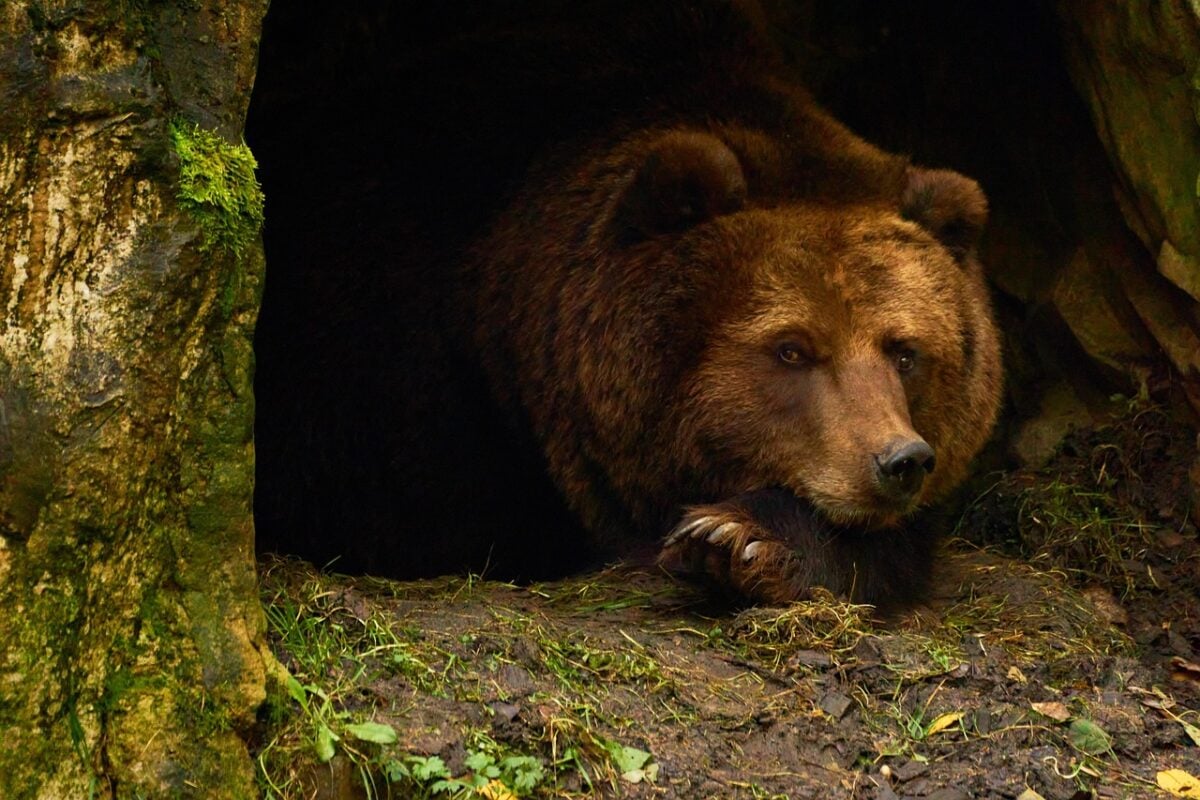
Most people picture a bear shuffling into a cave the day the first snow falls, yawning once, and dropping off to sleep until spring. That image is comforting. It is also almost entirely wrong.
The real transformation happens in the weeks before the ground ever freezes, and it looks less like a nap and more like a controlled medical emergency. Cholesterol spikes into territory that would trigger a cardiac alert in a human. Heart rate crashes. Personality shifts. Pregnancies get quietly cancelled. And somehow, none of it kills them.
Biologists and longtime bear guides describe this stretch as the most dangerous, chaotic, and biologically bizarre window of a bear’s entire year. Here’s what’s actually happening behind that “sleepy” fall bear you see wandering the tree line.
#10 – The Hyperphagia Frenzy: Eating Like Every Meal Is the Last One
🔥 Would you like to save this?
We'll email this post to you, so you can come back to it later!
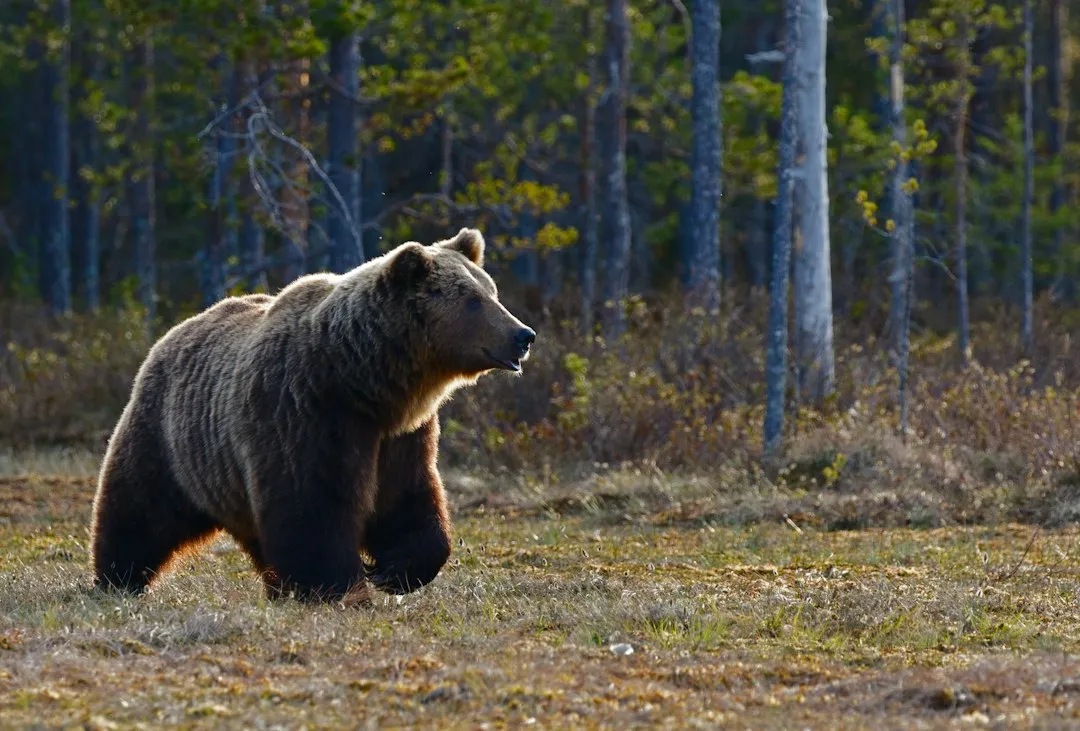
In late summer and early fall, bears enter a phase scientists call hyperphagia – literally, “excessive eating.” As freeze-up gets closer, the behavior gets more frantic, not less.
A bear that spent early summer casually browsing berries can suddenly be foraging 20 hours a day, treating every idle minute like a wasted opportunity. During this stretch, a single bear may pack away 15,000 to 20,000 calories daily – sometimes more in prime habitat. That’s roughly the equivalent of a person eating 30 to 40 fast-food meals a day and still losing weight from all the walking.
Most people assume the weight gain is slow and steady. It isn’t. The curve explodes right before the ground locks up, and the foraging becomes almost surgical. A bear remembers exactly which trees fruited last year, which salmon stream ran late, and which campsite left a cooler unlatched.
In these final weeks, you’ll typically see bears:
- Tearing apart rotten logs for grubs and insects
- Raiding late-season berry patches like harvest machines
- Returning to the same productive spots again and again, refusing to waste time exploring
Fast Facts
- Foraging can stretch to roughly 20 hours out of every 24
- Daily intake can hit 15,000-20,000+ calories in prime habitat
- Bears rely on spatial memory to revisit last year’s best food sources
- Urgency peaks in the final days before frost locks the soil
As frost starts dusting the mornings, the urgency becomes visible even to a casual hiker. They move like they know the pantry door is about to slam shut – because it is. And the strangest part isn’t the eating itself. It’s what their bodies do with all those calories once they’re inside, which is where things get genuinely bizarre.
#9 – Supercharged Fat Storage: Gaining Weight Without Getting Sick
🔥 Would you like to save this?
We'll email this post to you, so you can come back to it later!
Rapid weight gain, spiking cholesterol, and sky-high blood fats are the warning signs doctors use to predict heart attacks and diabetes in humans. In the weeks before the ground freezes, a bear does all three on purpose – and walks away completely fine.
That’s not an exaggeration. A bear’s blood fat levels can triple or more during this window, yet its arteries and organs show none of the damage a human body would suffer under the same conditions.
The fat isn’t stored randomly, either. Bears preferentially build up subcutaneous fat – the layer just under the skin that works like a built-in sleeping bag – along with internal reserves that slowly release energy over the winter. Grizzlies and brown bears can increase their total body weight by 30 to 40 percent in late summer and fall, with a huge chunk of that packed on in the final push before freeze-up.
During this ramp-up, a bear’s body essentially becomes a metabolic engineering project:
- Insulin sensitivity shifts so incoming calories get shoved straight into storage
- The liver processes enormous fat loads without scarring the way a human liver would
- The inflammation and artery damage tied to human obesity simply doesn’t show up
Some researchers openly study bear hibernation hoping to steal this trick for human medicine, particularly for obesity and Type 2 diabetes treatment. Critics say the comparison gets overhyped in headlines – but it’s hard to argue with an animal that deliberately makes itself obese every single year and comes out the other side untouched.
Piling on fat, though, is only half the plan. The next move is finding somewhere safe to actually burn it.
#8 – Den Shopping: The Real Estate Decisions You Never See
🔥 Would you like to save this?
We'll email this post to you, so you can come back to it later!
Weeks before the ground actually freezes, bears start behaving like picky real estate agents. Most people assume they just crawl into “any cave.” In reality, choosing a den is one of the most underestimated life-or-death decisions a bear makes all year.
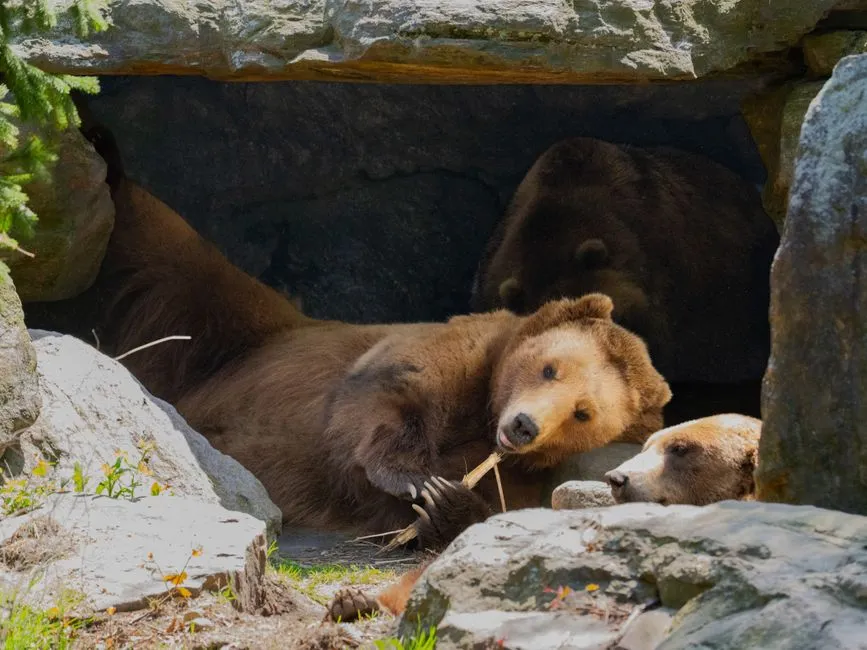
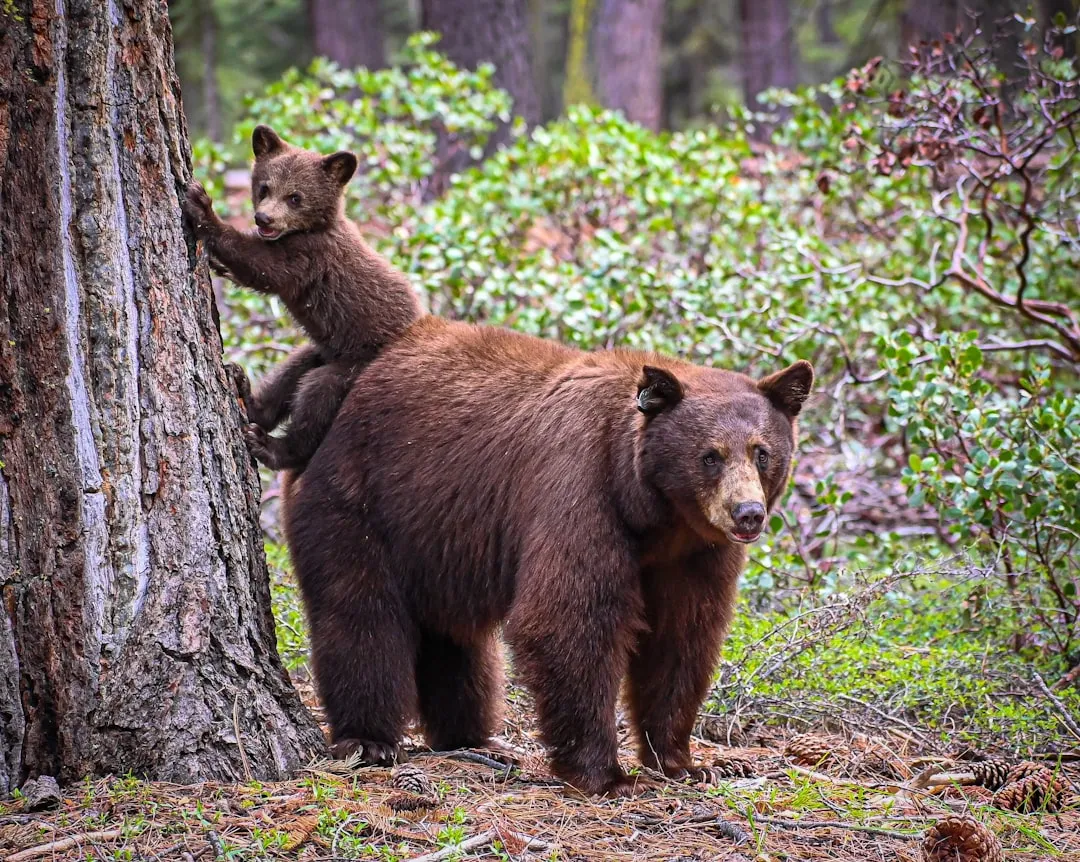
A bear might reuse an old den if it held up well, dig a brand-new one if erosion or predators made the old spot risky, or test several locations before committing. They look for slopes where snow will drift and pile for extra insulation, ground above flood lines, and soil that’s easy to dig but won’t cave in. In milder climates, black bears often favor hollow trees; in harsher terrain, grizzlies carve elaborate tunnel systems into hillsides.
Almost all of this scouting happens before hard frost locks the soil, because frozen ground is nearly impossible to excavate. In these final weeks, it’s common to see a bear digging, disappearing for hours, and essentially test-driving the space:
- Dragging in grass, moss, and leaves for bedding and insulation
- Abandoning a half-dug site that doesn’t feel right
- Pregnant females in particular reshaping the interior over and over
Wildlife biologists who’ve crawled into abandoned dens report tunnels, separate “bathroom” areas, and smooth sleeping shelves carved out of dirt. Online nature content loves to romanticize every den as a cozy architectural masterpiece. The truth is messier – some dens are crude holes, others are shockingly well-engineered. Either way, the den is just the stage. What happens inside a bear’s body once it settles in is where the real extremes begin.
#7 – The Metabolic Switch: From Daily Hustle to Slow-Motion Survival
🔥 Would you like to save this?
We'll email this post to you, so you can come back to it later!
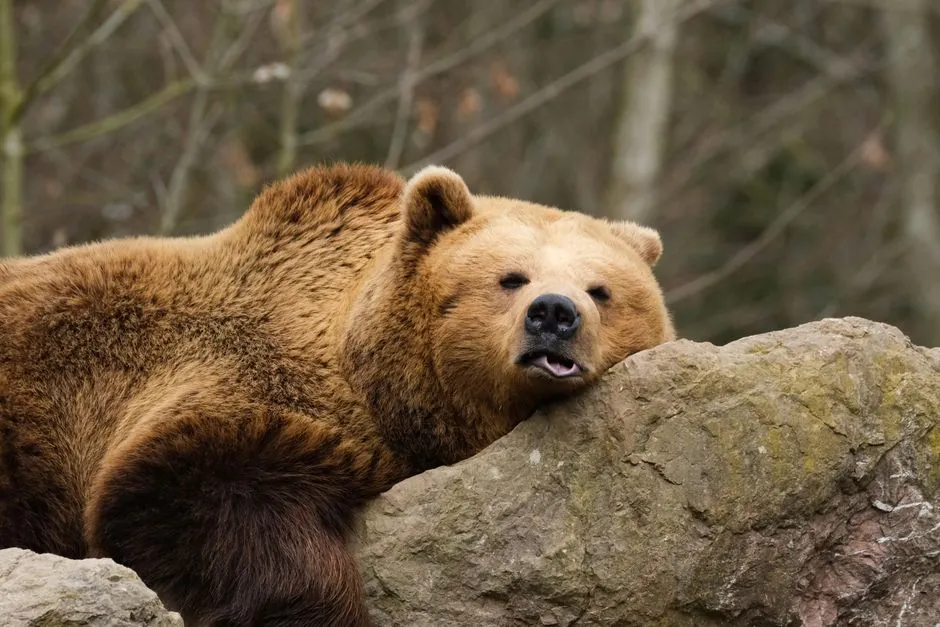
As the cold deepens and the ground stiffens, a bear’s body flips a switch humans simply don’t have access to. In these final weeks before the soil fully freezes, its metabolism starts throttling down, preparing for months without food, water, or a single bathroom break.
Instead of burning carbohydrates from daily foraging, the body shifts to running almost entirely on stored fat. This isn’t casual dieting – it’s a full rewrite of the bear’s baseline settings.
- Resting metabolic rate can drop by 40 to 50 percent, with the slowdown often beginning before the bear even fully dens
- Core body temperature dips a few degrees – not as extreme as a true hibernator like a ground squirrel, but enough to conserve serious energy
- The bear can go months without eating and still avoid losing critical muscle mass
Not every expert agrees on calling this “true hibernation.” Some argue bears experience a lighter state called torpor, since body temperature doesn’t crash as dramatically as it does in smaller mammals. Functionally, though, it doesn’t matter what you call it – this pre-freeze metabolic shift is exactly what lets a bear sleep through a blizzard without starving.
Old-timers sometimes claim bears “don’t really change until they’re in the den.” Blood tests say otherwise. The hormonal and metabolic switch flips well before a bear disappears for the season – and what happens next to its heart and lungs is even harder to believe.
#6 – Slowing the Heart, Stretching Each Breath: Life on Low Power
🔥 Would you like to save this?
We'll email this post to you, so you can come back to it later!
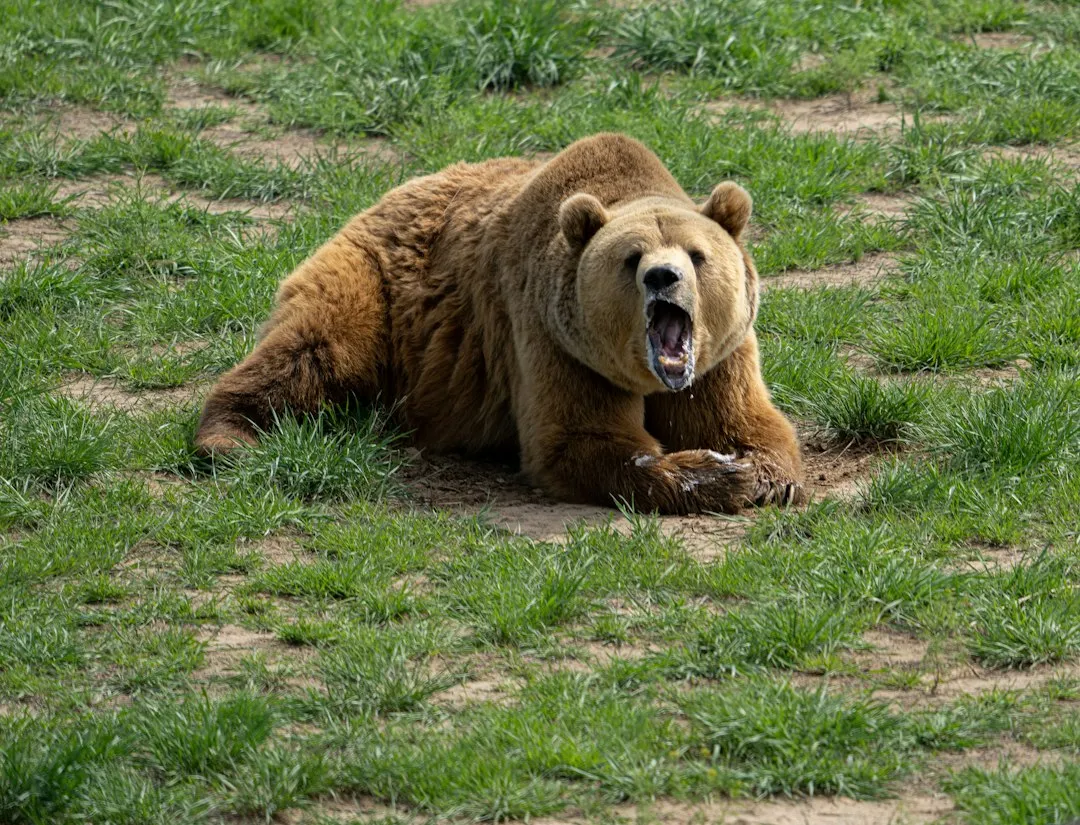
If a human’s heart rate dropped the way a bear’s does before winter, someone would be calling an ambulance. As food dwindles and nights stretch longer, a bear’s cardiovascular system quietly slides into energy-saving mode.
Outside of winter, a resting bear’s heart beats around 40 to 50 times a minute. As it transitions into denning season, that number can plunge to 8 to 14 beats per minute. Breathing slows even further – during deep torpor, a sleeping bear may take just one breath every 30 to 40 seconds.
As the freeze approaches, a few other things happen at once:
- Blood flow shifts away from the extremities to protect vital organs
- Blood thickens slightly, yet dangerous clots never form
- Despite lying motionless for months, the bear avoids the blood clots that plague bedridden human patients
Some biologists think early cold snaps help “cue” how deep this slowdown goes. If snow arrives late or the ground freeze is delayed, some bears den later or cycle between rest and short bursts of activity instead of shutting down all at once.
This is one of the more contested corners of bear science. Researchers increasingly argue it isn’t a clean on/off switch, but a sliding scale between torpor and alertness – a distinction that matters enormously when predators, humans, or a warm winter come along and disturb a denned bear.
#5 – Personality Shift: From Curious Wanderer to Laser-Focused Survival Machine
🔥 Would you like to save this?
We'll email this post to you, so you can come back to it later!
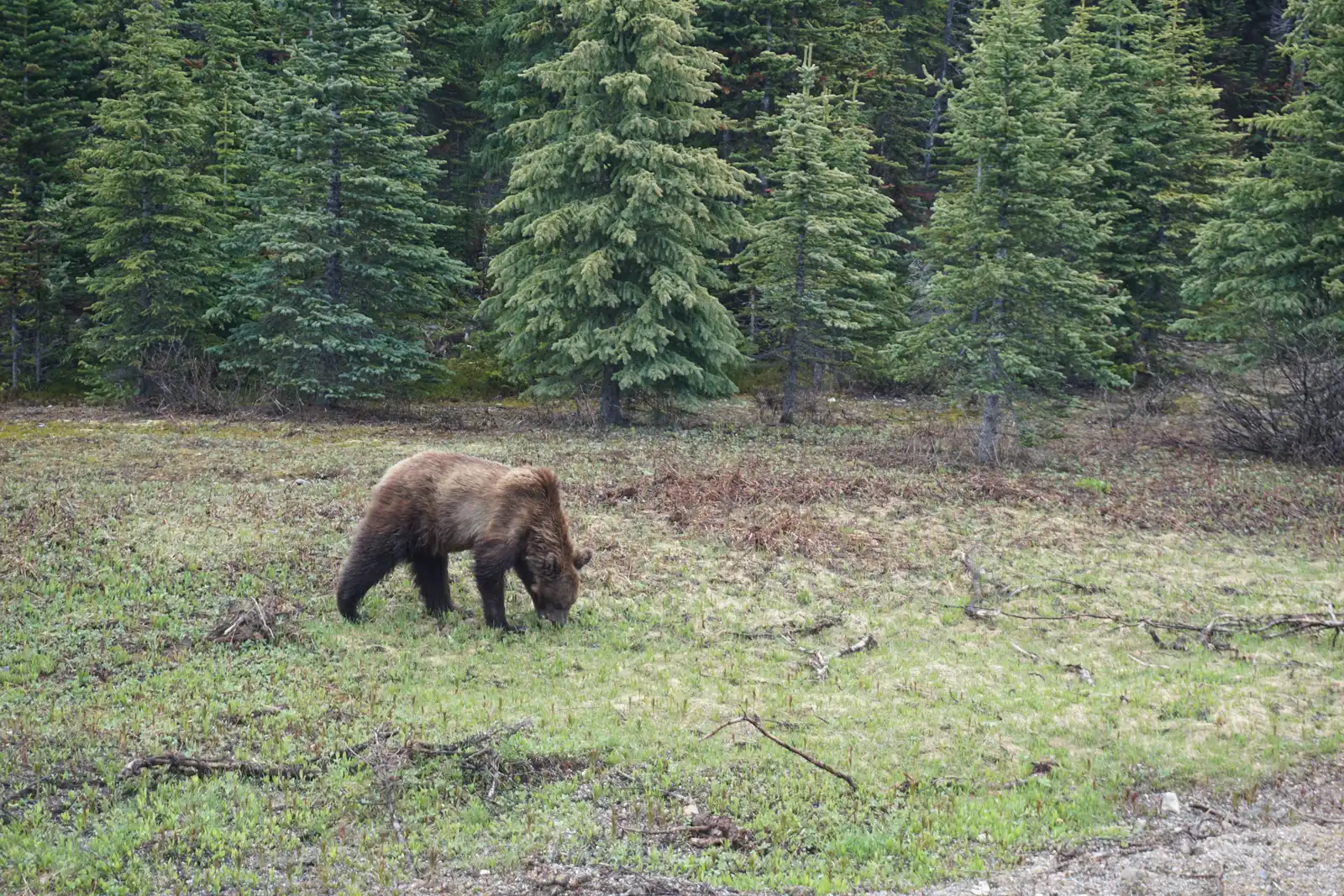
Talk to people who work around bears every year, and most will quietly admit something: bears act like different animals in the stretch before the ground freezes. Not “evil,” exactly – just tighter, more focused, and more willing to take risks for food.
Earlier in the season, many bears behave like curious generalists, sniffing around campsites and flipping logs out of idle interest. As cold and food scarcity close in, that casual curiosity shrinks fast, replaced by something sharper and almost businesslike.
- They patrol food sources with rising intensity, hitting the same berry patch or carcass site over and over
- Subordinate bears get pushed into riskier areas near roads or cabins as dominant bears lock down the best territory
- Some individuals turn noticeably more food-aggressive if they feel cornered or desperate
This is exactly why many bear safety experts quietly push back against the soft, cartoonish “respect their space” messaging you see online. In late fall, that distance matters more than ever, because a hyperphagic bear is running a brutal internal calculation: if it walks away from a food source now, will there be enough time left to replace those calories before the ground freezes?
Most bears still avoid conflict whenever they can. But the emotional tone underneath has changed completely. They aren’t living day to day anymore – they’re racing a clock that only gets louder as winter closes in, and for pregnant females, that clock controls something even bigger than food.
#4 – Hidden Pregnancies: The Wild Trick of Delayed Implantation
🔥 Would you like to save this?
We'll email this post to you, so you can come back to it later!
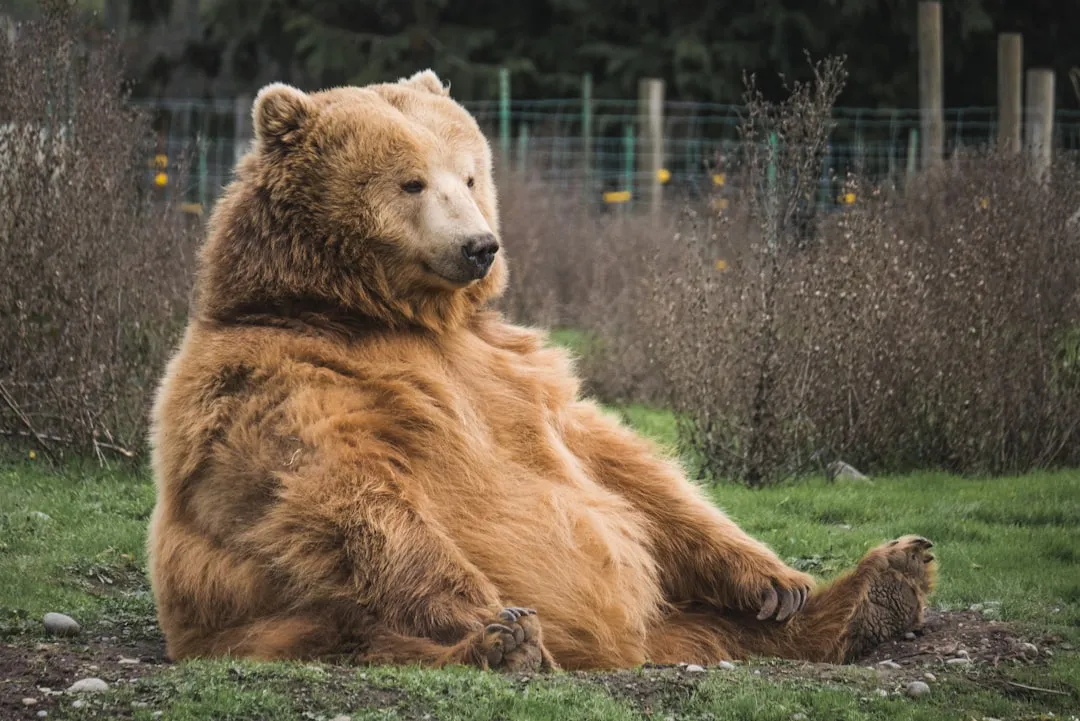
One of the strangest things happening inside bears during these final weeks is that some females are, biologically speaking, pregnant and not pregnant at the same time. It’s a reproductive gamble so clever it still catches new wildlife students off guard.
Here’s how it works. Bears typically mate in late spring or early summer, but the fertilized egg doesn’t implant right away – it simply floats in a paused state. Only if the female has gained enough fat by late fall does the embryo implant and actually begin developing.
In plain terms: her body waits to see whether she got fat enough before deciding whether the pregnancy is even worth continuing. If food was scarce and her body condition going into fall is poor, the embryo doesn’t implant at all – no wasted energy, no undernourished pregnancy risking her life.
Worth Knowing
- Mating happens in late spring or early summer, months before implantation
- The embryo floats in a paused, undeveloped state until fall
- Implantation only proceeds if fat reserves clear a biological threshold
- Poor body condition means the pregnancy simply doesn’t move forward
That decision point lands right in these pre-freeze weeks. Hormones shift, and depending on her condition, she’ll head into the den carrying either a real, developing fetus (or several), or nothing at all – despite technically having conceived months earlier.
Some nature storytelling likes to frame this as a mother “choosing” her family size. The truth is colder and more mechanical: it’s an evolved survival algorithm with zero sentimentality. If she can’t feed herself through winter, she isn’t going to gamble that energy on cubs. And once she’s settled into the den, forces completely outside her control – human noise, early storms, disturbed habitat – can still shape how the rest of her winter plays out.
#3 – Human Noise and Late-Season Chaos: Stress Before the Silence
🔥 Would you like to save this?
We'll email this post to you, so you can come back to it later!
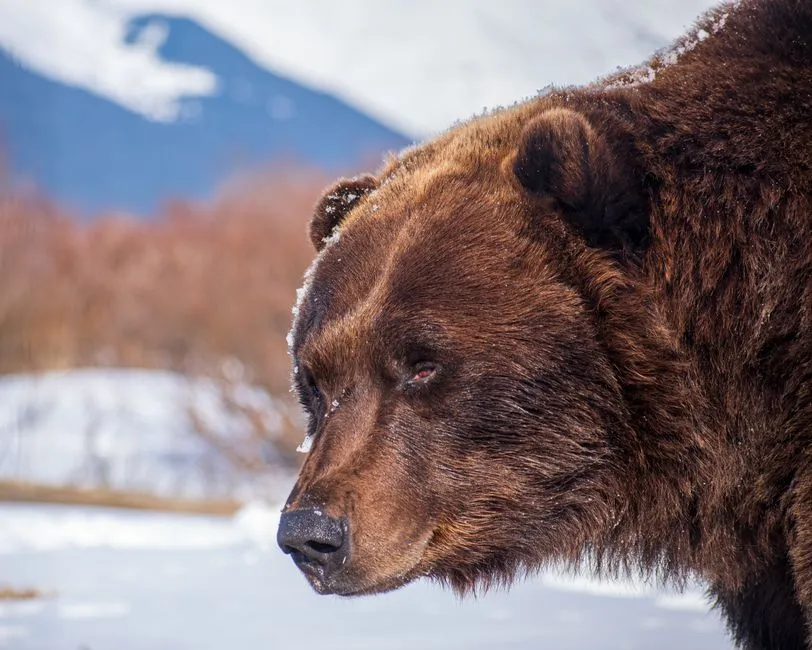
People love to imagine that once the air turns sharp and frosty, the forest goes quiet and peaceful. In reality, the weeks before ground freeze can be some of the noisiest, most disruptive of the entire year in bear country.
Consider everything happening at once: late-season hunters repeatedly hitting the same prime areas, logging and snowmobile trail prep ramping up before deep snow, and people squeezing in “one last” camping or ATV trip before the cold really sets in.
To a bear trying to finish hyperphagic feeding, lock down a den, or carry a fragile pregnancy toward implantation, none of that is background noise. It’s constant disruption arriving right when the margin for error is thinnest.
GPS-collared bear studies have documented some striking patterns:
- Some bears abandon nearly finished dens after repeated disturbance
- Others shift activity entirely to nighttime, burning calories they can’t spare
- Bears living closer to human development tend to den later, and in worse spots, raising their risk heading into winter
This is where expert observation and public perception really split. Tourists spot a big, round bear in October and assume it’s thriving. Biologists watching that same bear’s GPS data often see something different – a stressed animal making last-second compromises because the valley bottom is now full of trucks and gunshots. What comes next, once the noise fades and the den finally goes quiet, is where survival gets genuinely unsettling.
#2 – No Eating, No Drinking, No Bathroom Breaks: And Somehow, No Organ Failure
🔥 Would you like to save this?
We'll email this post to you, so you can come back to it later!
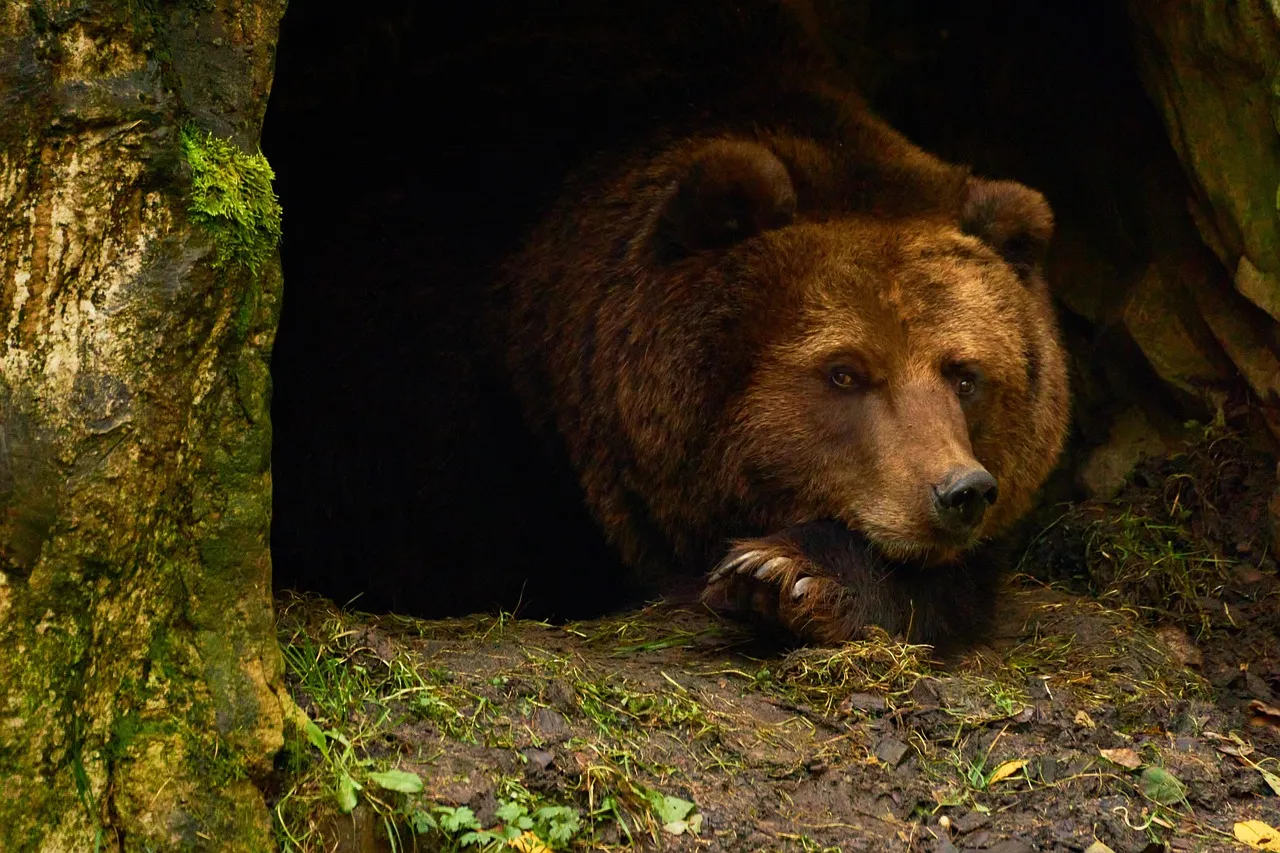
In these final weeks before the ground freezes, bears aren’t just gorging – they’re also quietly preparing for something that would be lethal to a human body: months with no eating, no drinking, and no urinating or defecating at all.
This isn’t wildlife folklore. Inside a winter den, a healthy bear essentially becomes a closed-loop biological system, and the mechanics behind it sound almost science-fictional:
- Nitrogen from waste products gets recycled straight back into muscle tissue, preventing the breakdown that would normally occur
- The kidneys concentrate and repurpose compounds instead of flushing them out
- Bone loss that would cripple a bedridden human after even a few weeks simply doesn’t happen
Quick Compare
| Bedridden Human | Denning Bear |
|---|---|
| Rapid bone density loss | Bone loss essentially halted |
| Muscle atrophy within weeks | Muscle mass largely preserved |
| Rising risk of blood clots | Blood thickens, but clots don’t form |
| Needs regular fluids | Gets water from burning fat reserves |
Before the ground fully freezes, a bear’s body is already stockpiling more than calories – it’s balancing micronutrients and water reserves for the long haul. That thick fat layer does double duty: it fuels the bear through winter and produces metabolic water as it burns, cutting the need to drink almost entirely.
Medically speaking, bears are walking case studies in avoiding three things that devastate immobile humans: osteoporosis, kidney failure, and muscle wasting. Researchers are careful to admit there’s still a lot they don’t fully understand about the exact mechanics – plenty of confident-sounding explanations get fuzzy under real scrutiny. But the blood work doesn’t lie: bears emerge from dens in far better shape than any human patient could after months of total inactivity.
Which raises an uncomfortable question. In a world where winter itself is becoming unpredictable, what happens when the timing of this entire process gets thrown off?
#1 – Climate Confusion: When the Freeze Comes Late, the Whole System Wobbles
🔥 Would you like to save this?
We'll email this post to you, so you can come back to it later!
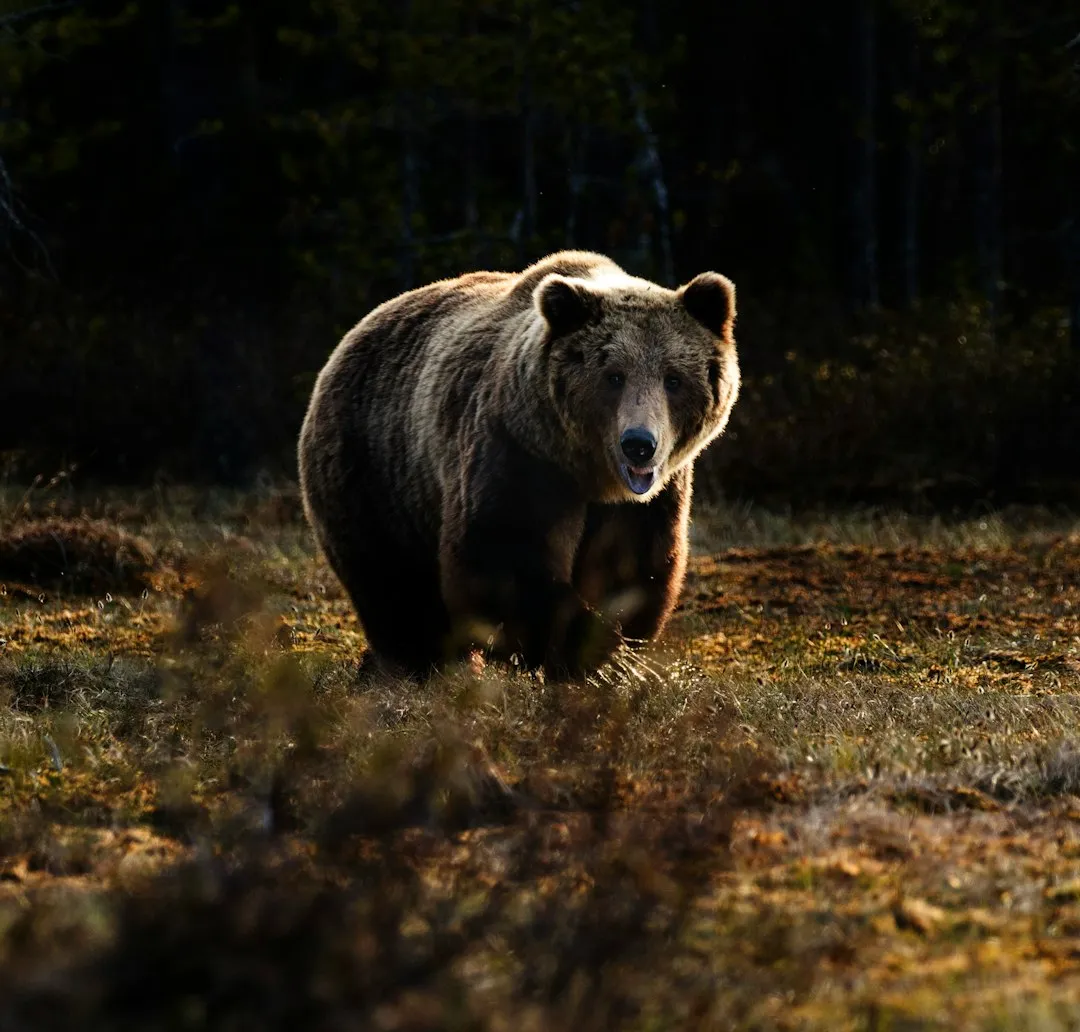
Here’s the uncomfortable truth a lot of people still underestimate: the old, reliable rhythm of fall, then freeze, then den isn’t guaranteed anymore. In many northern regions, winter is arriving later, snow cover is patchier, and ground freeze dates are becoming genuinely unpredictable.
For a bear, that’s not a minor inconvenience – it can scramble the entire pre-winter strategy that evolution spent thousands of years fine-tuning.
When the ground takes longer to freeze, the consequences stack up fast:
- Some bears stay active longer, trying to squeeze value out of late food sources
- Delayed cold snaps can push den entry back by weeks
- Mid-winter warm spells can even wake denned bears, forcing them to burn precious fat they can’t afford to lose
All of it traces straight back to these pre-freeze weeks. Hyperphagia timing, den selection, pregnancy implantation, and the metabolic shift are all tuned to environmental cues that used to be dependable and no longer are. If hard frost arrives late but hunting seasons and human traffic stay on the old calendar, you get a collision: bears needing more time and food, and people pressing harder into whatever safe space is left.
Some biologists warn that the “classic” bear year most of us picture is already outdated in several regions. Critics counter that bears are remarkably adaptable generalists – and they’re right. But adaptability has limits when an entire survival strategy depends on accurately predicting a season that no longer behaves the way it did for their ancestors.
What happens to a bear in the weeks before the ground freezes isn’t just a biology lesson anymore. It’s a live stress test of how fast the wild can adjust to a world we keep rearranging.
Here’s the part that’s easy to miss: those weeks before freeze-up aren’t a quiet prelude to hibernation. They’re the main event. In that short window, a bear overeats to levels that would be medically catastrophic for a human, rewrites its own metabolism, gambles on real estate, decides whether a pregnancy is even worth continuing, and does all of it while dodging trucks, hunters, and a shifting climate that no longer plays by the old rules.
What looks like a lazy, chubby animal wandering through brown grass in October is, underneath, a high-performance survival machine running at absolute full throttle.
My honest opinion? We’ve gotten too comfortable treating bears like a wilderness postcard – something to admire from a truck window and forget about by November. The biology here is remarkable, but the context around it is getting messier every year, and most of that mess is on us: shrinking habitat, noisier falls, and winters that no longer arrive on schedule. The real question isn’t how bears survive the freeze. It’s how long we’re going to keep making the weeks before it harder than they need to be.
Did this change how you picture hibernation season? Say so in the comments – and argue it out.

- 14 Wildlife Permits Waived for Americans the Year They Turn 62 - November 5, 2026
- Machu Picchu’s Engineering Feats Were Far Ahead of Its Time - November 5, 2026
- 12 Most Beautiful American Cities To See Before You Die - November 4, 2026