

Think about the last time you saw an image of a wild horse galloping across open plains, mane flowing freely in the wind. There’s something almost magical about it, right? These magnificent creatures have become symbols of freedom and untamed wilderness in American culture. Their story, though, is far more complex and dramatic than most people realize.
Wild horses evolved in North America around 55 million years ago, beginning their long journey across continents and through time. Yet the mustangs we see today running across Western landscapes didn’t simply appear there by chance. They survived against impossible odds, adapted to harsh environments, and became woven into the fabric of American history in ways that continue to spark heated debates. Their tale involves ancient extinctions, Spanish conquest, Indigenous cultures, brutal exploitation, passionate advocates, and modern conservation challenges that remain unresolved.
Ancient Roots and a Mysterious Disappearance
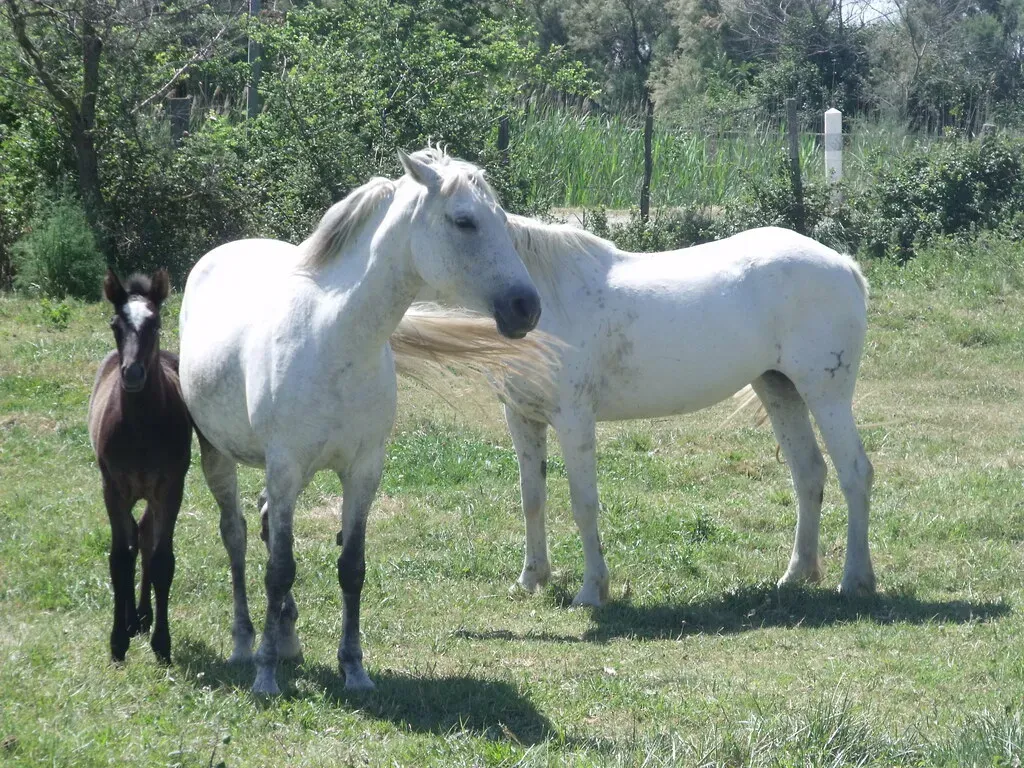
Over millions of years, horses adapted to changing climates and landscapes, developing into larger, grassland-grazing species, and by the late Pleistocene, modern horses roamed the continent in large herds. These early equines shaped entire ecosystems through their grazing patterns and seed dispersal activities. I think it’s fascinating how such a crucial species could thrive for so long and then vanish.
They crossed the Bering Land Bridge, which connected present day Alaska and Russia, moving back and forth and interbreeding over hundreds of thousands of years, and these populations functioned as a single metapopulation until around 10,000-15,000 years ago. Then something remarkable happened. While horses vanished from North America, their survival in Asia and Europe ensured their global existence and eventual return to their original homeland.
What caused their North American extinction remains somewhat mysterious. Climate shifts and rising sea levels certainly played a role. The land bridge that once allowed their migration submerged beneath the ocean. Horses were suddenly gone from a continent where they had evolved for millions of years, leaving behind only fossils as evidence of their existence.
The Spanish Bring Horses Back Home
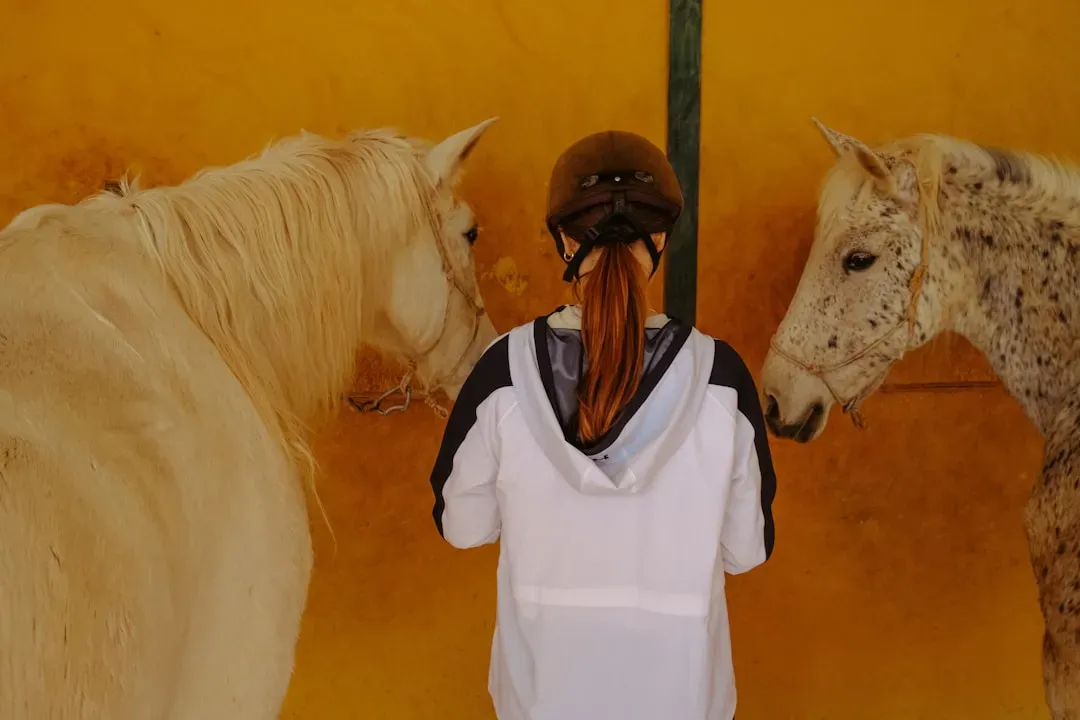
Horses first returned to the Americas with the conquistadors, beginning with Columbus, who imported horses from Spain to the West Indies on his second voyage in 1493, and domesticated horses came to the mainland with the arrival of Cortés in 1519. These weren’t just any horses. They were tough, sturdy animals of Andalusian, Barb, and Arabian descent, bred for war and exploration.
By 1525, Cortés had imported enough horses to create a nucleus of horse-breeding in Mexico, and from these origins, horses spread throughout the Americas, with at least 10,000 free-roaming horses in Mexico by 1553. Some escaped from Spanish settlements. Others were released when they were no longer needed. Still others were traded or stolen.
Recent research has completely rewritten what historians thought they knew about this spread. Indigenous cultures of the American Great Plains and northern Rockies had integrated domestic horses of Spanish ancestry into their lifeways long before the arrival of European colonizers to the region, and horses of European descent were widely dispersed throughout the region and had become deeply ingrained in Indigenous lifeways by at least the early 1600s. This happened decades before European colonizers even reached many of these areas. Indigenous peoples rapidly transported offspring of those equine newcomers north along trade routes, and many Native American populations across the Great Plains and the Rockies had incorporated horses into their ways of life by the early 1600s.
Evidence from archaeological remains tells a powerful story. The earliest North American horse remains include bony growths at the back of the skull consistent with the use of a halter or bridle, one horse from the 1500s displayed dental damage seen from use of a bridle’s metal bit, and another early horse had been found among various ritual artifacts. These horses weren’t just wandering wild across the landscape. Indigenous peoples were caring for them, riding them, and incorporating them into ceremonial life.
From Freedom to Near Extinction
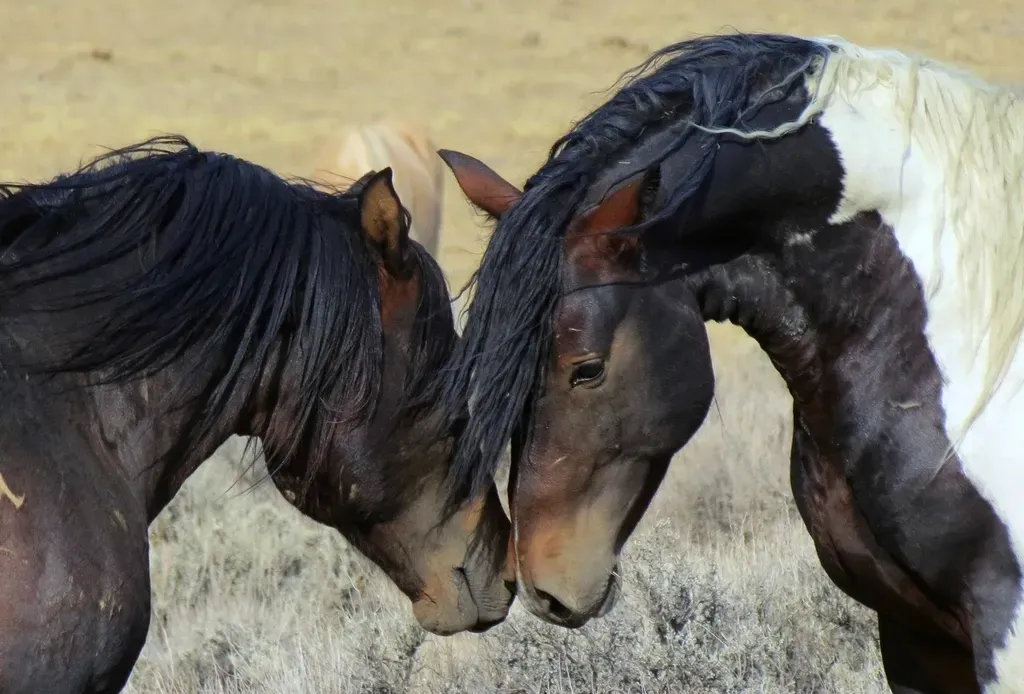
West-central Texas, between the Rio Grande and Palo Duro Canyon, was said to have the most concentrated population of feral horses in the Americas, and by the late 1700s, the largest numbers were found in what today are the states of Texas, Oklahoma, Colorado, and New Mexico. Honestly, it’s hard to imagine just how many horses once roamed freely. Some sources mention millions scattered across the Western landscape.
By the 1700s, mustangs roamed freely across the Great Plains, and the domestication of horses dramatically improved the lives of the Comanche and Apache tribes, who quickly adopted these horses and transformed their way of life. For Plains tribes, horses revolutionized hunting, warfare, travel, and trade. The entire social structure of some communities shifted around horse ownership and horsemanship skills.
Then came the darker chapter. By the early 20th century, there were millions of wild horses scattered across the western United States, but with the rise of the automobile, working horses weren’t as necessary anymore, and many domestic horses were shot or sent to slaughter, while others were abandoned. Let’s be real, what happened next was brutal.
A 1920 tourism ad in Popular Mechanics encouraged tourists to travel to the West to shoot horses for sport, in 1922, Ken-L Ration started using wild-horse meat for dog food, and during the next two decades, nearly 2 million mustangs went to slaughterhouses. Their meat became pet food. Their hides were used for making baseballs. Wild horses, once symbols of freedom, became vermin to be eliminated. By the time the wild horse received federal protection in 1971, it was officially estimated that only about 17,000 of them roamed America’s plains.
Wild Horse Annie and the Fight for Protection
One woman changed everything. Velma Johnston, known as Wild Horse Annie, followed a livestock truck leaking blood to a rendering plant and discovered how America’s wild horses were being pipelined out of the West, and her crusade led to the passage of a 1959 law that banned the use of motorized vehicles and aircraft to capture wild horses. Her persistence was extraordinary. She saw something horrific and refused to look away.
In 1971, more letters poured into Congress over the plight of wild horses than any other non-war issue in U.S. history, with one congressman alone reporting receiving 14,000 letters, and President Nixon signed the bill into law on December 15, 1971. Children and their mothers flooded Congress with heartfelt pleas. There wasn’t a single dissenting vote.
The Wild Free-Roaming Horse & Burro Act was passed, declaring that wild horses and burros are living symbols of the historic and pioneer spirit of the West, that they contribute to the diversity of life forms within the Nation and enrich the lives of the American people, and that these horses and burros are fast disappearing from the American scene. It was a landmark moment. For the first time, federal law recognized these animals as deserving protection rather than elimination. The law gave management authority to the Bureau of Land Management and the U.S. Forest Service.
Modern Challenges and an Uncertain Future
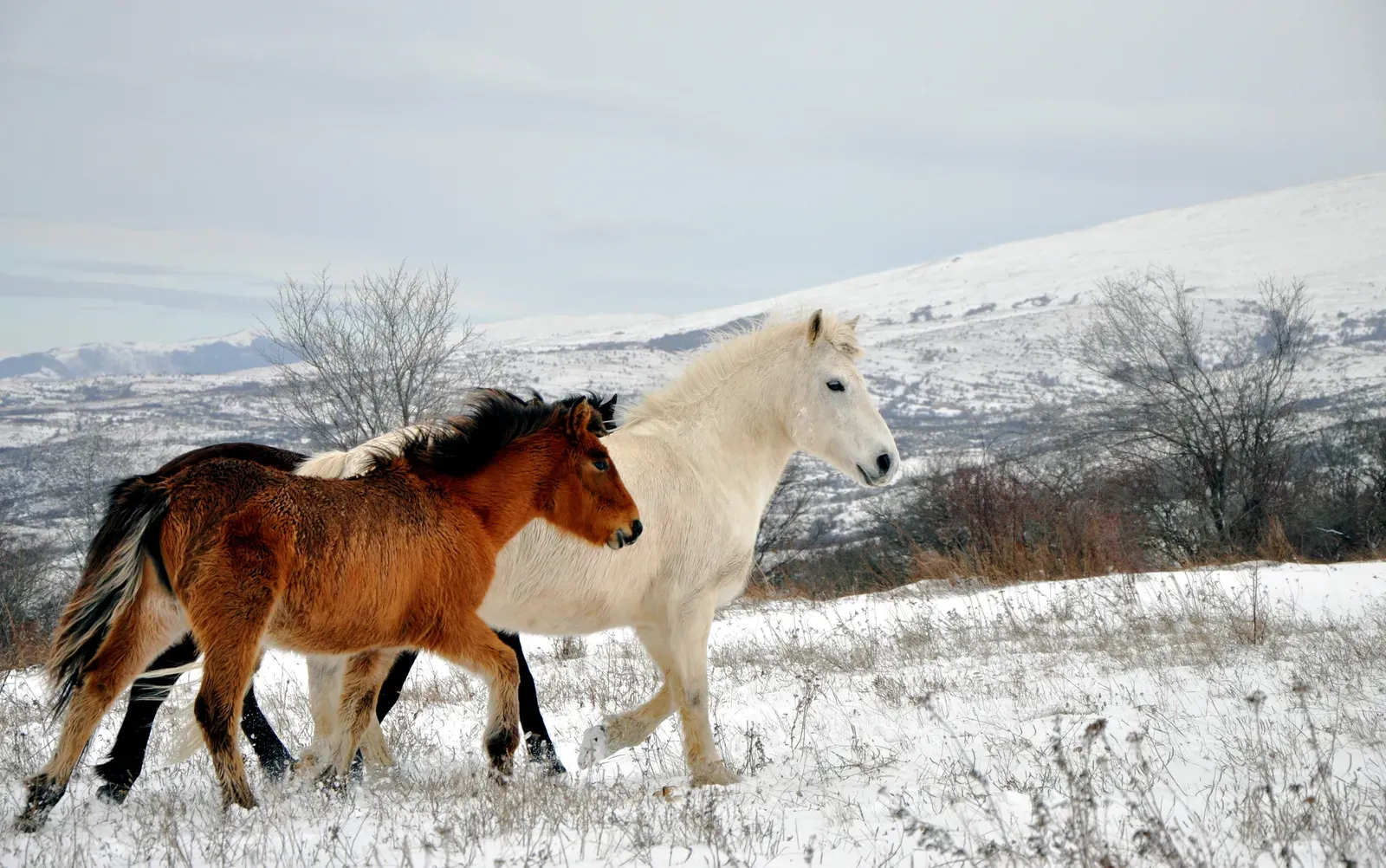
Today’s reality is complicated. As of March 1, 2025, there are 73,130 wild horses and burros roaming public lands, which is roughly three times what the BLM considers sustainable. The BLM manages wild horses on 25.6 million acres, and without natural predators except occasional mountain lions, wild horse population growth rates can be near 20%, resulting in 68,143 captured wild horses and burros in off-range holding facilities as of January 2025.
The debate rages on from multiple angles. Ranchers argue that horses compete with cattle for grazing resources on public lands. Some environmentalists worry that overpopulation damages fragile ecosystems and harms other native wildlife. Roundups are a brutal and inhumane method used to manage wild horse populations, as helicopters chase these majestic animals over vast distances, causing immense stress, injuries, and sometimes death, and this practice disrupts the natural social structures of wild horse herds but also leads to higher birth rates among the remaining population.
Fertility control is a humane, effective, and scientifically proven method to manage wild horse and burro populations, and by implementing fertility control programs, the need for brutal roundups can be reduced. Yet fertility control remains vastly underused compared to helicopter roundups. Scientific research has shown that more humane and cost-effective alternatives, like fertility control, are equally effective in controlling equine populations, but the BLM currently spends less than four percent of its budget on these methods.
The story of America’s wild horses mirrors larger questions about wilderness, conservation, and what we value as a society. These animals evolved here, disappeared, returned, nearly went extinct again, and now exist in a precarious balance between protection and control. They survived Ice Age extinctions, Spanish conquest, Indigenous adoption, settler expansion, industrialization, and mass slaughter. What happens next depends on choices we make today about land use, animal welfare, and how we define what belongs in the American West.
Did you think the history of wild horses was this complex? What role do you believe they should play in our modern landscape?

- 6 Mystical Caves Around the World With Untold Stories - July 20, 2026
- 5 Simple Ways to Help Local Wildlife Thrive in Your Own Backyard - July 20, 2026
- 20 Smartest Animals on The Planet Ranked - July 20, 2026