

The Mississippi River, the lifeblood of American agriculture and commerce, has long sustained the heartland of the United States. Yet, as environmental pressures mount, new evidence suggests that this mighty river might face a dramatic decline, possibly drying up by 2050. Understanding the causes and consequences of this potential crisis is crucial for developing timely solutions.
Historical Importance of the Mississippi River

The Mississippi River has been fundamental to the development of the United States since its early days. It has served as a major transportation route, facilitated commerce, and sustained vast ecosystems. Its significance is not merely historical; it remains vital to the economic and environmental well-being of the region.
Current Environmental Changes Affecting the River

Recent years have seen significant environmental shifts impacting the river. Climate change, characterized by higher temperatures and altered precipitation patterns, has affected the river’s flow. Reduced snowpack in the northern catchment areas and prolonged droughts in southern regions are contributing to decreased water levels.
The Role of Climate Change

Climate change is a primary driver of the river’s declining water levels. As temperatures rise, evaporation rates increase, leading to a net loss of water. Furthermore, erratic weather patterns contribute to inconsistent river flow, making it challenging to maintain the river’s historic water levels.
Impact of Human Activity

Beyond natural factors, human activities exacerbate the problem. Extensive water withdrawals for agriculture, industry, and urban consumption heavily tax the river’s resources. Comprehensive water management plans are urgently needed to balance human demand with ecological sustainability.
Pollution and Its Consequences
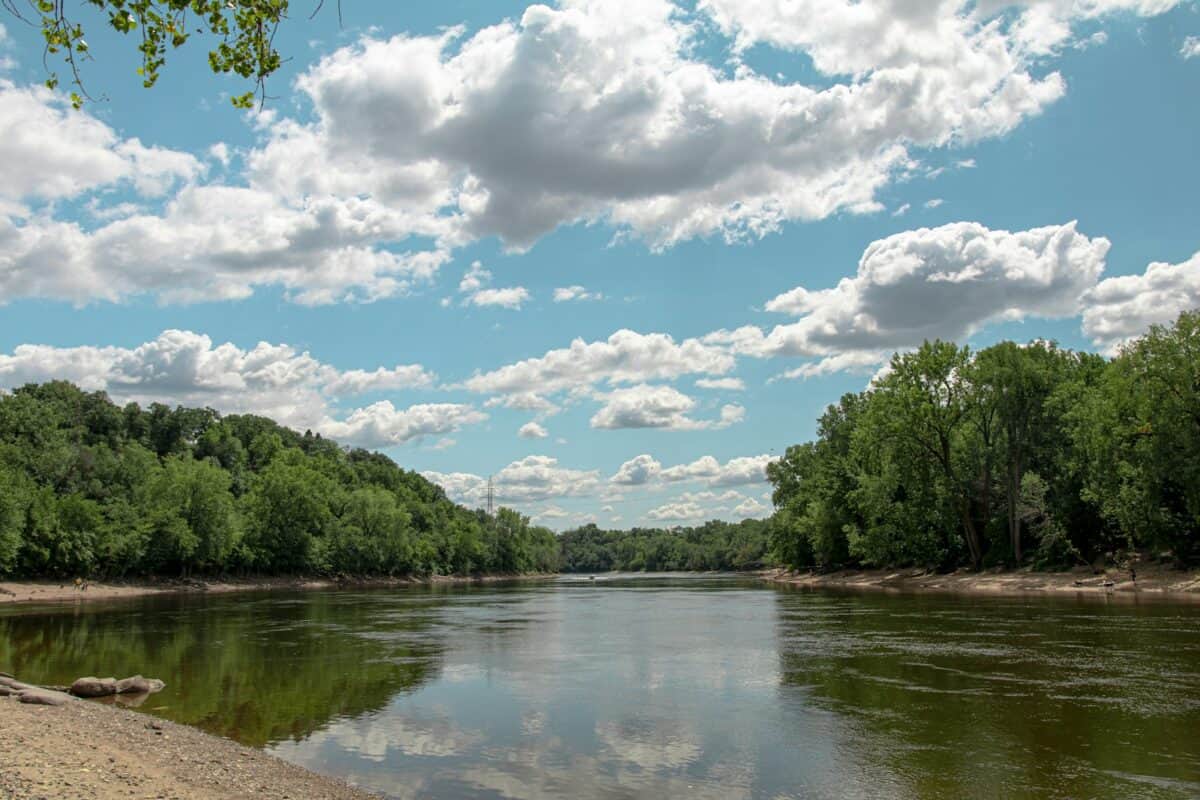
Pollution from agricultural runoff, industrial discharges, and urban effluents continues to deteriorate water quality in the Mississippi River. Nutrient pollution causes algal blooms that can devastate aquatic ecosystems, further straining the river’s capacity to support life.
Ecological Implications of a Drying River

The Mississippi River hosts a rich tapestry of biodiversity. Reduced water flow and quality threaten the habitats of numerous species. Fish, birds, and other wildlife depend on the river’s ecosystem; their decline could disrupt local food webs and biodiversity.
Economic Impact of a Potential River Decline

The economic implications are substantial. The Mississippi River is a critical artery for the movement of commodities. Diminished water levels could impede commercial transportation, increase costs, and destabilize regional economies dependent on river-related industries.
Social and Cultural Considerations

Communities along the Mississippi River have ingrained social and cultural ties to the waterway. A drying river could displace populations, alter local cultures, and erase historical practices connected to the river’s health and presence.
Strategies for Mitigation and Adaptation
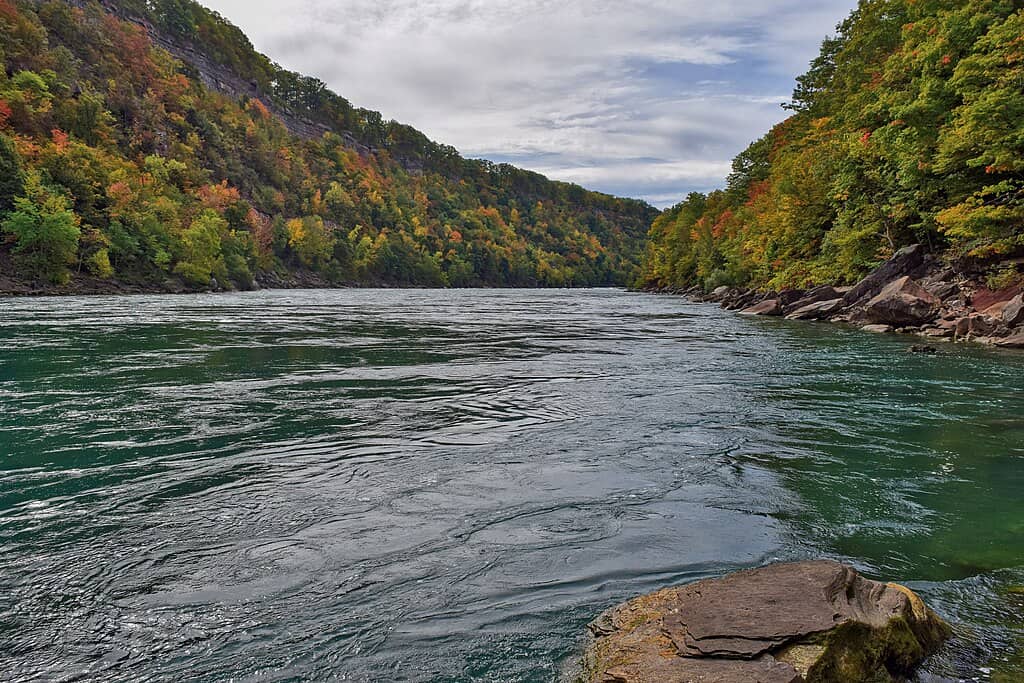
Mitigation strategies must focus on reducing greenhouse gas emissions and enhancing sustainable water use practices. Effective adaption may involve innovative water management, restoration of natural floodplains, and investment in pollution controls.
Role of Policy and Legislation

Policies at state and federal levels could play a pivotal role in safeguarding the river’s future. Legislation promoting sustainable water use, conservation practices, and investment in water infrastructure is crucial for securing the river’s longevity.
Community and Individual Actions
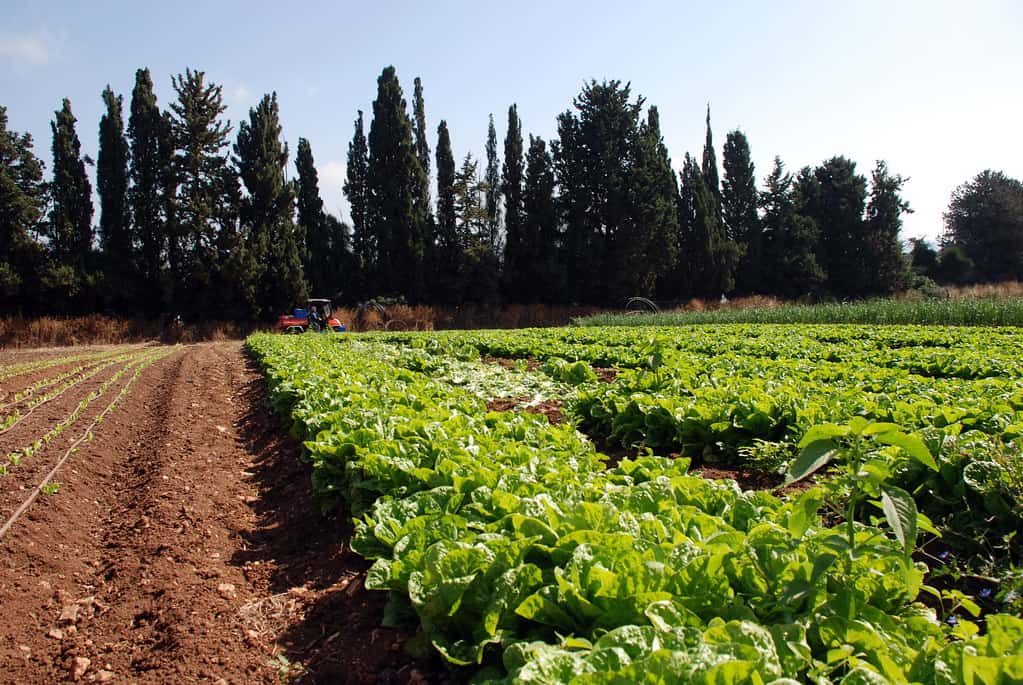
Individuals and communities can contribute to the river’s preservation. Reducing personal water waste, supporting sustainable agriculture, and advocating for policy changes are steps that collectively bolster efforts to maintain the river’s vitality.
The Importance of Scientific Research

Continuous scientific research is essential to understand and predict changes in the river’s ecosystem. Enhanced modeling and data collection can provide valuable insights, guiding effective conservation efforts and policy formulations.
Conclusion
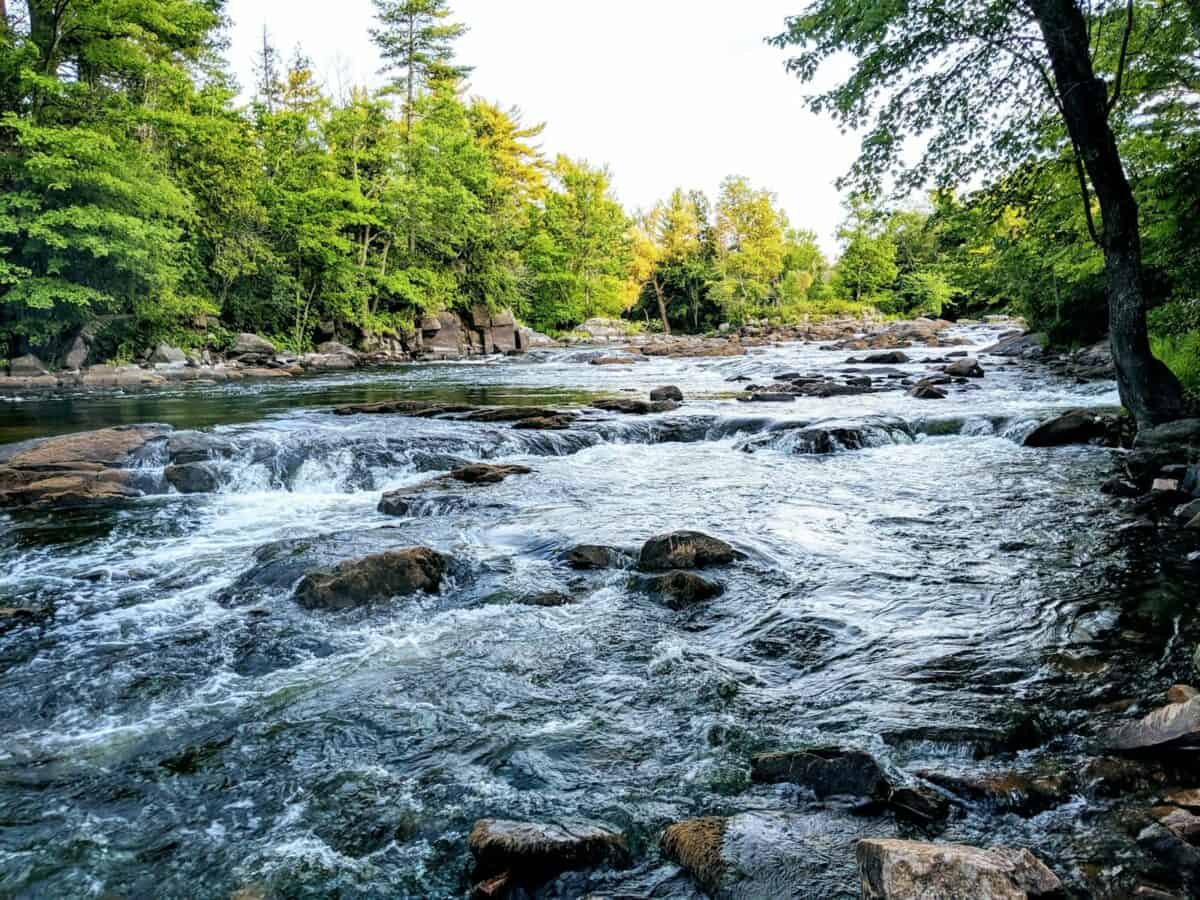
The potential drying of America’s largest river by 2050 is a complex issue with wide-reaching implications. From environmental to economic, social to cultural, the stakes are high. Collective action—ranging from policy changes to individual responsibility—is imperative to prevent this ecological catastrophe and ensure the Mississippi River continues to nurture generations to come.

- The Most Powerful Earthquake Ever Felt in the U.S. - July 19, 2026
- How Rhinoceros Males Compete for Mating Rights in the Wild - July 18, 2026
- 13 Spider Species Thriving in Changing Environments - July 18, 2026