
Worried about unexpected vet bills?
Pet insurance can cover thousands in unexpected vet costs. Get a free quote from Lemonade in under 2 minutes.
Get My Free Quote →Sponsored · Opens Lemonade.com
Most people think of America’s deserts as barren wastelands, but honestly, they couldn’t be more wrong. Hidden across the southwestern United States lie some of the most biodiverse ecosystems on Earth, teeming with life that has adapted to thrive in extreme conditions. Though they’re the driest places on Earth, deserts spawn miraculous life, yet these extraordinary landscapes remain largely overlooked and underappreciated.
The truth is, these forgotten desert regions harbor iconic species such as Joshua trees, Mexican free-tailed bats, desert pupfishes, cutthroat trout, pronghorn antelope, desert tortoises, Gila monsters, sage grouse, bighorn sheep, desert iguanas, bristlecone pines, cuckoos, ocotillo, desert poppies, saguaro cactus, kangaroo rats and pigmy rabbits. The wildlife stories hidden in these remote corners of America will surprise you, from tiny creatures that never need to drink water to predators that hunt in cooperative packs. Let’s dive in.
The Desert National Wildlife Refuge: America’s Largest Hidden Sanctuary
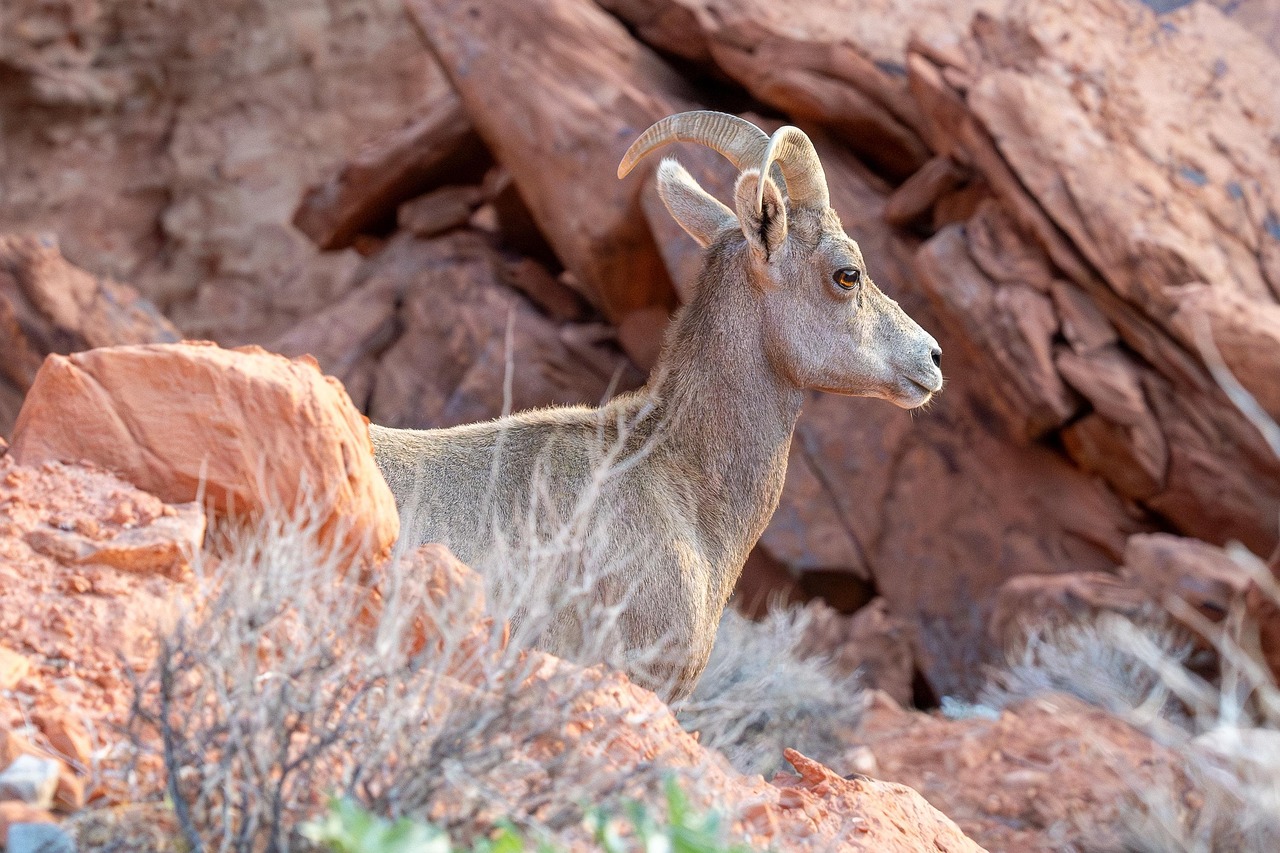
Few people realize that Desert National Wildlife Refuge is the largest wildlife refuge in the lower 48 states and protects the largest intact habitat for the Desert Bighorn Sheep in the Mojave desert. Located just outside Las Vegas, this massive 1.6-million-acre preserve remains surprisingly unknown to most Americans.
The refuge is home to at least 900 plant and animal species. Within its borders are important wildlife like the Desert bighorn sheep and the endangered Desert tortoise. What makes this place truly special is its sheer scale and diversity, spanning seven different life zones that create unique microclimates for different species to thrive.
The Great Basin’s Remarkable Hidden Wildlife Communities
The Great Basin Desert covers vast areas of Nevada, Utah, and surrounding states, yet remains one of America’s most overlooked ecosystems. The Great Basin, located in the western United States, encompasses a vast area characterized by extreme aridity and fluctuating temperatures. This distinct climate has driven the evolution of various adaptive strategies among organisms living in this region.
Summer temperatures soar above 100 degrees while winters bring bitter cold and frequent snowfall. Predators, such as coyotes and bobcats, help control populations of herbivores like jackrabbits and ground squirrels, preventing their overconsumption of plant resources. This balance ensures the survival and abundance of vegetation crucial for other species’ existence.
Remote Valley Oases: Where Desert Life Concentrates
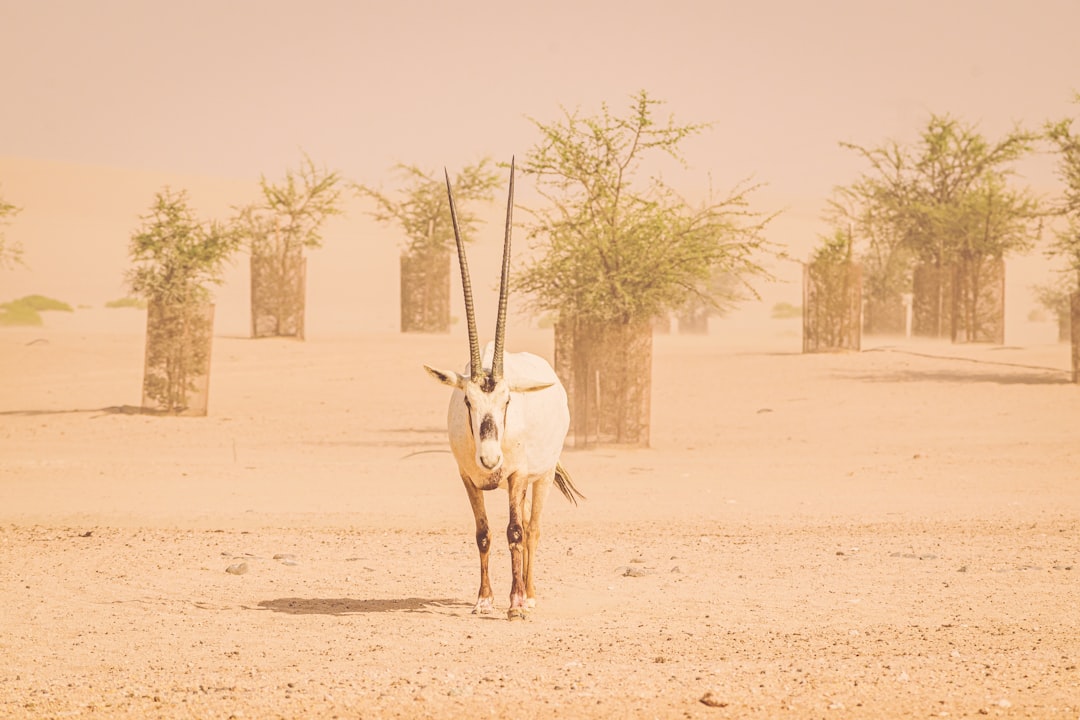
Throughout America’s forgotten deserts, remote valleys, mountain tops, dry lake beds, sand dunes, and caves across the West. By 12,000 BCE, when the Pleistocene ended, lakes that filled many valleys receded, leaving fishes and other aquatic animals isolated among highly divergent aquatic habitats including lakes with salinities that vary from fresh water to three times the salinity of ocean water. The isolation of populations in terrestrial refugia and desert oases provided the conditions for evolutionary divergence that led to a rich biodiversity.
These isolated pockets have become evolutionary laboratories where species developed unique survival strategies. The separation created by ancient geological changes means many of these desert creatures exist nowhere else on Earth, making conservation of these areas critically important.
The Sonoran Desert: America’s Most Biodiverse Forgotten Wilderness
The Sonoran Desert is the most biologically diverse of the four U.S. deserts. Covering 120,000 square miles of southwestern Arizona, southeastern California, and the Mexican states of Baja and Sonora, its mountains, rivers, and canyons provide luxurious habitat for numerous unique species specially adapted for heat, aridity, and intense summer monsoons. More than 100 reptiles, 2,000 native plants, 60 mammals, and 350 birds call this desert home, not only surviving here, but thriving.
The Sonoran Desert is among the most biodiverse ecosystems in the United States. From the towering saguaro cacti to the elusive coati, this desert supports an incredible web of interconnected life that most people never get to witness.
Evolutionary Marvels: Creatures Built for Extreme Survival

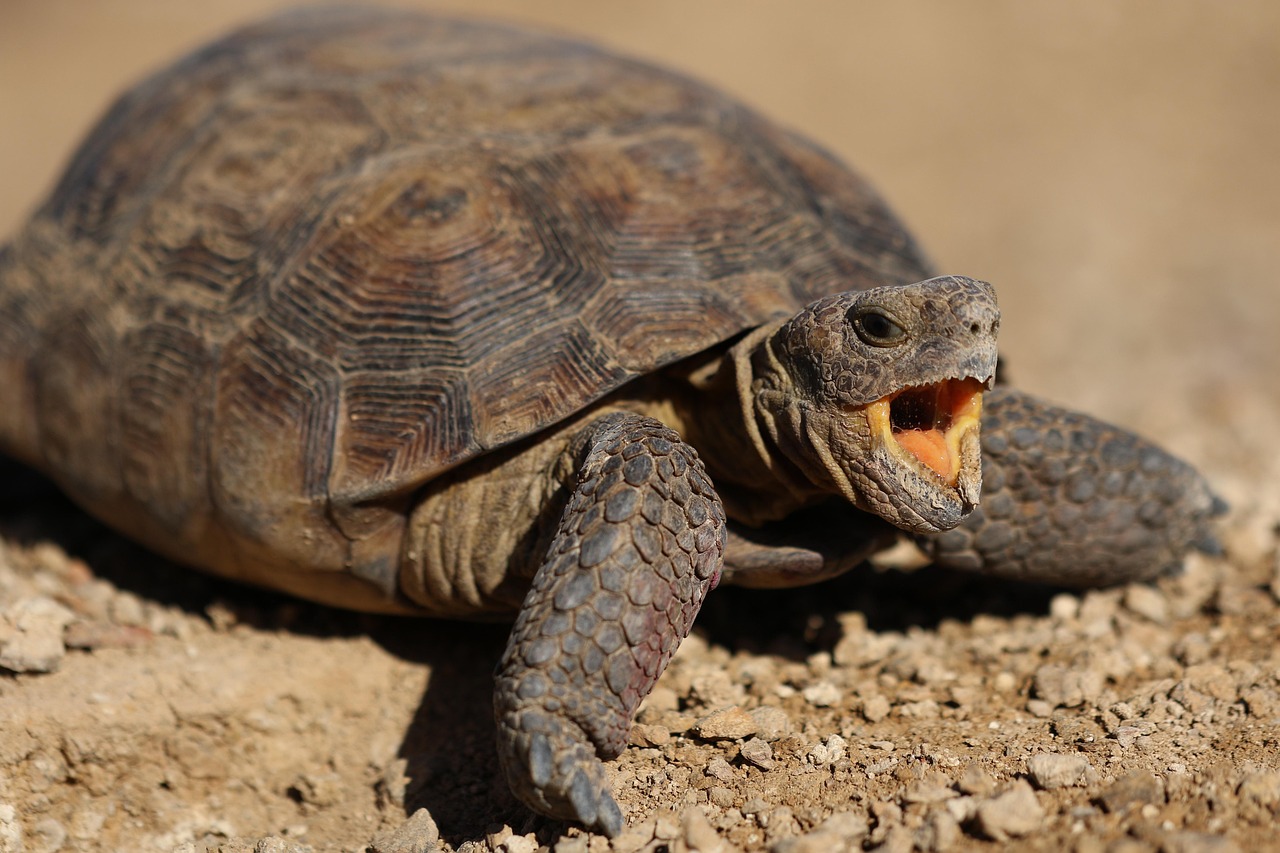
The adaptations found in these forgotten deserts are nothing short of extraordinary. Desert tortoises can store enough water to go years without drinking. Kangaroo rats, the Sonoran Desert’s moisture-conservation champions, boast such efficient bodies that they don’t need to drink at all.
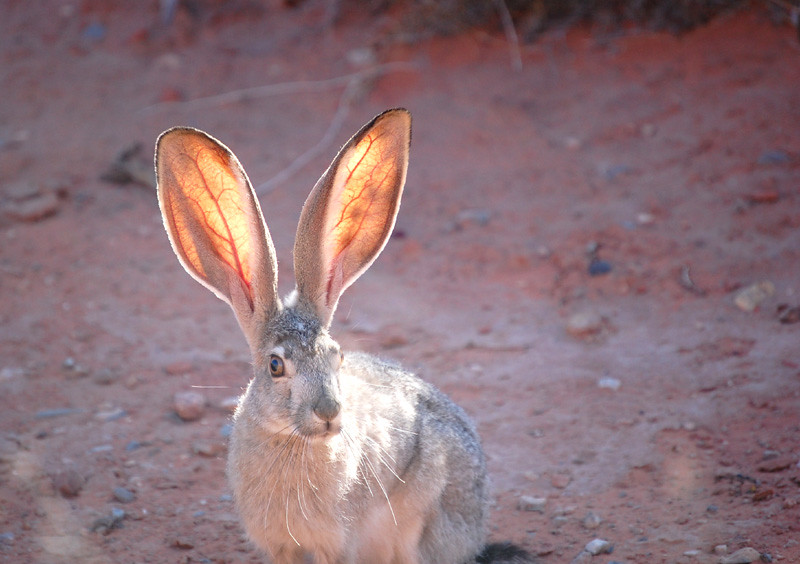
Some species have evolved remarkable physical features for desert survival. Those large ears are extraordinarily useful, helping hares to detect threats from far away and dissipating heat when the temperature rises. Black-tailed jackrabbits also have powerful hind legs; they can leap up to 10 feet and run up to 40 miles per hour, zigzagging to avoid predators. These adaptations showcase millions of years of evolutionary refinement.
Hidden Predator Networks: The Desert’s Secret Food Webs
America’s forgotten deserts support complex predator-prey relationships that rival any ecosystem. Harris’s Hawks are unique among raptors for their social nature, often hunting in cooperative groups. This teamwork allows them to catch larger prey than they could alone. This cooperative hunting strategy is almost unheard of among birds of prey.
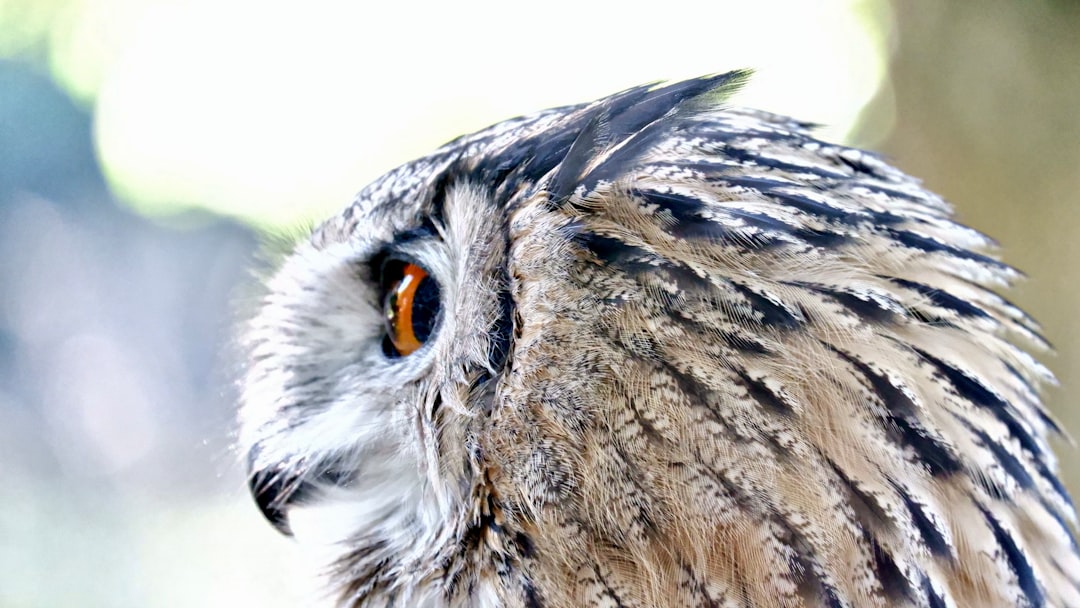
The night shift brings out an entirely different cast of predators. The Elf Owl, the world’s smallest owl, is a charming resident of the Arizona desert. Weighing less than an ounce, these tiny owls nest in abandoned woodpecker holes in saguaro cacti. They feed on insects and small invertebrates, hunting at night. Despite their size, Elf Owls are fierce predators, using their agility and sharp talons to catch prey.
The Urgent Need for Desert Conservation
Despite their incredible biodiversity, these desert ecosystems face mounting threats. Wildlife that has lived there for thousands of years is in danger of dying out due to threats like urban sprawl, cattle grazing, mining, dam building, and off-road vehicle use. The problem is accelerating as more people discover these previously remote areas.
“Communities and ecosystems are networks that are intricately intertwined,” he says. “So when those connections come apart, the entire structure can unravel very, very quickly.” Though science, like most cacti, moves slowly through incremental expansion of knowledge, Pillet argues that programs to conserve desert biodiversity must work speedily if mass extinctions are to be avoided. “The longer we wait, the more species we will lose,” he says. The window for protecting these forgotten ecosystems is rapidly closing.
These remarkable desert landscapes represent some of America’s last wild frontiers, harboring species found nowhere else on Earth. From the cooperative hunting Harris’s Hawks to the water-storing desert tortoises, these forgotten wildernesses continue to surprise scientists with new discoveries. Yet as development pressure intensifies and climate change accelerates, the future of these extraordinary ecosystems hangs in the balance.
The next time you think of deserts as lifeless wastelands, remember the incredible diversity thriving in these overlooked corners of America. What discoveries might we make if we took the time to truly explore and protect these forgotten treasures? The answer could reshape our understanding of life itself.
Worried about unexpected vet bills?
Pet insurance can cover thousands in unexpected vet costs. Get a free quote from Lemonade in under 2 minutes.
Get My Free Quote →Sponsored · Opens Lemonade.com
