


Deep in the mist-shrouded Annamite Mountains that straddle Vietnam and Laos lives a creature so elusive that it has achieved almost mythical status. The saola (Pseudoryx nghetinhensis), often called the Asian unicorn, represents one of the most remarkable zoological discoveries of the 20th century. First documented by science in 1992, this shy forest-dwelling bovid has become a symbol of both extraordinary biodiversity and desperate conservation need.
Despite its relatively recent discovery, the saola faces imminent extinction, with population estimates suggesting fewer than 100 individuals may remain in the wild. The race to save this critically endangered species has united conservationists, governments, local communities, and international organizations in a coordinated global effort that exemplifies modern conservation’s challenges and possibilities.
The Discovery That Stunned the Scientific World

In May 1992, a joint survey team from Vietnam’s Ministry of Forestry and the World Wildlife Fund (WWF) made a discovery that would shake the zoological world. While conducting fieldwork in Vietnam’s Vu Quang Nature Reserve, researchers found an unusual skull with long, parallel horns in a hunter’s home. This finding represented the first large mammal new to science discovered in more than 50 years and the first new large mammal species identified in Vietnam.
Formal scientific description followed later that year, placing the saola in its own genus within the family Bovidae. The scientific name Pseudoryx nghetinhensis references both its superficial resemblance to the oryx (though not closely related) and the Nghe An and Ha Tinh provinces where it was discovered. This remarkable finding demonstrated that even in the late 20th century, substantial biological discoveries remained possible, particularly in remote, understudied regions with complex topography and challenging field conditions.
Anatomy of a Living Fossil
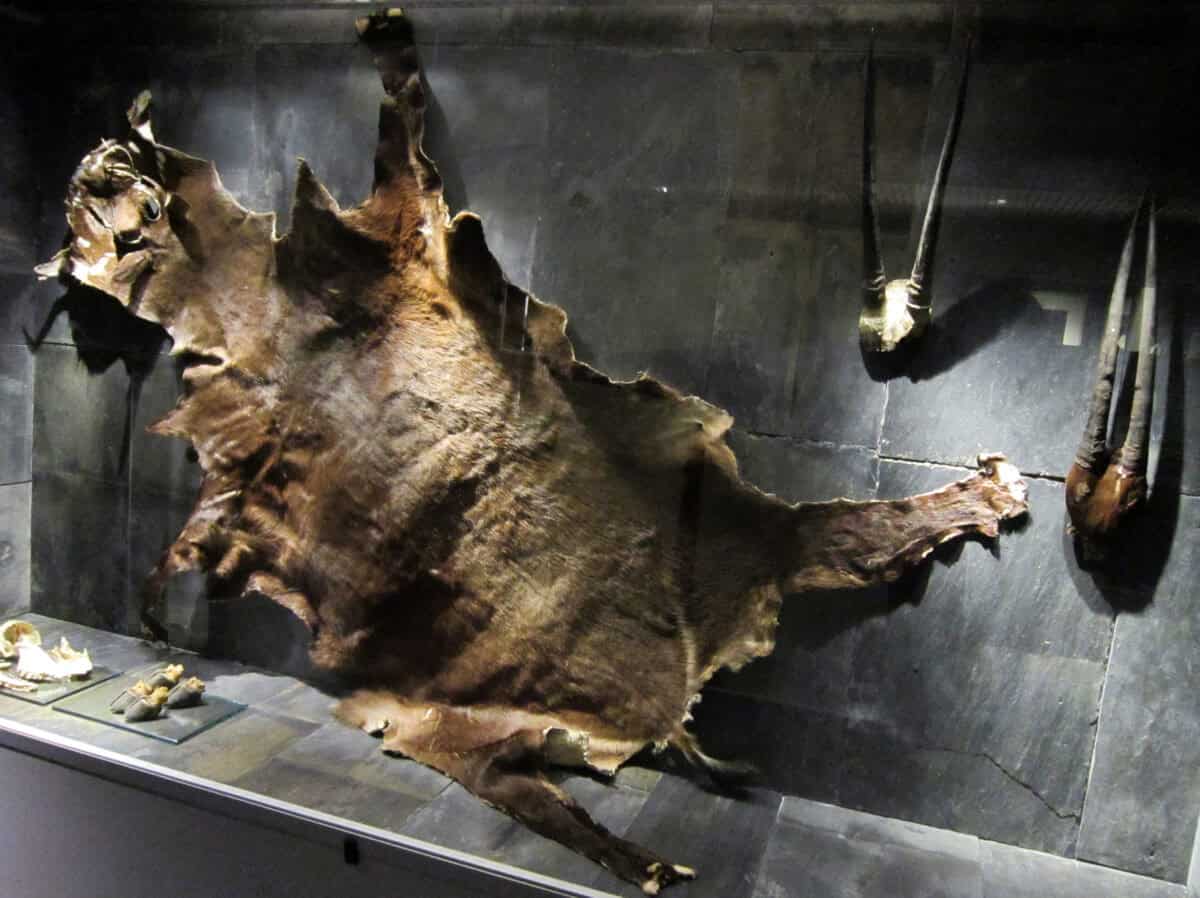
The saola presents a striking appearance that has fascinated scientists and conservation enthusiasts alike. Standing approximately 33 inches (85 cm) at the shoulder and weighing between 176-220 pounds (80-100 kg), the saola resembles an antelope with distinctive facial markings. Its most notable features are the nearly parallel, straight horns that reach lengths of 20 inches (50 cm) in both males and females. These horns, combined with the animal’s sleek brown coat, white facial markings, and distinctive white stripe along the spine, create an unmistakable profile.
The saola possesses specialized enlarged maxillary glands on the muzzle, which may serve in territorial marking or communication. Genetically, the saola represents a remarkable evolutionary lineage, having diverged from other bovids approximately 8 million years ago. This places it as the only member of its genus and one of the most primitive members of the cattle family, representing a unique evolutionary branch that has adapted specifically to the dense, humid forests of the Annamites.
The Mysterious Life of the Saola
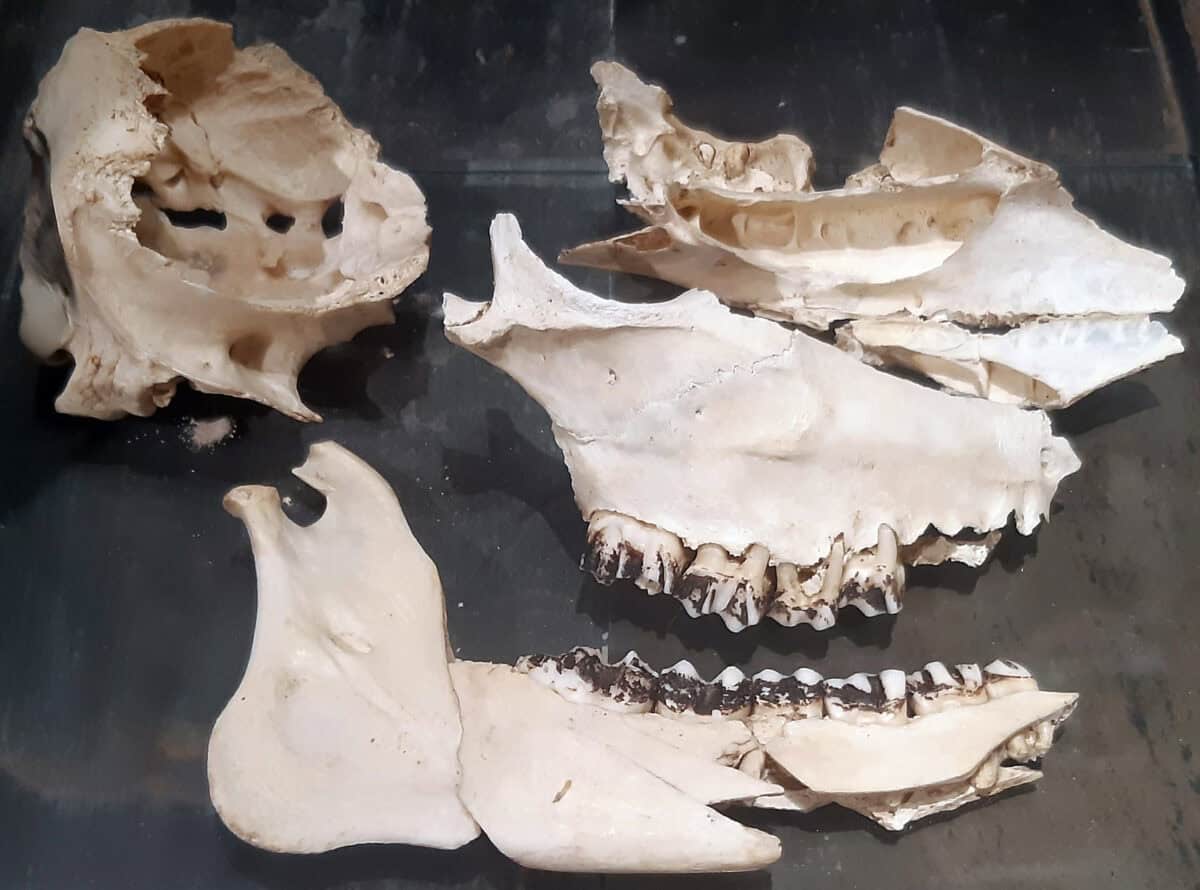
Despite nearly three decades of awareness of its existence, direct scientific observation of saola behavior remains extremely limited. What we know comes primarily from camera trap footage, brief captive observations, and local ecological knowledge. Saolas appear to be primarily diurnal (active during daylight hours), solitary or living in small groups of two to three individuals. They navigate the dense understory of their forest habitat using well-established trails and are believed to be territorial, using their scent glands to mark boundaries.
Their diet consists mainly of leafy plants, particularly fig leaves and stems found along riverbanks. Unlike many bovids, saolas appear highly sensitive to captivity, with all known captured individuals dying within weeks despite care attempts. This difficulty has severely limited opportunities for behavioral study and contributed to the species’ mystique. The saola’s extreme shyness, remote habitat, and low population density have made it one of the least-studied large mammals on Earth, with many aspects of its life cycle, social structure, and ecological role remaining speculative.
The Steep Decline Toward Extinction
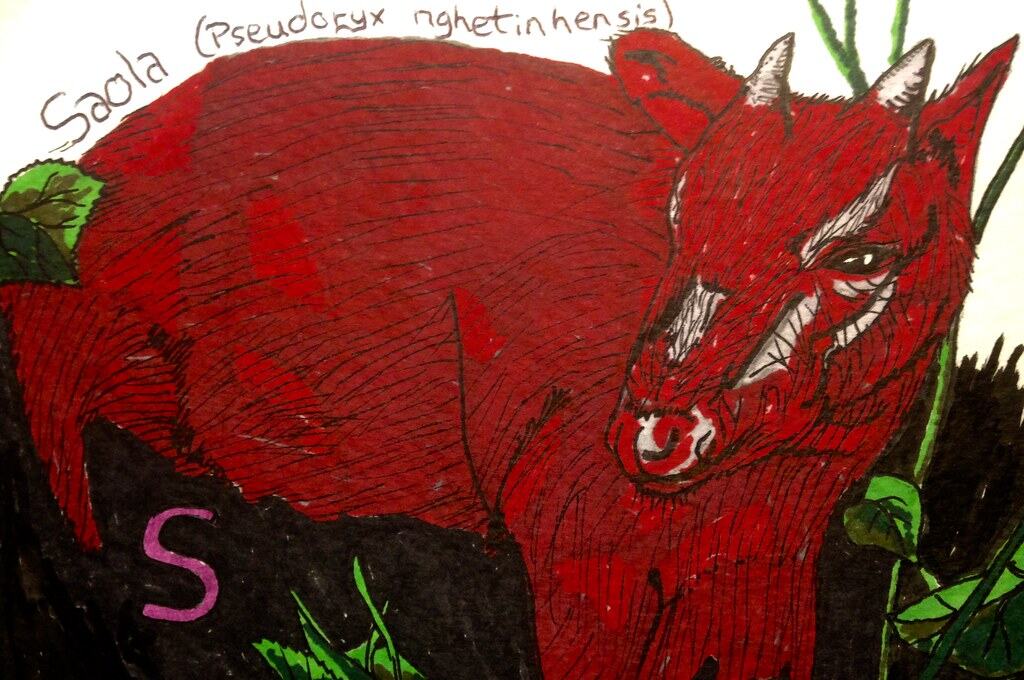
The saola population faces a precarious existence that has deteriorated rapidly since its discovery. While never abundant, evidence suggests a catastrophic decline over the past three decades. Current estimates place the wild population at fewer than 100 individuals, possibly as low as 25, making it one of the most critically endangered large mammals in the world. This decline reflects multiple intense pressures, including habitat loss from expanding agriculture, infrastructure development, and logging operations that fragment the saola’s forest home. However, the most immediate threat comes from intensive hunting.
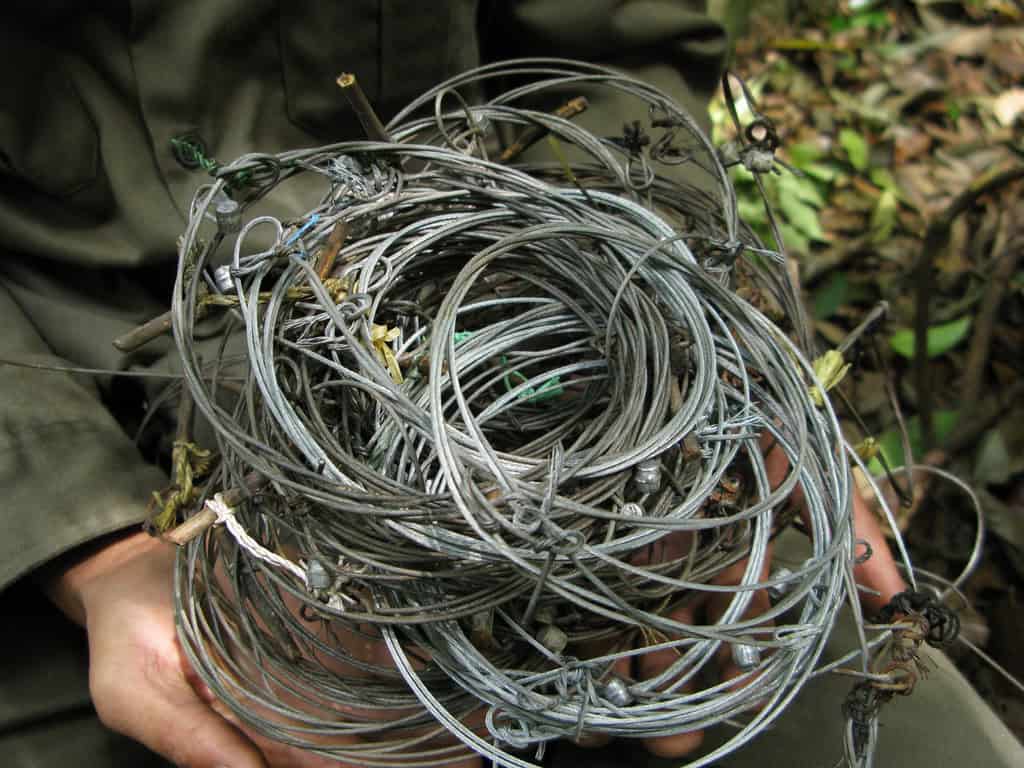
Though saolas are rarely targeted specifically, they frequently fall victim to indiscriminate wire snare trapping set for other wildlife. A single patrol in saola habitat can remove hundreds or even thousands of snares, yet millions likely remain throughout the Annamite Mountains. The species’ limited range, low reproduction rate, and extreme sensitivity to captivity compound these threats, creating a perfect storm of extinction factors. Without successful intervention, experts predict the saola could become extinct within the next decade—potentially before scientists have fully understood its biology and ecology.
The Birth of the Saola Working Group

Recognizing the urgent need for coordinated action, the IUCN Species Survival Commission’s Asian Wild Cattle Specialist Group established the Saola Working Group (SWG) in 2006. This international team unites saola experts, field biologists, conservation organizations, and representatives from range state governments in Vietnam and Laos. The SWG serves as the central coordinating body for all saola conservation efforts, developing science-based conservation strategies, facilitating knowledge exchange, and advocating for resources and political support.
Since its formation, the SWG has evolved from a primarily advisory capacity to actively implementing critical conservation initiatives. In 2019, the group formalized its commitment to saola conservation by establishing the Saola Foundation for Annamite Mountains Conservation, a dedicated non-profit organization focused specifically on preventing the extinction of this iconic species. This institutional development represents a significant milestone in the global effort to save the saola, creating sustainable organizational infrastructure capable of long-term conservation commitment in the challenging sociopolitical environment of the region.
Searching for Ghosts: The Challenge of Saola Monitoring
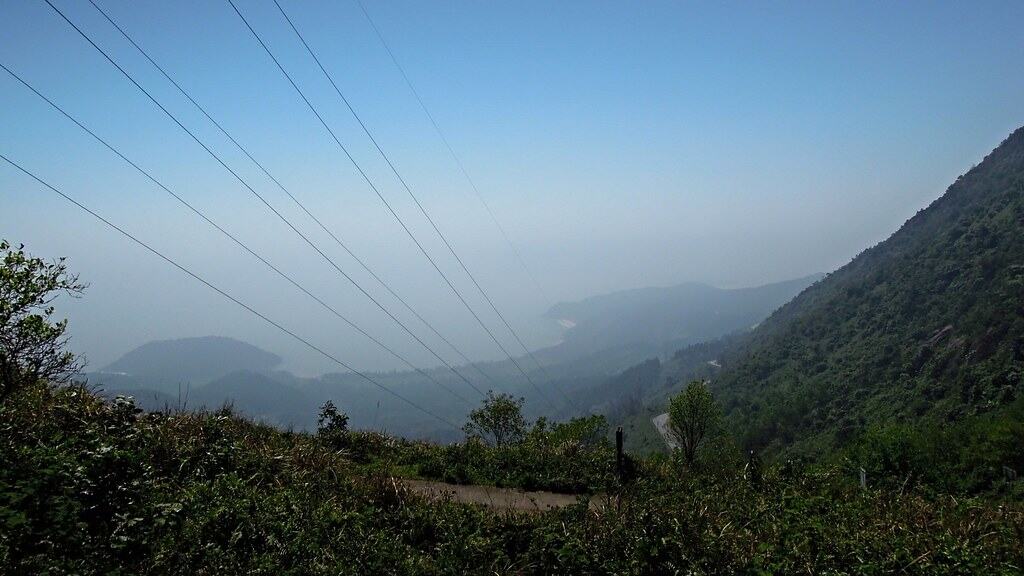
The extreme rarity and elusiveness of saolas present unprecedented monitoring challenges. No wildlife biologist has ever reported seeing a saola in the wild, and camera trap photos occur with exceedingly low frequency—sometimes years apart. This scarcity makes population assessment nearly impossible using traditional wildlife survey methods. In response, conservationists have developed innovative monitoring approaches. Environmental DNA (eDNA) sampling allows researchers to detect saola genetic material in water, soil, or leeches without direct animal observation.
Systematic camera trapping employs hundreds of motion-activated cameras strategically placed throughout potential habitat. Additionally, conservation teams engage local ecological knowledge through interviews with forest-dependent communities who occasionally encounter saolas. In 2013, a camera trap in Vietnam’s Central Annamite Mountains captured the first images of a saola in the wild in over 15 years, providing crucial confirmation that the species persisted. Each rare detection informs habitat protection priorities and builds conservation momentum, though the monitoring challenge remains immense. The saola’s phantom-like existence has earned it the nickname “Asian unicorn,” reflecting both its rarity and the almost mythological quality of confirmed sightings.
The Critical Role of Anti-Poaching Efforts
Addressing the immediate threat of snaring has become the frontline of saola conservation. Since 2011, a network of community-based anti-poaching teams has formed across the saola’s range, employing local people as forest guardians. These teams, often comprising former hunters with intimate knowledge of the forest, conduct regular patrols to remove snares and deter poaching activities. The scale of this effort is substantial—since 2011, teams have removed over 130,000 snares from key saola habitat in Vietnam and Laos.
Organizations including WWF, the Wildlife Conservation Society, and Global Wildlife Conservation support these teams with training, equipment, and funding. Beyond direct removal, these patrol units gather intelligence on poaching networks and work with authorities to disrupt wildlife trafficking chains. The establishment of these units has created alternative livelihood opportunities in rural communities while leveraging local forest knowledge for conservation. Evidence suggests these efforts have reduced snaring pressure in patrolled areas, though the vast scale of the Annamites means many areas remain unprotected. This community-based approach represents one of the most promising immediate interventions for creating snare-free zones where saolas can survive.
Protected Areas: Creating Safe Havens

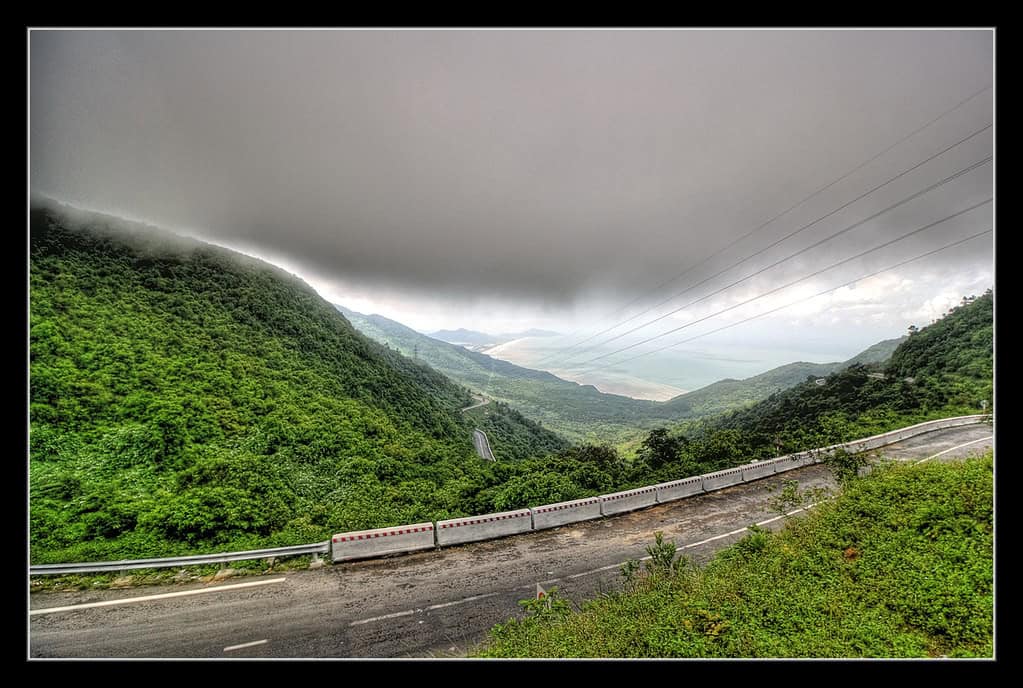
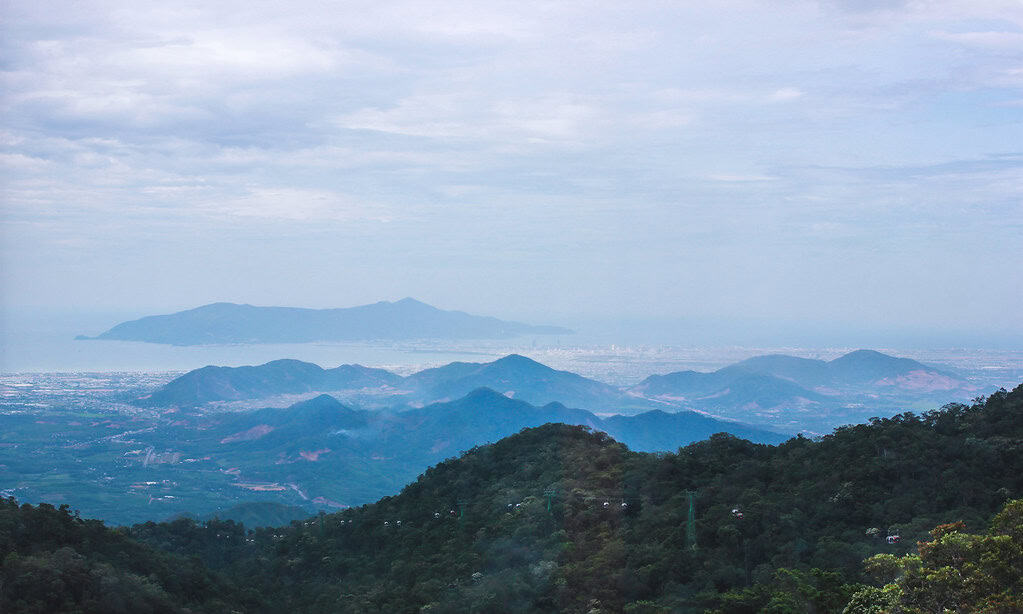
Strategic habitat protection forms a core component of saola conservation strategy. Since the species’ discovery, both Vietnam and Laos have established protected areas encompassing key saola habitat. The Saola Nature Reserves in Thua Thien Hue and Quang Nam provinces of Vietnam were created specifically for the species, while other protected areas like Vietnam’s Bach Ma National Park and Laos’ Nakai-Nam Theun National Protected Area safeguard additional habitat. However, the mere designation of protected status provides insufficient protection without effective management.
Conservation organizations work closely with protected area authorities to strengthen management capacity through ranger training, equipment provision, and management planning support. A significant development occurred in 2010 when Vietnam’s Thua Thien Hue Province established the Saola Nature Reserve, explicitly designed to protect critical habitat corridors. Similarly, in 2019, Vietnam’s Quang Nam province expanded protection of the Saola Nature Reserve. Despite these positive steps, protected areas face numerous challenges including limited resources, encroachment, and illegal activities. Strengthening these protected areas through improved funding, capacity building, and community engagement remains essential for creating truly functional saola sanctuaries where the species can recover.
The Captive Breeding Dilemma
As wild populations dwindle, conservation breeding has emerged as a controversial but potentially necessary intervention. The Saola Working Group, after years of deliberation, determined in 2013 that establishing a conservation breeding program represented an essential insurance policy against extinction. This decision reflects the severity of the situation—wild populations may have crossed below the threshold for natural recovery. However, captive breeding presents enormous challenges. Previous attempts to maintain captured saolas have failed, with all known captured individuals dying within weeks.
This sensitivity suggests specialized husbandry will be required. Additionally, finding saolas to initiate a breeding program remains problematic given their rarity. The current strategy involves establishing specialized conservation breeding centers within the saola’s range countries, with plans for an intensive, systematic capture effort once facilities and veterinary protocols are in place. While controversial because it diverts resources from habitat protection, many experts now view conservation breeding as a necessary, albeit last-resort, intervention. The goal would be to establish a sustainable captive population that could eventually support reintroduction once threats in the wild are sufficiently mitigated. This represents a high-risk, high-reward strategy that remains contentious within conservation circles.
The Technology Revolution in Saola Conservation
Technological innovation has transformed saola conservation capabilities in recent years. Advanced camera traps with longer battery life, improved sensors, and wireless connectivity allow remote monitoring of vast forest areas. Environmental DNA sampling techniques can detect saola presence from water sources, soil samples, or even blood-feeding leeches, providing presence data without direct observation. Geographic Information Systems (GIS) enable sophisticated spatial analysis of habitat suitability, helping target conservation efforts where saolas are most likely to persist.
Drone technology provides cost-effective forest monitoring capabilities, detecting illegal activities and habitat changes. Perhaps most promising, artificial intelligence applications now assist in analyzing thousands of camera trap images, automating species identification and dramatically reducing processing time. The Saola Working Group has embraced these technologies, partnering with technology companies and research institutions to develop customized solutions. For example, a collaboration with the Smithsonian Conservation Biology Institute has developed specialized eDNA protocols specifically calibrated for saola detection. While technology alone cannot save the saola, these innovations have substantially expanded detection capabilities and monitoring efficiency, providing critical data to guide conservation actions in a landscape where traditional monitoring approaches have proven inadequate.
International Cooperation and Funding Challenges
The transboundary nature of saola conservation necessitates international cooperation. Vietnam and Laos, despite different political systems and conservation approaches, have established cross-border dialogue specifically addressing saola protection. This collaboration includes information sharing, coordinated protection of contiguous habitat blocks, and joint training initiatives. Beyond the range countries, international organizations provide crucial technical and financial support. The Critical Ecosystem Partnership Fund has directed significant resources toward Annamite Mountain conservation, while organizations like the U.S. Fish and Wildlife Service’s Rhinoceros and Tiger Conservation Fund have provided substantial grants for saola initiatives. Despite these efforts, funding remains a persistent challenge.
The saola lacks the public recognition of iconic endangered species like tigers or elephants, making fundraising difficult. Additionally, the remote region where saolas live presents complex political and logistical barriers that increase conservation costs. A 2020 analysis by the Saola Working Group estimated that comprehensive implementation of the Saola Conservation Strategy would require approximately $20 million over five years—a substantial sum that exceeds current available resources. Securing sustainable, long-term funding remains one of the greatest challenges facing saola conservation efforts, particularly as many donor organizations prioritize metrics-driven results that are difficult to demonstrate with such an elusive species.
Community Engagement and Indigenous Knowledge
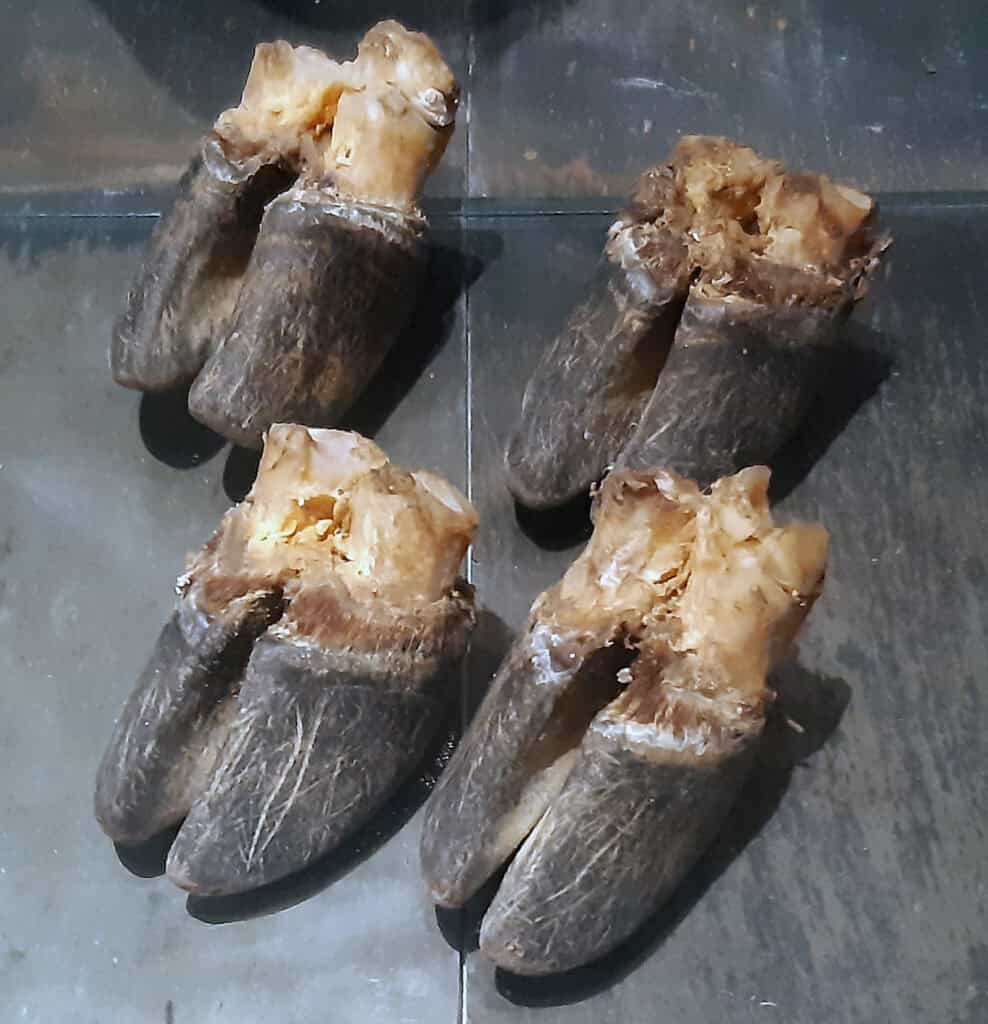
Recognizing that sustainable conservation requires local support, saola protection efforts increasingly emphasize community engagement. Indigenous and rural communities throughout the Annamites Mountains possess generations of ecological knowledge about their forests, including rare observations of saolas. Conservation programs now systematically document this knowledge, working with village elders and hunters to map historical sightings, habitat use patterns, and behavioral observations. Beyond knowledge collection, successful programs incorporate local communities as active conservation partners. In Vietnam’s Quang Nam province, former hunters now work as community rangers, while participatory land-use planning gives communities a voice in conservation decision-making.
Economic incentives, including community development projects, conservation-friendly enterprise development, and direct employment in conservation activities provide alternatives to forest exploitation. The Forest Guards program, initiated in 2011, exemplifies this approach by employing local community members to conduct snare removal and monitoring, providing income while building conservation capacity. These community partnerships have multiple benefits—improving conservation effectiveness through local expertise, creating sustainable livelihood alternatives, and building crucial political support for conservation measures. The most successful initiatives recognize that saola survival ultimately depends on the choices and actions of the people who share their forest home.
The Future of Saola Conservation: Hope Against the Odds
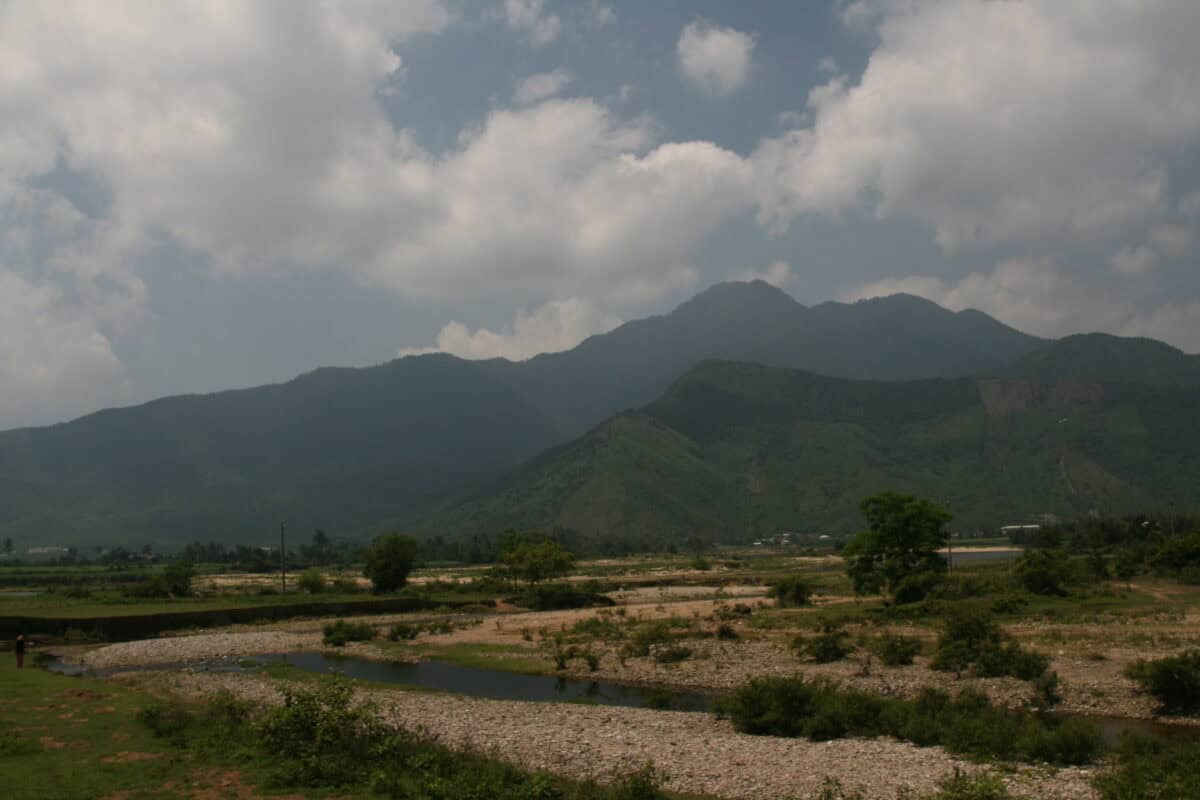
Despite the dire situation facing the saola, conservation efforts have gathered unprecedented momentum in recent years. The establishment of the Saola Conservation Breeding Center in Vietnam’s Bach Ma National Park in 2021 marked a significant milestone, creating specialized facilities for a potential captive breeding program. This development reflects growing governmental commitment to saola conservation across its range. Similarly, expanded funding from international donors, including a multi-million dollar commitment from the Global Environment Facility in 2020, has enhanced the scale and scope of conservation activities.
The Saola Working Group has articulated an ambitious but achievable vision for the coming decade: to secure self-sustaining wild populations supported by conservation breeding programs that provide demographic and genetic reinforcement. This approach combines immediate protection measures with long-term recovery strategies. The COVID-19 pandemic has paradoxically strengthened some aspects of saola conservation by highlighting connections between wildlife trade and zoonotic disease risk, accelerating policy reforms around wildlife consumption and trade in the region. While extinction remains a genuine possibility, the coordinated global effort to save the saola demonstrates the power of focused conservation action. The coming decade will likely determine whether this remarkable species survives as a living testament to biodiversity conservation or becomes another extinction statistic in the ongoing biodiversity crisis.
Conclusion

The global effort to save the saola represents one of conservation’s most challenging and urgent battles, uniting diverse stakeholders in a race against time to preserve this evolutionary treasure. From its remarkable discovery in 1992 to the sophisticated conservation programs underway today, the saola’s story illuminates both the fragility of biodiversity and humanity’s capacity to mobilize in its defense. The species stands at a pivotal moment—either it will become a conservation success story demonstrating our ability to pull species back from the brink or it will represent a tragic failure to protect even the most unique and valuable elements of our natural heritage.
Regardless of outcome, the saola conservation movement has already transformed our understanding of Annamite Mountain ecology, pioneered innovative conservation approaches, and created unprecedented cooperation between governments, communities, and international organizations in Southeast Asia. The future of the Asian unicorn remains uncertain, but the dedication of those working to secure its survival offers genuine hope that this remarkable creature will continue to roam the misty mountains of Vietnam and Laos for generations to come.

From exploring the marine wonders in the Azores and witnessing the vast savannas of Kenya, to delving deep into the rich biodiversity of South Africa and traversing iconic landscapes in Australia and the US like Yellowstone, Chris's experiences are vast.
With a penchant for diving alongside sharks, the ocean holds a special place in his heart.
Through his academic insights, he champions wildlife conservation, striving with 'Animals Around The Globe' to cultivate a profound connection between humans and animals, enhancing our mutual appreciation.
Connect with him at Feedback@animalsaroundtheglobe.com.
- Penguins Are Moving North—What This Means for the Arctic - July 22, 2026
- The Bull as a Symbol of Power in Minoan and Hindu Stories - July 22, 2026
- This Monkey Has a Mustache - July 21, 2026