

Golden retrievers have long been the picture of family companionship, with their gentle eyes and endless enthusiasm for a game of fetch. Yet in recent years, some rescue organizations have grown far more selective about where these dogs land, turning away many well-meaning households that once would have been welcomed without question.
This shift leaves prospective adopters puzzled and sometimes heartbroken, wondering what changed in the world of golden placements.
High Demand Meets Limited Supply

Golden retrievers rarely linger in general animal shelters because their popularity keeps them moving quickly through dedicated breed rescues. When a golden does arrive, volunteers often face dozens of applications within hours, forcing them to sift carefully through every detail of a potential home.
This volume creates a natural filter where only the strongest matches move forward, leaving many families on the outside looking in despite their genuine interest.
Strict Criteria Around Young Children

Many golden rescues now set firm age limits on children in the home, often declining applications from families with kids under six or eight years old. The breed’s sensitive nature and history of past trauma in some rescues make high-energy households a risky fit, even when the family seems loving and prepared.
Volunteers have seen too many returns when playful toddlers overwhelm a dog still learning to trust, so they prioritize stability over filling every request right away.
Exercise and Lifestyle Demands
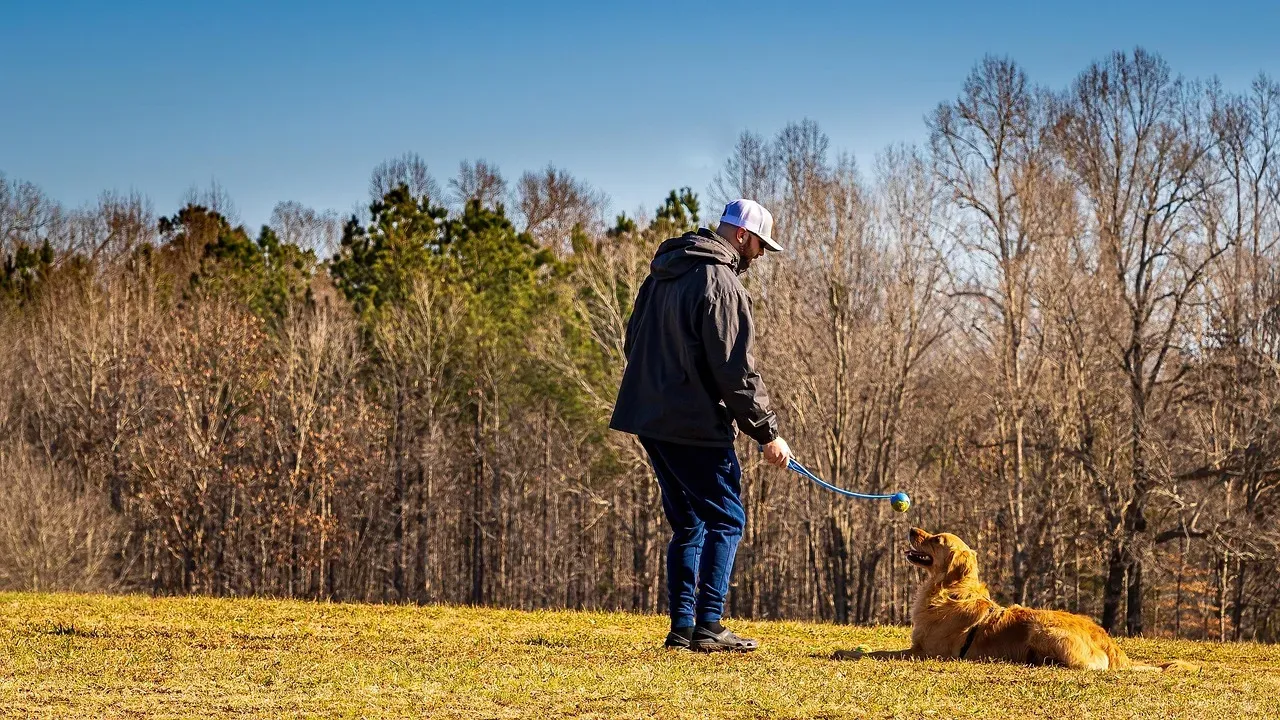
Goldens were bred as working dogs that thrive on daily activity, and rescues know that not every family can meet those needs long term. A home without a fenced yard or regular outdoor time often gets passed over because the organization wants to avoid future surrenders tied to boredom or destructive behavior.
These decisions come from years of watching otherwise good families realize too late that their schedule cannot accommodate the breed’s energy levels.
Health Concerns and Ongoing Care

Golden retrievers carry a higher risk of certain cancers and joint issues compared with many other breeds, which means rescues invest heavily in veterinary screening before placement. Families without the resources or willingness to handle potential long-term medical costs are frequently turned away to protect the dog’s future well-being.
This caution stems from painful experiences where dogs returned to rescue after expensive treatments became unaffordable, leaving volunteers to pick up the pieces again.
Protecting Dogs From Repeat Trauma

Behind every adoption denial sits the memory of a golden that bounced between homes because life circumstances shifted unexpectedly. Rescues have learned that thorough screening upfront saves the dog from another round of upheaval, even if it means disappointing eager applicants today.
The emotional weight of those failed placements drives policies that feel rigid but aim to give each dog its best possible chance at a stable forever home.
Ultimately, these tighter standards reflect a deeper commitment to the dogs rather than any blanket rejection of families. When the right match does happen, the bond often lasts a lifetime, reminding everyone involved why the extra care matters in the first place.

- The Most Resilient Animals Ever Discovered Thriving in Extreme Environments - July 21, 2026
- 7 Signs Your Dog Thinks You're Family - July 21, 2026
- 12 Surprising Facts About North American Mountain Lions You Never Knew - July 21, 2026