
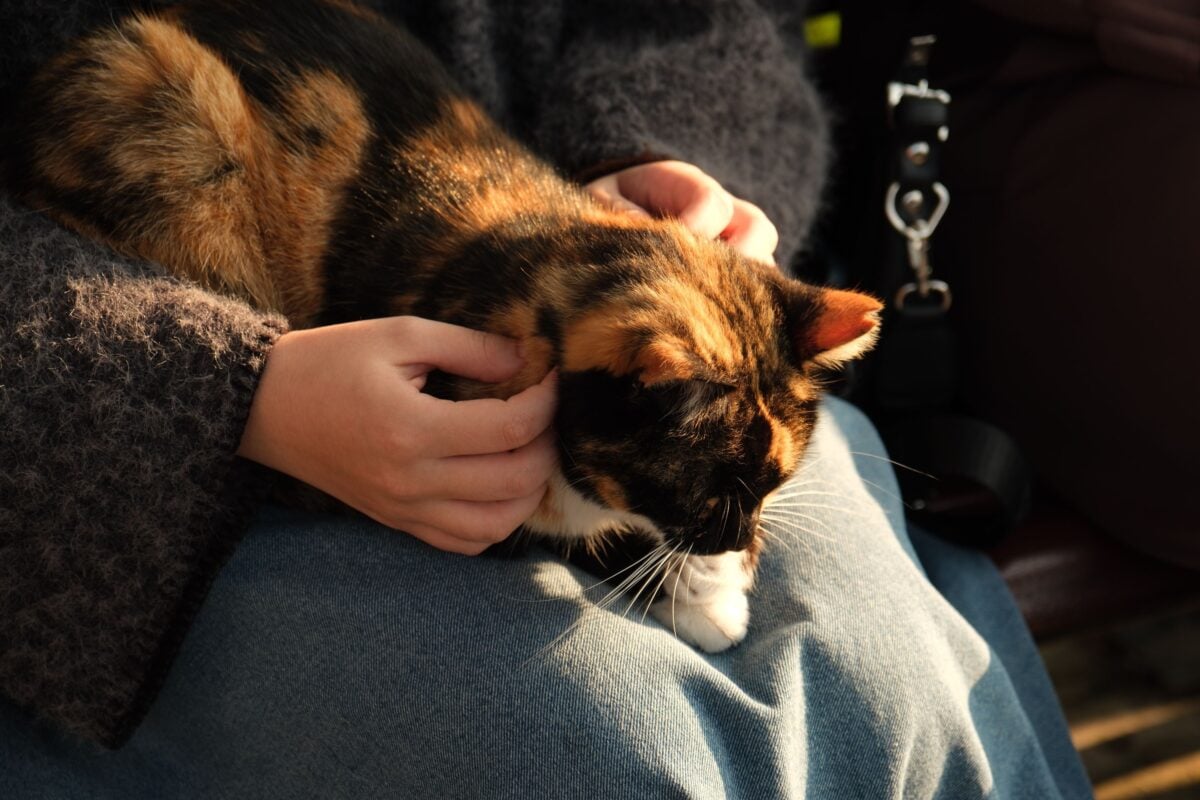
You know that moment when your cat slowly leans in, presses their forehead against yours, and starts purring like a tiny engine? It feels strangely intimate, almost like a little furry hug. Many people brush it off as “just a cat thing,” but there’s actually a lot going on behind that soft, deliberate head press.
This simple gesture blends biology, emotion, scent, and learned trust in a way that’s surprisingly deep for such a tiny creature. Once you understand what your cat is really “saying,” those forehead bumps go from cute to absolutely heartmelting. Let’s unpack what’s really happening when your cat chooses your face as their favorite landing spot.
A Surprising Sign Of Deep Trust, Not Random Affection
When a cat presses their forehead gently against yours, especially while purring, they’re doing something they would normally only do with another cat they truly trust. It’s the feline equivalent of stepping into someone’s personal bubble and feeling safe there. Cats are very particular about physical contact, so choosing your face is a big emotional statement.
I remember the first time my own cat did this: I instinctively froze, worried I’d move and ruin the moment. Over time, I realized she only did it when she was calm, relaxed, and completely unguarded. That’s the key here. A cat won’t put their face that close to yours if they feel threatened or uncertain. This is not casual affection; this is your cat saying, in their quiet way, that you’re part of their inner circle.
The Science Of Scent: Your Cat Is Quietly Claiming You
There’s also a very practical, biological reason behind that forehead press: scent marking. Cats have scent glands on their cheeks and forehead, and when they push their head against you, they’re leaving tiny chemical “notes” only other animals can fully detect. To you, it feels like a cuddle. To your cat, it’s also a way of saying, “This human is mine.”
Think of it a bit like adding someone to your favorites list on your phone, but in scent form. Your cat is mixing their scent with yours, which is intensely comforting to them. That familiar shared smell tells them they’re home, they’re safe, and the world is as it should be. It’s easy to miss, because it feels so gentle and emotional, but underneath it all, your cat is doing a quiet, biological ritual of connection.
Purring Plus Forehead Pressing: A Double-Layer Comfort Signal
The combination of purring and forehead pressing is especially powerful. Purring can mean many things, but when it’s paired with relaxed body language and a soft, slow head press, it usually signals contentment and emotional security. Your cat is not just physically comfortable; they feel emotionally safe enough to let their guard down completely.
Some behaviorists suggest that purring might have a self-soothing or even micro-healing function due to its vibration frequency, which is one reason cats often purr when they’re relaxed or recovering. When your cat rests their head on you while purring, they may be sharing that calming, soothing state with you, almost like a living, vibrating weighted blanket pressed gently against your face. It’s not an exaggeration to say they’re inviting you into their peaceful little world.
Reliving Kittenhood: You As The Safe “Parent” Figure
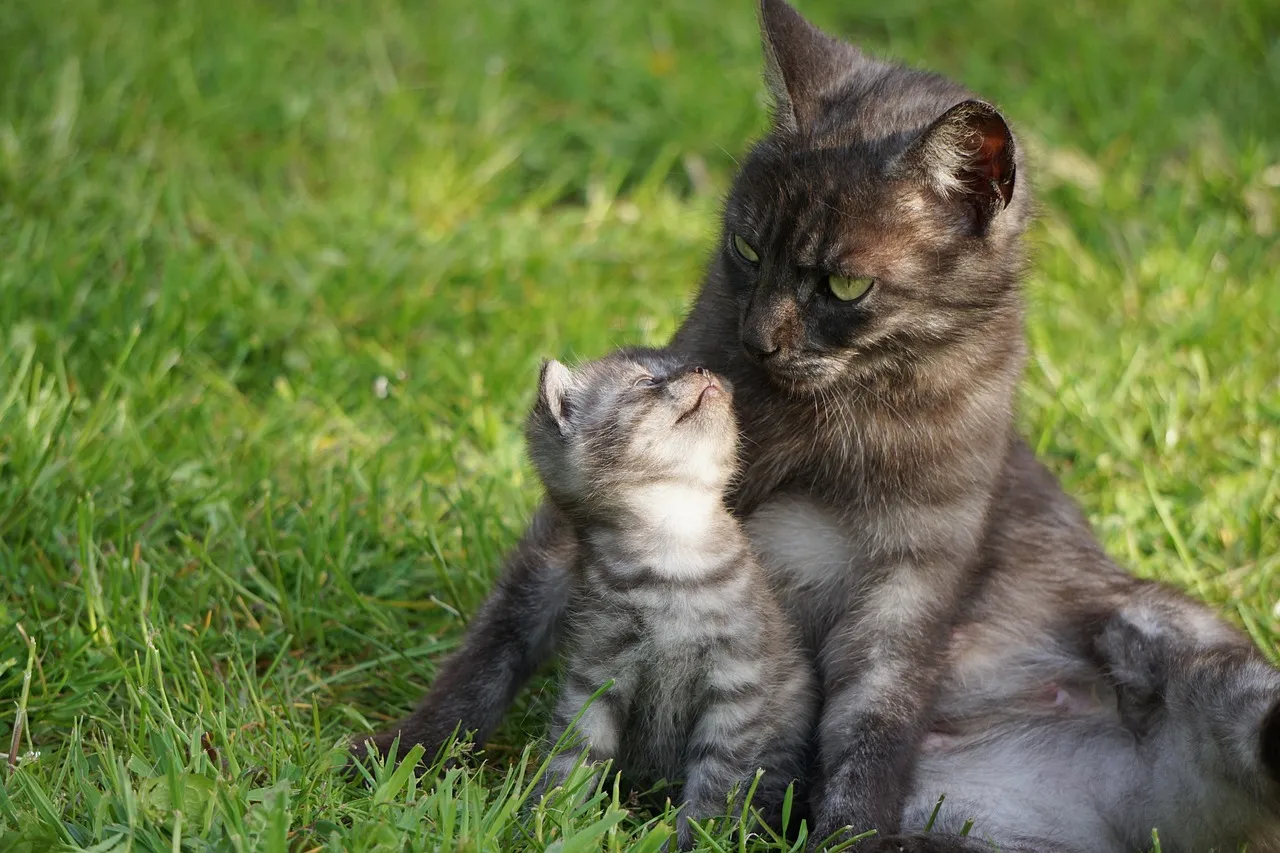
There’s also a strong emotional echo from kittenhood in this behavior. Kittens often press into their mother, nudging and snuggling close to her head and neck area while nursing or resting. That close contact becomes deeply associated with safety, warmth, and care. As adults, many cats transfer some of that instinctive behavior onto the humans they bond with most strongly.
So when your grown cat gently presses their forehead into yours, they may be slipping into that kitten-like mindset where you are the safe, steady presence they can lean into. It’s a quiet, almost childlike regression into comfort. You’re not just “the person who feeds me”; in that moment, you’re the emotional anchor, the one being in the room they instinctively gravitate toward when they need reassurance.
Reading The Mood: When A Head Press Is Sweet (And When It’s A Warning Sign)
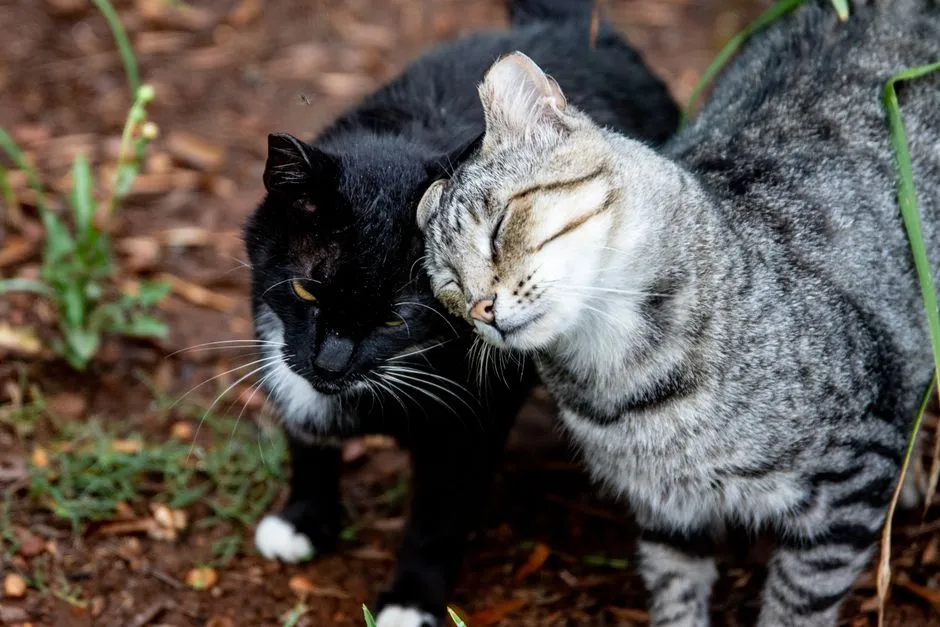
Most forehead pressing moments are purely affectionate, but context matters. A calm cat with soft eyes, relaxed whiskers, slow blinks, and a loose body is giving you a very positive signal. That’s the classic heartwarming scenario: gentle press, soft purr, maybe a slow blink that feels like a tiny love letter. You can lean in, enjoy the moment, and maybe give a quiet scratch under the chin or on the cheek if they seem to want more.
However, persistent, forceful head pressing against objects, walls, or the floor – especially if it seems compulsive and not connected to affection – can be a sign of a serious medical issue and needs a vet visit right away. That kind of pressing is usually not directed gently at your face and often comes with other changes, like confusion or unusual behavior. The affectionate forehead nuzzle is gentle, voluntary, and clearly part of a calm bonding moment. It’s important to know the difference so you can fully enjoy the sweet behavior while staying alert to anything that feels off.
Your Cat May Be Matching Your Energy And Emotions
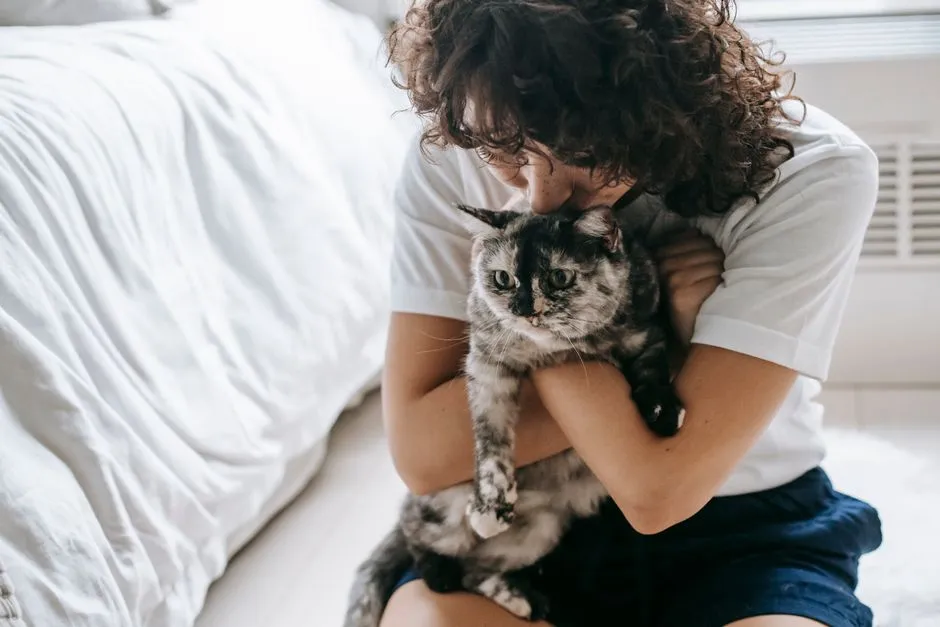
Cats are often more attuned to our moods than we give them credit for. Many people notice that their cat is more likely to offer a forehead press and purring session when they’re sad, tired, or stressed. While we can’t say for sure what your cat understands about human emotions, they are definitely sensitive to changes in your voice, posture, scent, and routine. When something feels different, some cats respond by moving closer rather than pulling away.
Think of that forehead press as your cat’s low-key way of saying, “I’m here.” They might not understand the details of your day, but they know you feel different, and their instinct is to share closeness as comfort. The way they press their head into you can feel almost like a silent, furry check-in. It’s a subtle but very real form of emotional mirroring, and honestly, it can be more grounding than anything another human might say.
How To Respond: Building An Even Stronger Bond
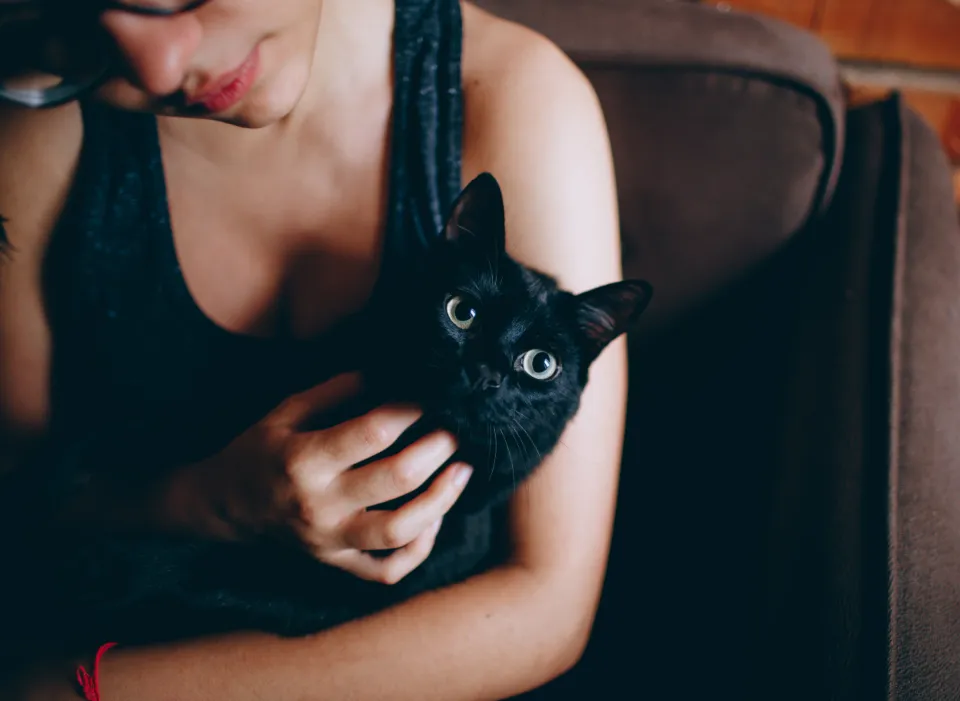
When your cat chooses to offer you this kind of closeness, how you respond shapes the bond going forward. If you hold very still, let them lean into you, and respond with calm, gentle touch or soft words, you’re reinforcing that this is a safe, positive interaction. Many cats will repeat behaviors that feel rewarding and safe, so your reaction matters more than you might think.
It can help to think of these moments as tiny, precious trust deposits into your relationship bank account. If you shove them away, laugh too loudly, or try to turn it into a photo shoot right away, some cats may back off or do it less often. But if you treat it like the fragile gift it is – letting the moment be quiet, warm, and undemanding – you’re essentially telling your cat, “I get you; I’m safe too.” Over time, that can transform your dynamic from “human who lives here” to “real partner in this little two-species friendship.”
Is It Love? Why This Gesture Feels So Unfairly Powerful
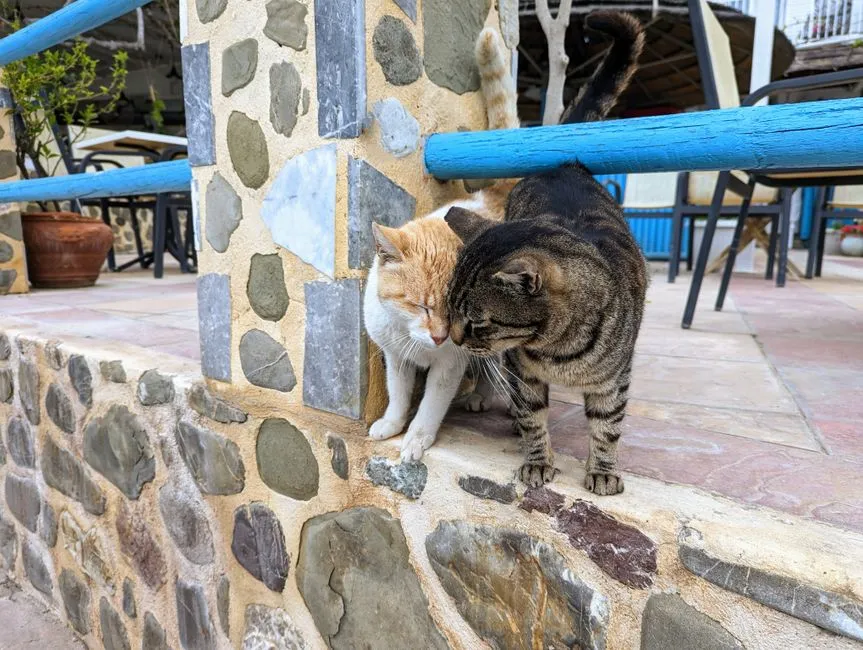
We have to be careful with the word “love” when talking about animals, because it’s easy to project human ideas onto them. But denying that something very real and emotionally rich is happening in that forehead press also feels wrong. Your cat is acting out a behavior that, in their own feline language, blends trust, safety, attachment, and comfort. If that isn’t at least in the neighborhood of love, it is very close.
Here’s my honest opinion: when your cat chooses your face as their resting place, purrs softly, and presses their forehead against yours, that is one of the clearest everyday signs that they see you as more than a food dispenser. They’re choosing to be vulnerable around you, to mark you as part of their world, and to share their calm with you. That might not fit neatly into a scientific definition of love, but it absolutely qualifies as something deep and genuine. The next time it happens, maybe instead of wondering whether it is “really” love, you can just close your eyes and ask yourself: how does it feel?
