
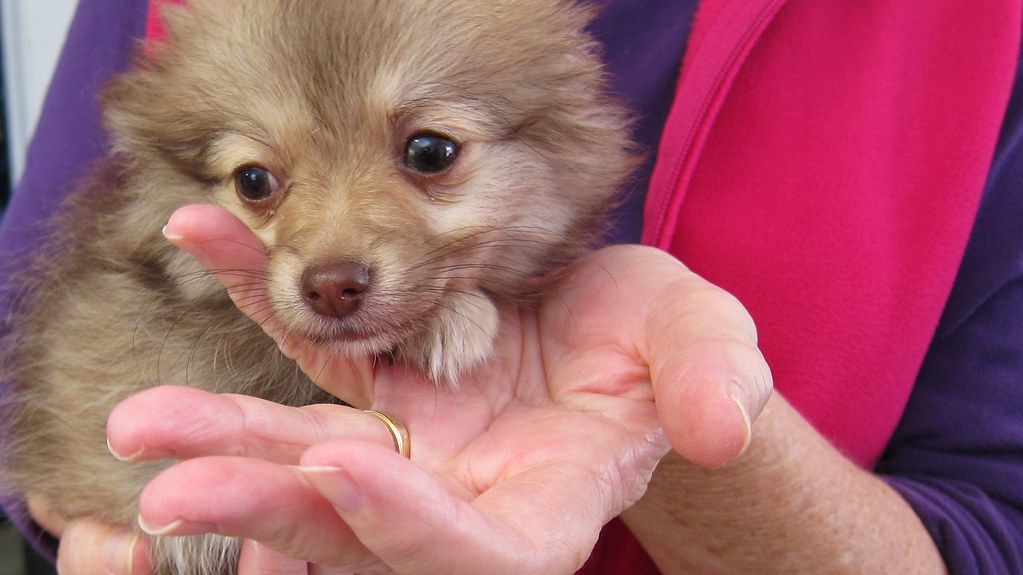
There’s a moment that rescue workers describe again and again. It happens when a frightened animal, cowering in a corner of a shelter kennel or clinging to a piece of debris in floodwater, finally meets a pair of gentle, outstretched hands. Something shifts. The animal goes still. Trust, fragile and improbable, begins to form. It’s a quiet moment that most people never witness, yet it carries a kind of weight that changes everyone involved.
What makes animal rescue so quietly extraordinary is the two-way nature of the exchange. The rescued animal gains a second chance at life. The person doing the rescuing, and often the person doing the adopting, gains something harder to name but just as real. Across shelters, disaster zones, sanctuaries, and ordinary living rooms, these stories keep accumulating, and the evidence of their impact is now too substantial to ignore.
#1. When Rescue Meets the Human Heart: The Science Behind the Bond
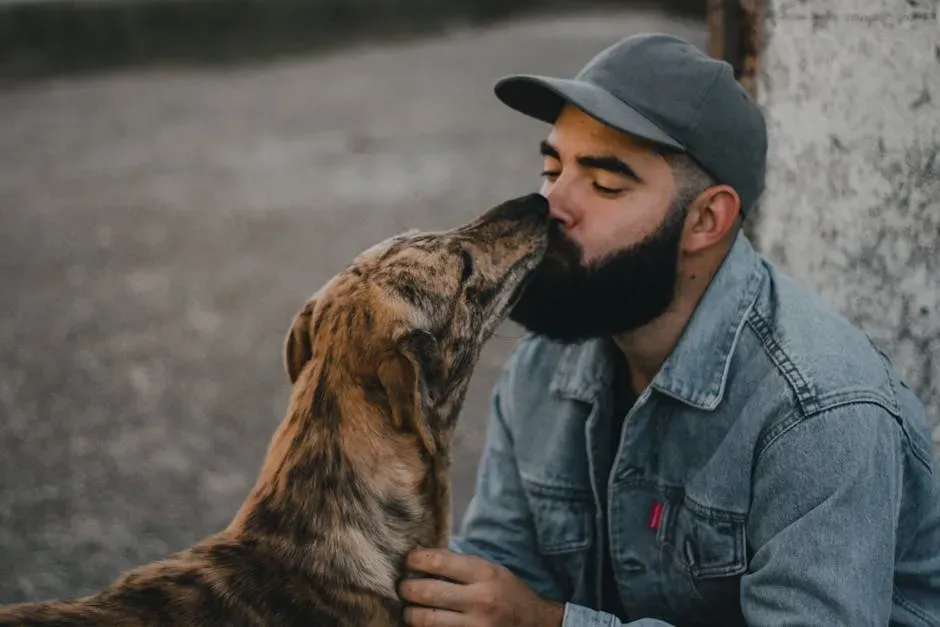
There’s a biological reason rescue stories feel the way they do. The simple act of petting an animal can release oxytocin, a hormone associated with bonding and stress relief. According to the Centers for Disease Control and Prevention, pet owners tend to have lower blood pressure and cholesterol levels, which are indicators of reduced stress. That measurable physiological response is part of what makes the human-animal bond more than sentiment.
Adopting a rescue animal not only saves the animal’s life but can also significantly enhance the adopter’s mental health. Rescue pets often form strong bonds with their owners, offering deep emotional connections and a sense of fulfillment. Rescue animals, having experienced abandonment or neglect, can be incredibly loyal and loving. Their resilience can inspire and motivate owners, reminding them of the power of compassion and second chances.
Companion animals are being used to help treat people with attention deficit/hyperactivity disorder, autism, depression, stress, anxiety, and PTSD. The medical community has taken notice. More than one in five U.S. pet owners surveyed have had a pet recommended by a doctor or therapist, and they are increasingly welcomed in the places people live, work, and play. It’s a shift in how we understand wellness, and it started, in many ways, with a rescue.
#2. The Stories That Stayed With Us: Real Lives Transformed by Rescue
Some rescue stories aren’t dramatic in the cinematic sense. They’re quiet, personal, and life-altering. In February of 2024, Job and Sarah discovered that their youngest daughter, Lindley, had a congenital foot disorder that turned their lives upside down. Following seven months of surgeries and rehabilitation, Lindley was no longer feeling like the active, soccer-loving girl she once was. That’s when puppy Riley from Best Friends in Northwest Arkansas entered the picture. Within just a few days of bringing Riley home, Lindley’s family noticed a positive change: she was once again excited to go to school and to get back on the soccer field. Lindley’s family will be forever grateful for the day Riley came into their lives.
Then there’s the story of Timber, a nine-year-old pit bull mix whose bond with his owner transcended ordinary companionship. Lois Brumfield’s husband endured a 13-year battle with prostate cancer and was receiving hospice care at home. He hoped Timber would wake her up if he ever died in the middle of the night. The night her husband passed away, Timber did indeed wake her up. He jumped off the bed, refused to jump back up, and was staring at her husband in his hospital bed. Timber has been a blessing to her since her husband passed.
Stone and her partner adopted Sanchez while on a journey across Thailand. She watched Sanchez transform from a dog once too timid to walk around the block to one that blazed through wilderness trails with abandon. These aren’t anomalies. They’re the ordinary texture of what rescue looks like from the inside.
#3. Racing Against Disaster: Animal Rescue When Crisis Strikes
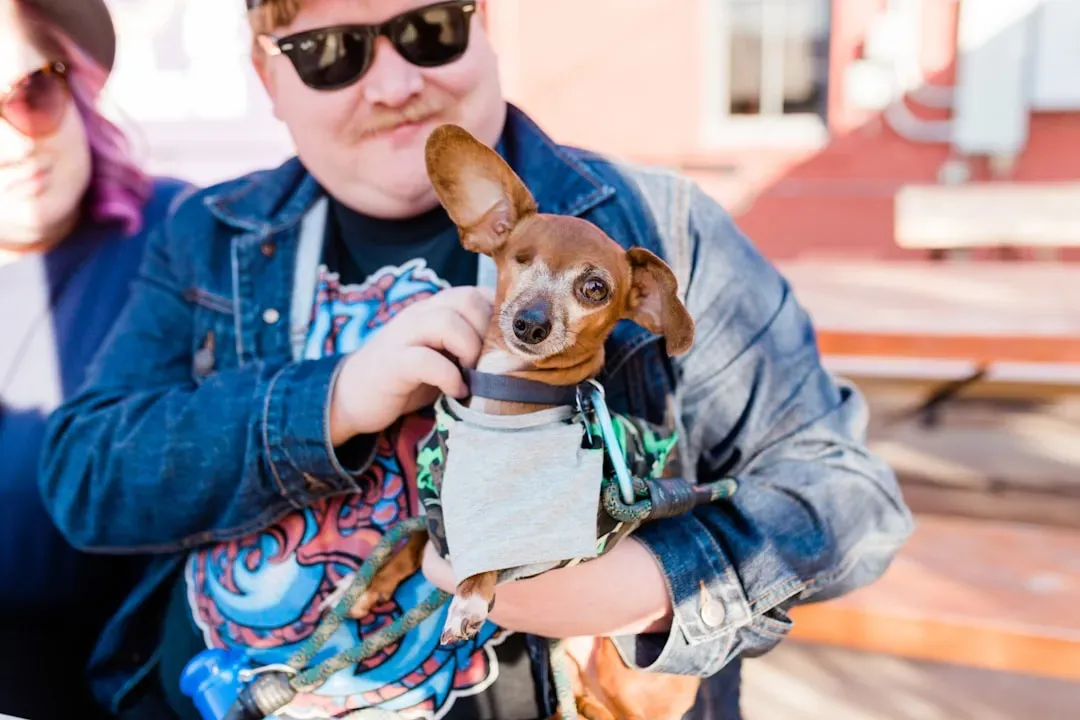
Natural disasters reveal something profound about the human-animal relationship. People will risk their own safety to go back for a pet. Almost 44% of people who did not evacuate during Hurricane Katrina kept themselves in harm’s way because of their companion animals. That stat shaped an entirely new approach to emergency preparedness and animal welfare.
During the 2025 Los Angeles wildfires, American Humane Society was on the ground within hours, ultimately conducting more than 1,600 welfare checks and reuniting over 1,000 pets with their families. The speed and scale of the response reflected years of hard-won coordination. During the Los Angeles wildfires in 2025, more than 1,000 people volunteered to foster displaced cats and dogs, an almost unprecedented show of community support.
When Tropical Storm Debby struck South Carolina in 2024, Berkeley Animal Center put out an urgent call for help: 137 animals needed safe foster homes to ride out the storm. Within hours, volunteers stepped up and placed every pet out of harm’s way. The logistics behind these moments involve hundreds of organizations working in real time, and the outcomes speak to what’s possible when communities choose to show up. Organizations that make up the National Animal Rescue and Sheltering Coalition have made significant improvements to animal disaster response in the 20 years since Hurricane Katrina. After Katrina, animal rescue and welfare organizations came together to create NARSC to find collaborative solutions to major human-animal emergency issues. NARSC has led to collaboration between agencies that used to operate in silos.
#4. Farm Animals and the Sanctuaries That See Them
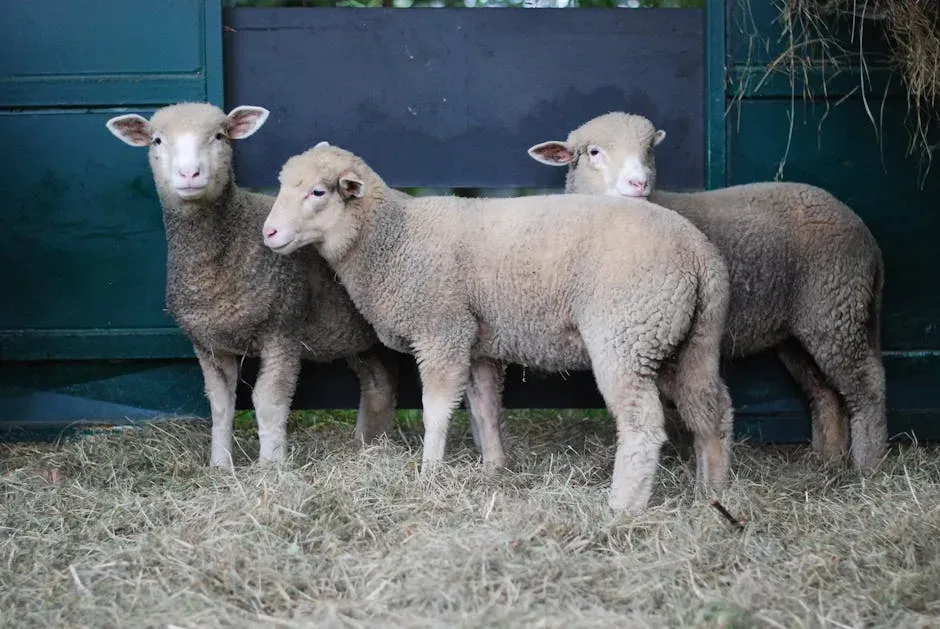
Rescue isn’t only about dogs and cats. Farm Sanctuary’s New York and California shelters are home to hundreds of rescued animal residents. These inspiring animals are individuals and ambassadors for the billions of farm animals advocates speak for, and their stories inspire compassion for all. The stories that emerge from farm sanctuaries carry a different kind of weight. They ask us to rethink which animals are visible to us and which ones aren’t.
Olive was one of several cows who ran for freedom, escaping from a New York dairy farm. Sadly, the others were all rounded up and sold, leaving Olive alone and scared. She spent four months in the woods, and local property owners believed she was likely pregnant. A rescue team was dispatched immediately, ready to help Olive and her calf. Stories like this reveal that the instinct to survive, and the hunger for safety, exists far beyond the animals we’ve traditionally thought of as companions.
A vegan animal advocate originally saved three best friends on their way to slaughter. When the rescuer faced changing circumstances, they asked Farm Sanctuary for help, knowing they had to keep these three friends together. To find the perfect home, they turned to their Farm Animal Adoption Network, and Longleaf Animal Sanctuary in Alabama was just the place. As the trio arrived at their beautiful home, it was a joy to see them confidently exploring their many acres together. Three animals. One road not taken. A future worth living.
#5. The No-Kill Movement: A Quiet Revolution Gaining Ground
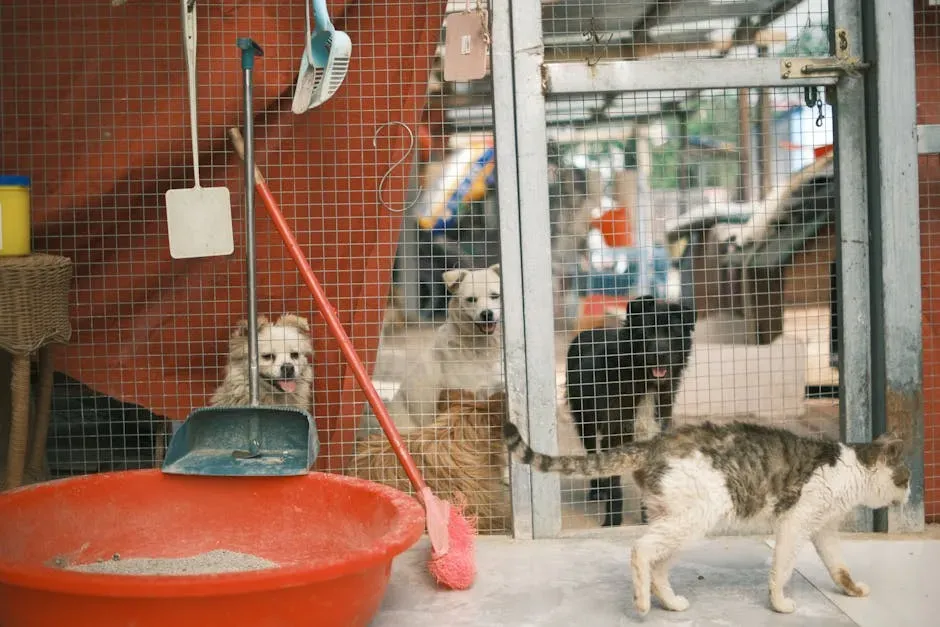
Possibly the most important story in animal rescue right now is the one being told in numbers. More than two out of three U.S. shelters reached no-kill status in 2025, with hundreds more within reach of that goal. That milestone didn’t arrive without decades of sustained effort, failed experiments, rethought policies, and thousands of small daily decisions made by shelter staff.
In 2016, when Best Friends made the bold goal to lead the country to no-kill, 71% of homeless dogs and cats were making it out of America’s shelters alive. Since then, that number has increased to 83%. Increasing the national save rate from 71% to 83% since 2016 means that an extra 3.7 million cats and dogs have been saved in just eight years. Those are lives with names, faces, and people who will love them.
In just one year, the Rankin County Animal Shelter in Mississippi made a remarkable 19-point dog save rate increase, from 73% in 2024 to 92% in 2025. That kind of progress is inspiring, and the best news is that it’s replicable. The shelter’s staff, sheriff’s department, and community were fully invested. Within the foster program’s first full year, 89 pets went into foster homes. Of these, 85% were adopted by their foster family. Programs like that prove that transformation doesn’t require unlimited resources. It requires commitment.
A Final Word Worth Sitting With
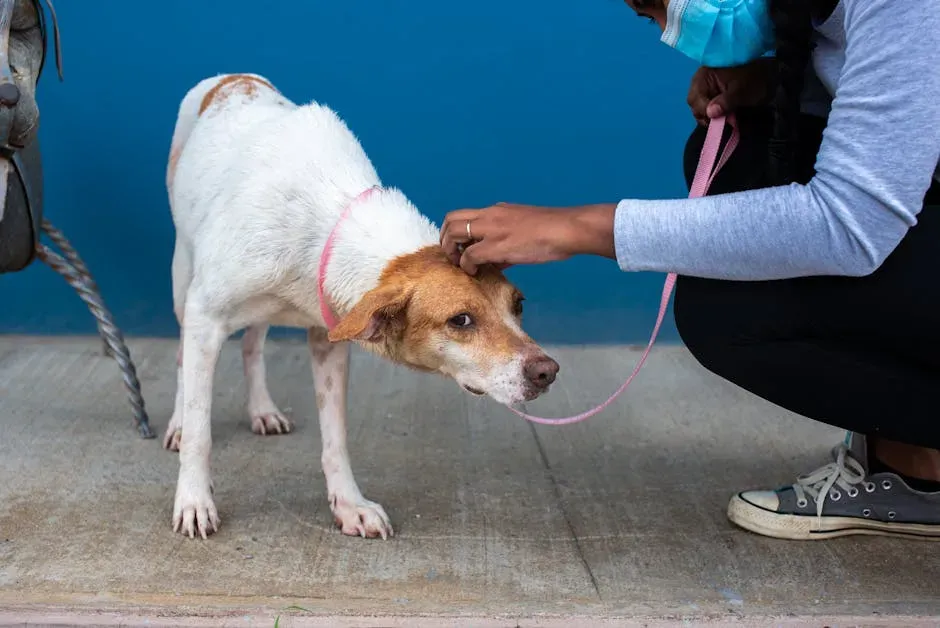
If there’s one thing these stories share, it’s the refusal to accept that an animal’s story must end at the point of crisis. In the stories people love most, what matters is hope, resilience, and the unshakable bond between people and pets. That sounds simple. It isn’t. It takes volunteers, donors, foster families, shelter workers, disaster responders, and ordinary people willing to open a door.
The progress in animal rescue over the last decade is, frankly, one of the more underreported positive stories of our time. Behind the numbers is something extraordinary: nearly 4 million dogs and cats in U.S. shelters last year were saved. Each one of those animals represents a choice someone made to show up. And if the data trend holds, the most heartwarming chapter in this story hasn’t been written yet.
Animal rescue doesn’t just change the lives of the animals involved. It changes us. It reminds us that compassion is, among other things, a practice. One that gets stronger the more we use it, and one that leaves both the rescuer and the rescued better than they were before. The question worth asking isn’t whether these stories matter. It’s whether we’re willing to become part of one.
