
Worried about unexpected vet bills?
Pet insurance can cover thousands in unexpected vet costs. Get a free quote from Lemonade in under 2 minutes.
Get My Free Quote →Sponsored · Opens Lemonade.com
We’ve always thought of wolves as wild, untamable creatures lurking in the shadows of forest edges. Yet beneath their fierce exterior lies something remarkable that science is just beginning to understand. The very foundations of our deepest emotional connections with dogs might trace back to ancient bonds with their wolf ancestors, written into the architecture of our brains.
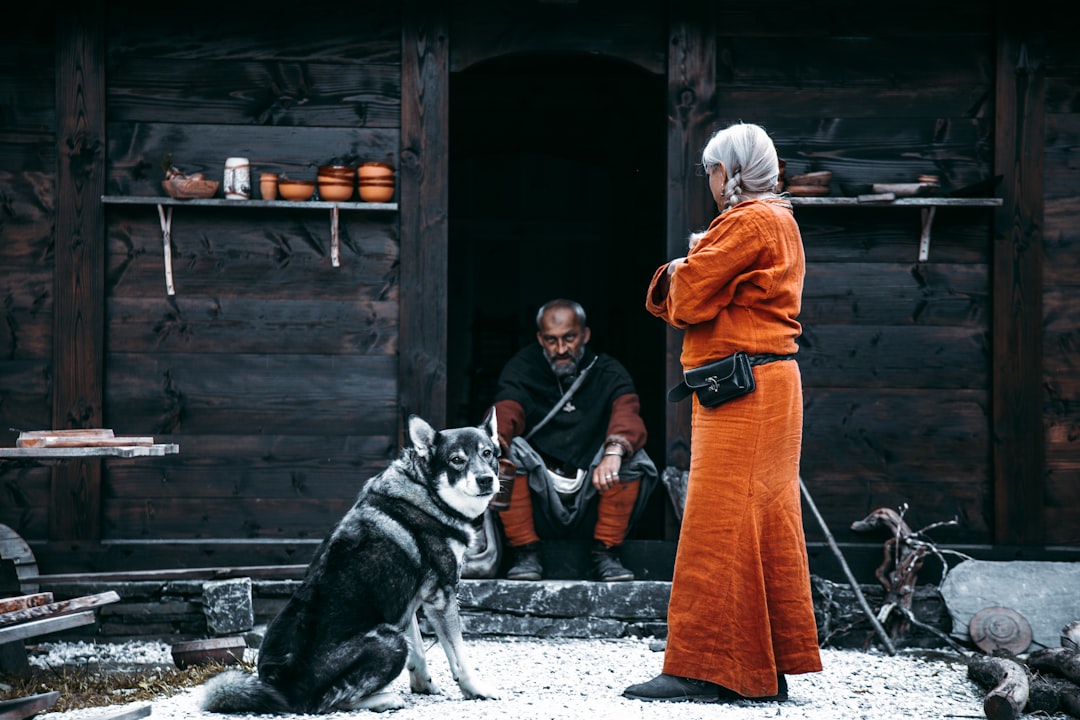
When researchers tested 23-week-old wolves alongside dogs in controlled experiments, they discovered that wolves spontaneously discriminated between familiar people and strangers just as effectively as dogs did, showing increased proximity-seeking and affiliative behaviors toward familiar individuals. Perhaps most striking was that the presence of familiar people acted as a social stress buffer for wolves, calming them in stressful situations.
The Neuroscience of Connection
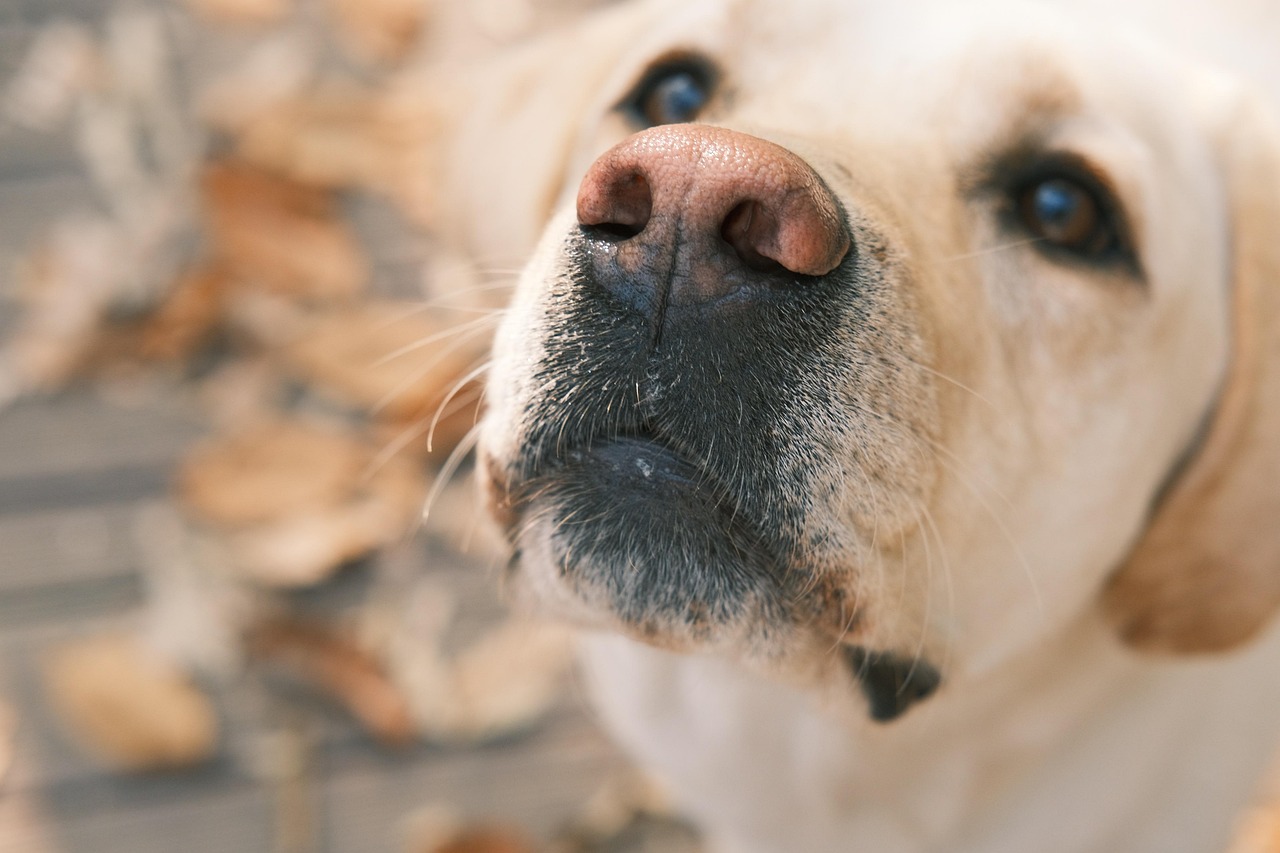
The chemical foundation of our bonds with canines traces back to oxytocin, often called the “love hormone.” When humans gaze into each other’s eyes, both brains release oxytocin, and remarkably, dogs trigger this same neurochemical response through mutual eye contact with their owners. This creates feedback loops where gazing behavior from dogs increases oxytocin concentrations in owners, which in turn facilitates affiliation and increases oxytocin in the dogs themselves.
Dogs have essentially hijacked the same neural mechanisms in our brains that create the strongest social bonds, particularly those between mothers and children. These loving gazes cause both dog and human brains to secrete oxytocin, which has previously been linked to strengthening emotional bonds between mothers and babies and between other mammal pairs.
Ancient Brain Circuits at Work
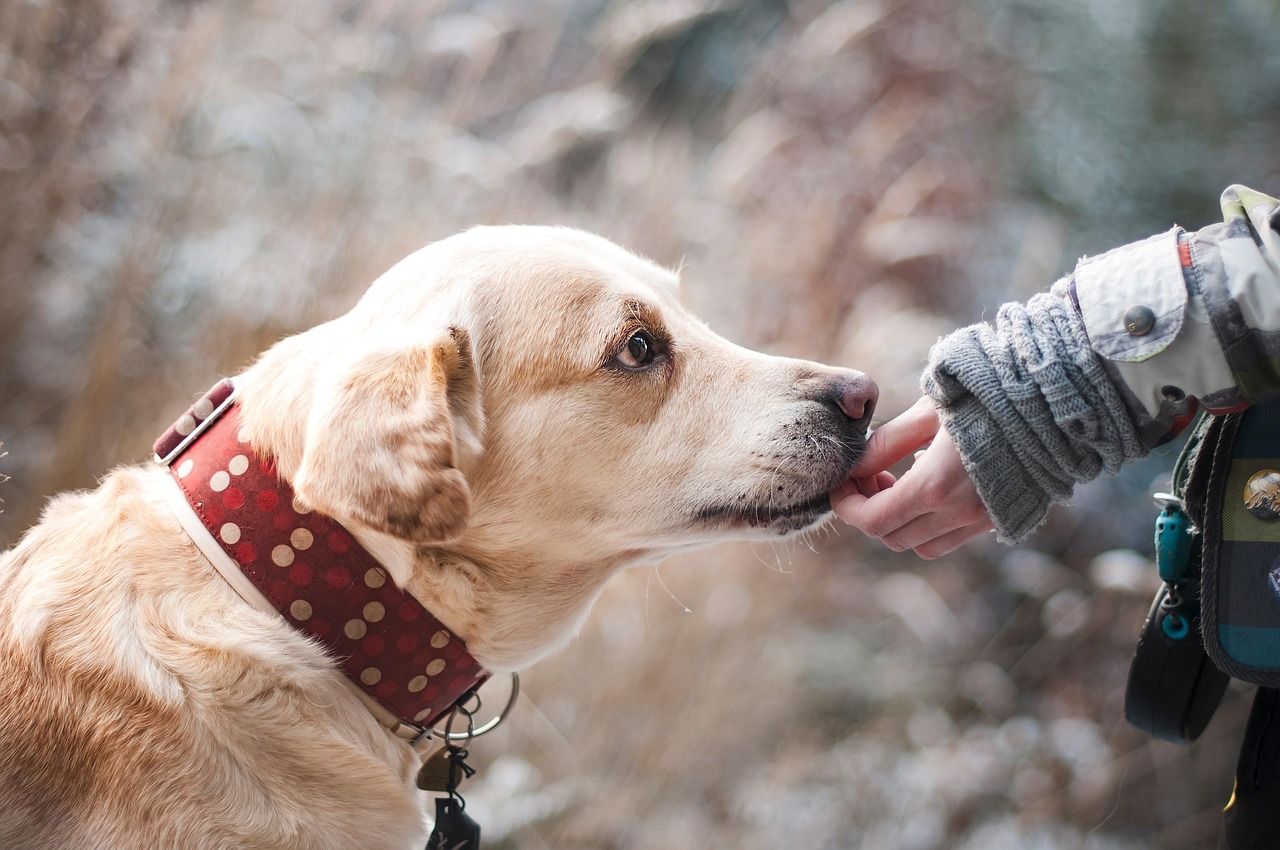
At the neurobiological level, oxytocin and dopamine interact to link the neural representation of partner stimuli with the social reward of interaction, creating nurturing bonds between individuals. Vasopressin facilitates protective behaviors that might be related to the human experience of jealousy and mate-guarding.
Neuroimaging studies reveal that when dogs view their human caregivers, brain regions associated with emotion and attachment processing become activated, regardless of the emotional expression displayed. In contrast, viewing strangers primarily activates brain regions related to visual and motor processing rather than emotional centers.
The Wolf Connection Controversy
While dogs and their owners show mutual oxytocin responses during eye contact, wolves rarely engage in sustained eye contact with their human handlers and appear resistant to this biochemical bonding effect. Even hand-raised wolves living in daily contact with humans don’t demonstrate the same oxytocin feedback loops that characterize human-dog relationships.
However, this doesn’t tell the complete story. Recent research demonstrates that hand-raised wolves do express human-directed attachment behaviors, challenging claims that this capacity evolved exclusively after dog domestication began. These findings suggest that the ability to form attachment with humans exists in relatives of dogs’ wild ancestors.
Shared Social Architecture
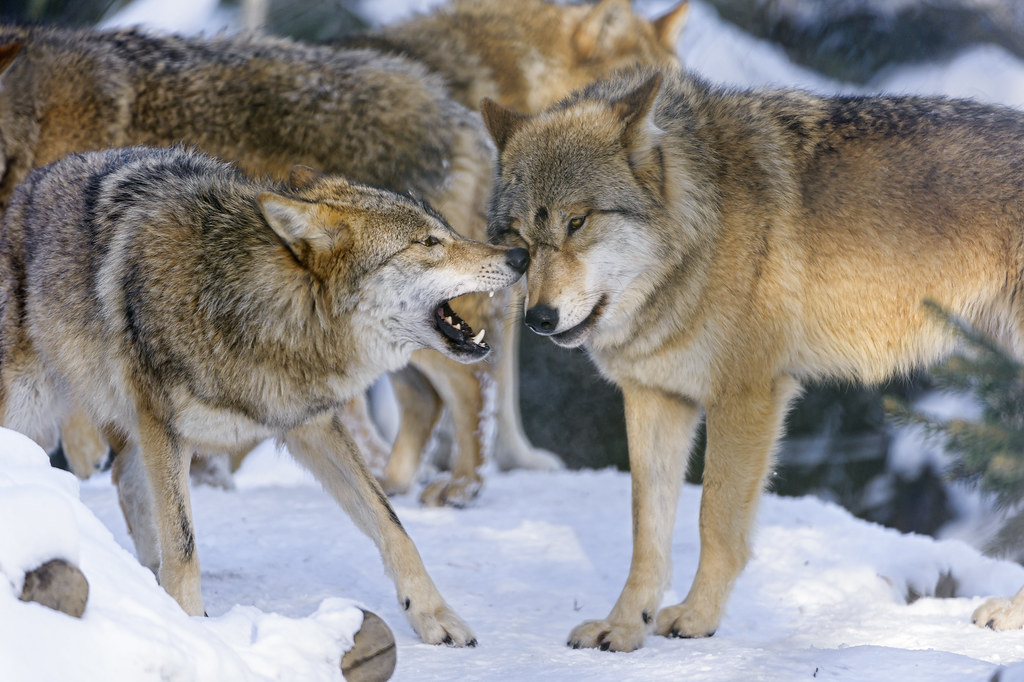
Wolves, dogs, and humans share remarkably social and cooperative minds rooted in both evolutionary homology and convergent neural mechanisms. Both Paleolithic humans and wolves were cooperative hunters working together within their groups for hunting, raising offspring, and defending against competitors. These ecological parallels shaped similar social mindsets that, over millennia of domestication, resulted in humans and dogs possessing amazingly similar social brains and minds.
Research from Vienna’s Wolf Science Center reveals that wolves demonstrate the same level of attentiveness to both pack members and humans as dogs do, suggesting that the social skills we value in dogs were already present in their wolf ancestors. The researchers developed a “canine cooperation hypothesis” stating that wolves’ pack social behaviors were already sophisticated enough that additional human selection for social traits in early dogs wasn’t necessary.
The Domestication Pathway
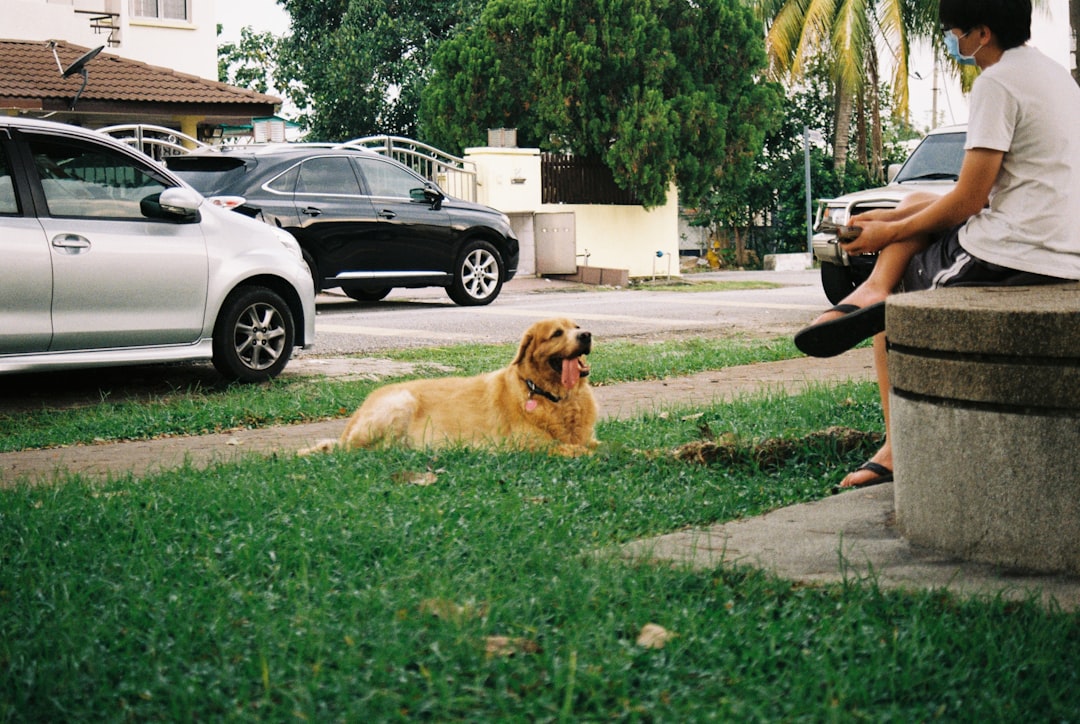
Dog domestication likely involved multiple functional stages, beginning when wolf subpopulations became synanthropes benefiting from human environments, followed by phases where dogs were selected for specific behavioral characteristics. This process first involved selection against fear and aggression toward humans, later involving selection for affiliative processes that enabled easier social bond formation with humans.
During early domestication, oxytocin played crucial roles in dampening fear and stress associated with human contact. In later stages, oxytocin’s most critical functions shifted toward facilitating affiliative social behavior, social engagement, and cooperation with humans.
Brain Imaging Reveals Deep Connections
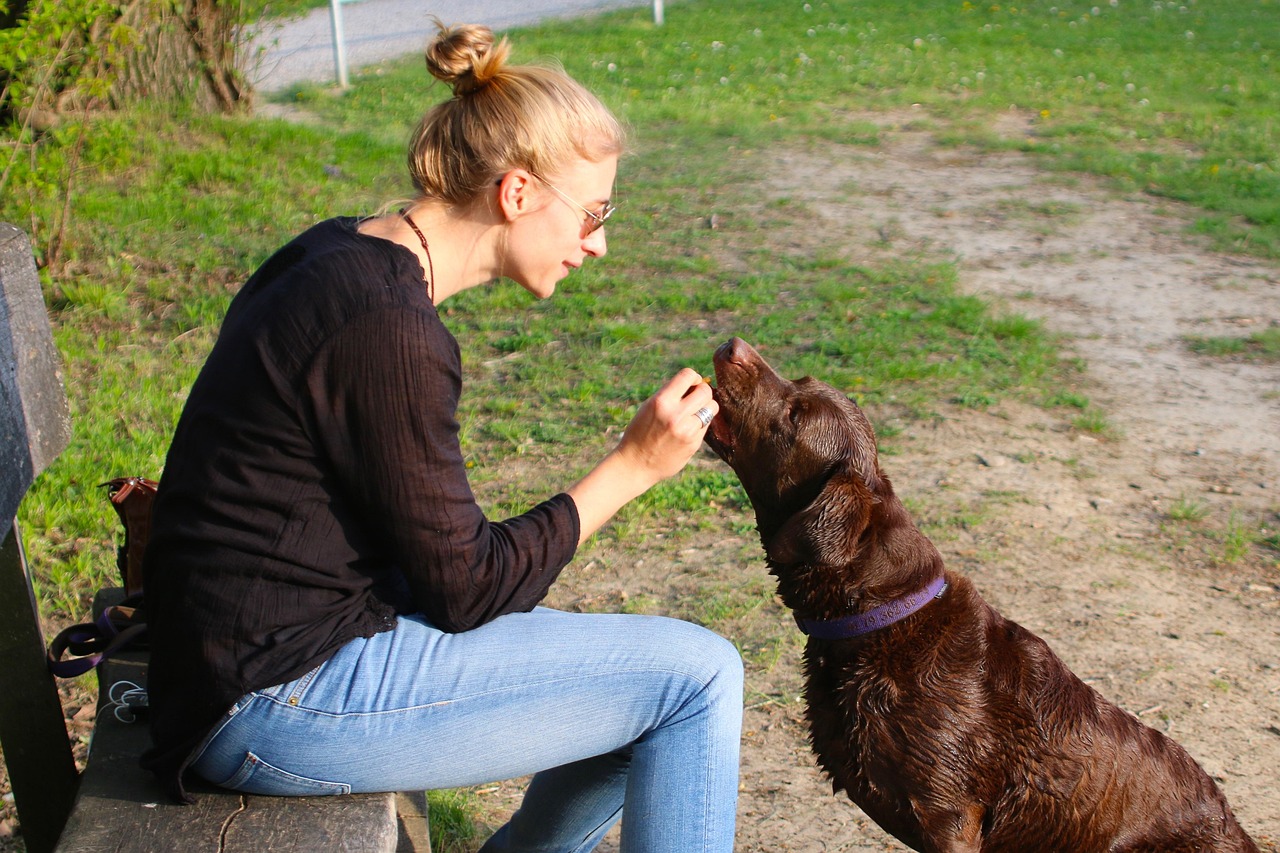
Neuroscientist Gregory Berns used MRI technology to study dog brains during human interactions, finding that some dogs actually prefer their owners to food when given a choice. He discovered striking similarities between brain regions that activate when dogs hear their owner’s voice and the same areas in human brains that respond to people or things we love.
Brain imaging studies show that the same neural regions light up in dogs when they see their human caregivers as activate in human babies when they see their mothers. This provides neurological evidence that dogs experience the same kind of love response toward humans that human infants feel toward their parents.
Stress, Comfort, and Social Buffering
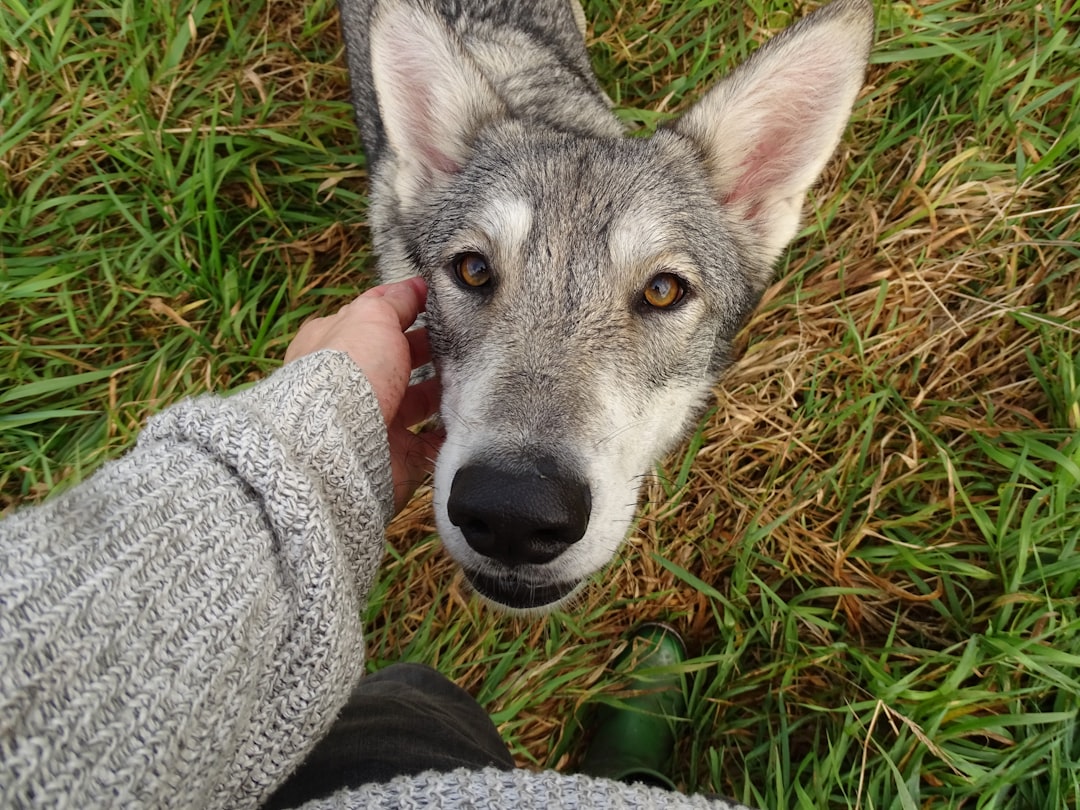
When hand-raised wolves were placed in stressful testing situations, they exhibited pacing behavior that completely stopped when their familiar human caregiver returned to the room. This social stress buffering effect had never been documented in wolves before and suggests these animals view their human caregivers as sources of comfort and support.
Studies comparing pack-living wolves and dogs found that physical contact wasn’t directly associated with oxytocin release, but instead correlated positively with stress hormones when the human wasn’t strongly bonded to the animal. However, when pet dogs interacted with their owners, oxytocin levels correlated positively with physical contact while stress hormones remained unaffected.
The Evolutionary Advantage
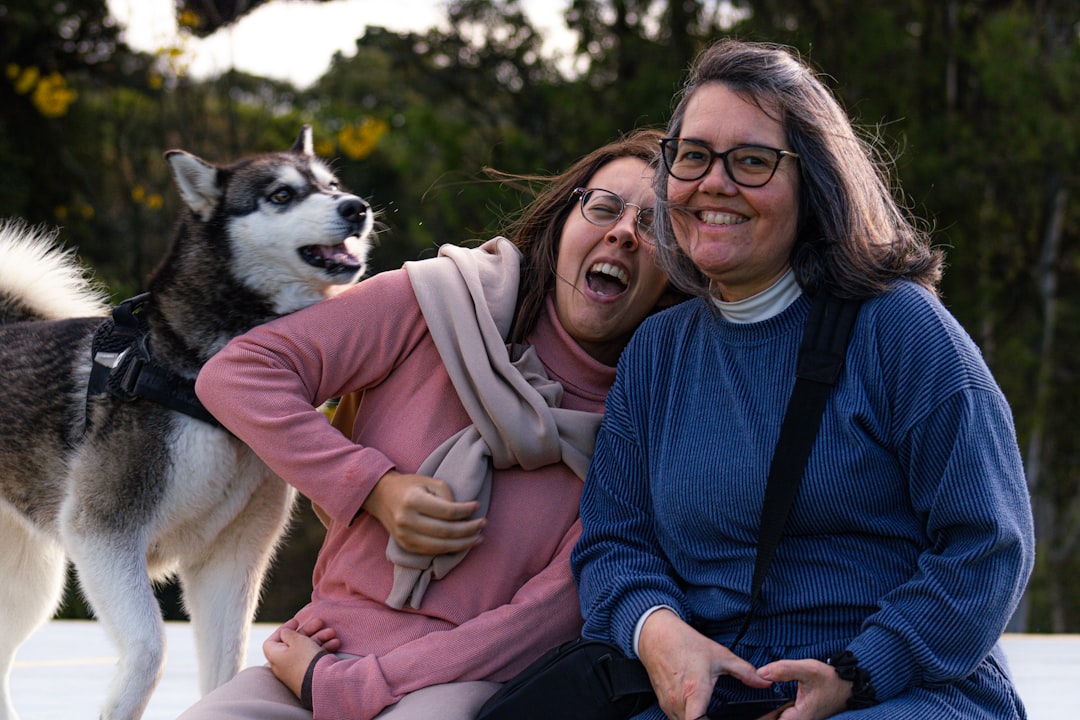
Dogs appear to have retained juvenile communication patterns throughout their lives, tapping into the oxytocin loops that strengthen bonds between human mothers and babies. By preserving child-like traits and behaviors into adulthood, dogs triggered almost parental affection in humans, providing them with significant survival advantages during the domestication process.
Recent neuroscience research suggests that dogs and humans may show some neural similarities during bonding interactions, though the extent and mechanisms of any brain wave coordination remain areas of active investigation.
Conclusion
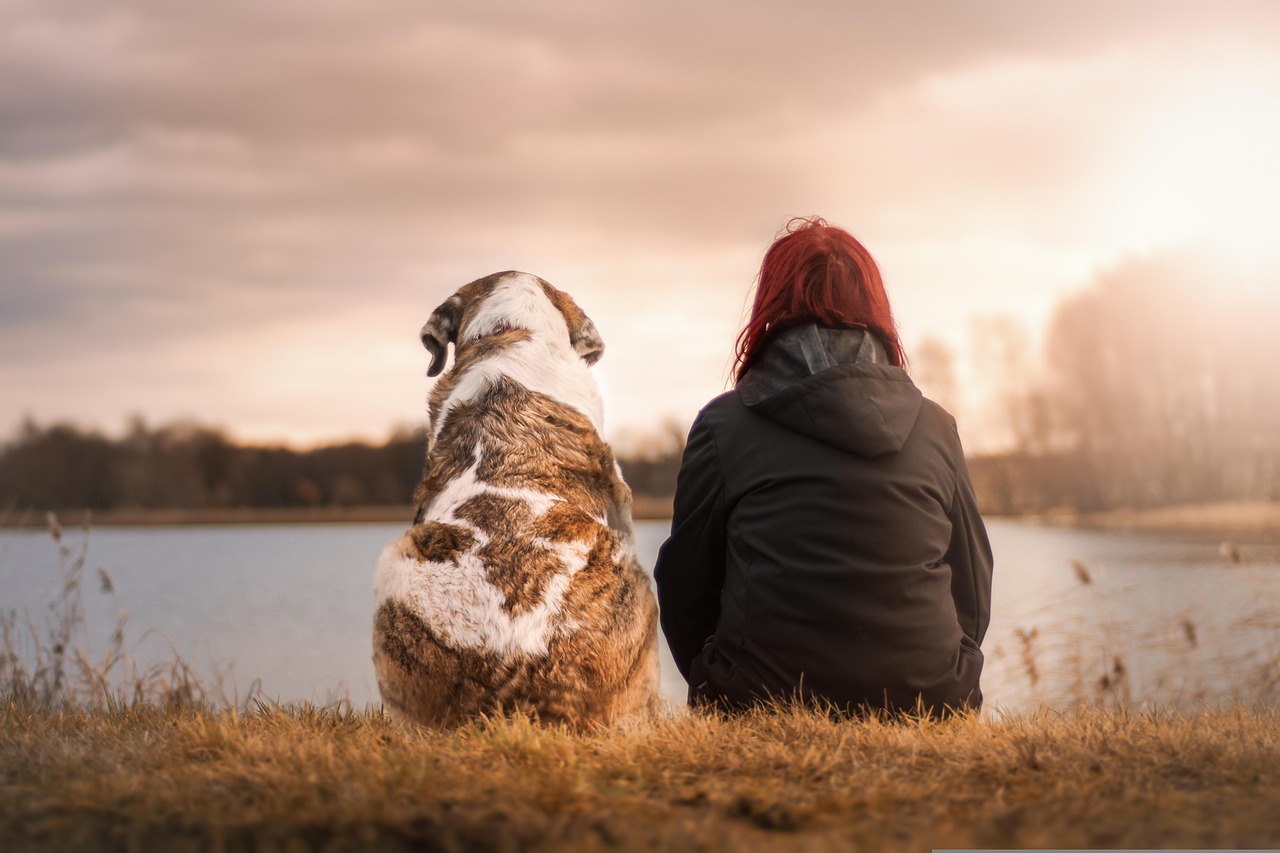
The hidden neurobiological threads connecting humans and wolves run deeper than anyone imagined just decades ago. While thousands of years of domestication refined and amplified these connections in dogs, the fundamental capacity for interspecies bonding appears to have ancient roots in shared neural architecture. The same oxytocin mechanisms that promote mother-infant bonds and pair bonding between mates have been adapted to regulate bonding across species lines, creating something apparently rare in the natural world.
This research transforms our understanding of why we feel such profound connections with our canine companions. It’s not merely learned behavior or evolutionary coincidence, but rather the activation of some of our most fundamental neurobiological systems for love, attachment, and social bonding. What do you think about discovering that these ancient wolf connections still pulse through our relationships with dogs today? Tell us in the comments.
Worried about unexpected vet bills?
Pet insurance can cover thousands in unexpected vet costs. Get a free quote from Lemonade in under 2 minutes.
Get My Free Quote →Sponsored · Opens Lemonade.com
